
REVIEW · HALLSTATT & SALZKAMMERGUT TRIPS
Hallstatt Private Walk Tour
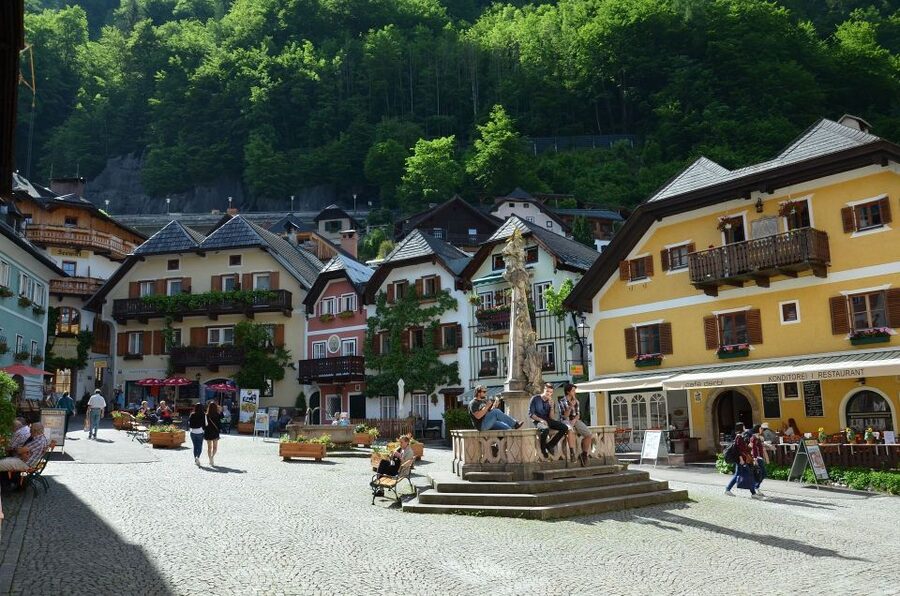
Hallstatt can feel like a time capsule. This private walk tour turns the pretty lakeside streets into a guided lesson on early European prehistory and the famous Hallstatt culture that took shape here. You cover Neolithic and Bronze Age wonders, then move forward into the European Iron Age and La Tène world.
I especially love how the guide brings the topics down to street level, with clear explanations in English or German. I also like the private group setup, where the guide can stay responsive and keep the pace comfortable. One thing to consider: entrance fees are not included, so if you want to go into the church areas or the salt mine, plan for extra costs.
In This Review
- Key highlights that matter in Hallstatt
- Hallstatt Private Walk Tour, what you really get in 90 minutes
- Who this private format is best for
- What periods you’ll cover, from Neolithic to La Tène
- Starting at the Franz Josef I monument, then getting oriented fast
- The market streets: why this stop works for the whole story
- The church stop: context you can carry while you keep walking
- The salt mine area: the landmark you can tie to Hallstatt’s identity
- What makes the guide experience feel premium
- Price and value: $289 per group up to 15
- Logistics that can make or break your day
- Should you book this Hallstatt Private Walk Tour?
Key highlights that matter in Hallstatt
- A guide who explains the periods, not just the scenery, from Neolithic and Bronze Age finds to the La Tène culture
- Private group only, with a local guide tailored to your group’s flow
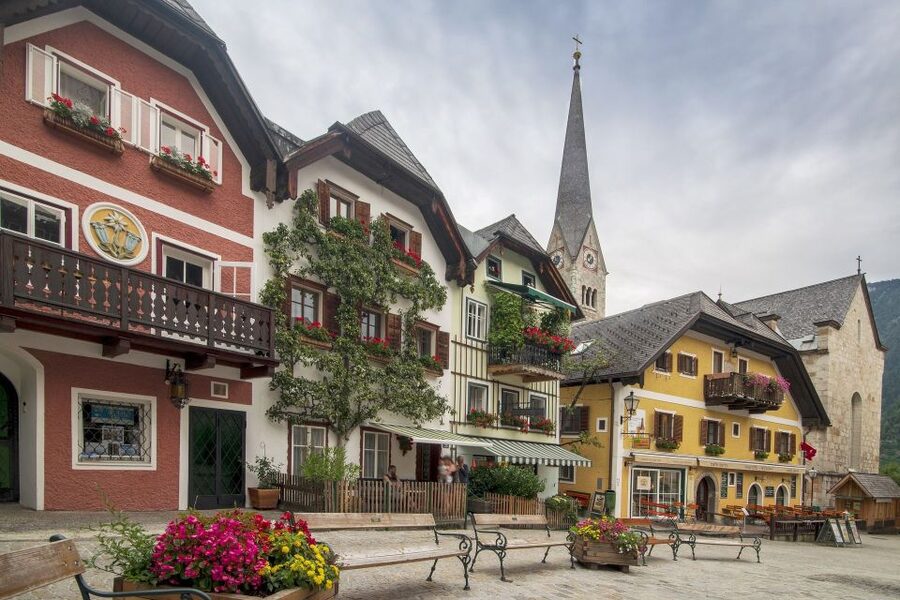
- Hallstatt culture, made tangible, by walking the town’s key spots like the market, church, and salt mine area
- English and German live guiding, useful if you have mixed-language travel plans
- A focused 90-minute route, ideal when you want value without losing your whole day
Hallstatt Private Walk Tour, what you really get in 90 minutes
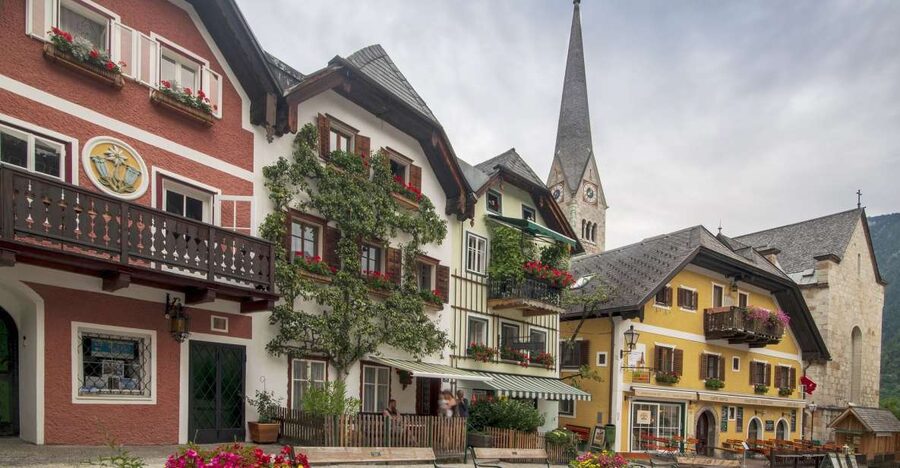
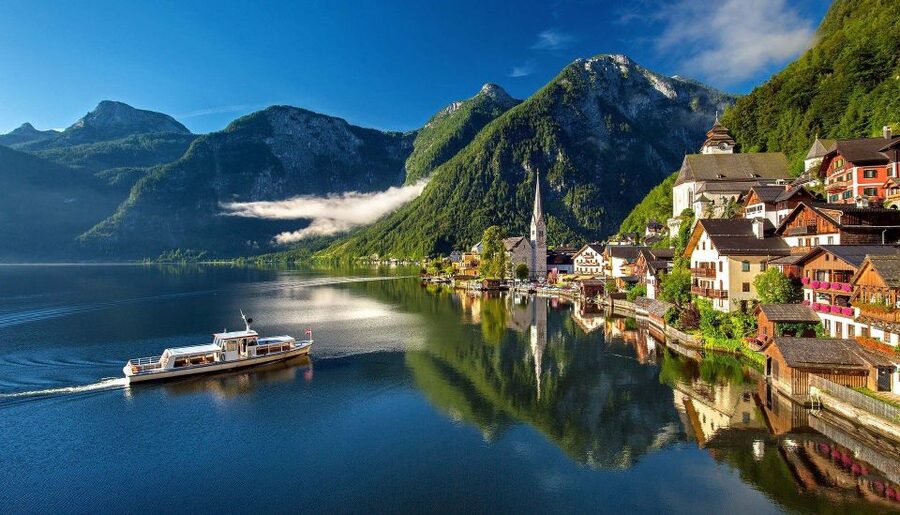
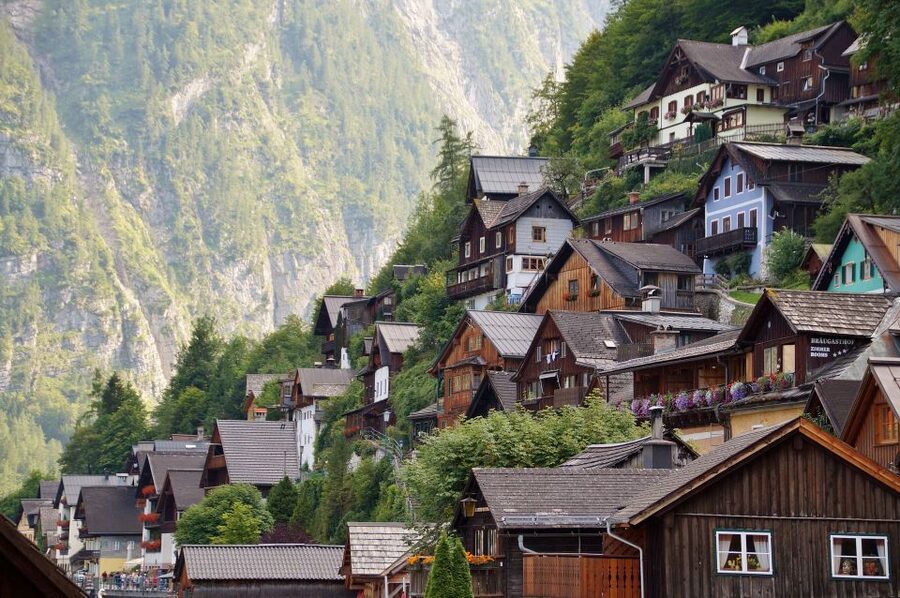
Hallstatt is one of those places where you arrive expecting postcard views, then immediately notice the town is built for walking. The tour uses that simple advantage. You move along a narrow strip of land between the lake and the mountains, and the guide connects what you see right in front of you to ancient cultures that once lived here.
The big win is that this is not a long, drawn-out lecture. It’s a 90-minute walk with expert-led commentary, designed for clarity and momentum. And because it’s a private group, you can keep questions flowing without feeling like you’re squeezing into someone else’s agenda.
The guide is the star. In the reviews, Christiana gets praised for knowing her stuff and for being easy to understand. That matters, because a history-heavy tour is only fun when the guide can explain it in a way you can follow while you’re also enjoying the town.
The route focuses on a handful of major Hallstatt touchpoints: the market area, the church, and the salt mine. That’s a smart choice for value. You get both the everyday feel of Hallstatt and the key themes tied to the town’s ancient reputation.
More lake villages out in the Salzkammergut:
- Hallstatt: 2-Hour Guided Walking Tour with Photographer
★ 5.0 · 152 reviews - Guided e-bike tour of the alpine pastures in the Salzkammergut
★ 5.0 · 72 reviews - From Vienna: Melk, Salzburg, and Hallstatt Private Tour
★ 4.9 · 63 reviews - From Prague: Private Hallstatt Alps Day Trip with Lakeside Picnic
★ 5.0 · 32 reviews
Who this private format is best for
This is a private group tour, priced per group up to 15 people. That structure can be a great deal when you’re traveling with friends, a family unit, or a small group that wants a shared plan.
If you like these things, you’ll probably enjoy this setup:
- You want a guide who can adjust pacing for your group
- You prefer an intimate tour where questions are welcome
- You don’t want to coordinate with strangers
If you’re the solo type who likes wandering with zero structure, you might still find value here, but you may want extra time on your own afterward to stretch the experience. The tour is intentionally time-bound, and Hallstatt is the kind of town where you naturally want longer.
What periods you’ll cover, from Neolithic to La Tène
The tour’s theme is clearly time travel, but it’s not just a name list. The guide walks you through major eras that shaped what historians call the Hallstatt cultural sphere, while also linking it to earlier prehistory and later Iron Age developments.
Here’s the order you should expect conceptually:
- Neolithic and Bronze Age wonders: early settlement time and older roots of regional culture
- European Iron Age and La Tène culture: the later Iron Age context that helps explain what comes next in the story
- Hallstatt culture: the part Hallstatt is most famous for, tied to how this enclave became significant at the start of the Iron Age
The practical takeaway for you is that this tour helps you see the town as more than a lakeside stop. Instead of just taking photos, you get context that makes the streets, structures, and landmarks feel meaningful.
Also, because the tour includes multiple eras, you’re less likely to feel like you only learned one thing. You come away with a clearer timeline in your head, which makes future reading or museum time easier.
Starting at the Franz Josef I monument, then getting oriented fast
You meet at the Franz Josef I monument on Hallstättersee Landesstraße, 4830 Hallstatt. That’s a useful detail because it signals the tour starts with orientation, not random wandering.
From there, the walk is built around the most important idea of Hallstatt: it’s compact, scenic, and easy to connect by foot. Once your guide points things out, you’ll understand the town layout much faster than if you’re trying to map it yourself.
I also like that the tour’s starting point is specific. When you’re in a famous town, it’s easy to lose time hunting for a meeting location. A clear meeting spot helps you keep the day smooth.
Practical tip: wear comfortable shoes. A 90-minute walk in a historic town typically means uneven footing and plenty of small changes in grade.
More of Austria on foot, bell tower to bell tower:



The market streets: why this stop works for the whole story
When the tour moves through the market area, it’s doing something clever. The market is the everyday heart of Hallstatt, and the guide can use that living setting to explain older cultural layers without making the walk feel like a museum tour.
Even if you’re not focused on shopping or food, markets are good for orientation. They help you understand how people actually use the town now. Then, the guide can connect that lived-in present to the longer human timeline you’re covering.
For you, this stop is valuable because it balances the more ancient material. You learn, you look around, and you get a break from constant “facts mode.” The town stays beautiful, and the information lands better because you’re not only standing still.
If you’re the kind of person who likes photos, the market streets are also where you’ll naturally find great angles. The tour structure gives you permission to pause and absorb the scene instead of rushing through.
The church stop: context you can carry while you keep walking
The tour includes a church stop, which gives the walk a grounded local anchor. I like church stops on heritage tours because they often help explain how communities continued to shape their environment after major cultural shifts.
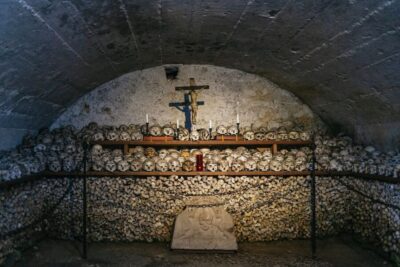
Here, the church is part of the broader Hallstatt narrative rather than a standalone “look at this building” moment. You’re walking through the town while your guide ties religious and civic landmarks to the identity that formed through long stretches of time.
One thing to watch for: the tour includes entrance fees as not included, so if the church area you want to see requires tickets or a paid entry, you’ll need to budget. The walk still covers the key spot, but your level of inside access may depend on what you choose to add.
This is also a good moment to ask questions. Since the tour is private, you can make the church stop more personal. For example, you might ask how Hallstatt culture fits into the larger Iron Age story you’ve been hearing.
The salt mine area: the landmark you can tie to Hallstatt’s identity
The tour also covers the salt mine area. Even without going deep into any one museum detail, it gives you a strong “anchor landmark” for what makes Hallstatt historically famous.
In practice, the salt mine stop helps you connect the ancient-to-modern bridge. It’s one of the clearest ways to understand why this town mattered. You’re not just hearing about cultures. You’re seeing a specific place that connects to the town’s long-standing reputation.
Because entrance fees are not included, think of this stop as a guided look at the salt mine area and the surrounding significance, with the possibility of extra paid entry depending on what you want to do on the day.
Practical advice: if you plan to add paid entry at the salt mine or spend extra time nearby, build that time into your day. This tour is 90 minutes. It’s designed to fit, not to swallow your entire schedule.
What makes the guide experience feel premium
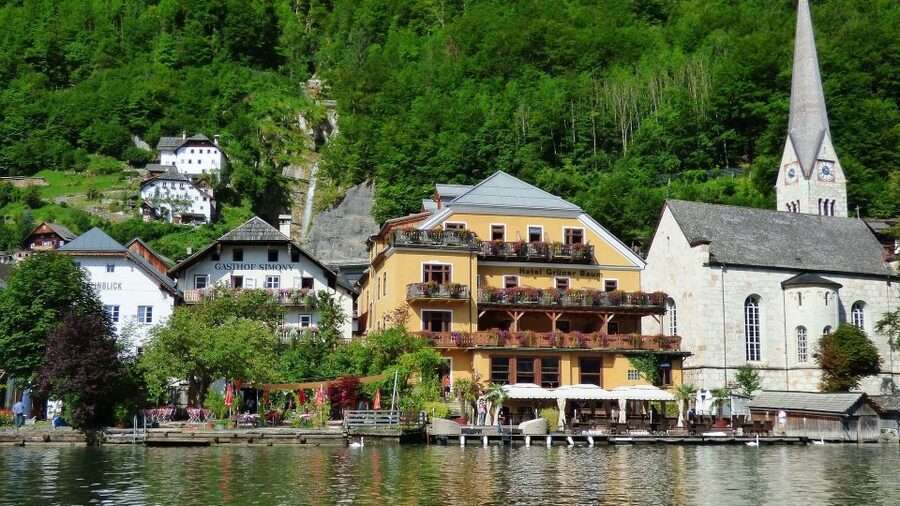
The review highlights are consistent: the guide’s expertise and personality matter. The praise for Christiana is especially strong, with comments about how she knew her material, communicated clearly, and made the tour enjoyable.
That translates into a real-world benefit for you: you’ll get fewer awkward pauses and fewer confusing terms. When a guide can explain the Neolithic to Bronze Age transitions, then connect them to Iron Age European culture and the La Tène context, it keeps the tour flowing.
The reviews also mention the guide being personable and easy to understand, and able to adapt to the group and situation. In a private tour, that adaptability is huge. It means you’re less likely to feel like you’re just following a script with no room for your questions or your pace.
Price and value: $289 per group up to 15
At $289 per group up to 15 people for 90 minutes, the value depends on how you share costs.
For couples or small families, you’ll likely feel the cost as a dedicated private experience, which can be worth it if:
- you care about having a true guide instead of self-guided walking
- you want a clear explanation of the Hallstatt culture timeline
- you want to keep the group together and moving efficiently
For groups closer to the maximum (up to 15), the cost becomes much easier to justify. This is the kind of tour that works well when you split it, because everyone gets the benefit of a single expert explanation without having to coordinate multiple guides.
Also, because entrance fees are not included, you should factor that into your total budget if you plan to go inside any sites. The base price buys the guided walk with your local guide, not ticketed entry.
Logistics that can make or break your day
The tour includes a local guide who will be with your group only. That’s great for comfort and focus. You’ll also have live guiding in English and German, which makes it easier to keep everyone onboard.
To have a smooth experience:
- Wear comfortable shoes (you’ll be walking)
- Plan time to arrive at the meeting point with a little buffer
- Keep expectations realistic for a 90-minute format: you’ll get a guided highlights route, not every possible stop in town
If you’re trying to cover Hallstatt in a limited time window, this tour structure is a good match. If you have more time, you can still use the walk as your “orientation layer,” then return later for additional wandering.
Should you book this Hallstatt Private Walk Tour?
Book it if you want a private, expert-led way to understand Hallstatt beyond the views. The best reason is the combination of clear explanations and a private group format, supported by consistent praise for guides like Christiana. If you like the idea of learning the timeline from Neolithic and Bronze Age wonders through European Iron Age and La Tène culture, with Hallstatt culture as the centerpiece, this tour is built for that.
Skip or treat cautiously if:
- you strongly want a fully ticketed, inside-access tour, because entrance fees are not included
- you prefer long, free-form exploring with no structure, since this is a focused 90-minute walk
- your group expects more stops than the market, church, and salt mine areas can cover in the allotted time
If you’re on the fence, I’d think of it this way. This tour doesn’t replace wandering Hallstatt. It makes your wandering smarter. You’ll look at the town with a story in your head, not just a camera roll of pretty scenery.
Just added to the bill for Hallstatt



Hallstatt & Salzkammergut Trips, compared.


Day trips from Vienna: Hallstatt & Salzburg Guided Tour
Read our review →
Hallstatt Guided Day Trip from Vienna With Boat Ride Option
Read our review →
Hallstatt, Salzburg, Melk, Alps & Lakes Day Trip
Read our review →


Browse the lists this tour appears in