
Paper-thin dough, big Austrian comfort food. The Strudelgirl in Mondsee turns apple strudel into something you can actually make, with chef Simone walking you through how to stretch pastry paper-thin and keep it hole-free. You also get a quick intro to Austrian cuisine and where strudel fits in the story of local baking.
I love that the coaching is practical and direct, not vague. You learn the hands-on steps that matter most, from peeling and seasoning apples to filling, rolling, and baking for a super crispy result. And because it is small-group cooking, you work in teams at one table instead of being lost in a crowd.
One drawback to plan for: this is dusty, flour-heavy work with high-gluten flour, so it is not a good match if you have gluten intolerance or need to avoid high-gluten dough. Also, you are stretching and rolling, so your clothes should be comfortable and willing to get a little messy.
In This Review
- Key things to know before you book
- Arriving in Mondsee and meeting Simone
- What you learn first: Austrian strudel basics and history
- The main action: stretching dough without holes
- Apple filling prep that sets up the crunch
- Rolling and baking: turning effort into a crisp result
- Lunch break: sour cream potato soup and homemade bread
- Small-group setup: why max 16 people matters
- Price and value: $69 for 2 hours plus lunch
- Who this class is best for
- Practical tips so your strudel goes smoother
- Should you book The Strudelgirl in Mondsee?
- FAQ
- How long is the Mondsee apple strudel class?
- What is the price?
- What does the price include?
- Are drinks included?
- How big are the groups?
- Who teaches the class, and what languages are available?
- Do I need to bring anything?
- Is it suitable for gluten intolerance?
- Is there a minimum age for children?
- Where do I meet?
- What is the cancellation policy?
Key things to know before you book
- Simone, The Strudelgirl teaches with step-by-step guidance that focuses on dough technique, not just recipes
- Small groups (max 16), with teams of two or three working at one table
- Paper-thin dough challenge, stretch so thin you can read through it and avoid holes
- Apple prep to baking, peel, season, fill, roll, bake, then eat your own strudel
- Lunch included, traditional Austrian sour cream potato soup with homemade bread
Arriving in Mondsee and meeting Simone
This experience centers on a hands-on cooking space in Mondsee (Upper Austria), where you spend the time you would normally use to hunt for a good pastry shop. You start by finding the place near the Busterminal area. It is about a five minute walk from free public parking in Franz-Kreutzberger-Straße, then you follow the green sign ZENTRUM along Peter Tafner-Strasse, walking to the end at Peter Tafner-Strasse 1.
You will likely notice two things right away. First, the class setup is meant for working close together, not watching from a distance. Second, the vibe is personal, because the group is capped at 16 people. That matters, because strudel is one of those dishes where technique beats guesswork.
Simone runs the class under the name The Strudelgirl. The experience is offered in English, German, and Dutch, so you can usually match your comfort level without feeling stuck.
More lake villages out in the Salzkammergut:
- Vienna: Hallstatt Day Trip with Boat Ride Option
★ 4.7 · 6,311 reviews - From Salzburg: Half-Day Tour to Hallstatt
★ 4.6 · 3,596 reviews - Day trips from Vienna: Hallstatt & Salzburg Guided Tour
★ 4.7 · 2,202 reviews - Hallstatt Guided Day Trip from Vienna With Boat Ride Option
★ 4.5 · 1,301 reviews
What you learn first: Austrian strudel basics and history
Before you touch dough, you get a brief introduction to Austrian cuisine and the history of strudel in Austria. This is not a lecture you have to sit through for hours. It is more like a quick framework so the baking makes sense.
Why this matters in real life: when you understand what strudel is supposed to feel like, you can judge what you are doing. Dough thickness, how the filling behaves, and why a crisp crust is the goal all connect back to the dish’s traditional role in Austrian baking.
You also get the tone of the class here. The instruction is built for results. That shows up again when the chef demonstrates the most challenging part: stretching the dough thin without tearing.
The main action: stretching dough without holes
The class’s signature moment is the stretch. You will learn how to stretch the dough so thin that a newspaper could be read through it. It is also framed as a challenge, because the goal is to get that thin layer while keeping it intact, with no holes.
This is where I think most people get surprised, even if they have baked before. Stretching is not just pulling dough. It is patience, even pressure, and knowing when to stop before you create weak spots. The chef explains what to do in an easy-to-follow, step-by-step way, then keeps you moving through the process so you are not stuck guessing.
Two practical points to keep in mind as you work:
- The dough is made with high-gluten flour, which is part of why it can stretch so far. If you have gluten intolerance, this is a hard no.
- The class is flour-heavy, so you will want comfortable clothing that can handle dust. This is not a tidy showpiece activity.
And yes, it is okay if your first attempt feels awkward. The class format is designed so you learn by doing, with the chef available to guide you through the common trouble spots.
Apple filling prep that sets up the crunch
Strudel is not just dough. Your apple filling controls taste and texture. In this class, you actively peel and season the apples yourself, then you work them into the dough filling stage.
That means you are not just assembling something prepped for you. You are doing the steps that create the final balance:
- Apples contribute moisture, so how you handle them affects crispness
- Seasoning helps lift flavor and keeps the filling from tasting flat
- Even distribution matters so each slice gets fruit, not pockets
The class instruction walks you through apple preparation and helps you understand what the chef is aiming for before you roll.
One detail worth noting: the class rules mention the usage of knives and sharp objects is at your own risk. In a practical cooking class like this, you will still have access to the kitchen tools and baking setup. But it is a good reminder to keep your hands safe and follow the chef’s guidance closely.
After the interval, more from the Salzkammergut:



Rolling and baking: turning effort into a crisp result
Once your dough is stretched and your filling is ready, the next steps are the ones that usually separate good strudel from great strudel: fill it, roll it up, and bake it.
This part feels like “making” rather than “learning,” which is exactly what you want from a short experience. You are not spending two hours only watching technique. You are producing something real, something you can slice later and taste.
Baking is also where the class name makes sense. You are aiming for a super crispy apple strudel. Achieving crispness is not magic. It is about how thin the dough is, how the filling is handled, and how the bake turns moisture into structure instead of sogginess.
Because the group is small and organized into teams of two or three, you are not waiting around. You stay in the flow through rolling and baking, then you sit down to enjoy what you made.
Lunch break: sour cream potato soup and homemade bread
After the strudel work, you get lunch included: traditional Austrian sour cream potato soup with potatoes, served with homemade bread.
This is a smart pairing. Strudel is sweet and baked, while the soup brings savory comfort and warmth. The sour cream adds richness, and the potatoes keep it hearty. It also gives you a chance to sit, reset, and taste with less pressure than a strict timeline.
In the experience feedback I reviewed, people really praised the soup, especially the sour cream potato soup, and they also noted that other options like goulash were offered. You should treat the menu as part of what the host provides, but the core lunch component is the sour cream potato soup with homemade bread.
Small-group setup: why max 16 people matters
A maximum group size of 16 is a big deal for this kind of class. Strudel dough does not wait for the slowest person. If everyone were jammed into a large room, you would lose time, miss cues, or feel rushed.
Instead, you work in teams of two or three at one table. That structure keeps the class lively, but still practical. You have someone to talk to, share tasks, and compare how your dough is behaving. And because the chef is experienced, the step-by-step instruction stays relevant to what you are actively doing, not just what someone else is doing.
If you like cooking classes where you actually get hands-on time, this format is one of the best signs on the page.
Price and value: $69 for 2 hours plus lunch
At $69 per person for a 2-hour experience, this is not a budget bargain, but it also is not a fancy dinner price. You are paying for:
- a hands-on baking class led by an experienced chef
- instruction on dough stretching and apple prep
- recipes plus all necessary ingredients, tools, and aprons
- lunch included, sour cream potato soup and homemade bread
In other words, you are paying for time, technique, and ingredients, not just a plated dessert. If you bake at home sometimes, you know that good results come from knowing what “right” looks like. This class gives you that, including the thin-dough challenge that is hard to learn from a photo.
The one line item to watch: drinks and souvenirs are not included. So if you plan to have extra beverages or pick up anything, budget a little more.
Who this class is best for
This experience is a great fit if you want a genuine food skill, not just a snack. You should also be happy with a flour-dusted morning or afternoon. The work is active and tactile.
It makes sense for:
- couples who want a shared activity and a meal
- food lovers who like learning technique
- visitors who want Austrian culture through cooking, not through a museum list
It may not be right for:
- children under 5
- wheelchair users
- people with gluten intolerance or anyone who needs to avoid high-gluten dough
- anyone hoping for a low-mess, hands-off session
Practical tips so your strudel goes smoother
A few small things will make this experience feel easier.
Wear comfortable clothes
You will work with flour. Even with an apron, you can expect some dust.
Bring a camera
You are creating something you will want to document, especially if you manage the paper-thin stretch without holes.
Work safely
The rules note knives and sharp objects are at your own risk. Follow the chef’s instructions and focus on clean, careful motion.
Aim for the process, not perfection
The class is built around learning how dough behaves. If your first stretch feels imperfect, use it as the baseline for the next step.
Should you book The Strudelgirl in Mondsee?
If you want an activity that feels both authentic and useful, I think this is an easy yes. You leave with real Austrian comfort food, plus the technique to attempt strudel again later at home. The biggest strength is the coaching on the hardest part, stretching dough paper-thin, and the fact that you do the work yourself in a small group.
Book it when you can handle flour and want to eat what you bake. Skip it if gluten intolerance is an issue, if you need wheelchair access, or if you are looking for a purely observational experience.
If that sounds like your kind of trip, go. You will get a short, focused taste of Austrian baking culture, one crispy apple strudel at a time.
FAQ
How long is the Mondsee apple strudel class?
The class lasts 2 hours.
What is the price?
It is $69 per person.
What does the price include?
The price includes the hands-on baking class with an experienced chef, an introduction to Austrian cuisine and the history of strudel, step-by-step instruction for apples and stretching dough, and a lunch of sour cream potato soup with homemade bread. Recipes are included too.
Are drinks included?
No. Drinks are excluded, and souvenirs are excluded as well.
How big are the groups?
The experience is limited to a maximum of 16 people, working in teams of two or three at one table.
Who teaches the class, and what languages are available?
An English, German, Dutch instructor/chef leads the class.
Do I need to bring anything?
Bring a camera and wear comfortable clothes. The class provides ingredients, tools, items, aprons, and recipes.
Is it suitable for gluten intolerance?
No. It is not suitable for people with gluten intolerance, and the dough uses high gluten flour.
Is there a minimum age for children?
Children under 5 years are not suitable.
Where do I meet?
Meet near the Busterminal and free public parking spaces about 5 minutes away in Franz-Kreutzberger-Straße. Follow the green sign ZENTRUM down Peter Tafner-Strasse, then the location is at the end of Peter Tafner-Strasse 1.
What is the cancellation policy?
Free cancellation is available up to 24 hours in advance for a full refund.
Just added to the bill for the Salzkammergut




Hallstatt & Salzkammergut Trips, compared.
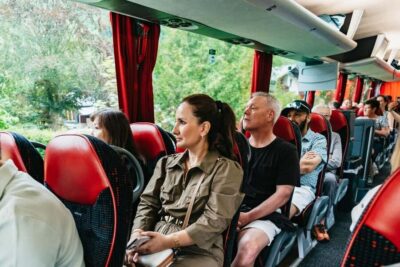
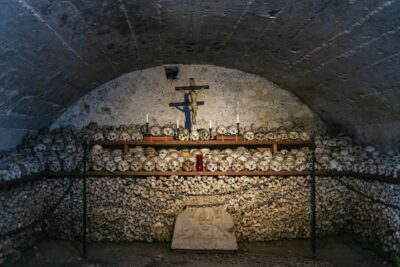
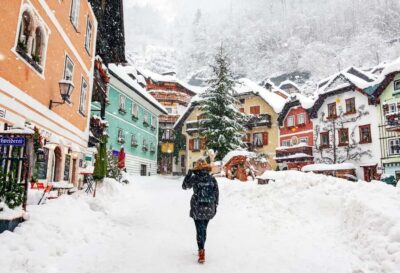
Day trips from Vienna: Hallstatt & Salzburg Guided Tour
Read our review →
Hallstatt Guided Day Trip from Vienna With Boat Ride Option
Read our review →
Hallstatt, Salzburg, Melk, Alps & Lakes Day Trip
Read our review →


Browse the lists this tour appears in