
REVIEW · ALPINE RAFTING & CANYONING ADVENTURES
Salzburg: Advanced Canyoning on the Strubklamm
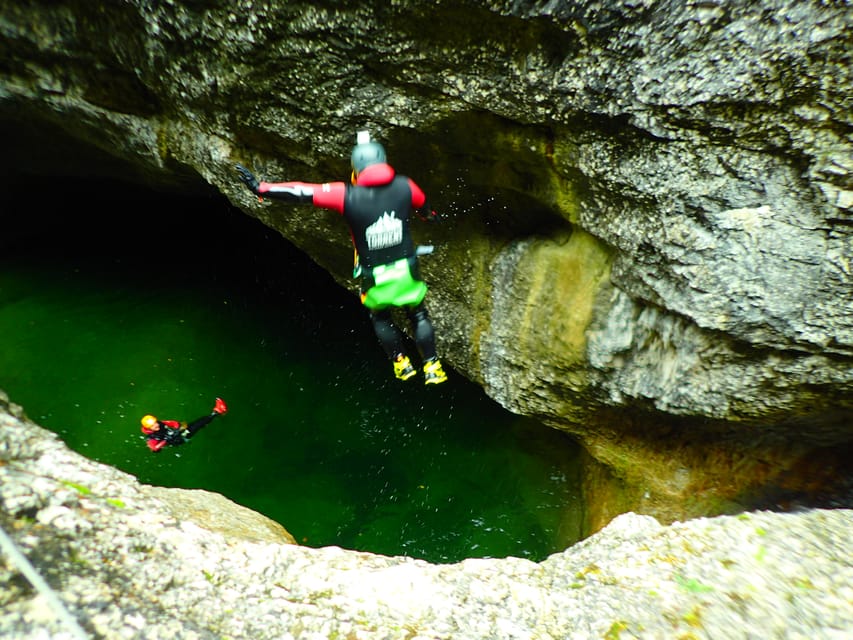
Strubklamm makes water time feel like a sport. This advanced canyoning trip in Austria’s Strubklamm brings you to a real mix of heights and cold, clear water, with 17 jump spots up to 10 meters plus technical moments like abseils. You also get the kind of scenery you rarely see from trails, with canyon walls that can go dark, then brighten again as the sun hits the pools.
I especially like the combo of jump options and swimming passages. You are not just dropping into water and calling it a day, you are constantly moving through tight sections, crystal-clear pools, and slick water routes.
The main drawback is simple: this is not for everyone. It requires solid physical fitness and endurance, plus you must be comfortable with heights and you have to be a confident swimmer.
In This Review
- Key things I’d mark on your mental map
- Strubklamm in Tyrol: what makes this canyon feel truly advanced
- Where you start at Golling base camp, and how the transfer really works
- The gear setup and safety briefing: your “go time” checklist
- The canyon route: jump spots, swimming passages, and abseiling for bigger drops
- The giant waterfall swim: the moment that changes the pace
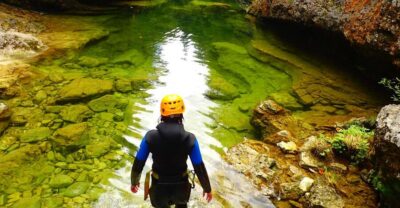
- Tight spots and crystal-clear pools: why this canyon looks different up close
- Who this is best for, and who should skip it
- Price and value: is $153 worth it?
- What to bring so you finish happy, not chilled
- How to choose your fitness and comfort level before booking
- Weather and timing: plan for a wet, active half day
- Should you book Strubklamm advanced canyoning?
Key things I’d mark on your mental map
- 17 jumping spots up to 10 meters, with a range of intensity along the way
- Swimming passages, including time in calm crystal-clear pools
- Abseil options for jumps higher than 3 meters
- A swim through a giant waterfall that ties the whole route together
- Tight, 200-meter-high canyon walls, sometimes with very little light
- A non-negotiable skill set: you need endurance, height comfort, and to swim well
Strubklamm in Tyrol: what makes this canyon feel truly advanced
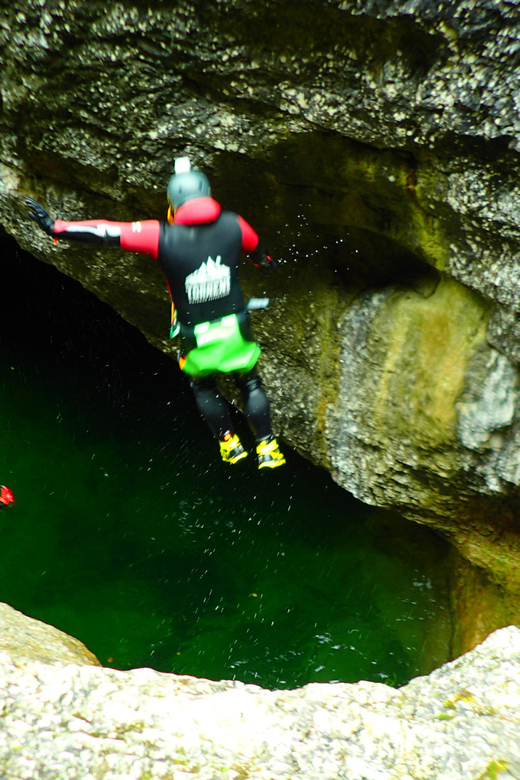
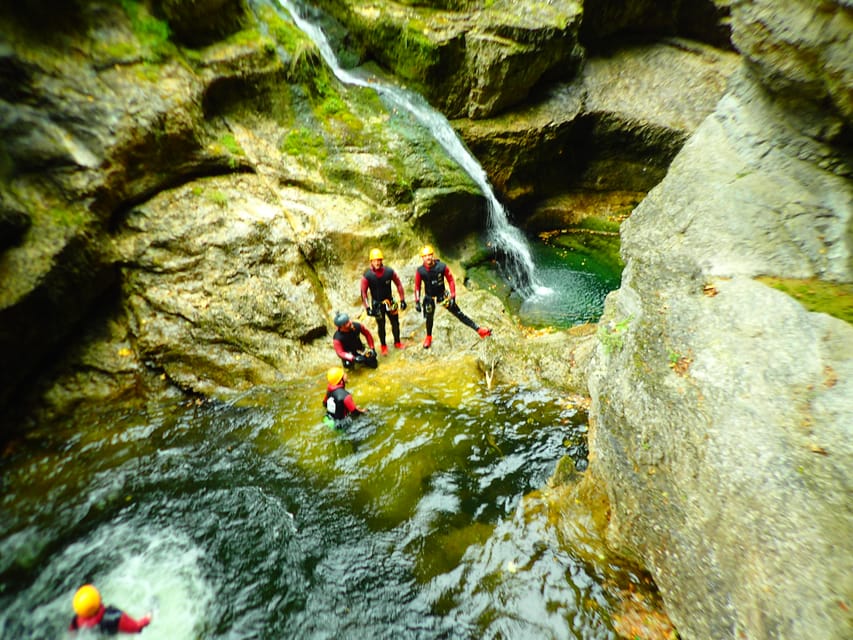
Strubklamm is the kind of canyoning destination where the setting is part of the challenge. You are surrounded by about 200-meter-high walls, and that makes the experience swing between two moods. In some sections it gets tight and dim, with almost no light coming through. In others the sun directly lights the pools, and the water looks bright and glassy.
The “advanced” label fits because the activity isn’t only about getting wet. You get a lot of jump opportunities, including drops up to 10 meters. And when you go higher than 3 meters, you can do those bigger drops via abseiling, which adds real technique. That mix of jumping, controlled descents, and swimming passages is what makes this feel like more than a basic taster trip.
What I like most for your planning is that the day has built-in variety. You will be moving through jumps, swims, and tight canyon sections, so you are not stuck waiting around between moments.
More cold-water runs through alpine gorges:
- Imster Schlucht: White-Water Rafting in the Tyrolean Alps
★ 4.8 · 232 reviews - Salzburg: White Water Rafting on the Salzach River
★ 4.7 · 125 reviews - Salzburg: River Rafting Trip for Beginners
★ 4.8 · 102 reviews - Ötztal: Rafting at Imster Canyon for Beginners
★ 4.7 · 70 reviews
Where you start at Golling base camp, and how the transfer really works
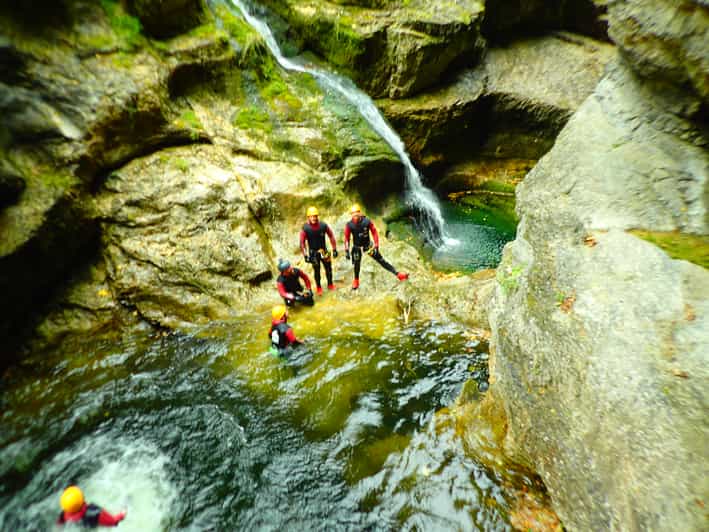
You meet at Golling base camp. From there, you get fitted with your gear before you head out to the canyon.
Then comes the 30-minute van drive to the starting area. This matters because you are not trying to piece together your own route through the region. You still need to handle your own travel to the area, but once you meet the team at the base camp, they take care of getting you to the canyon itself.
Transport is the one part where you need to be ready in advance. Transport to the canyon is not included, which means you should plan on having your own vehicle to reach the starting area. If you do not drive, double-check how you will get there, because this activity depends on that access.
The gear setup and safety briefing: your “go time” checklist
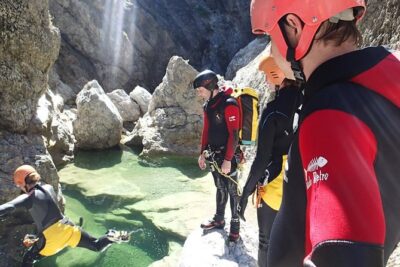
Before you even enter the canyon, you get fully kitted out. The package includes helmet, wetsuit, harness, and professional canyoning shoes. That equipment is not just for comfort. It is also for traction, insulation, and staying secure for jumps and abseils.
After fitting and a quick gear check, you get a safety briefing. Even if you are experienced, treat this like the part where the guide calibrates you for that specific canyon. Pay attention to how they want you to handle entries, exits, and any sections where the route gets narrow or slippery.
Languages are German and English, so you will be guided directly in the language you pick. That’s a big deal for safety in a technical activity.
The canyon route: jump spots, swimming passages, and abseiling for bigger drops
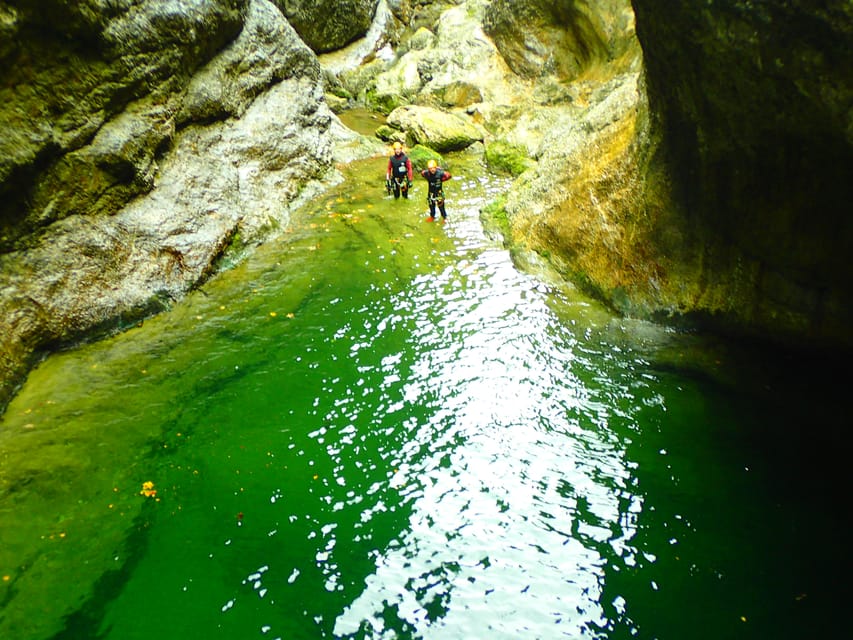
Here’s the core of the day: you spend roughly five hours doing the canyon route, mixing jumps and swims throughout. The Strubklamm section you do features countless jump and swimming passages, including a full set of 17 jumping spots.
What that means for you on the day:
- You are not doing one big jump and then hanging out.
- You are repeatedly adjusting your balance, body position, and timing for different entry styles.
- You are moving through the canyon with both active swimming and jump moments.
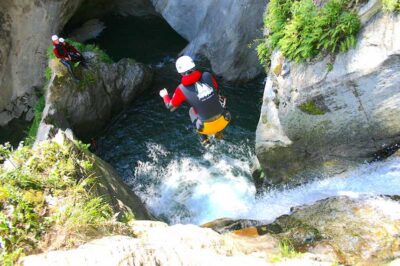
Jumps are a highlight, but the “advanced” part is how the higher ones work. For jumps higher than 3 meters, you can do them via abseiling. So even if you are not feeling a straight jump from a height, you still have a structured way to handle the vertical section safely.
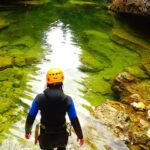
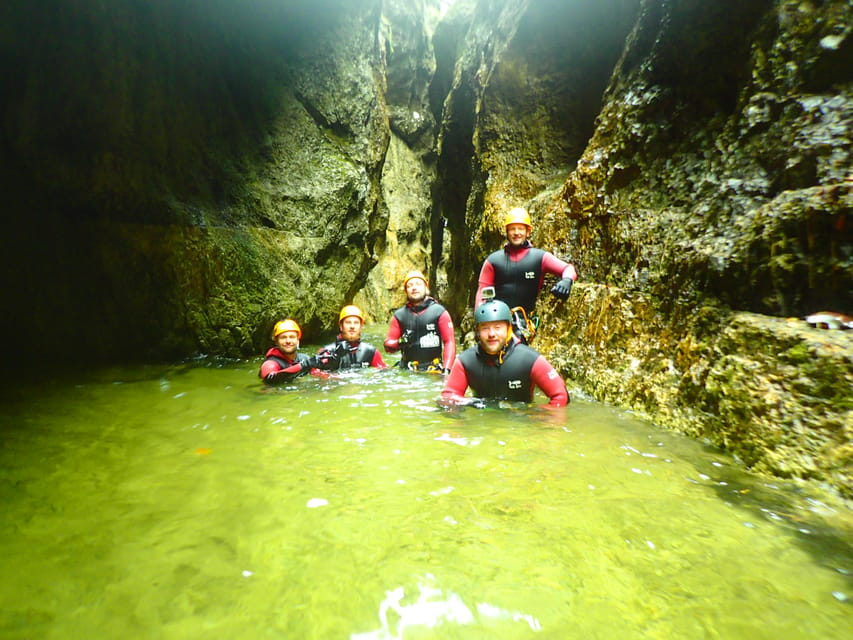
Then there are the tight canyon areas. This is where the 200-meter walls make you feel small. It is also where you experience that contrast between sections with almost no light and sections where sunlight hits the water directly. You are literally traveling between darkness and brightness, while also staying focused on footing and water flow.
The swimming passages are not an afterthought. They are how you keep moving forward through the canyon and how you transition between the biggest moments.
Held over another night in the Alps
The giant waterfall swim: the moment that changes the pace
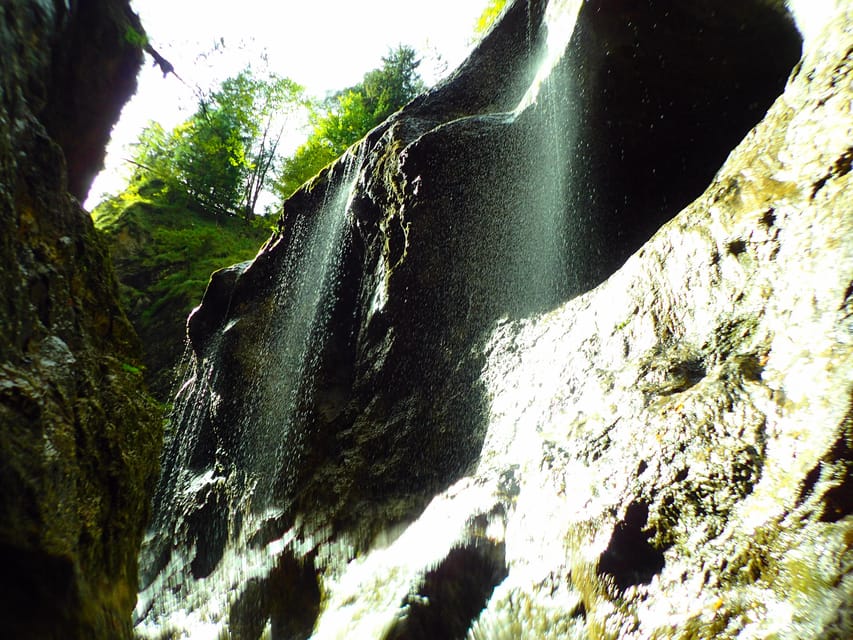
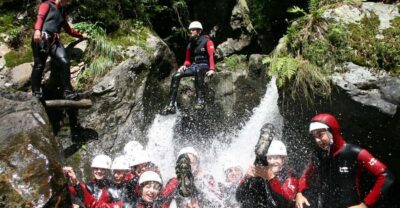
One standout element is the chance to swim through a giant waterfall. That’s the kind of moment that sticks, because it is not just about looking at a waterfall. You are interacting with the water power directly, with your body doing the work.
From a “what to expect” point of view, this is also a great checkpoint for your comfort level. If you are a confident swimmer, you will likely enjoy the challenge of staying controlled as water conditions and turbulence change. If swimming feels stressful for you, this part is the kind of section that can quickly turn the day into worry, which is exactly why non-swimmers are not suitable.
This is where your endurance matters most, too. You are not only getting adrenaline from jumps, you are doing continuous effort through water.
Tight spots and crystal-clear pools: why this canyon looks different up close
A canyon like Strubklamm is hard to describe until you are there. The key is the way the route alternates between constricted sections and open pool moments.
In some areas, the canyon walls are so tall that it feels like you are moving through a stone corridor. With very little light coming through, you rely on the guide’s direction, your gear, and your own calm.
Then you get sections where the sun hits the pools directly, and the water looks surprisingly clear. Those brighter pools are your visual reward after tighter, darker parts. You often get short breathing space between moves, and that contrast makes the sunny scenes feel even better.
If you like experiences where you can feel the environment changing as you progress, you will like this canyon.
Who this is best for, and who should skip it
This activity has clear suitability limits, and they are there for a reason. It is not suitable for:
- Children under 16
- Pregnant women
- People afraid of heights
- Non-swimmers
It also requires a good level of physical fitness and endurance. That means you should be prepared for sustained movement and repeated effort. Even if you are strong, canyoning is still work, especially when you combine swimming passages with jump entries and any abseil sections.
Who I think should go:
- You are already comfortable swimming and you enjoy water-based adventure.
- Heights do not scare you, or at least you can handle controlled, guided descents.
- You want a day that feels active the whole time, not a short highlight session.
Price and value: is $153 worth it?
At $153 per person for about five hours, this trip can feel like a bargain or a splurge depending on what you compare it to.
Here’s the value angle that makes sense. Your price includes:
- A certified guide
- The canyoning trip
- Full equipment (helmet, wetsuit, harness) and professional canyoning shoes
That is a big deal because canyoning gear is not the kind of stuff you usually buy once and forget. Having the right equipment already sorted is part of why these trips can be both safer and more comfortable.
What is not included is also important: transport to the canyon. Plus, you need a car to reach the canyon. If you live nearby and can drive, that extra planning is minimal. If you need to coordinate rides, costs and time can rise fast.
Also keep in mind you are paying for a higher intensity style, the kind that mixes jumping up to 10 meters with swimming, and includes abseil options. For many people, that is the real deciding factor, not the base price itself.
What to bring so you finish happy, not chilled
The activity is water-focused, so pack like you expect to get wet. What you should bring includes:
- Swimwear
- A change of clothes
- A towel
- Your own vehicle (to reach the canyon)
My practical tip: bring clothes you can get into quickly after the canyon. The day is built around getting you into the water repeatedly, so quick warmth after the last section matters.
Also, if you have a choice, bring swimwear you can move in easily, not something you have to babysit. When the route includes tight spots and repeated entries, your gear choice affects how relaxed you feel.
How to choose your fitness and comfort level before booking
This trip demands more than casual enthusiasm. You need endurance because the route is active for five hours, and you are doing swimming passages throughout.
You also need comfort with heights, even with abseil options. The canyon contains up to 10-meter jumps, and while higher jumps are handled through abseiling, that still means being comfortable in a vertical, harnessed situation.
And please take the swimming requirement seriously. If you are not confident in the water, skip it. Non-swimmers are not suitable, and it is not just a policy line.
If you are on the edge, ask yourself these questions:
- Can I swim for a sustained period without panic?
- Can I stay calm if I feel cold at first?
- Am I okay with being in a harness and doing a controlled descent?
If any answer is no, look for a different style of canyoning.
Weather and timing: plan for a wet, active half day
You are in a wetsuit, so you are not going to be dealing with open-water exposure the way you would in just swimwear. Still, you should expect a wet day and plan your day around being active for five hours.
The tour runs on starting times you can check for availability. Since the route depends on that schedule, you should plan the rest of your day with some buffer. You will likely be tired in a satisfying way, but tired is still tired.
Should you book Strubklamm advanced canyoning?
Book it if you want a classic advanced canyoning day in Austria where the fun comes from variety: jumps up to 10 meters, frequent swimming passages, tight 200-meter canyon walls, and that highlight giant waterfall swim. It is also a good match if you are a strong swimmer and not bothered by heights, because the route is designed around those moments.
Skip it if you do not swim well, you are afraid of heights, or endurance is not in your wheelhouse. The trip is intense by design, and it is not trying to be gentle.
If you are a good fit, this is the type of adventure that makes you feel like you earned every second, because the canyon keeps changing and you keep moving.
Just added to the bill for the Alps
Alpine Rafting & Canyoning Adventures, compared.
Imster Schlucht: White-Water Rafting in the Tyrolean Alps
Read our review →
Ötztal: Canyoning at Alpenrosenklamm for Beginners
Read our review →
Canyoning for Kids and Families in Füssen, Germany
Read our review →Browse the lists this tour appears in