
REVIEW · BIKE & E-BIKE TOURS IN VIENNA
E-Bike Wine Culture Tour
Vienna by e-bike feels like getting invited to the locals’ route. This 4-hour Klosterneuburg wine culture trip mixes an easy, guided ride with a real abbey cellar visit and tasting. I like the way the e-bikes turn the trip into a smooth experience, and I love the baroque Klosterneuburg Abbey tour that actually connects to what you drink. The main drawback to consider is that the start in central Vienna involves faster, busier traffic, so you need bike confidence.
Once you’re past the city grip, the Danube stretch is where the tour clicks. You roll through the Ringstrasse area, follow the Danube Canal, pass the Otto-Wagner water lock that marks Vienna’s river entrance, and glide along the Danube Island back toward the center. It’s a half-day format that gives you variety without feeling like a marathon, but don’t expect long picture stops while you’re riding.
In This Review
- Key things to know before you go
- Why Klosterneuburg on an e-bike feels like Vienna’s side door
- Getting moving: meeting at Pedalpower and the 4-hour rhythm
- Ringstrasse and the city traffic reality check
- Danube Canal to Otto-Wagner’s water lock: the ride shifts gears
- The Danube Island return: scenery with a breezier feel
- Stift Klosterneuburg: 900 years of abbey history in real time
- Abbey cellars and the tasting: where the wine story becomes physical
- What you’ll actually do on the bikes, and what you might miss
- Guides and group size: why it affects your stress level
- Price and value: why $114.13 can make sense for this half-day
- Who should book this e-bike wine culture tour
- Should you book this e-bike wine culture tour?
- FAQ
- FAQ
- Where does the tour start and end?
- How long is the tour?
- What time does it start?
- How much does it cost?
- Is the tour in English?
- Do I need to bring an e-bike or helmet?
- How fit do I need to be?
- What is the minimum age for the tour and for wine tasting?
- What is included in the tasting?
- How large are the groups?
- Is the tour affected by weather?
Key things to know before you go
- E-bike makes the ride feel effortless, even on the way out toward Klosterneuburg, with basic fitness only.
- Central Vienna traffic is the only real stress point, especially if you’re rusty on bike handling.
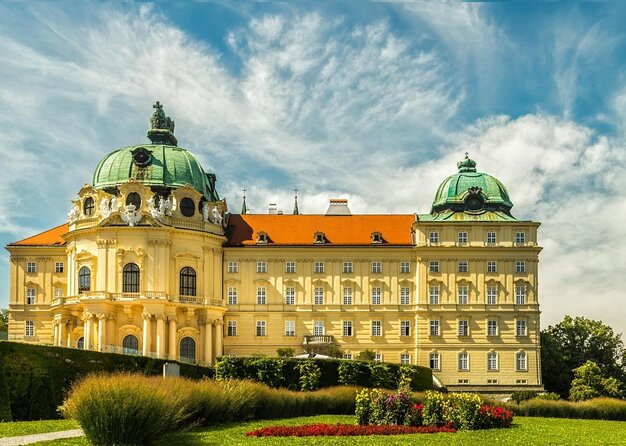
- Stift Klosterneuburg is the star, with a guided abbey tour covering centuries and a cellar walk-through.
- Wine tasting is included, and there’s an alternative with local juices if you prefer not to drink wine.
- You cycle the Danube in two modes, first along canal and river paths, then across the Danube Island for the return.
- Smaller groups help, with a maximum of 18 riders and helmets and e-bike provided.
Why Klosterneuburg on an e-bike feels like Vienna’s side door
Vienna can be very “look, but don’t move.” This tour flips the script by getting you rolling through the city, then letting you settle into the Danube corridor. You get the best kind of variety: grand monuments at the start, then river life and monastery grandeur at the end.
I also like how the tour is designed around a clear payoff. The cycling is not just transportation to the wine. The abbey visit and cellar tour are timed so you connect history, architecture, and the actual process behind the bottles.
The trip is also a good value formula. For one price, you’re getting an e-bike and helmet, a licensed guide, a guided abbey tour, and a tasting experience. When a tour bundles the “main costs” like that, you spend less time shopping around and more time doing.
More Bike & E-Bike Tours in Vienna
- Classic Vienna: 3-Hour Guided Bike Tour
★ 4.7 · 2,146 reviews - Wachau Valley Wine Tasting Bike Tour from Vienna
★ 5.0 · 829 reviews - Vienna City Bike Tour
★ 4.5 · 599 reviews - Vienna: City Highlights Guided Bike Tour
★ 4.6 · 496 reviews
Getting moving: meeting at Pedalpower and the 4-hour rhythm
You meet at Pedalpower Bike & Segway Tours at Bösendorferstraße 5, in central Vienna. The start time is 10:30 am, and the tour ends back at the same meeting point. Plan for about 4 hours total, with most of that time on e-bike and at the abbey.
The group stays intentionally small, capped at 18. That matters because it keeps everyone together when you hit mixed bike lanes, river paths, and bridge crossings.
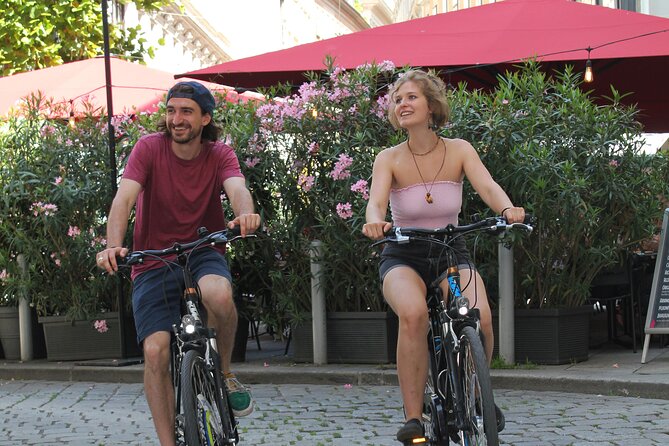
You’ll be given an e-bike and helmet before riding. The ride is described as easy, with a basic fitness level required. Still, you should bring real bike comfort, because the city segment is the part where the pace can feel quick.
Ringstrasse and the city traffic reality check
The tour kicks off with a ride through the Ringstrasse area, where Vienna’s famous monuments and landmarks line up along the boulevard. Then you move toward the river corridor.
Here’s the part to respect: central Vienna bike riding can be fast and busy. One rider put it bluntly, saying it can be stressful if you don’t have bike confidence or you haven’t ridden in a while. The good news is that strong guides manage the group and keep it moving safely, but you should still be ready for tighter traffic moments.
Also, this is not a “stop every 10 minutes for photos” tour. You’ll see plenty worth photographing, but the pace stays fluid. If you need frequent picture breaks, you may find yourself asking for them while everyone else is still rolling.
Practical tip: keep your phone secure and your posture ready. If you’re using a bag, make sure it’s stable while you ride, especially near bridges.
Danube Canal to Otto-Wagner’s water lock: the ride shifts gears
After the city portion, the route follows the Danube Canal upstream. This is where the bike experience becomes more relaxed and scenic. The canal side gives you calmer sightlines and a sense of moving through a different Vienna than the imperial center.
Then comes a standout technical landmark: the water lock designed by Otto-Wagner. It marks the riverside entrance to Vienna, and it’s a great reminder that this river landscape is also engineering history. Seeing it while cycling makes it feel less like a random fact, and more like a point in a bigger story.
The guides also tend to point out what you’re looking at in plain language, rather than leaving you to figure it out alone. Even if you’re not a “history person,” the combination of visuals and short explanations makes it stick.
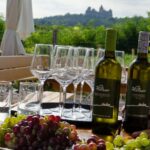
More Heuriger pours and cellar rows:

The Danube Island return: scenery with a breezier feel
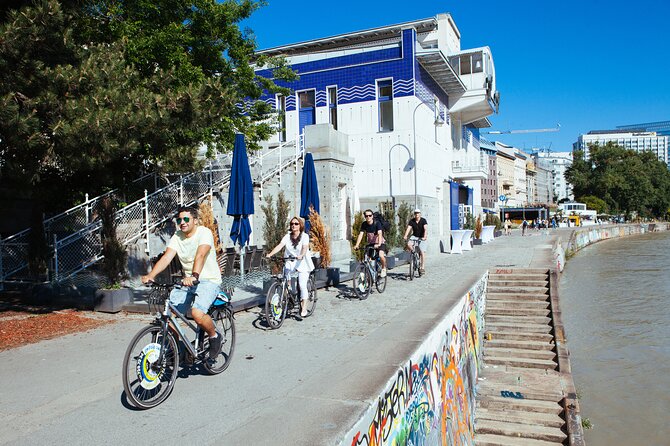
On the way back, you cycle the Danube Island back toward the city center. This portion often feels like a reward after the abbey visit, because you get to shift from “tour mode” back to “enjoy the ride.”
The Danube Island also helps make the whole trip feel like one continuous day. You’re not just cycling out and then teleporting back. You’re experiencing the river from multiple angles, with water and open space in between the urban moments.
There’s a rhythm to it: Danube views while you ride, then monastery grandeur while you walk, then river views again on the return. That balance is one of the reasons this tour earns such a high recommended rate.
Stift Klosterneuburg: 900 years of abbey history in real time
Your main stop is at Stift Klosterneuburg, also known as Klosterneuburg Abbey. The abbey tour is guided and described as covering 900 years of history. That’s a lot of time, but the structure of the visit helps you digest it.
You start in the abbey experience itself, walking through spaces that feel built for ceremony. One of the most striking things mentioned is how grand the site looks, including the idea that it was originally planned as an imperial summer palace but never finished. Later, it became connected with the Augustinian friars, and the tour includes explanations of that religious order.
The abbey also shines in details. The gardens and church get brief looks, but you feel the baroque weight of the building more than you just read about it. If you’re someone who likes architecture and a sense of place, this is where you’ll likely slow down mentally and actually look.
If there’s an event running at the monastery, you might spot extra atmosphere. One rider mentioned a medieval ages fair during their visit, which added a fun layer to the day.
Abbey cellars and the tasting: where the wine story becomes physical
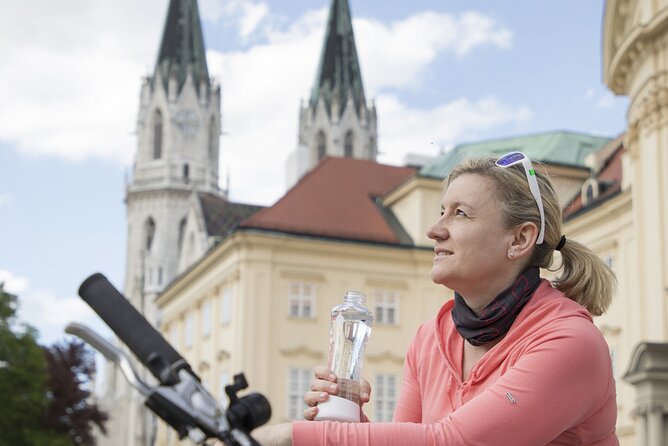
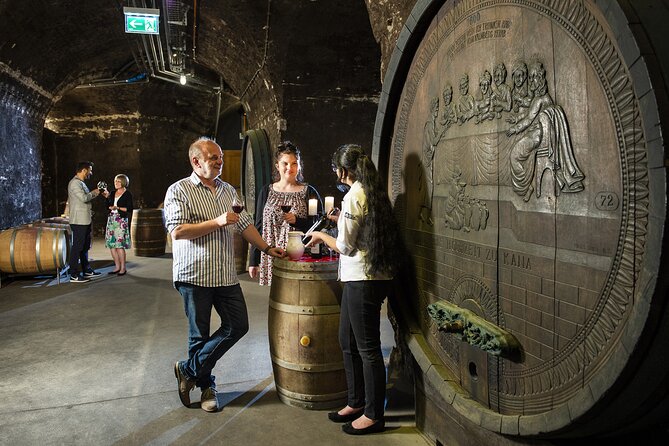
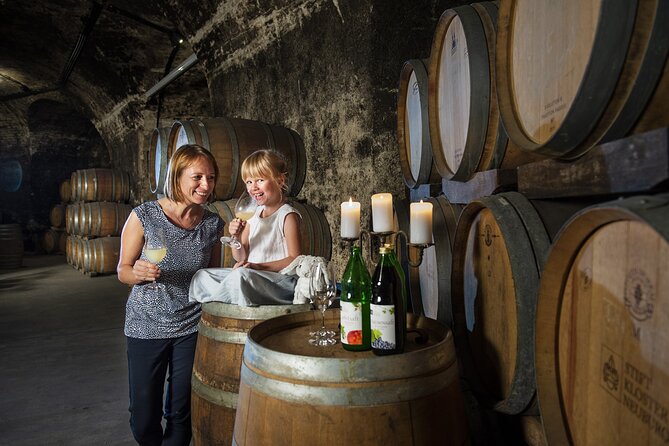
After the abbey tour, the experience moves into wine territory in a very literal way. You enjoy a commented wine tasting, and you also tour the cellar process. The cellar part stands out because you’re not just sipping and walking away.
In one account, the guide took the group through three levels of cellars and explained the winemaking process, including different types of barrels and barriques. There’s also a short film used as a supplement, which helps the steps make sense instead of staying vague.
The tasting is integrated into the cellar story. One person described starting with a Grüner Veltliner, followed by a white and then a red. Even if you don’t remember the exact sequence, the value is that you learn what you’re tasting and why.
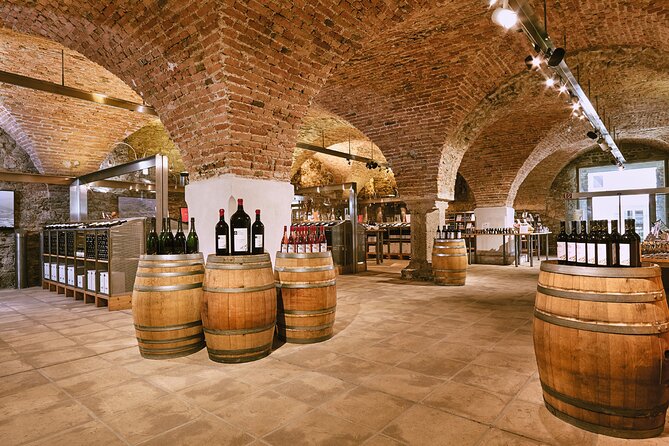
There is an important caution about expectations here. At least one rider felt the tasting itself was light, describing only a few very small tastes of wine, even though bottles were on display. Another said the monastery visit was amazing, while the tasting portion felt more limited than the abbey experience. So think of the tasting as a sample that comes with context, not a full wine banquet.
If you’re not drinking alcohol, you’re covered. The included option can be local juices instead of wine. The minimum age rule also matters here: the tour notes a minimum age of 12, but 16 for the wine tasting, so check your group ages before you assume everyone can join the tasting portion.
What you’ll actually do on the bikes, and what you might miss
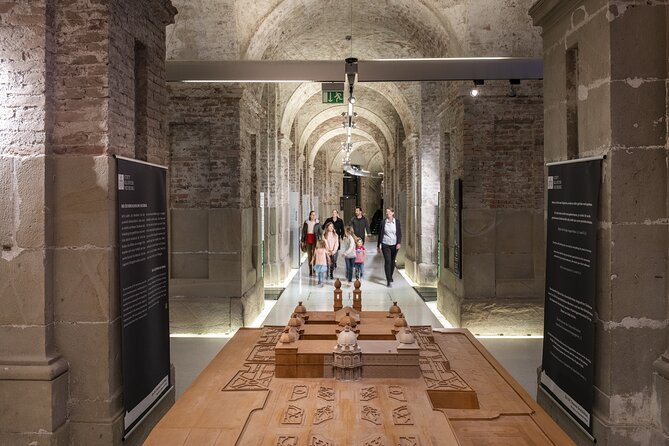
This tour is a cycle and walk combo, not a sightseeing by foot marathon. While you do see major areas up front, the time you spend on foot is concentrated at the abbey. That helps you avoid that Vienna problem where you feel like you’ve seen a lot, but you’ve actually retained nothing.
On the bikes, you’ll be rolling through a lot of “moving scenery.” You’ll likely pass whimsical sculptures near the beginning and cross bridges where the turns can feel a little hair-raising if you’re nervous. Guides who keep a close eye on the group make those moments feel controlled, but they don’t change the reality that some turns and crossings can be busy.
Also, you shouldn’t plan on frequent roadside stops for deep questions while you ride. Explanations tend to happen on the move. Some riders even wished there were a couple more stops to talk about attractions along the way, so if you want longer, slower city storytelling, you may want to pair this with another Vienna neighborhood walk after.
A small but useful detail: the helmets and e-bikes are part of the package, and bike quality tends to get praised. That matters because if you’re tired from the day, you want a bike that feels steady and easy.
Guides and group size: why it affects your stress level
Your experience depends a lot on the guide style, especially for the city portion. In practice, guides like Felix and Moritz are often noted for taking care of the group, while others like Ata, Simon, and Cedric are mentioned for navigating city bike lanes and keeping everyone safe on countryside paths too.
What all the good guides have in common is pacing and attention. They help the group stay together, and they build in breaks where you can ask questions. One rider described the guide giving breaks for questions and common-interest conversation, which is a great sign if you like learning without feeling rushed.
Group size helps that too. With a max of 18, you’re not stuck behind a giant pack. That makes it easier to keep a steady speed and stay comfortable.
Price and value: why $114.13 can make sense for this half-day
At $114.13 per person, this is not the cheapest Vienna activity. But it also isn’t “just a bike rental.”
You’re paying for a package: e-bike use, helmet, a licensed guide, cycling route management, a guided abbey tour, a cellar experience, and a tasting with wine or local juices. For a 4-hour outing, that combination is the value story.
Also, the tour gives you transportation and interpretation in one. Without a guided setup, you could bike on your own to the area, but you’d still need to plan the abbey tour timing and figure out what to see and where to go inside the cellar. Here, the flow is already organized.
My rule of thumb: if you want the Danube experience plus a structured abbey visit, this price can be reasonable. If you only care about one side, either the bike ride or the tasting, then you might shop separately. But as a full package, it earns its keep.
Who should book this e-bike wine culture tour
This is a great choice if you want a Vienna day that is active, scenic, and ends with a meaningful payoff. It’s also a good match for people who enjoy cycling but do not want to grind up hills with regular bikes.
You’ll likely enjoy it if:
- you want a half-day plan that feels more personal than a bus tour
- you like pairing sightseeing with food or drink experiences
- you’re curious about wine beyond just drinking it
You might think twice if:
- you avoid busy city traffic and you rarely ride bikes
- you need frequent stops for photos and long explanations on the move
- you expect a large tasting volume instead of a sample with cellar context
The tour asks for moderate physical fitness and calls the e-bike ride easy. Still, confidence matters because the city start is where stress can happen.
Should you book this e-bike wine culture tour?
Book it if you want a simple, well-structured way to combine Vienna’s big-city landmarks with Danube scenery and a real abbey experience. The Klosterneuburg abbey and cellar portion is the heart of the day, and the bike ride is what makes it feel like more than a museum visit.
Hold off or prepare carefully if you’re nervous around traffic or you haven’t ridden in a while. If that’s you, the bikes can help a lot, but you still need to handle the pace and bridge crossings. If you’re the type who enjoys moving through a city rather than standing still, this is one of the best kinds of “Vienna outside Vienna” days.
FAQ
FAQ
Where does the tour start and end?
It starts at PEDALPOWER Bike & Segway Tours, Bösendorferstraße 5, 1010 Wien, Austria, and it ends back at the same meeting point.
How long is the tour?
The tour runs about 4 hours.
What time does it start?
The start time is 10:30 am.
How much does it cost?
It costs $114.13 per person.
Is the tour in English?
Yes, it is offered in English.
Do I need to bring an e-bike or helmet?
No. The tour includes use of an e-bike and a helmet.
How fit do I need to be?
The ride is described as easy, and it requires a basic level of fitness and moderate physical fitness overall.
What is the minimum age for the tour and for wine tasting?
The minimum age is 12 years. Wine tasting has a minimum age of 16.
What is included in the tasting?
Alcoholic beverages are included for wine tasting, with an alternative of local juices.
How large are the groups?
The tour has a maximum of 18 travelers.
Is the tour affected by weather?
Yes. The experience requires good weather, and if it is canceled due to poor weather, you’ll be offered a different date or a full refund.
More E-Bikes in Vienna
- Vienna: Guided E-Bike Tour
★ 4.8 · 86 reviews - Vienna: Wine Tasting E-Bike Tour
★ 4.9 · 46 reviews - Vienna Small Group E-Bike Tour
★ 4.5 · 40 reviews - eBike Vienna 90min guided tour – use ebike for the whole day
★ 4.0 · 13 reviews
Danube by Bike
- Grape Grazing: Wachau Valley Winery Biking Tour
★ 4.8 · 468 reviews - Vienna by Bike 3-Hour All-In-One City Bike Tour in English
★ 4.7 · 438 reviews - Vienna: Guided E-Bike Tour
★ 4.6 · 223 reviews - Vienna Highlights Small-Group Bike Tour
★ 4.5 · 186 reviews
Just added to the bill for Vienna
Bike & E-Bike Tours in Vienna, compared.

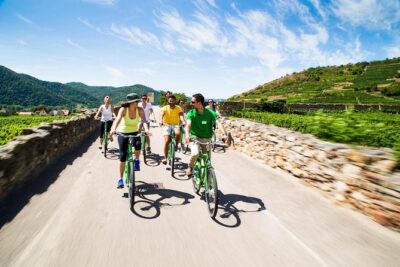
Wachau Valley Wine Tasting Bike Tour from Vienna
Read our review →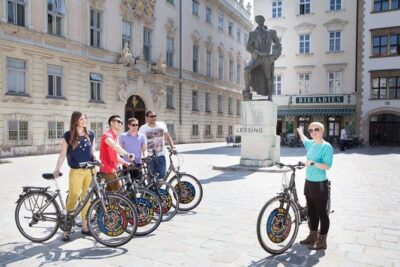
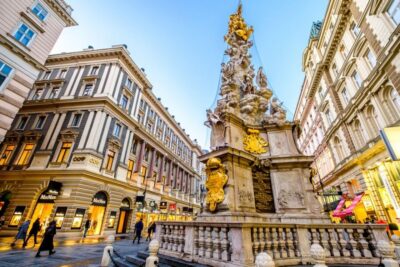
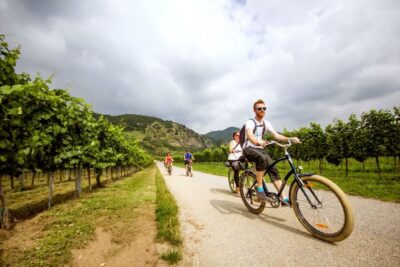
Grape Grazing: Wachau Valley Winery Biking Tour
Read our review →
Vienna by Bike 3-Hour All-In-One City Bike Tour in English
Read our review →
Browse the lists this tour appears in