
REVIEW · GUIDED WALKS IN VIENNA
Vienna: Private World War II Walking Tour
A single balcony can change a continent.
This private WWII walk traces Adolf Hitler’s path in Vienna, starting with his March 15, 1938 Anschluss announcement from the Heldenplatz balcony to a crowd of more than 200,000.
I like the way the tour covers both perpetrators and victims, including Jewish victims in Vienna and heroes like Simon Wiesenthal. I also like that you get a state-certified Austria Guide in English (and German), with a private group format that keeps the pace manageable over a 2 to 2.5 hour walk.
One thing to consider: the subject matter is heavy, and the tour runs rain or shine. If you are not comfortable walking in cold or wet weather for a couple hours, plan your day around it and wear shoes you trust.
In This Review
- Key things to look forward to on this Vienna WWII tour
- The route: from the memorial meeting point to St. Stephen’s Cathedral
- Heldenplatz, March 15, 1938, and how a city becomes propaganda
- Hitler’s youth in Vienna and the rise of National Socialism
- Jewish victims in Vienna, plus the name Simon Wiesenthal
- Vienna under Allied occupation: what changes after the war
- How private guiding feels on a 2 to 2.5 hour walk
- Price and value: when $541 per group makes sense
- Should you book this Vienna WWII walking tour?
- FAQ
- Where do I meet the guide?
- What are the starting and ending points?
- How long is the tour?
- Is the tour private?
- What languages are available for the guide?
- Is the tour wheelchair accessible?
- What should I bring and wear?
Key things to look forward to on this Vienna WWII tour
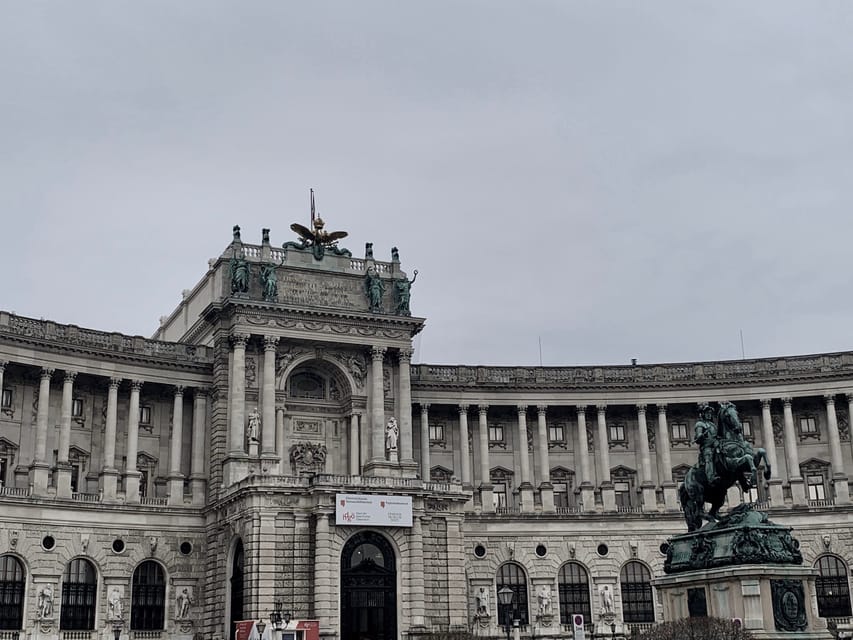
- Heldenplatz Anschluss moment: March 15, 1938, a balcony speech that announced Austria’s move into Nazi Germany
- Hitler’s Vienna youth and National Socialism: you connect the personal origins to the rise of the movement
- Jewish victims in Vienna: the tour keeps the human cost in view, not just the politics
- Simon Wiesenthal highlighted: you learn why this name matters when discussing justice and memory
- Allied-occupation Vienna: you finish with what life looked like after the war, under occupation
The route: from the memorial meeting point to St. Stephen’s Cathedral
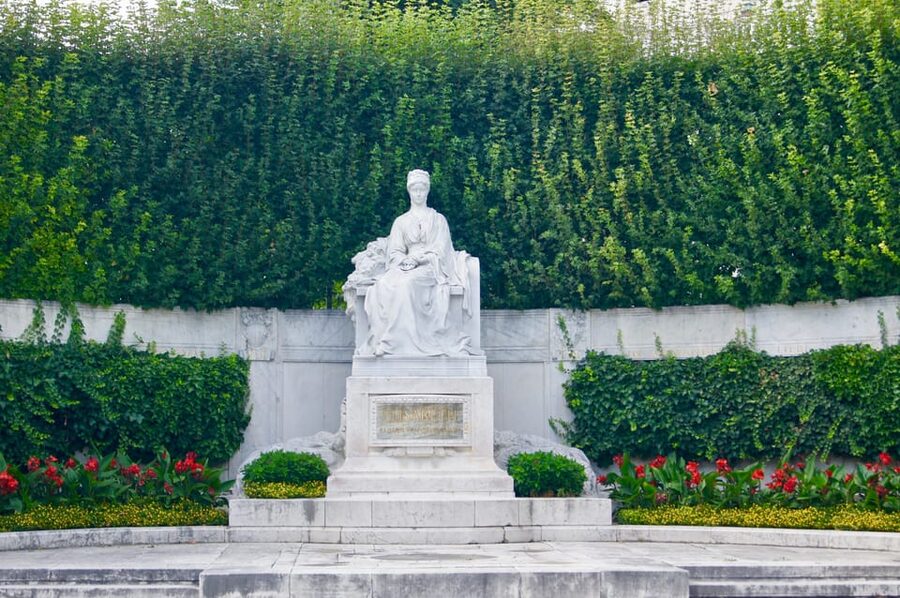
This is a private, English-guided walking tour through Vienna’s historic center, with a clear start and finish. You meet your guide in front of the memorial against war and fascism. Your guide holds a red and white striped umbrella, so you can spot them quickly even if the area is busy.
The tour’s official start point is Helmut-Zilk-Platz, and it ends at St. Stephen’s Cathedral. That finish matters for practical reasons. It puts you right back in the thick of central Vienna, which makes it easy to continue the day with food or a slow wander afterward.
Timing is also important here. The activity lists a 2 hour duration, while the walking plan refers to about 2.5 hours. Either way, plan for a solid chunk of time on your feet, with breaks only as your guide builds them in.
More Guided Walks in Vienna
- Vienna: Guided Walking Tour of City Center Highlights
★ 4.7 · 4,989 reviews - Vienna: Vienna Central Cemetery Guided Walking Tour
★ 4.8 · 3,307 reviews - Vienna: Guided Walking Tour of City Highlights & Hidden Gems
★ 4.9 · 2,180 reviews - Vienna: Viennese Underworld Guided Walking Tour
★ 4.7 · 1,865 reviews
Heldenplatz, March 15, 1938, and how a city becomes propaganda
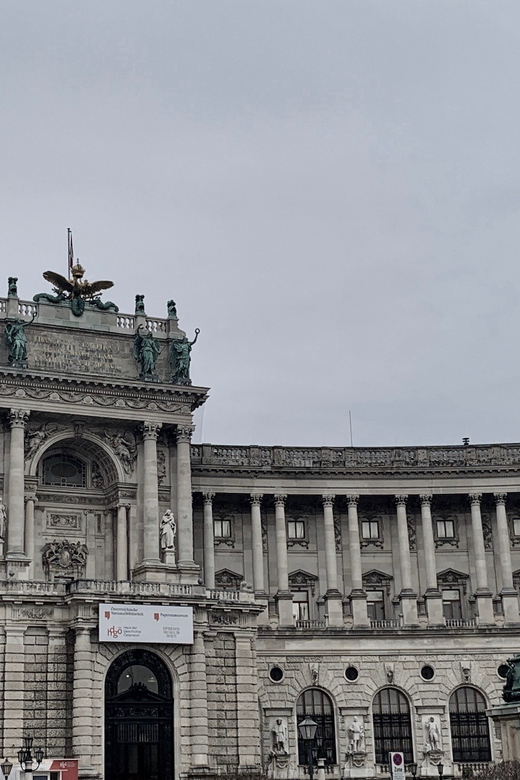
The emotional spine of this tour is the Heldenplatz setting tied to the Anschluss. On March 15, 1938, Adolf Hitler delivered an infamous speech from the balcony at Heldenplatz, also known as Heroes Square, to a crowd of more than 200,000 people.
What I like about focusing on this specific moment is that it shows how power uses public space. You are not just memorizing dates. You are walking around the kind of location where large crowds gather and where political theater can feel huge in the moment, even long after the event.
This part of the tour also helps you understand the bigger question the tour highlights: how Austria became part of Nazi Germany. The guide uses the city itself as a reference point, so the story feels anchored rather than abstract.
If you want an easy mental prep before you go, keep one thought in mind: this was not only a political change. It was a turning point that affected real lives in Vienna immediately and for years to come.
Hitler’s youth in Vienna and the rise of National Socialism
Another major focus is Adolf Hitler’s youth spent in Vienna. The tour also addresses the rise of National Socialism and how those ideas gained traction.
I like how the tour frames this period as a progression. You start with Vienna as the backdrop for Hitler’s early years, then you move forward toward the national political shift. That structure makes it easier to follow the logic of how beliefs become action, and how an ideology can move from a person’s formation to a government’s reality.
You can expect the guide to connect the themes named in the highlights, including:
- Hitler’s Vienna years
- the rise of National Socialism
- the war itself, plus the roles of victims and perpetrators
Even if you already know the headline history, a local, city-based walkthrough tends to sharpen your understanding of how events unfold on the ground.
A practical note: this section can be mentally intense. If you find heavy topics drain you fast, bring a slower mindset. Take your time when the guide pauses to point out what matters in a particular spot.
Jewish victims in Vienna, plus the name Simon Wiesenthal
This tour does not treat World War II as only a military story. It specifically brings in Jewish victims in Vienna, and it also points you toward heroes like Simon Wiesenthal.
That combination is valuable. It helps you stay oriented on the “who” behind the history, not only the “what.” When you hear about Jewish victims in Vienna, you are reminded that the Nazi system brought targeted persecution to specific places and communities.
At the same time, including Simon Wiesenthal signals that the tour is also about memory and accountability. The guide is not just listing tragedies. They are showing you how individuals became connected to the postwar struggle for justice and remembrance.
If you are hoping to learn in a careful, respectful way, this tour is a good fit because it explicitly sets out to cover victims, perpetrators, and later consequences. That structure tends to keep the topic balanced, even when it is emotionally difficult.
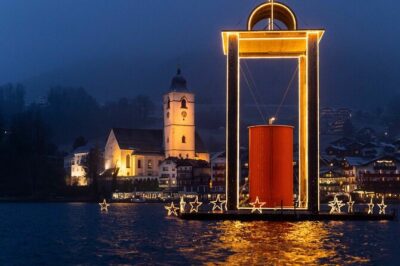
More of Austria on foot, bell tower to bell tower:
Vienna under Allied occupation: what changes after the war
By the time you reach the postwar portion, the tour theme shifts to the Allied-occupation years. One of the highlights is discovering life in Vienna during that Allied-occupation period.
I like ending here for a simple reason. Many WWII tours focus tightly on the years of war and then stop. This one continues the story into what came next, which is often where cities and people have to rebuild their everyday rhythm while institutions reorganize.
You will also cover Hitler’s eventual downfall as part of the overall arc of the tour, before moving into those occupation years. The big takeaway for me is how a city like Vienna can hold layers at once: wartime decisions, the suffering that followed, and then the awkward, complicated work of living under an occupying power.
You will likely feel a shift in tone as the guide moves through this section. If you want closure, in the sense of understanding what happened to Vienna after the worst, this tour’s structure is designed to deliver it.
How private guiding feels on a 2 to 2.5 hour walk
This is a private group tour, and the pricing is set per group up to 20. That matters for value. If you are traveling with friends or family, splitting the group cost can make this type of expert-led tour feel much more reasonable than you might expect from a “private” label.
It is also practical that your guide is a state-certified Austria Guide. You get live guidance in English, with German also available. That means you can match the language to your comfort level instead of relying on an audio device.
Wheelchair accessibility is listed, which is a big plus if you need route planning that is more considerate than most “see everything” city walks. Still, because this is a walking tour, you should consider your own stamina and movement needs before booking.
The tour runs rain or shine. That is not just a line in the fine print. It affects your experience day-of. Wear comfortable shoes, bring a layer, and have a basic rain strategy. If the weather is miserable, you will appreciate any small choice that keeps your feet dry and your mood steady.
One more small detail I like: the guide holding a red and white striped umbrella helps with meeting up. It sounds trivial, but it reduces stress at the start, especially if you arrive a couple minutes early.
Price and value: when $541 per group makes sense
The price is listed as $541 per group up to 20 people, for about 2 hours. Because it is priced per group, the value depends on how many people are actually in your party.
Here is how I’d think about it:
- If you travel as a smaller group, the cost per person can be predictable and often good value compared with individual tickets plus a guide
- If you have a full group up to 20, you get a larger shared experience without the cost rising per person in the same way
What you are paying for is not just walking routes. You are paying for an expert who stays with you through the key WWII themes the tour names: Hitler’s Vienna youth, the rise of National Socialism, the war, the victims, Hitler’s downfall, and then Vienna during Allied occupation.
So, the value is strongest when you want context. If you plan to look at historic sites only for pictures, you might not get much extra from the guiding. But if you want the “why” and the story behind what you are seeing, the guided private format is the point.
Should you book this Vienna WWII walking tour?
Book it if you want a focused Vienna walk that connects WWII events to specific places, and you care about hearing the story with victims and perpetrators both addressed. I also think it fits well if you like learning through a guide who can answer questions live in English or German, and you want the experience to stay organized across about 2 to 2.5 hours.
Skip it or reconsider if you know you do not do well with difficult historical topics, or if you struggle to walk for a couple hours in rain or cold. The subject matter is serious, and the format is still a walking tour.
If you do book, do one smart thing: wear comfortable shoes and plan your next stop with a little breathing room at St. Stephen’s Cathedral so you do not feel rushed right after the hardest parts of the story.
FAQ
Where do I meet the guide?
Meet your guide in front of the memorial against war and fascism. The guide will be holding a red and white striped umbrella.
What are the starting and ending points?
The tour’s starting location is Helmut-Zilk-Platz, and the tour finishes at St. Stephen’s Cathedral.
How long is the tour?
The tour is listed as 2 hours, and the walking plan refers to about 2 to 2.5 hours in the historic center.
Is the tour private?
Yes. This is a private group tour, with the group size capped at up to 20 people for the per-group price.
What languages are available for the guide?
The tour is available in English and German with a live tour guide.
Is the tour wheelchair accessible?
Yes, wheelchair accessibility is listed as available.
What should I bring and wear?
Wear comfortable shoes. The tour runs rain or shine, so dress appropriately for the weather.
Just added to the bill for Vienna

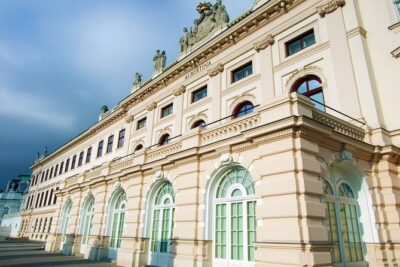
Guided Walks in Vienna, compared.
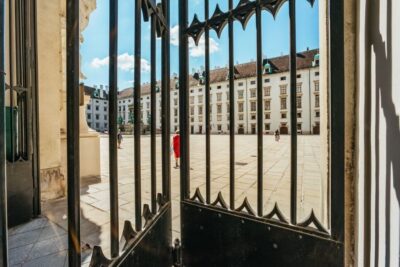
Guided Walking Tour of City Center Highlights
Read our review →
Guided Walking Tour of City Highlights & Hidden Gems
Read our review →
Vienna Historic Center Small Group Walking Tour
Read our review →
Ghosts and Legends Guided Nighttime Walking Tour
Read our review →Browse the lists this tour appears in