
REVIEW · GUIDED WALKS IN VIENNA
Vienna: World War II Historical Walking Tour
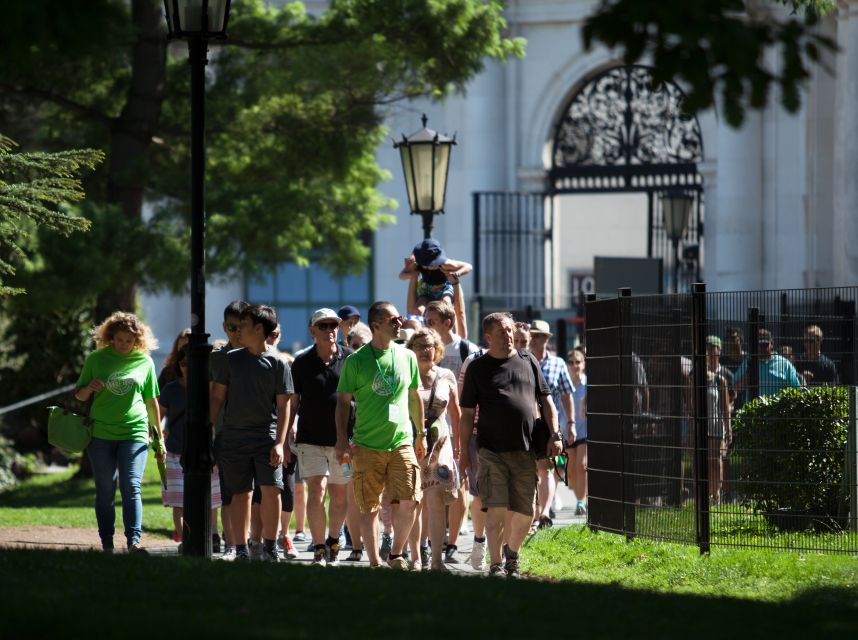
WWII in Vienna feels uncomfortably close. This 2.5-hour walking tour traces how politics and fear shaped young Adolf Hitler, while pointing out bomb-scarred streets and the only synagogue to survive the Nazi regime.
I particularly like the focus on cause and effect, not just dates, and the way the route ties everyday Vienna to what happened to its Jewish community. The main downside is that the topic is heavy, and you will be on your feet for most of the walk, so pack comfy shoes and plan for an emotionally intense tour.
In This Review
- Key Highlights Worth Getting Excited About
- WWII in Vienna Stays Written into the Streets
- Starting at the Albertina, Right by the Opera House
- Hitler’s Early Years, Explained Through Vienna’s Atmosphere
- WWII Bombs, Shock, and the City’s Daily Life
- What Happened to Vienna’s Jewish Community, When Fear Took Over
- The Surviving Synagogue and the Holocaust Memorial Stop
- Vienna Divided After the War: A City Split into Zones
- Price, Time, and Value for Your Schedule
- Who This Tour Is Best For
- Should You Book This Vienna WWII Walking Tour?
- FAQ
- How long is the Vienna WWII historical walking tour?
- Where does the tour meet?
- How much does the tour cost?
- What is included in the price?
- Are attraction entrances included?
- What language is the tour?
- Is the tour fully walking or does it include breaks?
- What is the main focus of the tour stops?
- Can I cancel for a refund, and can I pay later?
Key Highlights Worth Getting Excited About
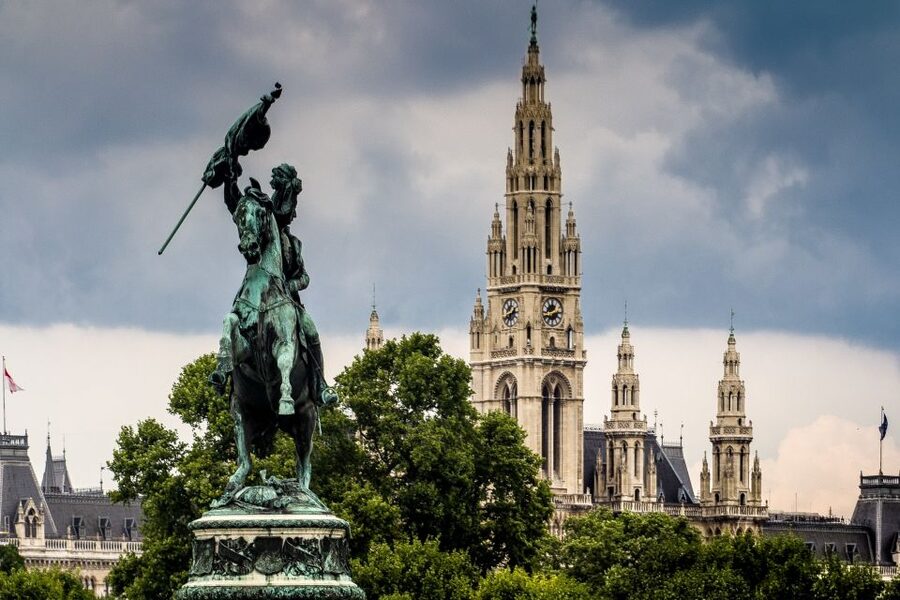
- Only synagogue that survived the Nazi regime is a real, concrete stop, not just a story
- Holocaust memorial time gives you a moment to understand what changed and why it mattered
- Hitler’s early years in Vienna are explained through the city’s social and political mood
- WWII bomb damage and urban scars help you read the city like a document
- The divided postwar city angle shows how even the Allies managed Vienna in zones
WWII in Vienna Stays Written into the Streets
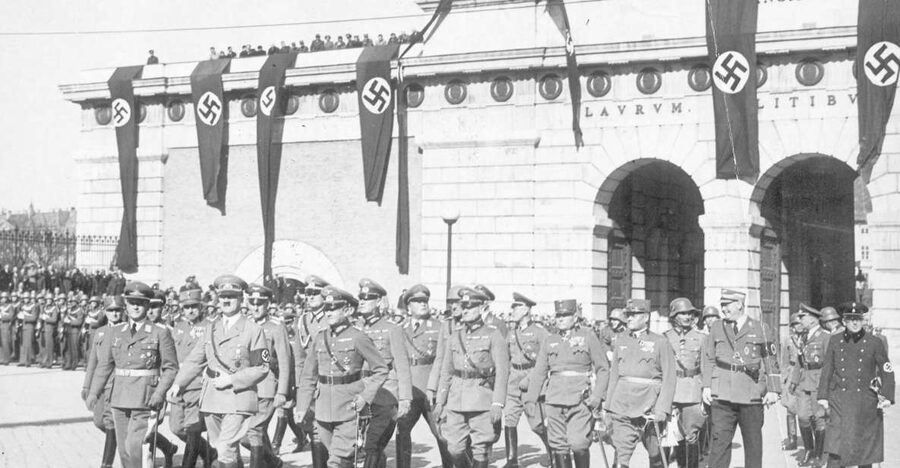
Vienna can look calm and elegant, but this tour keeps reminding you that underneath the beauty is a record of destruction, exclusion, and fear. In about 150 minutes, you walk through parts of the city where WWII damage is still visible, and where the postwar division still shaped the streets and neighborhoods you see today.
What makes the experience hit differently is that it is not only about the big events. You also get the smaller human pieces, like how rivalry, fear, and social pressure changed the atmosphere for Vienna’s Jewish community. The tour’s tone is serious, and the subject matter is emotionally heavy, so I’d rate it best for travelers who want honest context, not just sightseeing.
More Guided Walks in Vienna
- Vienna: Guided Walking Tour of City Center Highlights
★ 4.7 · 4,989 reviews - Vienna: Vienna Central Cemetery Guided Walking Tour
★ 4.8 · 3,307 reviews - Vienna: Guided Walking Tour of City Highlights & Hidden Gems
★ 4.9 · 2,180 reviews - Vienna: Viennese Underworld Guided Walking Tour
★ 4.7 · 1,865 reviews
Starting at the Albertina, Right by the Opera House
The walk starts right where you can easily orient yourself: in front of the Albertina Museum, next to Vienna’s world-famous Opera House. For the meeting point, you are looking for a green umbrella by the Albrechtsbrunnen fountain downstairs at the Albertina, near the Karlsplatz/Oper subway stop.
This is a smart start point for a practical reason. You are near major transit, so it is easy to get there whether you arrive by tram, subway, or on foot. Also, starting near a landmark like the Opera helps you stay oriented as the story grows darker and more complex.
Hitler’s Early Years, Explained Through Vienna’s Atmosphere
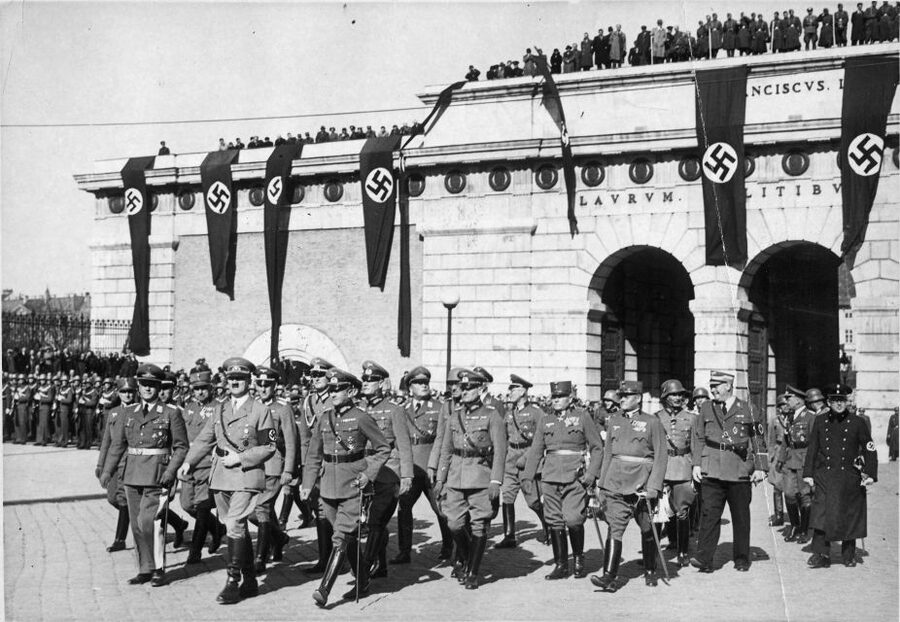
A big part of the tour is how Vienna shaped a young Adolf Hitler and how his ideas took hold. Your guide sets the scene around the city’s social and political climate, then connects it to how an art student could become a feared dictator.
I like this approach because it treats ideology as something that formed in real conditions, not as a magic trick that appeared out of nowhere. You hear how Hitler’s thinking evolved, and why those ideas found an audience. Even if you already know the headline facts, this kind of guided framing helps you see the logic of how a society can slide from prejudice into violence.
Guides for this tour are known for story-driven delivery. Names that come up frequently include Dieter, Stefan, Michael, Wolfgang, Florian, and Charlie, and many of them are praised for clear explanations and answering questions as you go. Expect a confident narration style, with time for interaction.
WWII Bombs, Shock, and the City’s Daily Life
The tour also focuses on what it meant when more than 100,000 bombs struck the city. That detail matters because it shifts the scale from abstract war to real city life. Bombing changes movement, housing, routines, and who feels safe. It also affects what people believe, how they judge others, and how quickly they can accept harsh solutions.
You will see how the city bears scars from WWII. Even if you have visited Vienna before, this walk changes how you look at the built environment. Buildings, streets, and surviving areas become clues, each one suggesting an earlier moment of damage, repair, or erasure.
If you are the type who likes connecting history to what your eyes can verify, you will enjoy this segment the most. It is the difference between reading a chapter and walking through the setting.
More of Austria on foot, bell tower to bell tower:
What Happened to Vienna’s Jewish Community, When Fear Took Over
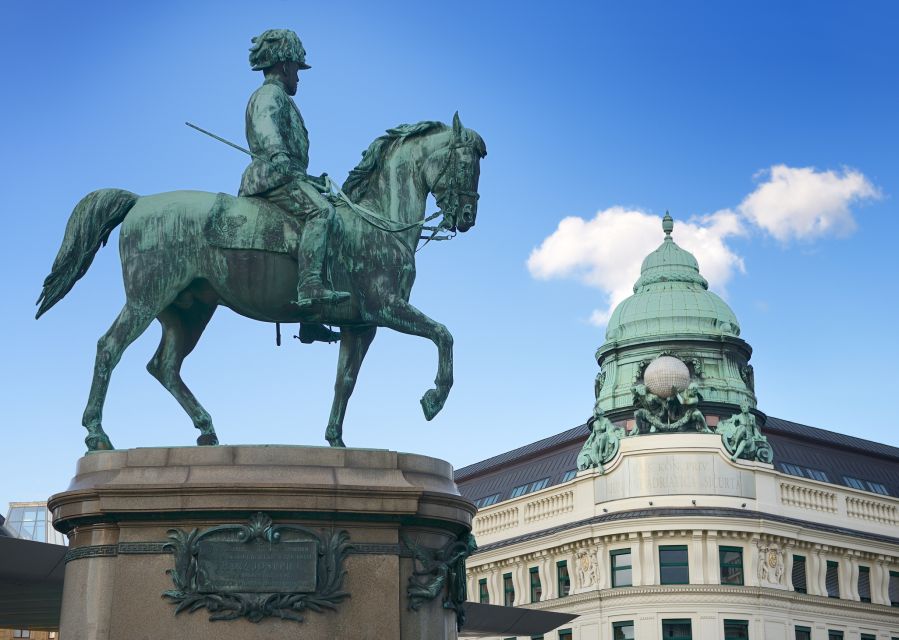
One of the tour’s most important themes is Vienna’s large Jewish community and how it was affected when ethnic rivalry and fear seized the city. The guide explains the social pressure and the climate that made persecution possible, step by step.
This portion can feel uncomfortable, and that is appropriate. The point is not to shock you, but to show the mechanisms: how prejudice became policy, how violence became normal, and how ordinary people were pushed to the margins. If you care about understanding how societies change from within, not just how dictators act from above, this part is the core of the experience.
The Surviving Synagogue and the Holocaust Memorial Stop
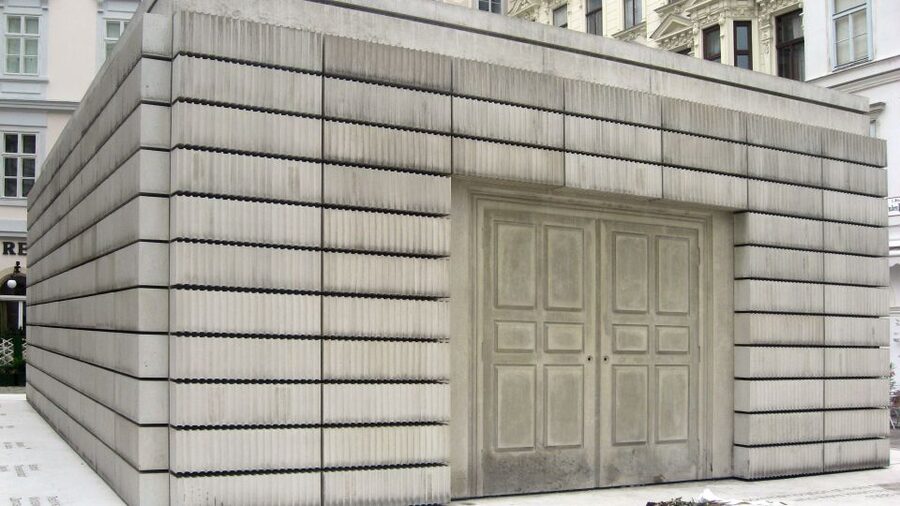
You will visit the stop that many people consider the emotional high point: the only synagogue that survived the Nazi regime. For travelers who want something tangible, this matters more than almost any other highlight. A preserved building becomes proof that the story included both destruction and survival, not only loss.
From there, the tour moves to Vienna’s somber Holocaust memorial. This is where the tone slows down. It gives you space to process the scale of what happened and why remembrance is more than a box to check. It also helps the earlier story land, because the memorial ties together the betrayal of a community, the machinery of genocide, and the long shadow that followed.
If you are sensitive to heavy topics, consider planning a lighter second activity afterward. You might want dinner somewhere calmer, or time to decompress before you jump back into sightseeing.
Vienna Divided After the War: A City Split into Zones
After WWII, Vienna became divided, and this tour explains how the city changed because of that. One especially unique detail you learn here is that Vienna was the only city in the world where the Allied powers managed a zone together.
This is useful because postwar history is often treated like a straight line toward reconstruction. Here, you see how politics can reshape geography and daily life. Borders between zones, differing authorities, and competing influence all affect how people move, trade, and rebuild.
Walking these parts of Vienna helps you understand that the end of the war did not instantly erase its effects. Even when fighting stopped, the city still had to live with the consequences.
Price, Time, and Value for Your Schedule
At about $31 per person for 150 minutes, this tour is priced like a serious guided experience that fits into a normal day in Vienna. You are paying for live interpretation and a route that connects multiple sites into one story, including key Holocaust-related stops.
Is it a good value? I think so, especially because it is not just sightseeing. You are getting a guided explanation of Hitler’s early years, WWII impacts on the city, and the fate of Vienna’s Jewish community, then ending with memorial and postwar division context. If you are only doing one WWII-focused activity in Vienna, this is a strong candidate.
One more practical note from what guides are known to do: you will likely get pauses in sheltered spots when weather is bad. Some guides also use headsets for bigger groups, and that makes a difference when you are walking close to traffic and need to hear every word.
Who This Tour Is Best For
This tour is a good fit if you want a guided historical walk that connects Vienna’s WWII-era atmosphere to the human consequences. It is also a strong choice if you like asking questions and getting explanations tied to the locations you are standing in.
It might be less ideal if you want a light, quick photo tour. This is a story about persecution and destruction, and you will feel that weight. Also, because it is a walking tour of 2.5 hours, bring weather-appropriate clothing and comfortable shoes.
If you are on the fence and wondering when to book, I like the idea of doing it early in your trip. It can give you a framework for the rest of what you see in Vienna, helping the city’s landmarks make more sense in context.
Should You Book This Vienna WWII Walking Tour?
If you want a structured, English-language walk that goes beyond general WWII facts and shows how Vienna’s environment shaped real decisions, I’d book it. The stop at the synagogue that survived the Nazi regime and the visit to the Holocaust memorial are the kind of experiences that stick with you, and the route makes the city’s WWII scars easier to understand.
Just go in prepared for heavy history and steady walking. If that feels like the right kind of travel for you, this tour is one of the best ways to read Vienna as a place where the past is still visible.
FAQ
How long is the Vienna WWII historical walking tour?
The duration is 150 minutes.
Where does the tour meet?
Meet in front of Albrechtsbrunnen, the fountain downstairs at the Albertina Museum, next to the Opera House. Look for the green umbrella. The nearest subway stop listed is Karlsplatz/Oper.
How much does the tour cost?
The price is $31 per person.
What is included in the price?
A live guide and the walking tour are included.
Are attraction entrances included?
No. Entrances to attractions are not included.
What language is the tour?
The tour is offered in English.
Is the tour fully walking or does it include breaks?
It is a walking tour, but your guide will make stops at sights. The provided info does not list indoor time as a guarantee.
What is the main focus of the tour stops?
You’ll see the only synagogue that survived the Nazi regime, a Holocaust memorial, WWII bomb impacts, and the postwar divided-city story.
Can I cancel for a refund, and can I pay later?
Free cancellation is available up to 24 hours in advance for a full refund. There is also a reserve now, pay later option where you can book and pay nothing today.
The Habsburg Map
- Vienna: Time Travel and Magic Vienna History Tour
★ 4.6 · 3,879 reviews - Time Travel-Magic Vienna History Tour Ticket
★ 4.5 · 1,099 reviews - Skip-the-Line Schonbrunn Palace Guided Tour and Vienna Historical City Tour
★ 3.5 · 940 reviews - Vienna Mozart Concert in Historical Costumes at the Musikverein
★ 4.5 · 888 reviews
Just added to the bill for Vienna


Guided Walks in Vienna, compared.
Guided Walking Tour of City Center Highlights
Read our review →
Guided Walking Tour of City Highlights & Hidden Gems
Read our review →
Vienna Historic Center Small Group Walking Tour
Read our review →
Ghosts and Legends Guided Nighttime Walking Tour
Read our review →
Browse the lists this tour appears in