
REVIEW · HISTORICAL TOURS
Vienna: Time Travel and Magic Vienna History Tour
Vienna history, minus the boredom. This Vienna Time Travel tour strings together 2000 years of the city through interactive rooms, plus 5D cinema and VR. It is set right in the historic center, near the Hofburg, and the hour moves fast.
Two things I really like: the hands-on multimedia history rooms (you do not just stand and watch), and the way the tech covers big topics, from Roman-era Vindobona to modern Vienna in one loop. You also get standout set pieces like the bomb shelter sequence and Chancellor Figl’s speech.
One thing to consider before you go: there is no elevator, and the route uses two levels with about 50 steps. So plan accordingly if walking is an issue.
In This Review
- Key Things to Know Before You Go
- Time Travel in Vienna, What Actually Happens in One Hour
- Where to Meet, and Why Location Matters for Your Day
- Inside the Story, From Vindobona to the Black Plague
- The Portrait Gallery of Famous Viennese Figures
- 5D Cinema, VR Music History, and Why the Tech Actually Helps
- 5D cinema
- VR glasses for music history
- Imperial Vienna and the Royal Family Touch
- World War II in a Bomb Shelter, Plus Chancellor Figl
- The Virtual Flying Finale Over Vienna Roofs
- Price and Value for $27, Is It Worth It?
- Who This Tour Best Suits, and Who Should Skip It
- Should You Book Vienna Time Travel
- FAQ
- How much does Vienna Time Travel cost?
- How long is the experience?
- Where do I meet Vienna Time Travel?
- Is Vienna Time Travel wheelchair accessible?
- What types of technology are included?
- Are pets or video recording allowed?
- What time should I arrive?
Key Things to Know Before You Go
- Interactive rooms take you through major chapters of Vienna’s past, not just a slideshow.
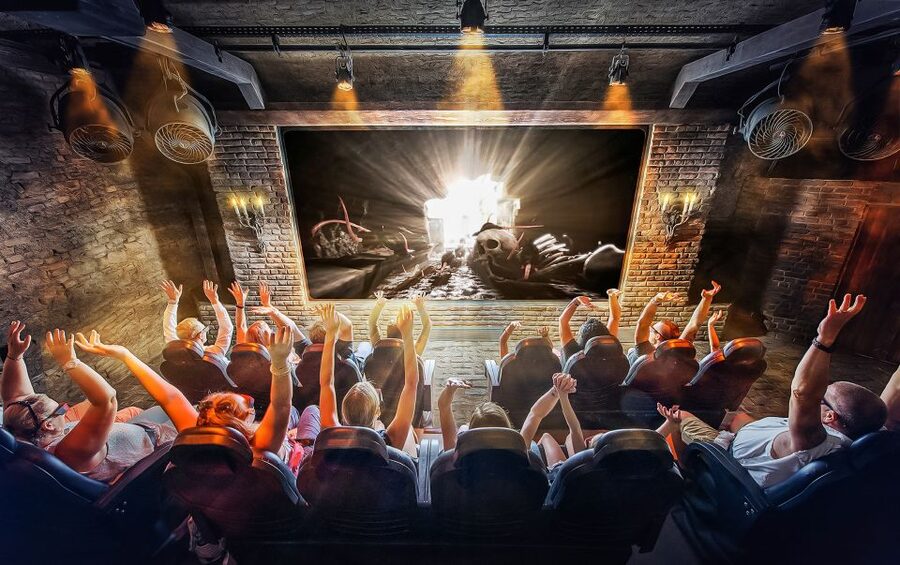
- 5D cinema effects add physical sensation and big-screen drama to key moments.
- VR glasses for music history help you understand how Viennese music evolved.
- WWII bomb shelter and Chancellor Figl scenes hit emotionally, with sound, staging, and atmosphere.
- A virtual flying finale wraps the story with a view-over-Vienna experience.
Time Travel in Vienna, What Actually Happens in One Hour
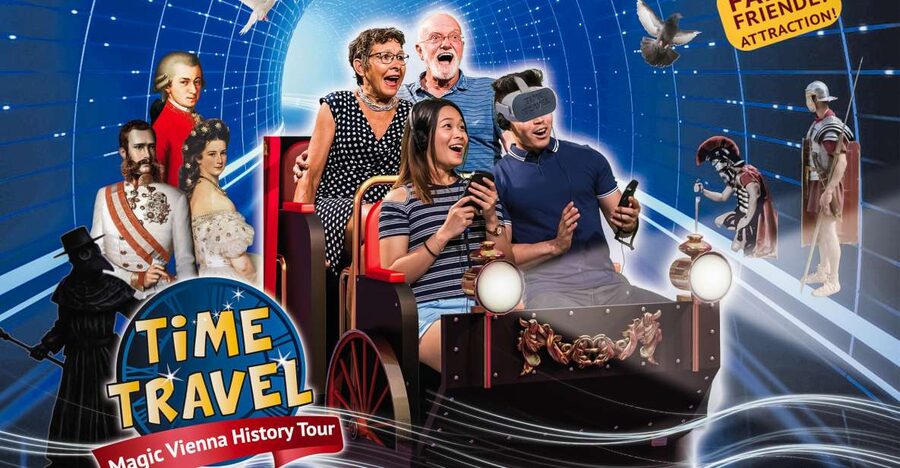
Think of Vienna Time Travel as a “history theme park” that stays focused on one thing: giving you a clear path through time. In about an hour, you move from room to room inside a historic setting, with a mix of narration (via multilingual audio), big visual set pieces, and tech like 5D cinema and VR glasses. The goal is not to teach you everything. It is to help you feel the timeline, then remember it when you walk back outside.
You start with the long view of Vienna. The experience is built around an arc from the days of the Roman camp of Vindobona to later imperial life, World War II, and modern Vienna. Along the way, you meet famous figures through portrait-style presentations, and you get sequences that dramatize major turning points rather than just listing dates.
If you are visiting with kids, this is a strong format because it keeps changing pace. If you are an adult history fan, it can still work well because it gives you more than vibes. You leave with names, themes, and imagery that help you connect the dots later when you see real buildings on the street.
More centuries of the Habsburg map:
- Vienna: World War II Historical Walking Tour
★ 4.8 · 1,772 reviews - Vienna Historic Center Small Group Walking Tour
★ 5.0 · 1,746 reviews - Time Travel-Magic Vienna History Tour Ticket
★ 4.5 · 1,099 reviews - Skip-the-Line Schonbrunn Palace Guided Tour and Vienna Historical City Tour
★ 3.5 · 940 reviews
Where to Meet, and Why Location Matters for Your Day
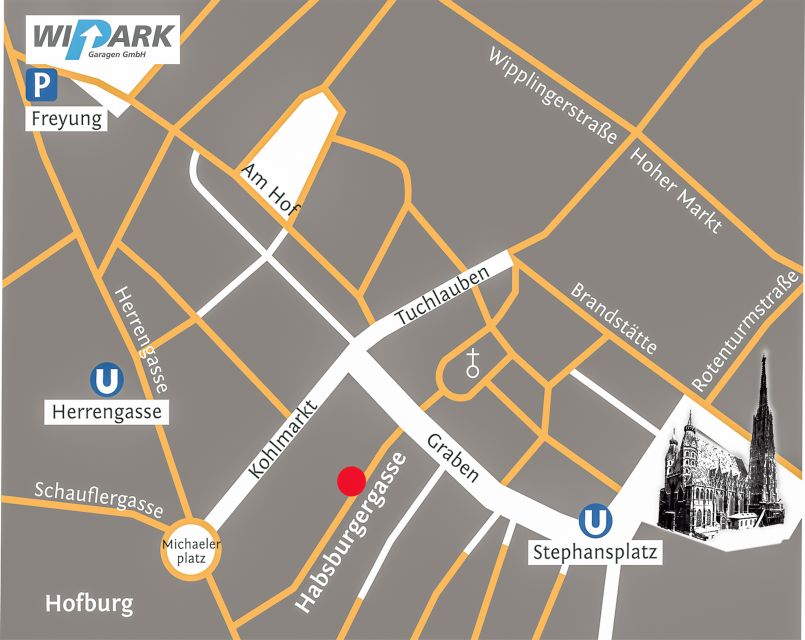
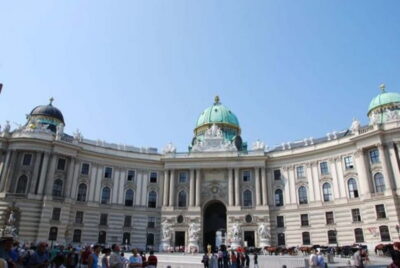
You meet at Habsburgergasse 10A, 1010 Vienna, right in the historic center. The site is about 200 meters from the Hofburg and roughly 100 meters from Graben, Kohlmarkt, and Stephansplatz. That matters because you can plan it like a “bridge stop” between major sights.
Getting there is straightforward:
- Subway options include U1 to Stephansplatz or U3 to Herrengasse
- If you drive, there is a parking garage called Freyung with reduced pricing
My practical tip: if this is your first big activity of the trip, go early in the day. One reviewer advice stuck with me: do it right away so you get background before you start sightseeing outside.
Inside the Story, From Vindobona to the Black Plague
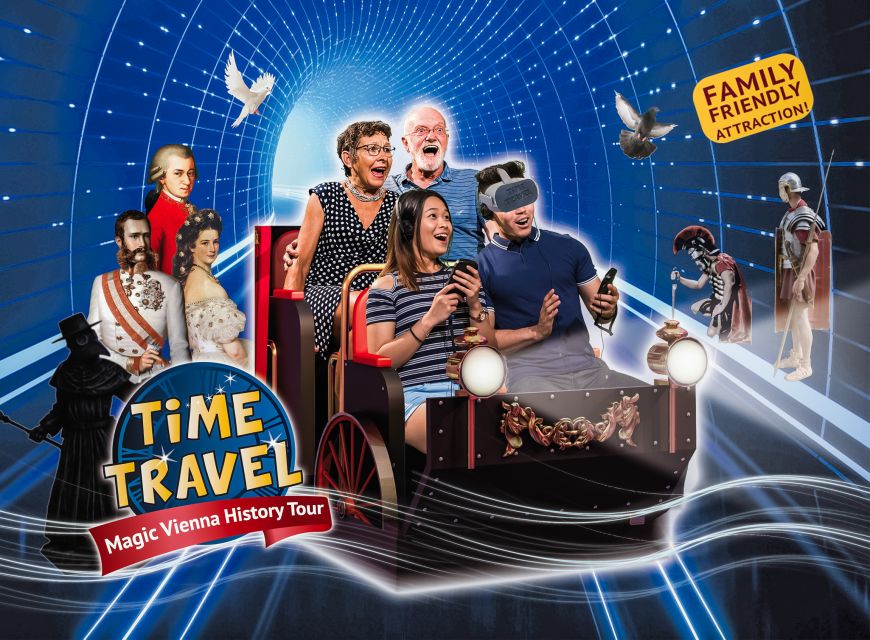
The early sections are where the experience earns its “time travel” label. You begin in the era of Vindobona, the Roman-era camp that anchors Vienna’s very long timeline. Then the format continues forward through dramatic, interactive rooms.
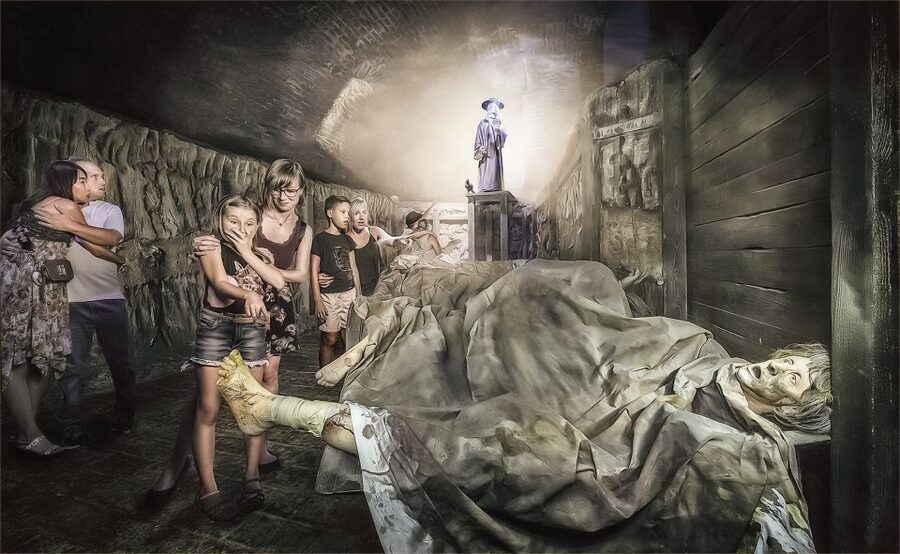
One of the most memorable early set pieces is a black plague sequence. Instead of treating disease history as a chapter you skip, the show turns it into a vivid experience you can actually picture later. That kind of emotional, visual memory is exactly why this tour can outperform a standard museum stop for a busy trip.
As you go room to room, you are also picking up how Vienna’s leadership and power structures shaped the city. In the animated parts, you get quick explanations that connect to the Habsburgs, which helps when you later read plaques or notice royal references around central Vienna.
A small practical drawback of the “rooms” style: you will not slow down the pace. The experience is designed to keep moving, so if you want to stop and read every detail on your own, you may need to do that outside after.
The Portrait Gallery of Famous Viennese Figures
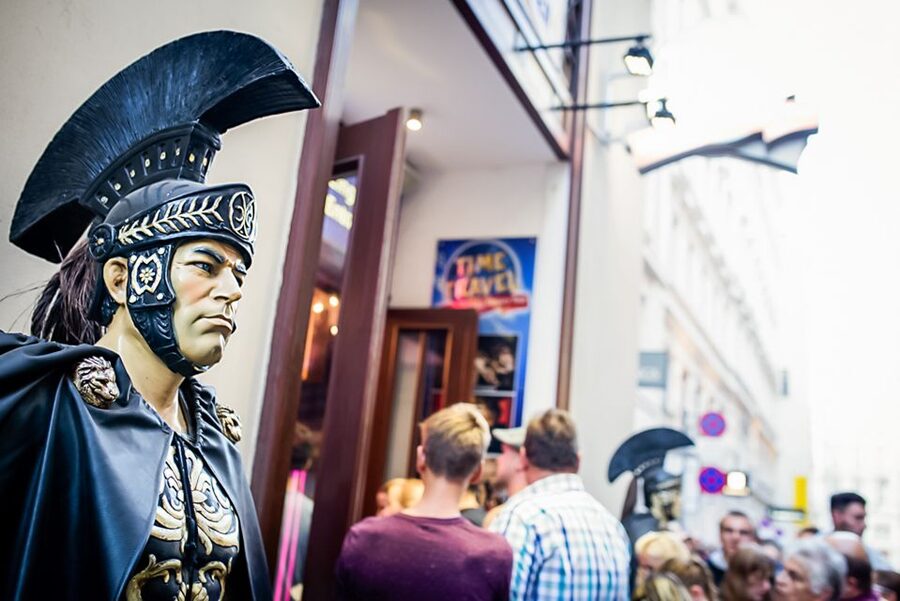
A big piece of the attraction is the idea of meeting historical characters personally, even if it is through multimedia portraits. You walk through a portrait gallery where important people in Viennese history appear with what they say in audio or presentation form.
This part works because it gives you faces to attach to themes. Instead of history as distant events, it becomes personalities and decisions. It also makes the show easier for families, because children can latch onto a character name the way they would in a film.
One note: this is not a guided tour in the traditional sense. There is an audio guide, but you are mostly experiencing the content on your own as you move. If you strongly prefer a live human storyteller with real-time Q and A, you might feel a bit of a gap. Some people even wish for real actors in certain moments, which tells you the show is heavy on tech and staging rather than live narration.
Held over another night in Vienna
5D Cinema, VR Music History, and Why the Tech Actually Helps
This is where Vienna Time Travel gets its reputation. You get two major tech modes, and both are tied to story, not just spectacle.
5D cinema
The 5D cinema sequence uses effects that create the feeling of being present in ancient Vienna. Reviews describe the effects as fun, well produced, and a highlight. There is also a practical reason it works: the sensory kick makes key scenes stick in your mind, which helps you remember the timeline when you are back outdoors.
If you are a “short attention span” person, you may love the pacing here. If you want a longer screen sequence, you might wish the 5D portion ran longer, which has come up as a fair complaint.
VR glasses for music history
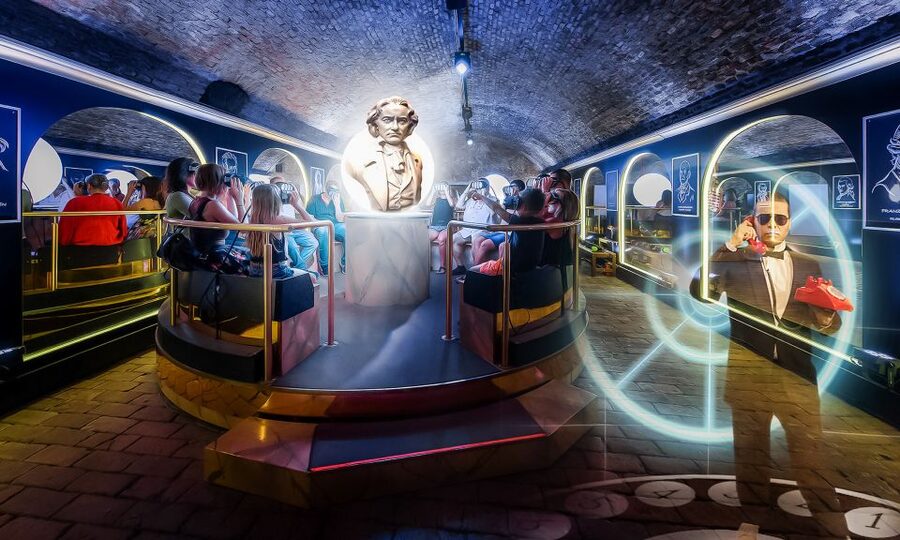
Then you get VR glasses for the course of Viennese music history in a simulated world. This is a smart choice for Vienna, because the city’s musical identity is not just an abstract fact. It is part of the cultural storyline, and VR is a decent way to make it feel like more than a name on a poster.
As a bonus, the VR and 5D together cover two different learning styles. The show does not rely on one format.
Imperial Vienna and the Royal Family Touch
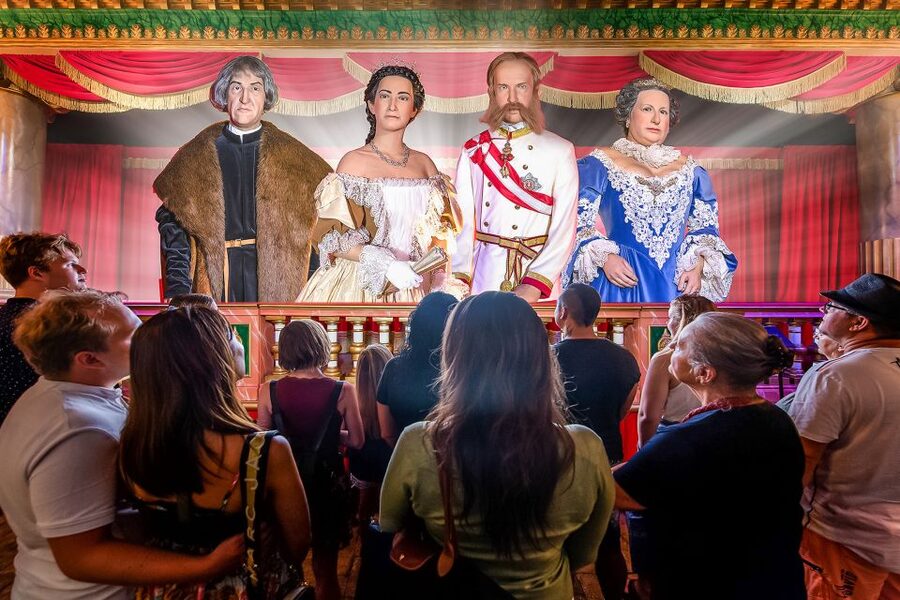
After the earlier centuries, you transition into imperial Vienna and the nobility of the Viennese court. The experience is built to show you how the court life shaped the city’s image and power.
You are also meant to meet the imperial family personally, in the sense that the show presents them directly to you through interactive or staged presentation. This part is not about a deep political lecture. It is about making the court feel real, so you do not just see palaces and say, “That’s nice.”
If you like royal history, this section gives you a quick grounding before you tackle the real sights nearby, like the Hofburg area.
World War II in a Bomb Shelter, Plus Chancellor Figl
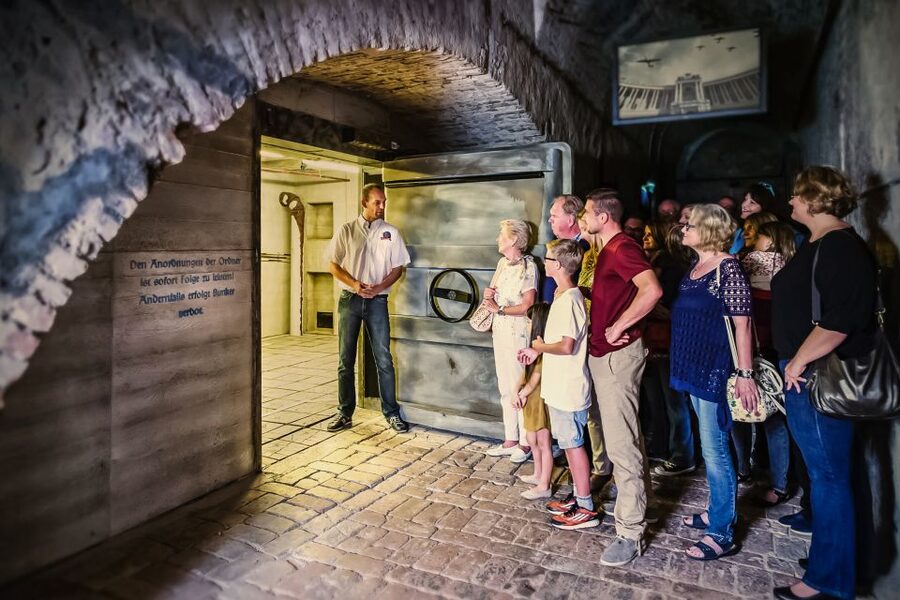
This is the emotionally heavy section. The attraction uses a World War II bomb shelter scenario, described as Enemy Aircraft!, where it feels like the conflict is raging and you are inside the shelter. Expect staging and sound design that aim for urgency and tension.
Then you get the speech by Chancellor Figl, presented within the battered remnants of Vienna. The show frames the moment as a sigh of relief from citizens of Austria, with the sequence tied to the phrase In Austria is free.
Even if you are not a history buff, this part can land because it connects personal relief to national recovery. It is a reminder that Vienna’s story is not just emperors and concerts. It includes upheaval and survival.
One practical note: the show uses dramatic effects. If you are sensitive to intense scenes, go in knowing the tone shifts darker during this segment.
The Virtual Flying Finale Over Vienna Roofs
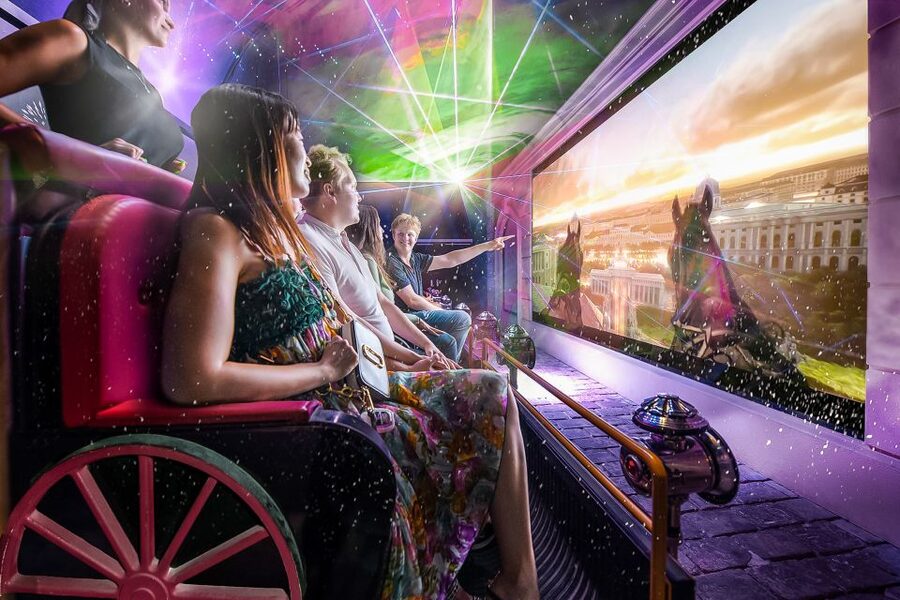
You end with a simulated flying sequence over Vienna’s rooftops, and the final moment is a virtual horse-drawn carriage flight over present-day Vienna. It is a clever way to close the loop. You start with ancient camps and move forward through imperial life and war, and then you come out with a view of the city as it is now.
Some reviews also mention a snow effect at the end, which adds a playful emotional button to the story. Whether you get the exact same finale vibe each time can vary by the show setup, but the ending concept is consistent: you leave with a “now” view after a “then” journey.
Price and Value for $27, Is It Worth It?
At $27 per person for about 1 hour, the value comes from what is included: the attraction ticket and a multilingual audio guide. You are paying for a concentrated mix of interactive rooms, a 5D cinema sequence, and VR glasses, all packed into one visit.
If you are comparing it to buying multiple separate museum tickets that may take half a day each, this is a fast way to get structure and story. It is also easier to fit into a day because you know the time commitment upfront.
I also think it is good value if you are traveling with kids. Kids can get bored quickly with “look, read, walk.” Here, the pacing changes often, and the tech gives them a reason to pay attention.
If you hate crowds or hate wearing headsets, your experience may feel less fun. But for most people, the payoff is the timeline clarity you carry with you afterward.
Who This Tour Best Suits, and Who Should Skip It
This experience fits best if you want:
- A family-friendly format that keeps changing scenes
- A quick orientation to Vienna’s big eras, from Rome through WWII to modern life
- A fun option for a rainy day or when your feet need a break
- An intro that makes your later sightseeing around the Hofburg and central streets feel more connected
It may not fit if:
- You have mobility impairments or rely on a wheelchair. The route has about 50 steps, there is no elevator, and wheelchair users are not accepted.
- You want a fully live, actor-led tour. The show uses audio and multimedia presentation rather than live storytelling.
- You dislike intense effects. The bomb shelter and WWII moments can be heavy.
If wheelchair access matters for your group, there is a solution mentioned in the attraction’s info: wheelchair users can visit Sisi’s Amazing Journey across from Time Travel.
Should You Book Vienna Time Travel
I would book it if you want a high-energy way to learn Vienna’s timeline in an hour, with 5D cinema and VR music history doing real teaching work. It is especially smart as a first-day activity because it gives you a mental map before you start walking the city for real.
Skip it only if steps and mobility limits are a concern, if you dislike tech-heavy experiences, or if you prefer a quiet museum style. For everyone else, this is a practical, family-friendly history stop that is easy to fit into a tight itinerary.
FAQ
How much does Vienna Time Travel cost?
The price is $27 per person.
How long is the experience?
Plan for 1 hour.
Where do I meet Vienna Time Travel?
The meeting point is Habsburgergasse 10A, 1010 Vienna.
Is Vienna Time Travel wheelchair accessible?
No. There is no elevator, and the route has two levels with about 50 steps. Wheelchair users are not accepted.
What types of technology are included?
You get a 5D cinema experience and VR glasses for a simulated world about the course of Viennese music history.
Are pets or video recording allowed?
Pets are not allowed, and video recording is not allowed.
What time should I arrive?
Last admission is at 19:00, so be on time.
Just added to the bill for Vienna



Historical Tours, compared.
Vienna Historic Center Small Group Walking Tour
Read our review →

Skip-the-Line Schonbrunn Palace Guided Tour and Vienna Historical City Tour
Read our review →
Vienna Mozart Concert in Historical Costumes at the Musikverein
Read our review →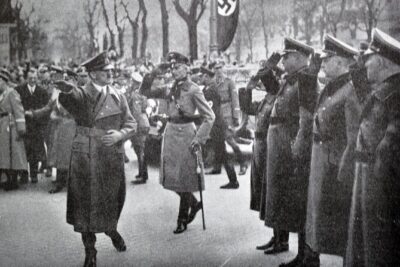
Browse the lists this tour appears in