REVIEW · AUSTRIA
Lipizzaner Stud Piber: Independent Visit
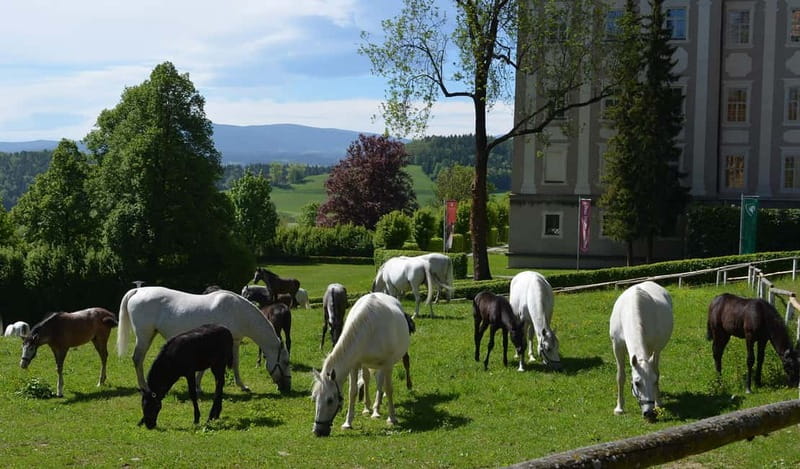
Watching horses up close changes your day. The Lipizzaner Stud Piber independent visit lets you move at your pace through the farm, museum, and riding hall, and still feel like you got the real story. I especially like that it is set up as an independent visit so you are not rushed between stops, and you can linger where your attention goes. It also helps that the setting is just outside Köflach in Styria, so you get that sense of being on the horses’ turf, not in a distant city attraction.
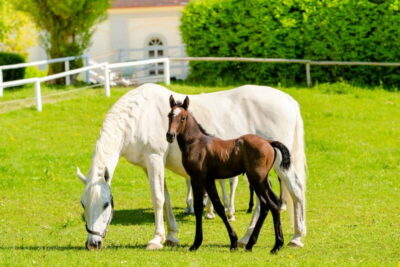
Two things I really loved: first, you can spend time watching the foals exploring their surroundings during their first months, always under the attentive care of their mares. Second, the itinerary mixes calm viewing with hands-on learning, from the museum to training sessions in the riding hall. One consideration is that you do not get a guide on this option, so if you want a lot of commentary and customized explanations, you’ll need to rely on what’s available on site.
In This Review
- Key highlights you will remember
- Lipizzaners at Piber Stud, just outside Köflach: is $22 a fair value?
- Moving through the stud on your own, without a guide
- Foals exploring in the fresh air: what to look for
- Museum time at Lipizzaner Stud Piber: learning the legacy without rushing
- Riding hall training sessions: a real look at horses and riders
- The children’s adventure path around the stud
- Mountain pastures and practical comfort during a 1-day visit
- Rules that matter: dogs, pacing, and being ready to enjoy slowly
- Should you book the independent Lipizzaner Stud Piber visit?
- FAQ
- How long is the Lipizzaner Stud Piber independent visit?
- Do I need a guide for this experience?
- Where is the Lipizzaner Stud Piber located?
- What’s included in the price?
- Is the stud visit wheelchair accessible?
- Are dogs allowed?
- Can I cancel if my plans change?
Key highlights you will remember
- Independent pacing: see everything without juggling a group schedule.
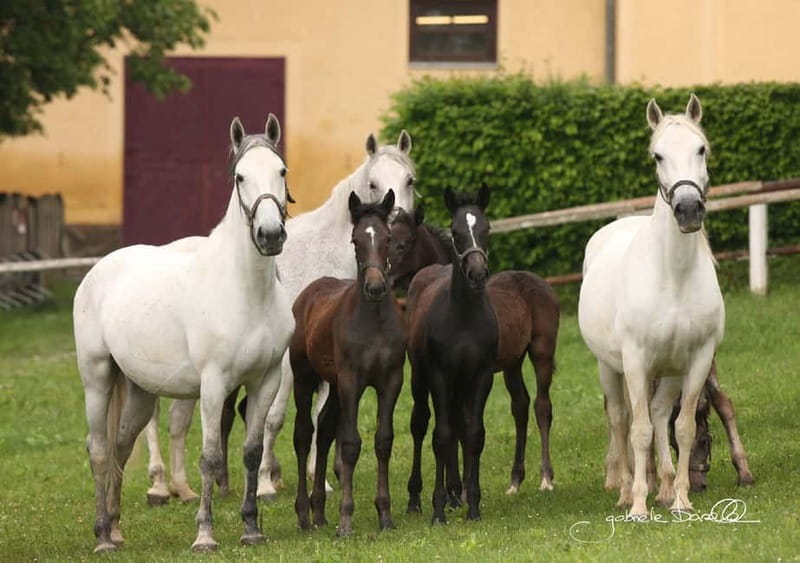
- Foals in their early months: watch the young horses exploring under their mares’ care.
- Museum visits: learn about the Lipizzaner legacy at Piber.
- Riding hall training sessions: observe horses and riders working in the hall.
- Children’s adventure path: a built-in route for younger visitors.
- 100 years of breeding in Piber (celebrated in 2020): a milestone that adds meaning to what you see.
Lipizzaners at Piber Stud, just outside Köflach: is $22 a fair value?
For $22 per person, this independent visit works out well if you want more than a quick look at horses. You are getting a full 1-day entry that covers the stud itself, the museum experience, and the riding-hall viewing. That means your money goes toward time, not just a ticket that gets you in and out fast.
The value gets even better if you like slow travel moments. You are not locked into a specific flow dictated by a guide. Instead, you can slow down around the parts that catch your eye, whether that is the stable areas, the foals, or the museum.
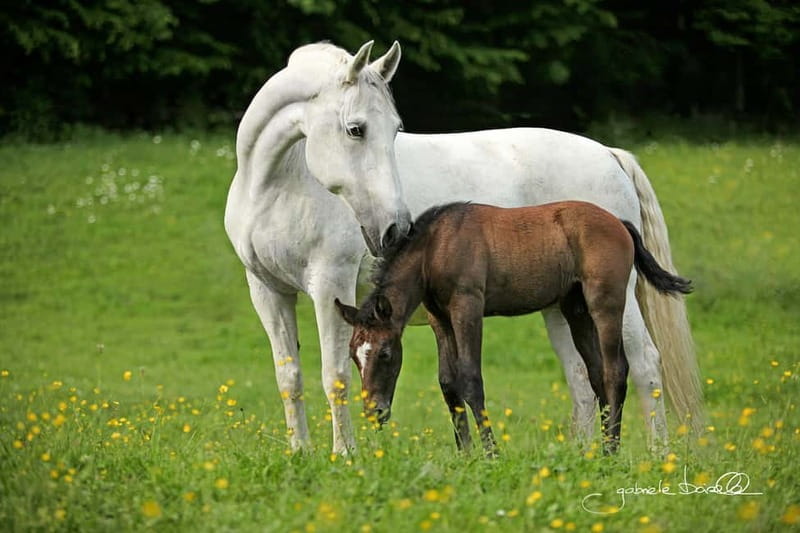
One more reason it feels like solid value is the place. Lipizzaners are not just displayed here, they are bred and cared for on an active stud. Even without a guide, you can still understand the basic rhythm of care and training by observing what is happening during your visit.
Next on the programme in Koflach:
- Lipizzaner Stud Piber: Guided Tour
★ 4.6 · 18 reviews
Moving through the stud on your own, without a guide
This option includes entrance to the stud and a visit on your own without a guide. That sounds simple, but it changes how you should experience it.
I like independent farm visits because you can build your own order. You might start with the areas that need quiet attention, then save the more active viewing spots for later. The site description also points you toward multiple zones, which makes a self-guided route feel natural rather than like you are wandering blind.
Practical tip: give yourself time for the museum and the riding hall even if you think you are “not a museum person.” If your goal is to understand what you are seeing, that museum component is the part that turns a nice horse day into a horse day with context.
Also, this is a wheelchair accessible experience. If you are bringing a wheelchair or mobility aid, you’ll be glad this is designed with access in mind, though you should still plan on taking your time and moving slowly between areas.
Foals exploring in the fresh air: what to look for
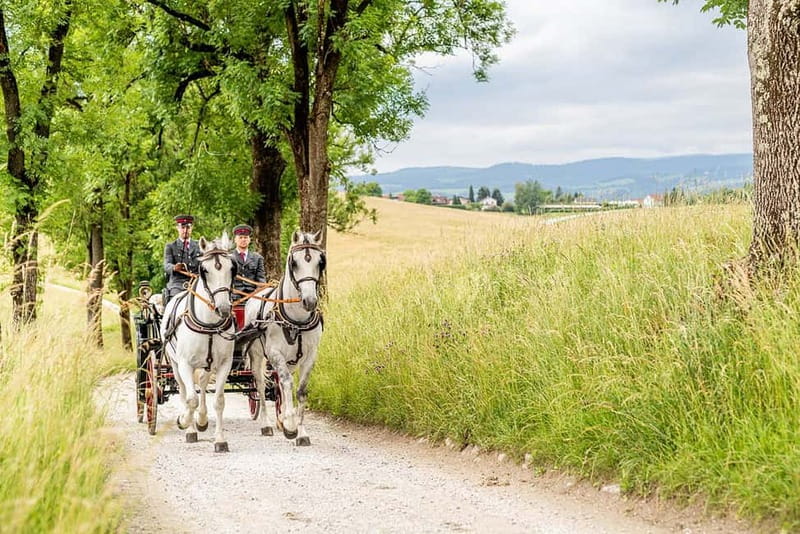
One of the strongest parts of this visit is watching the foals exploring their surroundings during their first months at the stud. The description is clear that they are always under attentive care of their mares, which matters because it shapes what you’re actually observing: not just cute animals, but the early-stage care that lets young horses develop while staying safe.
When you watch the foals, focus on the small details:
- Notice how they move in their environment. Are they curious, hesitant, playful, or more cautious?
- Watch how close the mares stay and how the situation looks managed.
- Observe how the foals respond to space and human presence.
This is where the independent pacing really helps. If foals are in a particularly active mood, you will want a few extra minutes. And if you’d rather spend your time watching quieter moments, you can do that too.
This is also an area where staying patient pays off. You might see the foals at one point and then have a calmer stretch before activity picks up again. With no guide to pull you along, you can wait it out.
Museum time at Lipizzaner Stud Piber: learning the legacy without rushing
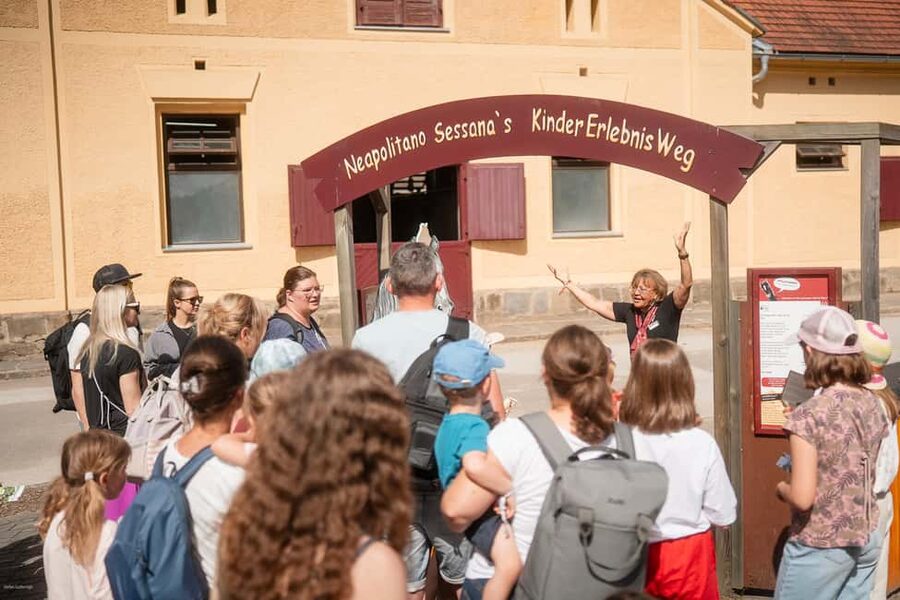
The museum visit is your chance to connect the dots between what you see in the farm areas and what you learn about Lipizzaner care, breeding, and history at Piber. The description calls it a way to learn about the Lipizzaner legacy, and that is exactly what this stop does.
Even if you only spend a short time inside, the museum helps you understand why Lipizzaners have the reputation they do and how Piber fits into that story. For many people, the museum is also where the day becomes more meaningful. It turns the farm tour into understanding the purpose behind training routines and care practices.
What I suggest: after you’ve seen the outdoor horse areas, visit the museum so you can compare what you just observed with what you read. It is easier to retain details when your brain has a visual reference from earlier in the day.
If you prefer the other way around, that works too. Either approach is fine since the visit is self-paced.
Riding hall training sessions: a real look at horses and riders
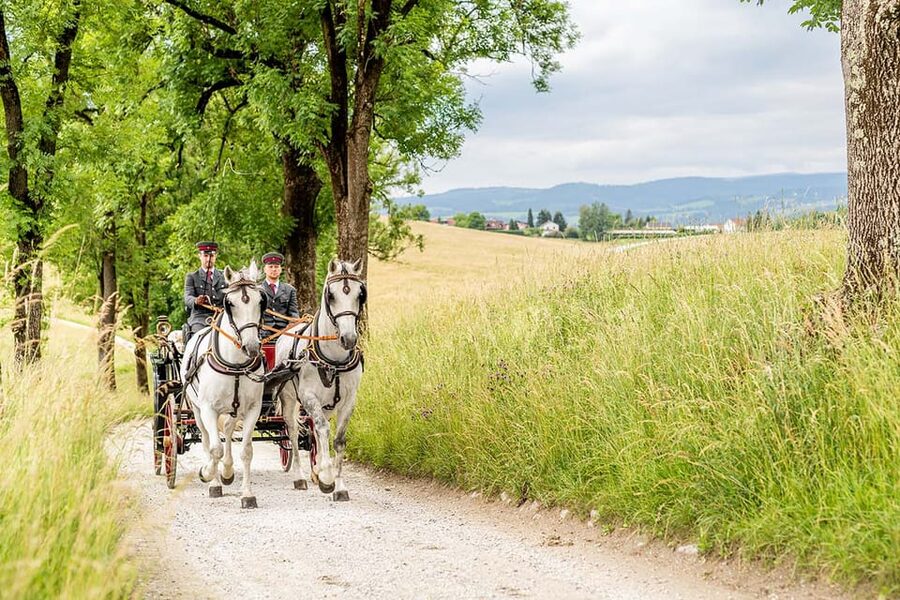
One of the most compelling parts of the experience is observing training sessions in the riding hall, with horses and riders. The description highlights that you can watch training sessions as part of your visit, which means you are not limited to static viewing.
When you watch training, try to pay attention to relationships, not just movement. You are seeing how riders work with horses, and you can usually spot patterns like responsiveness, consistency, and control. Even without a guide explaining every nuance, you can learn a lot by watching how calm or focused the pair looks.
If you are short on time, prioritize the riding hall over any optional wandering. This is the most direct “work in progress” moment in the day.
The children’s adventure path around the stud
If you’re visiting with kids, the children’s adventure path is a big practical win. It gives younger visitors a structured way to explore the stud area, instead of forcing them to endure long stop-and-stare moments.
I like this because it keeps the family experience balanced. Adults get time near the museum and riding hall, while children have their own route designed for energy and curiosity.
The best way to use the adventure path is to treat it like a break, not a second job. Let kids lead for a bit, then regroup at a viewing area where the whole family can pause and watch the horses.
Mountain pastures and practical comfort during a 1-day visit
The experience description mentions fresh summer air on the mountain pastures. That detail matters because it sets expectations: this is not a quick indoor-only activity. You should dress for outdoor time, even if you spend plenty of the visit inside a museum or riding hall.
For a comfortable day, I recommend planning for:
- Sun and light wind (especially if you feel exposed on pastures)
- Time to walk between areas
- The possibility that you’ll want repeat looks at the foal areas
The duration is listed as 1 day, so you do not have to rush, but you should still treat it like a full outing. If you treat it like a 60-minute stop, you will likely miss the best parts.
Rules that matter: dogs, pacing, and being ready to enjoy slowly
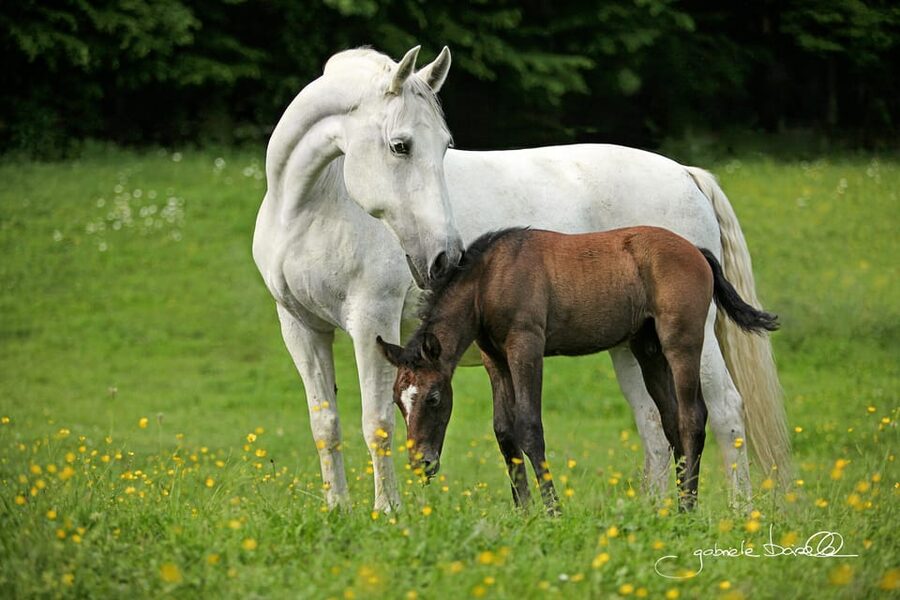
The only rule specified for animals is that dogs are allowed only on a short leash. If you’re traveling with a dog, plan for close control and keep the leash short. Also remember this is a horse-focused environment, so calm behavior matters.
Since this is self-guided, pacing is the real “rule.” You can see everything at your own pace, and that is exactly what made the experience work for Malorie from the United States, who enjoyed being able to see everything without feeling rushed.
If you need help building a route, use the order that makes the most sense to you:
- Start with the areas that set the scene (farm spaces).
- Watch foals when they are active.
- Go to the museum when you want to interpret what you’ve seen.
- Finish with the riding hall training for a last active impression.
That order usually feels satisfying because your learning stacks on top of observation.
Should you book the independent Lipizzaner Stud Piber visit?
Book it if you want a self-paced, horse-centered day in Styria, with access to the stud, museum, and riding hall. It is a strong fit for adults who like quiet viewing and families who want a children’s adventure path built into the same place. At $22 per person for a full 1-day entry, it offers good value when you plan to actually spend time.
Skip this specific independent option only if you know you want a lot of live interpretation and structured explanations from a guide. Since the visit is explicitly without a guide, your experience will be shaped more by what you observe and what you read on site.
If your dream is to watch foals, see training in action, and take your time soaking it in, this is an easy yes.
FAQ
How long is the Lipizzaner Stud Piber independent visit?
The visit is valid for 1 day.
Do I need a guide for this experience?
No. This option includes entrance and a visit on your own without a guide.
Where is the Lipizzaner Stud Piber located?
It is in Styria, Austria, just outside Köflach.
What’s included in the price?
Your ticket includes entrance to the stud and access for a self-guided visit.
Is the stud visit wheelchair accessible?
Yes, the experience is wheelchair accessible.
Are dogs allowed?
Dogs are allowed only on a short leash.
Can I cancel if my plans change?
Yes. Free cancellation is available up to 24 hours in advance for a full refund.