
REVIEW · HALLSTATT & SALZKAMMERGUT TRIPS
Salzkammergut: Sandstone Beer Cellar Tour
Step into a beer cellar that still feels prehistoric. You will tour the Casino Keller sandstone cold store, learn how it worked for centuries, and see geology tied to the Ice Age. I also like that you finish with the in-house brewery, so the story stays connected to what people actually drink today.
What I like most is the mix of stonework and human detail, including how the cellar connects to Bad Ischl’s older brewing world and even local life around flooding and inn culture. The second standout is the art stop, the Carlo Battisti painting gallery, which makes the whole visit feel more like a small cultural evening than a quick beer gimmick.
One thing to keep in mind: the tour runs only in German/Austrian, and there are no audioguides, so if you are not comfortable with German you may need to go in with low expectations for understanding every minute of the guide’s stories. Also, photography is not allowed inside.
In This Review
- Key takeaways before you go
- Casino Keller Meeting Point: Start Here in Bad Ischl
- Entering the Ancient Sandstone Beer Cellar (1500m3 of Cold Storage)
- Ice Age Traces and 500 Years Underground
- Above Ground Too: Cafe Casino, the Schmalnaeur Family, and Brewing Ties
- Carlo Battisti Paintings: Art Makes the Visit Lighter
- The In-House Brewery Stop and Beer Tasting Moment
- Arts and Crafts Market Break: A Short Local Pause
- Price and What You Really Get for About $11
- Practical Tips: German Tour, Warm Clothes, and No Photos
- Who Should Book This Salzkammergut Beer Cellar Tour
- Should You Book? My Straight Advice
- FAQ
- Where is the meeting point for the tour?
- How long is the Salzkammergut Sandstone Beer Cellar Tour?
- What language is the tour guide speaking?
- Is photography allowed inside the cellar and gallery?
- Are drinks included in the ticket price?
- Are audioguides available?
- Is the tour suitable for children?
- Are pets allowed?
- Can I cancel in advance?
Key takeaways before you go
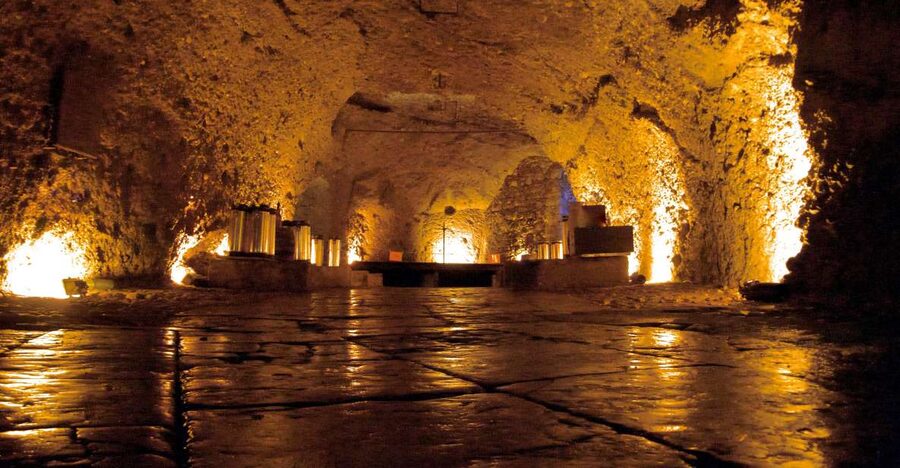
- Hand-carved sandstone pillars and a cold store that was used for centuries
- Traces tied to the Ice Age, plus geological features inside about 1500m3
- A guide-led visit that links the cellar to local history in and around Bad Ischl
- After the underground portion, you visit the in-house brewery and get a beer tasting moment
- A short Carlo Battisti art gallery stop to break up the underground focus
- Plan for warm clothing, and remember drinks are not included
Casino Keller Meeting Point: Start Here in Bad Ischl
Your tour begins at Casino Keller Bad Ischl, marked as Casino-Keller. The timing matters because the cellar itself is not a place you want to rush through, and the guide keeps the pace steady for the full 90 minutes.
Expect a classic “meet, gather, and go” flow. You get a guided tour underground for about an hour, then the schedule moves you along to a beer stop and a quick arts and crafts market break afterward. Since it is a live guide tour, you are not just collecting facts on your own, you are following a human who explains how the cellar worked, why it was built the way it was, and what it means for Bad Ischl.
If you are coming from town on foot, give yourself a few extra minutes. The area around Bad Ischl’s historic center has a lot of charm, and it is easy to wander without meaning to. This is the kind of tour where arriving a bit early helps you settle in, especially in winter.
More lake villages out in the Salzkammergut:
- Vienna: Hallstatt Day Trip with Boat Ride Option
★ 4.7 · 6,311 reviews - From Salzburg: Half-Day Tour to Hallstatt
★ 4.6 · 3,596 reviews - Day trips from Vienna: Hallstatt & Salzburg Guided Tour
★ 4.7 · 2,202 reviews - Hallstatt Guided Day Trip from Vienna With Boat Ride Option
★ 4.5 · 1,301 reviews
Entering the Ancient Sandstone Beer Cellar (1500m3 of Cold Storage)
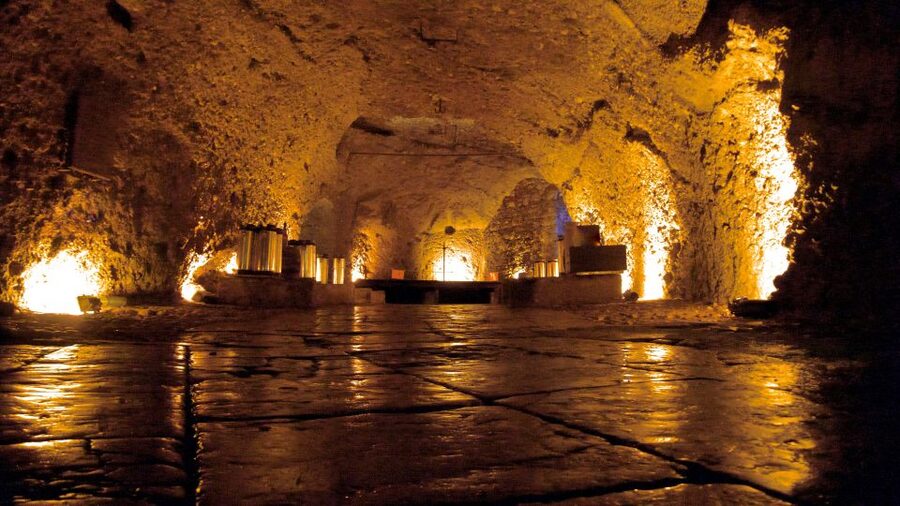
The first big moment is the switch from daylight to cool stone. You enter what is described as the oldest beer cellar in Bad Ischl, a hand-carved sandstone space used as a cold store by locals. The guide points out the stone pillars, and you get a real sense that this place was built to last, not just to impress.
Inside, you explore about 1500m3 of cellar space. That number sounds abstract until you are standing within it, looking up at carved columns and seeing how the room is shaped for temperature control. Sandstone matters here. Stone holds cold in a way that made “natural refrigeration” possible long before modern systems.
The guide also explains that this cellar was not an isolated bunker. It was once connected to cellars in the surrounding area. That single idea helps you understand why beer storage was a community project in older times, not just something one brewery handled on its own.
You will want to look up and sideways, not only straight ahead. Some of the best moments come from noticing how the stonework and the layout support the cold storage function, and the guide will steer you toward those details.
Ice Age Traces and 500 Years Underground
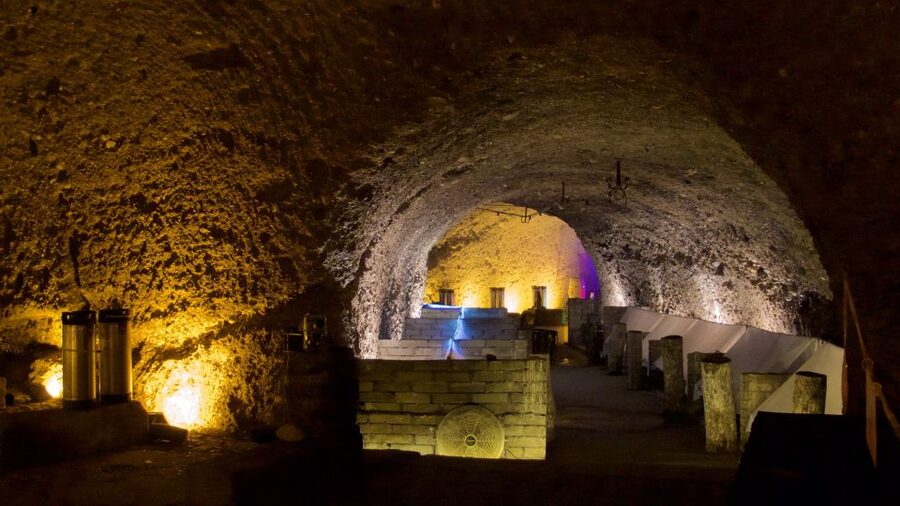
The story gets more unusual fast: the cellar includes traces that are tied to the Ice Age. You are not reading geology like a textbook, you are seeing how old natural processes leave evidence that still affects people today. The guide connects those traces to why the cellar could stay cool enough for storing beer.
This is one of those tours where the “history” is not just dates on a timeline. It is practical. You learn how the cellar worked as a natural cold store and why that mattered for brewing and preserving quality.
The cellar is described as being used for around 500 years, which means your visit becomes more than a nostalgia trip. It is a look at how people solved real storage problems with local materials. I like tours like this because they show technology in its older form: design, stone, and careful use of what is already there.
In the guide’s telling, you also get the human side of living with such infrastructure. One standout from guide-style storytelling comes from how the explanations go beyond the cellar itself, tying into local inns in Bad Ischl and even how the town dealt with flooding. That kind of context helps the cellar feel like part of the place, not a stand-alone attraction.
Above Ground Too: Cafe Casino, the Schmalnaeur Family, and Brewing Ties
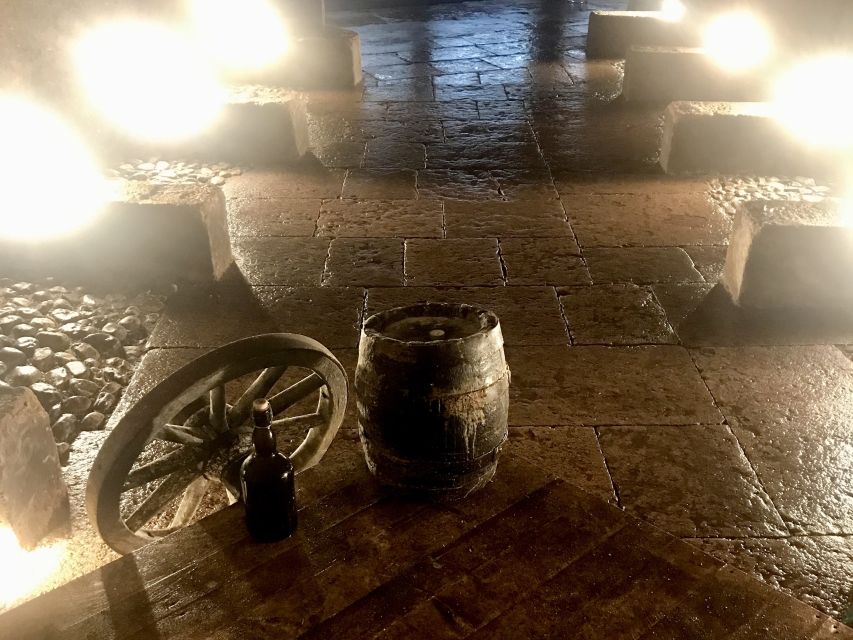
After you spend time under the earth, the tour brings you back toward the buildings you can see. The site above the cellar is connected to Cafe Casino, and the guide explains that this building was acquired by the Schmalnaeur family in 1971. The building itself dates back to the 1600s, which gives you a nice feeling for how layers of history can coexist in one spot.
You also hear about ownership links to the Ischler brewery. That matters because it reminds you that cellar systems were tied directly to brewing operations. Beer is not only a drink here, it is a local industry story, with infrastructure supporting it.
This “up and down” approach is a smart way to understand the site. If you only saw the underground space, you might wonder what it had to do with everyday life. If you only saw the building above, you might miss why the cellar is the heart of the experience. Put together, you get a fuller picture.
I also appreciate how the guide frames the stories so you understand the logic of the setup. You are not just hearing facts, you are learning to interpret the space: why stone pillars are where they are, why the cellar layout matters, and how it served as cold storage in an earlier world.
More schnitzel, strudel and market plates:



Carlo Battisti Paintings: Art Makes the Visit Lighter
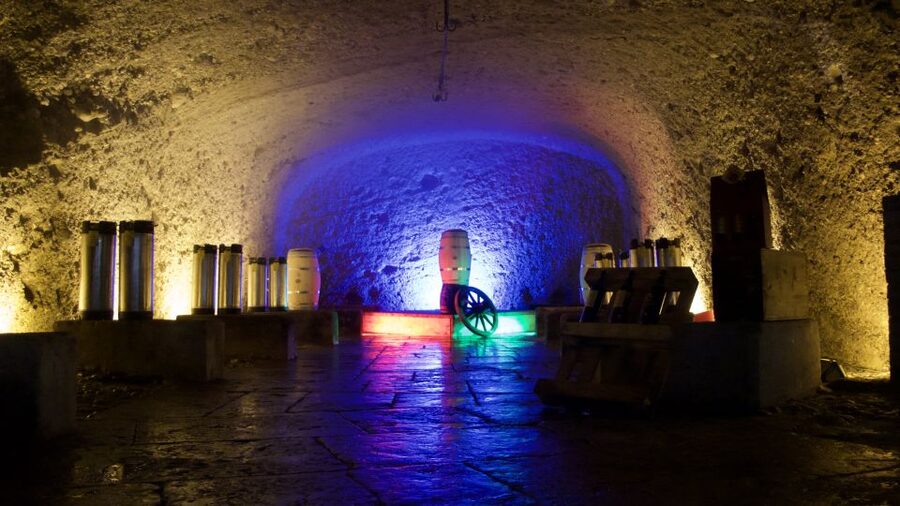
There is a reason the tour includes a stop for the painting gallery: you need a mental change after looking at stone and humidity for a while. Included in your ticket is a visit to Battisti’s painting gallery, featuring the legendary artist Carlo Battisti.
Even if you are not an art expert, the art stop gives the visit balance. It breaks up the underground portion and gives you a different lens on the building. Instead of only thinking about beer, cold storage, and geology, you start to see how the space has become a cultural stop too.
This also helps with pacing. The guide’s underground explanations can be detailed, and the short gallery visit resets your attention. You end up leaving with more than one memory anchor: stone pillars and Ice Age traces in one part of your mind, Carlo Battisti paintings in the other.
If art is your thing, you will enjoy that the tour does not treat it like an afterthought. It is part of the included program, which means the operator values the full experience, not only the beer cellar component.
The In-House Brewery Stop and Beer Tasting Moment
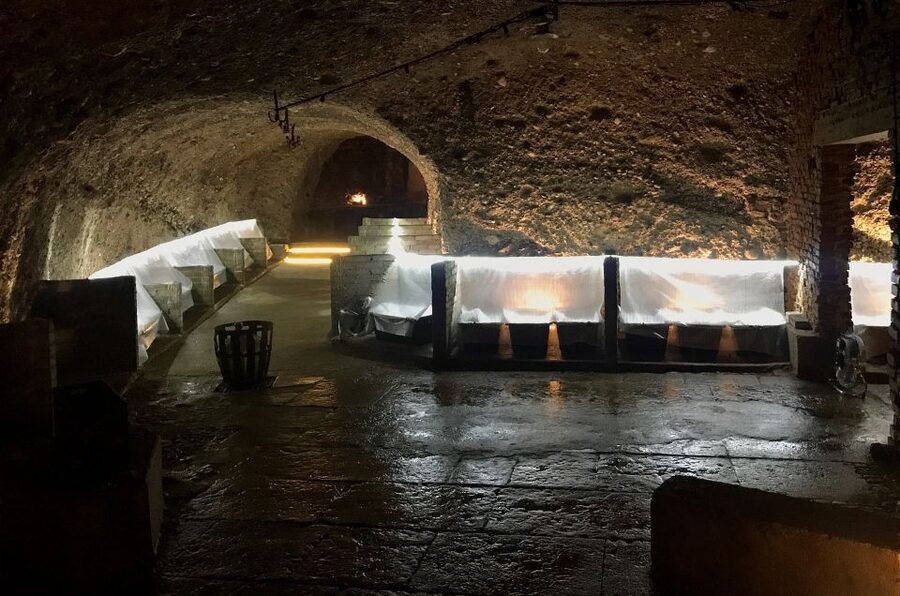
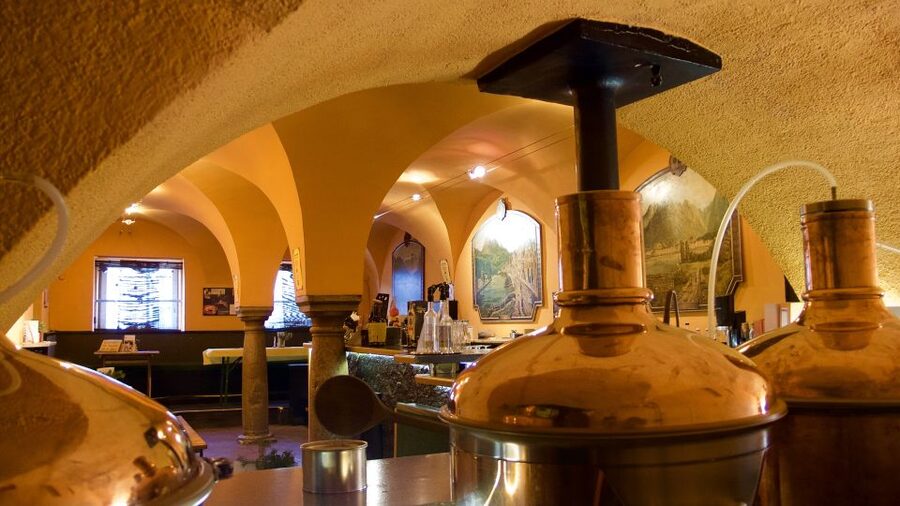
Once your underground time is done, you move toward the in-house brewery. The tour includes a beer moment, about 20 minutes in the schedule. Drinks are not included in the entrance fee, so the safe way to think about it is: you will likely get a tasting or a provided beer as part of the experience, but you should plan to pay if you want extra drinks.
This is where the tour feels most “useful.” You stop thinking only historically and start connecting the past to brewing today. The cellar explains how beer was stored, and the brewery shows how brewing continues in the same general spirit.
Do not over-plan food afterward. That beer stop can put you in a relaxed mood. If you are doing this as part of a longer day in the Salzkammergut, keep your next activity flexible and not too physical right after.
One practical tip from an experience like this: ask the guide what to try, especially if the brewery offers an in-house option. People rave most when they line up the tasting with what the place is best at, and the cellar setting makes any beer feel more tied to place.
Arts and Crafts Market Break: A Short Local Pause
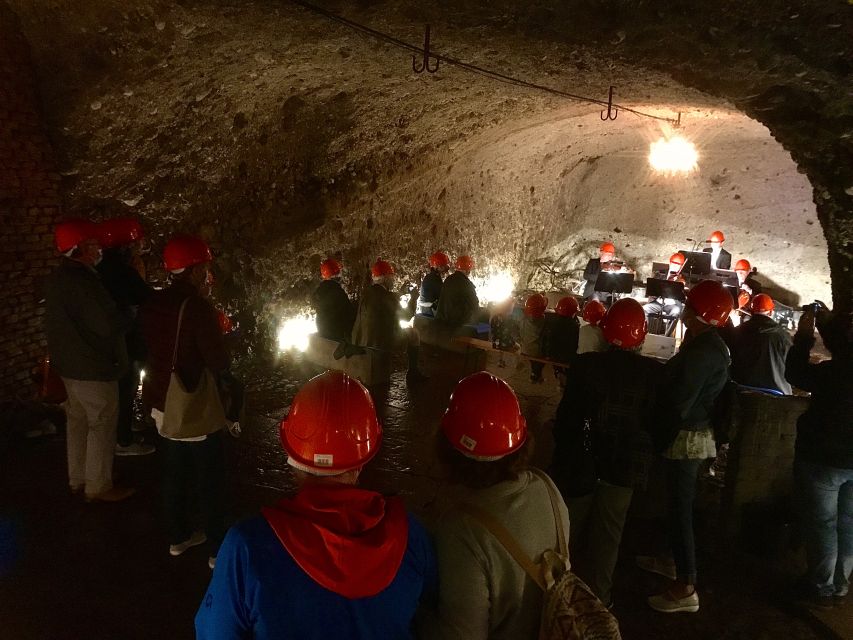
There is also a brief arts and crafts market visit, about 10 minutes. It is short on purpose, and you should treat it as a chance to look, not as a full shopping mission.
I like these quick market moments because they keep the tour from feeling purely themed. The cellar is the main act, but Bad Ischl is about daily life too, and local crafts help show what people do now, not just what they did in the past.
If you see something you want, do not assume you will have lots of time later. That 10-minute window means decisions come fast. If you are only window shopping, enjoy it slowly. The best value here is atmosphere.
Price and What You Really Get for About $11
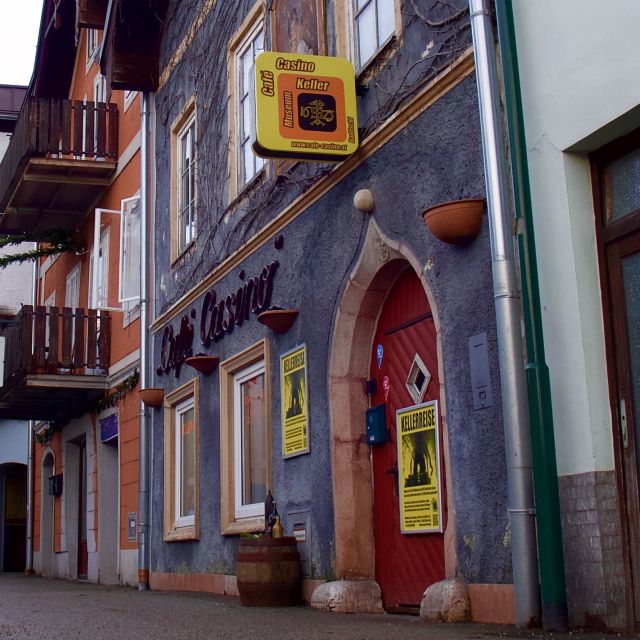
At around $11 per person for a 90-minute guided visit, this is a strong value if you like hands-on history and place-based storytelling. You are not just paying for entrance to a room. You get a live guide, a cellar tour, the Battisti painting gallery, and the in-house brewery visit.
The included program covers three different interests in one ticket:
- geology and architecture under ground
- local culture and art through Carlo Battisti
- a brewery connection that ends the visit with something drinkable
The cost makes sense because it is concentrated into one experience. You are paying for guidance, interpretation, and the way the stops fit together, not for a long museum experience that drags.
The only real “budget caution” is the drink situation. Drinks are not included, so if you are the type who likes to order a second beer, you will pay extra. Still, even with one additional drink, the overall cost can stay reasonable for a guided tour with multiple stops.
Practical Tips: German Tour, Warm Clothes, and No Photos
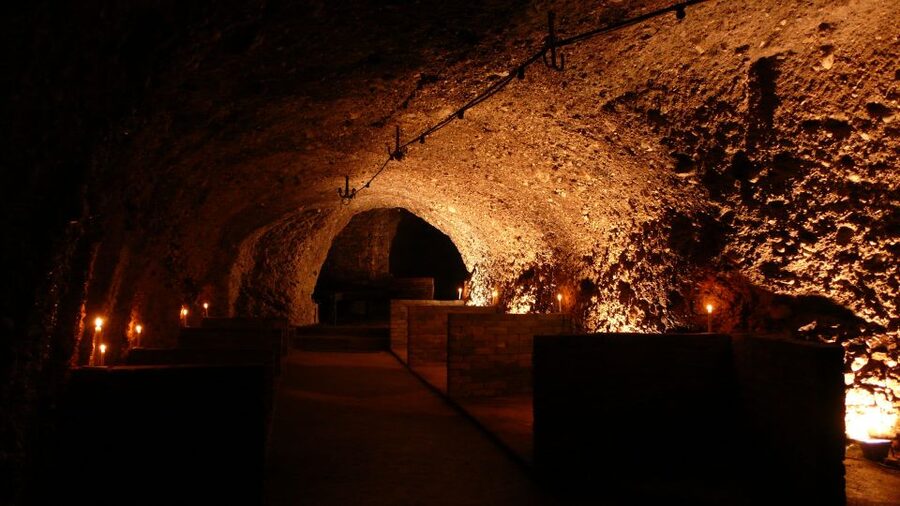
Plan your clothing for a cooler indoor environment. Bring warm clothing. Even if it feels mild outside, the cellar experience is about cold storage, and that translates into a room temperature you will feel quickly.
Remember the tour is conducted only in German/Austrian. There are no audioguides. You can still enjoy the physical space even if you catch only parts of the conversation, but if you want most of the story, go in with a basic German ability or be ready to rely on gestures and the visuals.
Photography is not allowed inside. That rule changes your mindset. Instead of filming and stacking memories, focus on a few clear moments: the stone pillars, the carved feel of the space, and any visible cellar features your guide points out.
If you like smaller groups, take note of a helpful seasonal tip from past visitors: in January, February, March, and April, groups can be smaller. That can mean a calmer visit and more chances to ask questions. It is a good reason to consider a winter slot if your schedule allows.
Also, no pets are allowed, and the tour is not suitable for children under 6. If you are traveling with young kids, plan something else.
Who Should Book This Salzkammergut Beer Cellar Tour
You will probably love this if you enjoy real architecture details, stone and old engineering, and you like when a guide connects the site to how people lived nearby. The best-fit traveler is curious, patient, and happy to follow a story told in real time.
You also get extra satisfaction if you like mixing interests. This is not only beer. It is beer, geology, and Carlo Battisti art in the same 90 minutes. That blend makes it work well on a day when you want something focused but not one-note.
If you do not speak German, you can still go, but manage expectations. You will gain the value from seeing the space and hearing the general themes, yet you will not catch every nuance without translation support.
If you hate tours that include a bit of standing and walking in cool conditions, reconsider. The cellar experience relies on being in the space long enough for the guide to point out details.
Should You Book? My Straight Advice
Book it if you want an unusual, under-the-surface visit that combines sandstone cold storage, Ice Age traces, and a real brewery connection. The price makes it easy to justify, and the inclusion of the Battisti gallery gives it more texture than a basic beer stop.
I would also book it if you care about local context, because the guide style includes storytelling that can reach beyond the cellar into Bad Ischl life, including older inn culture and how the town dealt with flooding. That kind of linkage is often what makes a short tour stick with you.
Skip it only if you cannot handle German-only guiding, you need audioguides, or you strongly prefer indoor activities where photography is allowed. If those are your deal-breakers, you will likely feel limited here.
FAQ
Where is the meeting point for the tour?
The meeting point is marked Casino-Keller at Casino Keller Bad Ischl.
How long is the Salzkammergut Sandstone Beer Cellar Tour?
The tour lasts about 90 minutes.
What language is the tour guide speaking?
The tour is conducted in German/Austrian only, and there are no other languages listed.
Is photography allowed inside the cellar and gallery?
No. Photography is not allowed inside.
Are drinks included in the ticket price?
No. Drinks are not included in the entrance fee.
Are audioguides available?
No, audioguides are not available.
Is the tour suitable for children?
It is not suitable for children under 6 years old.
Are pets allowed?
No, pets are not allowed.
Can I cancel in advance?
Yes. You can cancel up to 24 hours in advance for a full refund.
Cellar Doors & Taverns
- Vienna: Guided Pub Crawl with Club Entry
★ 4.2 · 1,126 reviews - Vienna Nights Pub Crawl
★ 4.5 · 642 reviews - Salzburg: Stiegl Brewery Tour with Beer Tasting
★ 4.7 · 278 reviews - Vienna: City Center Pub Crawl
★ 3.7 · 120 reviews
Just added to the bill for the Salzkammergut

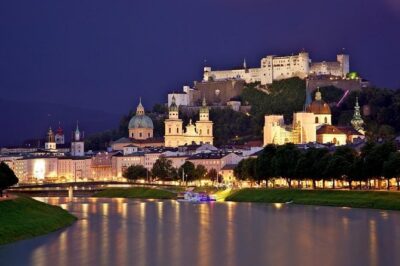
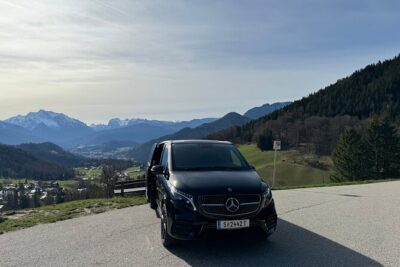
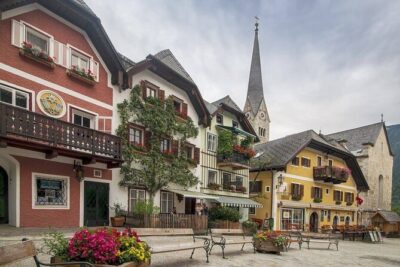
Hallstatt & Salzkammergut Trips, compared.
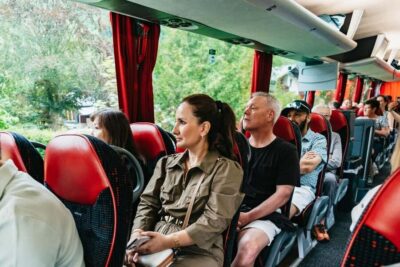
Day trips from Vienna: Hallstatt & Salzburg Guided Tour
Read our review →
Hallstatt Guided Day Trip from Vienna With Boat Ride Option
Read our review →
Hallstatt, Salzburg, Melk, Alps & Lakes Day Trip
Read our review →
Browse the lists this tour appears in