
REVIEW · MUSEUMS
Vienna: Chocolate Workshop in Chocolate Museum w/ Tasting
Three bars later, you’re still dreaming in chocolate. This Vienna chocolate workshop is hands-on and built around real chocolate work, not just watching from the sidelines. I loved crafting three custom bars and using a professional tempering setup, then finishing with the Aztec hot chocolate called Xocolate. One thing to keep in mind, the museum visit is brief, so plan to treat this as a workshop first, museum second.
The best part is how it stays fun and educational at the same time. Instructors such as Janya, Dimi, Selma, and Tania are mentioned for clear, patient guidance, and you end up with chocolate you actually made yourself, plus free tastings and snacks. I also liked that you get a signed BO-YO certificate on completion, which makes the experience feel official and special.
Logistically, it’s straightforward once you arrive. It runs about 90 minutes total, with the workshop around 60 minutes and a short museum stop after, so it fits neatly into a Vienna day without eating your whole afternoon. If you’re expecting a long, bean-to-bar tour, you may feel slightly under-served, because it’s not that kind of production lesson.
In This Review
- Key Points You’ll Care About
- Chocolate Museum Vienna Workshop, Where You Actually Make the Chocolate
- Finding Chocolate Museum Vienna Near Pilgramgasse
- The 90-Minute Flow: Tasting, Tempering, and Making Three Bars
- Your Tempering Machine Moment (And Why It’s Not Just a Gimmick)
- Making Three Unique Chocolate Bars, Then Decorating Like You Mean It
- The Aztec Hot Chocolate Called Xocolate
- The Museum Part: Cacao Origins, Interactive Stops, and Photo Fun
- BO-YO Certificate, Snacks, and Free Tastings
- Price and Value: Is $55 Worth It?
- Who This Workshop Suits Best in Vienna
- Should You Book This Chocolate Workshop in Vienna?
- FAQ
- How long is the Chocolate Workshop at Chocolate Museum Vienna?
- What do I make during the workshop?
- Do I need previous cooking or chocolate-making experience?
- What is included, and can I take anything home?
- Is this workshop suitable for children?
- What languages are the instructors?
Key Points You’ll Care About
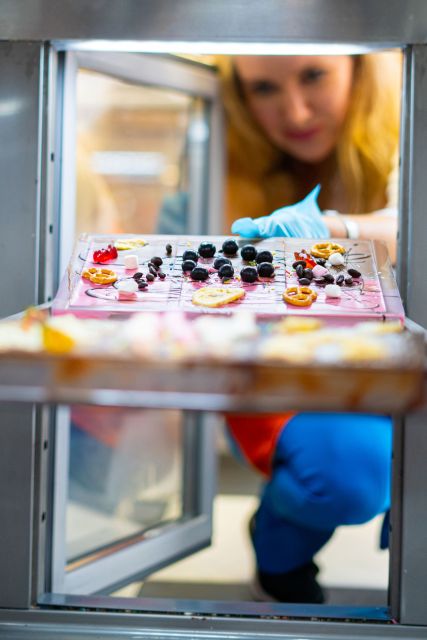
- Three take-home chocolate bars, built your way with toppings and decoration choices
- Professional tempering machine time, so your chocolate-making actually works
- Xocolate, an Aztec-style hot chocolate recipe plus tasting
- Interactive cacao origins museum, short but designed for hands-on learning
- Signed BO-YO certificate, a nice souvenir beyond the chocolate
- Designed for adults and kids, with guidance that keeps the pace steady
Chocolate Museum Vienna Workshop, Where You Actually Make the Chocolate
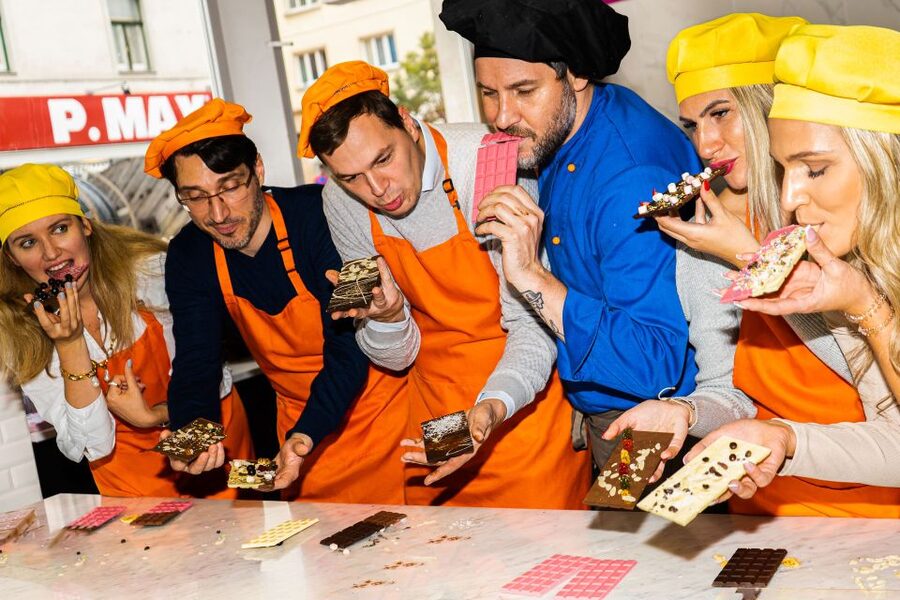
This isn’t a typical museum where you walk around and leave with a couple of postcards. Here, you’re working with chocolate, tasting it, and then making your own bars to take home. If you like the idea of Vienna as a place for art and pastries, this adds a very practical twist: you learn the basics of how tempering changes the end result, then you apply it instead of just hearing about it.
What makes the experience feel worthwhile is the mix of activities. You get interactive museum time to understand cacao origins, but the main event is the workshop: demo, tastings, tempering on professional equipment, decorating, and an Aztec-style hot chocolate you can remember by name.
That structure matters because it keeps your brain engaged. You’re not stuck doing one thing for 90 minutes. You’re tasting first, learning the why, then getting your hands in the process when it counts.
More schnitzel, strudel and market plates:
- Vienna for Food Lovers: Cafés, Markets & Austrian Cuisine
★ 5.0 · 1,063 reviews - Wachau Valley Wine Tasting Bike Tour from Vienna
★ 5.0 · 829 reviews - Vienna: Gerstner KuK Hofzuckerbäcker Baking Show & Tasting
★ 4.8 · 823 reviews - Authentic Vienna Food Tour inc. lunch, street food, 3 drinks
★ 5.0 · 749 reviews
Finding Chocolate Museum Vienna Near Pilgramgasse
Getting there is easy and quick. Plan on meeting from the U-Bahn station Pilgramgasse, about a 3-minute walk away. If you prefer the bus, 14A or 12A stop in front of the museum.
When you arrive, use the corner entrance on Schönbrunner Straße and Reinprechtsdorfer Straße. That corner location is helpful if you want to avoid wandering down the wrong side street in busy Vienna traffic.
If you’re early, you might want to grab a coffee or hot chocolate and check out the goodies at the counter. That’s the kind of small extra that makes the waiting time feel like part of the fun.
The 90-Minute Flow: Tasting, Tempering, and Making Three Bars
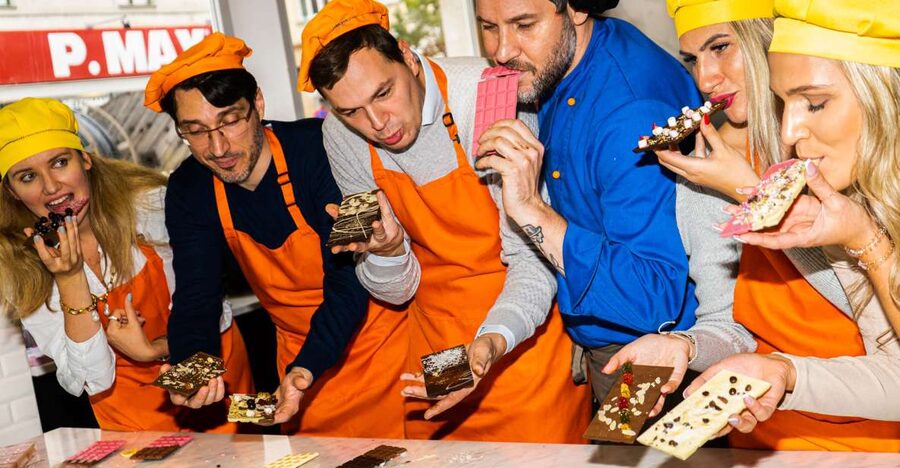
The total experience is listed as about 90 minutes, but the activities come in chunks. Expect the workshop to take about 60 minutes, plus an additional 15 minutes for the museum visit. The extra time usually covers check-in, brief transitions, and a bit of waiting while your chocolate sets.
In the workshop portion, the flow is roughly:
1) A short introduction to types of chocolate and how they behave
2) Tasting multiple kinds, so you can actually compare
3) A demonstration tied to tempering and handling
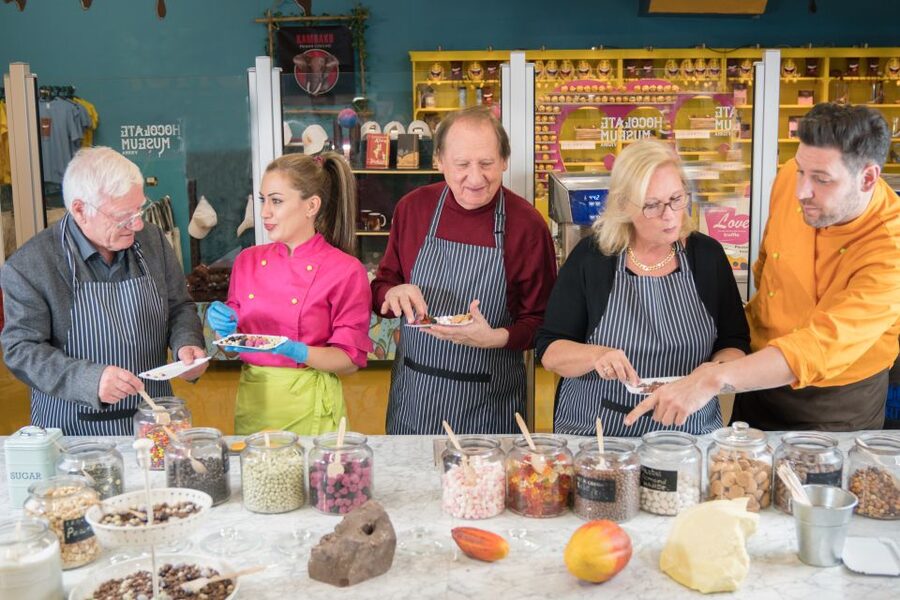
4) Your hands-on step, using provided tools and ingredients
5) Decorating your bars with toppings and finishing touches
6) Preparing and enjoying the Aztec-style hot chocolate called Xocolate
The pacing is a big reason people rate this experience highly. You get enough structure to follow along, but you still make real choices, especially when you decorate. That turns it into more than a class, it becomes a personalized food project.
Your Tempering Machine Moment (And Why It’s Not Just a Gimmick)
One of the highlights is using a professional chocolate tempering machine. This is important because tempering is the difference between chocolate that snaps nicely and chocolate that can end up dull or streaky.
What I like about this approach is that you get the benefit of the equipment without needing to master tempering at home. The experience is explicit about this too: you’re not being taught how to temper on your own later. Instead, you learn the key steps and feel the process in a guided, successful way.
That also keeps the class friendly for beginners. You don’t need cooking experience. The instructors and staff are there to help you through the process, and the machine handles the part that often scares people.
So if you’ve ever tried tempering at home and ended up with chocolate that looks wrong, this is a very safe way to learn what tempering is meant to do.
Held over another night in Vienna

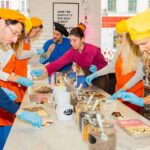

Making Three Unique Chocolate Bars, Then Decorating Like You Mean It
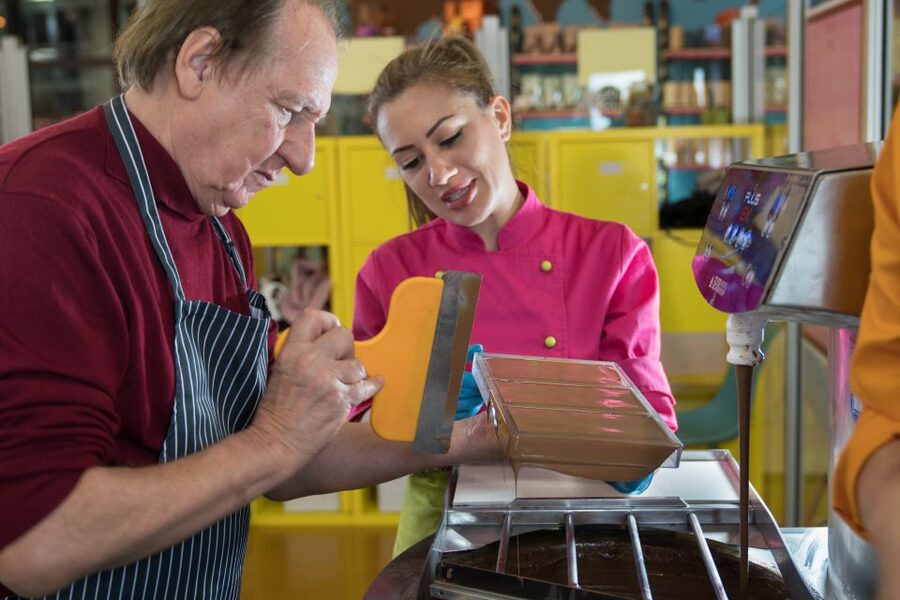
You’ll create three unique chocolate bars and decorate them. The workshop gives you the building blocks, tools, and ingredients, plus recipes. Then the fun part is choosing toppings and controlling the look of your bars.
Most people come out with bars that feel “big” and satisfying. That’s not just hype. When you’re physically pouring, distributing, and topping your own chocolate, you notice you’re getting real product, not small demo pieces.
You also get a tasting element, so you’re not decorating blind. People mention tasting dark, milk, white, and sometimes different options, which helps you figure out what you enjoy most before you commit your final choices.
Practical tip: plan to choose toppings you can love immediately. Some toppings can overpower chocolate if you pile them on, so aim for balance you’ll actually want to eat after the novelty wears off.
The Aztec Hot Chocolate Called Xocolate
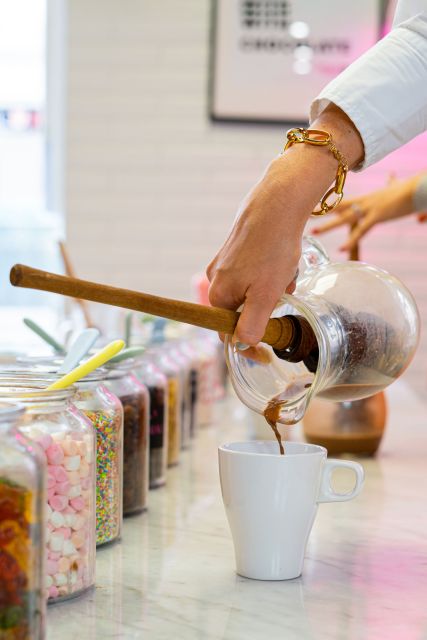
This is the part that makes the workshop feel distinct from a standard “make chocolate bars” activity. You craft an original hot chocolate recipe using traditional Aztec techniques, and you taste it as part of the experience.
You’ll use the provided ingredients, and you’re guided through the process. People note that it can be richer and more substantial than expected. That makes sense because it’s not just a sweet drink, it’s a recipe inspired by how cacao was enjoyed long ago.
What I like here for practical travel reasons is that it gives you a taste you can compare later. You’ll leave with a clear memory of what Xocolate is supposed to feel like, so you can spot better hot chocolates back home or on your next trip.
The Museum Part: Cacao Origins, Interactive Stops, and Photo Fun
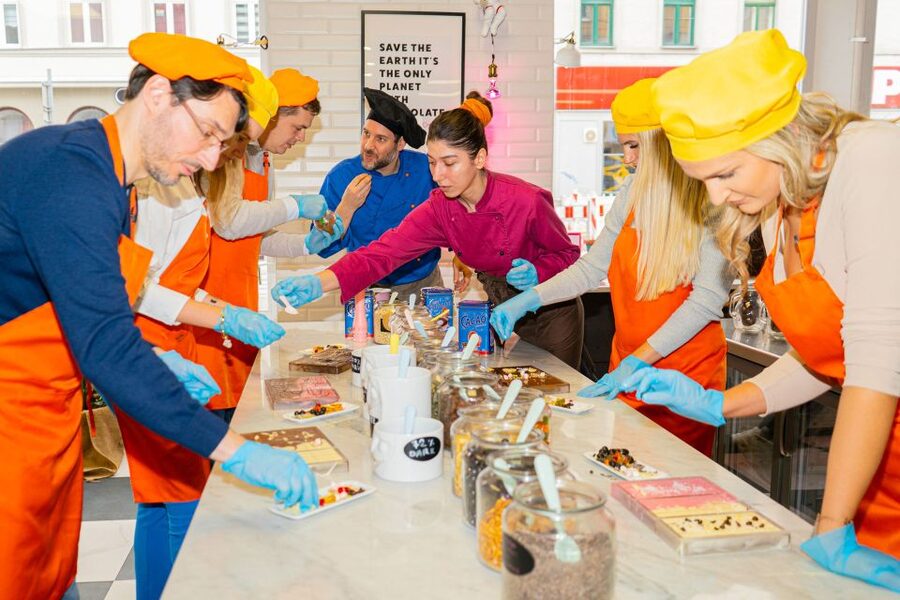
After the workshop, you get admission to the museum. The museum visit is about 15 minutes, which is intentionally short. This matters because you should adjust your expectations: you’re getting the highlights and interactive elements, not a long, multi-hour cacao deep dive.
That said, the museum is designed to be engaging. People describe interactive elements and photo opportunities, which is exactly what this kind of museum does well: it makes learning feel easy and visual.
If you love history, you’ll still get context about cacao origins. But if you’re the type who wants walls of text and a museum plan with multiple galleries, you might find the time limited.
Think of it as a sweet add-on that supports the workshop theme, not the main course.
BO-YO Certificate, Snacks, and Free Tastings
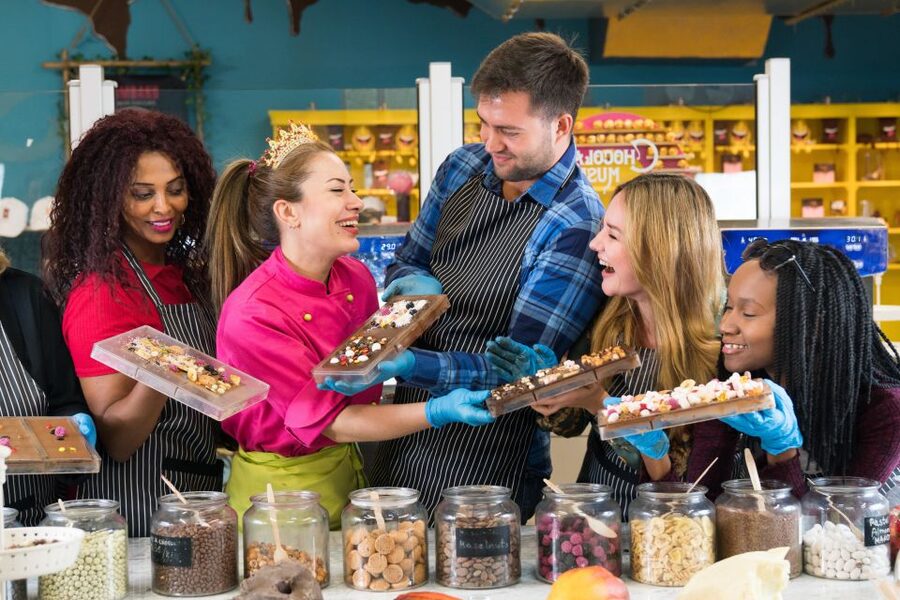
The experience includes more than the class steps. You’ll have free tastings and snacks, and you’ll receive a signed BO-YO certificate upon completion.
I like certificates for food workshops because they’re a tangible way to remember something you can’t easily re-create from memory. Also, since you take home your handmade bars, you get both a souvenir you can eat and one you can keep.
Tastings matter, too. They help you understand why one chocolate choice might feel better in your bar than another. Even if you don’t memorize every detail, your tongue makes the lesson stick.
Price and Value: Is $55 Worth It?
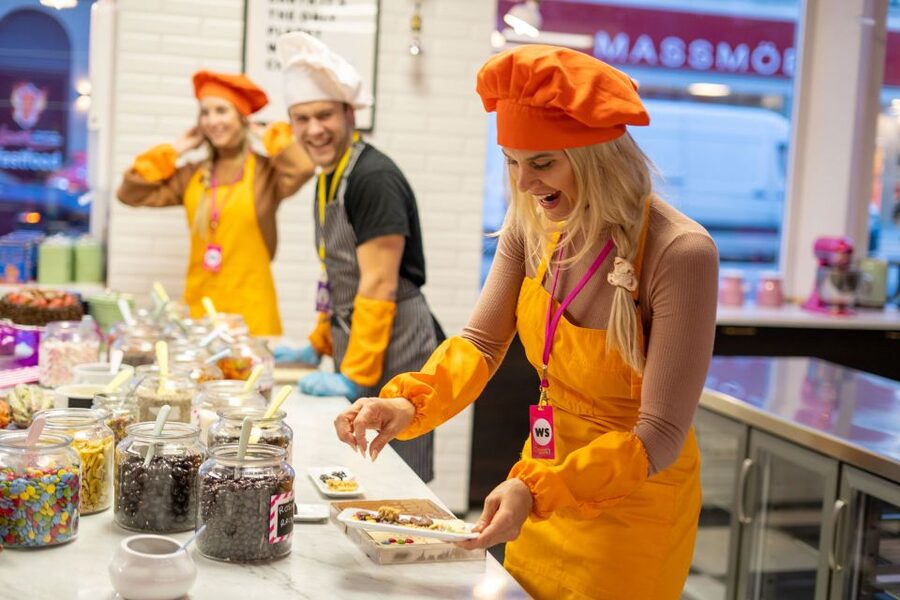
At $55 per person, you’re paying for a real, hands-on workshop, plus museum entry and extras like tastings, snacks, and the signed certificate. It’s not a cheap activity, but the structure is where the value shows.
Here’s what you’re buying:
- Three bars you make and take home
- Professional tempering equipment time, which you wouldn’t get on a DIY class
- An additional experience taste, Xocolate hot chocolate with guided preparation
- Museum entrance included, plus an interactive mini-visit
- Provided tools, cookware, ingredients, and recipes
Where people might hesitate is when they compare it to “free” museum wandering. If your goal is just to see exhibits and learn slowly, you may feel the museum time is too short.
But if your goal is to eat something you helped create, then the price starts to make sense. You’re leaving with edible souvenirs that feel like part of Vienna, not just an admission ticket.
Who This Workshop Suits Best in Vienna
This is one of those Vienna activities that works across ages because it has two layers: you’re learning, but you’re also creating. Many people describe it as fun for kids and teens, and also enjoyable for adults who just want a playful, guided food project.
It’s a particularly good fit if:
- You like hands-on experiences more than passive museum time
- You want a Vienna souvenir that you can actually bring home
- You’re traveling with mixed ages and want one activity everyone can do
Age note to plan around: the workshop is not recommended for children under 5. If a child is under 10, they must be accompanied by an adult, and that adult also needs a ticket. The workshop is designed for children and adults, so the instruction pace is meant to work across that range.
If you’re traveling solo, it can still be fun. Some people even end up with a smaller group, which can mean more attention from the instructor.
Should You Book This Chocolate Workshop in Vienna?
I think you should book it if you want a hands-on Vienna food experience with a clear end result. The three take-home bars, the guided tempering machine work, and the separate Xocolate hot chocolate component make it feel like you did something, not just watched something.
Skip it, or at least think twice, if you’re mainly in Vienna for a deep, long museum visit. The museum time is short. Also, if you’re hoping for a bean-to-bar production lesson, this workshop does not position itself that way.
My practical call: if chocolate is your “main character” for the day, this is a strong choice. If you only want a quick stop and minimal time commitment, you may prefer a lighter museum option.
FAQ
How long is the Chocolate Workshop at Chocolate Museum Vienna?
The total experience is about 90 minutes. The workshop portion is approximately 60 minutes, and the museum visit is approximately 15 minutes.
What do I make during the workshop?
You will create three unique chocolate bars that you can decorate. You’ll also craft and taste an Aztec-style hot chocolate recipe called Xocolate.
Do I need previous cooking or chocolate-making experience?
No. You do not need any previous cooking experience, and the instructors are on hand to assist you during the process.
What is included, and can I take anything home?
Your ticket includes museum entrance, free tastings, snacks, chocolate decorating, and a certificate. You also take home the chocolate bars you make during the workshop.
Is this workshop suitable for children?
It’s not recommended for children under 5. Children under 10 must be accompanied by an adult, and the adult also needs a ticket.
What languages are the instructors?
The instructor provides the workshop in English and German.
Crafts, First-Hand
- Nabiel’s Vienna Cooking Class
★ 5.0 · 234 reviews - Vienna: Viennese Waltz Beginner Workshop for Couples
★ 4.9 · 144 reviews - Mozart Kugel Workshop
★ 4.7 · 129 reviews - Vienna: Wiener Schnitzel and Strudel Cooking Class
★ 4.9 · 126 reviews
Habsburg Halls
- Vienna: Skip-the-Line Sisi Museum, Hofburg and Gardens Tour
★ 4.8 · 5,918 reviews - Vienna Kunsthistorisches Museum Day Admission Ticket
★ 4.6 · 3,690 reviews - Tickets for the Albertina Exhibitions
★ 4.7 · 2,126 reviews - Sigmund Freud Museum Ticket
★ 4.6 · 1,668 reviews
Just added to the bill for Vienna


Museums, compared.

Skip-the-Line Sisi Museum, Hofburg and Gardens Tour
Read our review →
Vienna Kunsthistorisches Museum Day Admission Ticket
Read our review →

St. Stephen’s Cathedral & Dom Museum Wien Tickets
Read our review →
Browse the lists this tour appears in