
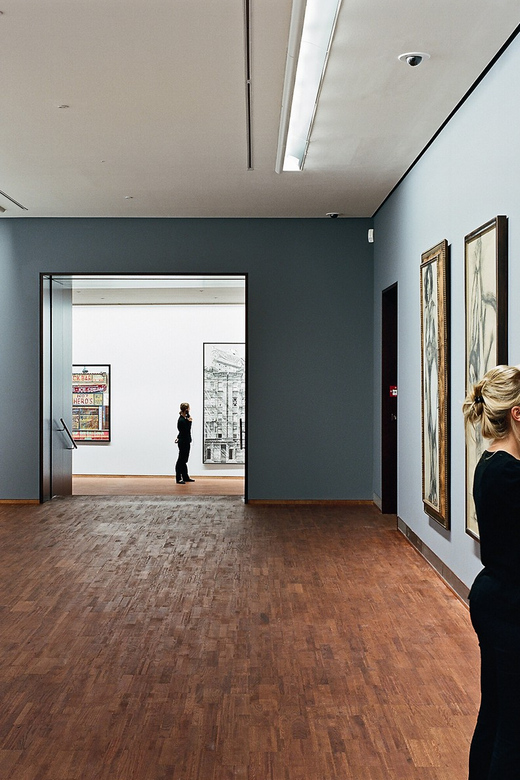
REVIEW · MUSEUMS
Tickets for the Albertina Exhibitions
Vienna art gets real in a palace. With your Albertina Exhibitions ticket, you get Monet-Picasso plus changing temporary exhibitions, all wrapped in the museum’s historic setting near the Hofburg. You also walk through Habsburg State Rooms, the kind that make you slow down even if you just came for the paintings.
What I like most is the way the museum lets you track major art movements without feeling like a textbook. The permanent collection moves across French Impressionism, German Expressionism, Russian avant-garde, and Austrian art, with standout works by names like Monet, Degas, Goncharova, Chagall, and Kokoschka, alongside Picasso drawings and paintings. I also love how the state rooms add an imperial layer that makes the art feel even more “of its place,” not just framed and boxed up on white walls.
One thing to plan for: backpacks and umbrellas are not allowed. If you like carrying a full day bag, switch to a smaller pack before you go, since you’ll need to deal with lockers or cloakroom space.
In This Review
- Key highlights worth clocking fast
- Albertina tickets: why this $23 price can make sense
- Monet-Picasso: the permanent show that does a lot of work
- Temporary exhibitions: how to choose what to see (especially in 2026)
- The Habsburg State Rooms: art isn’t the only centerpiece
- How long you should plan for inside the museum
- Your museum day strategy: what works best in Vienna
- Audio guides and museum pacing: handy, but not perfect
- Food inside: Demel Café is convenient, not always cheap
- Getting there smoothly: Albertina’s best transit options
- Practical rules that affect your bag and your flow
- Who this Albertina museum visit fits best
- Should you book the Albertina Exhibitions ticket?
- FAQ
- What does the Albertina ticket include?
- How long is the ticket valid?
- Where is the Albertina, and what is the meeting point?
- How can I get there by public transport?
- Are audio guides included?
- Are specific audio-guide languages guaranteed?
- What items are not allowed inside?
- Can I cancel and get a refund?
- What are some things you can see with the ticket?
Key highlights worth clocking fast
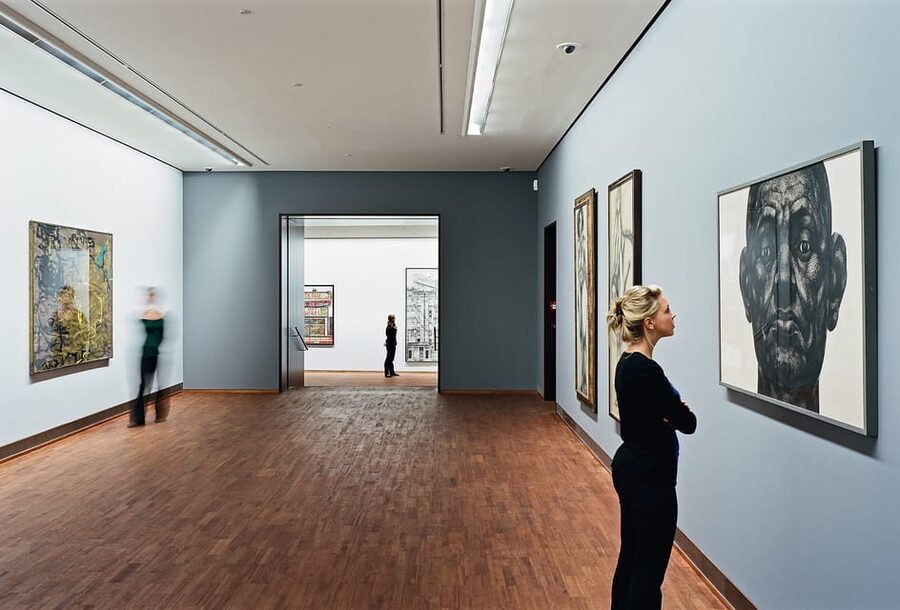
- Monet-Picasso as the anchor, with a permanent modern-art storyline
- Temporary exhibitions on top of the permanent display, up to five special shows
- Habsburg State Rooms (20 restored rooms) in Louis-seize style from royal workshops
- Major names across eras, including Monet, Degas, Picasso, plus Austrian-focused art
- Easy city-center access at Albertina Platz 1, with several transit options
- A best-value visit usually means 2 hours or more at a relaxed pace
Albertina tickets: why this $23 price can make sense
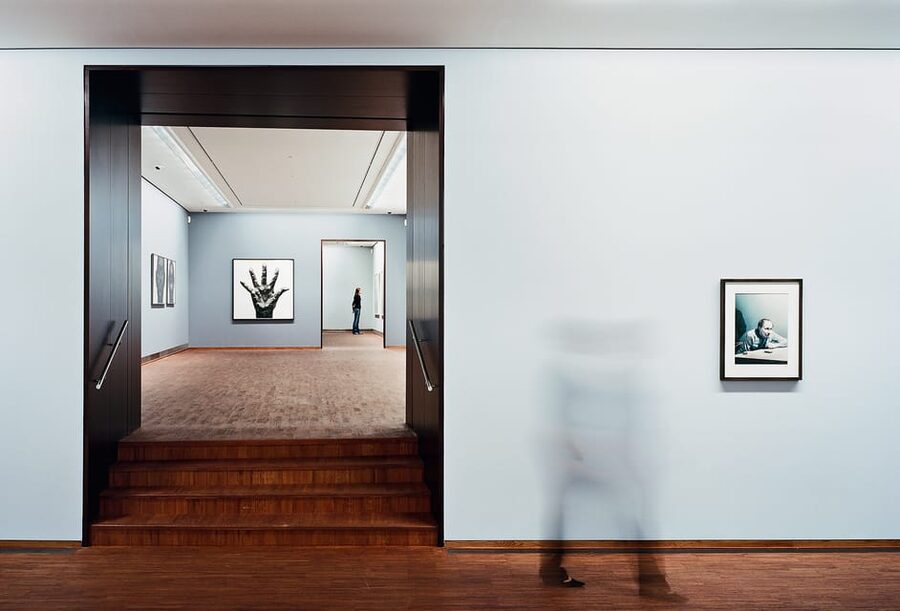
At about $23 per person, this ticket is a solid value if you want both modern masterpieces and the Vienna-palace experience in one stop. What you’re paying for is not just one gallery, but a full museum afternoon, built around a strong permanent attraction (Monet-Picasso) and then topped with temporary exhibitions.
The smart part for your trip is flexibility. The ticket is valid 1 to 365 days, so you can align your visit with weather, your schedule, and which temporary exhibitions you want most. If your Vienna itinerary is packed, this is one of the easiest ways to add a high-impact art visit without committing to a long guided tour.
More Habsburg-era halls and hangings:
- Vienna: Skip-the-Line Sisi Museum, Hofburg and Gardens Tour
★ 4.8 · 5,918 reviews - Vienna Kunsthistorisches Museum Day Admission Ticket
★ 4.6 · 3,690 reviews - Vienna: Chocolate Workshop in Chocolate Museum w/ Tasting
★ 4.5 · 1,802 reviews - Sigmund Freud Museum Ticket
★ 4.6 · 1,668 reviews
Monet-Picasso: the permanent show that does a lot of work
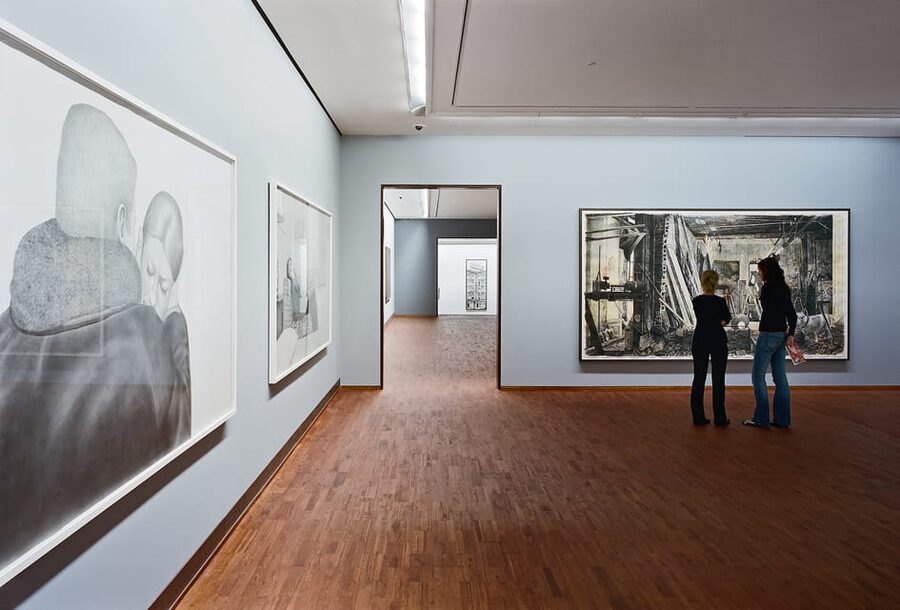
If you’re the kind of art fan who likes a clear path, the Albertina’s permanent focus is built for you. The museum’s “Monet-Picasso” experience is essentially a guided-feeling journey through Classical Modernism, pairing Impressionist energy with Picasso’s shifting styles.
You see how the story changes as the years move on. The collection includes major Impressionist figures like Monet and Degas, while also reaching into Expressionism and avant-garde directions. Then, when Picasso shows up, it is not a cameo. The museum presentation includes many major works across his development, from earlier Cubist images through experiments from his later period.
What makes this a good ticket choice is the balance. You get both familiar giants and enough variety that you are not only looking at the same “top 10” artists in every room. If you enjoy comparing styles side by side, this is where the museum earns its reputation.
Temporary exhibitions: how to choose what to see (especially in 2026)
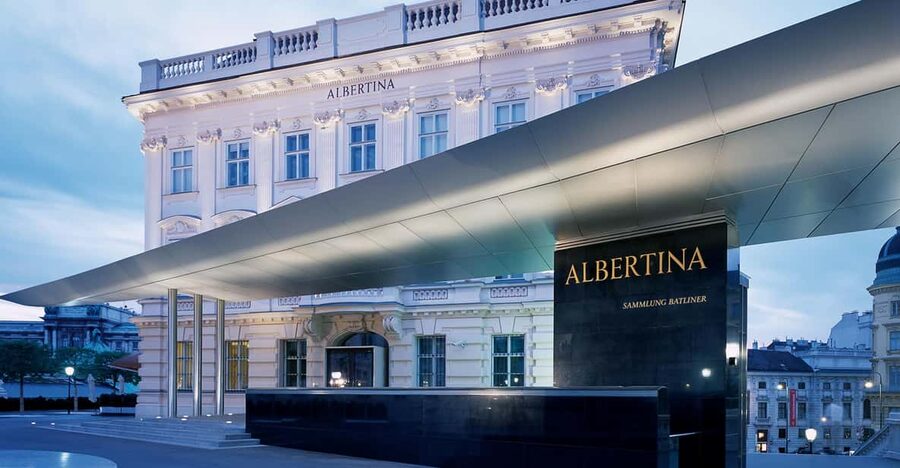
Your ticket also includes admission to a temporary exhibition, and the museum runs multiple special shows in addition to the permanent galleries. That matters because you can tailor your museum day to what you care about most, rather than being locked into one theme.
For 2026, the schedule includes:
- Lisette Model: Retrospective (until Feb 22, 2026)
- Fascination Paper: Rembrandt to Kiefer (until Mar 22, 2026)
- Honoré Daumier: Mirror of Society (Feb 6 to May 25, 2026)
- Collecting for the Future: 250 Years of the ALBERTINA Museum (June 16 to Oct 11, 2026)
- Picasso – Bacon: What it means to be human (Sep 18, 2026 to Jan 31, 2027)
- plus other month-to-month exhibitions such as Leiko Ikemura, Richard Prince, Helga Philipp, and Women Artists of the Albertina
Here’s how I’d choose in real life. Pick one temporary exhibition that excites you, then let the permanent Monet-Picasso galleries fill the rest. That keeps the museum day from turning into an exhausting checklist and helps you actually see the work, not just pass it.
The Habsburg State Rooms: art isn’t the only centerpiece
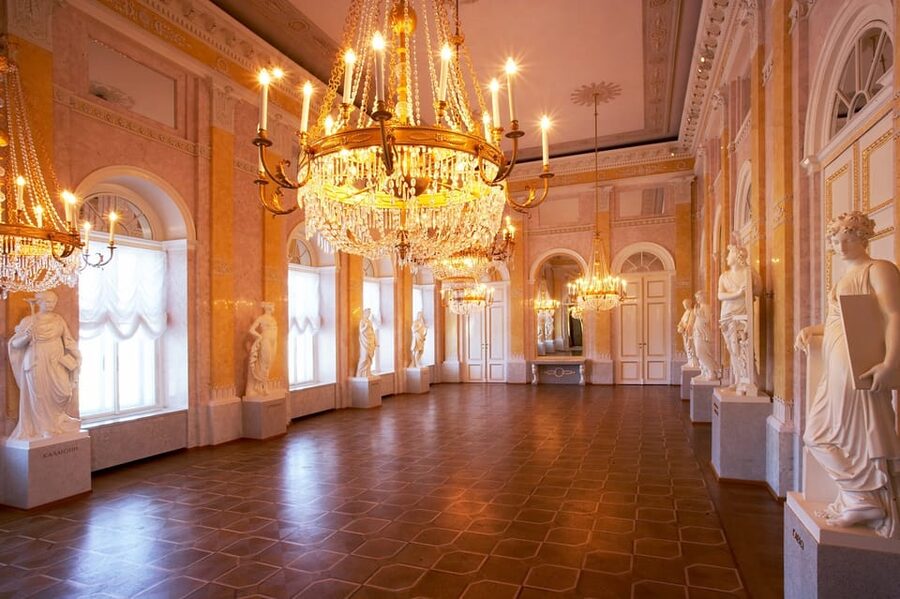
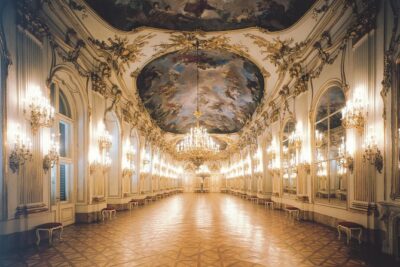
Even if you care most about paintings, the Habsburg State Rooms are a major reason to buy this ticket. The museum building served as a residence for Habsburg archdukes and archduchesses for around a century, and that imperial chapter is still visible today.
You get 20 sumptuously decorated, painstakingly restored rooms connected to court life, with details like wall coverings, chandeliers, fireplaces and stoves, distinctive marquetry, and Louis-seize style furnishings tied to royal French court workshops from Paris and Versailles. The effect is practical for your experience: it breaks up a modern-art museum day with atmosphere, and it gives your brain a visual reset between art movements.
This is also why the Albertina works so well on a rainy day. You are indoors, in a warm, atmospheric setting, and the building itself does part of the “touring” for you. If you’re moving between museums in Vienna, this one gives you a different flavor than palaces like Schönbrunn, because it is not only about the palace rooms, it is about the art displayed inside them.
Held over another night in Vienna

How long you should plan for inside the museum
A realistic rule of thumb: plan at least two hours for a leisurely visit. If you read placards carefully, you may go longer, especially because the museum has enough material to keep you interested even if you slow down.
I like using a simple plan:
- Start with Monet-Picasso and the main modern-art flow
- Add one temporary exhibition you genuinely want
- Leave time to circle the state rooms without rushing the details
There is a catch. The museum layout can feel a bit confusing if you are trying to move fast without checking where you are going. My advice: don’t aim to “see everything.” Instead, pick a route that prioritizes your top themes, then let the rest happen around them.
Your museum day strategy: what works best in Vienna
Location is a quiet superpower here. The Albertina sits at Albertinaplatz 1, A-1010 Vienna, which puts you right in the historic center. Transit options include subway lines U1, U2, U4 with stops like Karlsplatz/Oper and U3 at Stephansplatz, plus trams (1, 2, D, 62, 65) and citybus line 3A to Albertina.
Because you are in the center, you can easily build this into a half-day plan. If you’re trying to avoid the worst crowd surges, I’d schedule your visit earlier in the day so you get more comfortable spacing for looking closely. One of the perks of a museum like this is that you often want time to slow down, step back, and actually read the details around the paintings and drawings.
Also, the museum is a great option if you want to pair art with simple city wandering. You can browse nearby streets afterward and let the visual momentum carry you into the next stop.
Audio guides and museum pacing: handy, but not perfect
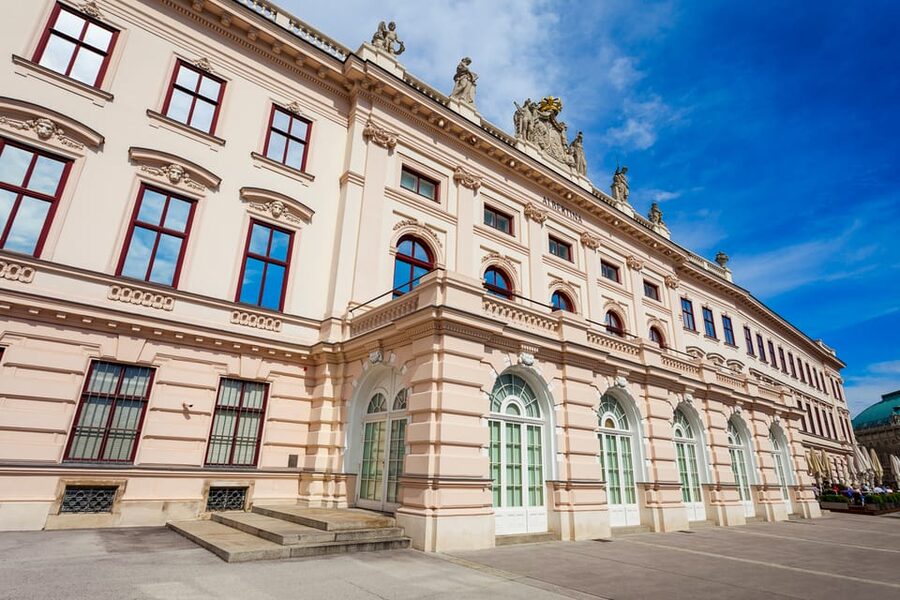
The ticket includes admission and a temporary exhibition, but audio guides are not included. You can book them separately, and they are available in multiple languages including German, English, French, Italian, Czech, Russian, Japanese, and Spanish.
Two practical points to keep in mind:
- There is no guarantee you’ll get your exact language.
- Coverage may vary, so if you rely on audio for every artwork, you might feel like it does not explain every single piece you see.
If you love context, audio can be a great way to keep momentum. If you prefer reading placards and looking closely, you might not need it at all.
Food inside: Demel Café is convenient, not always cheap
Yes, there’s food on site, and the Demel Café is a known stop. If you need a break, it’s convenient to stay inside and reset.
But I recommend thinking of it as a convenience choice, not a value meal. One review-style detail I’d take seriously: the cost for small take-away items (like espresso plus a bottle of water) can be noticeably pricey. If you want to keep costs down, grab a simpler snack elsewhere around the city before or after your museum time, then return for coffee only if it fits your budget.
Getting there smoothly: Albertina’s best transit options
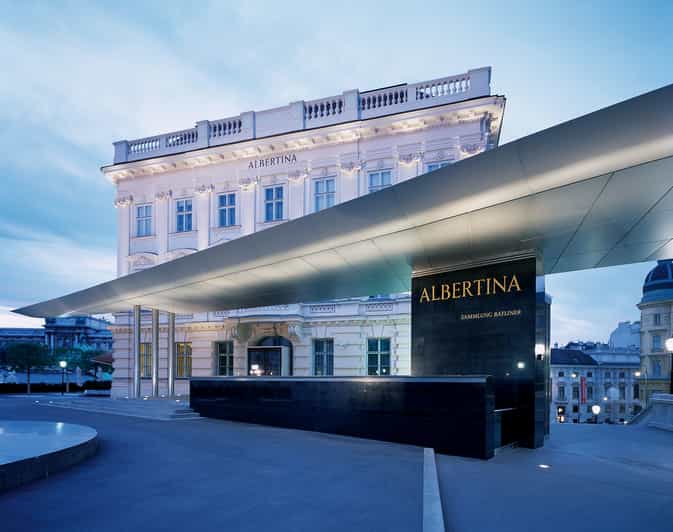
To make your visit easy, aim for Karlsplatz/Oper (U1, U2, U4) or Stephansplatz (U3). Trams that help include 1, 2, D, 62, 65, plus Badner Bahn that stops at Staatsoper/Kärntner Ring. If you like bus, line 3A goes to Albertina.
From experience planning Vienna days, this kind of transit flexibility matters because it lets you recover from schedule changes. If your museum start time slips or weather turns, you can still get there without stress.
Practical rules that affect your bag and your flow
The museum does not allow backpacks or umbrellas. If you tend to travel with a larger daypack, consider switching to a smaller bag before you arrive.
There are also lockers and a cloakroom option, but plan for the possibility that not every payment method will be accepted there. So if you can, bring a small amount of cash just in case. It is a small detail, but it can save time and frustration.
If you’re the type who likes to carry a lot of gear, this is the biggest “gotcha” for the day.
Who this Albertina museum visit fits best
This ticket is a strong match if you:
- want a modern-art core with a major signature focus like Monet-Picasso
- also enjoy history and interiors, not just paintings
- plan to visit Vienna’s center and want an art stop that’s walkable to other highlights
- like clear museum themes, but also want flexibility with temporary exhibitions
It may be less ideal if:
- you only want one or two artworks and hate moving through galleries
- you dislike museums housed in historic buildings where route-finding can feel less obvious
- you need to bring a large bag or umbrella, since restrictions require planning
Should you book the Albertina Exhibitions ticket?
I think it’s worth booking if your goal is maximum value per hour: big-name art, a rotating exhibition layer, and Habsburg State Rooms all in one Vienna stop. For most people, it delivers more than a standard museum ticket because the building itself changes your experience, not just the artwork inside.
Book it if you can commit to a real visit window, about 2 hours or more, and especially if you’re excited by either Monet-Picasso or whatever temporary exhibition is running during your dates. Skip it only if you are traveling light with a full backpack, or if you prefer guided tours that handle logistics for you and you strongly dislike museum route planning.
If you want one afternoon in Vienna that balances art movements, star artists, and palace interiors, this ticket is a very smart choice.
FAQ
What does the Albertina ticket include?
Your ticket includes admission to the Albertina and access to a temporary exhibition.
How long is the ticket valid?
The ticket is valid for 1 to 365 days, depending on availability and starting times.
Where is the Albertina, and what is the meeting point?
The meeting point is the Albertina at Albertinaplatz 1, A-1010 Vienna.
How can I get there by public transport?
You can reach the Albertina by subway (U1, U2, U4 to Karlsplatz/Oper, and U3 to Stephansplatz), tram (1, 2, D, 62, 65, Badner Bahn to Staatsoper/Kärntner Ring), or citybus line 3A to Albertina.
Are audio guides included?
No. Audio guides can be booked separately, and they are available in several languages.
Are specific audio-guide languages guaranteed?
No. There is no guarantee for specific languages, and the available range can vary by time and season.
What items are not allowed inside?
Backpacks and umbrellas are not allowed.
Can I cancel and get a refund?
Yes. Free cancellation is available up to 24 hours in advance for a full refund.
What are some things you can see with the ticket?
You can visit the permanent presentation including Monet-Picasso, see the Habsburg State Rooms, and also access special temporary exhibitions that change over time.
Just added to the bill for Vienna


Museums, compared.
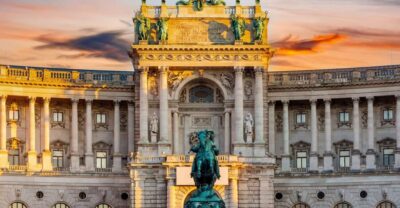
Skip-the-Line Sisi Museum, Hofburg and Gardens Tour
Read our review →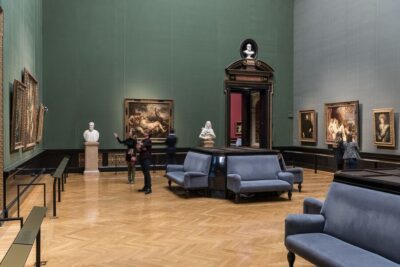
Vienna Kunsthistorisches Museum Day Admission Ticket
Read our review →
Chocolate Workshop in Chocolate Museum w/ Tasting
Read our review →
St. Stephen’s Cathedral & Dom Museum Wien Tickets
Read our review →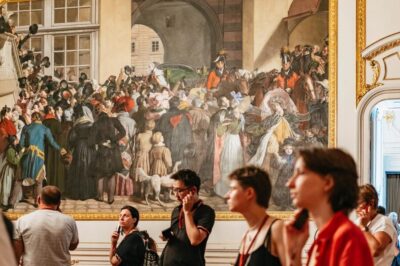
Browse the lists this tour appears in