
REVIEW · MUSEUMS
Vienna: Leopold Museum Skip-the-Line Entry Ticket
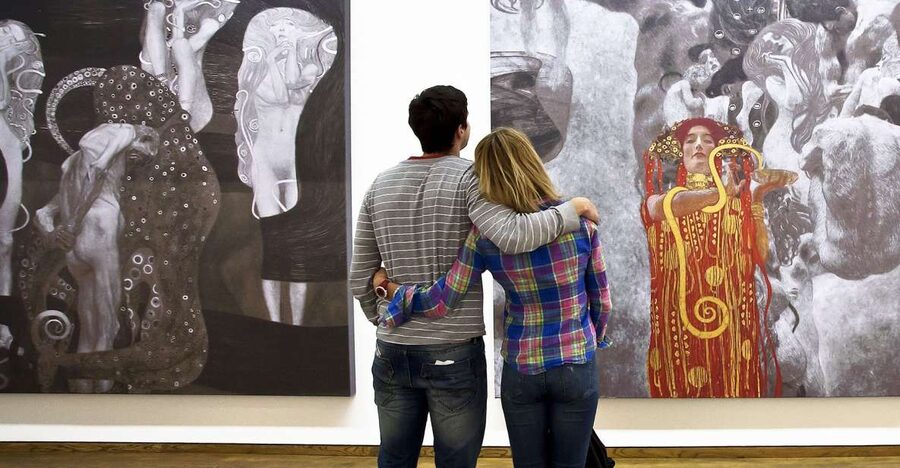
Schiele and Klimt, no long wait. This Leopold Museum skip-the-line entry gets you straight into MuseumsQuartier Vienna, where you can see the world’s biggest Egon Schiele collection and major works by Gustav Klimt.
What I like most is how well the museum tells the Vienna around 1900 story, with Expressionism, the Vienna Secession, and Art Nouveau design in one ticket. One drawback to know up front: your ticket does not include an audio guide or guided tour, so you’ll be doing a lot of self-guided looking and reading.
In This Review
- Key points that make this ticket worth it
- Leopold Museum in MuseumsQuartier, why it feels made for Vienna 1900
- Price and what the $22 entry ticket really covers
- Your self-guided route for Schiele and Klimt, in the order your eyes will thank you
- Vienna around 1900: Secession, Art Nouveau, and Expressionism you can actually see
- Wiener Werkstätte design objects, Josef Hoffmann to Kolo Moser
- Special exhibitions: included access to changing shows with international loans
- Museum architecture and views, the kind you notice even between galleries
- Cafe Leopoldo breaks, and why light food helps
- Timing your visit: opening hours and when the museum works best
- Who should buy this skip-the-line Leopold Museum ticket
- Should you book this Leopold Museum skip-the-line ticket?
- FAQ
- What does the Leopold Museum skip-the-line ticket include?
- Is an audio guide included with the ticket?
- Are guided tours included?
- How long is the ticket valid?
- What are the Leopold Museum opening hours?
- Can I cancel and get a full refund?
- Is the museum wheelchair accessible?
Key points that make this ticket worth it
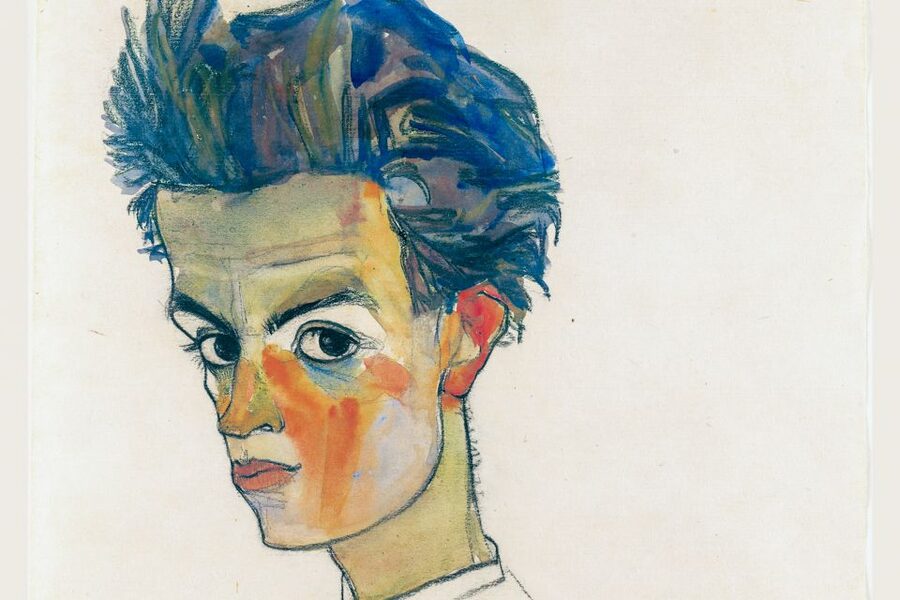
- World’s largest Egon Schiele collection, built for serious viewers and casual fans alike
- Gustav Klimt masterpieces in the same visit, so you do not need a second museum day
- Vienna around 1900 theme, connecting Expressionism, Art Nouveau, and the Secession
- Changing special exhibitions included, with notable international loans
- Light-flooded museum architecture plus panoramic city views from the building
Leopold Museum in MuseumsQuartier, why it feels made for Vienna 1900
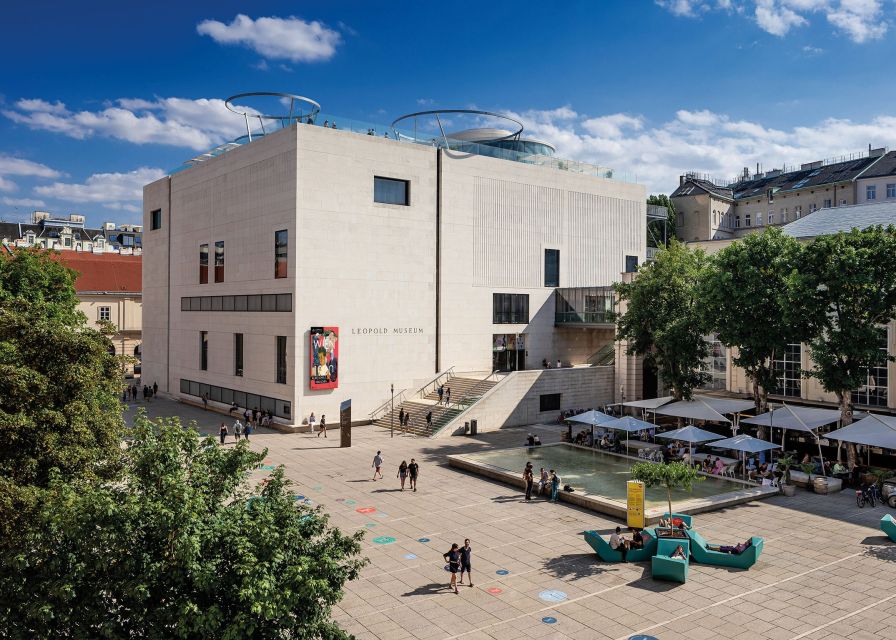
The Leopold Museum sits in MuseumsQuartier Vienna, and that matters. You’re not stepping into a stuffy, old museum maze. You’re entering a modern, light-filled space that still makes room for a very specific, late-imperial Viennese mood: the creative break from old rules that artists like Egon Schiele and Gustav Klimt helped shape.
You will feel the museum’s big idea fast. The visit is not only about famous names on walls. It is also about the shift in style and attitude, the “new language” artists were inventing at the end of the 1800s and start of the 1900s. The museum brings that together through its permanent collections and special exhibitions, so you get both anchors and surprises.
And the building itself is part of the experience. The Leopold Museum is described as a light-flooded cube of white shell limestone, with a color that echoes the bright Ringstrasse buildings. It is a sharp contrast to the historic imperial stables around it. That contrast is a nice metaphor for what you are seeing indoors: old Vienna getting a final flourish, then artists pushing forward into something new.
Price and what the $22 entry ticket really covers
At about $22 per person, this ticket is priced like a “pay once, visit properly” museum plan. The key value is not just skipping a line. It is that the admission includes the permanent collections and all special exhibitions. So you are not gambling on whether you’ll see enough.
It also helps if you hate decision fatigue. With one-day validity and access to both the main shows and temporary exhibits, you can follow your interests without constantly thinking, Do I need to upgrade? Do I need another ticket?
One more practical advantage: the ticket is meant to be used smoothly at the entrance. People report that scanning a phone QR code is handy, and that electronic ticket versions get accepted at the museum entrance, even when older rules or assumptions circulate. If you like friction-free travel, this is the kind of ticket that matches that style.
Your self-guided route for Schiele and Klimt, in the order your eyes will thank you
This is a museum where you want a plan, even if you’re self-guided. The big attractions are obvious, but the best strategy is to order your attention so you do not end up rushed or burned out.
Here is a simple, viewer-friendly flow you can use during your one day:
1) Start with Egon Schiele
You’re here for the museum’s claim to fame: the world’s largest Egon Schiele collection. This is where the museum’s identity clicks. You get to see how his style developed and how his subject matter keeps returning to the same emotional electricity. If you’re the type who likes to compare works rather than just admire them, this is perfect.
Also, keep an eye out for related items like letters. Several of the materials connected to his work are part of what makes the collection feel bigger than a simple gallery stop.
2) Then pivot to Gustav Klimt
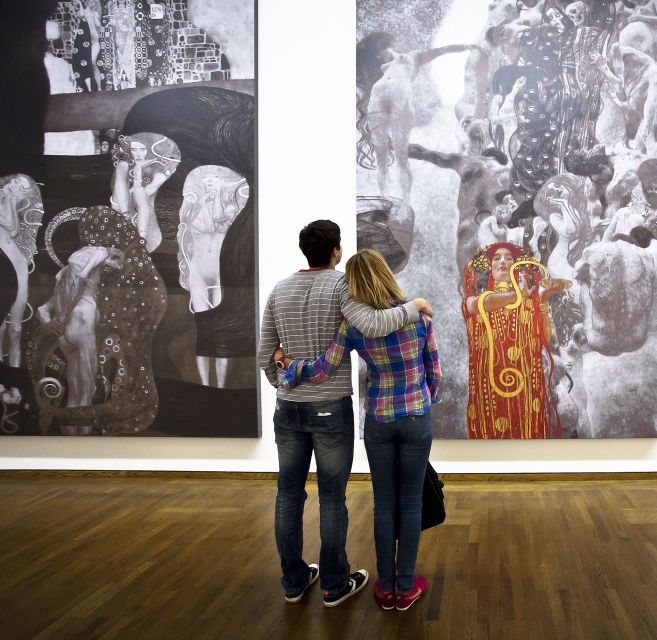
After Schiele, Klimt can feel like a different universe, partly because his fame is so wide and partly because his paintings often carry a completely different kind of visual rhythm. The museum includes Klimt masterpieces as part of this overall Vienna around 1900 story.
3) Use the next galleries to connect styles, not just names
After the two headliners, you’ll get more out of the visit if you let the museum explain how Secession ideas and Art Nouveau design language relate to Expressionism and the changing cultural mood. That shift is what makes the Leopold Museum more than a star-only stop.
You’ll finish with a better sense of why these artists mattered, not just which ones are famous.
Vienna around 1900: Secession, Art Nouveau, and Expressionism you can actually see
The Leopold Museum is set up like a guided story, even without a tour leader. The experience is built around the Fin de Siècle Vienna moment, when artists pushed back against old traditions and turned the cultural rules upside down.
This is where the museum’s theme becomes useful to you. If your Vienna travel plan is already packed with palaces and imperial interiors, this museum gives you a different angle. You see how artistic movements were reacting to the world changing around them.
You can expect to encounter:
- Art Nouveau ideas linked to the Vienna Secession
- Expressionism energy, where emotion and form feel more direct than polite
- The sense that Vienna was a hot creative center during a time of breaking conventions
If you’re short on time in Vienna, this is exactly the kind of museum that helps you understand why the city’s “imperial glamour” also produced a rebellious artistic streak. It’s the cultural backstory behind the statues, buildings, and famous names you’ll see elsewhere.
Wiener Werkstätte design objects, Josef Hoffmann to Kolo Moser
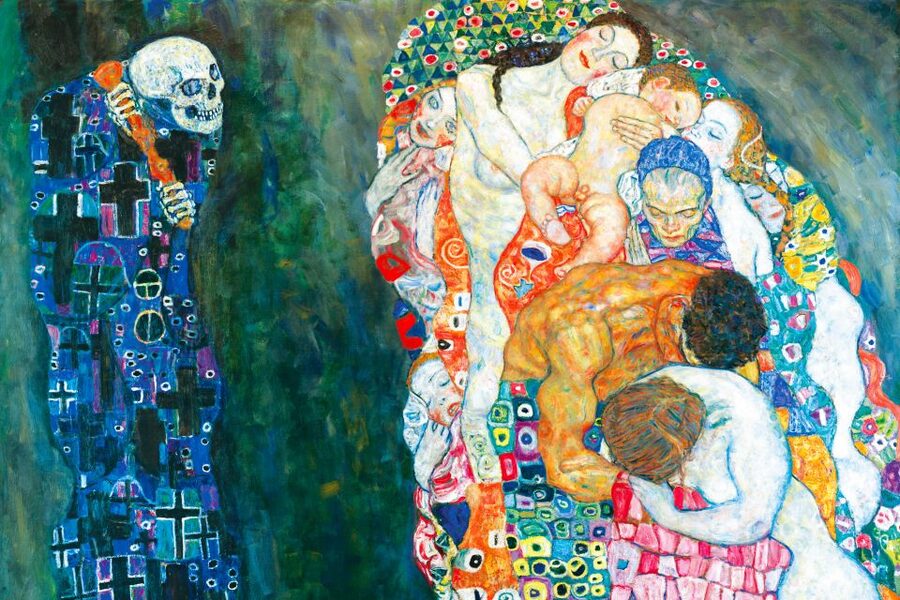
One of the nicest surprises at the Leopold Museum is that it does not treat art as only painting and sculpture. The museum also includes objects made by artists tied to the Wiener Werkstätte, a key design movement associated with the same Vienna creative climate.
You can see items connected to designers and artists such as Josef Hoffmann and Kolo Moser. That design focus matters because it changes how you interpret Vienna around 1900. Instead of thinking of the Secession and Art Nouveau as just decorative styles for rooms, you get proof of how far the movement went into everyday objects and visual culture.
If you like design, interiors, typography, or the “small details” of culture, this section can be a highlight. Even if you only casually care, these objects help you connect the dots between the art on walls and the visual mindset of the era.
Special exhibitions: included access to changing shows with international loans
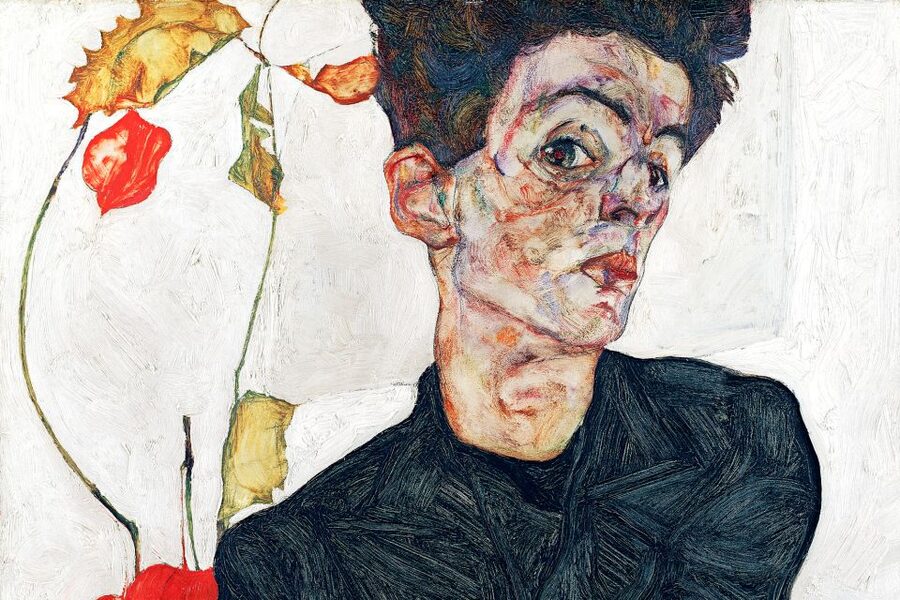
The ticket includes admission to all special exhibitions, which is a big deal if you plan to visit once. The museum’s temporary exhibitions change several times a year and can include precious loans from around the world.
In plain terms, this means your visit is not guaranteed to be the same as someone else’s trip. If you care about seeing something current, this inclusion helps. It also keeps your one-day schedule flexible. You can spend your best energy on the exhibits that feel most relevant while you’re in the building.
A practical approach: do not treat special exhibitions as an afterthought. Give them at least one focused block. Otherwise, you can end up chasing the famous names until closing time and then realize you rushed the temporary displays.
Museum architecture and views, the kind you notice even between galleries
The Leopold Museum’s design is not just for photos. The light-filled atrium is described as offering views of and into the building. That internal sightline effect makes it easier to reset your eyes between galleries.
Then there are the panoramic windows. You can get a wonderful view of Vienna’s city center, including Maria-Theresien-Platz and the Hofburg. This is the kind of view that gives your brain a breather. It also helps you place the museum in the actual city you’re walking around outside.
If you are planning your day thoughtfully, use the views strategically. Take a moment, step away from the paintings, and let the city’s layout refresh your sense of direction. It makes your next galleries feel less like a blur.
Cafe Leopoldo breaks, and why light food helps
Your ticket does not include food, but you do have an on-site option: Cafe Leopoldo. People highlight it as a good place for a light lunch, and it is a smart move to keep your museum rhythm. When you’re moving between floors and exhibitions, a long sit-down dinner can knock your time out of balance.
If you can, aim to plan a little around it. Some visitors recommend booking ahead for the cafe. Even without making it a whole thing, a quick lunch break helps you stay interested instead of just surviving the schedule.
Timing your visit: opening hours and when the museum works best
Opening hours are straightforward, but they matter. The Leopold Museum is open daily except Tuesdays, typically 10:00 AM to 6:00 PM. During June, July, and August, it opens every day of the week, also 10:00 AM to 6:00 PM. Holidays follow a 10:00 AM to 6:00 PM window.
So your best planning tip is simple: build your Leopold Museum day around a date that is not Tuesday unless you’re in summer months when it is open. If you’re touring Vienna in shoulder season, Tuesdays can quietly ruin a museum plan.
Also, because this is a one-day ticket, you will get best results if you arrive with enough time to breathe between top galleries and the smaller design objects. If you roll in late, you’ll end up prioritizing only the headline names.
Who should buy this skip-the-line Leopold Museum ticket
This ticket fits best if you fall into one of these groups:
- You want a high-impact art day with Schiele and Klimt as the anchors
- You like museums where the theme is readable, Vienna around 1900, not random rooms
- You enjoy design history and want the Wiener Werkstätte side, not only fine art
- You prefer self-guided travel, with the option to pace yourself rather than follow a group
If you’re the type who loves a narrative tour by a guide, this might feel a bit more “independent reading” than you expect, since audio guide and guided tours are not included. You can still do it well, but you should be comfortable spending time with labels.
And if you want a pure quick hit, understand this is a museum with multiple floors and strong collections. A short visit may still be satisfying, but you’ll get more if you give it a full chunk of your day.
Should you book this Leopold Museum skip-the-line ticket?
I think you should book if you want one well-priced, one-day pass that covers the permanent collections and changing special exhibitions without extra add-on tickets. For the pairing of Egon Schiele and Gustav Klimt, plus the Vienna around 1900 theme, the value is strongest when you care about more than just a single artist.
Skip booking only if you know you want a fully guided format or you plan to spend most of your time on audio narration instead of self-guided looking. Since the ticket does not include an audio guide, you’ll want to bring your own plan for interpretation.
If your Vienna day is already packed, this is still a good choice. The skip-the-line entry and easy entrance scanning help you protect your time. And the building itself, with those light-filled spaces and city views, makes it feel more than just a stop, it becomes a calm reset in the middle of a big city.
FAQ
What does the Leopold Museum skip-the-line ticket include?
It includes admission to the permanent collections and admission to all special exhibitions.
Is an audio guide included with the ticket?
No. The ticket does not include an audio guide.
Are guided tours included?
No. Guided tours are not included with this ticket.
How long is the ticket valid?
The ticket is valid for 1 day.
What are the Leopold Museum opening hours?
Daily except Tuesdays, 10:00 AM to 6:00 PM. In June, July, and August, it opens every day, 10:00 AM to 6:00 PM. Holidays also follow 10:00 AM to 6:00 PM.
Can I cancel and get a full refund?
Yes. Free cancellation is available up to 24 hours in advance for a full refund.
Is the museum wheelchair accessible?
Yes. The activity is wheelchair accessible.
Habsburg Halls
- Vienna: Skip-the-Line Sisi Museum, Hofburg and Gardens Tour
★ 4.8 · 5,918 reviews - Vienna Kunsthistorisches Museum Day Admission Ticket
★ 4.6 · 3,690 reviews - Tickets for the Albertina Exhibitions
★ 4.7 · 2,126 reviews - Vienna: Chocolate Workshop in Chocolate Museum w/ Tasting
★ 4.5 · 1,802 reviews
Just added to the bill in Austria

Museums, compared.
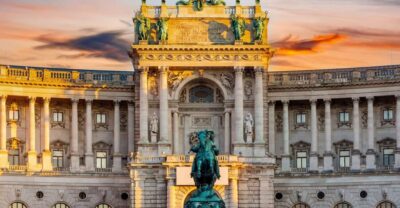
Skip-the-Line Sisi Museum, Hofburg and Gardens Tour
Read our review →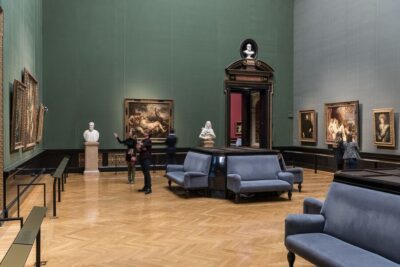
Vienna Kunsthistorisches Museum Day Admission Ticket
Read our review →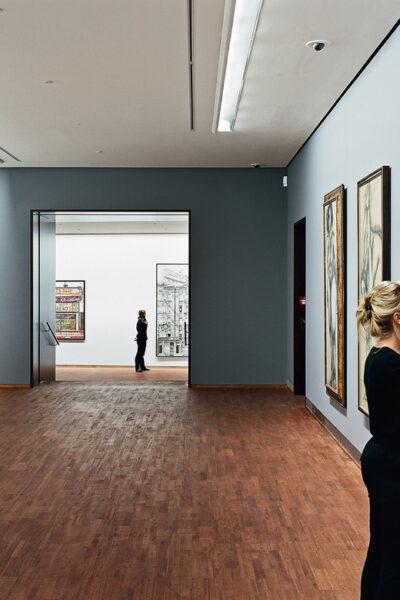

Chocolate Workshop in Chocolate Museum w/ Tasting
Read our review →
St. Stephen’s Cathedral & Dom Museum Wien Tickets
Read our review →
Browse the lists this tour appears in