
REVIEW · MUSEUMS
Sigmund Freud Museum Ticket
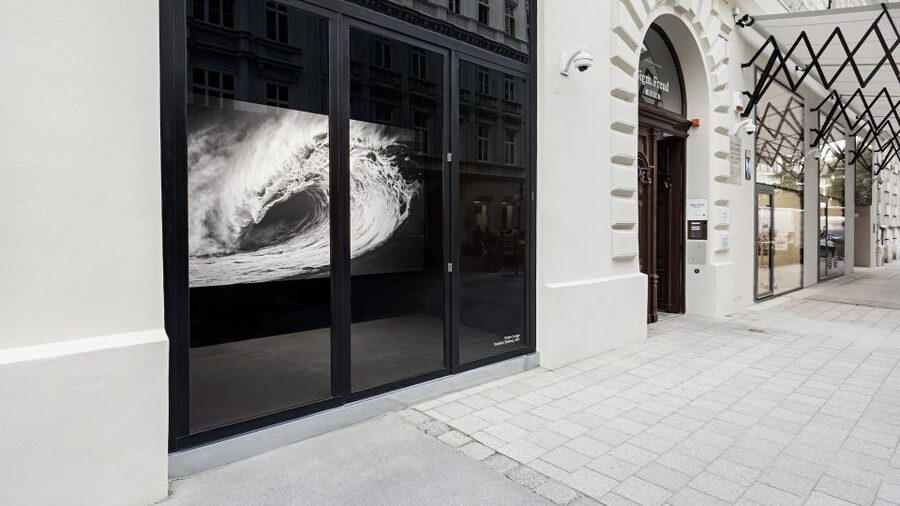
Freud’s house still hums with ideas. At Berggasse 19, you step through the rooms where psychoanalysis began, with recorded voices of Sigmund and Anna Freud and an AR stop you control right on the spot.
I love how it pairs the clinical side with the family side, including private rooms and unique 1930s film material. One thing to consider is that parts of the museum can feel a bit dim, so plan to slow down rather than try to sprint room to room.
In This Review
- Key points before you go
- Berggasse 19 and the sense of stepping into a real address
- Freud’s private rooms and office, where practice and life overlap
- Audio voices and 1930s film: the museum’s best way to make Freud feel human
- Freud’s Couch AR: find the famous piece with your phone
- The house story on the staircase, then the hard turn into exile
- Hidden Thoughts of a Visual Nature in Freud’s former office
- Planning your one-day visit: pacing, lighting, and what to prioritize
- Price, value, and what you can do after the museum
- Who should buy a Sigmund Freud Museum ticket
- Should you book this ticket for Vienna?
- FAQ
- Where is the Sigmund Freud Museum ticket voucher redeemed?
- How long is the visit?
- Is there a skip-the-line option?
- Can I take photos with flash?
- Do I need my phone for the AR experience?
- Is the museum wheelchair accessible?
- How long do you need to plan for the visit?
- Can I cancel if my plans change?
Key points before you go
- Berggasse 19 entrance: use the historic entryway route that Freud and his patients used.
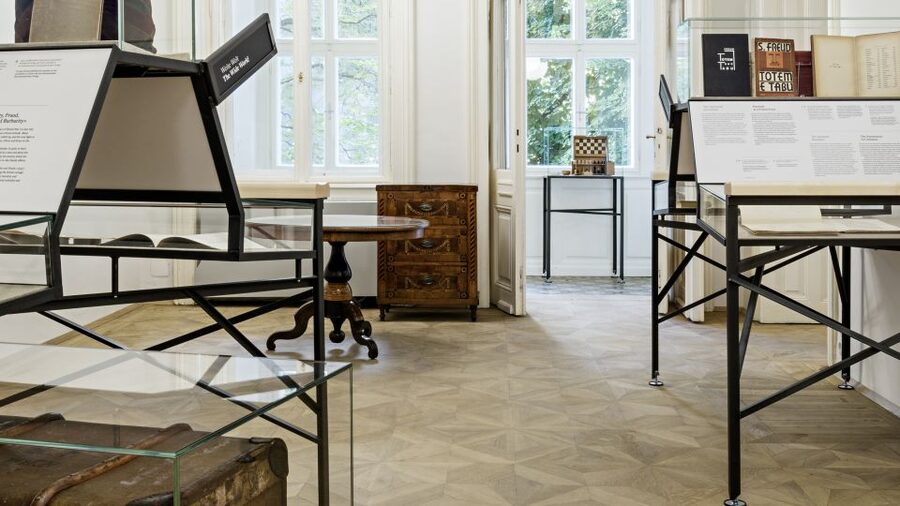
- Freud’s practice rooms: see where he worked for years, not just a timeline behind glass.
- Audio voices of Sigmund and Anna Freud: it adds a human layer that still feels rare.
- AR installation Freud’s Couch: your phone shows the couch’s placement where it once sat.
- A staircase that tells the house story: it connects floors and includes the period after Freud’s expulsion.
- A moving exile gallery: the foyer section focuses on London flight, brother Alexander, and the fate of sisters Rosa, Marie, Pauline, and Adolfine.
Berggasse 19 and the sense of stepping into a real address
This museum starts with a simple fact that makes the visit click fast: Freud’s work was tied to an exact street, an exact building, and an exact way of entering the house. When you arrive at the main entrance and move through the same historic approach, it stops feeling like a generic museum. It feels like you are walking into a workplace.
The location matters too. Berggasse 19 sits in central Vienna, in the intellectual orbit that shaped turn-of-the-century Vienna. The museum uses that setting well. Even before you see the exhibits, you get the feeling that psychoanalysis was not created in a lab somewhere far away. It was built here, among rooms, routines, and people.
Value-wise, this is why an $18 ticket can feel fair. You are not just paying for displays. You are paying for access to the rooms themselves, the audio experience, the film material, and a modern AR layer that turns one famous object into something you can locate with your phone.
More Habsburg-era halls and hangings:
- Vienna: Skip-the-Line Sisi Museum, Hofburg and Gardens Tour
★ 4.8 · 5,918 reviews - Vienna Kunsthistorisches Museum Day Admission Ticket
★ 4.6 · 3,690 reviews - Tickets for the Albertina Exhibitions
★ 4.7 · 2,126 reviews - Vienna: Chocolate Workshop in Chocolate Museum w/ Tasting
★ 4.5 · 1,802 reviews
Freud’s private rooms and office, where practice and life overlap
The museum’s core power is the way it blends Freud’s professional and personal spaces. You enter the mezzanine level through the historic steps route. That matters because the layout guides you from living spaces into working spaces, instead of treating them as separate worlds.
In the private rooms, you can see how the Freuds lived. That includes biographical angles that go beyond the famous theories. You start noticing the household as a system: people, objects, and day-to-day realities that would have shaped Freud’s thinking. For me, that changes the tone. Psychoanalysis becomes less like a distant doctrine and more like something developed inside a real life.
Then you move into the office experience. The former office is where the museum really leans into the “this is where the work happened” feeling. You are shown Freud’s professional stations through exhibits that include material such as rare first editions, offprints, and presentation copies tied to his theoretical work. These are not just framed excerpts. They help you picture how his ideas circulated, revised, and shared.
One practical note: if you want to keep it orderly, plan to give yourself time. The museum is arranged so you will naturally drift between themes, and some rooms can be visually subtle.
Audio voices and 1930s film: the museum’s best way to make Freud feel human
A standout feature is the recorded audio experience with voices of Sigmund and Anna Freud. Hearing them changes the emotional temperature of the visit. Freud is often portrayed as a towering mind. The recordings shift that toward a person speaking in a way that feels intimate rather than staged.
The museum also includes unique Freud family videos from the 1930s. That is a special kind of time machine, because it shows family life rather than only work life. It helps you connect psychoanalysis to a household timeline, including the era when the world around them was becoming more dangerous.
I also like the way the museum mixes learning formats. You get film material, print items, and room-based exhibits. That combination keeps your brain from getting stuck in lecture mode.
Freud’s Couch AR: find the famous piece with your phone
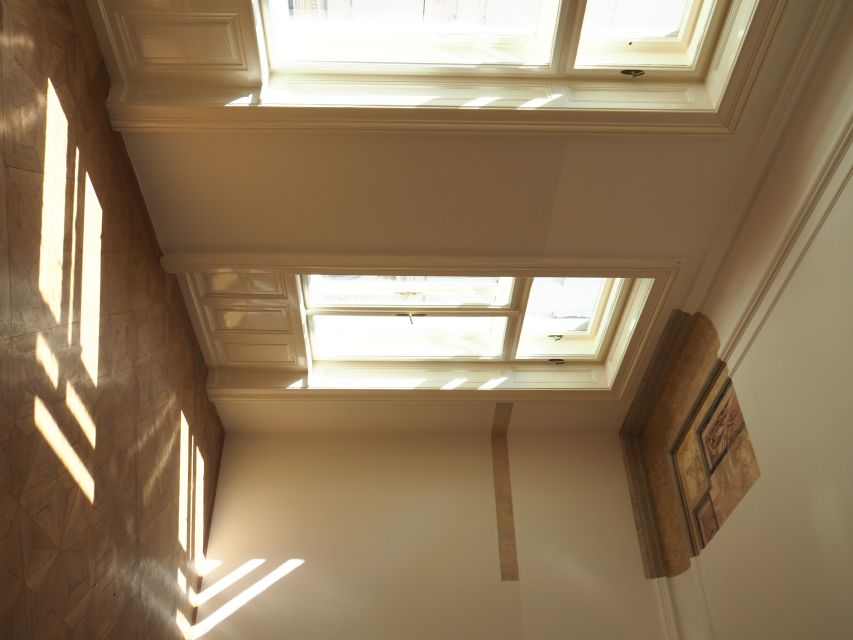
One of the most fun and surprisingly effective parts is the AR installation called Freud’s Couch. You use your phone to start it and then experience it right where the couch used to sit.
This is the key advantage of AR in a museum like this: you do not just learn that an object existed. You learn where it belonged. It turns an icon into a spatial memory. You begin to imagine the flow of visits, the vantage points, and why that particular chair or couch became part of psychoanalytic storytelling.
The catch is simple: you need your phone and you will want it charged. If you arrive with a low battery, that modern feature becomes the first thing you lose. So, throw your charger in your day bag or at least make sure you can run the installation without stress.
Held over another night in Vienna



The house story on the staircase, then the hard turn into exile
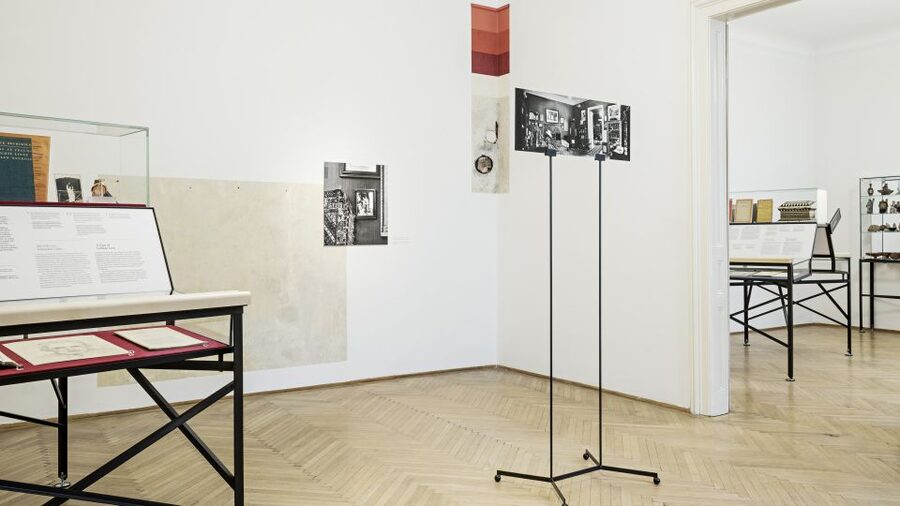
As you move through the museum, you will notice the building is not just a set of rooms. There’s a newly built staircase that connects all floors and recounts the history of the house and its occupants. That structure keeps the experience from turning into random browsing.
The museum does not stop at Freud’s success. It covers the period following his expulsion and the Nazi-era violence tied to the house at Berggasse 19. You learn how Jews were collected at this address during that time. It is direct and heavy, and it is also part of why this museum feels morally serious, not just educational.
There’s also a separate section on the gallery in the foyer that focuses on Freud’s flight into exile in London with his closest family. The exhibits address his brother Alexander and the fate of his sisters Rosa, Marie, Pauline, and Adolfine, including that their lives ended in Nazi extermination camps.
If you are visiting with anyone who gets emotionally overwhelmed easily, I’d plan a slower pace here. This section is where the museum stops being about ideas and becomes about lives that were shattered. Give yourself enough time to read and process.
Hidden Thoughts of a Visual Nature in Freud’s former office
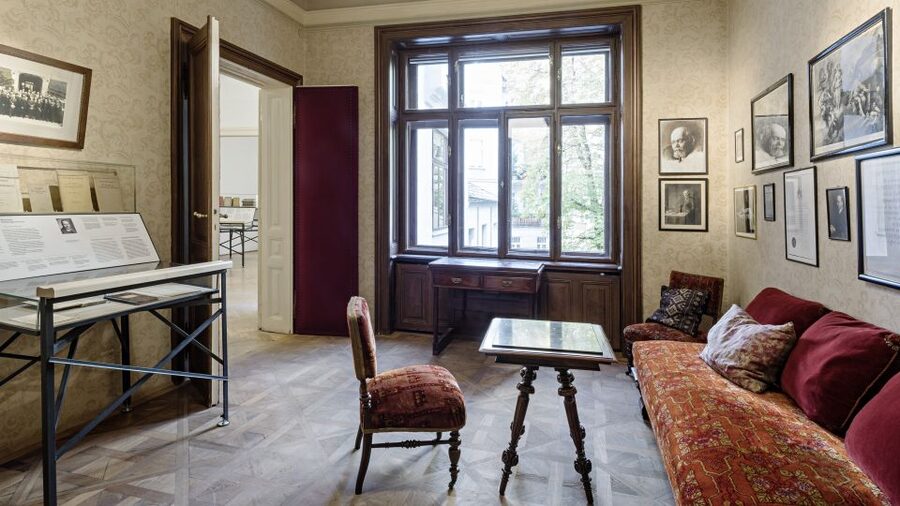
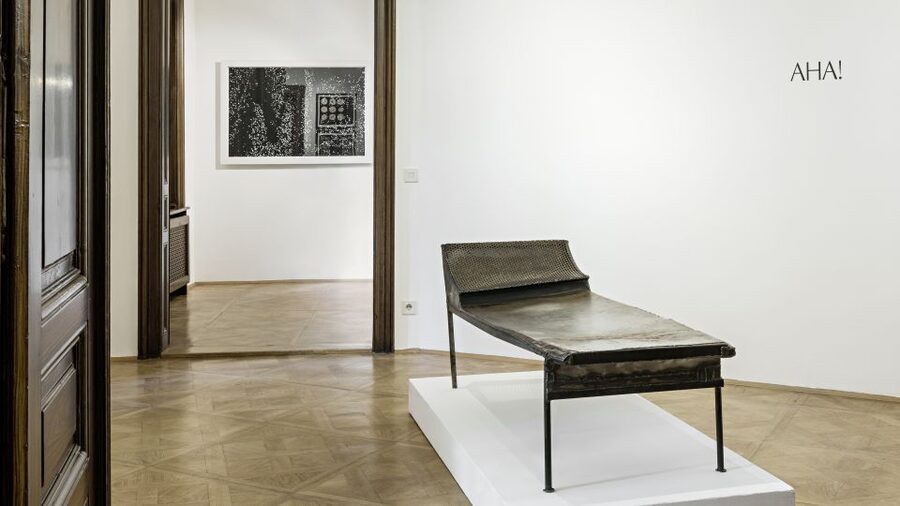
One of the more interesting surprises is that the museum includes a conceptual art layer within Freud’s former office. The permanent exhibition is titled Hidden Thoughts of a Visual Nature, featuring selected works from the Sigmund Freud Museum collection of conceptual art.
The museum shows works by artists including John Baldessari, Joseph Kosuth, Susan Hiller, Franz West, Haim Steinbach, and others. For me, that pairing makes sense. Psychoanalysis is about interpretation, patterns, and hidden meaning. Conceptual art often plays in that same space.
So rather than treating Freud as a single-author chapter in psychology history, the museum shows how his influence ripples into visual thinking and modern art language. It’s not required to be an art fan to enjoy it. You just have to let the connection sit for a minute.
Planning your one-day visit: pacing, lighting, and what to prioritize
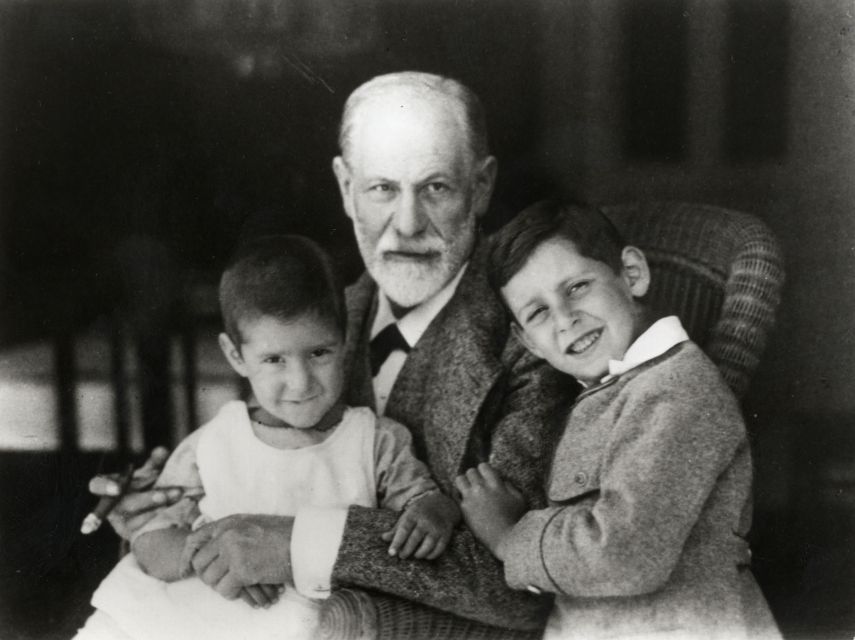
This ticket is for a one-day visit, and you can shape your route. In practice, many people spend about 1.5 hours to almost 3 hours, depending on how slowly you read and how much you pause for audio and AR.
If you like a quieter experience, choose an earlier time slot when possible. One review mentioned that an 11am entry stayed calm enough to enjoy without large crowds, then got busier later.
Also plan for heat. At least one visitor noted it can get very hot inside during warm weather. That matters because when you are reading carefully, you want comfort. Dress in breathable layers so you can stay focused instead of sweating through the captions.
About lighting: one drawback that came up is that some rooms feel poorly lit. That does not mean it is impossible to enjoy. It means you should avoid rushing and instead give yourself permission to slow down, so text and details do not become a strain.
A small but helpful mental trick: prioritize your “must-dos” first. For me, that would be the audio voices and the AR couch. Then I would do the office and the staircase story. Save the conceptual art room and shop time for after, when you are ready to transition from emotion to reflection and back to normal life.
Price, value, and what you can do after the museum
At $18 per person, you are paying for several things at once: historic room access, archival objects like first editions and offprints, voice recordings, AR, video material, and an exhibit structure that includes both the intellectual and the tragic historical parts.
If you compare that to many Vienna museums that are mostly item displays behind glass, the value here often feels better because you are inside the environment itself. The rooms give you scale. The audio gives you presence. The AR gives you location. Together, that makes the ticket price easier to justify.
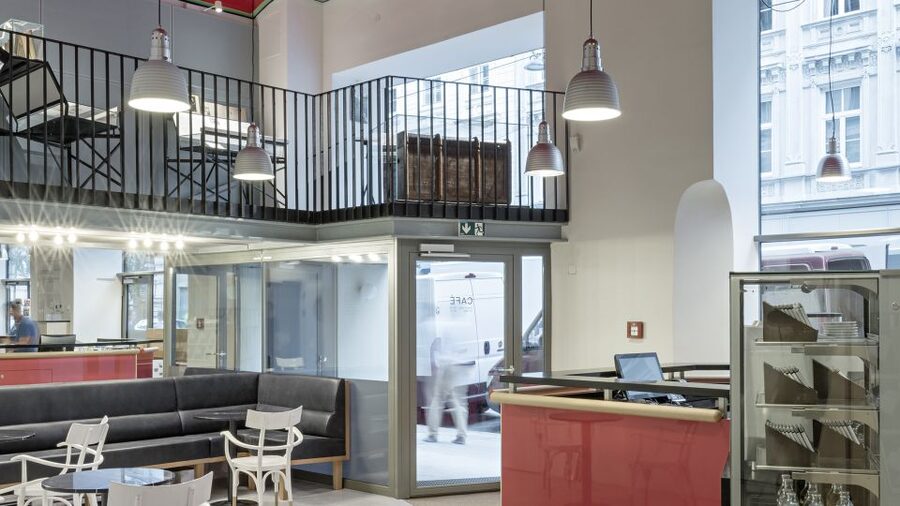
When you finish, end in the museum shop and café. The café offers an original Viennese coffee with cake, and there is also the option of Viennese wine. It’s a nice landing spot because it lets your brain shift from the heavy exile section to something simple and local.
The shop also adds one extra reason people linger. For younger visitors, there were puzzle stickers hidden in each room that reveal Freud’s dog, and there was even mention of a board game in the shop that was tempting for adults as well. If you have kids or you just enjoy playful learning, that can make the visit feel lighter without minimizing the serious parts.
Who should buy a Sigmund Freud Museum ticket
This is a strong choice if you:
- care about psychology history but also want context around family and daily life
- like museums where you walk through the actual rooms instead of only reading panels
- want modern features like AR and audio, not just static exhibits
- appreciate the contrast between intellectual achievements and historical consequences
It may be less ideal if you:
- hate reading captions and prefer minimal text
- need very bright, easy-to-see exhibits, since some areas can feel dim
- get easily overwhelmed by sections that discuss Nazi violence and the fate of Freud’s family
Should you book this ticket for Vienna?
If you are deciding whether to spend your time on Freud’s house in Vienna, I’d book it if you want a visit that is both thoughtful and real. The combination of rooms where Freud lived and worked, the audio voices, the AR Freud’s Couch placement, and the way the museum includes exile history makes this more than a quick stop.
But if you only want light, feel-good culture, this museum will ask you to sit with uncomfortable facts. The upside is that it does it with care: it gives you context, real artifacts, and the human side that most textbooks miss.
If you go, plan on slowing down, bring a charged phone for the AR, and give yourself enough time to read. This is one of those places where your mood changes as you move through the building. The best part is that it changes because the story is actually there, in the rooms.
FAQ
Where is the Sigmund Freud Museum ticket voucher redeemed?
Present your ticket voucher at the main entrance of the Sigmund Freud Museum.
How long is the visit?
The ticket is valid for 1 day.
Is there a skip-the-line option?
Yes, the ticket includes skip the ticket line.
Can I take photos with flash?
No, flash photography is not allowed.
Do I need my phone for the AR experience?
Yes, you use your phone to start the AR installation Freud’s Couch.
Is the museum wheelchair accessible?
Yes, it is wheelchair accessible.
How long do you need to plan for the visit?
It depends on your pace. Some people spent about 1.5 hours, while others spent almost 3 hours.
Can I cancel if my plans change?
Free cancellation is available up to 24 hours in advance for a full refund.
Just added to the bill for Vienna






Museums, compared.

Skip-the-Line Sisi Museum, Hofburg and Gardens Tour
Read our review →
Vienna Kunsthistorisches Museum Day Admission Ticket
Read our review →

Chocolate Workshop in Chocolate Museum w/ Tasting
Read our review →
St. Stephen’s Cathedral & Dom Museum Wien Tickets
Read our review →
Browse the lists this tour appears in