
REVIEW · MOZART & CLASSICAL CONCERT EVENINGS
Vienna: Classical Concert in St. Anne’s Church (Annakirche)
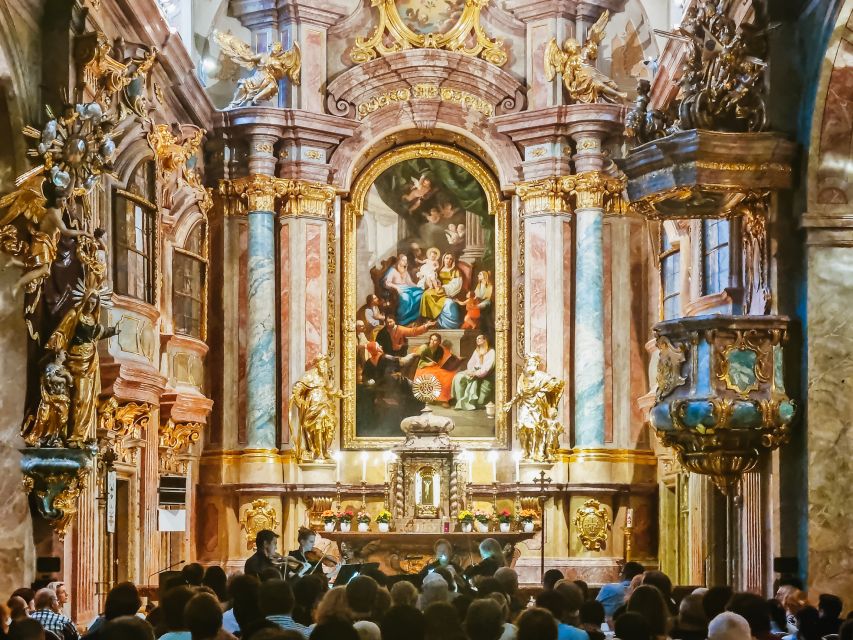
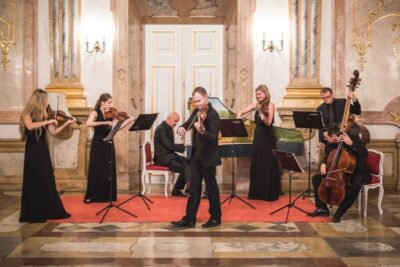
A small church can change your whole evening. I love how this Vienna classical concert turns St. Anne’s Church into a listening room, with Baroque atmosphere and seriously good sound. You get a string ensemble program built around the Viennese Classic Era, played in period style that makes familiar composers feel freshly alive.
I also like the focus on period instruments from Mozart and Schubert’s time. The musicians use the textures you would expect from that era, including older string sounds, not just a modern performance in costume.
One consideration: seating is free and first come. If you want a great sightline to the players, you’ll need to arrive early.
In This Review
- Key things I’d pay attention to
- St. Anne’s Church (Annakirche), a Baroque room made for listening
- Period instruments: what changes when the sound is from the era
- The 8:00 PM 70-minute program, and how to enjoy it
- Seating and timing: how to get a better view in a small church
- Music in a city center: making this your easy Vienna evening plan
- Price and value: why $38 can feel like a bargain
- Should you book this Vienna classical concert at Annakirche?
- FAQ
- Where is St. Anne’s Church (Annakirche) and how do I get there?
- What time does the concert start?
- How long is the concert?
- How does seating work?
- What music will be played?
- What instruments are used?
- Is the church heated?
- How much does it cost?
- Is recording allowed during the concert?
Key things I’d pay attention to
- St. Anne’s Church acoustics: The room itself does a lot of the work for you.
- Period-instrument sound: Older string and bow textures make the music feel different.
- 70 minutes, evening start at 8:00 PM: A perfect, focused plan after a sightseeing day.
- Free seating: Early arrival is your best friend for a good view.
- Short format for beginners: You can enjoy Mozart or Haydn even if you are not a classical superfan.
- Heated church in winter: Comfort matters when you are sitting and listening closely.
St. Anne’s Church (Annakirche), a Baroque room made for listening
This is the kind of concert where the venue is not just a backdrop. St. Anne’s Church, or Annakirche, is right in Vienna’s pedestrian heart, about a 3-minute walk from Vienna State Opera, with Karlsplatz and Stephansplatz underground stations also about 5 minutes on foot. That puts it in the sweet spot for an evening plan, close to major sights without needing extra transport steps.
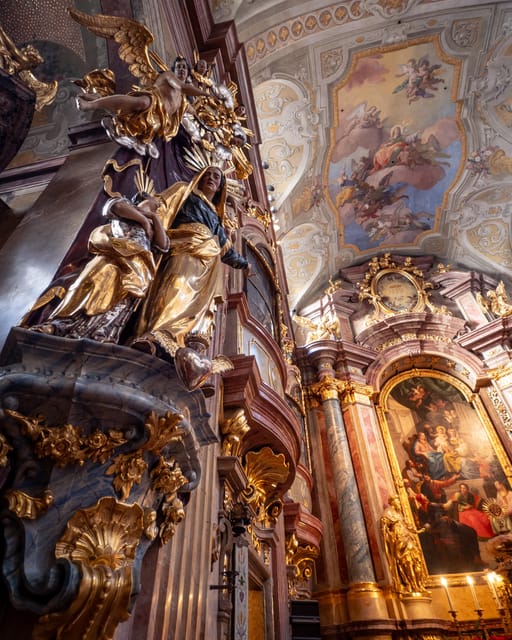
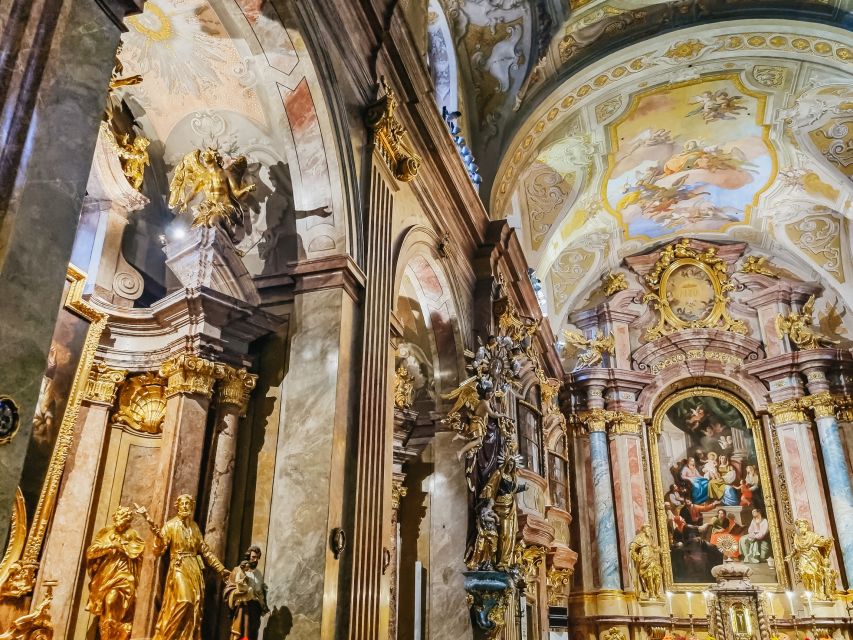
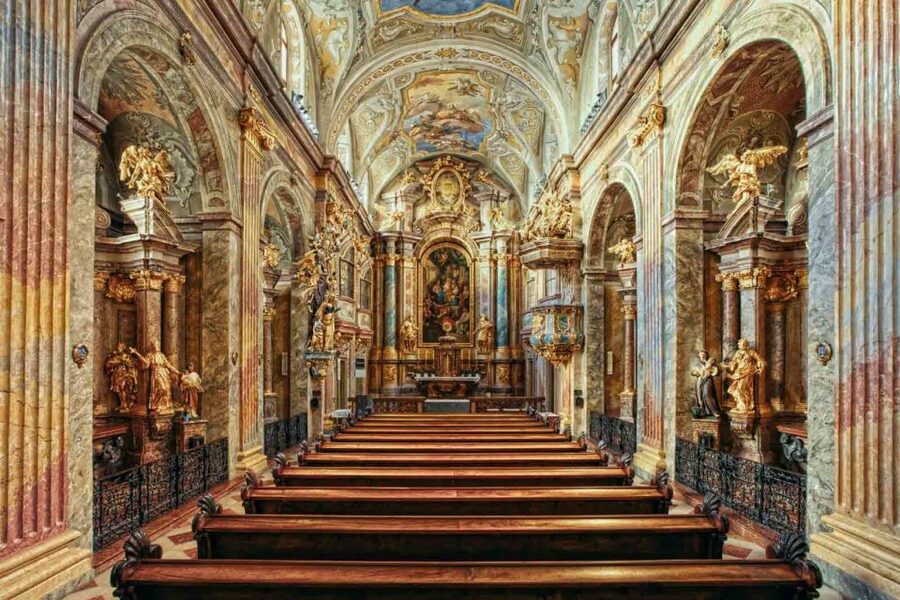
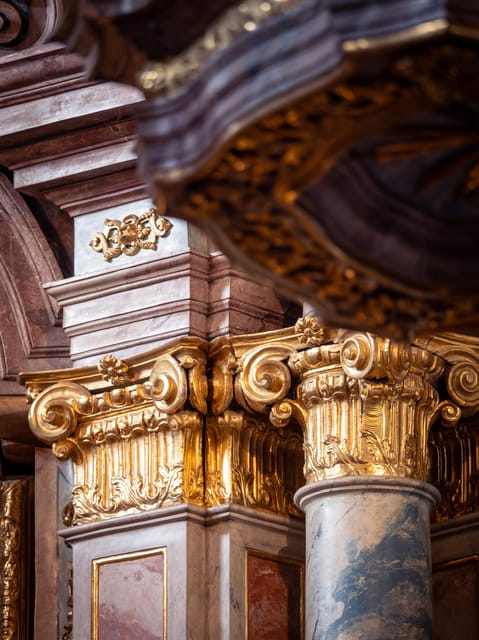
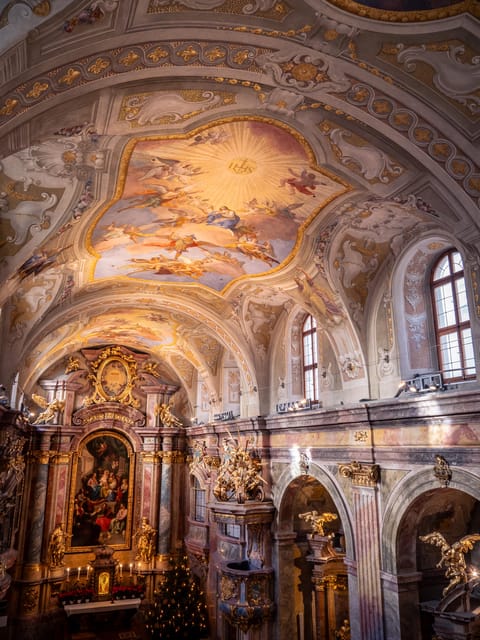
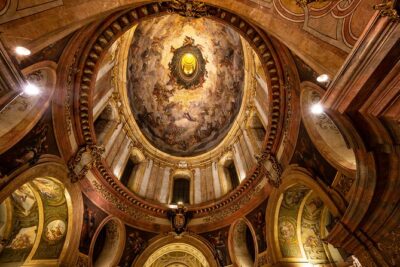
Inside, you get that Baroque church feeling: rich ornamentation, a sense of closeness, and a space that helps sound travel clearly. The big practical win is the acoustics. In a place like this, a string ensemble does not just play at you, the notes seem to expand through the room, so the music stays detailed even though you are sitting farther back.
The church is heated in the cold months. That matters more than you might think. A 70-minute concert is not short, and in winter, comfort keeps your attention on the music instead of your scarf and shifting knees.
More evenings of Mozart and strings:
- Vienna: Vivaldi’s Four Seasons Concert in Karlskirche
★ 4.7 · 14,951 reviews - Vienna: Classical Concert in the World-Famous Musikverein
★ 4.6 · 6,673 reviews - Vienna: Mozart Concert at the Musikverein – Golden Hall
★ 4.6 · 5,194 reviews - Vienna: Mozart and Strauss Concert at Schönbrunn
★ 4.5 · 2,967 reviews
Period instruments: what changes when the sound is from the era
The concert promises music played on instruments from the time of Mozart and Schubert. That is not marketing fluff. Period instruments affect how strings speak, how bows articulate, and how fast notes bloom and fade.
In the past, you might have heard modern string sounds that are smooth and predictable. Here, the goal is closer to what audiences heard in the Viennese Classic Era. Some performances in this series are noted for using older-string textures, including gut instead of more modern strings. Even if you are not the kind of person who counts the differences, your ears will notice the character: a more historical kind of resonance and a slightly different edge to the attack.
I think this is one of the best ways to experience “classical music authenticity” without getting technical. You are still hearing Mozart, Haydn, Beethoven, or Schubert. The difference is that the playing style and instrument setup help you hear the music’s architecture, like how lines connect and how harmonies settle.
The 8:00 PM 70-minute program, and how to enjoy it
Concerts begin at 8:00 PM and run for 70 minutes. That makes it ideal when you want something culture-forward, but you still want your night free afterward for dinner or a stroll.
The program structure is centered on complete works. Depending on the night, you might hear complete works by Mozart, Haydn, Beethoven, or Schubert, performed by a string ensemble. In practice, that usually means you get a start to finish arc, not a bunch of brief excerpts. This matters for your enjoyment because full works give the music time to build, contrast sections, and land emotionally.
You also get a free concert program. If you want to follow along, use it before the lights fully settle. Even a quick scan helps you know what comes next, and it turns the concert into something more than background sound.
If you are new to classical music, you are not stuck trying to figure everything out. The pieces are famous for a reason. And with four musicians in a church with excellent acoustics, the music stays clear enough that you can follow it even if you are not reading every detail.
Seating and timing: how to get a better view in a small church
This concert uses free seating. That means you are choosing your own spot, and the earlier you arrive, the better your chances.
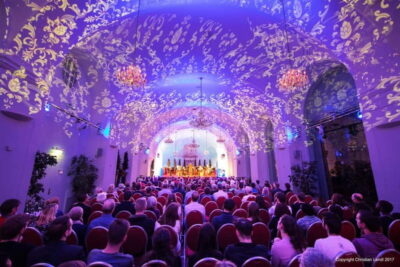
A smart rule here is to show up about 30 to 40 minutes before 8:00 PM. Why? The church is relatively small, and the ensemble is close enough that your sightline matters. In some seating areas, you might not see the performers as well if they are positioned slightly low or the angle is tight. Getting to the front makes the musicians more visible and makes the whole experience feel more immediate.
Also keep in mind that a church concert can get interrupted by normal human behavior. If someone chats nearby or snores, it is just harder to ignore. Your best defense is location choice and an early arrival so you can pick a calmer spot.
One more comfort note: people have suggested that the side seating can be less comfortable than other areas, so if you have options once you arrive, pick seats that feel good for your back and neck for the full hour plus.
Held over another night in Vienna
Music in a city center: making this your easy Vienna evening plan
Vienna can wear you out. This is a simple evening win because it is near major transport and sights. The church sits in the pedestrian zone, roughly 3 minutes on foot from Vienna State Opera, and about 5 minutes from both Karlsplatz and Stephansplatz underground stations.
That means you can build a low-stress evening:
- Pre-concert, you can wander the area around the opera and nearby streets without worrying about a long commute.
- After the concert, you can head straight to dinner while the music is still in your ears.
Since the concert is 70 minutes, you also avoid the trap of an all-night plan. You still get a real cultural moment, but you are not committing to hours of uncertainty.
And if you are traveling with someone who is less into classical music, this is one of the more approachable formats. A string ensemble in a beautiful church setting helps. You are not dealing with a massive production, but you are still getting real craftsmanship and live interaction with the space.
Price and value: why $38 can feel like a bargain
At $38 per person for a 70-minute live concert in a landmark central venue, this often feels like strong value. You are paying for a few things at once: a Baroque church atmosphere, excellent acoustics, a professional string ensemble from the Vienna orchestral world, and period-instrument performance style.
If you compare that to big-ticket music options, the price sensitivity makes sense. Here, the format is focused and short. You get a genuine concert experience without needing to spend a night’s budget to do it.
In addition, you are not giving up convenience. The venue’s location helps you fit the concert into your existing route. A good value activity is not only about cost, it is about whether it reduces friction. This one is easy to reach and easy to schedule.
Should you book this Vienna classical concert at Annakirche?
Book it if you want:
- A short, high-impact classical night at 8:00 PM
- A close-up string quartet style listening experience in a Baroque church
- Mozart, Haydn, Beethoven, or Schubert performed with period instruments
- A plan that works even if you are not a hardcore classical fan
Skip it or think twice if:
- You need assigned seating or a guaranteed view. Free seating means you must arrive early for the best angles.
- You strongly prefer large-scale orchestral concerts. This is focused on strings, not a full symphonic sound.
- You are easily distracted by noise. In any shared space, someone can misbehave, so choose your seats carefully.
If you are aiming for a memorable Vienna moment that feels authentic without turning your day into a complicated itinerary, this is an excellent choice.
FAQ
Where is St. Anne’s Church (Annakirche) and how do I get there?
It is located at Annagasse 3b in the heart of Vienna. It is about a 3-minute walk from Vienna State Opera, and around 5 minutes on foot from the Karlsplatz and Stephansplatz underground stations.
What time does the concert start?
Concerts begin at 8:00 PM.
How long is the concert?
The duration is about 70 minutes.
How does seating work?
The ticket includes free seating in the venue, so you can choose where to sit when you arrive. A free concert program is also included.
What music will be played?
The program includes complete works by composers such as Mozart, Haydn, Beethoven, or Schubert, performed by a string ensemble.
What instruments are used?
The music is played on instruments from the time of Mozart and Schubert, aiming to recreate the sound of the Viennese Classic Era.
Is the church heated?
Yes, St. Anne’s Church is heated in the cold months of the year.
How much does it cost?
The price is $38 per person.
Is recording allowed during the concert?
One note to know is that recording is not allowed during the performance, and flash disruptions can happen if someone tries to record.
Just added to the bill for Vienna

Mozart & Classical Concert Evenings, compared.
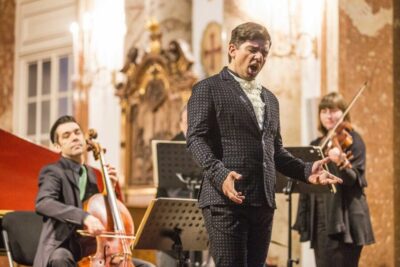
Vivaldi’s Four Seasons Concert in Karlskirche
Read our review →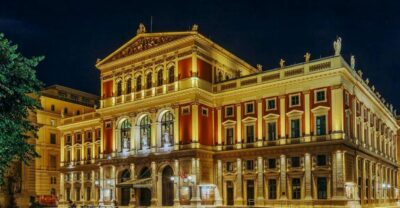
Classical Concert in the World-Famous Musikverein
Read our review →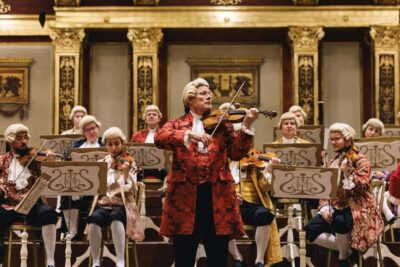
Mozart Concert at the Musikverein – Golden Hall
Read our review →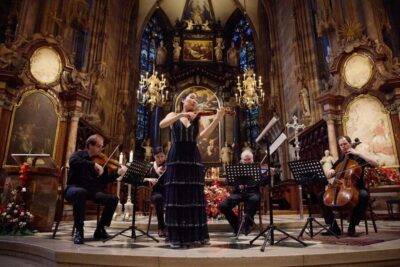
Vienna Classical Concert at St. Peter’s Church
Read our review →Browse the lists this tour appears in