
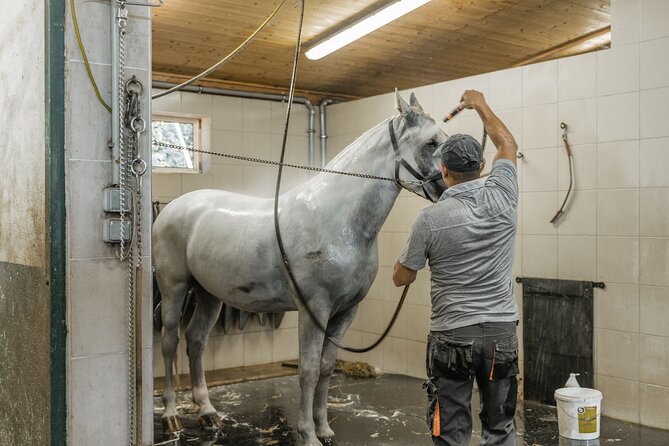
REVIEW · HORSES
Vienna Horse-drawn Carriage Guided Tour
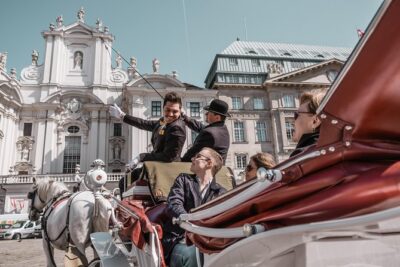
A horse carriage starts with the stables. That is what makes this Vienna experience feel more like a behind-the-scenes day than just another loop around town. I love that you begin with the Fiakers first, including guided time around the horses and coachmen routines, before you hop in the carriage.
The best part is how clearly the staff explain what they do, and how easy it is to ask questions in English (and sometimes also in German). I also appreciate the family-friendly vibe, including practical notes like the carriage handling a small stroller. The one drawback to keep in mind is that the ride from the stables to central Vienna is not a guided walk through major sights the whole time, so plan for the most detailed storytelling at the stables rather than onboard.
In This Review
- Key Points You’ll Care About
- Fiaker Stables First, Not Just a Quick Carriage Ride
- Meeting at Rappachgasse 34A and What to Expect Before You Roll
- The Horses and Coachmen Routine: Why This Part Feels Authentic
- The Carriage Ride Through Vienna’s 11th District
- Belvedere Area: From Suburbs to City-Class Buildings
- Ringstraße Boulevard and the Opera Ball Context
- Hofburg Place: Why This Segment Is a Real Payoff
- Timing, Duration, and What 90 Minutes Really Means
- Price and Value: What $39.16 Buys You in Vienna
- Comfort and Practical Tips: Strollers, Photos, and Being Ready
- Who Should Book This Fiaker Tour?
- Should You Book? My Decision Guide
- FAQ
- How long is the Vienna horse-drawn carriage guided tour?
- Where does the tour start and where does it end?
- What time does the tour depart?
- Is the tour in English?
- What is included in the tour price?
- Are there snacks provided?
Key Points You’ll Care About
- Fiaker stables first: You start with the working world of Vienna’s carriage horses, not a quick photo line.
- You get close to the horses: Expect guided time that can include extra interaction, depending on how the session runs.
- English available: Explanations are offered in English, and some days add German as well.
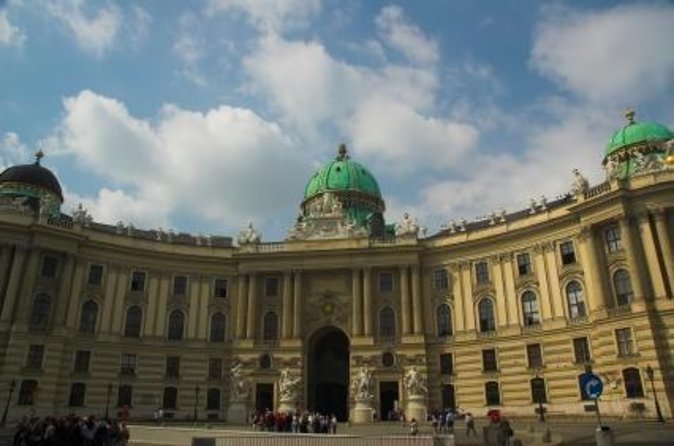
- Route passes classic sights: You ride toward Belvedere area, then along the Ringstraße corridor, and finish near central landmarks.
- Small group size: With a maximum of 20 travelers, the experience stays relaxed.
- Value comes from the mix: You’re paying for stable education plus the ride, not only a city-center carriage tour.
Fiaker Stables First, Not Just a Quick Carriage Ride
If you think you already know what a horse carriage in Vienna looks like, this one changes the angle. You start at the stables connected to the city’s famous Fiaker tradition, where the focus is on the daily job of keeping horses healthy, harnesses ready, and carriages prepared.
What I like about starting here is that it gives you context fast. After you learn how the operation works, Vienna’s carriage culture stops feeling like a souvenir and starts feeling like a real craft. And when you actually hear hooves outside, it hits different because you understand the routine behind it.
The stable portion also tends to be the most “story” part of the day. One consistent theme in the experience is the care shown to the animals, plus clear explanations of training and carriage work. That is exactly what you want on a first carriage experience in Vienna, especially if you are traveling with kids.
Held over another night in Vienna
- Vienna: Secrets of the Fiaker & Horse-Drawn Carriage Ride
★ 4.8 · 743 reviews - Vienna: Culinary Horse-Drawn Carriage Experience
★ 4.7 · 291 reviews - Vienna Horse-Drawn Carriage Ride with Sparkling Wine and Food
★ 5.0 · 44 reviews - Christmas Horse-Drawn Sleigh/Carriage Ride from Salzburg
★ 4.5 · 154 reviews
Meeting at Rappachgasse 34A and What to Expect Before You Roll
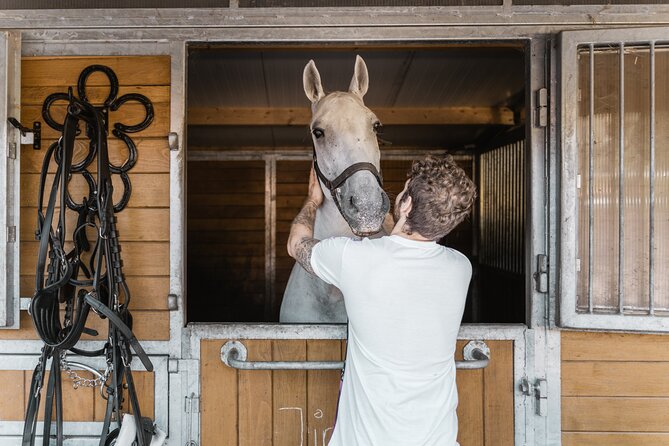
You meet at Rappachgasse 34A, 1110 Wien, and the start time is 8:45 am. The location is not in the middle of the famous sights, and that is a good thing. It means you’re doing something slightly off the main tourist route, with less rush and more time to focus.
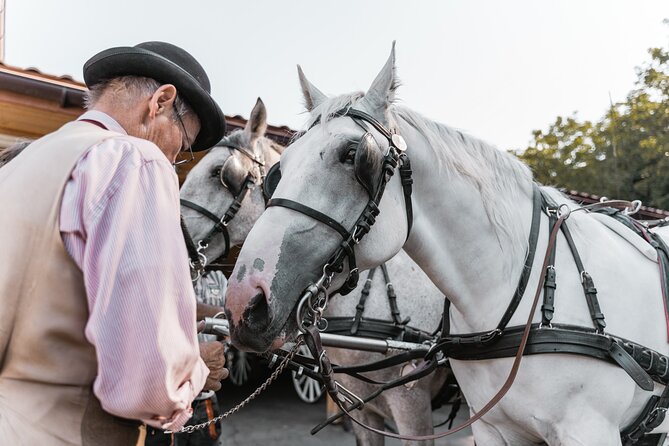
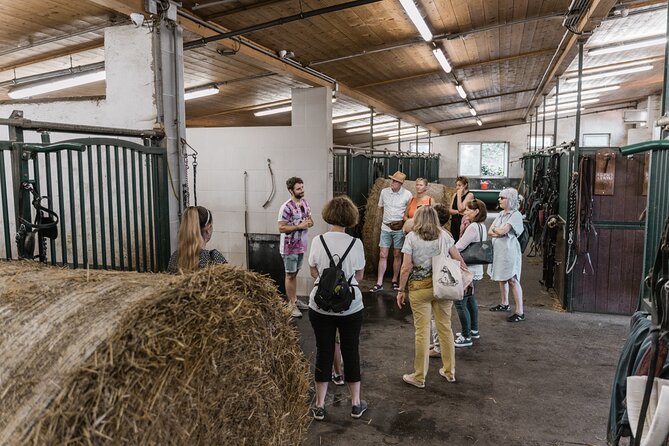
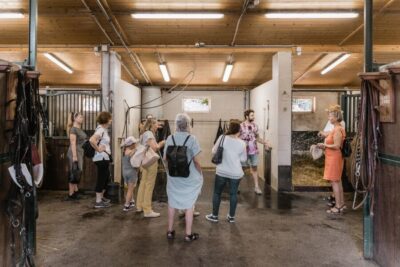
You’ll likely begin with a guided look at what makes the Fiaker operation work. Based on the way the tour is run, expect to see how carriages are readied and how horses are fitted with harnesses. This is not just “here are the horses,” it is the practical process behind the scenes.
Then comes the part families love. People often mention the stables are well kept, and the horses look cared for and in good condition. You also may get time close enough for the kind of photos you cannot take from far away on a central street. If you are a horse person, you’ll appreciate how much attention goes to their welfare.
The stable segment is scheduled for about 30 minutes. That short-and-focused length matters. You get the key info without turning it into an all-morning chore.
The Horses and Coachmen Routine: Why This Part Feels Authentic
Vienna’s carriage horses are not decorative. They are working animals with a routine. This tour is built around that reality, and that is why it feels authentic.
At the stable, you get insights into daily tasks involving both coachmen and horses. You learn how training and routine fit together, and you hear explanations that help you understand why the operation looks the way it does. If you care about animal welfare, this is a major reason to choose this option rather than only booking a city-center ride.
I also like that questions are actively welcomed. Some sessions run explanations in both German and English, which can add time but also gives you extra listening practice. If you only want English, know that the format can vary day to day, so it is smart to double-check with the operator when you book.
The Carriage Ride Through Vienna’s 11th District
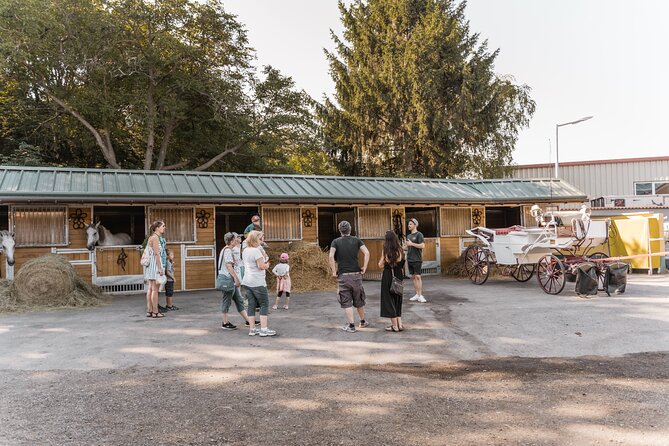
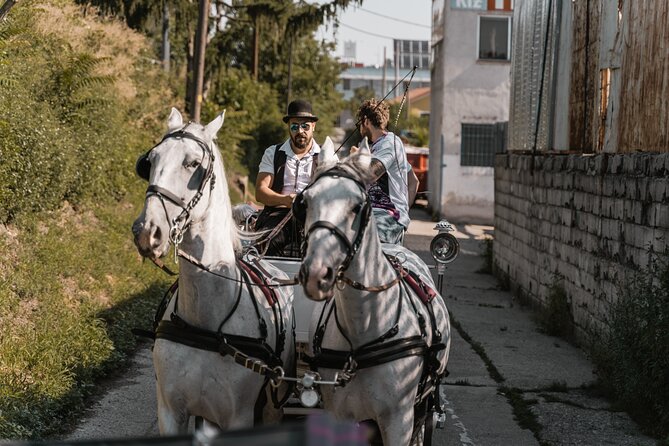
Once you board, your carriage starts moving from the stable area through the suburbs of Vienna’s 11th district. The goal here is not a perfect “storybook Vienna” postcard every second. It is a longer connection between the working stables and the city sights.
What you get instead is a more realistic slice of Vienna: modern and classic buildings mixed together, plus everyday streets that feel like the city beyond the main monuments. The tour itinerary even highlights this district as a cultural melting point, with a variety of shops along the way.
This segment is also why you should set expectations for the ride portion. The storytelling weight tends to be heavier at the stables. On the carriage ride, you will be enjoying the movement, the sound of hooves, and the changing scenery, rather than expecting a full guided lecture every mile.
After the interval, more from Vienna:
Belvedere Area: From Suburbs to City-Class Buildings
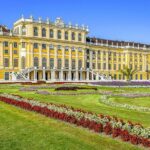
As you continue, you reach the Schloss Belvedere area in Vienna’s 3rd district. The tour framing suggests a noticeable shift, with the city feel getting more elegant once you approach central zones.
From the carriage seat, you get a gentle “transition” moment: less industrial, more grand, more palace-like. Even if you do not stop to walk inside Belvedere (the itinerary describes passing reaches, not ticketed entry), it gives you a visual waypoint to anchor your Vienna day.
If you are building a first-day route, this is a practical benefit. You start the morning off-center, then gradually move toward the iconic core. By the time you’re done, you are positioned to keep exploring without a long transfer.
Ringstraße Boulevard and the Opera Ball Context
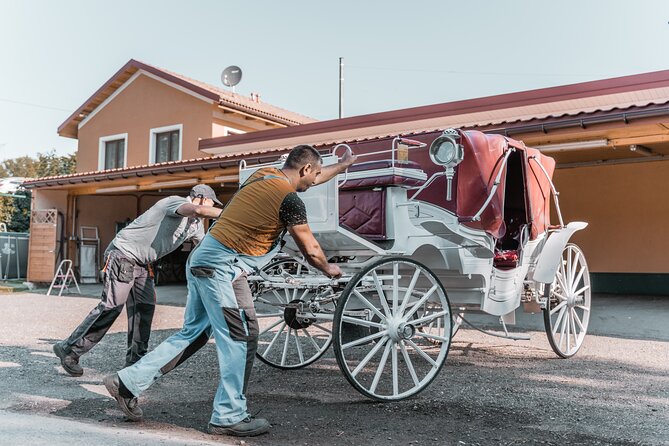
Next up is the Ringstraße Boulevard, Vienna’s grand boulevard line known for major palaces and elegant buildings. A highlight called out in the route is the Viennese State Opera, including a note about the Opera ball tradition.
From the carriage, you get a classic city view rhythm: the Ringstraße has that “big building, wide street, ceremonial feel” quality. You see why people describe Vienna as grand even when you are not inside a museum.
Just remember the carriage is moving. You will see and photograph from the seat, but you will not get the same close detail as walking up to façades. Think of this as orientation plus atmosphere. If you want close-up architecture photos later, you can do that after your drop-off.
Hofburg Place: Why This Segment Is a Real Payoff
The tour’s ride culminates around Hofburg Place, identified as the highlight. The Hofburg complex is the former royal palace, and the itinerary notes the variety of parts you see while passing through the area.
This is the moment where the carriage ride starts to feel like more than transportation. It is a visual summary of why the Ringstraße and the central districts matter. Even if the ride segment is not a full narrated walkthrough of every stop, the royal-palace setting reads instantly from a carriage seat.
It is also a good place to slow your photo frenzy. Hofburg and the surrounding core can tempt you into snapping everything at once. Pick your angles, then enjoy the ride for a few minutes without the phone.
Timing, Duration, and What 90 Minutes Really Means
The overall duration is about 1 hour 30 minutes. You start with roughly 30 minutes at the stables, and the rest is the carriage transfer and central approach.
Why this matters: the ride portion is longer than a quick city loop, but it is not trying to be an all-day tour. If you are visiting Vienna on a packed schedule, this gives you a classic experience without consuming your whole morning or evening.
It also matters for kids. One review-style theme is that the experience is family-friendly. A 90-minute format is short enough to keep attention, long enough to feel special, and structured enough that children know when something happens next.
Price and Value: What $39.16 Buys You in Vienna
At $39.16 per person, this is priced like a “real experience,” not a premium private fantasy ride. The value comes from the combination of two things:
- Education at the stables (with behind-the-scenes time around the horses and carriage operation)
- A carriage ride that connects you from the stable area into the central sightseeing corridor
The ride route itself is part of the bargain. Some of the scenery along the way is less historic than what you get inside the most famous central streets. That can feel disappointing if you were expecting a guided, architectural tour for the entire time.
Here is the honest way to frame it: you pay for the stable experience and you get the ride as a moving transition into the core. If you want a narration-heavy carriage loop through the historic center the whole time, you might prefer a different carriage option. If you want animal care plus Fiaker routine plus a practical drop-off location, this price is easier to justify.
Comfort and Practical Tips: Strollers, Photos, and Being Ready
A few practical things help this tour feel smoother:
- Stroller reality check: The carriage can accommodate a small stroller easily, so bring it if that is part of your family setup.
- Bring a camera mindset: The best photo opportunities tend to be at the stables, where you can get closer to horses and carriage details. On the road, your photos will be more “as we pass.”
- Plan for mixed commentary: Some sessions use both German and English, which can extend the overall feel. If you are short on time, arrive on the dot.
- Comfort basics: Horse hooves can be louder than you expect on cobblestones. If you have kids sensitive to sound, a quick heads-up helps.
Also, the carriage ride ends in central Vienna at Michaelerplatz or Stephansplatz (inner city). That drop-off is a big deal. You can continue walking to shops, viewpoints, and other sights without needing another long transport step.
Who Should Book This Fiaker Tour?
This tour fits best if you want one or more of these:
- You like animals and want real interaction with a horse-focused stable setting
- You are traveling with kids and want something structured, not random
- You want a first look at Vienna’s Fiaker culture, and you care about how the system works
- You prefer small-group feel, with a maximum of 20 travelers
It is less ideal if your main goal is a highly narrated, stop-and-go city-center carriage tour from start to finish. In that case, focus on stable time and understand that the ride is often more about atmosphere and passing sights than constant site commentary.
Should You Book? My Decision Guide
Book this tour if you want the Fiaker behind-the-scenes angle plus a carriage ride that gets you into central Vienna. The strongest reason is the stable portion, where you learn the routine and see how seriously the operation takes horse care. For the price, you are buying an experience that goes beyond sitting in a carriage for a scenic drive.
Skip it or choose something else if you are expecting a full guided tour of every major landmark while the carriage is moving. This experience tends to be most informative at the stables, then transitions into a ride that can feel more observational.
If you are on your first Vienna trip and you want a memorable morning with a clear endpoint near key attractions, this is a smart pick.
FAQ
How long is the Vienna horse-drawn carriage guided tour?
It runs for about 1 hour 30 minutes.
Where does the tour start and where does it end?
You start at Rappachgasse 34A, 1110 Wien, Austria, and the tour ends in central Vienna at either Michaelerplatz or Stephansplatz.
What time does the tour depart?
The start time is 8:45 am.
Is the tour in English?
English is offered, though some explanations may be given in both German and English depending on the session.
What is included in the tour price?
The tour includes private transportation, and the stable portion is listed with admission ticket free for that stop.
Are there snacks provided?
No, snacks are not included.
Just added to the bill for Vienna
Horses, compared.
Secrets of the Fiaker & Horse-Drawn Carriage Ride
Read our review →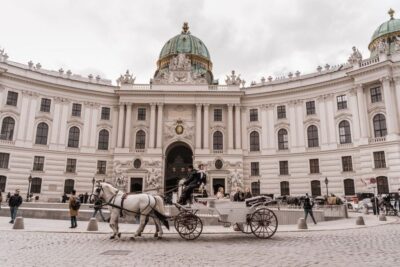
Christmas Horse-Drawn Sleigh/Carriage Ride from Salzburg
Read our review →
Vienna Horse-Drawn Carriage Ride with Sparkling Wine and Food
Read our review →Browse the lists this tour appears in