
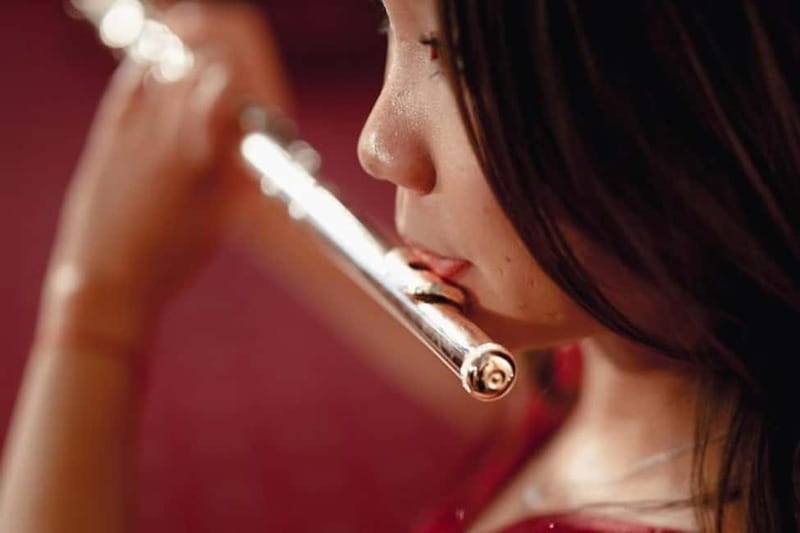
REVIEW · MOZART & CLASSICAL CONCERT EVENINGS
Vienna: Mozart & Strauss Classical Concert at Börse Palace
Mozart and Strauss in a palace setting. This evening pairs the Vienna Residence Orchestra with live opera singers and classical ballet inside the Old Stock Exchange Palace, so you get more than just background music. I like that the program spans famous names and lighter surprises, and I like how the evening feels designed for real people, not just die-hard concert regulars.
What you will enjoy most is the Viennese Classicism focus plus the performance energy, with waltz favorites and recognizable melodies placed next to showpiece vocal and dance moments. The second thing I like is the timing: 90 minutes means you can fit it into your trip without turning your night into a long sit-and-wait marathon. The one caution I would flag is that the venue can change on specific dates, so you should double-check your ticket location before you head out.
In This Review
- Key things to know before you go
- The Old Stock Exchange Palace setting does the heavy lifting
- The 90-minute structure: a fast way to hear the classics
- Vienna Residence Orchestra and Sylvia Moser: what to listen for
- When opera singers and ballet enter the picture
- Seats, sightlines, and comfort: how to pick the right category
- Arrival timing and the interval: small logistics that matter
- Venue changes on specific dates: Konzerthaus and Schubertsaal
- Price and value: is $55 a good deal?
- Who this concert suits best
- Should you book this concert?
- FAQ
- What time do the concerts start?
- How long is the concert?
- Where is the concert held?
- What music is included?
- Are printed programs included?
- Is there a cloakroom?
- Is there an interval during the show?
- Is the event family-friendly?
Key things to know before you go
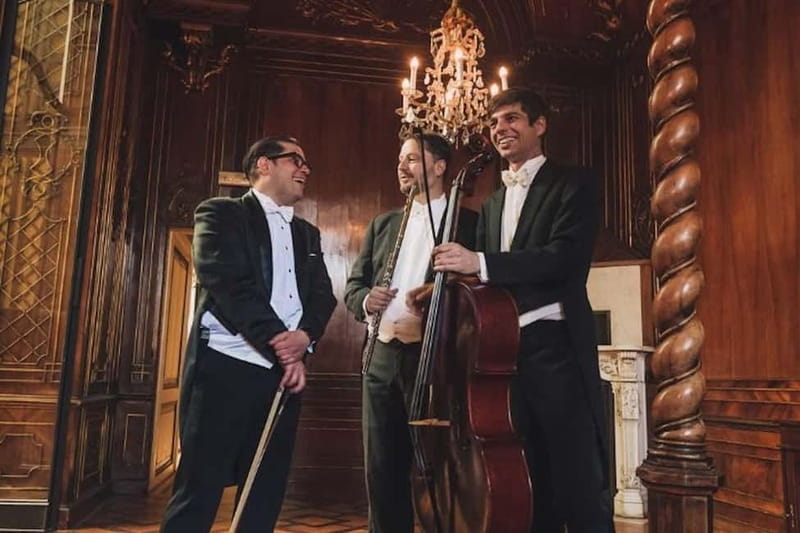
- Old Stock Exchange Palace atmosphere: A historic room built for listening, not wandering.
- Start times every day: Shows run at 6:30 PM and 8:30 PM, giving you an easy plan for your first night or your dinner schedule.
- Mozart, Strauss, and more in one program: Expect favorites plus an occasional curveball from composers like Vivaldi or Haydn.
- Live singers and ballet are part of the show: The music is accompanied by vocalists and dancers, adding variety without turning it into a full opera.
- A short break during the evening: Plan for an interval of about 15 to 20 minutes, so you can reset and return.
- Small-hall feel: Even when seating varies by venue, it tends to be intimate enough that the orchestra feels close.
The Old Stock Exchange Palace setting does the heavy lifting
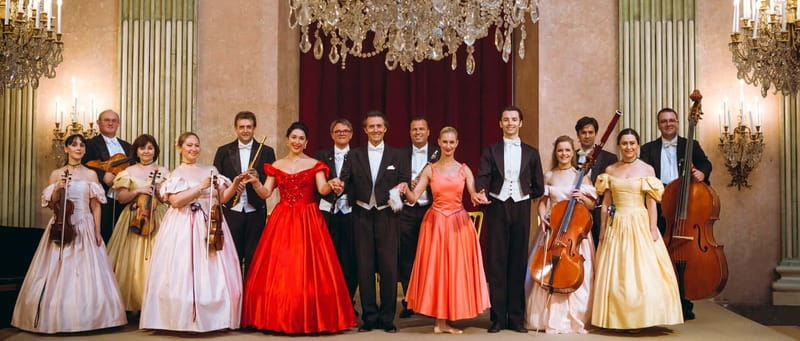
If you like classical music, Vienna is obvious. What is not always obvious is how much your experience depends on the room. This concert happens in the Old Stock Exchange Palace, and the goal is simple: create a refined, stage-forward atmosphere where the orchestra sounds expressive and clear.
In smaller halls, you usually hear more detail. You catch the character in strings, the clean line of woodwinds, and the way a waltz rhythm can feel both graceful and punchy. Several past performances also note excellent acoustics and a polished feel, which is exactly what you want when the music includes everything from Mozart overtures to Strauss waltzes.
One practical note: finding entrances can be confusing. Some people report that the concert entrance is at the back of the building, so don’t assume you will just walk through the front doors like a museum. I recommend arriving with a few extra minutes so you are not rushing, especially if you are navigating at night.
The 90-minute structure: a fast way to hear the classics
This is not a marathon concert. The total time is 90 minutes, and that matters because it keeps the evening tight and listenable. You will get a mixture of instrumental, vocal, and dance highlights, and the pacing tends to stay friendly rather than stiff.
A typical program excerpt can include pieces like:
- Antonio Vivaldi, a movement from The Four Seasons (season-dependent)
- W.A. Mozart, A Little Night Music, the overture from Le Nozze di Figaro, and Papageno, Papagena from The Magic Flute
- Ludwig van Beethoven, Romance in F major
- Johann Strauss, Wiener Blut Waltz and Danube Waltz
- Franz Lehár, Ball Sirens from The Merry Widow
- Joseph Haydn, Serenade op. 3, No. 5, Andante Cantabile
And more, depending on the vocal soloist and the season.
What I like about this kind of programming is how it works for first-timers. You get immediate recognition with Mozart and Strauss, but you also get small doors into related composers. One Beethoven romance in the middle can change how you hear everything else afterward. And a Vivaldi passage, placed at the right moment, can make the evening feel like it’s traveling across styles rather than just running the same greatest-hits loop.
Also, there is typically a short interval (often described as about 15 to 20 minutes). That helps if you are traveling with someone who does not love being seated for too long, or if you just want a quick reset.
Vienna Residence Orchestra and Sylvia Moser: what to listen for
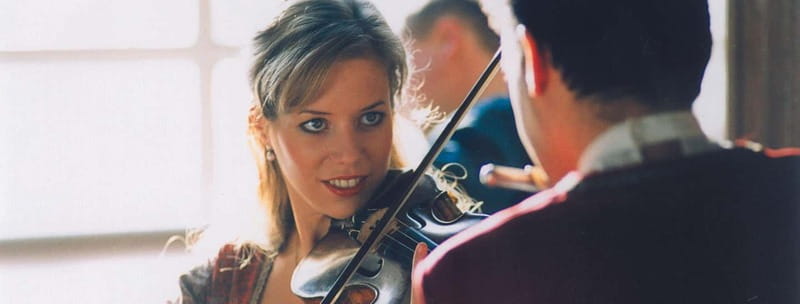
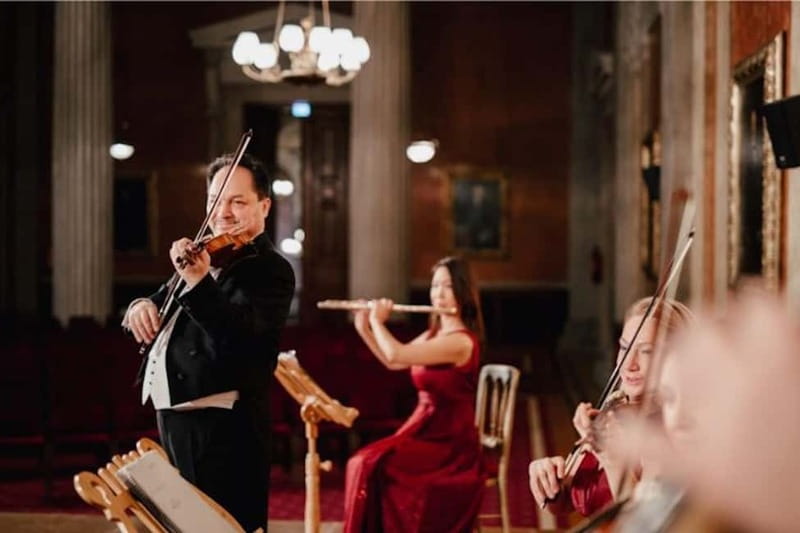
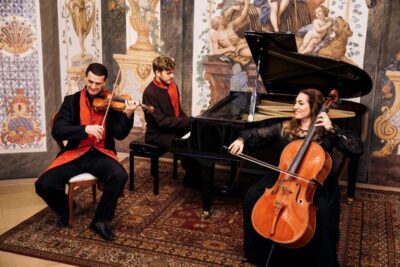
This performance is powered by the Vienna Residence Orchestra, under artistic direction of Sylvia Moser. The point of mentioning her name is not just marketing. It signals an intentional approach to Viennese classic music, where elegance matters, but so does expression.
If you want a simple listening checklist, try this during the Mozart and Strauss sections:
- String warmth: Listen for how “round” the sound is, especially during slower passages.
- Rhythm control in waltzes: Strauss works best when the pulse feels buoyant, not heavy.
- Solo clarity: Reviews often point out standout players, with particular praise for instruments like cello and violin.
- Vocal timing with the music: When singers appear, it’s usually to heighten recognizable themes, not to drown out the orchestra.
Because the orchestra is small compared with big opera-house forces, you also have a better chance to “hear individual instruments.” That is a big deal for people who feel lost in larger concert formats. It can feel like the music is more transparent, and you can follow parts instead of just soaking up volume.
When opera singers and ballet enter the picture
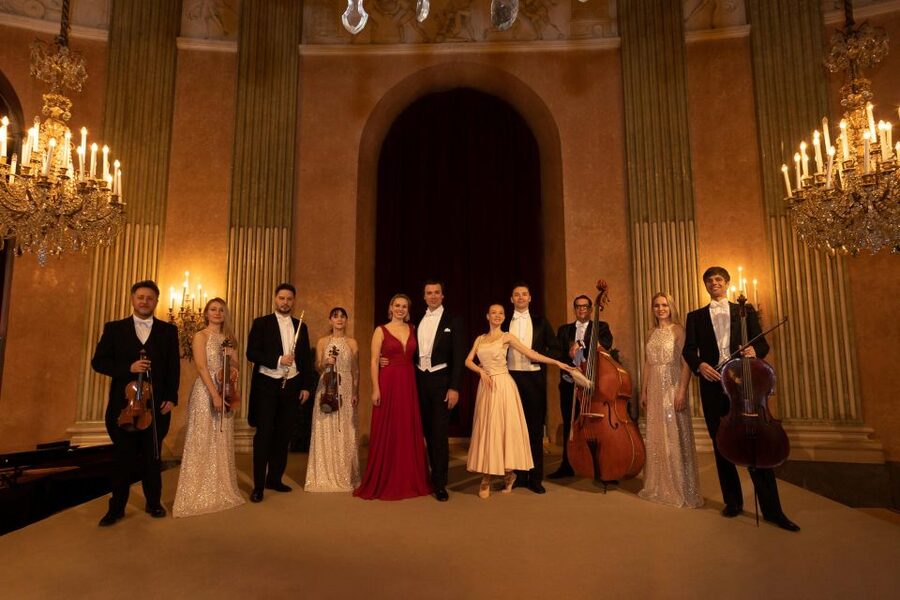
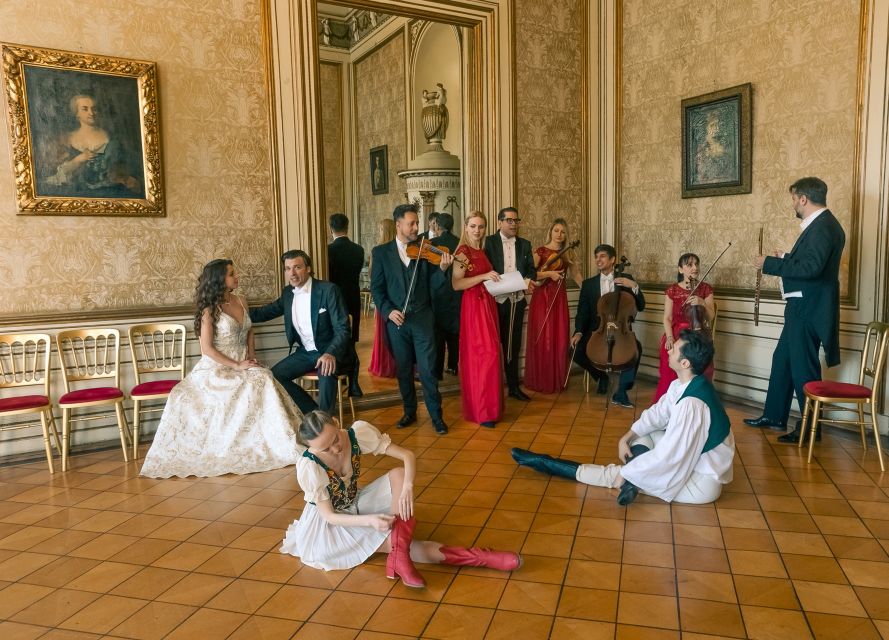
The concert does not try to be a full opera or a full ballet. Instead, it adds vocal and dance moments that complement the music and keep things varied.
From the program style and how it is described, you can expect:
- Opera singers performing vocal excerpts tied to well-known works
- Classical ballet dancers appearing alongside the music
- Sometimes a playful tone, including moments of light interaction
If your worry is that this could turn into cheesy showmanship, your instinct is fair. But the overall pattern here is that the musicianship stays in front, and the singing and dancing act like highlights rather than distractions.
Still, here is a realism check. Some venues can limit sightlines for ballet, especially if you are seated farther back or at an angle. If ballet visuals are a priority, choose seating with the best view you can afford.
Seats, sightlines, and comfort: how to pick the right category
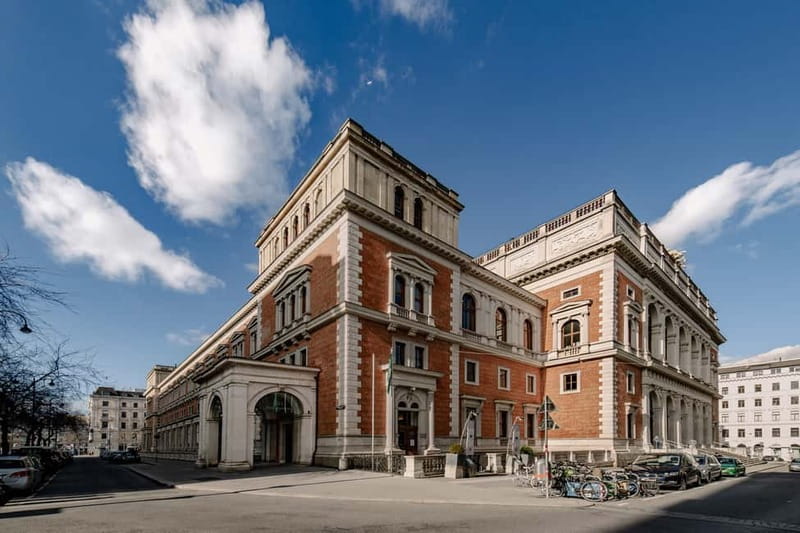
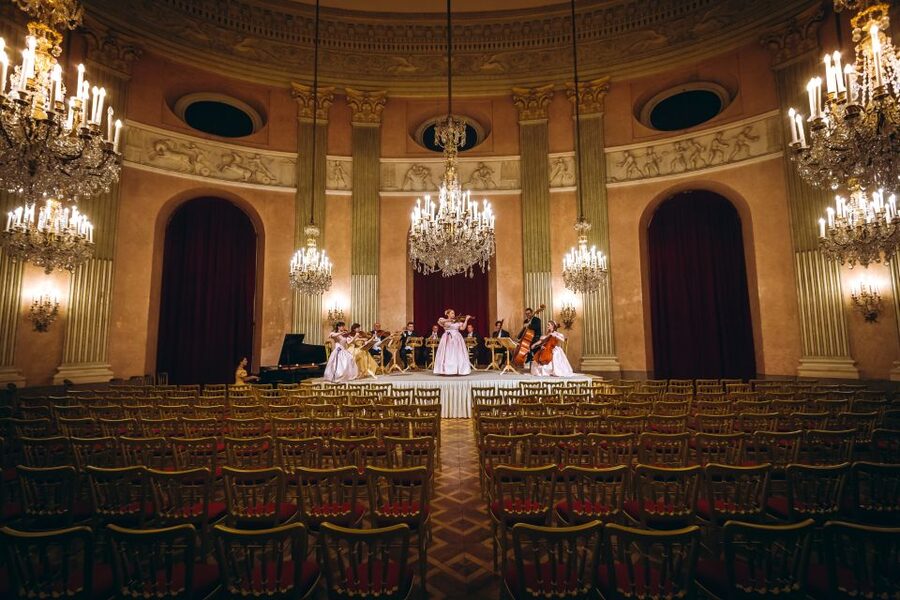
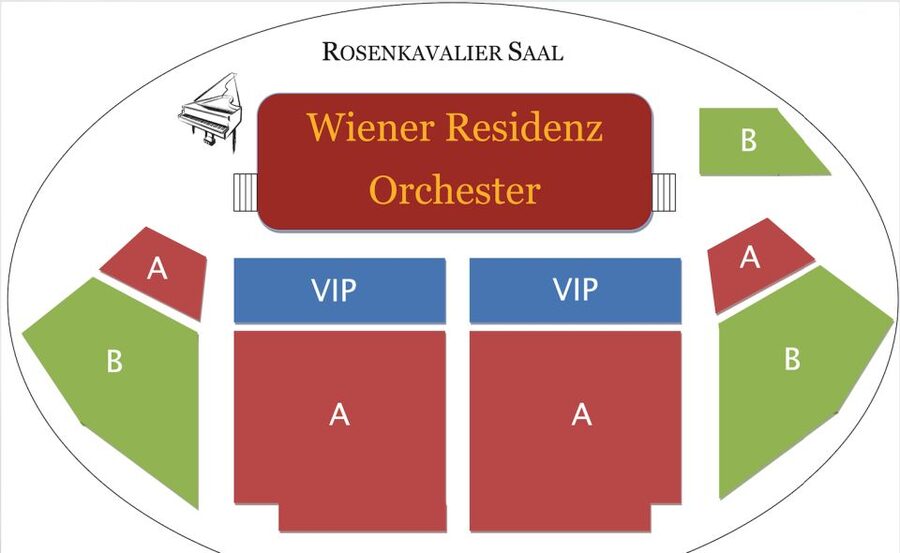
You buy a ticket in a selected seating category. That is good, because this type of event is all about how your view and sound match your seat.
A few practical realities to consider based on past experience notes:
- Seats can feel tight in some small halls.
- The space can be warm at times, so bring a light layer you can manage.
- Visibility of dance moves can vary, since the stage may be small.
There is also a “value trap” to avoid. Some people report that VIP seating felt oversold or did not match expectations. My advice is to treat the seating category as helpful guidance for your view, but still arrive ready to enjoy the sound even if you do not have a perfect front-row ballet seat.
The good news is that many people describe the view as still strong even when they were not in the very best seats. With a compact hall, you often get a direct listening experience anyway.
Arrival timing and the interval: small logistics that matter
Shows run daily at 6:30 PM and 8:30 PM. That flexibility is convenient, especially if you are trying to plan around dinner. I recommend treating this like a real theater night: arrive early enough to settle in, find your entrance, and get comfortable before the music starts.
A couple of details that can affect your evening:
- A printed program is not included. If you love following along, consider arriving ready to read the content on your phone or remember that titles may be announced without a booklet.
- Cloakroom is not included, so plan for where you will store your coat.
- There is often a break, and people note that drinks are available during the interval. One past description mentions a low-cost option like a glass of prosecco around a few euros, but prices can vary.
Also, keep an eye on the venue entrance. Some people report it is not well signed from the street and is accessed from the back. If you get there right at start time, you might waste your energy searching.
Venue changes on specific dates: Konzerthaus and Schubertsaal
Most performances are in the Old Stock Exchange Palace area, but the venue can switch on listed dates. If you are booking close to your travel dates, verify the address on your ticket.
On the following dates, concerts take place at Konzerthaus, Schubertsaal, Lothringerstraße 20, 1030 Wien:
- 16, 22, 23, 29 April
- 7, 20 May
- 16 June
- 16, 30 September
- 15, 19, 20, 22 October
- 6, 7, 11, 12, 18, 19, 28 November
- 3, 4, 10, 11 December
Why this matters: the hall layout can affect sightlines, how warm the room feels, and how easy the entry is. So even if you book the same concert style, treat the exact venue as part of your planning.
Price and value: is $55 a good deal?
At about $55 per person, this concert is priced as an accessible entry point into Vienna’s famous classical style. You’re not just buying an orchestra ticket. You’re paying for a packaged evening that includes instrumental music plus live singing and ballet, in a room designed for listening.
Here’s how I think about the value:
- Time value: 90 minutes is short enough that it fits a normal itinerary.
- Variety value: Mozart and Strauss are the anchor, but you also get other composers and vocal moments.
- Comfort value: Even when seating is tight, the intimate room usually means you can hear the details without needing to invest in top-tier opera-house prices.
You should still calibrate expectations. It is a touring-style classical performance format, not a grand Vienna state production. But for a first night, a rainy evening, or your “I want Vienna classics without overcommitting” plan, it often hits the sweet spot.
Who this concert suits best
This is a strong choice if:
- You want Mozart and Strauss without needing to study beforehand.
- You like classical music but prefer a less formal, more dynamic presentation.
- You are traveling with someone who enjoys seeing movement alongside sound.
- You want a compact 90-minute activity after walking the city all day.
It is also a practical option if you are short on time. Two daily showings make it easier to slot into your schedule.
One more thought: some past evenings included children. If you are sensitive to noise or interruptions, pick seats that help you focus and aim for earlier arrival time so you can settle quickly.
Should you book this concert?
I would book it if you want a smart, Vienna-style evening that combines recognizable classics with live performance energy. The combination of the Vienna Residence Orchestra, a palatial historic venue, and added vocal and dance elements gives you a lot for the money, especially compared with bigger, more expensive classical options.
Before you purchase, do two things. First, check your ticket for the exact location, since the venue changes on specific dates. Second, pick your seating category with the fact in mind that ballet sightlines can vary, and the hall can feel warm or snug.
If that fits your priorities, this is one of those nights that helps your Vienna trip feel complete, even if you only have time for a single classical concert.
FAQ
What time do the concerts start?
Concerts take place daily at 6:30 PM and 8:30 PM.
How long is the concert?
The concert duration is 90 minutes.
Where is the concert held?
The main venue is the Old Stock Exchange Palace. On certain dates, the concert takes place at Konzerthaus, Schubertsaal, Lothringerstraße 20, 1030 Wien, so you should check the location on your ticket.
What music is included?
A program excerpt can include selections such as Vivaldi, a movement from The Four Seasons; Mozart including A Little Night Music and Papageno, Papagena; Beethoven Romance in F major; Strauss Wiener Blut Waltz and Danube Waltz; Lehár Ball Sirens; and Haydn Serenade op. 3, No. 5, Andante Cantabile, plus more that can change seasonally.
Are printed programs included?
No, printed programs are not included.
Is there a cloakroom?
Cloakroom is not included.
Is there an interval during the show?
There is an interval, described as about 15 to 20 minutes in past experiences.
Is the event family-friendly?
The concert includes opera singers and ballet dancers, and past evenings have included families. If you are sensitive to noise, consider that the hall may have a mix of audiences.
Strings & Candlelit Halls
- Vienna: Vivaldi’s Four Seasons Concert in Karlskirche
★ 4.7 · 14,951 reviews - Vienna: Classical Concert in the World-Famous Musikverein
★ 4.6 · 6,673 reviews - Vienna: Mozart Concert at the Musikverein – Golden Hall
★ 4.6 · 5,194 reviews - Vienna: Classical Concert at St. Stephen’s Cathedral
★ 4.1 · 4,177 reviews
Just added to the bill in Austria

Mozart & Classical Concert Evenings, compared.
Vivaldi’s Four Seasons Concert in Karlskirche
Read our review →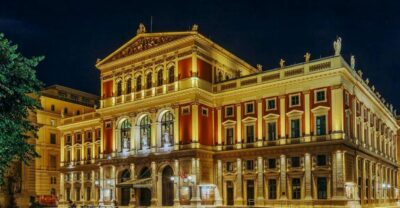
Classical Concert in the World-Famous Musikverein
Read our review →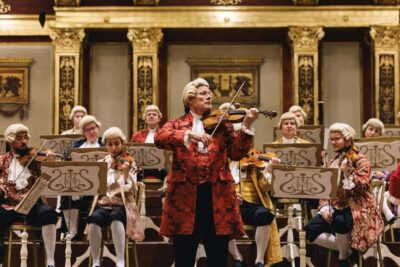
Mozart Concert at the Musikverein – Golden Hall
Read our review →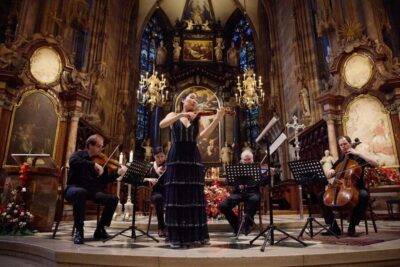
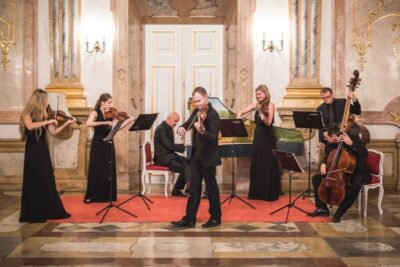
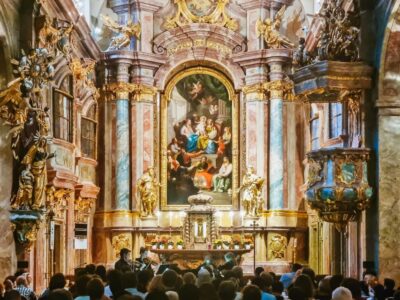
Classical Concert in St. Anne’s Church (Annakirche)
Read our review →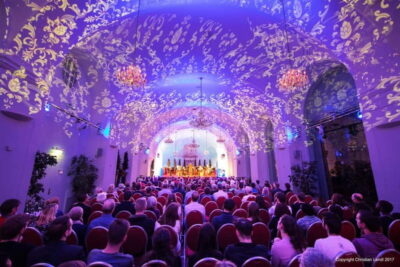
Browse the lists this tour appears in