REVIEW · VIENNA TOURS & ACTIVITIES
‘Armenia In The Heart Of Vienna
Armenian Vienna has a flavor and a lesson. This 90-minute experience links the Mekhitarist Congregation to Armenian scholarship and Austrian cultural links, using manuscripts, coins, costumes, and books to show how ideas traveled. You also get the Chatherine liquor world as a hands-on part of the tour, built around taste, family, and history.
Two things I really like: the small maximum group size (15), and how the tour mixes objects you can see with stories that explain why they matter. One possible drawback is simple, the time is short, so if you want long, quiet reading or museum-style wandering, you may wish it lasted longer.
In This Review
- Key highlights worth your time
- Starting at Mechitaristengasse 4, and what 90 minutes feels like
- Inside the Mekhitarist Congregation: manuscripts, coins, and the long view
- Militarist Museum art exhibitions: seeing culture through changing lenses
- Chatherine liquor world: taste, family story, and why it works
- The collection approach: why the mix of items matters
- English-friendly and small-group comfort
- How to get the most from this Armenia in the Heart of Vienna tour
- What kind of traveler should book this?
- Should you book Armenia in the Heart of Vienna with MAGELLINE?
- FAQ
- How long is the Armenia in the Heart of Vienna tour?
- Is the tour offered in English?
- Where does the tour start?
- Is admission included in the price?
- What is the maximum group size?
- What is the cancellation policy?
Key highlights worth your time
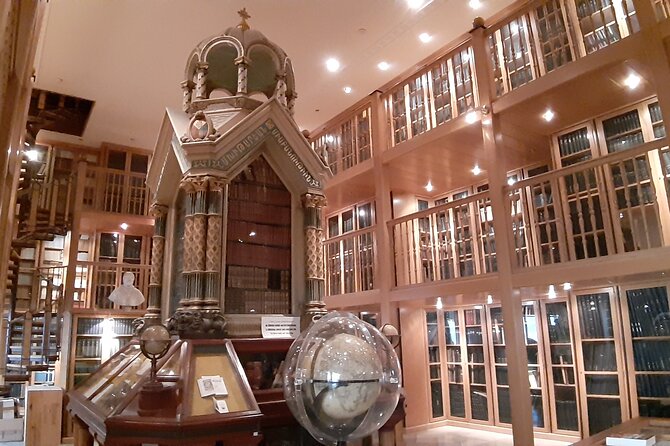
- Mekhitarist Congregation, Mechitaristengasse 4: a focused visit right in Vienna with admission included
- A 17th-century monastery setting: history in the room, not just on a sign
- Chatherine liquor tasting as a story: taste tied to family and background
- English-language format: an easy way to follow along with culture and context
- A compact 1 hour 30 minutes: efficient and manageable for a busy day in Vienna
Starting at Mechitaristengasse 4, and what 90 minutes feels like
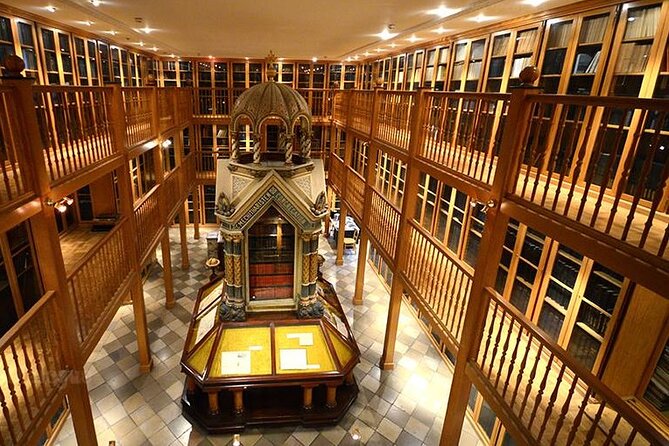
I love tours that respect your schedule, and this one is built to fit into a day in Vienna. You meet at Mechitaristengasse 4, 1070 Wien, and the experience ends back at the meeting point. The total time is about 1 hour 30 minutes, so you should plan for a brisk, story-led visit rather than a slow walk-through.
This tour runs in English and uses a mobile ticket, which is handy when you are moving between stops. The group stays small, with a maximum of 15 travelers, so questions and back-and-forth usually feel more possible than in larger groups.
The most practical tip: arrive a few minutes early and be ready to listen. With a short format, you get the best experience when you treat it like a guided briefing, then decide what you want to explore further after.
Held over another night in Vienna
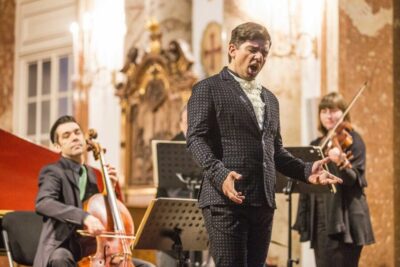
- Vienna: Vivaldi’s Four Seasons Concert in Karlskirche
★ 4.7 · 14,951 reviews - Vienna: Spanish Riding School Training
★ 3.9 · 9,281 reviews - Vienna: Schönbrunn Palace & Gardens Skip-the-Line Tour
★ 4.7 · 7,739 reviews - Vienna: Light of Creation Votive Church Immersive Light Show
★ 4.8 · 6,779 reviews
Inside the Mekhitarist Congregation: manuscripts, coins, and the long view
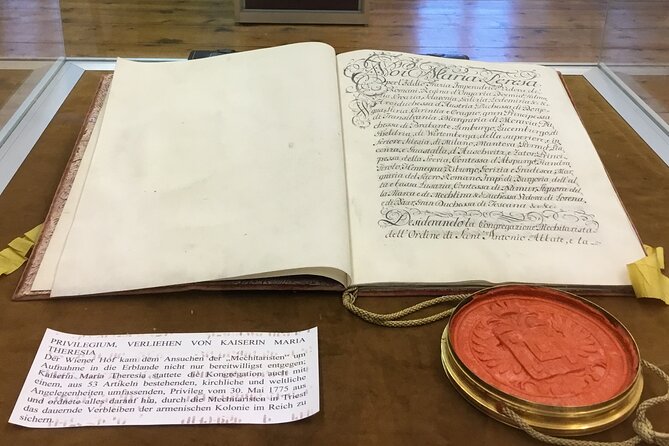
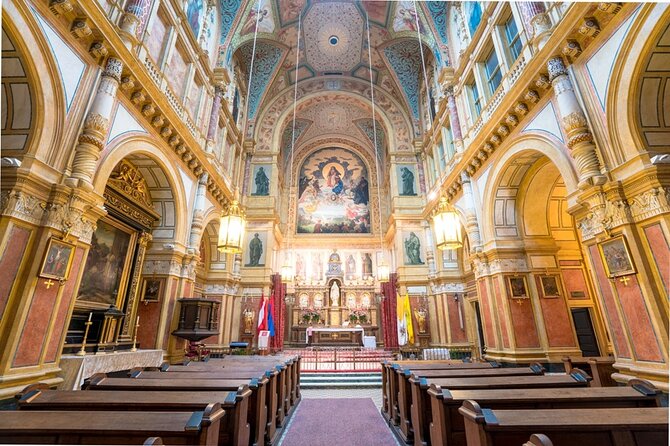
The heart of the experience is the visit to the Mekhitarist Congregation in Vienna, tied to the Armenian Mekhitarist Order. The idea is not just to say the order existed, but to explain what it did intellectually and scholarly for centuries, and how it influenced cultural life across borders. You should expect the tour to connect that legacy to Armenian and Austrian cultural history, including its role in the Armenian cultural renaissance of the 19th century.
One review specifically mentions that the monastery was founded in the 17th century, and I find that detail matters. It makes the visit feel anchored, like you are stepping into a place shaped over time, not only viewing a curated display.
During the tour, you are shown or discussed a range of materials that bring the past and present into one conversation. The most likely items you will encounter include:
- ancient and medieval coins
- manuscripts
- books and periodicals
- folk costumes
- rugs and other textiles
- manuscripts and other rare items as part of the collection narrative
Why this is valuable: coins, manuscripts, and textiles tell different types of history. Coins can point to trade and rule. Manuscripts can show scholarship and language. Costumes and rugs can show everyday culture and craftsmanship. When all of that is linked, you start to understand culture as something made by real people, not just a label on a museum wall.
Militarist Museum art exhibitions: seeing culture through changing lenses
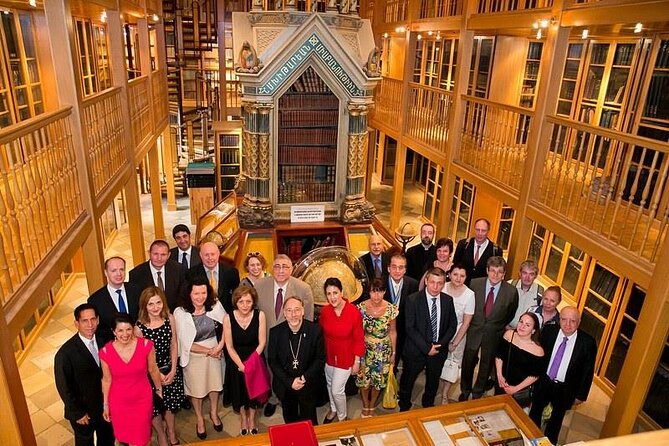
The experience also highlights art exhibitions associated with the Militarist Museum. Even if you do not usually think of museums as your thing, this is worth paying attention to because it broadens the story.
The Armenian Mekhitarist connection is not only about faith or learning, it is also about how cultural identity gets expressed through objects over time. Military and political history often gets told through battles and leaders, but museum exhibitions can also reveal how communities lived, what they collected, what they valued, and how art traveled.
If you like comparisons, you will probably enjoy how the tour frames objects from different angles. You might notice that the same culture can show up in a manuscript setting and also in an exhibition context tied to broader historical themes. That contrast can help you see why the tour is structured as more than one topic.
A small consideration: if you mainly want Armenian culture through literature and artifacts only, the art exhibition portion may feel more interpretive than hands-on. Still, the tour’s object-focused approach keeps it grounded.
Chatherine liquor world: taste, family story, and why it works
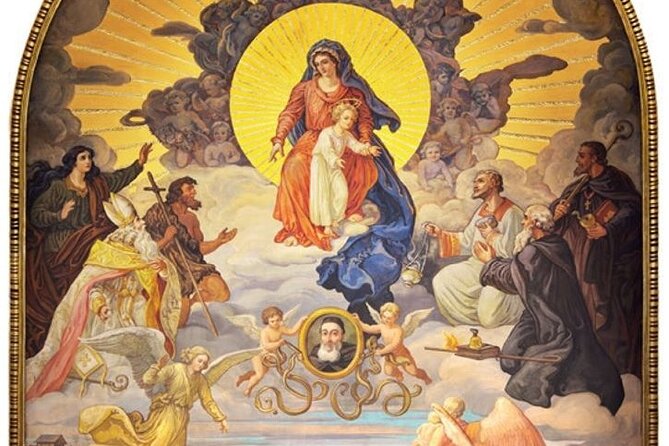
One of the most distinctive parts is the Chatherine liquor world, built around the taste, history, and family behind it. The best tours make you remember something specific, and liquor tasting tends to do that. It is a sensory anchor for a story that could otherwise stay abstract.
A review calls out free liquor and stories and says the liquor is among the best. Even without assuming every detail matches perfectly, you should expect the tour to focus on the drink as a cultural thread, not just a random add-on. That focus is the value here. You are not only hearing that something existed, you are connecting taste to context.
Why this section is practical for you: if you are traveling and you want souvenirs that are not just trinkets, a tasting-based cultural story gives you a real reference point. Later, if you try the liquor again, you will remember the name, the family angle, and the historic framing. That can make Vienna feel less like a checklist and more like a place you understand.
One thing to keep in mind if you are sensitive to alcohol: treat the tasting as an alcohol experience and plan accordingly. If you are driving or you avoid alcohol for any reason, it is worth deciding ahead of time how you want to handle that part of the tour.
After the interval, more from Vienna:


The collection approach: why the mix of items matters
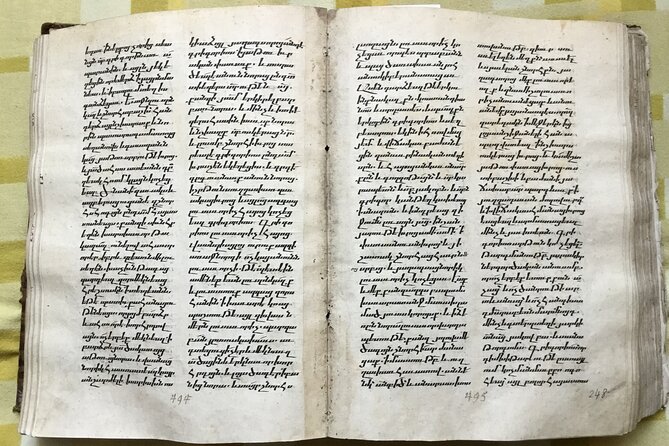
I like that this tour does not rely on one type of artifact. It moves through coins, manuscripts, folk costumes, rugs, and books. That mix is not random. It is a way to show that culture travels through many channels: scholarship, commerce, textiles, clothing styles, and publishing.
Here is how each category can help your understanding:
- Coins: they can hint at historical connections, influence, and movement
- Manuscripts and books: they show learning and preservation of knowledge
- Periodicals: they suggest ongoing discussion, not just old relics
- Folk costumes: they give texture to daily identity
- Rugs and textiles: they can reflect craftsmanship and design traditions
A subtle but important benefit for you: when you see these items described together, you start to notice patterns. You might realize that the story of Armenian life in an Austrian context can be told through paper and ink, but also through clothing, weaving, and the objects people made and used.
In other words, this is not a tour that only asks you to look. It asks you to compare. And when you compare, you remember.
English-friendly and small-group comfort
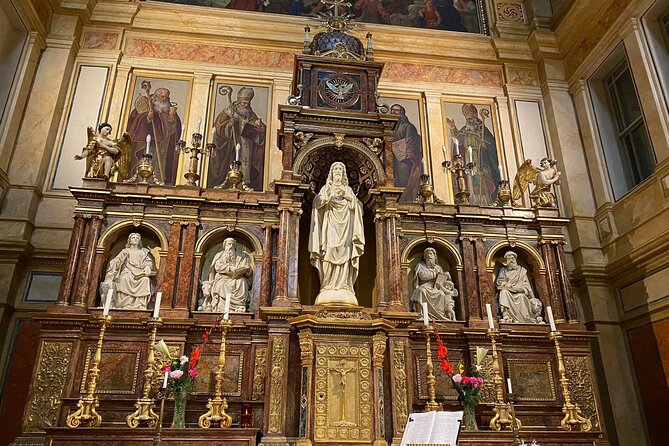
This experience is offered in English, and the maximum group size is 15 travelers. That matters more than people think. In a small group, it is easier to hear the guide clearly, and questions can feel less awkward. It also tends to make the pacing more human, not rushed like a conveyor belt.
You also get confirmation at booking, and the tour uses a mobile ticket. Those sound like technical details, but they help on travel days. You do not want to waste mental energy on paperwork when your day is already packed.
The tour is described as near public transportation, which is ideal in Vienna. If you are planning around weather, this also helps. You can likely adjust your route without feeling stuck.
How to get the most from this Armenia in the Heart of Vienna tour
This is a short, concentrated experience, so your best strategy is to arrive ready to listen and then choose what to explore afterward. Here are a few ways to make it pay off:
- Bring curiosity, not heavy expectations. You are seeing a themed collection and learning the cultural links, not doing a whole-day museum marathon.
- Ask for context when you see objects. Coins and manuscripts can feel distant until someone connects them to a bigger story.
- Use the Chatherine tasting as your memory hook. Even if you forget dates, taste stories tend to stick.
- Stay attentive to the Armenian-Austrian connection. The tour is designed to show how the Mekhitarist Order shaped cultural life across both worlds.
Timing-wise, because it lasts about 1 hour 30 minutes, you should avoid scheduling another major stop immediately after unless it is very close by. If you leave room in your plan, you can walk around nearby afterward and let the visit settle in.
If you are visiting Vienna for the first time, this tour is a great way to get out of the usual rhythm of palaces and classic art stops. It gives you a different cultural angle on the city.
What kind of traveler should book this?
This tour fits best if you like culture that has a clear narrative thread. If you are the type who enjoys seeing how scholarship, community, and everyday life connect, you will probably enjoy this.
It also works well for:
- people who want a short guided experience with a strong theme
- history-minded travelers who like manuscripts and objects more than big architectural sites
- food-and-drink curious travelers who want a story behind what they taste
- visitors who prefer English-language guidance
If you are coming with a very specific interest, like Armenian manuscripts only, you might find the experience covers a lot quickly. Still, the variety is part of the point.
Should you book Armenia in the Heart of Vienna with MAGELLINE?
At $89.36 per person for about 1 hour 30 minutes, you are paying for a focused guided visit with admission included, plus an experience centered on the Chatherine liquor story. For Vienna, that price can make sense when you treat it as a cultural lesson and tasting combined, rather than comparing it to a quick walk-through.
I would book if you want:
- a compact tour with a small group feel
- a meaningful focus on the Mekhitarist Congregation and Armenian cultural influence in Austria
- a sensory element through Chatherine liquor that ties to family and history
I might skip if you strongly prefer large museum halls, long free time, or you want to avoid alcohol entirely.
If your ideal Vienna day is part education, part human-scale discovery, this is a smart pick.
FAQ
How long is the Armenia in the Heart of Vienna tour?
It lasts about 1 hour 30 minutes.
Is the tour offered in English?
Yes, it is offered in English.
Where does the tour start?
You meet at Mechitaristengasse 4, 1070 Wien, Austria.
Is admission included in the price?
Yes. An admission ticket is included.
What is the maximum group size?
The tour has a maximum of 15 travelers.
What is the cancellation policy?
Free cancellation is available. You can cancel up to 24 hours in advance for a full refund, and cancellations within 24 hours of the start time are not refunded.
Just added to the bill for Vienna




Vienna Tours & Activities, compared.
Vivaldi’s Four Seasons Concert in Karlskirche
Read our review →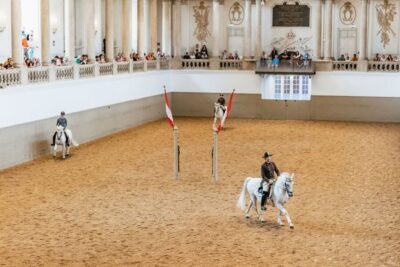

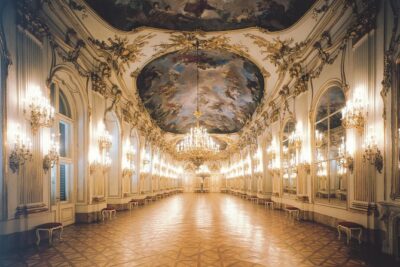
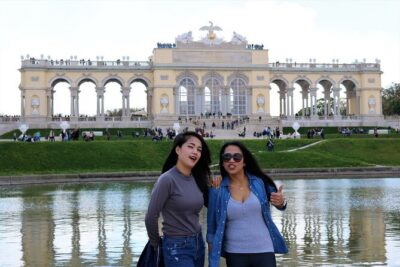
Schönbrunn Palace & Gardens Skip-the-Line Tour
Read our review →
Light of Creation Votive Church Immersive Light Show
Read our review →

Classical Concert in the World-Famous Musikverein
Read our review →