REVIEW · GUIDED
Vienna Spanish Riding School Guided Tour
Vienna has a few places that feel like time travel, and this is one of them. Step into the Spanish Riding School’s world, where centuries of classical training live side-by-side with striking Renaissance and Baroque architecture. In just 55 minutes, you get a rare behind-the-scenes look at the spaces that shape the Lipizzaner stallions.
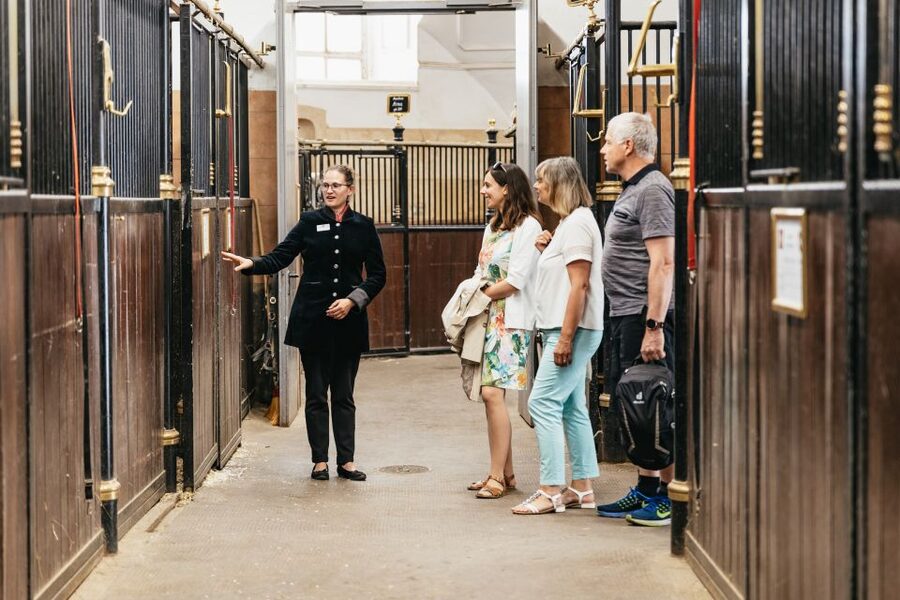
I love how the tour takes you beyond postcards. You visit both the Winter Riding School and the Summer Riding School, then move into the Stallburg, Vienna’s most significant Renaissance structure, where the stables and history sit close together. It’s not a lecture you endure, it’s a guided walk through the real working heart of the institution.
One thing to consider: it’s a rule-heavy experience. No cameras or video are allowed, and the tour is not wheelchair accessible, so you’ll need to plan for viewing from designated spots and being comfortable with stairs or uneven areas.
In This Review
- Key highlights worth knowing
- Why this 55-minute tour feels bigger than it is
- Meeting at Michaelerplatz, then swapping your voucher
- Winter Riding School: Baroque space and classical training atmosphere
- Summer Riding School and the oval horse walker
- Stallburg: the Renaissance centerpiece and the Lipizzaner stables
- Arena time and the tack room: how you understand the show
- The guides: English or German, and plenty of questions
- Rules that shape the experience (and what you should expect)
- Group dynamics: the only real drawback for some people
- Price and value: why $28 can work even without a show
- Who should book this, and who might want something else
- Should you book the Vienna Spanish Riding School guided tour?
- FAQ
- FAQ
- How long is the Vienna Spanish Riding School guided tour?
- Where is the meeting point?
- What is included in the price?
- Are morning exercise tickets included?
- What languages are the guides?
- Do I need to exchange my voucher?
- When is the earliest I can pick up tickets?
- Are cameras, photos, or video allowed?
- Is the tour wheelchair accessible?
- Can children under 3 years old join the tour?
- What is the cancellation policy?
Key highlights worth knowing
- Winter Riding School: Baroque architectural details and the training spaces people dream about
- Summer Riding School: home to the world’s largest oval horse walker
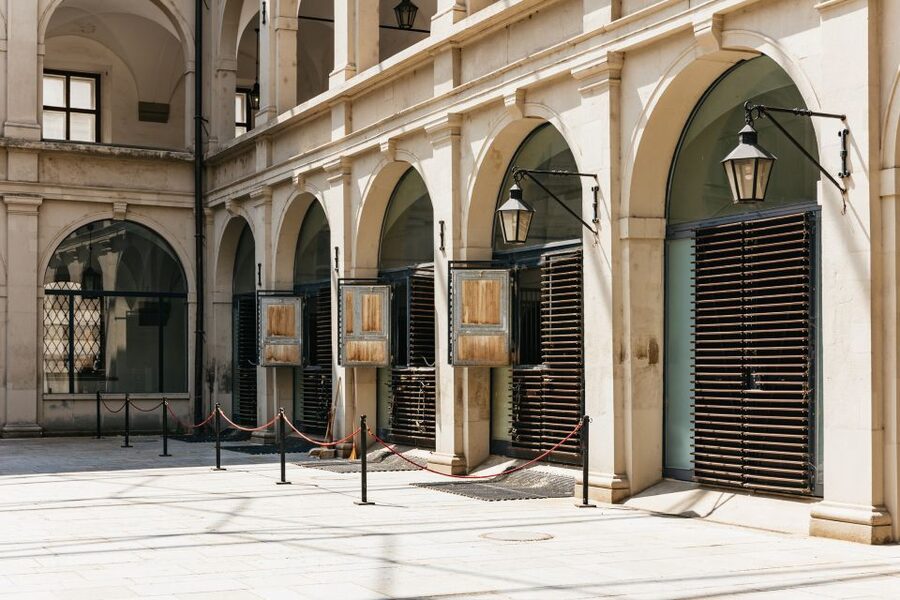
- Stallburg: Renaissance arcade courtyard plus the historical stables of the Lipizzaner stallions
- Hands-on storytelling: history of the equestrian tradition and how classical training works
- Tack room time: you can see training and show equipment up close, with rules that stay strict
Why this 55-minute tour feels bigger than it is
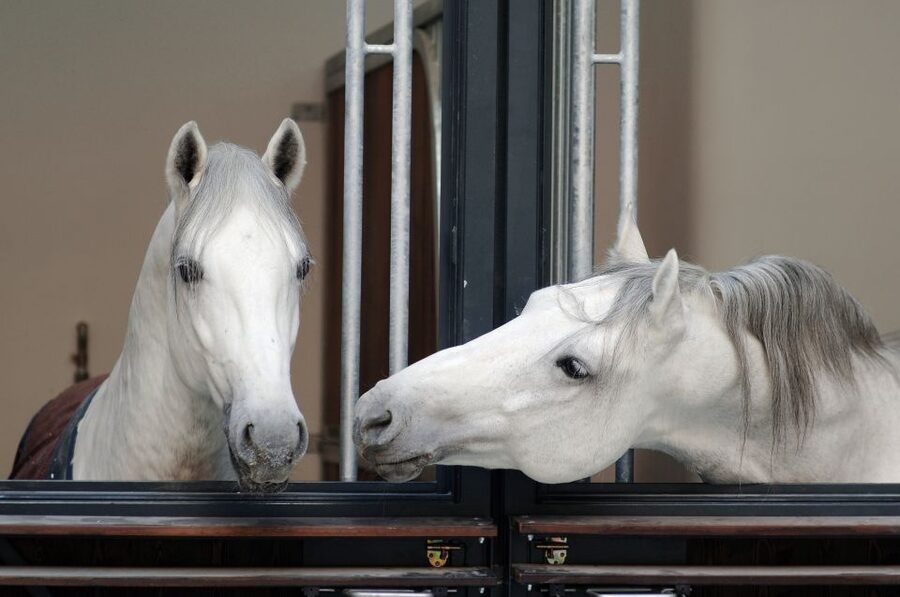
The Spanish Riding School has operated for more than 450 years, and that kind of continuity changes the vibe. This tour works because it doesn’t rush past the idea of tradition. It shows you the places where tradition gets practiced day after day, with the Lipizzaner stallions treated like the stars they are.
At $28 for 55 minutes, the value comes from access. You are paying for a guided, structured look inside rooms and corridors most visitors never reach. And because the tour is focused, you don’t lose time wandering. You move from the Winter facilities to the Summer riding areas and then into the Stallburg complex, all in one coherent route.
This is also a good option if you’re short on time. You might not be able to line up with morning exercise or a performance schedule, and this tour still gives you a real sense of the daily rhythm and the institution behind the show.
Held over another night in Vienna
- Vienna: Vivaldi’s Four Seasons Concert in Karlskirche
★ 4.7 · 14,951 reviews - Vienna: Spanish Riding School Training
★ 3.9 · 9,281 reviews - Vienna: Schönbrunn Palace & Gardens Skip-the-Line Tour
★ 4.7 · 7,739 reviews - Vienna: Light of Creation Votive Church Immersive Light Show
★ 4.8 · 6,779 reviews
Meeting at Michaelerplatz, then swapping your voucher
You meet at Michaelerplatz 1, at the main entrance of the Spanish Riding School. Bring your mobile voucher, because you’ll need to exchange it for a ticket at the cashier’s desk.
Two practical tips that will save you stress:
- You can pick up your ticket earliest 1 hour before the activity time.
- Plan to arrive a little early so you can get through the ticket swap without cutting it close.
Winter Riding School: Baroque space and classical training atmosphere
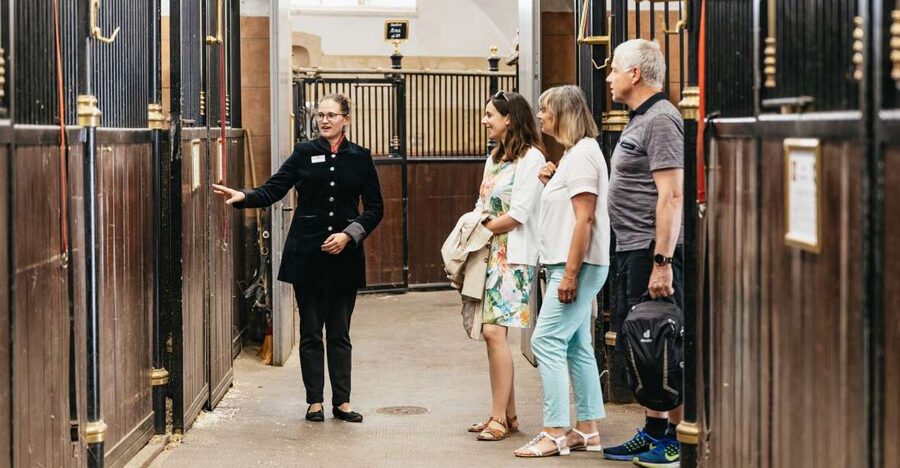
The tour starts by bringing you into the Winter Riding School, known for its Baroque architecture. Even if you’re not a horse expert, you’ll feel what this place is designed to do. It’s a controlled environment, made for precision, where training can happen regardless of weather.
What makes this stop special is how it frames the horses’ work. The Spanish Riding School is rooted in classical equitation, specifically the Renaissance tradition of the Haute Ecole. When you see the Winter Riding School first, the rest of the tour makes sense: the buildings and spaces are not decorative extras. They’re part of how the horses and riders train.
You’ll also likely get background on how the school’s equestrian tradition is carried forward, including what the Lipizzaner represent in that long story. This is the moment where the tour shifts from buildings to meaning.
Summer Riding School and the oval horse walker
Next comes the Summer Riding School. One detail here is so specific you almost have to treat it like a landmark: it houses the world’s largest oval horse walker.
Why that matters for you:
- It shows you how much care goes into conditioning and routine.
- It gives you a glimpse into daily management, not just the spotlight moments.
The Summer Riding School isn’t just about being outdoors. It’s part of the working system that supports the horses across seasons. In other words, you start seeing how the institution balances the needs of tradition with the practical realities of training.
After the interval, more from Vienna:

Stallburg: the Renaissance centerpiece and the Lipizzaner stables
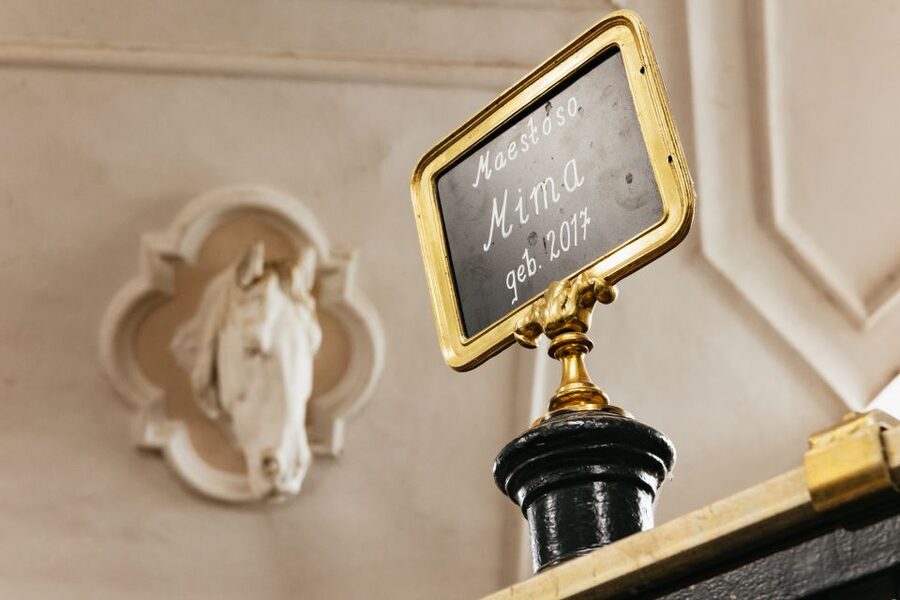
Then you get to the Stallburg, Vienna’s most significant Renaissance structure. This is the part of the tour that feels most “properly historical,” because it’s built as an arcade courtyard setting for the stables and horse life.
From what you’ll see, the Stallburg does two jobs:
- It anchors the school’s identity through architecture, especially the arcade courtyard.
- It connects that identity to the horses through the historical stables of the Lipizzaner.
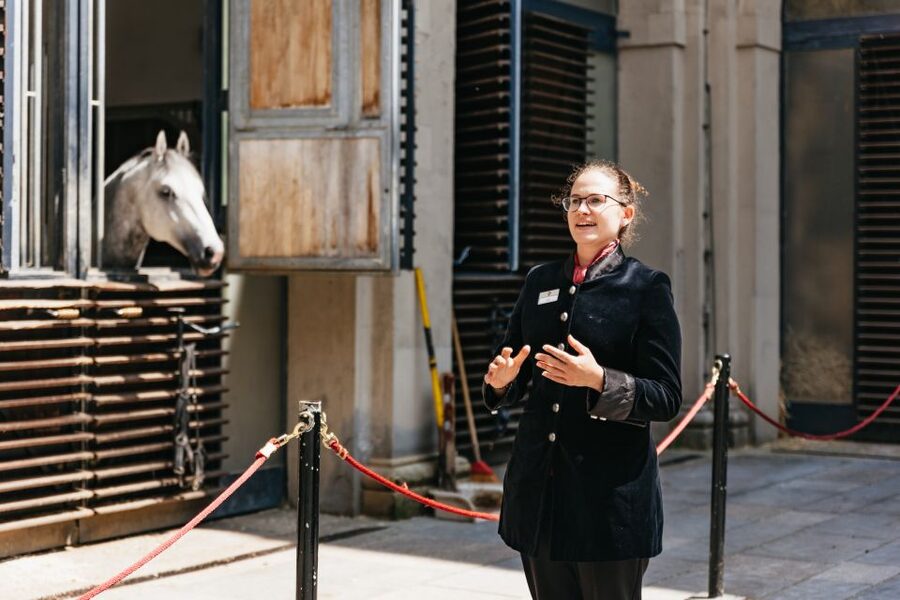
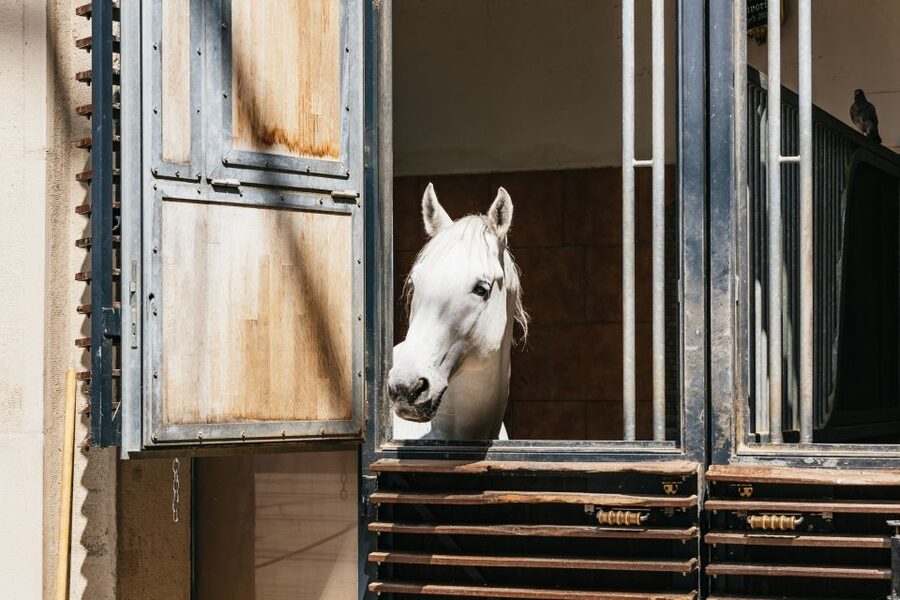
Seeing the stallions in their stable area is often the emotional peak of the tour. Even if you come for architecture, you’ll end up watching the horses as much as you watch the rooms. The tour is built around the idea that the Lipizzaner are the stars, not the furniture.
And because this is a real stable environment, you should assume strict rules. That’s why the tour feels respectful rather than chaotic.
Arena time and the tack room: how you understand the show
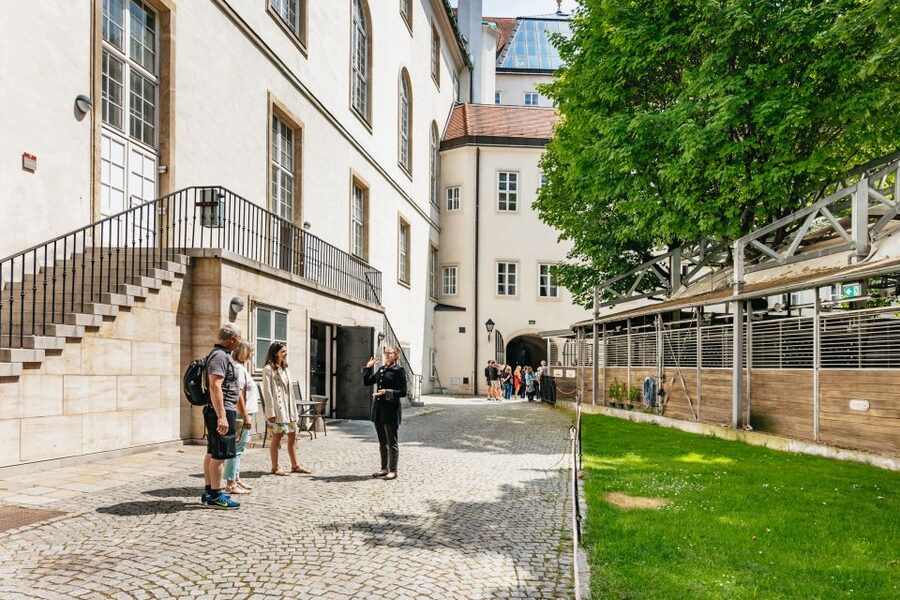
A major reason this tour lands with horse lovers is that it doesn’t stop at “look at pretty buildings.” You spend time in key areas connected to training and presentation, including the riding arena and the tack room.
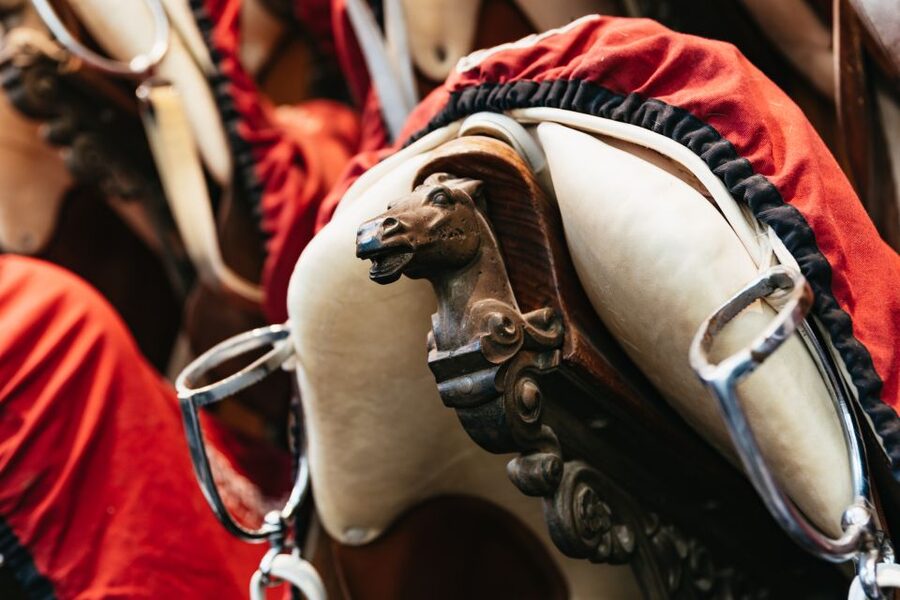
The tack room is a big deal because it turns the show into something you can picture. You see training equipment and show equipment up close, and the guide explains how the pieces fit into the classical system. It’s easier to understand what you’ll later watch in a performance when you’ve seen the gear and heard what it supports.
The arena stop also helps you connect the physical space to the training goals. This is where the Spanish Riding School’s method shows up in your mind, even if you’re seeing it from visitor-access areas rather than from ringside.
The guides: English or German, and plenty of questions
You’ll have a live guide in English or German (depending on your tour option). The tone tends to be practical and conversational, with room for questions.
If you’re the type who asks why things are done a certain way, this is a good stop. One strong pattern in the tour experience is that guides tend to answer a wide range of questions, from how horses are cared for to how the school’s procedures work day to day.
You might also hear examples and stories from specific guides who have led recent groups, including names like Natasha, Sisi, Isabelle, Lorelai, Inga, Pieta, and others. The key for you is the consistency: the guide is part historian, part equestrian interpreter.
Rules that shape the experience (and what you should expect)
This tour is strict for a reason: it’s a working equestrian facility. Here’s what you need to plan around:
- No pets
- No cameras and no video recording
- Taking photos or videos is not permitted
- The tour is not accessible by wheelchair
- Children under 3 are not allowed on guided tours
- You must exchange your mobile voucher for a ticket at the cashier’s desk
In practice, the no-camera rule changes the feel. You won’t be distracted by your phone. That can make the experience more focused, but it also means you should be ready to remember with your own observations, not your camera roll.
Also, you might notice horses being in stables rather than actively performing in the arena, depending on the day’s schedule and whether training or breaks are happening at that moment. The tour is designed to still be worthwhile even when the horses are not in full show mode.
Group dynamics: the only real drawback for some people
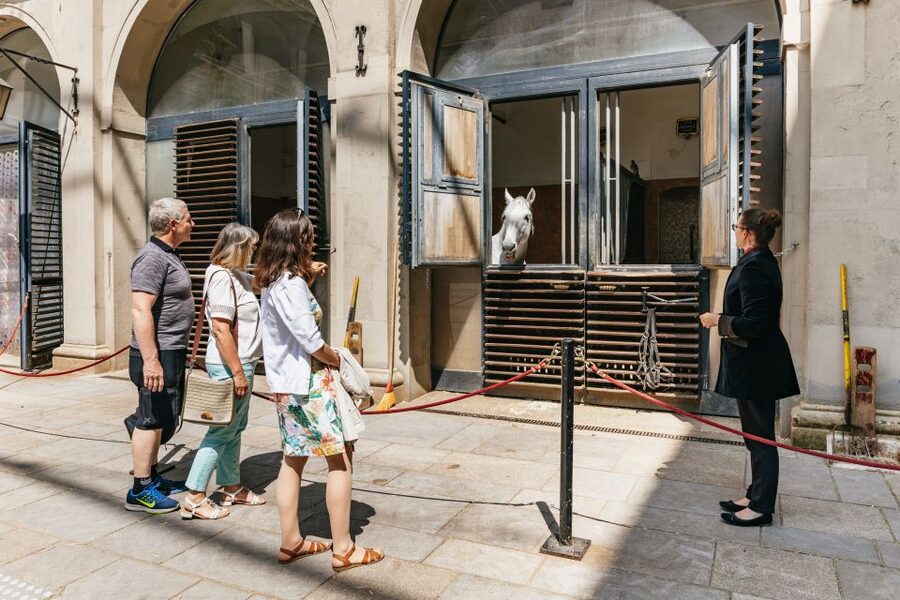
Most people love how much you pack into 55 minutes. Still, a short tour with a real institution inside it can mean a group that’s a bit larger than you’d ideally want for perfect hearing.
If you’re someone who struggles with noise, arrive with the mindset that you may have to lean in at key moments. The guide does the best they can within the group setup, but your ability to hear can vary depending on where you stand in the flow.
Price and value: why $28 can work even without a show
Let’s be honest. $28 is not the price of a quiet museum tour. But for what you get, it’s decent value because you’re buying three things at once:
- Access to multiple major areas of the Spanish Riding School
- Interpretation through a live guide in English or German
- Proximity to the stable world, including the Stallburg context for the Lipizzaner
You’re not paying for a performance ticket on this specific booking. The tour does not include morning exercise tickets. But it still gives you a grounded look at the training tradition and the spaces where it happens.
If you’re choosing between spending time on architecture alone or horses alone, this tour blends both without pretending they’re the same thing.
Who should book this, and who might want something else
This tour fits you best if:
- You want a behind-the-scenes experience in a real working equestrian institution
- You love horses but also care about understanding how the institution runs
- You’re curious about Renaissance and Baroque Vienna through a living cultural practice
- You’re short on time and can’t match your schedule to morning exercise or show slots
It might be less satisfying if:
- You were hoping for lots of free time with horses close up, because stable rules are strict
- You need wheelchair-friendly access, since the guided tour is not wheelchair accessible
- You are set on taking photos and videos, since that’s not allowed
Should you book the Vienna Spanish Riding School guided tour?
Yes, if you want a focused, respectful, high-value hour inside one of Vienna’s most historically grounded horse worlds. For $28 and 55 minutes, you get the architecture (Winter and Summer buildings plus the Stallburg), the operational rhythm (the horse walker and stable areas), and the human context (the tradition and training explained by your guide).
Book it especially if you’re the type who likes to understand what you’re seeing before you watch the performance. Even if the horses aren’t in show mode during your visit, you’ll still leave with a clearer picture of why the Lipizzaner matter so much, and how this institution keeps classical equitation alive.
FAQ
FAQ
How long is the Vienna Spanish Riding School guided tour?
The tour lasts 55 minutes.
Where is the meeting point?
Meet at Michaelerplatz 1, Vienna, at the main entrance of the Spanish Riding School.
What is included in the price?
The guided tour is included.
Are morning exercise tickets included?
No. Morning exercise tickets are not included.
What languages are the guides?
The live tour guide is available in English and German.
Do I need to exchange my voucher?
Yes. You must exchange your mobile voucher for a ticket at the cashier’s desk.
When is the earliest I can pick up tickets?
You can pick up your tickets earliest 1 hour before the activity.
Are cameras, photos, or video allowed?
No. Taking photos or videos is not permitted, and cameras and video recording are not allowed.
Is the tour wheelchair accessible?
No. The guided tour is not accessible by wheelchair.
Can children under 3 years old join the tour?
No. Children under the age of 3 years are not allowed on guided tours.
What is the cancellation policy?
You can cancel up to 24 hours in advance for a full refund.
Just added to the bill for Vienna

Guided, compared.
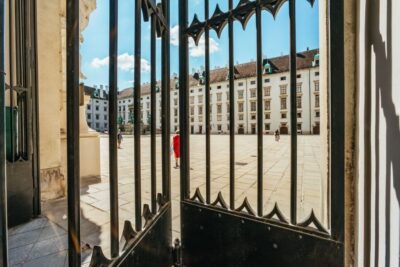
Guided Walking Tour of City Center Highlights
Read our review →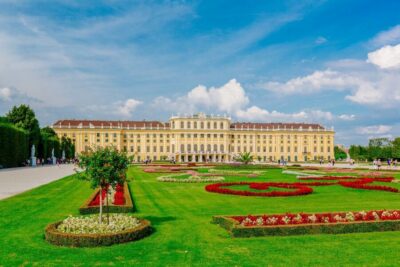
Bus & Schönbrunn Palace Skip-the-Line Guided Tour
Read our review →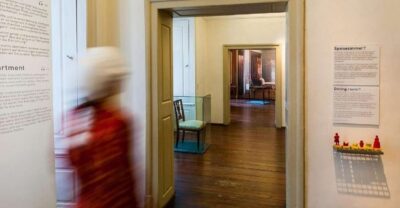
Tickets for Mozarthaus Vienna with Audio Guide
Read our review →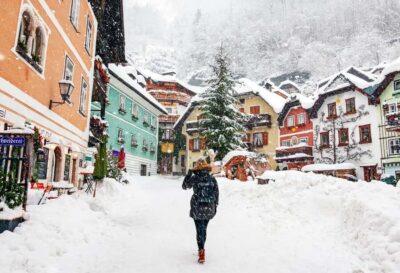
Day trips from Vienna: Hallstatt & Salzburg Guided Tour
Read our review →
Guided Walking Tour of City Highlights & Hidden Gems
Read our review →