
REVIEW · SELF-GUIDED TOURS
Vienna: Tickets for Mozarthaus Vienna with Audio Guide
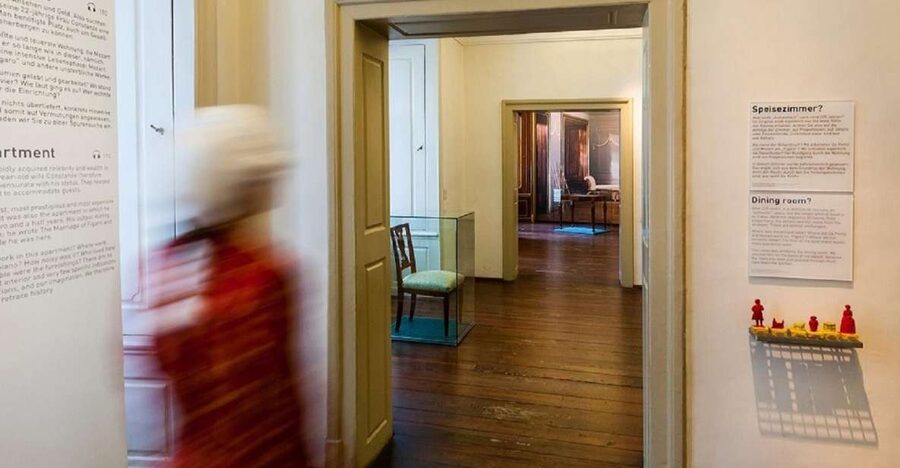
Mozart’s rooms are still here. I love walking through his preserved Mozart apartment from 1784 to 1787, then using the audio guide to connect the space to the music he made in Vienna. It’s a museum built for both adults and kids, and you can move at your own pace. One possible drawback: a big chunk of the experience is standing and listening to audio plus panels, not lots of hands-on objects.
This is also a small-group ticket, limited to 10 participants, so you will not feel swallowed by a crowd. If you choose the combo option, you can pair it with Vienna’s interactive Haus der Musik sound museum in the historic center.
In This Review
- Key highlights to know before you go
- Mozart’s only remaining Vienna apartment, and why it matters
- Audio guide pacing: your best tool in the museum
- Inside the apartment: what you will actually be looking at
- Three exhibition levels: how the story unfolds room by room
- The special exhibition: included, and worth checking early
- Mozarthaus + Haus der Musik: the combo that fixes the “lean on objects” feeling
- Who should book this ticket
- Value check: is $18 a good deal?
- Practical tips that make the visit smoother
- What to do if you want maximum enjoyment
- A quick comparison: what this museum does well
- Should you book Mozarthaus Vienna with Audio Guide?
- FAQ
- What does the Mozarthaus Vienna ticket include?
- How long is the experience?
- Is an audio guide included, and what languages are available?
- Can I bring a student card or ID?
- Are photos or video allowed inside?
- Is the venue wheelchair accessible?
- Is there a cloakroom?
- Is Haus der Musik included with the ticket?
- What group size is this experience?
- Is the meeting point fixed?
Key highlights to know before you go
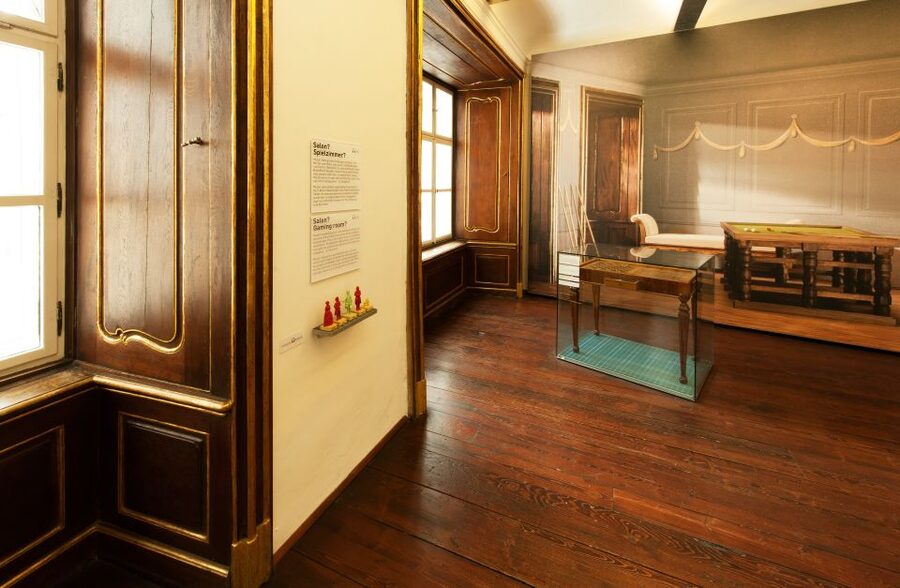
- Mozart’s only remaining Vienna apartment, preserved for visitors to see how he lived during his peak Vienna years
- Audio guide for adults in 13 languages plus a children’s audio guide in 8 languages
- Three exhibition levels that frame the apartment with music and Vienna context
- Optional Mozart & More combo, adding admission to the interactive Haus der Musik
- Special exhibition included with admission, changing each year
- No photos or video inside, so plan to rely on memory and the audio track
Mozart’s only remaining Vienna apartment, and why it matters
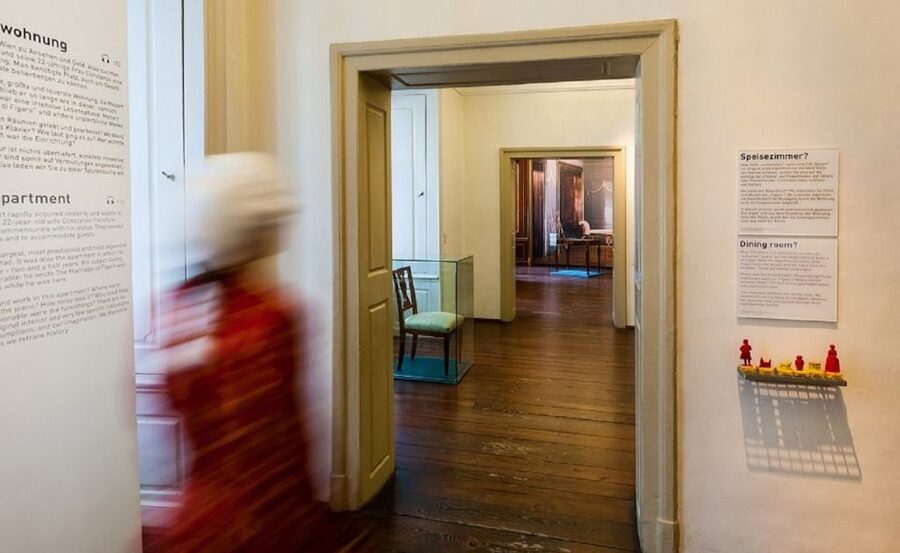
Mozarthaus Vienna is built around a rare idea: you are not just learning about Mozart, you are standing in the place linked to his Vienna years. The apartment is the only Vienna apartment of Mozart that has been preserved, and the museum uses it as the anchor for everything else. That makes the whole visit feel more grounded than the typical museum where rooms are more like a backdrop.
I especially liked how the museum connects the space to the work. The exhibition emphasizes the years from 1784 to 1787, when Mozart lived here and composed more music than anywhere else. If you have a familiar title in your head, the museum also points you toward where he composed his famous Figaro.
That is the key value for me: this is Mozart as a working composer in Vienna, not just Mozart as a legend.
Held over another night in Vienna
- Vienna: New Hofburg Palace Audio-Guided Tour & Entry Ticket
★ 4.1 · 566 reviews - Vienna: Self-Guided Audio Walking Tour on Your Phone
★ 3.8 · 33 reviews - The Heart of Vienna: A Self-Guided Audio Tour
★ 4.0 · 29 reviews - Vienna Scavenger Hunt and Highlights Self Guided Audio Tour
★ 4.5 · 13 reviews
Audio guide pacing: your best tool in the museum
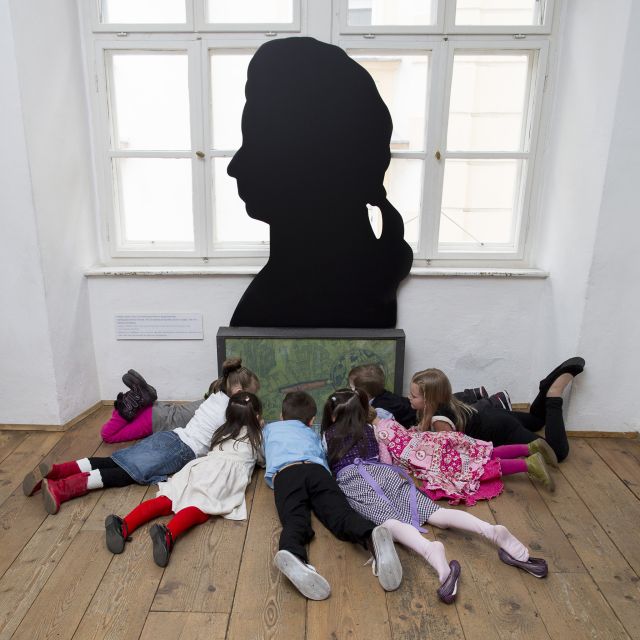
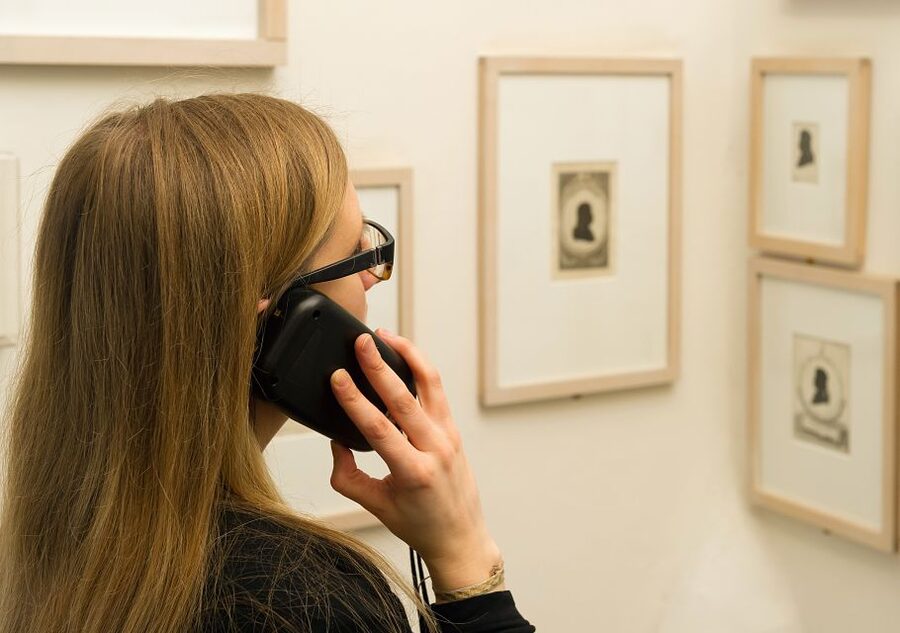
This ticket includes an audio guide designed for adults in 13 languages, plus a children’s audio guide in 8 languages. That matters because the content spans three exhibition levels, and you will want control over the pace. The audio guide also tends to make the museum easier for families, since kids are not left sorting through text panels that assume adult knowledge.
Here’s the practical bit. Plan on using headphones. Some visitors find the audio setup works through a phone or a museum module, and headphones make it much more comfortable to listen while you look around. Even if the audio plays cleanly without fuss, you will still be happier with headphones once you are standing in rooms where you want to focus.
Also note the reality check: part of the experience is listening and reading while you stand. If you prefer lots of visual clutter, interactive props, or musical moments happening around you, you might want to pair this with the optional Haus der Musik visit (more on that next).
Inside the apartment: what you will actually be looking at
Your route starts with the apartment itself. The museum keeps the focus on the layout and the preserved rooms, so you can picture how life played out here during Mozart’s time. Even if the apartment feels intentionally minimal compared to a full house of artifacts, the point is the physical context.
The museum frames the apartment with a larger story of Mozart’s Vienna years. That framing is not abstract. You are guided to understand why Vienna at that time helped shape his creativity, and how the composer’s output fit into the musical culture around him.
One consideration: several visitors point out that Mozart did not leave behind tons of physical objects in this location. The result is that the visit can feel lighter on original artifacts than some people expect. If you are the type who loves to spot every instrument, manuscript, and personal item like a detective, you may find yourself wanting more “stuff” to look at. Still, the standing-in-the-room factor is real, and that is hard to fake.
Three exhibition levels: how the story unfolds room by room
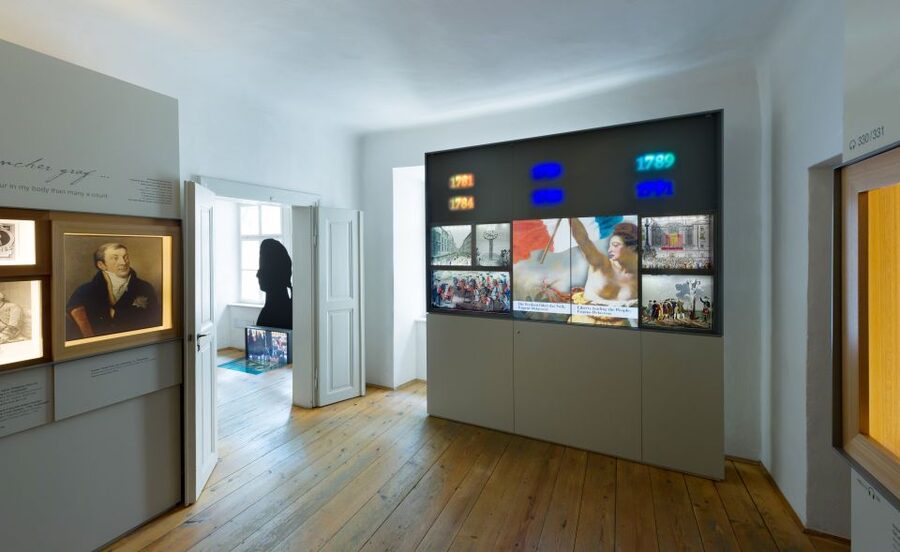
After the apartment, the museum presentation spreads across three exhibition levels. Think of it like a guided path that widens the lens from the rooms to the bigger world. Rather than treating Mozart as only a biography, the exhibits build the sense of time and place, including his most important works.
A big part of the value here is sequencing. The museum focuses on the peak creative achievement during Mozart’s Vienna years, so the content stays connected rather than drifting into random facts. You are meant to leave with a clearer picture of how Vienna’s music scene, Mozart’s life here, and his compositions all connect.
If you are traveling with kids, this is where the audio guide becomes especially useful. Kids do not need to “keep up” with long stretches of text panels, because the audio gives them the thread. Adults also benefit if you like details but hate reading everything in tiny print.
More of Austria taken andante:


The special exhibition: included, and worth checking early
Admission to Mozarthaus Vienna also includes a special exhibition that changes each year. The museum does not present the main story as the only show in town. That means your visit can feel fresher than a static museum, even if you have seen Mozart-related exhibits in other cities.
Timing tip: if you want the special exhibition to feel like part of your day (not like a last-minute add-on), I suggest checking it early in your visit so you are not running on fumes. The museum is spread over levels, so starting while you still have energy helps.
Mozarthaus + Haus der Musik: the combo that fixes the “lean on objects” feeling
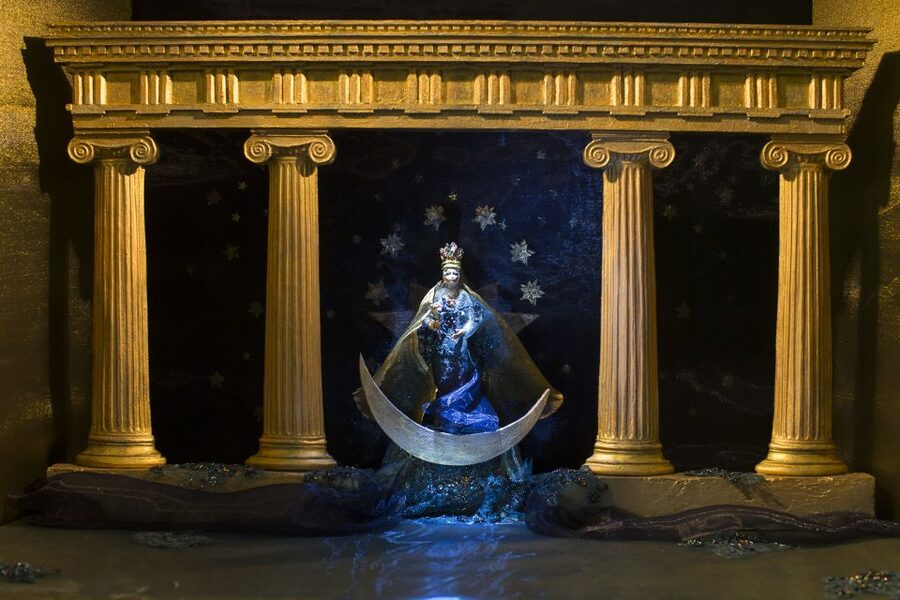
If you choose the Mozart & More combo ticket, Mozarthaus Vienna comes with admission to Haus der Musik. Haus der Musik is a modern, interactive sound museum in Vienna’s historic city center, set in a palace building with four floors.
This pairing makes a lot of sense if you have two different kinds of interests:
- You want the historical anchor of Mozart’s apartment
- You also want sound-based experiences where you can try music-making ideas yourself
Where Mozarthaus Vienna is mostly “listen and learn in the rooms,” Haus der Musik can add “try it and hear it” energy. So if you end up feeling that the apartment museum is more text-and-audio than object-heavy, the sound museum often balances the day out nicely.
Who should book this ticket
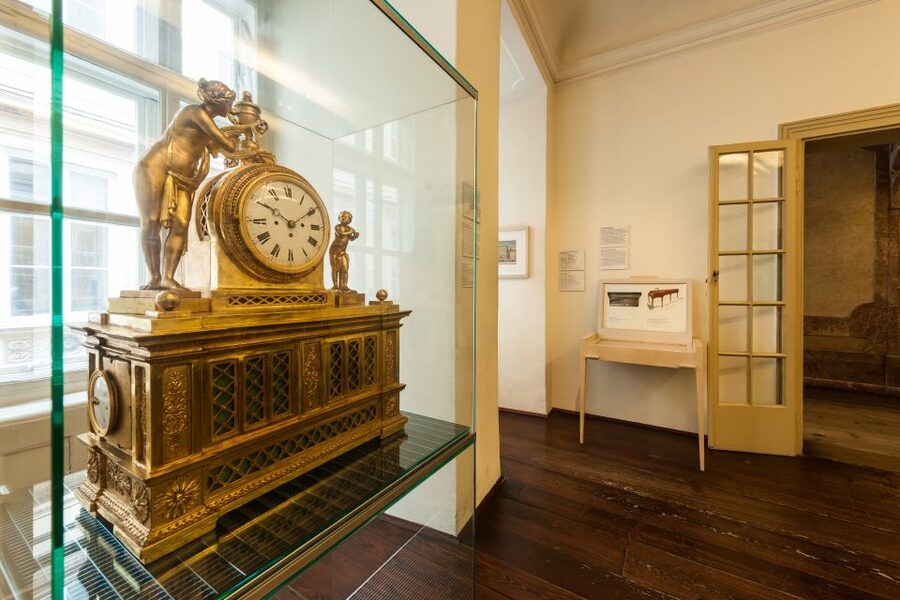
This ticket is a strong fit if you:
- Love Mozart’s music and want the Vienna-years context
- Prefer audio guidance so you can control pacing
- Travel with kids, since there is a children’s audio guide in 8 languages
- Want a compact, focused museum stop that does not require a full day of walking between multiple unrelated sites
It is a slightly weaker fit if you:
- Expect a huge collection of visible Mozart artifacts inside the apartment
- Want lots of hands-on experiences in the main museum spaces (that part is more of the Haus der Musik idea)
Value check: is $18 a good deal?
At $18 per person, the value is mostly about what you get bundled in. Your admission includes the Mozarthaus Vienna entry, a multilingual audio guide for adults plus children’s audio, and a cloakroom. If you select the combo option, you also get Haus der Musik admission.
For me, the pricing makes sense because you are paying for both the preserved location and the interpretive work. The museum is not trying to compete with big blockbuster attractions. Instead, it offers a focused Mozart experience, with audio guidance that helps you actually understand what you are seeing.
If you are already planning to visit Haus der Musik, the combo option can be especially efficient. You are stacking two music-themed experiences that complement each other.
Practical tips that make the visit smoother
A few small things can make your time better, especially in a museum built around audio.
- Bring your own headphones: some setups rely on your phone or your device for audio listening, and headphones keep you locked in.
- Plan for no photography or video inside: the museum rules do not allow it, so do not waste energy trying to record.
- Expect standing in places: multiple visitors note the museum can mean a lot of stationary listening, so comfortable shoes matter.
- Have your ID ready: the information says you should bring a student card and passport or ID card.
- Use the room flow: because the exhibition spreads across three levels, do not rush. Let the audio guide set your rhythm.
Also, the visit is wheelchair accessible, and the group size is limited to 10 participants. That small-group limit can help you avoid the feeling of being herded, even though it is still a self-guided audio experience.
What to do if you want maximum enjoyment
If you really want to squeeze the best out of the day, I suggest this mindset: treat the apartment like the main character, and treat the exhibitions like the explanation.
Start by settling into the apartment rooms, then let the audio guide connect each next stop to the music story. When you get to the exhibition levels, focus on the relationships between Vienna, Mozart’s life here, and his works. The museum is designed to keep those threads tied together.
If you are also doing Haus der Musik, give yourself permission to switch gears. Mozarthaus is about understanding. Haus der Musik is about hearing and making sense of sound in a more playful way.
A quick comparison: what this museum does well
Mozarthaus Vienna does a great job with:
- Historical specificity, anchored to the preserved apartment and the Vienna years
- Audio-first storytelling, in many languages, including kids’ tracks
- Clear focus on peak creative achievement, rather than a scattered overview
If you are coming from other Mozart stops in Austria, you might notice this one feels different. It leans into the “Mozart at this place in Vienna” experience more than the “look at every artifact” experience.
Should you book Mozarthaus Vienna with Audio Guide?
Yes, if you are a Mozart fan and you enjoy connecting music to real places. The preserved Mozart apartment plus the multilingual audio guide across three exhibition levels is a practical way to learn without constantly stopping to read. It is also a smart choice for families because the museum includes a children’s audio track.
I would think twice if your main goal is visual artifact hunting or hands-on musical play. In that case, you will likely prefer adding the combo and using Haus der Musik as your “try and listen” half of the day. If you book the combo, you get the best of both worlds: historical grounding plus interactive sound.
FAQ
What does the Mozarthaus Vienna ticket include?
Admission to Mozarthaus Vienna is included, along with an audio guide for adults in 13 languages and a children’s audio guide in 8 languages. A cloakroom is also included.
How long is the experience?
The experience is valid for 1 day. Starting times depend on availability.
Is an audio guide included, and what languages are available?
Yes. The adult audio guide is available in English, German, Slovak, Spanish, French, Hungarian, Italian, Polish, Russian, Chinese, Czech, Japanese, and Korean. The children’s audio guide is available in 8 languages (the specific list is not provided in the details).
Can I bring a student card or ID?
You should bring a student card and a passport or ID card.
Are photos or video allowed inside?
No. Video recording and photography inside are not allowed.
Is the venue wheelchair accessible?
Yes. The experience is wheelchair accessible.
Is there a cloakroom?
Yes, a cloakroom is included.
Is Haus der Musik included with the ticket?
Haus der Musik admission is included only if the option is selected, as part of the Mozart and More combo ticket.
What group size is this experience?
It is described as a small group, limited to 10 participants.
Is the meeting point fixed?
The meeting point may vary depending on the option booked.
Just added to the bill for Vienna



Self-Guided Tours, compared.
New Hofburg Palace Audio-Guided Tour & Entry Ticket
Read our review →
Schlumberger Wine Cellar Guided or Self-Guided Tour
Read our review →
Vienna Walking Tour with Audioguide on Your Smartphone
Read our review →
Browse the lists this tour appears in