
REVIEW · WINE TOURS
Austrian Wine Tasting
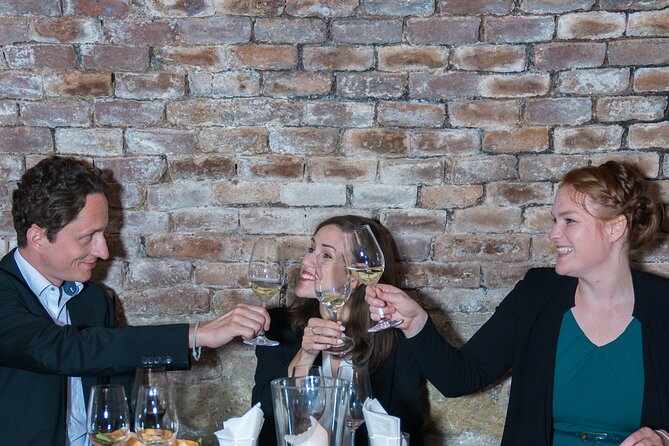
Six glasses, one smart lesson. This 2-hour Austrian Wine Tasting in Vienna pairs an easy, small-group format with expert guidance from Stylianos Stavridis, so you taste your way through Austrian styles instead of just sipping along.
I love the small group size, with a maximum of 8 people, because it keeps the pacing calm and makes it easy to ask questions in English. I also love that the experience is built around a guided flight of six wines with snacks that actually help you notice differences.
One possible drawback: the room is a purpose-built tasting space, so it may feel more modern than the classic brick cellar some photos suggest, and the food is snack-sized, not a full meal.
In This Review
- Key highlights you should care about
- Vienna’s 2-hour Austrian wine tasting, and why it feels personal
- Where you meet: the Vienna 2nd district, Wilhelminian building setting
- The core experience: six Austrian wines in a guided flight
- Food pairing that keeps the tasting from feeling like homework
- Stylianos’s teaching style: practical tasting tips, in real language
- Price and value: what $145.18 is buying you in practice
- Who should book this session, and who might hesitate
- Smart tips to get more from your 2 hours
- Should you book Austrian Wine Tasting in Vienna?
- FAQ
- How long is the Austrian Wine Tasting in Vienna?
- How many wines do I sample?
- Is the tasting offered in English?
- What food is included with the wines?
- What is the group size limit?
- Where does the tour start?
- Can I cancel for a full refund?
Key highlights you should care about
- Six curated Austrian wines in one guided session, with a short lesson attached to each pour
- Stylianos Stavridis leads in English, with hands-on tasting coaching you can apply right away
- Cheese, cured meats, and bread per person, paired to bring out what to look for in each glass
- Max 8 people, which makes it easier to talk, take notes, and get real feedback
- Vienna 2nd district setting in a restored Wilhelminian-era building with a polished, intimate vibe
- Educational materials included, so you can remember what you liked and why
Vienna’s 2-hour Austrian wine tasting, and why it feels personal
In Vienna, wine tastings can turn into either a loud party or a rushed lecture. This one lands in the middle. You sit down in a dedicated tasting setting in the city’s 2nd district, and you move through six Austrian wines with someone who knows how to teach you what to notice, not just what to drink.
The big win is the pacing. With a small group and a guided flow, you have time to compare aromas, talk about how each wine tastes, and ask follow-up questions without feeling stuck. You’re not trying to decode the wine yourself while everyone else is already halfway out the door.
I also like how the tasting is structured around food. You get cheese, cured meats, and bread during the flight. That matters because Austrian whites and reds can shift a lot once you start paying attention to acidity, texture, and how flavors land on your palate.
If you’re the type who wants to taste widely but also leave with something usable, this is a strong format. You end the night with better instincts for what you like and what you should order next.
More schnitzel, strudel and market plates:
- Vienna: Chocolate Workshop in Chocolate Museum w/ Tasting
★ 4.5 · 1,802 reviews - Vienna for Food Lovers: Cafés, Markets & Austrian Cuisine
★ 5.0 · 1,063 reviews - Wachau Valley Wine Tasting Bike Tour from Vienna
★ 5.0 · 829 reviews - Vienna: Gerstner KuK Hofzuckerbäcker Baking Show & Tasting
★ 4.8 · 823 reviews
Where you meet: the Vienna 2nd district, Wilhelminian building setting
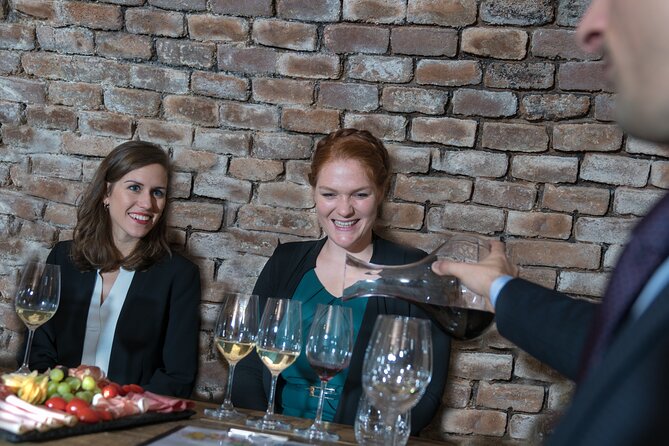
You meet at Wine Tasting Vienna, at Hollandstraße 10/1-3, 1020 Wien. It’s in Vienna’s 2nd district, and the session takes place in a restored Wilhelminian-era building.
The practical upside is simple: you’re in a central area that’s easy to reach by public transportation. That helps if you’re building a night that also includes dinner plans or a stroll afterward.
The vibe is described as an exclusive tasting experience in a historical setting, but the actual room is designed for wine service and learning. One review flagged that the space may read as more modern than a classic, old-world brick cellar. I’d treat that as good news or bad news depending on your style. If you want a cozy, rustic cellar look, you might be expecting more old stone and less “tasting room” finish. If you want comfort, clean stemware, and a smooth, teacher-led flow, you’ll likely appreciate the setup.
Either way, the setting supports the main goal: focus. You’re not competing with a crowded bar counter. You’re in the kind of room where the guide can actually walk you through each glass.
The core experience: six Austrian wines in a guided flight
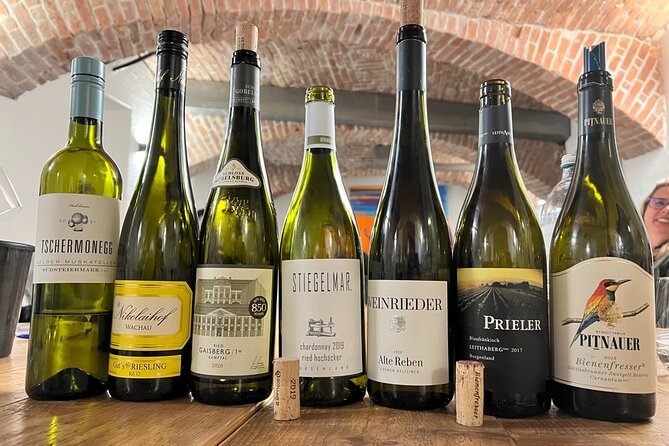
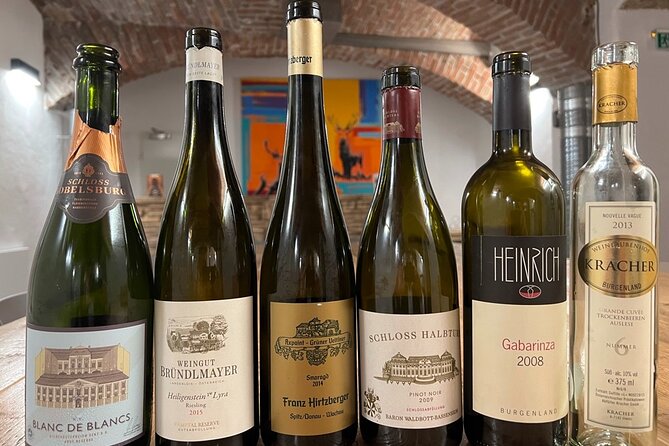
The centerpiece is straightforward and worth getting excited about: you taste six Austrian wines, guided by a certified sommelier, in English. The flight covers a mix of whites and reds, and you’re encouraged to discuss what you’re sensing as you go.
One detail I really like: the wines are not described as one rigid lineup that never changes. People noted that Stelios or Stylianos sometimes changes selections to keep things interesting. That means if you’ve already tried an Austrian white somewhere else, this session can still surprise you on the next pour.
You’ll likely recognize some common Austrian grapes from the examples shared. One tasting included Grüner Veltliner, Sauvignon Blanc, and Riesling among the whites. On the red side, people called out Sankt Laurent and Blaufränkisch as highlights, including one “surprise” moment where the reds stole the show.
Even if your exact lineup differs, the teaching style is consistent. You’re not just asked to swirl and guess. The sommelier helps you learn how to read what you smell and what you taste, including notes on acidity, flavor weight, and overall structure.
That’s why six wines feels like a sweet spot. It’s enough variety to compare. It’s not so many that you end up too tired to think. After the last glass, you should have clearer answers to questions like: Do you prefer sharper, crisp whites or rounder styles? Which red grapes make you reach for another sip?
Food pairing that keeps the tasting from feeling like homework
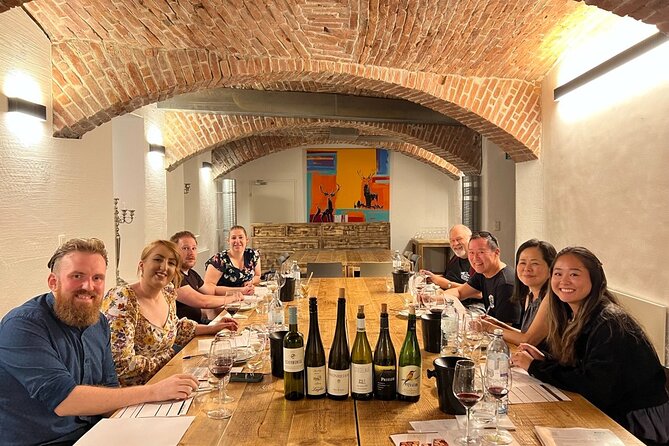
Wine tastings can fail when food is an afterthought. Here, the snack pairing is part of the plan. You get a cold plate with cheese, cured meats, and bread, plus still bottled water.
For me, the best reason this works is that the bites reset your palate between wines. That makes comparisons easier. You’re less likely to end the tasting with a confused “everything tastes like wine” blur.
Cheese and cured meats are also a practical pairing choice for Austrian wines because they bring salt and fat to the table, helping different styles show their character. One person noted that the pairing suggestions felt intentional, not random, and that the bread and meats were prepared to match the flight.
There’s also a subtle benefit for learning. When the sommelier suggests how to pair each bite with each pour, you start to think in patterns. You learn what kind of flavors make a wine taste brighter, softer, or more structured. That kind of pairing logic is useful later, when you’re ordering at a wine bar or picking groceries for your own tasting at home.
Do note the portion reality: it’s snack-sized, not a full dinner. If you’re coming hungry, I’d plan to eat something light beforehand, or follow with a meal afterward so you’re not disappointed by volume.
More Heuriger pours and cellar rows:


Stylianos’s teaching style: practical tasting tips, in real language
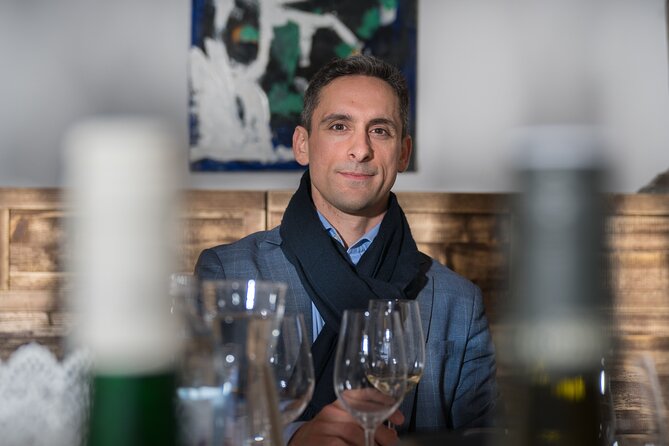
The guide behind this experience is Stylianos Stavridis, who runs the operator Wine Tasting Vienna. People consistently highlight that he teaches with clear guidance, not pretension.
What stands out in the descriptions is how he supports both beginners and more experienced wine fans. One review said he could explain everything from the art of wine tasting to Austrian wine making, and another emphasized how he helped them interpret a glass by focusing on aromas, taste, acidity, and boldness.
That coaching is the difference between a “drink six wines” event and a true learning experience. You don’t need a wine degree. You need a framework. And the way Stylianos guides tasting gives you that framework in plain, usable steps.
There’s also an added layer of conversation. People mentioned they talked about more than wine during the session, and that questions were handled well throughout. That matters because wine is personal. If you can ask what to look for, you’ll leave with better instincts, not just a memory of good flavors.
One more helpful detail: educational materials are included. People noted receiving an informative booklet and materials they could use during the tasting. I love this because it helps you track what you liked while it’s still fresh, rather than trying to remember later when the same bottles are sitting on a shelf miles away.
Price and value: what $145.18 is buying you in practice
At $145.18 per person for about 2 hours, this is not a budget “sample and walk away” activity. But it also isn’t an overpriced, fancy-bottled performance.
For the money, you get several concrete value drivers:
- Six Austrian wines included, not just one or two tastings
- A certified sommelier in English guiding the experience step-by-step
- Cheese, cured meats, and bread paired through the flight
- Still bottled water during the session
- Educational materials to take notes and remember what you’re learning
If you compare it to buying multiple bottles and then trying to teach yourself, the guided coaching is often the difference between “I drank wine” and “I learned what I like.” The small group size also adds value because you’re more likely to get personal answers rather than being one face in a crowd.
When it’s best value is easy: go when you want a learning-focused evening and you plan to keep exploring Austrian wines in restaurants or wine bars afterward. If you only want a quick taste with minimal talking, a casual wine bar tasting might feel more efficient. But if you like guidance and want to leave with sharper instincts, this price starts to look very fair.
Who should book this session, and who might hesitate
This works best for wine lovers who want to improve fast. It’s also a good fit for curious first-timers, because the teaching approach is described as friendly and not intimidating, with clear explanations and lots of time for questions.
If you’re the kind of person who enjoys pairing food with what you’re drinking, you’ll likely feel at home. The cheese, cured meats, and bread are not just filler, they support the tasting and pairing suggestions.
If you’re expecting a huge dinner, plan differently. The food is a cold plate snack portion, and the experience is about the wine education, not a full meal.
And if your priority is a very traditional, old brick cellar look, keep your expectations flexible. Some people described the venue as more modern than expected. The tradeoff is that it’s a dedicated space built for tasting and conversation.
Smart tips to get more from your 2 hours

A guided tasting is only “small” if you let it stay passive. If you want the most out of it, do these simple things.
First, come ready with one or two questions. Examples based on how Stylianos teaches: ask what to focus on for acidity, ask what balance means in Austrian wines, or ask how to tell if a wine will feel light or weighty on the palate.
Second, take notes while your tastes are fresh. The educational booklet and the guided structure make it easy to jot down which wines hit for you. If you know you like crisp whites or you’re hunting for a red that isn’t too heavy, write it down during the tasting, not after.
Third, pace your comparisons. Between each pour, take a bite and then think about what changed. Salt and fat from cheese and cured meats can shift perception. That’s part of what you’re supposed to notice.
Finally, if you’re the type who wants variety, treat this as your Austrian baseline. The lineup might include Grüner Veltliner, Riesling, or Sauvignon Blanc, plus reds like Sankt Laurent and Blaufränkisch. After this, you’ll have a better sense of which grapes and styles to look for next in Vienna.
Should you book Austrian Wine Tasting in Vienna?
Book it if you want an organized, educational tasting with a real guide, a small group, and food pairing built into the flight. It’s a great “first Austrian wine step” because six wines is enough range to steer your future orders.
Pass or reconsider if you mainly want a rustic cellar atmosphere and a filling meal. This is a tasting class experience, and the venue may feel more polished than the classic cellar photo you’re imagining.
If your goal is to leave with practical tasting skills, not just a buzz, this one is a strong choice for a Vienna afternoon.
FAQ
How long is the Austrian Wine Tasting in Vienna?
The experience runs for about 2 hours.
How many wines do I sample?
You sample six Austrian wines during the guided tasting.
Is the tasting offered in English?
Yes, the tasting is offered in English.
What food is included with the wines?
You get a cold plate with locally sourced cheese, cured meats, and bread, plus still bottled water.
What is the group size limit?
The experience has a maximum of 8 travelers.
Where does the tour start?
The meeting point is Wine Tasting Vienna – Exclusive Wine Experiences at Hollandstraße 10/1-3, 1020 Wien, Austria.
Can I cancel for a full refund?
Yes, you can cancel up to 24 hours in advance for a full refund. If you cancel less than 24 hours before the start time, the amount paid is not refunded.
Just added to the bill for Vienna



Wine Tours, compared.

Wachau Valley Wine Tasting Bike Tour from Vienna
Read our review →

Grape Grazing: Wachau Valley Winery Biking Tour
Read our review →
Wine Tasting Experience in a Private Wine Cellar
Read our review →
Schlumberger Wine Cellar Guided or Self-Guided Tour
Read our review →Browse the lists this tour appears in