REVIEW · VIENNA TOURS & ACTIVITIES
Bruegel’s Masterworks at The Künsthistorischesmuseum in Vienna
Bruegel’s scenes get smarter with a guide. This private tour with art historian Jan Kepinski turns the Kunsthistorischesmuseum’s Flemish collection into a clear story, centered on Pieter Bruegel. I like how the museum’s famous old masters setting, plus one of the world’s largest Bruegel holdings (about a third of his paintings), makes the art feel instantly relevant, not distant.
You’ll get two big wins here: storytelling that connects Bruegel to the wider Flemish Renaissance, and a guided path through the museum so you are not wandering at random. The only real trade-off is that museum admission is not included, so you should budget for the ticket price on top of the tour cost.
In This Review
- Key highlights you should care about
- Bruegel and the Kunsthistorischesmuseum, a perfect match
- Price and value for a private group up to 10
- Where you meet in Vienna, and how the visit starts smoothly
- Inside the museum: what the Flemish collection is really for
- Stop 1 at the Kunsthistorischesmuseum: Bruegel in the Flemish collection
- The big context you should expect
- How Bruegel becomes understandable, not just famous
- Seeing the links to Rembrandt, Rubens, and Vermeer
- Why the guide matters: Jan Kepinski’s approach
- Timing: 1 to 2 hours, and how to make it feel like more
- Ticketing and practical planning tips
- What kind of visitor should book this Bruegel tour?
- Should you book Bruegel’s Masterworks with Jan Kepinski?
- FAQ
- Where is the tour meeting point in Vienna?
- Is this tour private?
- How many people can be in a group?
- How long does the experience last?
- Do I need to buy Kunsthistorischesmuseum admission separately?
- What ticket format do I receive?
- Who guides the tour?
- When will I receive confirmation after booking?
- What if weather is bad, or I need to cancel?
- Is the meeting point accessible by public transportation, and are service animals allowed?
Key highlights you should care about
- Jan Kepinski is a state-licensed Austria guide and an art historian, so you get facts with a good narrative flow
- Bruegel is the anchor, with the Flemish collection framed around his place in Renaissance art
- The tour format is private, for up to 10 people, which usually means more focused looking and questions
- Mobile ticket means you spend less time fumbling and more time inside the galleries
- You link Bruegel to big names like Rembrandt, Rubens, and Vermeer through the museum’s collection
Bruegel and the Kunsthistorischesmuseum, a perfect match
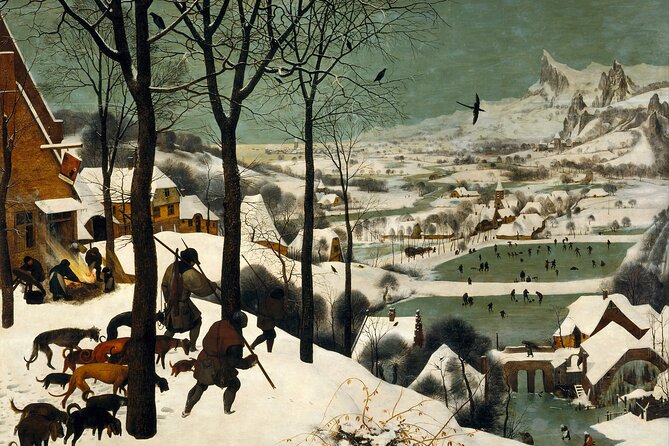
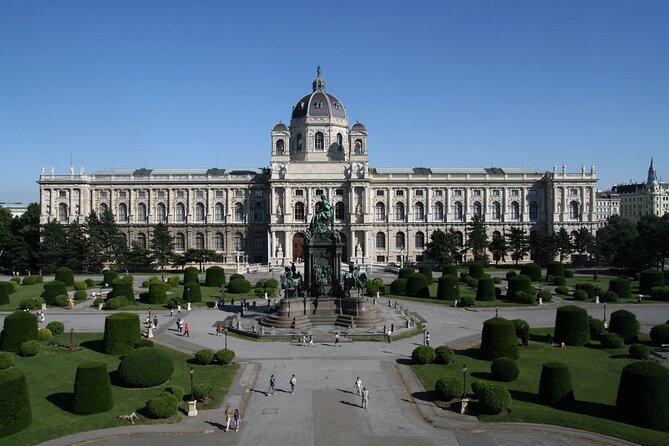
The Kunsthistorischesmuseum in Vienna is one of those buildings that makes you sit up straight before you even see a painting. It is grand, imperial-feeling, and very old-master serious. That matters, because Bruegel can be misunderstood when you only treat him as background art. With the right guide, you start noticing how his scenes work, how his time shaped his choices, and why later artists kept circling back to ideas he helped push forward.
What I like most is the direction. This is not a general museum tour that pretends every canvas is equally important. It is Bruegel-focused inside the Flemish collection, which gives you a stronger reason to look carefully. If you are new to art history, you get a readable on-ramp. If you already love Bruegel, you get context that makes his work click in a bigger picture.
Held over another night in Vienna
- Vienna: Vivaldi’s Four Seasons Concert in Karlskirche
★ 4.7 · 14,951 reviews - Vienna: Spanish Riding School Training
★ 3.9 · 9,281 reviews - Vienna: Schönbrunn Palace & Gardens Skip-the-Line Tour
★ 4.7 · 7,739 reviews - Vienna: Light of Creation Votive Church Immersive Light Show
★ 4.8 · 6,779 reviews
Price and value for a private group up to 10
The tour price is $325.68 per group, up to 10 people, for about 1 to 2 hours. That group pricing can be a strong value when you are traveling with friends or family, because the guide cost gets shared. It is especially appealing if you want a guided experience in a major museum, where self-guided visits can be hit or miss depending on how much you already know.
The biggest financial detail to plan for is that museum entry is not included. Standard admission was 18 EUR per person in 2022, so check the current rate, then add it to the tour price when you budget. Think of it like this: you are paying for the guide and the focused viewing plan, not for the museum ticket itself.
A helpful detail for planning: on average, this tour gets booked about 159 days in advance. That is a sign it tends to sell out or at least move around, especially in busier seasons. If your dates are fixed, earlier booking tends to keep your options open.
Where you meet in Vienna, and how the visit starts smoothly
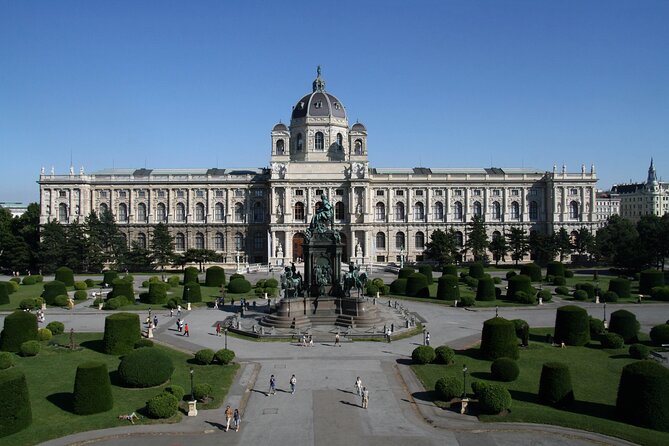
You meet at Maria-Theresien-Platz, 1010 Wien. That is a practical choice, because it is a straightforward landmark area rather than some hidden side entrance. The tour also ends back at the meeting point, which keeps your day tidy if you have other plans nearby.
You also get a mobile ticket. For museum days, that helps. You do not waste time printing or hunting for paperwork. I also like knowing the meeting spot is near public transportation, because it gives you flexibility if you are switching between transit and walking.
One small but real consideration: the experience requires good weather. Since this is a museum-based visit, it likely affects the start of the tour or the overall scheduling rather than your ability to view art indoors. Either way, it is wise to keep a backup plan if Vienna is doing its usual seasonal weather surprises.
Inside the museum: what the Flemish collection is really for
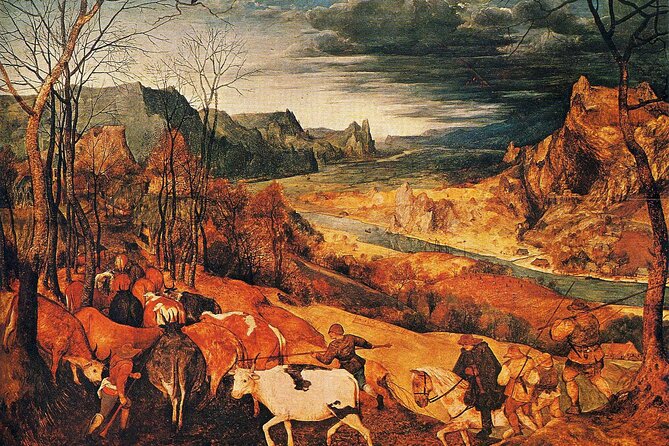
This tour takes place at the Kunsthistorischesmuseum’s Flemish collection. You get the grand 19th-century neo-Renaissance museum setting, but the emphasis stays on old masters and how their world was shaped. The guide frames the paintings with historical and social-political context, and that is where a lot of value lives. Without context, you can admire brushwork but miss the meaning. With it, you start seeing the images as part of a society in motion.
The guide also talks about painting techniques. That turns “I like this painting” into “I understand what I am looking at.” For example, you begin to notice how details are constructed, why certain scenes are staged the way they are, and how artists communicated through visual structure rather than just subject matter.
After the interval, more from Vienna:
Stop 1 at the Kunsthistorischesmuseum: Bruegel in the Flemish collection
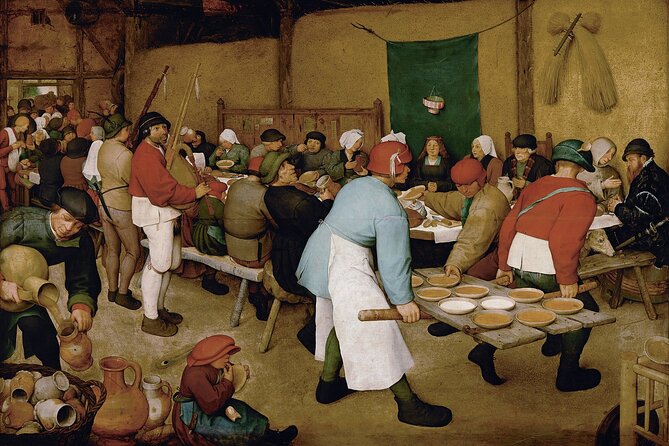
Your main viewing moment happens at the Kunsthistorischesmuseum, focusing on the Flemish collection. This is the heart of the experience and the reason it works so well. You are not being handed a random set of works. You are shown a path through a major collection where Bruegel’s influence and role become easier to grasp.
The big context you should expect
You will get historical and social-political context for the Flemish Renaissance. That may sound heavy on paper, but in practice it helps you read the art. Flemish art in the 1500s was shaped by religious and political change, shifting wealth, and changing cultural priorities. When a guide explains those pressures, the paintings stop feeling like isolated images and start feeling like documents from their era.
How Bruegel becomes understandable, not just famous
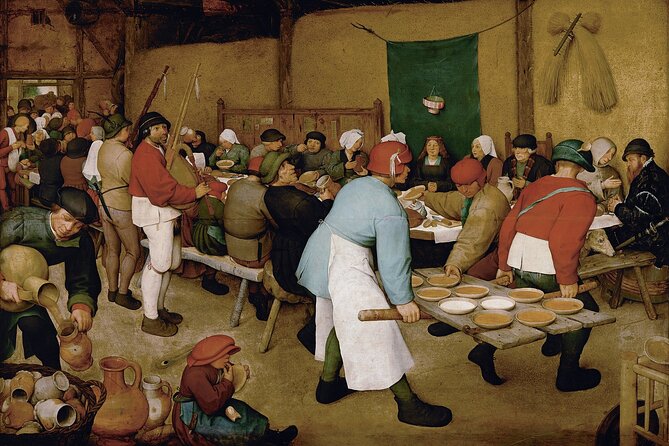
Pieter Bruegel is one of the most celebrated and innovative painters of the 16th century, but fame alone does not teach you how to see. The tour’s focus on Bruegel makes his work feel less like a name on a wall label and more like a set of choices: what he emphasizes, what he includes, what he leaves for you to notice, and how his era shaped his storytelling.
Even if you are not an art-history nerd, you will likely appreciate the way the guide connects Bruegel to the wider art world that followed. The museum’s scope makes those connections feel natural, not forced.
Seeing the links to Rembrandt, Rubens, and Vermeer
One of the smartest parts of the framing is how the guide connects the Flemish collection to later giants like Rembrandt, Rubens, and Vermeer. You are not just learning that they exist. You are learning why their names belong in the same conversation as Bruegel. That gives you a map for future visits, because once you understand how to look for influence and technique, you start spotting it everywhere.
Why the guide matters: Jan Kepinski’s approach
Jan Kepinski is both an art historian and a professional state-licensed Austria guide. In plain terms, that usually means two strengths. First, you get scholarship that stays anchored in the paintings instead of wandering off into trivia. Second, you get delivery that keeps pace with how people actually experience museums, which is slow looking with constant attention drops unless someone guides the rhythm.
The description of Jan as a master storyteller also matters. Bruegel is full of detail, but detail can turn into overload if nobody tells you what matters. A good storyteller helps you choose where to look first, what to notice next, and how to connect separate moments into one meaning. In a one to two hour window, that pacing is not optional. It is the difference between seeing art and having it stick.
Timing: 1 to 2 hours, and how to make it feel like more
The tour runs about 1 to 2 hours. That is a good length for a museum highlight experience. It is long enough to slow down and understand what you are seeing, but short enough that you do not burn your whole day in one building.
To get the most from that time window, come with a simple mindset: pick one or two paintings you want to really understand, then let the guide build context around those. Even if you end up caring about more works along the way, having a focal point helps you avoid the common museum problem, which is looking at everything and retaining almost nothing.
Ticketing and practical planning tips
Here is the practical reality of this experience: you are buying two things, the tour and the museum admission. The tour includes guided help from Jan Kepinski and the state-licensed Austria guide service, but it does not include entries to the Kunsthistorischesmuseum. Standard admission was listed as 18 EUR per person in 2022. Plan to purchase the museum ticket separately.
Because you get a mobile ticket, you can keep your day light and reduce hassle. Also note that this is a private tour/activity, so only your group participates. That tends to reduce the feeling of being rushed. It also makes it easier to ask questions without waiting for a crowd to settle.
Free cancellation is available if you cancel at least 24 hours before the start time, and weather can affect the schedule. For planning, that means you can book with confidence, but it still helps to avoid committing to the most rigid itinerary on the same day.
What kind of visitor should book this Bruegel tour?
If you are new to art history, you should like this because it offers a guided on-ramp. You get context, technique, and the “why” behind the works. You are not expected to already know names, movements, and symbolism.
If you are already into Bruegel, you should like it for a different reason: this focus helps you go deeper in a museum where Bruegel has serious weight. Knowing the Flemish collection is one of the largest Bruegel holdings in the world changes how you experience the paintings. Instead of viewing isolated masterpieces, you start seeing the bigger pattern.
If you hate structured viewing and prefer total freedom with no guiding voice, this may feel too focused. With only about 1 to 2 hours, you will likely spend that time looking in a planned way rather than roaming freely through every gallery.
Should you book Bruegel’s Masterworks with Jan Kepinski?
I would book it if you want a concentrated, high-value Bruegel experience inside one of Vienna’s top museums. The combination of Jan Kepinski’s art history background and the Bruegel-first focus is exactly what turns museum time into real learning. The value works especially well for small groups, since the per-group price can be shared, and you get a private setting.
I would think twice only if you want zero extra steps. You do need the museum admission ticket separately, and you should budget for that extra cost. If you are okay with that, this is a smart way to see the Flemish collection with clarity, not confusion.
FAQ
Where is the tour meeting point in Vienna?
The tour starts at Maria-Theresien-Platz, 1010 Wien, Austria.
Is this tour private?
Yes. This is a private tour/activity, and only your group will participate.
How many people can be in a group?
The price is per group, up to 10 people.
How long does the experience last?
It lasts about 1 to 2 hours.
Do I need to buy Kunsthistorischesmuseum admission separately?
Yes. Entrance to the Kunsthistorischesmuseum is not included. Standard entry was listed as 18 EUR per person in 2022.
What ticket format do I receive?
You receive a mobile ticket.
Who guides the tour?
The tour is guided by Jan Kepinski, an art historian and a state-licensed Austria guide.
When will I receive confirmation after booking?
Confirmation is received within 48 hours of booking, subject to availability.
What if weather is bad, or I need to cancel?
You can cancel for a full refund if you cancel up to 24 hours before the experience’s start time. The experience requires good weather, and if it is canceled due to poor weather you will be offered a different date or a full refund.
Is the meeting point accessible by public transportation, and are service animals allowed?
Yes. The meeting point is near public transportation, and service animals are allowed.
Just added to the bill for Vienna
Vienna Tours & Activities, compared.
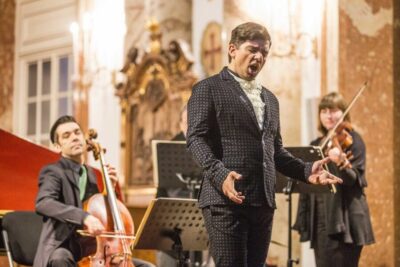
Vivaldi’s Four Seasons Concert in Karlskirche
Read our review →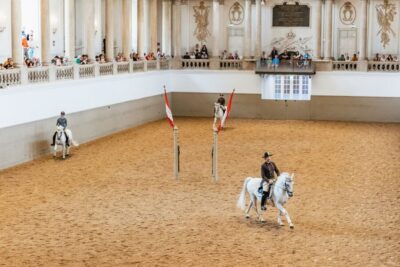
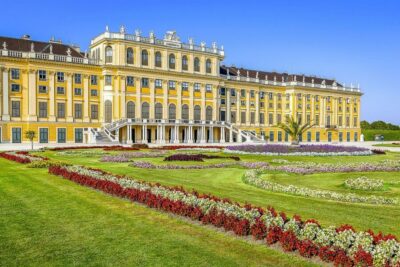
Schönbrunn Palace & Gardens Skip-the-Line Tour
Read our review →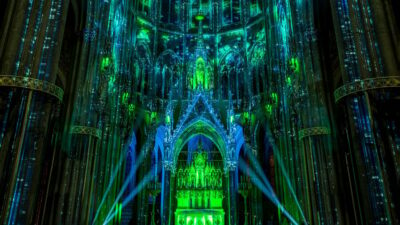
Light of Creation Votive Church Immersive Light Show
Read our review →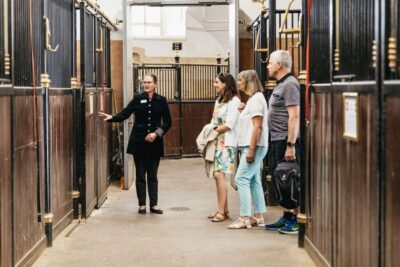
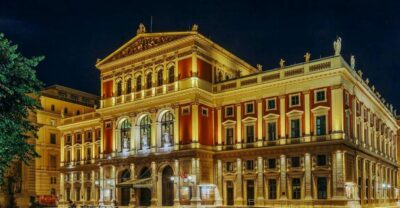
Classical Concert in the World-Famous Musikverein
Read our review →