REVIEW · TOURS
Fall in Love with Vienna Tour- the best of Vienna on foot!
Vienna is best learned by walking it. This 3-hour guided loop gives you a quick, practical sense of the city, from Mozart’s neighborhood to the Vienna Opera area. I like how it mixes big-name landmarks with small stops that explain why Vienna is Vienna, plus your guide can help with photos and offers local suggestions.
Two things that really work here: you get a true highlights overview for a first visit, and the tour keeps you moving without turning it into a museum marathon. One thing to keep in mind is that this is a popular center-city route, so on crowded days you may struggle to hear every detail at every stop.
In This Review
- Key things to know before you go
- Why Vienna’s “best-of” walking loop makes sense for first timers
- Start at Mozarthaus Vienna, and get your bearings fast
- Mozart, wafers, and Stephansdom without losing the plot
- Pestsaule and Peterskirche, the baroque stops you might miss alone
- Julius Meinl, Kohlmarkt coffee culture, and the coffee-house map you’ll reuse
- Hofburg and Sisi Museum, palace life explained in plain terms
- Heldenplatz and Volksgarten, turning imperial drama into a walking pause
- The Parliament fountain and city hall, spotting meaning in stone
- Burgtheater, Schottenkirche, and the Ring street rhythm
- Café Landtmann, Café Central, and Demel, the sweets and sips stop
- Beethoven, Palais Ferstel, and the little “walk-in” architecture moments
- Spanish Riding School, Augustinerkirche, and the quiet power of details
- Hotel Sacher and the Wiener Staatsoper, ending with the city’s postcard
- Walking, shoes, and how to choose your departure time
- Price and value: what $72.59 buys you in Vienna
- Who this walking tour suits best
- Should you book this Vienna highlights tour?
- FAQ
- How long is the walking tour?
- Where does the tour start and where does it end?
- What is included with the price?
- Are museum entrance fees included?
- Is the tour offered in English, and how big is the group?
- Is there a coffee stop during the tour?
- What is the cancellation and bad-weather policy?
Key things to know before you go
- Small group up to 18 so you can actually ask questions as you walk.
- 3 hours, lots of variety (churches, palaces, fountains, coffee houses, and classic Vienna sweets).
- Included coffee-house break (Jan to Nov), with time to sit and reset.
- Mostly free stops at the street level so your money goes to guide time, not admissions.
- Clear start and finish that end right near the Staatsoper on the Ring.
Why Vienna’s “best-of” walking loop makes sense for first timers
Vienna can feel big the moment you step outside the hotel. This tour helps you sort the city into zones you can revisit later, without losing an entire day to planning.
You start at Mozarthaus Vienna, then work your way through the historic core and the Ring street corridor. By the time you reach the Opera area, you understand where the Hofburg world ends and where the grand civic buildings begin.
The best part is the pacing mindset. Instead of spending ages at one place, you get short stops with enough context to make your own follow-up visits more meaningful.
Held over another night in Vienna
- Vienna: Vivaldi’s Four Seasons Concert in Karlskirche
★ 4.7 · 14,951 reviews - Vienna: Spanish Riding School Training
★ 3.9 · 9,281 reviews - Vienna: Schönbrunn Palace & Gardens Skip-the-Line Tour
★ 4.7 · 7,739 reviews - Vienna: Light of Creation Votive Church Immersive Light Show
★ 4.8 · 6,779 reviews
Start at Mozarthaus Vienna, and get your bearings fast
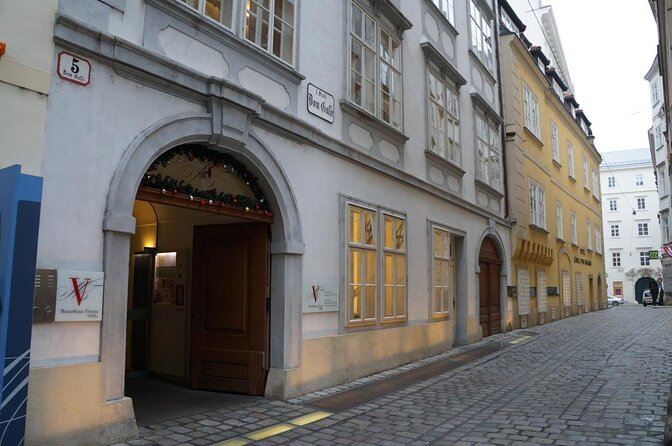
The tour begins at Domgasse 5 at Mozarthaus Vienna. Even if you do not plan to tour the museum inside, the location is a smart entry point because it puts you right where Mozart’s Vienna vibes still feel close.
This opening also matters because it sets the tone: you are not just looking at buildings, you are learning how people lived, worked, and performed in different eras. One useful touch is how your guide can handle photos on request, so you do not have to waste your best daylight juggling a camera and a crowd.
Expect an easy warm-up walk before the main cluster of sights. If you arrive a bit jet-lagged, that first stretch helps you get into rhythm.
Mozart, wafers, and Stephansdom without losing the plot
Early on, the tour points you toward Mozart and his life around his long-time residence. The framing is practical: it ties the man to the city’s cultural machine, not just to dates in a textbook.
Then you hit a classic Vienna food stop right near Saint Stephen’s area, a wafer shop that became a major success over the last decades. You get time to choose from the Neapolitan-style wafer and other candy options, which is a fun way to break up the sightseeing energy.
Stephansdom, the Cathedral of Saint Stephen, is the other anchor stop. You get the basic story of the 11th-century cathedral and why it is a central reference point for the whole city. From there, Vienna instantly becomes easier to navigate.
Pestsaule and Peterskirche, the baroque stops you might miss alone
Two short monuments deliver a lot of meaning. Colonna Della Peste, also known as Pestsaule, is a high baroque memorial ordered by Emperor Leopold II as gratitude after Vienna got help during the plague epidemic. It is the kind of detail you would normally walk past without understanding.
Next is Peterskirche. This church can feel like an art gallery inside, and the story is part of the wow. The building you see today reflects a rebuild after the original was destroyed in the 16th century, and it represents high baroque architecture at its best.
Because these stops are brief, you do not get overwhelmed. Still, you leave with a reason to return if you are the type who likes to stand still and notice the craftsmanship.
After the interval, more from Vienna:
Julius Meinl, Kohlmarkt coffee culture, and the coffee-house map you’ll reuse
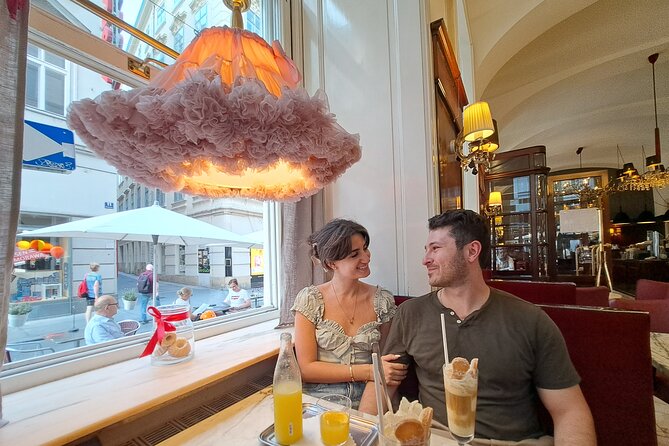
Vienna’s coffee culture is not just a tradition, it is part of the city’s social layout. This tour leans into that by guiding you through a key stop at Julius Meinl on Kohlmarkt, one of the central coffee destinations tied to the city’s coffee story.
You also get pass-by context that helps you order with confidence later. Do not worry about becoming a coffee expert overnight. The value here is that your guide gives you names and locations so you can build your own coffee route after the tour ends.
On top of that, your tour includes an extra 30-minute break in a traditional Viennese coffee house from January to November only. This is not just about coffee. It is about slowing down long enough to ask questions, plan the next day, and recharge your feet.
Hofburg and Sisi Museum, palace life explained in plain terms
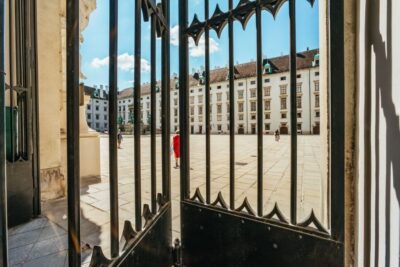
The Hofburg is where Vienna’s big themes collide: empire, ceremony, daily work, and long-running power. This tour shows you where notable Habsburg figures lived, including Elisabeth, Franz, and Maria-Theresa, with stories about how the palace began and what daily life might have felt like over centuries.
Then comes the Sisi Museum, connected to the museum of the Emperor’s Apartments. The guide’s storytelling is a big part of why this stop feels alive. Elisabeth becomes more than a name, and you start noticing how the palace arranged status, privacy, and public image.
Even if you do not go deep into museum rooms later, you will understand how the Hofburg complex functions as a whole. That matters because it helps you choose what to revisit on your own.
Heldenplatz and Volksgarten, turning imperial drama into a walking pause
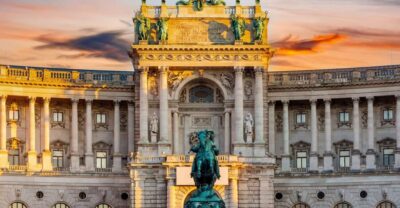
Heldenplatz, the Square of the Heroes, is the entrance area for the Winter Palace complex. You get the big-picture context, including how the square connects to major museums and the grand ball room setting.
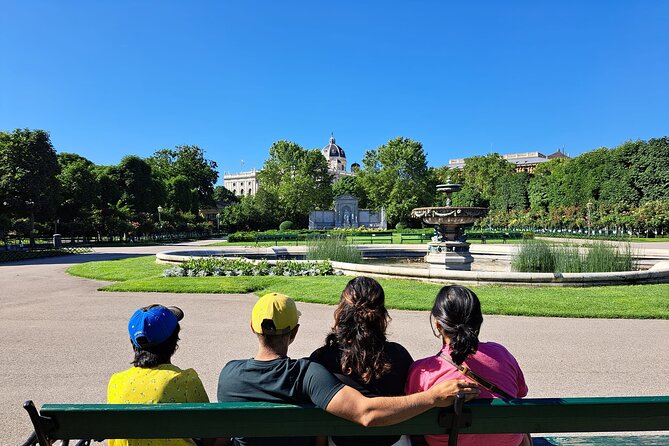
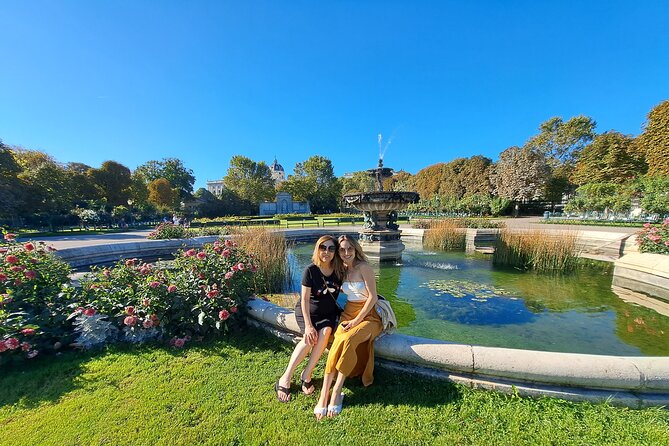
Right after that, Volksgarten offers a breather. This garden was made in 1821 and is one of the better preserved city-center parks. It is also known as the Garden of the 1000 roses, which gives you a memorable label to anchor what you see.
There is also a Greek-style temple inside the People’s garden area, a reminder of the Habsburg emperors’ affection for Greece. It is a small moment, but it expands the story Vienna tells through art and symbolism.
If you like the idea of shifting from buildings to atmosphere, this pairing is one of the strongest stretches.
The Parliament fountain and city hall, spotting meaning in stone
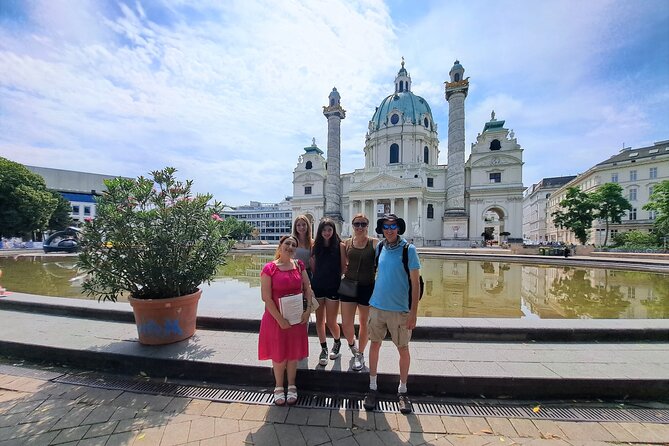
On the walk toward the Ring area, you stop at the Pallas-Athene-Brunnen, the fountain of Palace Athena in front of the Austrian Parliament. You learn who Athena is holding in her hands and what that gesture represents. Even a quick explanation changes how you look at sculptural details.
Then you pass the city hall with its new-gothic architecture. You also get practical seasonal context, including that it hosts major festivals and the largest Christmas market in Vienna. You will not be buying tickets today, but you leave knowing where to go when December arrives.
These are fast stops, but the goal is to train your eyes. You start seeing Vienna’s civic buildings as part of the city’s calendar.
Burgtheater, Schottenkirche, and the Ring street rhythm
Burgtheater is a great waypoint because it bridges the Hofburg world with Vienna’s performance culture. You learn it is the royal theater built in the 17th century under Maria Theresa, and you can feel how theater sits at the heart of city identity.
Schottenkirche adds another layer. This 13th-century church and monastery area comes with museum context and a look at early church history in Vienna. The architectural feel is different from the baroque stops earlier, which keeps your attention from drifting.
As you walk this part of the route, it helps to remember that the Ring street corridor is a kind of open-air timeline. Vienna often tells history through building style, not just through plaques.
Café Landtmann, Café Central, and Demel, the sweets and sips stop
Coffee houses are not just places to drink something in Vienna. They are social institutions, and this tour treats them like that.
You pass Café Landtmann, the favorite coffee house of psychologist Sigmund Freud. That single detail is useful because it explains why certain venues feel like intellectual meeting points, not just cafés.
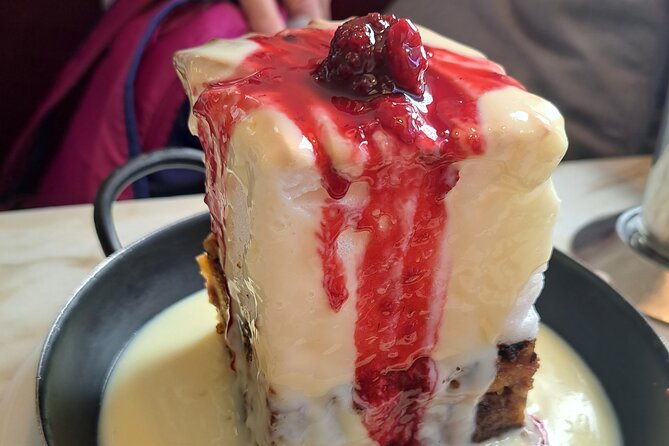
Later, you reach Café Central, one of the most famous coffee houses in an old historic Palais. After that you stop for Demel, Empress Elisabeth’s favorite cake shop outside the Winter Palace area. If you like candy, chocolate, pancakes, and cakes, Demel is built for you, and the tour makes it a point to linger.
If your day includes shopping or souvenir hunting afterward, having these coffee-house names ready makes the rest of your trip easier and more fun.
Beethoven, Palais Ferstel, and the little “walk-in” architecture moments
A short pass-by at Beethoven Pasqualatihaus gives you a composer connection that many visitors miss. You are not stuck in a museum, but you still get the name and location so you can decide later whether to go inside.
Palais Ferstel is another architectural win. You get the chance to admire a beautiful palace and then walk through the passage inside the building to see the design and a fountain. It is one of those Vienna moments where your instincts say, pause here, something interesting is happening.
These are the kinds of stops that make the tour feel richer than a simple sightseeing list. They teach you what is worth looking at in a city full of eye candy.
Spanish Riding School, Augustinerkirche, and the quiet power of details
The Spanish Riding School stop is a pass-by with context. The guide talks about tradition reaching back to Emperor Maximilian and why maintaining a strong cavalry culture mattered. You learn how training and the horses fit into Vienna’s long-standing performance identity.
Augustinerkirche follows with a detail that feels like a small treasure. You hear about a small chapel inside with 50 hearts of emperors and empresses, kept since the 17th century. It is a reminder that Vienna’s grandeur also has quiet, personal corners.
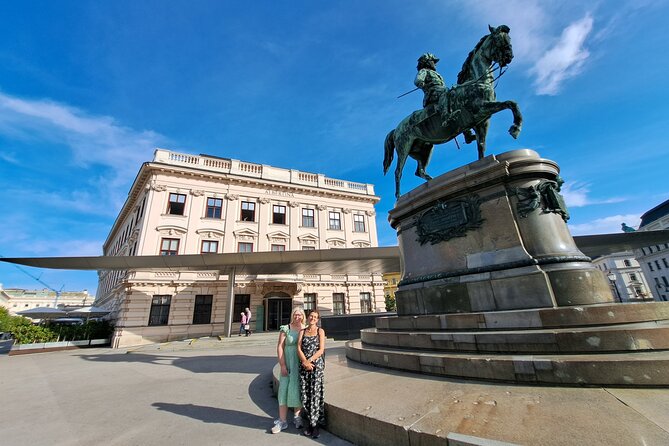
Then you reach Albertinaplatz, near the Albertina museum and with memorial context connected to the Jewish community of Vienna. The point is not to turn your walk into a full memorial tour, but to give you accurate landmarks so you can follow up respectfully later.
Hotel Sacher and the Wiener Staatsoper, ending with the city’s postcard
The final stretch is sweet and dramatic. Hotel Sacher is the birthplace of the Sacher cake, and the tour frames it as the best place to taste the original. Even if you skip dessert, knowing where that story starts helps you spot why Vienna sweets are so tied to place.
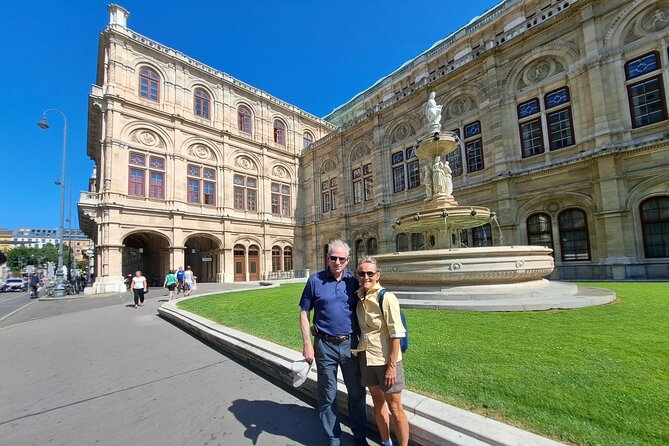
Then you finish at the Wiener Staatsoper on Ring street. It is one of the big Vienna “must sees,” built in 1869. The ending location is ideal because you leave where many self-guided routes and evening plans naturally begin.
If you want photos, this is a smart finish point. You will likely have the energy and daylight to get the classic Opera area shots.
Walking, shoes, and how to choose your departure time
This is a 3-hour walking tour with moderate physical fitness required. The route includes cobblestones, and you will want good walking shoes. The walk can feel like around 5 km for many people, so plan your day with that in mind.
The good news is that the route is not described as hill-heavy. Most of the effort comes from steady walking and street surfaces, not steep climbs.
Also, choose your timing wisely. If you take an early morning departure, you often avoid the worst crowd pressure. In high-season crowds, even a small group can get loud near popular sights, and hearing the guide at every second may be tricky.
Price and value: what $72.59 buys you in Vienna
For about $72.59 per person, you are paying primarily for guided time, planning help, and a city overview. Many of the stops are marked as free admission at the points you visit, and the main exclusions are entrance fees to museums.
That changes the math. You are not paying to stack ticket costs, you are paying to learn what the sights mean and where to go next. Your tour also includes a printed Vienna information package, a Vienna city map, and a coffee-house break time from January to November.
In practical terms, this can save you money after the tour. When you know where things are and what connects to what, you waste less time on repeat rides and wrong turns.
Who this walking tour suits best
This is a strong fit if you:
- are visiting Vienna for the first time and want the big-picture map quickly
- like history told through stories, not only facts on signs
- want coffee-house and cake stops built into the route
- prefer a small group where you can ask questions
It may be less ideal if you expect museum-level detail in 3 hours. One possible downside of this format is that the tour is designed as an overview. If you want deep reading time inside major attractions, you will likely need a second visit or a separate museum-focused outing.
Should you book this Vienna highlights tour?
Book it if your goal is to get your bearings fast and leave with a smart plan for the next 1 to 3 days. The route hits Mozart’s area, the Hofburg world, parks and monuments, and the Opera finish, while feeding you into Vienna’s coffee and cake culture along the way.
Skip it only if you want long time inside museums or you are trying to do Vienna as a single-stop, deep-dive day. Otherwise, this is the kind of walking tour that makes your self-guided time feel better, not busier.
FAQ
How long is the walking tour?
The tour runs about 3 hours.
Where does the tour start and where does it end?
It starts at Mozarthaus Vienna, Domgasse 5, 1010 Wien, Austria. It ends at Vienna Highlight Tour, Herbert-von-Karajan-Platz, Staatsoper, 1010 Wien, Austria, in front of the Viennese Opera.
What is included with the price?
You get a friendly guided tour, a small to medium group experience, practical recommendations for museums and food stops, an extra 30-minute coffee-house break from January to November, a printed Vienna information package, and a Vienna city map.
Are museum entrance fees included?
No. Entrance fees to museums are not included. Many stops on the route are marked as free admission at the visit points.
Is the tour offered in English, and how big is the group?
The tour is offered in English, and it has a maximum of 18 travelers.
Is there a coffee stop during the tour?
Yes. There is an extra 30-minute break in a traditional Viennese coffee house from January to November only.
What is the cancellation and bad-weather policy?
You can cancel for a full refund up to 24 hours in advance. The experience requires good weather, and if it is canceled due to poor weather you will be offered a different date or a full refund.
Just added to the bill for Vienna
Tours, compared.
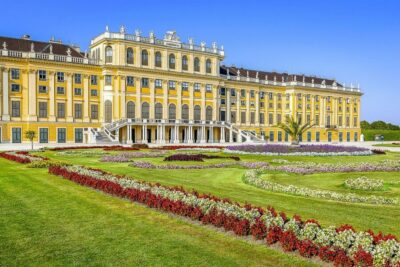
Schönbrunn Palace & Gardens Skip-the-Line Tour
Read our review →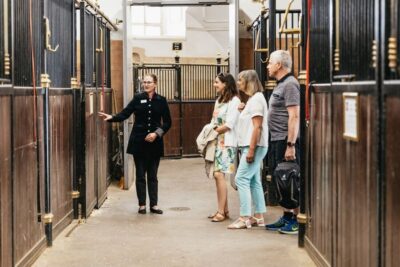
Skip-the-Line Sisi Museum, Hofburg and Gardens Tour
Read our review →
Skip-the-Line Schönbrunn Palace & Gardens Tour
Read our review →
Guided Walking Tour of City Center Highlights
Read our review →