REVIEW · VIENNA TOURS & ACTIVITIES
Freud – Inside the mind of a Genius
Freud’s Vienna feels personal and close up. This 2-hour guided walk takes you through the places tied to medicine in late-19th-century Vienna and to Freud’s own working life, ending at the Freud Museum. I love the maximum of 10 travelers, because the guide can actually answer your questions, and I also love how the route turns big ideas into real street corners. The one thing to plan for is that the Freud Museum ticket is not included, so you’ll want to budget a little extra time and money at the end.
The atmosphere is Belle Époque Vienna, but you’re not just sightseeing. You’re learning how Freud’s life and work were shaped by the people around him, including the friends and bright minds he encountered in his neighborhood. A well-reviewed guide, Lisa Marie, brings an entertaining, research-grounded tone that makes even the more sensitive parts of Freud’s story feel grounded.
One more practical note: the walking pace is meant for people with moderate fitness, so wear good shoes and expect a couple of short transitions between stops.
In This Review
- Key takeaways before you go
- University of Vienna courtyard: where ideas met medicine
- Votivkirche neighborhood: friends, bright minds, and the human scale
- Old University Quarter: studying medicine in a very different era
- Sigmund Freud Museum at Berggasse 19: the “why he had to leave”
- Belle Époque Vienna, seen through one complicated life
- What you get for $45.38: value in small-group storytelling
- Lisa Marie and the kind of guiding this tour is built for
- Practical tips for the 2-hour walk plus museum time
- Who this Freud tour suits best
- Should you book Freud – Inside the mind of a Genius?
- FAQ
- Where does the tour start and where does it end?
- What time does the tour run and how long is it?
- How many people are in a group?
- Is the Sigmund Freud Museum ticket included?
- Are the first stops ticket-free?
- What is included in the tour price?
- Is the tour near public transportation?
- Is the tour physically demanding?
- What is the cancellation policy?
Key takeaways before you go
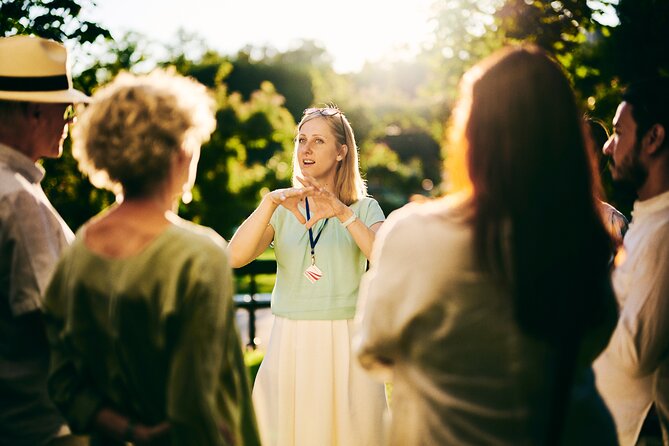
- Max 10 travelers means more interaction and fewer “lecture-to-the-back” moments.
- Freud’s world on foot links the University of Vienna area to the neighborhood where he found companions.
- Museum on your time: the walk ends at the Freud Museum, and you’ll pay for your own admission.
- Late-19th-century medicine focus helps you understand what “thinking like Freud” looked like in his era.
- Free entry at the first stops: the University, Votivkirche area, and Old University Quarter visits are ticket-free.
University of Vienna courtyard: where ideas met medicine
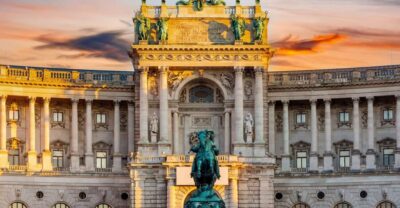
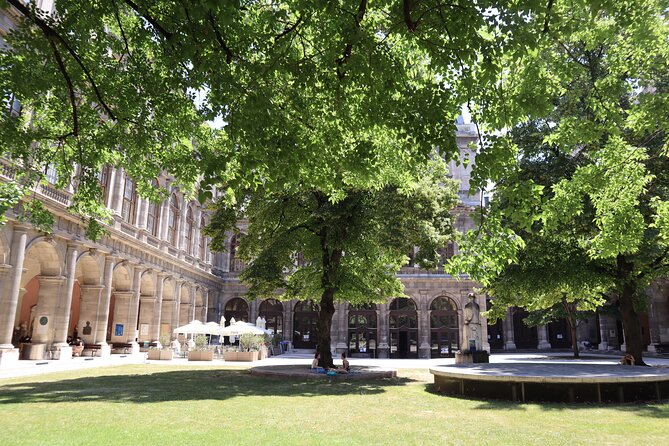
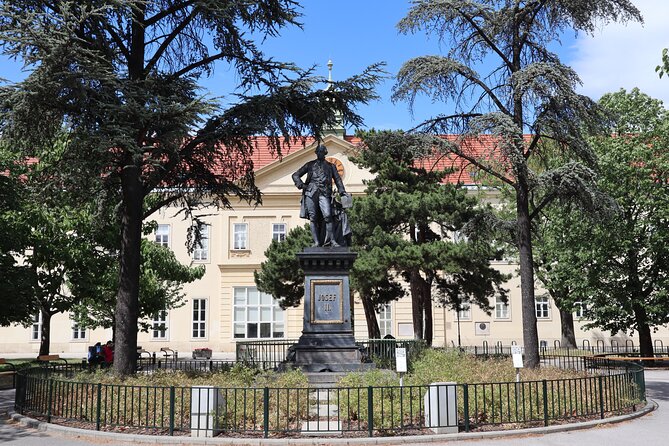
You start in the University of Vienna area, at Studienzulassung, Universitätsring 1. From the beginning, the tour does something useful: it anchors Freud’s story in the everyday reality of learning and professional life. You look at the university courtyard and connect what you see in front of you to Vienna’s late-19th-century world.
I like this opening because it sets expectations. This is not a “Freud highlight reel.” It’s more of a guided way to understand the medical and academic environment that surrounded Freud while he studied and worked. Even if you know the basics of psychoanalysis, seeing the institutional setting helps you grasp what kinds of questions were being asked around him at the time.
The practical upside is also clear: you get a real historical anchor without needing extra tickets. Admission at this first stop is free, which makes the start feel easy and low-stress.
Held over another night in Vienna
- Vienna: Vivaldi’s Four Seasons Concert in Karlskirche
★ 4.7 · 14,951 reviews - Vienna: Spanish Riding School Training
★ 3.9 · 9,281 reviews - Vienna: Schönbrunn Palace & Gardens Skip-the-Line Tour
★ 4.7 · 7,739 reviews - Vienna: Light of Creation Votive Church Immersive Light Show
★ 4.8 · 6,779 reviews
Votivkirche neighborhood: friends, bright minds, and the human scale
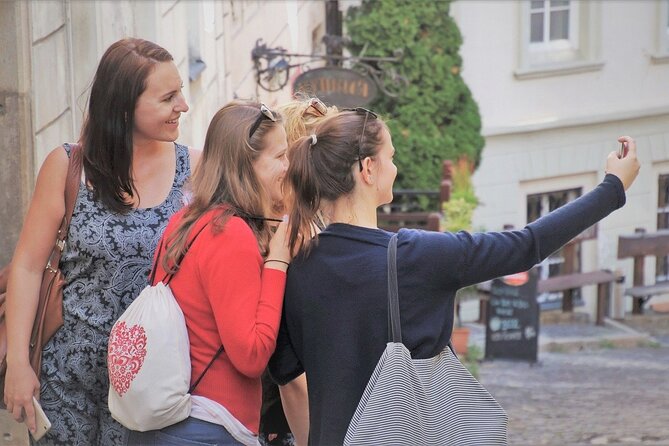
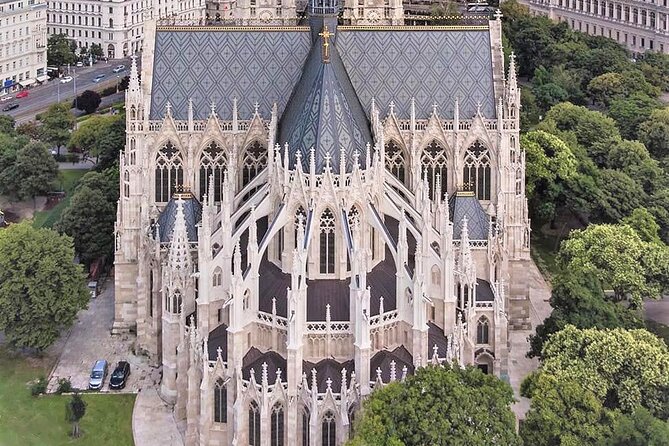
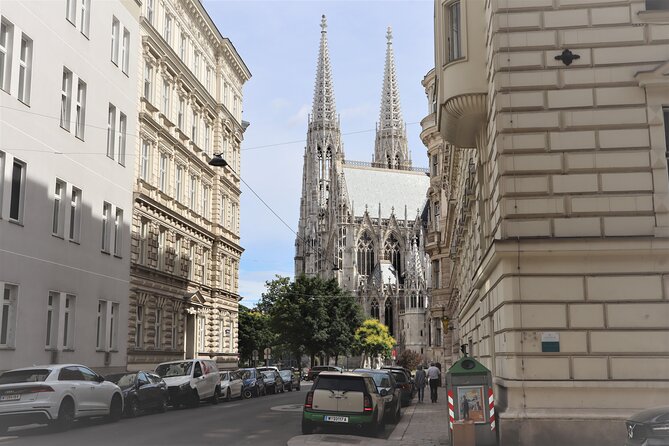
Next you head to the Votivkirche area. This is where the tour shifts from institutions to people, focusing on the neighborhood Freud found many friends and bright minds. The tour frames it as community, not just background scenery.
This matters, because Freud’s work did not come from a vacuum. The guide’s emphasis on friends and companions helps you connect theory to relationships, conversations, and the day-to-day push and pull of living in a creative city.
You’ll spend a short amount of time here, so don’t treat it like a long photo stop. Instead, use it like a context stop. Notice the streetscape and think about how a network of colleagues could form around places like this.
Again, admission here is listed as free, so you’re simply paying for the guidance and storytelling, not access fees.
Old University Quarter: studying medicine in a very different era
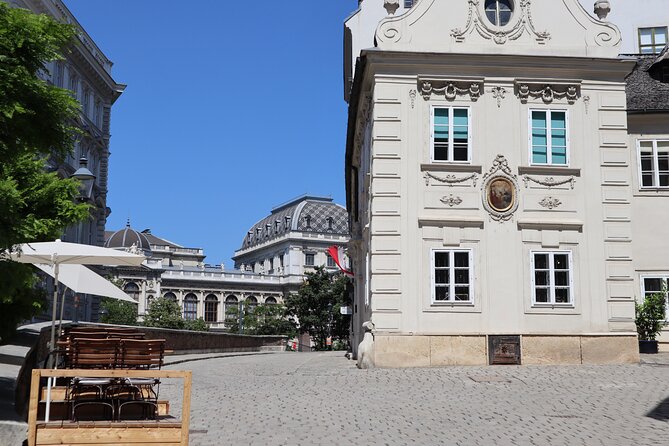
From Votivkirche, you move into the Old University Quarter. This part is built around a straightforward question: what kind of medicine existed back then, and what would studying have felt like in Freud’s time?
I like that the tour focuses on “back then” rather than trying to make everything feel modern. Medicine in the late 1800s looks and sounds very different from what most visitors are used to today. Even without getting overly technical, the guided explanation gives you a way to interpret what you’re seeing and what was changing during that era.
The Old University Quarter stop also gives the walking tour its rhythm. It’s still compact enough to fit into a 2-hour outing, but it feels like a real sequence, moving from learning spaces into the surrounding environment that influenced intellectual life.
Admission here is also free, so this stop keeps the tour good value if you’re trying to spend money where it counts, like the museum at the end.
Sigmund Freud Museum at Berggasse 19: the “why he had to leave”
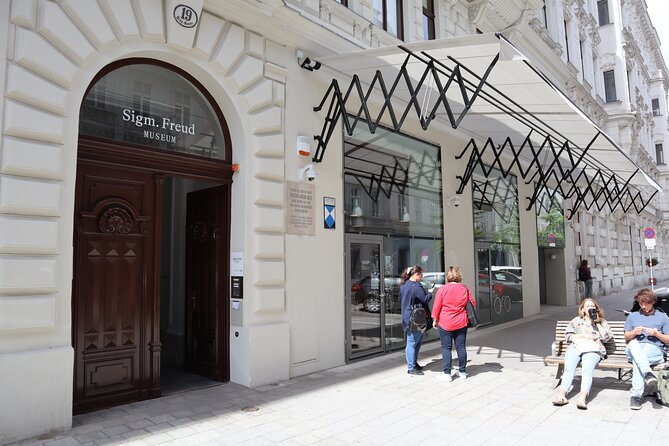
The tour finishes at the Sigmund Freud Museum on Berggasse 19. This is the point where the walking part becomes a doorway into a more emotional story.
You’ll be prompted to figure out why Freud was forced to leave and what happened to his family. The tour description clearly signals that the museum visit is where you’ll connect the dots, so come ready to slow down and read. The walking guide portion is only part of the experience, because the museum is the place for deeper context.
One caution: the museum ticket is not included in the tour price. That affects value, planning, and how smoothly your afternoon flows. If you hate surprises, check the museum admission before you start the walk, and think about how long you want to spend inside.
Also, this is your “end point” after a walking route. So plan for a transition: put on your museum-appropriate pace, because once you’re inside you’ll want time to actually take in the story rather than rushing.
After the interval, more from Vienna:

Belle Époque Vienna, seen through one complicated life
What I find most satisfying about this tour is the balance between style and substance. You’re in Vienna, so of course you get architecture and atmosphere. But the tour keeps steering you back to meaning: how the city’s intellectual life connected to medicine, to relationships, and to the thinking that later shaped Freud’s work.
In the reviews, a few themes show up strongly, and they match what the tour is designed to do. The guide is described as well informed and entertaining, and the overall experience is praised as something different from the usual Vienna checklist. That’s exactly what you should expect: a smarter route that uses Freud as a lens, rather than treating him like a statue you pass.
If you’re into psychology, this approach helps you connect Freud to the world that created the questions he asked. If you’re not, it still works, because the tour keeps returning to human scale, friends, study spaces, and where life happened.
What you get for $45.38: value in small-group storytelling
At $45.38 per person for about 2 hours, this tour sits in a reasonable range for a guided walk that ends at a major cultural site. The big value lever here is the group size. With a cap of 10 travelers, you’re more likely to get real answers, not just a one-way talk.
Then there’s the fee structure at the stops. The first three stops are set up as ticket-free: the University of Vienna, the Votivkirche area, and the Old University Quarter. That means your money is mostly paying for the guide and for historical interpretation, not paying for access to every single location.
The one extra cost you should plan for is the Freud Museum admission. Since it’s not included, your total spend could be a bit higher than the tour price alone. But that can also be a good thing, because you choose how long you want to spend inside the museum at your own pace.
If you like to travel efficiently and you want a route that doesn’t feel like you’re just checking locations, this format is a strong fit. You get a guided narrative plus the option to go deeper where it counts.
Lisa Marie and the kind of guiding this tour is built for
One recurring point from the feedback is guide quality. Lisa Marie is specifically mentioned for being well informed and entertaining, and for making the story of Freud feel alive rather than textbook-flat.
That matters because Freud can be a “big name” that people either oversimplify or avoid. A good guide helps you handle the complicated parts without turning it into a debate club. The best parts of this experience should feel like learning, but with personality and clear explanations.
Also, the “intimate” group size is not just a comfort perk. It changes how the tour works. If you have questions about what you’re seeing or what a place might have meant in Freud’s era, a small group makes it more likely the guide can actually respond.
Practical tips for the 2-hour walk plus museum time
Start with your shoes. The tour is listed for moderate physical fitness, so you’ll want comfortable footwear you trust in Vienna streets.
Second, think about pacing. The walk is about 2 hours, but the museum is where you’ll likely spend additional time on your own. If you’re coming in with a tight schedule, decide in advance how long you want at the museum so you don’t feel rushed.
Third, take advantage of the free stops. Since the University, Votivkirche area, and Old University Quarter are ticket-free, you can treat those parts as low-pressure segments for absorbing context. Don’t force it into photo-mode only. Let the guide’s explanation do the heavy lifting.
Finally, use the route to build a mental map. By the time you reach Berggasse 19, you’ll understand better why it’s such an important endpoint.
Who this Freud tour suits best
This walking tour is a strong choice if you like guided history that explains context, not just names and dates. You’ll get the most out of it if you enjoy:
- psychology or the history of ideas
- the connection between medicine and society
- walking tours that feel personal and discussion-friendly
You might enjoy it even if you’re not a specialist. The guide’s style, described as entertaining and well informed, seems made for visitors who want to understand the roots of Freud without feeling overwhelmed.
If you want a long, museum-first day, this may feel short as a standalone plan, because the guided portion is about 2 hours. But if you treat the museum as the deeper half of the outing, the structure makes a lot of sense.
Should you book Freud – Inside the mind of a Genius?
Yes, if you want an efficient, thoughtful way to see Freud’s Vienna with a small group and a guide who can keep the story clear and engaging. The best reason to book is the combination of intimate group size and a route that stays focused on how Freud’s life intersected with study spaces, neighborhood connections, and the broader medical world of his era.
Book with a bit of flexibility if you care about the museum experience, since the Freud Museum ticket is not included and the ending is designed for you to continue on your own time. If you want everything fully packaged with no extra admissions, this is not quite that type of tour.
If you’re deciding between “Freud in Vienna, randomly” and “Freud in Vienna, with a plan,” this one has a real structure. You’ll leave with a clearer sense of why those streets matter, and why the final stop on Berggasse 19 is more than a famous address.
FAQ
Where does the tour start and where does it end?
It starts at Universität Wien Studienzulassung, Universitätsring 1, 1010 Wien, Austria and ends at the Sigmund Freud Museum, Berggasse 19, 1090 Wien, Austria.
What time does the tour run and how long is it?
The start time is 2:00 pm, and the duration is approximately 2 hours.
How many people are in a group?
The tour caps the group at a maximum of 10 travelers.
Is the Sigmund Freud Museum ticket included?
No. The Freud Museum admission ticket is not included, so you’ll need to purchase it separately.
Are the first stops ticket-free?
Yes. The itinerary lists admission ticket free for the University of Vienna, Votivkirche, and the Old University Quarter.
What is included in the tour price?
The tour price includes GST (Goods and Services Tax).
Is the tour near public transportation?
Yes, it is listed as near public transportation.
Is the tour physically demanding?
It’s noted as requiring a moderate physical fitness level.
What is the cancellation policy?
You can cancel for free up to 24 hours in advance for a full refund. If you cancel less than 24 hours before the start time, the amount paid will not be refunded.
Just added to the bill for Vienna


Vienna Tours & Activities, compared.
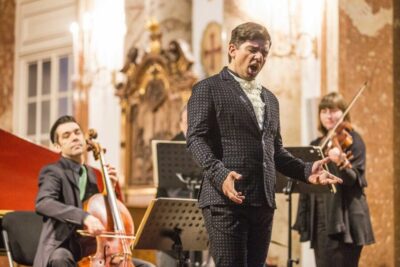
Vivaldi’s Four Seasons Concert in Karlskirche
Read our review →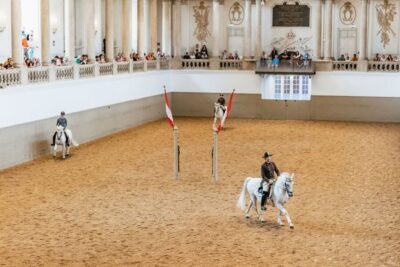
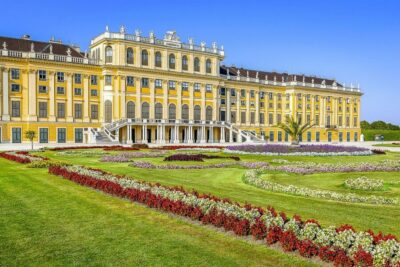
Schönbrunn Palace & Gardens Skip-the-Line Tour
Read our review →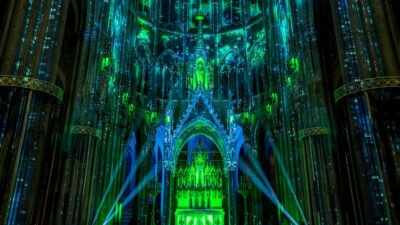
Light of Creation Votive Church Immersive Light Show
Read our review →
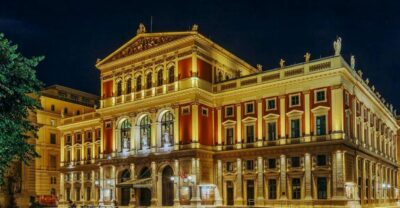
Classical Concert in the World-Famous Musikverein
Read our review →