Klimt in 1900 Vienna hits different. This 90-minute walk at the Upper Belvedere Palace helps you connect Gustav Klimt’s paintings with the city that shaped them, and you get a focused look at the museum’s top Klimt works, including The Kiss. I also like that the tour is led by PhD art historian Kolja Kramer, so you hear clear, art-focused storytelling instead of vague “cool art” commentary. One thing to consider: the time is short, so you may not see every single Klimt detail you hoped for, especially if you like to linger long in every room.
You meet inside the Upper Belvedere in the entrance hall, right by the grand imperial staircase, with time to take in the palace views over Vienna before you start looking hard at the art. If you want context for Vienna Secession ideas and the other artists in Klimt’s orbit, this is a good fit. If your priority is slow, do-it-yourself museum wandering, you might find a guided pace less your style.
In This Review
- Key Takeaways Before You Go
- Klimt and Vienna around 1900: Why this tour feels more like a story than a slideshow
- Upper Belvedere meeting point: the grand staircase view that sets the tone
- How the guide ties Klimt’s life to the art you see on the walls
- Vienna Secession and the international art scene that shaped Klimt
- Seeing The Kiss and the Klimt collection without getting lost
- Price and logistics: when $53 makes sense, and when it might not
- Pace, group size feel, and who will love this most
- Practical tips to make the experience smoother inside the palace
- Should you book Klimt and Vienna around 1900 at the Upper Belvedere?
- FAQ
- What is the duration of the Klimt & Vienna around 1900 tour?
- Where do we meet for this tour?
- Is the Upper Belvedere entrance ticket included in the price?
- Do I need a ticket for the Lower Belvedere Palace?
- What should I do about the time slot on my museum ticket?
- How much does the tour cost?
- What language is the tour offered in?
- Who leads the tour?
- Is the tour wheelchair accessible?
- What is the cancellation policy?
Key Takeaways Before You Go
- PhD art historian Kolja Kramer leads the tour, with a clear, story-driven approach to Klimt and his circle.
- You start at the Upper Belvedere’s grand imperial staircase, with a view over Vienna before you head into the collection.
- The focus stays on Vienna around 1900, including the Vienna Secession and major names like Egon Schiele and Josef Hoffmann.
- You’ll see the headline Klimt works, including The Kiss, in the museum’s original collection.
- International modern art gets explained in context, with references to Monet, Munch, van Gogh, and others.
Klimt and Vienna around 1900: Why this tour feels more like a story than a slideshow
Vienna around 1900 is the sweet spot where beauty, anxiety, fashion, and new ideas all collide. That collision shows up in Klimt’s work, in the way artists tested symbolism, in the way architecture looked different, and in how people talked about art as something that could change society.
What makes this tour click is that it treats Klimt as part of a scene, not as a lone genius floating above history. You’re shown what inspired him, how his ideas developed over time, and how his personal life can help you read what you’re seeing on the walls. I like that the tour doesn’t force everything into one neat interpretation. Instead, it gives you the context you need to understand why the paintings look the way they do.
This matters because the Upper Belvedere’s collection can feel overwhelming fast. You arrive wanting to see one famous work and suddenly you’re surrounded by symbolism, patterns, and allegory. A good guide keeps you from getting lost in the wow-factor and missing the “why.” And based on how Kolja Kramer teaches, you’ll likely walk away with a better sense of how Vienna’s art community shaped what became modern.
Still, keep your expectations realistic. The tour is 90 minutes, and you’re inside a major museum. That’s enough time for a smart overview, but not enough time to settle in for every painting at the same level you would during a self-guided day.
Held over another night in Vienna
- Vienna: Vivaldi’s Four Seasons Concert in Karlskirche
★ 4.7 · 14,951 reviews - Vienna: Spanish Riding School Training
★ 3.9 · 9,281 reviews - Vienna: Schönbrunn Palace & Gardens Skip-the-Line Tour
★ 4.7 · 7,739 reviews - Vienna: Light of Creation Votive Church Immersive Light Show
★ 4.8 · 6,779 reviews
Upper Belvedere meeting point: the grand staircase view that sets the tone
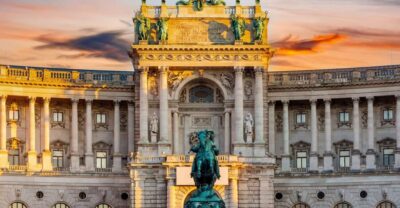
Your tour starts inside the Upper Belvedere Palace, inside the entrance hall, in front of the grand imperial staircase. This is a strong start because the building itself works like a lesson. You see the setting that once belonged to Prince Eugen of Savoy, and you get oriented to the palace’s “summer palace” feel and its role as a stage for power and culture.
Before you spend much time staring at art, you get the payoff of being up high and looking out. The tour includes an amazing view over Vienna from the palace area. That view is more than a photo stop. It helps you picture how Vienna looked and felt at the turn of the century, when the city’s growth and changing ideas made people hungry for new ways to express modern life.
Then the tour shifts into the museum experience. Instead of walking in cold, you’re given a path. You’ll learn what to look for, why the collection matters, and how Klimt’s style connects to the broader world of art around 1900.
A practical note: you’ll want to be on time inside the palace. The program depends on your entry, and if you’re late, the pacing can slip. When it runs like it should, the whole experience feels organized rather than rushed.
How the guide ties Klimt’s life to the art you see on the walls
One of the most valuable parts of this tour is the way it connects Klimt’s paintings to his development and his personal life. You’re not just told what a painting looks like. You’re encouraged to understand what pushed him artistically, and why the themes and symbols kept evolving.
Klimt’s career is often discussed as if it were a straight line from early work to masterpiece moments. This tour helps you see the turn-of-the-century forces around him. You get context for how he fit into the major art conversations of the time, and how he and other artists responded to what was happening in Europe beyond Vienna.
Kolja Kramer also zooms out to Vienna’s key players. You’ll hear about Egon Schiele and Josef Hoffmann, which is helpful if you know the names but don’t yet understand how they connect. Schiele, Hoffmann, and the larger Vienna scene matter because they represent different approaches to modern art, each reacting to the same moment in different ways.
There’s another side to this that I think you’ll appreciate even if you’re not an art expert. When the guide is a PhD art historian, the information sounds less like opinions and more like a guided reading. It helps you look longer at details without feeling like you need a textbook in your pocket.
Possible drawback to keep in mind: the tour is 90 minutes, and the Klimt collection is big. If your dream is a slow, room-by-room museum day with zero time pressure, you might feel you didn’t get enough time with every single work. If you’re happy with a strong overview and want the context to help you explore afterward, it’s ideal.
Vienna Secession and the international art scene that shaped Klimt
Klimt didn’t create in a vacuum. A huge theme here is the Vienna Secession, founded in 1897. That detail is more than trivia. It explains why so many Vienna artists broke from older expectations and pushed for new styles that felt current and international.
On this tour, you learn how the Secession acted like a platform for young and upcoming artists. You also learn how international works of art started showing up in Vienna. That cross-pollination matters because Klimt’s work can look uniquely Viennese, yet it also shares ideas with wider European movements.
Here’s what you’ll hear about as examples of that international exchange:
- Impressionism, including Monet
- Other avant-garde influences, including Edvard Munch
- Additional European voices like Hodler, Segantini, and van Gogh
You don’t need to memorize names to get value. The point is that Vienna was not isolated. It was part of a broader modern art conversation, and the Secession helped bring those new currents into the city.
The tour also touches on art styles you’ll recognize from textbooks and museum labels: Symbolism, Impressionism, and Expressionism. Hearing them connected to specific people and to Vienna’s art institutions makes those labels feel less abstract. They become a set of tools for understanding why paintings use certain colors, symbols, or emotional intensity.
And this context helps with your viewing experience at the Upper Belvedere. When you’re standing in front of a Klimt work, you can start asking smarter questions:
- What is the painting trying to symbolize?
- How does the style reflect the 1900 mindset?
- How does Vienna’s art scene influence the emotional tone?
That’s when a “famous painting” turns into something you actually understand.
After the interval, more from Vienna:

Seeing The Kiss and the Klimt collection without getting lost
The Upper Belvedere is the right place to come for Klimt. This tour is built around the museum’s major original collection of Klimt paintings, and it highlights the big moments, including The Kiss. That masterpiece is the obvious draw, but the smarter value is how the guide frames it so it doesn’t feel like a single lucky highlight.
You get a sense of Klimt’s artistic development by watching the collection through an interpretive lens. Instead of treating each painting as a separate island, the tour points out how Klimt’s themes and visual language evolve. That makes The Kiss land with more meaning because you can place it in the arc of his work rather than seeing it as a standalone icon.
One more important factor: the guide helps you understand the palace collection as a historical artifact. When art sits in a specific palace context, it affects how you read it. Klimt’s work is tied to the Vienna of 1900, and the Upper Belvedere setting reinforces that relationship.
Still, here’s the tradeoff. The tour time is limited, so you won’t have an all-day experience. The most famous works are included, but if you want to track every single Klimt canvas with a notebook and a slow pace, you may need extra time on your own afterward. The tour is best for people who want the key connections and then plan a second pass through the museum.
Price and logistics: when $53 makes sense, and when it might not
The price is listed as $53 per person for a 90-minute guided experience. The tour price includes the guided tour with a certified guide and PhD art historian, but it does not include the entrance ticket to the Upper Belvedere Palace.
That’s the biggest value equation to understand. If you already plan to visit the Upper Belvedere anyway, the tour can be a cost-effective way to get meaning fast. You’re paying to save time and to get expert context while you’re in front of the paintings. For many people, that’s worth it because the museum can be easy to “see” but harder to “understand.”
If you were on the fence about visiting the Upper Belvedere at all, then the add-on ticket cost changes the math. In that case, ask yourself: do you want a museum day with guided interpretation, or do you want to browse casually?
Also, don’t treat your entrance ticket like an afterthought. You must buy a valid Upper Belvedere ticket with the correct time slot, and the time slot should be before your tour start time. Tickets for the Lower Belvedere are not needed for this experience.
No nonsense here: buy the museum ticket online early, and match the time slot carefully. That avoids long lines and helps the group keep moving. This tour can be unforgiving if your entry timing is off, because delays can affect access and pacing.
Pace, group size feel, and who will love this most
This is a short tour, so the pacing is structured. You’ll hear a lot of art context in a relatively tight window, plus you’ll spend real time looking at Klimt and the Vienna around him. It’s the right format for a “first Klimt hit,” or for a focused stop during a busy Vienna trip.
I think this suits you best if:
- You love Klimt, and you want more than just recognition
- You care about the Vienna Secession story and want it explained clearly
- You like art history taught in a way you can apply immediately while standing in front of paintings
- You want a guide with academic training, not just general museum hosting
It may not suit you as well if you:
- Prefer long, unstructured museum time
- Want to sit with one painting for an hour
- Get bored if the tour moves quickly between rooms
The review pattern around the guide also hints at a teaching style that’s approachable and engaging. Kolja Kramer’s humor and warmth come through in how he communicates. And when a group ends up very small, the tour can feel more personal rather than rushed through a crowd.
Practical tips to make the experience smoother inside the palace
Here’s how I’d set yourself up for a great 90 minutes.
- Bring your Upper Belvedere ticket with the correct time slot. Only the Upper Belvedere ticket is needed.
- Choose a time slot before the tour starts. For example, if the tour starts at 10:00, get a time slot at 9:00 or 10:00.
- Meet inside the Upper Belvedere entrance hall, in front of the grand imperial staircase. Not the Lower Belvedere.
- Arrive with buffer time. The palace is popular, and ticket lines can eat your margin.
- Plan to do a second look after the tour. If The Kiss and a few major Klimts really grab you, use extra time on your own to linger.
Language is English or German, so you should be fine if you fall into either category.
On accessibility, the tour is listed as wheelchair accessible. It’s still smart to mention your needs when booking, but the core experience is designed to be workable.
Should you book Klimt and Vienna around 1900 at the Upper Belvedere?
Book it if you want your Vienna art visit to feel connected. This tour is built around strong context: Vienna around 1900, the Secession in 1897, the international art currents that reached Vienna, and the major names that made that moment matter. You’ll see The Kiss and other major Klimt works in a way that helps you understand what you’re looking at, not just that you’re looking at famous art.
Skip it, or pair it with a self-guided plan, if you’re a slow museum walker who needs lots of time per painting. The short duration is the main constraint. You’ll get an excellent overview, but not a full, leave-no-canvas-behind experience.
If you’re aiming for value, pair the tour with your own museum time afterward. That way, you get the guide’s framing first, then you can linger where your favorites pull you back in.
FAQ
What is the duration of the Klimt & Vienna around 1900 tour?
The tour lasts 90 minutes.
Where do we meet for this tour?
You meet inside the Upper Belvedere Palace, in the entrance hall in front of the grand imperial staircase.
Is the Upper Belvedere entrance ticket included in the price?
No. The entrance ticket for the Upper Belvedere is not included.
Do I need a ticket for the Lower Belvedere Palace?
No. You only need a ticket for the Upper Belvedere.
What should I do about the time slot on my museum ticket?
Buy a valid Upper Belvedere ticket with the correct time slot. The time slot should be before your tour start time.
How much does the tour cost?
The price is $53 per person.
What language is the tour offered in?
The tour is available in English and German.
Who leads the tour?
It is guided by a certified guide and PhD art historian, Kolja Kramer.
Is the tour wheelchair accessible?
Yes, it is listed as wheelchair accessible.
What is the cancellation policy?
Free cancellation is available up to 24 hours in advance for a full refund.
Just added to the bill for Vienna

Vienna Tours & Activities, compared.
Vivaldi’s Four Seasons Concert in Karlskirche
Read our review →
Schönbrunn Palace & Gardens Skip-the-Line Tour
Read our review →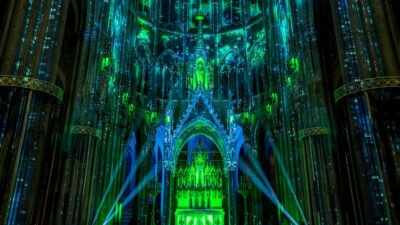
Light of Creation Votive Church Immersive Light Show
Read our review →
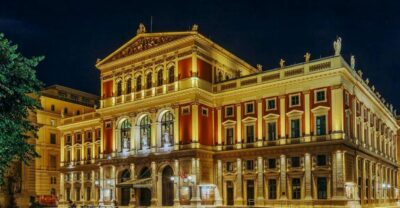
Classical Concert in the World-Famous Musikverein
Read our review →