REVIEW · VIENNA TOURS & ACTIVITIES
The best of Vienna on foot
Vienna is made for a good walking plan. This guided city-center stroll covers the big classics fast, with stories that connect the dots between monuments, palaces, and everyday Vienna. I especially liked the clear focus on St. Stephen’s Cathedral and the way the route layers major imperial sights with human-scale details like photo stops and local culture talk.
Two things I really love: you get more than 10 major highlights in about 150 minutes, and the guide answers questions as you walk, not in a lecture. The only drawback to consider is the pace. This is a true walk through the center, so if you tire easily, you’ll want to plan for steady steps and limited sit-down time.
In This Review
- Key highlights you’ll actually feel in the moment
- Maria-Theresa Memorial to St. Stephen’s Cathedral: how this walk works
- Finding the meeting point with the Italian-colored umbrella
- St. Stephen’s Cathedral, your end landmark (and why it matters)
- Hofburg, Franz Josef, and Empress Sissi without the overwhelm
- Heldenplatz: where the imperial story gets public
- Plague Column and the Capuchin Crypt, the serious counterweight
- Albertina and Vienna State Opera: arts Vienna in walking distance
- Photo breaks and question time that actually help
- Price and value: is $40 worth 150 minutes?
- Language, mobility, and comfort: what to expect before you go
- Who this tour is for, and who might want a different plan
- Should you book the best of Vienna on foot?
- FAQ
- Where does the tour start and where does it end?
- How long is the guided walking tour?
- What is the meeting point location?
- What landmarks will we see during the walk?
- Is the tour in English?
- What’s included in the price?
- What’s not included?
- Is the tour wheelchair accessible?
- Are pets or audio recording allowed?
- What happens if it rains?
Key highlights you’ll actually feel in the moment
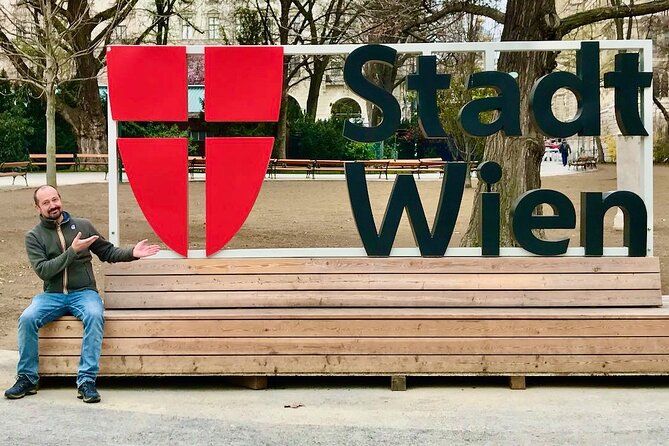
- Maria Theresia start point at the fountain, easy to find and great for orientation
- St. Stephen’s Cathedral as your end landmark, so you finish where many first-timers want photos
- Hofburg and Heldenplatz for the imperial core, framed around Franz Josef and Empress Sissi
- Capuchin Crypt viewing outside the area, a striking counterpoint to the palace vibe
- Albertina and Vienna State Opera stops that point you toward Vienna’s arts side
- Guided photo moments plus practical city tips, from restaurant ideas to public transport
Maria-Theresa Memorial to St. Stephen’s Cathedral: how this walk works
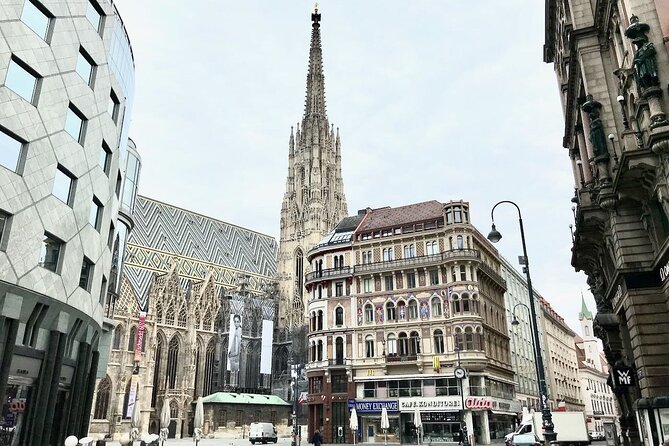
This tour is designed to get you oriented in Vienna’s city center without wasting your first hours on trial and error. You start at the Maria-Theresa Memorial area and finish at St. Stephen’s Cathedral, so the route has a clear beginning and a satisfying “bookend” for your photos.
Plan on about 2.5 hours of walking. The guide keeps it moving, but you’re also given time to photograph the most impressive baroque buildings and absorb the stories behind the monuments. You’ll also pick up practical advice, the kind that helps you go from seeing Vienna to understanding how to enjoy it.
One more practical note: the tour is rain or shine, so wear real walking shoes and bring a rain layer. It’s also Italian-language only, so if you only do English, you’ll need to be comfortable following along with a guide in Italian.
Held over another night in Vienna
- Vienna: Vivaldi’s Four Seasons Concert in Karlskirche
★ 4.7 · 14,951 reviews - Vienna: Spanish Riding School Training
★ 3.9 · 9,281 reviews - Vienna: Schönbrunn Palace & Gardens Skip-the-Line Tour
★ 4.7 · 7,739 reviews - Vienna: Light of Creation Votive Church Immersive Light Show
★ 4.8 · 6,779 reviews
Finding the meeting point with the Italian-colored umbrella
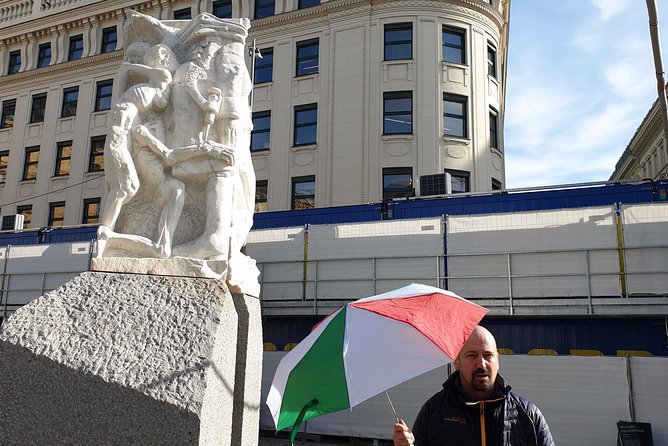
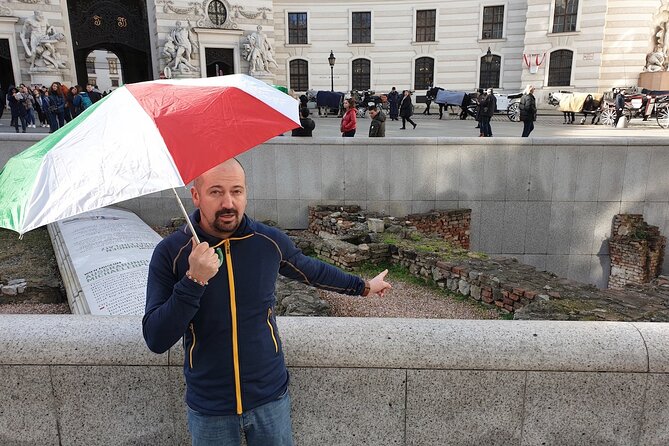
Meeting is simple if you look for a specific visual cue. You meet at the fountain of Maria Theresia, and the guide is holding an Italian-colored umbrella (red, white, green). In a busy central square, that kind of marker matters. You will not be spending your energy playing “Where is the tour?” before you even start.
If you’re early, use the extra minutes to orient yourself: check which streets lead toward the main center and where you’ll likely walk back later. It sounds basic, but the best first-day tours make the rest of your trip easier.
Also note the tour rules that affect comfort and freedom. Audio recording is not allowed, and large bags or luggage are not permitted. Pets are also not allowed. If you’re traveling light, you’ll glide through this far more easily.
St. Stephen’s Cathedral, your end landmark (and why it matters)
Even if you start the day somewhere else, St. Stephen’s Cathedral becomes the emotional finish line. Finishing here is smart for first-timers because it gives you a clear “destination moment” after the walking route. By the time you reach it, you’ll already have the context from the stops you passed, so it feels less like a random must-see and more like a centerpiece you finally understand.
You’ll likely pause for photos and take in the cathedral area as the tour’s grand finale. This matters because Vienna’s best experience for many people is not just seeing a monument, but seeing it when you’re mentally caught up with the story of the city.
Tip I’d give you: aim to end the tour here with energy, not stress. If you have tickets later the same day, build in time to breathe, take photos, and re-center your bearings.
Hofburg, Franz Josef, and Empress Sissi without the overwhelm
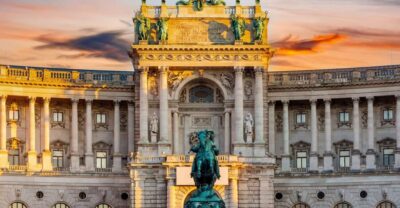
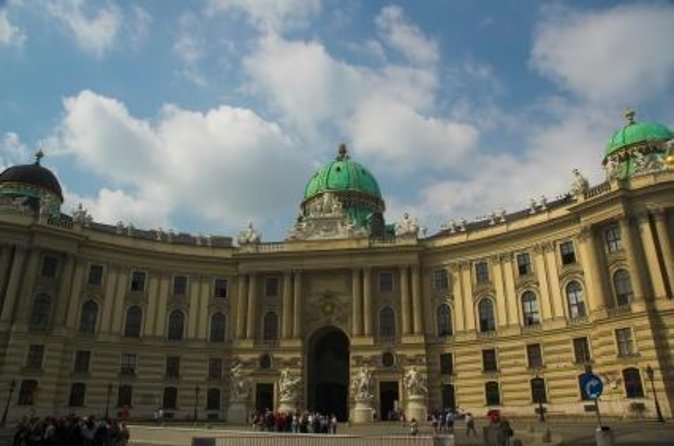
The Hofburg is where the tour turns from “pretty buildings” into “how power shaped Vienna.” You pass by the imperial palace area tied to Franz Josef and Empress Sissi, and the guide connects what you see to the people and eras behind it.
What I like about this approach is that you’re not stuck inside a museum for hours. Instead, you get the palace setting as part of a walking narrative. You also get a sense of scale: Hofburg makes you understand why Vienna feels like a city built around ceremony and authority.
If you’re curious about imperial Vienna but worried you will drown in facts, this route is a good fit. The guide provides specific data and stories, but the delivery is meant for walking and questions. It’s the kind of pacing that keeps your brain engaged instead of overloaded.
After the interval, more from Vienna:

Heldenplatz: where the imperial story gets public
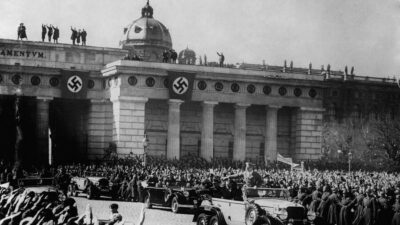
After the Hofburg focus, the tour moves through the atmosphere of Heldenplatz. This is where the “private power” feeling of a palace transitions into something more public and civic. You’re walking through a part of the city where monumental space is meant to be seen, and that changes how you experience the area.
You’ll hear stories that connect the squares and buildings to the people who lived there. That part is important. Vienna is not only palaces and opera. It’s residents, traditions, and everyday culture shaping what survives and what gets remembered.
Practical benefit for you: Heldenplatz is also useful as a navigation anchor. Once you understand where it sits in relation to the Hofburg and nearby center streets, your later wandering is easier and less guesswork.
Plague Column and the Capuchin Crypt, the serious counterweight
Vienna can look elegant in photos. The tour makes sure you also meet the city’s more serious side, starting with the Plague Column and then the Capuchin Crypt area, known as the burial place of Habsburg monarchs.
This is where you get balance. You see the grand and ceremonial imperial spaces, and then you step closer to monuments that remind you history does not stay polite. Even from outside perspectives, the Capuchin Crypt stop adds weight to the route because it reframes the story from rulers as symbols to rulers as real people with lasting legacies.
One caution: the tour can feel colder and more exposed in this area of the center, especially in winter wind. A review I read mentioned tough cold and wind, yet the group still made it enjoyable. Still, come prepared. Layer up and bring something that blocks wind at least at your neck and hands.
Albertina and Vienna State Opera: arts Vienna in walking distance
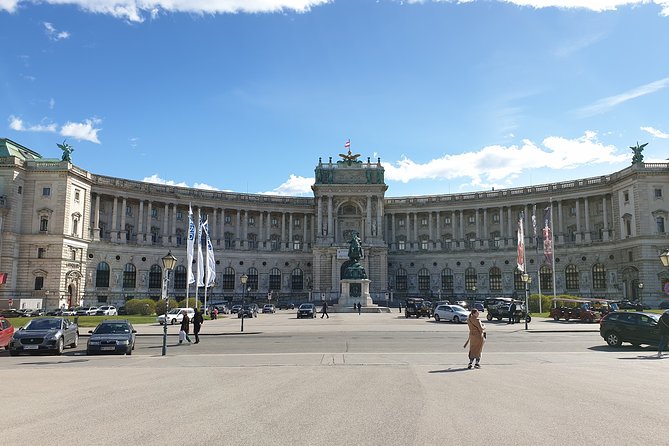
Then you pivot back into Vienna’s cultural heartbeat with stops by the Albertina and the Vienna State Opera. These are not random photo stops. They help you understand that Vienna’s identity is not only imperial spectacle. It’s also arts, music, and institutions that shape how the city performs itself to the world.
If you plan to attend a show later or you’re just building your “what to do next” list, these are useful. The guide points you toward how to approach cultural life, and these sights give you landmarks for planning later without guessing.
I also like how the tour connects popular culture with the city’s buildings. It keeps Vienna from feeling like a history slideshow. You start thinking about what the locals value now, not only what they admired centuries ago.
Photo breaks and question time that actually help
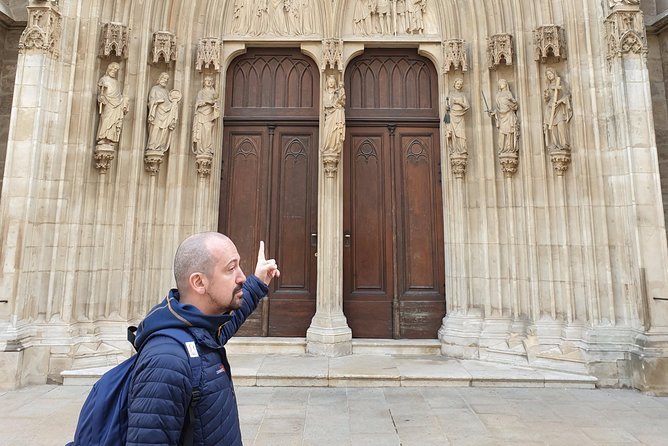
This kind of tour lives or dies by the guide’s rhythm. The certified official tour guide approach matters here, because you’re not just following someone reciting a script. You have time to ask questions, and you can steer your curiosity a bit.
You’ll also get time to photograph baroque facades. That sounds simple, but it changes your experience. If you’re sprinting between monuments, you end up photographing from motion. Here, the tour gives you pauses that let you frame properly.
And beyond the monuments, you get tips for your perfect stay: restaurant visits, cultural life, and public transport guidance. Those are the details that help you after the tour ends, when you’re tired and deciding what to eat or how to move across town.
In cold weather, the ability to talk and take small breaks keeps everyone sane. One of the best details from a guide like Mara is that she handled a group request for a stop at a punch kiosk with good humor. Even if it is an extra and not guaranteed on every day, it shows the tour is attentive to what the group needs in the moment.
Price and value: is $40 worth 150 minutes?
At $40 per person for 150 minutes, you’re paying for three things: a structured route, a guide who keeps the narrative coherent, and practical advice you can use immediately. For Vienna, that is a solid value if it’s your first afternoon or your first time in the center.
If you’re the type who wants to “see it all” quickly, paying for guidance can save you from doing a route yourself that doesn’t click. You also skip the awkward part where you stand in front of a monument and realize you don’t know what you’re looking at.
Is it worth it if you already know Vienna well? Maybe not. But if you’re building your baseline, this is the kind of tour that makes later exploring easier. You walk away with a mental map, familiar landmarks, and a set of suggestions for how to spend the rest of your stay.
Also, the tour includes time for questions and photo moments. That’s not guaranteed on every walking experience, and those minutes add up.
Language, mobility, and comfort: what to expect before you go
The tour runs in Italian, with a live guide. That’s a key factor in whether you’ll enjoy it. If you do not understand Italian, plan to treat it as a visual route with story flavor you catch in fragments. You can still enjoy the monuments, but you may miss the tighter historical context and the practical advice that requires language.
On mobility: the tour is marked wheelchair accessible, yet it is also noted as not suitable for people with mobility impairments. This probably means the route involves walking and outdoor conditions where not everyone can comfortably keep up. My advice is simple: if your mobility needs are moderate or complex, contact the operator or check with your booking platform before committing. If you can handle steady walking in the city center, you’re more likely to enjoy this.
Comfort-wise, it takes place rain or shine and you should assume you will be outdoors for long stretches. Dress for weather first, then for style.
Who this tour is for, and who might want a different plan
This is best for you if:
- It’s your first time in Vienna and you want a fast, confident start.
- You like a walking format with more than 10 highlights without switching between transportation modes.
- You want the imperial sights, but you also want the everyday Vienna context from the guide’s culture tips.
It may be less ideal if:
- You need frequent long rests or you cannot manage a steady walking pace.
- You require audio devices for story-telling, because audio recording is not allowed.
- You travel with large luggage, since large bags are not permitted.
If you love detailed museum time, you might pair this tour with a separate museum visit later. This walk is about orientation and story connections, not deep gallery study.
Should you book the best of Vienna on foot?
If you’re asking whether this is a good first move in your Vienna schedule, my answer is yes, with one big condition: go in expecting a walking experience that uses landmarks as a timeline. You’ll come away with a mental map that makes the rest of your trip easier, plus practical tips for meals, culture, and getting around.
Book it if you want St. Stephen’s Cathedral, the Hofburg area, Heldenplatz, the Plague Column, the Capuchin Crypt area, and the cultural stops near Albertina and the Vienna State Opera to feel connected. You’ll also appreciate guides who keep the tone friendly and clear. Named guides like Raffaele and Mara have been praised for being prepared, personable, and never dragging the group, which is exactly what you want when you’re outside in real weather.
Skip or reconsider if Italian language storytelling is a dealbreaker for you, or if you know you cannot manage steady outdoor walking.
FAQ
Where does the tour start and where does it end?
The tour starts at the Maria-Theresa Memorial area and finishes at St. Stephen’s Cathedral.
How long is the guided walking tour?
The duration is 150 minutes, about 2.5 hours.
What is the meeting point location?
Meet at the fountain of Maria Theresia. Look for the Italian-colored umbrella (red, white, green).
What landmarks will we see during the walk?
You’ll pass major sights in Vienna’s city center including St. Stephen’s Cathedral, the Hofburg, Heldenplatz, Plague Column, Capuchin Crypt, Albertina, and the Vienna State Opera.
Is the tour in English?
No. The live tour guide language is Italian.
What’s included in the price?
The price includes a certified official tour guide, time to ask questions, and time to take photos.
What’s not included?
Food and drinks are not included.
Is the tour wheelchair accessible?
It is marked wheelchair accessible, but it is also listed as not suitable for people with mobility impairments. You should consider your walking needs before booking.
Are pets or audio recording allowed?
Pets are not allowed, and audio recording is not allowed. Luggage or large bags are also not allowed.
What happens if it rains?
The tour takes place rain or shine. It is only canceled in the event of an environmental disaster.
Just added to the bill for Vienna
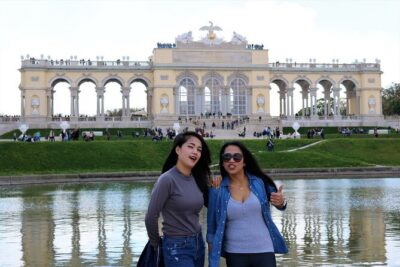
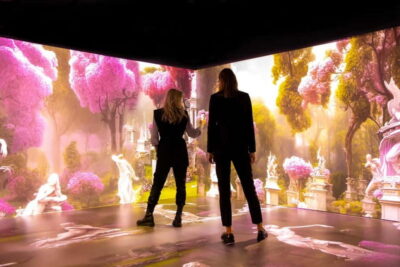
Vienna Tours & Activities, compared.
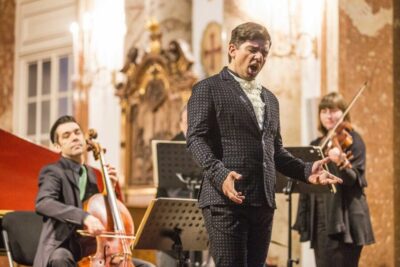
Vivaldi’s Four Seasons Concert in Karlskirche
Read our review →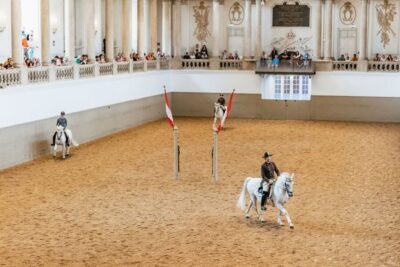
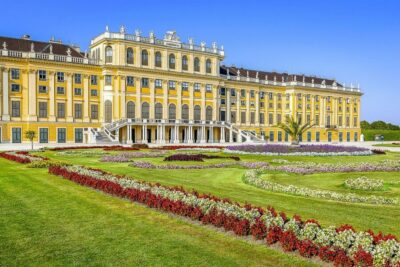
Schönbrunn Palace & Gardens Skip-the-Line Tour
Read our review →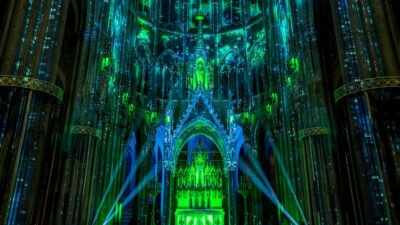
Light of Creation Votive Church Immersive Light Show
Read our review →
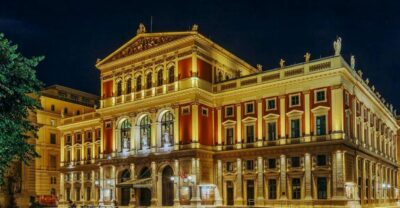
Classical Concert in the World-Famous Musikverein
Read our review →