
REVIEW · WINE TOURS
Vienna: Austrian Wine Tasting Experience
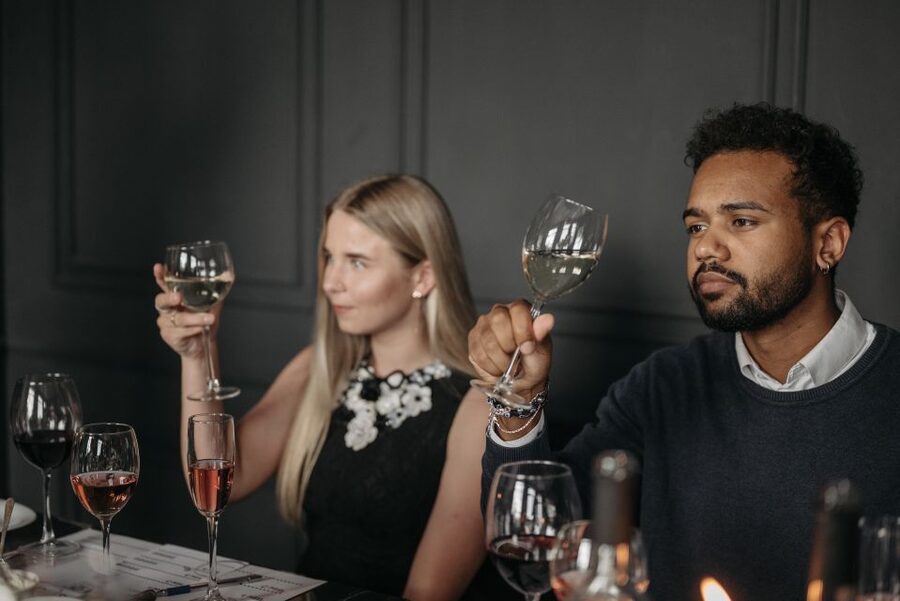
Four pours, one clear lesson about Vienna. In a cozy city-center setting, this Austrian wine tasting uses a sommelier-led format to explain why Viennese wines taste the way they do. I especially liked how the guide links the local vineyards around Vienna to what ends up in your glass.
I also really enjoyed the food pairing. You get an antipasti cold plate with cheese, bread, and charcuterie, so the tasting stays fun, practical, and not just academic. One consideration: it is short and simple, so if you want a full meal or need wheelchair access, this is not the right fit.
In This Review
- Key things I’d watch for
- Vienna’s Hills, Tiny Producers, Big Flavor in Your Glass
- The 90-Minute Flow at Hotel Rathaus Wein & Design
- What You Actually Drink: 1 Red and 3 Whites
- The Sommelier’s Role: How the Lessons Stay Useful
- The Antipasti Cold Plate Pairing That Makes Sense
- Why Vienna Wine Feels Different (Even If You’re New to It)
- Central Vienna Location, Realistic Timing, and a Calm Pace
- After the Tasting: Keep Drinking, or Go Explore
- Who This Experience Suits Best
- Value for Money: What You’re Getting in 90 Minutes
- Should You Book This Vienna Wine Tasting?
- FAQ
- How long is the Vienna wine tasting?
- Where is the meeting point?
- Do I need to bring a voucher?
- How many wines will I taste?
- What kind of wines are included?
- Is there food included?
- What languages are available for the guide?
- What is the group size?
- Is hotel pickup included?
- Is there a refund if I cancel?
Key things I’d watch for
- Four tastings in 90 minutes: typically 1 red and 3 whites.
- The grapes you’ll learn by tasting: Grüner Veltliner plus reds like Zweigelt and Blaufränkisch.
- Vineyard geography explained simply: hills around Vienna shape the microclimate.
- Antipasti pairing, not just wine: cheese and charcuterie help you read flavors.
- Central meeting point at Hotel Rathaus Wein & Design, easy to reach and scenic.
Vienna’s Hills, Tiny Producers, Big Flavor in Your Glass
If you think Austrian wine only comes from faraway vineyards, Vienna will correct that fast. This tasting is built around the idea that Vienna is not just a place to drink wine, it is a place that grows it. Vineyards cover about 630 hectares, and the city region produces over 2.4 million liters a year.
Most of those grapes come from hills ringing Vienna, including Nussberg, Bisamberg, and Kahlenberg. The microclimate matters because these sites get the right mix of sun, slope, and air movement. You start tasting and immediately notice that the same grape variety can feel different depending on where it is grown.
Vienna is especially famous for whites. Grüner Veltliner is the headline grape, but the tasting also brings reds into the conversation, including Zweigelt and Blaufränkisch. That balance is one reason I like this experience: it gives you a fuller sense of what “Vienna wine” can mean.
More schnitzel, strudel and market plates:
- Vienna: Chocolate Workshop in Chocolate Museum w/ Tasting
★ 4.5 · 1,802 reviews - Vienna for Food Lovers: Cafés, Markets & Austrian Cuisine
★ 5.0 · 1,063 reviews - Wachau Valley Wine Tasting Bike Tour from Vienna
★ 5.0 · 829 reviews - Vienna: Gerstner KuK Hofzuckerbäcker Baking Show & Tasting
★ 4.8 · 823 reviews
The 90-Minute Flow at Hotel Rathaus Wein & Design
This is designed as a tight, focused session. It runs 90 minutes, in the center of Vienna, and it stays manageable even if you have other plans. The format is a small-group tasting, limited to 10 participants, so you are not stuck behind a wall of strangers.
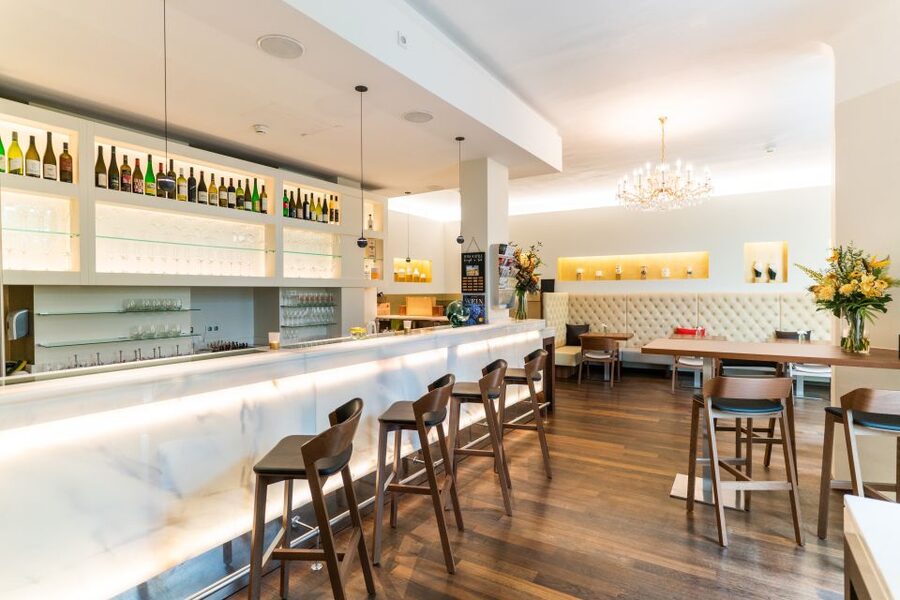
Your meeting point is the Hotel Rathaus Wein & Design. When you arrive, you register at reception, and the tasting can start right away. You need to present your voucher at reception before it begins, so do not forget it.
The guide then leads the pacing. You move through a selection of Viennese wines chosen to show the region’s flavor range. Along the way, you get tasting notes plus practical explanations of how the wines are made and what to notice as you sip.
One simple advantage of this format is that you leave with clear comparisons. Instead of a random glass of wine in a bar, you taste several wines in a single block and learn how to describe what you are noticing.
What You Actually Drink: 1 Red and 3 Whites
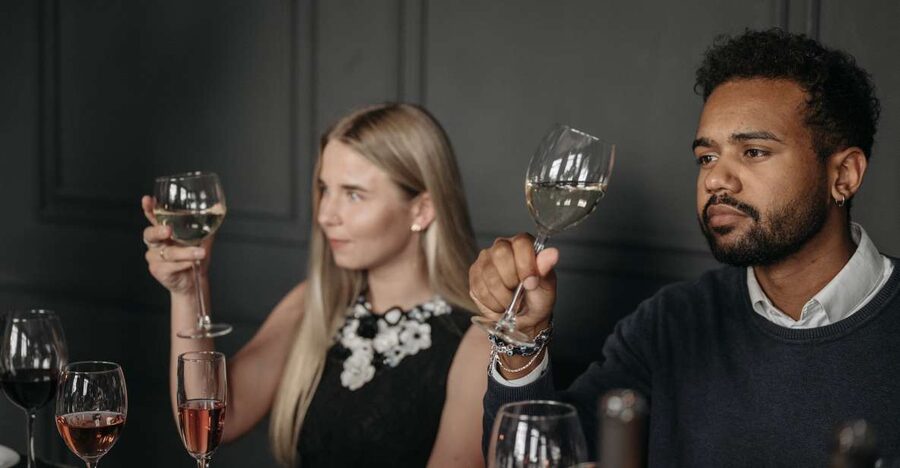
At this tasting, you can expect 4 wine tastings, with a lineup that typically includes 1 red and 3 whites. The big white anchor is usually Grüner Veltliner, because it is the most popular grape variety in Vienna. But the point is not just to drink it, it is to understand why it expresses itself the way it does in this region.
You also get a red variety from the Vienna scene, with Zweigelt and Blaufränkisch specifically mentioned as part of the local red profile. That matters because many visitors arrive thinking Austrian reds are a one-note category. Here, the tasting helps you hear the differences, even in a short time window.
If you are the type who likes to learn by taste rather than by reading, this set-up is efficient. I like that it is not just one grape or one style. You get enough variation to start building your own sense of what you like and why.
The Sommelier’s Role: How the Lessons Stay Useful
A good tasting guide can either drown you in facts or keep it grounded. This one aims for the second option. You get an experienced sommelier who walks you through each wine and connects tasting notes to winemaking and local character.
In one session, the guide is Nina, and the style comes through: friendly, confident, and tuned to answering questions as you taste. That matters because Vienna wine can feel confusing at first. Grapes, vineyard sites, and styles are all part of the story, and the sommelier’s job is to translate that into what you can actually perceive in the glass.
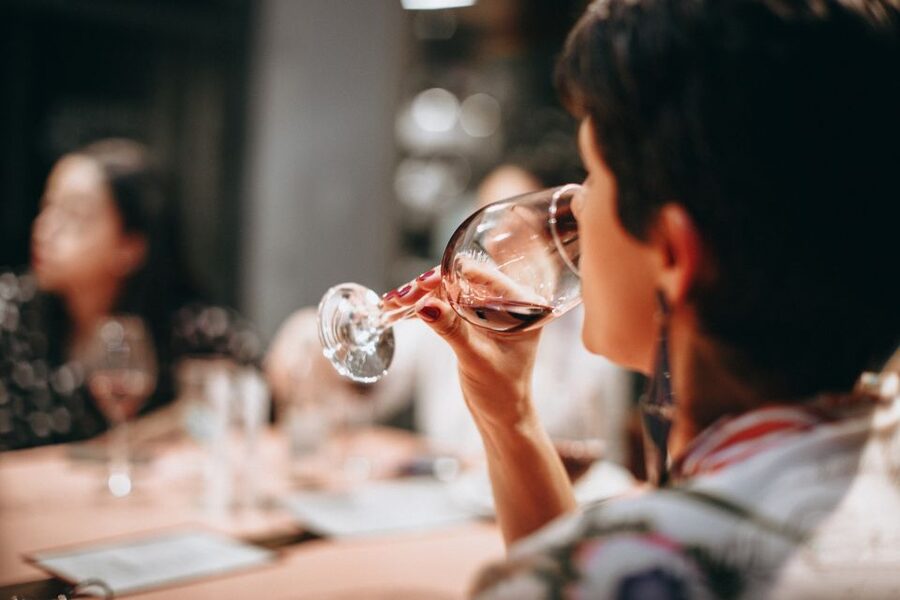
You should come prepared to look closely. The tasting is set up so you learn how to smell and taste with a purpose. You are not expected to be an expert, but you will get more out of it if you pay attention to simple cues, like acidity level, fruit character, and how the wine feels on your tongue.
And you will likely pick up small bits of culture along the way, since Viennese wine production traces back to Roman times. That long timeline is not just trivia. It explains why Vienna treats wine as part of everyday identity, not just as a tourist product.
More Heuriger pours and cellar rows:

The Antipasti Cold Plate Pairing That Makes Sense
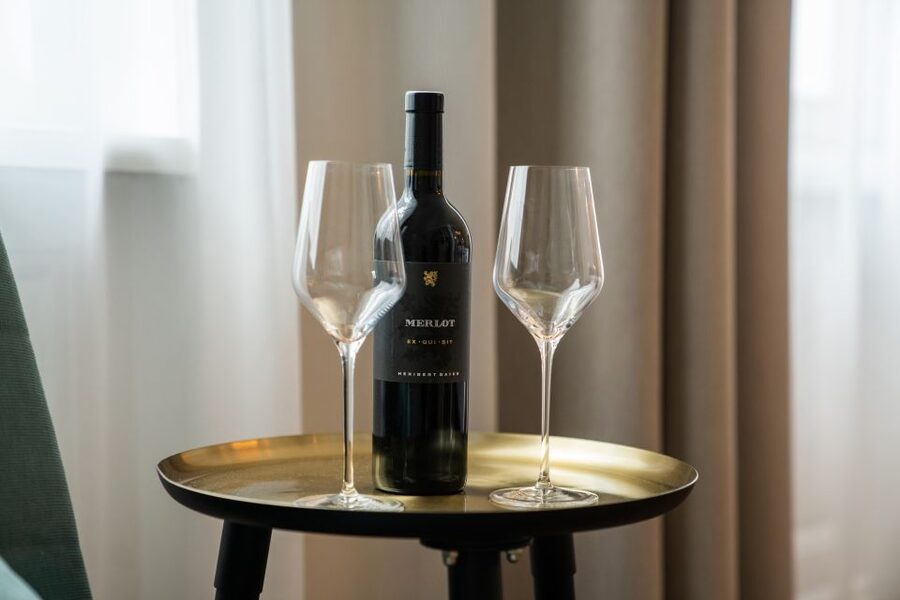
Wine education works better with food. This tasting includes an antipasti cold plate, with items such as cheese, bread, and charcuterie. In practice, that pairing keeps the session comfortable and also helps you notice how flavors change with each wine.
Charcuterie brings salt and fat, cheese adds texture and tang, and bread adds a neutral base. Together, they help you separate what the wine is doing from what your palate is doing in response. I like that the tasting does not treat food as an afterthought. It is integrated into the experience so you can taste more clearly.
Also, the food comes from local suppliers. That small detail supports the whole point of the session: Vienna wines are not a distant commodity, they are part of what is produced around the city.
Why Vienna Wine Feels Different (Even If You’re New to It)
So what makes Viennese wine special, beyond the fact that the vineyards are close to town? The short answer is the mix of geography and grape choices.
Vienna’s hill vineyards, such as Nussberg, Bisamberg, and Kahlenberg, create microclimates that influence ripening and flavor development. That is why white wines in particular often feel crisp and lively, with clear structure. Grüner Veltliner is a perfect example of why “Vienna wine” earns its reputation.
Then there is the style mix. Vienna does not only do fresh whites. It also makes reds with grapes such as Zweigelt and Blaufränkisch. The tasting helps you understand how those reds fit into the broader Vienna picture, so you are not leaving with only one flavor memory.
The Roman-era roots add a layer of credibility too. When a place has been growing and trading wine for that long, traditions tend to stick, and techniques get refined over time. This is not about romantic history. It is about why certain grapes and styles remain central.
Central Vienna Location, Realistic Timing, and a Calm Pace
This is a city-center experience, which is a big practical win. You do not have to plan a transport day to reach countryside vineyards, and you still get the context for how the region works.
Because it is 90 minutes, it fits neatly between sightseeing blocks. And because it is a small group capped at 10, the atmosphere stays relaxed. You can ask questions, you can compare wines easily, and you are not rushed through like a conveyor belt.
You will not leave hungry from a full-course meal, because that is not part of the package. What you get is a cold plate pairing plus tastings, enough to keep the experience comfortable and educational. If you want dinner after, plan for that.
After the Tasting: Keep Drinking, or Go Explore
Once the tasting ends, you have options. You can stay in your hotel restaurant and continue enjoying wines you sampled. The experience also offers an additional selection of wines and snacks for anyone who chooses to extend the evening.
If you prefer to move on, you are already in central Vienna. This matters because Vienna’s wine culture is not isolated to one room. With that local context in your head, you can later spot what you are actually looking at when you find a wine bar or a shop.
Who This Experience Suits Best
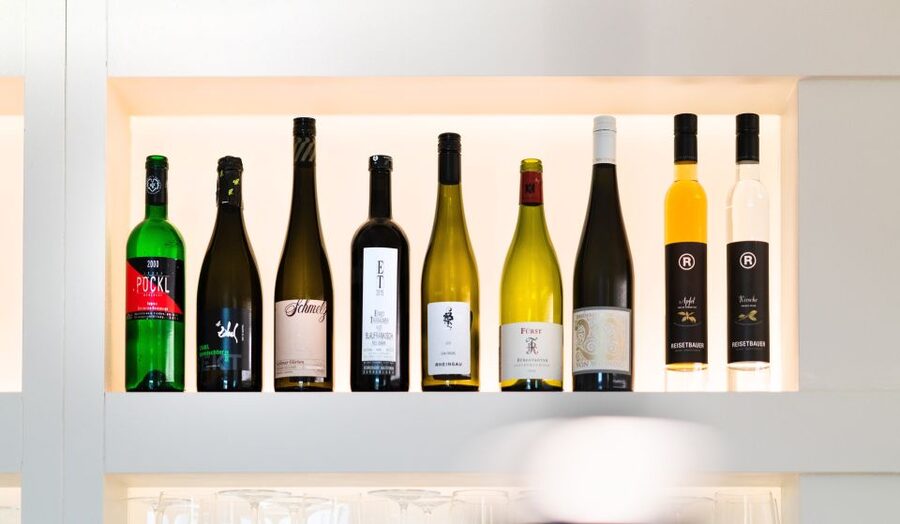
This tasting is a good match if you want a quick, guided introduction to Viennese wine without the hassle of planning a day trip. It is also ideal if you like learning by tasting and want a sommelier to translate the region’s details into real sensory cues.
You might especially enjoy it if you are curious about Grüner Veltliner but also want to see what Vienna reds taste like. The mix of 4 tastings, plus the food pairing, makes it feel complete for the time.
It is not a fit for everyone. It is not suitable for wheelchair users, and it is for adults (children under 18 are not suitable). If those constraints affect your group, you’ll want a different option.
Value for Money: What You’re Getting in 90 Minutes
No price is listed here, so I cannot put a hard number on value. But I can tell you what you are paying for in terms of experience design.
You get four wine tastings, a guided explanation by a sommelier, and an antipasti cold plate with pairing foods. You also get local Vienna wines rather than generic international picks. That combo reduces decision fatigue. You do not need to figure out which bottle to try, or how to order food that actually works.
You also get a central location and a small group cap of 10, which usually improves the quality of the conversation. That matters if you want to ask practical questions and leave with confidence about what to order next.
Should You Book This Vienna Wine Tasting?
Book it if you want a short, clear intro to Viennese wines, especially if you are curious about Grüner Veltliner and want reds like Zweigelt or Blaufränkisch included. I think it is a smart choice for your first or second day in Vienna, when you still want the city to teach you things.
Skip it if you need wheelchair access or if your group includes anyone under 18. Also skip it if you expect a full-course meal. This is a tasting plus a pairing plate, not a long sit-down dinner.
If you like small-group experiences, you enjoy food and wine together, and you want a guide to help you taste with purpose, this one is worth your time.
FAQ
How long is the Vienna wine tasting?
The experience lasts 90 minutes.
Where is the meeting point?
You meet at the Hotel Rathaus Wein & Design. Register at the reception when you arrive, and show your voucher.
Do I need to bring a voucher?
Yes. You must provide your voucher at the reception before the tour begins.
How many wines will I taste?
You get 4 wine tastings.
What kind of wines are included?
The tasting focuses on Viennese wines, including white wines such as Grüner Veltliner, and red wines such as Zweigelt and Blaufränkisch. A typical selection includes 1 red and 3 whites.
Is there food included?
Yes. You get an antipasti cold plate with items such as cheese, bread, and charcuterie.
What languages are available for the guide?
The live guide offers German and English.
What is the group size?
It is a small group limited to 10 participants.
Is hotel pickup included?
No. Hotel pickup and drop-off are not included.
Is there a refund if I cancel?
Yes. You can cancel up to 24 hours in advance for a full refund.
Just added to the bill for Vienna

Wine Tours, compared.
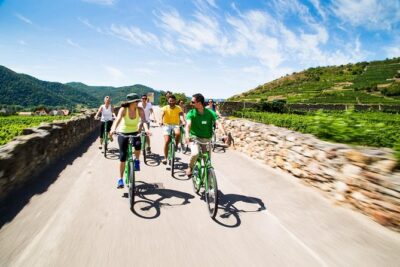
Wachau Valley Wine Tasting Bike Tour from Vienna
Read our review →
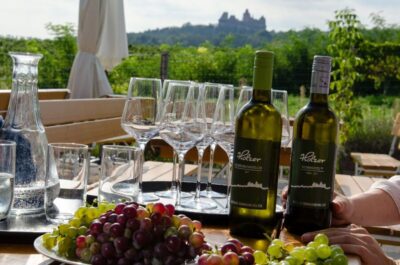
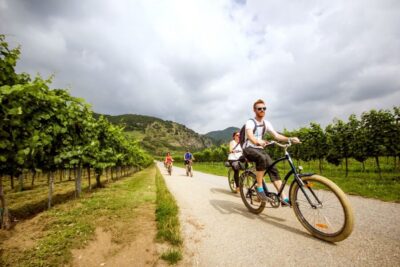
Grape Grazing: Wachau Valley Winery Biking Tour
Read our review →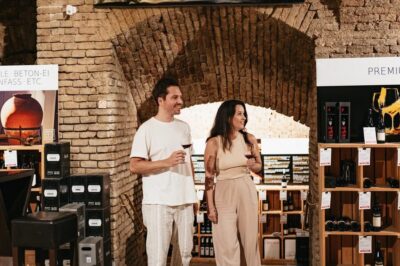
Wine Tasting Experience in a Private Wine Cellar
Read our review →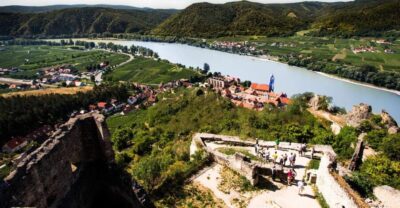
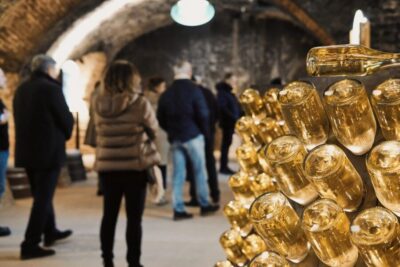
Schlumberger Wine Cellar Guided or Self-Guided Tour
Read our review →Browse the lists this tour appears in