REVIEW · VIENNA TOURS & ACTIVITIES
Vienna for Children: Tales of Dragons & Saints
Dragons and saints turn Vienna into family fun. This 3-hour Vienna for Children tour uses a historian guide who can handle kids and adults at the same time, while you hunt for mythical statuary at St. Stephen’s Cathedral and hear legends tied to real buildings. I also like how the tour starts with Roman ruins at Michaelerplatz, so Vienna’s origins feel concrete, not abstract. One possible drawback: some key stops require separate entry, so plan for extra site tickets at St. Stephen’s Cathedral (and others where admission is not included).
This is a private tour for your group only (up to 10) and pickup is offered, which helps if you are wrangling strollers or timing with naps. Expect a mid-tour cafe break with famous Viennese cakes, plus kid-friendly facts about daily life, craft guilds, and the Habsburgs that you can spot right on the facades.
In This Review
- Key highlights you should know before you go
- Why Vienna’s dragons and saints make sense for families
- Price and value: $526.81 for up to 10 people
- Stop 1 at Michaelerplatz: Roman ruins and Vienna’s first identity
- St. Stephen’s Cathedral: mythical saints, creatures, and how it was built
- Inner City stop: 15th-century daily life, guilds, and what children faced
- Hofburg fun facts: Plague columns, Habsburg portraits, and Sisi’s 16-inch waist
- Imperial Crypt and Kapuziner Kloster: Vienna’s religious power network
- What to expect from the guide (and how to get more out of it)
- Who this tour fits best, and who might want a different option
- Should you book Vienna for Children: Tales of Dragons and Saints?
- FAQ
- How long is the Vienna for Children tour?
- Is this a private tour?
- Is pickup offered?
- Where does the tour start?
- Is admission included for St. Stephen’s Cathedral?
- Do I need tickets in paper form?
Key highlights you should know before you go
- Private group pacing for families, with up to 10 people
- Dragons, demons, and saints explained through the art you can see
- Roman remains at Michaelerplatz, a fast stop with big context
- St. Stephen’s Cathedral statuary and construction story in kid-sized chunks
- Hofburg fun facts, including Plague columns and Empress Sisi details
- Cafe break with Viennese cake, timed into the walk
Why Vienna’s dragons and saints make sense for families
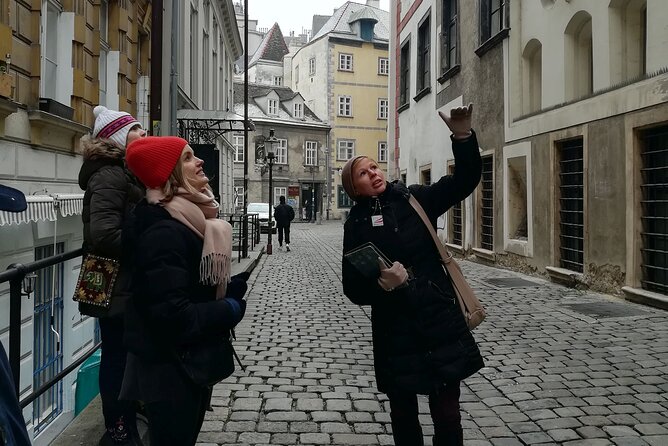
Vienna can feel like a grown-up city when you first arrive. This tour flips that script by using the Old City’s sculptures, demons, saints, and mythical creatures as the main characters. You are not just looking at pretty stone. You are learning why people once built these stories into their public spaces, and how they used symbols to make sense of fear, faith, and power.
What I like most is the balancing act. The historian guide is a specialist in tours that kids can follow, while adults still get real substance. In one recent private group, the guide (Angelica) was described as pleasant and accommodating, and that kind of flexibility matters when a child suddenly needs a bathroom break or a few extra minutes to look closely at a carving.
The tour also respects attention spans by keeping segments short and focused. You get myth, but you also get structure: origin of the city, cathedral, everyday life, imperial power, and then the religious side of Vienna. You walk away understanding how the city’s art connects to how people lived.
Held over another night in Vienna
- Vienna: Vivaldi’s Four Seasons Concert in Karlskirche
★ 4.7 · 14,951 reviews - Vienna: Spanish Riding School Training
★ 3.9 · 9,281 reviews - Vienna: Schönbrunn Palace & Gardens Skip-the-Line Tour
★ 4.7 · 7,739 reviews - Vienna: Light of Creation Votive Church Immersive Light Show
★ 4.8 · 6,779 reviews
Price and value: $526.81 for up to 10 people
The price is $526.81 per group for up to 10 people, for about a 3-hour experience. That matters because family travel can get expensive fast, and a private guide turns into better value when multiple people can share the cost.
Here is how I’d think about value for this one:
- If it is just two adults, you might feel the cost more than if you have a mixed group with kids and grandparents.
- If you have 5 to 10 people, the per-person cost drops quickly and you are paying for time, storytelling, and the convenience of pickup.
- It is also booked about 46 days in advance on average, which suggests good demand for a short, family-friendly introduction.
Also remember that some site admission is not included. St. Stephen’s Cathedral is specifically marked as not included, and other stops also note admission not included. So the true total spend is guide cost plus site entry where required.
Stop 1 at Michaelerplatz: Roman ruins and Vienna’s first identity
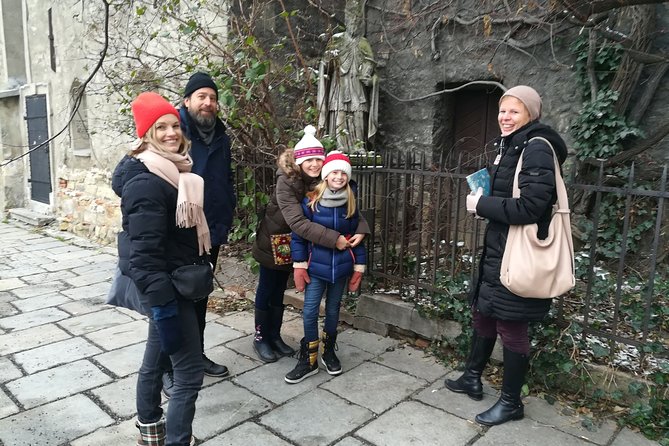
You start at Michaelerplatz, and the tone is smart from minute one. Vienna didn’t begin as an imperial fantasy. It began as a practical outpost, and this stop points to the Roman-era layer underneath the city.
The key here is that the tour gives you a physical origin story. You see ruins connected to Vienna’s beginnings as a soldiers’ outpost on the Danube. For kids, it is an easy hook: this place has always been about people watching borders, moving goods, and defending territory. For adults, it adds depth because the city’s later grandeur did not appear out of thin air.
This stop is also short, about 15 minutes, and it is noted as free for admission. That makes it a great warm-up if your group has little ones or anyone who gets restless.
Practical tip: arrive ready to look down as well as up. Roman remains and older foundations can be subtle, and a good guide will help you connect what you are seeing to the story.
St. Stephen’s Cathedral: mythical saints, creatures, and how it was built
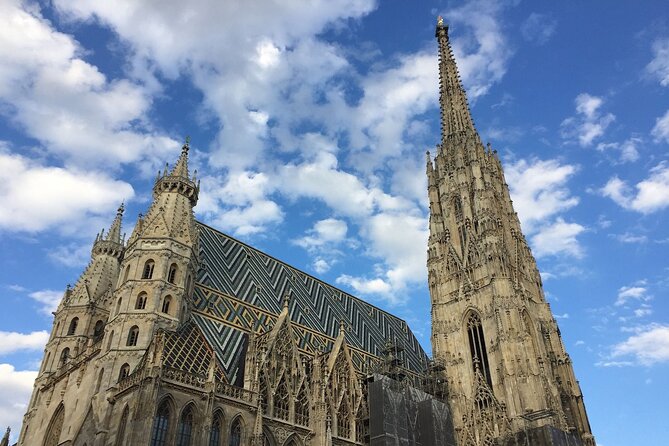
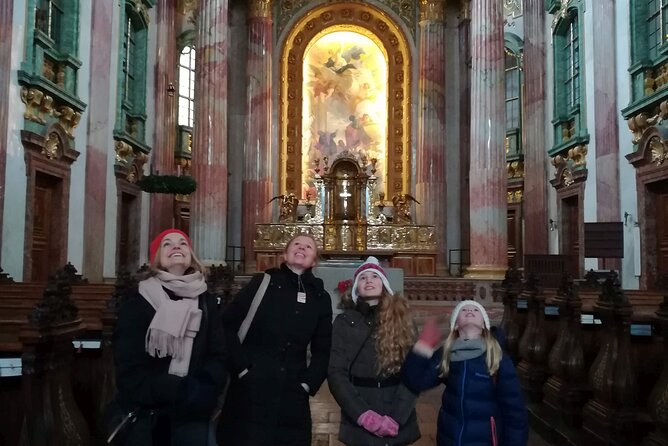
Next comes St. Stephen’s Cathedral (Stephansdom), where the “dragons and saints” theme becomes very real. You get the soaring medieval cathedral experience, plus a guided focus on statuary of mythical saints and creatures. This is the part where the tour turns symbolism into something you can point to.
You also learn about construction history, which is useful because cathedral art can otherwise feel like random decoration. When you understand why things were added, altered, or emphasized, the carvings become evidence of changing tastes, fears, and priorities across generations.
One important caution: admission for this stop is not included. So build in time and money for entry before you get frustrated mid-tour. If you are trying to keep kids calm, this is worth handling early.
If your kids love stories, this is where they usually perk up. Creatures that look scary in stone often have explanations that make them less mysterious and more interesting. Adults tend to like the craft angle too: stonework, design choices, and how the cathedral became a canvas for public belief.
After the interval, more from Vienna:


Inner City stop: 15th-century daily life, guilds, and what children faced
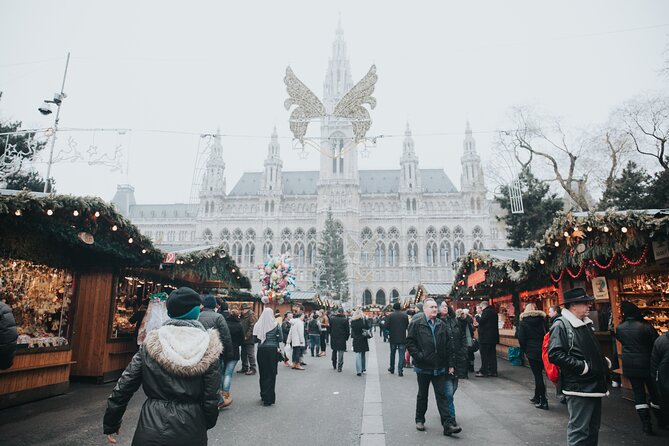
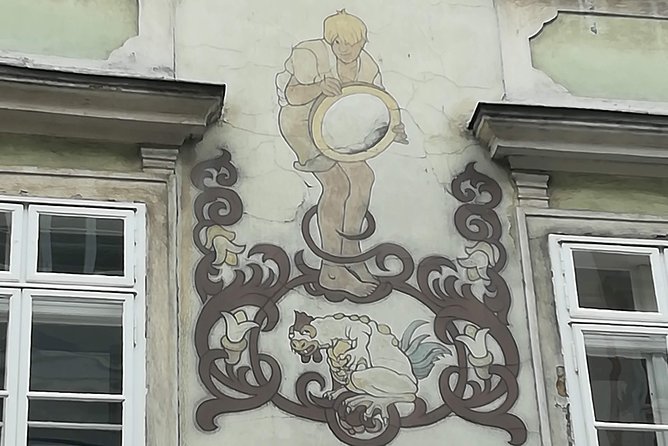
After the cathedral, the tour shifts from grand stone to everyday people. In the Inner City section, you learn about daily life in Vienna in the 15th century, including the struggles of peasants and how craft guilds structured work. Then you contrast that with the luxuries of noblemen, and you get the part that helps families connect emotionally: the life of children.
This is a strong choice for a mixed-age group. Kids get a clearer idea of what everyday life meant back then, and adults get context for why certain kinds of art and architecture mattered. The tour also includes a free admission note for this stop, and it runs about 45 minutes, which is long enough to cover themes without turning into lecture time.
Mid-tour, you also get a break for a cafe moment with famous Viennese cakes. That timing is practical. It gives kids a reset, lets parents catch their breath, and keeps the tour from feeling like a nonstop museum marathon.
Tip: treat the cafe break as part of the tour rhythm. If you try to escape early to hunt for snacks, you might miss the story beat that comes after, especially the guide’s connections between social status, art, and daily life.
Hofburg fun facts: Plague columns, Habsburg portraits, and Sisi’s 16-inch waist
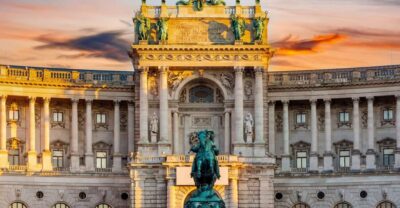
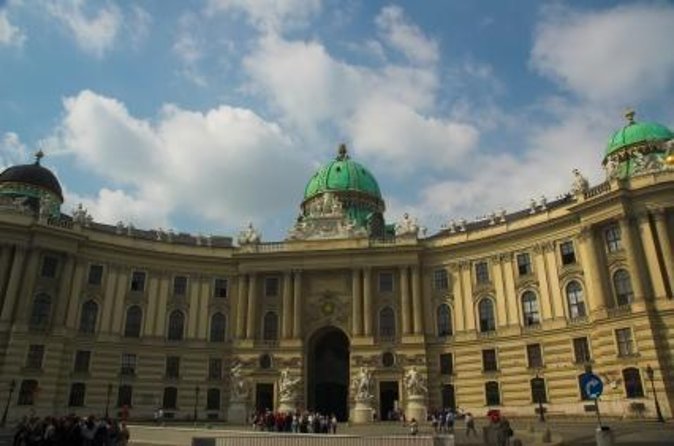
The Hofburg stop is where the tour earns its nickname for family fun. You get street-level history told through details that you can actually find and recognize. The guide points out fun facts for kids along the way, including the inbred, oversized chin of the Imperial family represented in Plague columns, and the 16-inch-size waist of Empress Sisi, known for her image-conscious style.
This is history that does not feel stiff. It also gives kids permission to enjoy the odd parts of the past instead of just memorizing names and dates. Adults usually appreciate the bite of human detail too, because it shows how rulers were depicted and how public imagery shaped legend.
The tour frames these facts as part of the city’s visual culture, not random trivia. That matters. You start seeing how Vienna used art to communicate ideas, whether those ideas were about health, authority, or fashion.
Admission at the Hofburg stop is marked as not included. So, again, plan for the possibility that you will pay separately depending on what areas you enter during the stop. The good news is this segment is about 30 minutes, so you are less likely to lose the group if entry lines or ticket steps slow down.
If your group includes children who love particular characters, you will likely feel the energy rise here. A child who likes royals can latch onto Sisi fast, and then suddenly the broader imperial story feels personal.
Imperial Crypt and Kapuziner Kloster: Vienna’s religious power network
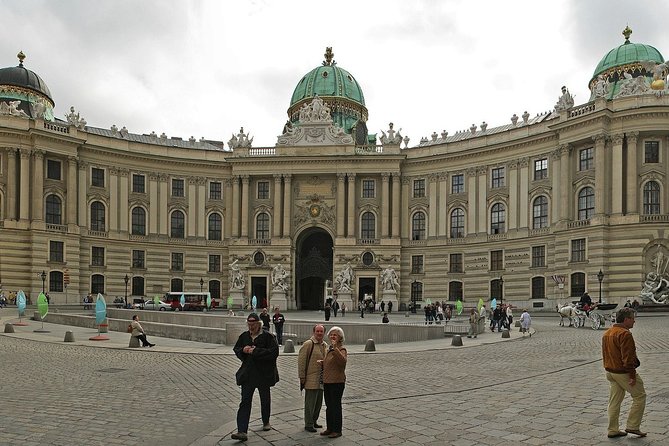
The tour finishes at the Imperial Crypt area, where the theme shifts from legends and daily life to the religious institutions that shaped the city. You learn that Vienna’s center was not only dominated by the main church, but also by monasteries. Along the way, you pass by two, including the Franciscan Monastery Kapuziner Kloster.
You also get a specific detail: Kapuziner Kloster was trusted to care for the graves of the Habsburg family. That one fact connects the political story to a very physical place, and it helps explain why certain religious sites mattered beyond worship. For kids, it is a clear, concrete hook: important families needed important resting places. For adults, it adds a layer of understanding about how power, faith, and commemoration worked together.
This stop is brief, about 10 minutes, and admission is marked as not included. Even with that, it usually lands well because you are moving from the broad overview into a focused closing idea: Vienna’s most famous buildings connect not just to what people believed, but to where they marked permanence.
Practical note: end-of-tour stops can be tough for very young kids, especially if they have been holding attention for two hours already. Keep a light grip on energy levels here and treat it as a quick landing, not a long museum.
What to expect from the guide (and how to get more out of it)
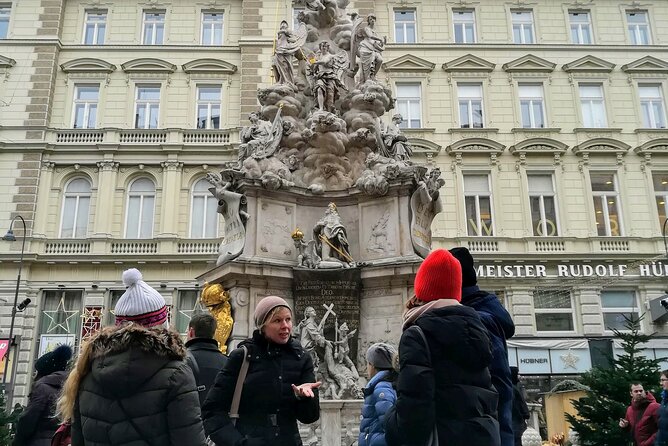
The tour is led by a historian guide who is specifically good at getting stories across to children while still holding adults’ interest. That skill shows up in how explanations are shaped, how attention is managed, and how the guide connects carvings and symbols to a simple storyline.
From the one five-star review provided, the biggest praised aspects were that the guide told great stories and was very informative, plus the group appreciated areas of Vienna they would not have known to look for. The guide was also described as pleasant and accommodating. That is exactly the profile you want on a family tour: clear pacing, patience, and a willingness to explain the same idea in different ways.
To get more out of it, I’d do three things:
- Bring your questions as you see details. If you point at a carving, you usually get a better answer than if you wait for the next stop.
- Watch for the “kid fact” moments. Those are often the points that help you remember the broader theme later.
- Accept that some entry points require separate tickets. If you plan for that in advance, you stay relaxed.
Who this tour fits best, and who might want a different option
This works best for families visiting Vienna’s Old City for the first time, especially when you want a tour that treats kids seriously instead of just letting them tag along. It is also a solid choice if you have a group with mixed ages, because the story bridges myth, architecture, and everyday life.
You might consider another option if:
- You expect a quiet, low-walking pace with minimal crowds. This tour moves through iconic areas, so the medieval core can feel busy.
- You do not want to handle separate admissions at certain stops, since St. Stephen’s Cathedral admission is not included and other stops also note admission not included.
If you are the type of traveler who likes your cities to feel layered, this is a fun way to get those layers in a few hours without turning it into a full-day plan.
Should you book Vienna for Children: Tales of Dragons and Saints?
I think it is worth booking if your family wants Vienna that feels story-led and visually grounded. You get major landmarks like St. Stephen’s Cathedral and the Hofburg, but you also get the practical, human connections: Roman origins, 15th-century daily life, craft guild structure, plague-era symbolism, and what the Habsburgs did with graves and imagery.
It is also good value when you book as a group since the price is per group for up to 10 people. The private format, pickup option, and mobile ticket help reduce friction, which is a big deal when kids are involved.
Book it if you want an easy, well-paced introduction that turns carvings and facades into characters. Skip it if your main goal is only to see interiors with no extra ticketing. Otherwise, this is one of the better ways to experience Vienna through the stories written into stone.
FAQ
How long is the Vienna for Children tour?
The tour lasts about 3 hours.
Is this a private tour?
Yes. It is private, so only your group will participate.
Is pickup offered?
Yes, pickup is offered.
Where does the tour start?
The tour starts at Michaelerplatz.
Is admission included for St. Stephen’s Cathedral?
No. St. Stephen’s Cathedral admission is not included. Other stops also note that admission is not included.
Do I need tickets in paper form?
You get a mobile ticket.
Just added to the bill for Vienna
Vienna Tours & Activities, compared.
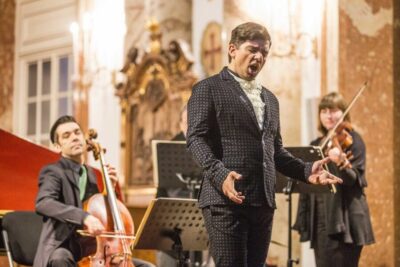
Vivaldi’s Four Seasons Concert in Karlskirche
Read our review →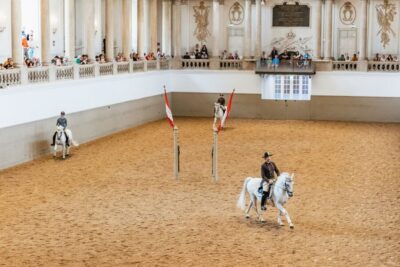
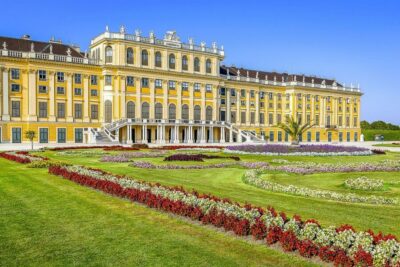
Schönbrunn Palace & Gardens Skip-the-Line Tour
Read our review →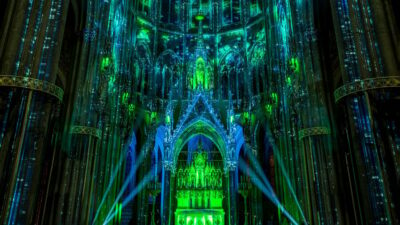
Light of Creation Votive Church Immersive Light Show
Read our review →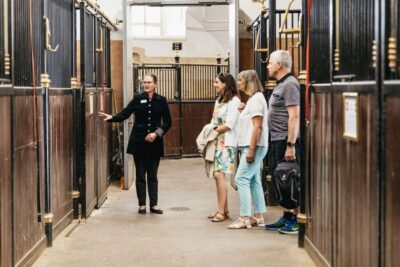
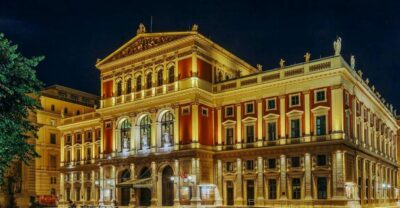
Classical Concert in the World-Famous Musikverein
Read our review →