
REVIEW · MOZART & CLASSICAL CONCERT EVENINGS
Vienna Hofburg Orchestra for Mozart and Strauss at Hofburg Palace
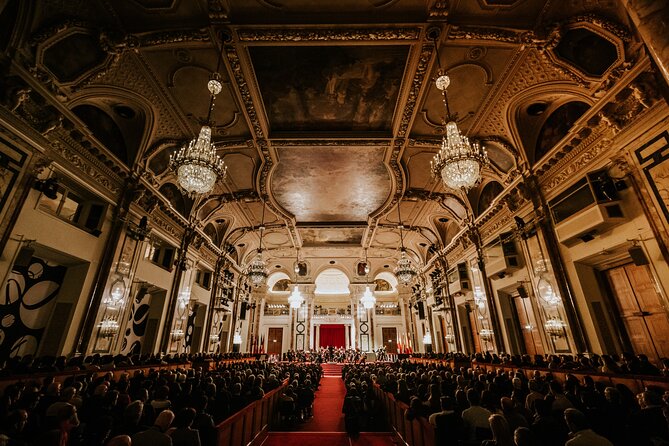
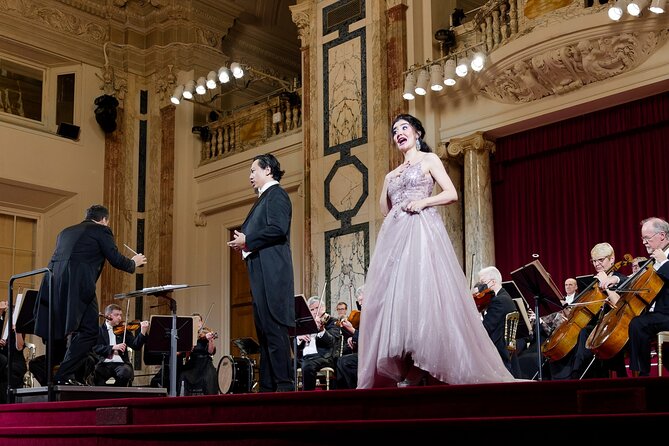
Vienna’s Hofburg Palace is a striking place to hear Mozart and Strauss. This 90 minute concert brings the Vienna Hofburg Orchestra (up to 40 musicians) to the Festsaal setting at Heldenplatz, with opera singers and classical ballet adding extra color to the music. I especially like that the program stays rooted in famous crowd favorites, so you know what you are getting from the first waltz to the closing marches.
Two things that really work for me: the lineup moves between Mozart, Johann Strauss, and more opera highlights like Donizetti, and the atmosphere is clearly built for an enjoyable evening, not a stiff, lecture style concert. The main drawback to consider is quality can vary, and at least one audience member reported unbalanced sound and a performance that felt short on cohesion for a premium ticket price.
In This Review
- Key Things to Know Before You Go
- Mozart and Strauss at the Hofburg, Why This Setting Matters
- What You’ll Hear in 90 Minutes, and How the Program Flows
- Finding the Festsaal, Meeting Point, and the 60 Minute Check In
- Orchestra, Opera Singers, and Ballet: What You Should Expect on Stage
- Sound Quality and Performance Coherence, the Real Value Test
- Who This Concert Fits, and Who Might Want to Compare Alternatives
- Should You Book This Hofburg Mozart and Strauss Concert?
- FAQ
- How long is the Vienna Hofburg Orchestra concert?
- Where do I meet for the concert?
- Where is the concert held inside the Hofburg?
- What is included in the ticket price?
- Is hotel pickup or drop-off included?
- Are food and drinks included?
- Can I cancel for a full refund?
Key Things to Know Before You Go
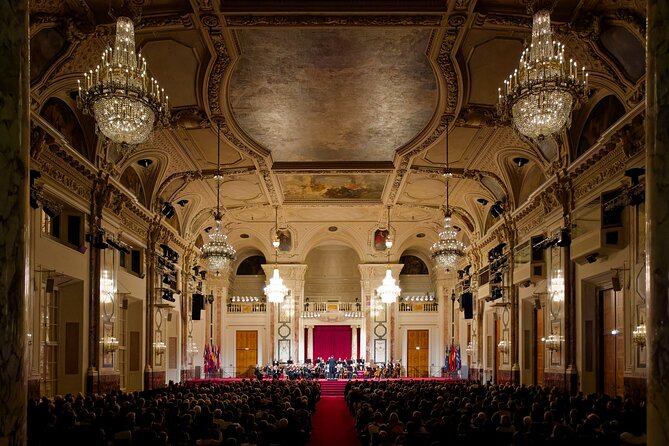
- Hofburg Palace setting at Heldenplatz, with the concert in the Festsaal area (Heldenplatz 1010 Wien)
- Check in 60 minutes early, so plan to arrive before the heldentor area opens up for your group
- A 90 minute format with a 15 minute intermission, so it is long enough for real immersion without dragging
- Up to 40 orchestra musicians, plus opera singers and classical ballet from Vienna opera houses
- Famous works only, including The Blue Danube and Radetzky March, plus arias like Figaro and Papageno
- Premium pricing makes sound and staging matter, so be prepared to judge the night on performance balance
Mozart and Strauss at the Hofburg, Why This Setting Matters
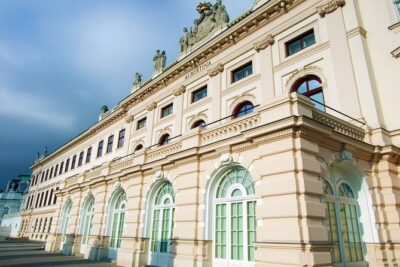
Hearing Mozart and the Strauss family is one thing. Hearing them in the Hofburg Palace is another. The concert happens in a formal palace hall, specifically listed as the Festsaal: Heldenplatz 1010 Wien, and that matters because the room is part of the experience. Even before the music starts, you get that strong Vienna feeling, ceremonial but not museum quiet.
I also like the focus of the theme. This is not a random sampler platter. It is built around the composers and style that Vienna does best: Mozart’s elegance, Strauss waltz momentum, and the opera world that sits right next to them in the city’s tradition. You should expect a night that feels connected to Vienna, not just a generic orchestral concert.
The “up to 40 musicians” detail is another practical clue. That is a real orchestra size, not a chamber group performing a shortened program. When the ensemble is that size, you usually hear richer string texture and fuller balance in the waltz writing, which is exactly what you want for Strauss.
More evenings of Mozart and strings:
- Vienna: Vivaldi’s Four Seasons Concert in Karlskirche
★ 4.7 · 14,951 reviews - Vienna: Classical Concert in the World-Famous Musikverein
★ 4.6 · 6,673 reviews - Vienna: Mozart Concert at the Musikverein – Golden Hall
★ 4.6 · 5,194 reviews - Vienna: Classical Concert in St. Anne’s Church (Annakirche)
★ 4.6 · 3,414 reviews
What You’ll Hear in 90 Minutes, and How the Program Flows
This show is approximately 1 hour 30 minutes, with a 15 minute intermission. That timing is important because it shapes the pacing. You will get full featured excerpts, but not long stretches of any single composer or voice type.
The program you may experience can include pieces like these, which create a clear emotional arc from light and sparkling to big finale energy:
First comes classic Strauss lift, with Johann Strauss “Rosen aus dem Süden” (Roses from the South). That kind of opener signals right away that you are in for the familiar Vienna sound, not a slow build.
Then the show shifts into Mozart opera material, including Mozart “Nun vergiß‘ leises Flehen”, linked to The Marriage of Figaro. If you know even a little Figaro, this is a strong way to connect Mozart’s storytelling to something you can recognize fast.
After that, Strauss returns with “Frühlingsstimmen Walzer” (Voices of Spring). Waltzes like this work like musical reset buttons. They help the audience stay with the show, especially if you are coming with family or you do not want an all intellectual evening.
The program can also include opera singer highlights beyond Mozart, such as Gaetano Donizetti “Der Liebestrank” (Elixir of Love), including Nemorino’s arie. That is a big deal for variety. You get vocal drama and melody, not only orchestral color.
From there, the flow continues with more recognizable names and titles that lean into Vienna opera and operetta energy. You might hear additional Figaro vocal excerpts like “Sagt holde Frauen”, plus Strauss hits such as “Grüß‘ Dich Gott” (Vienna Blood), “Vergnügungszug” (Pleasure Train), and later on, operetta related songs and duets, including Lippen schweigen (Lips are Silent) from The Merry Widow.
Later in the show, two selections stand out as the “big crowd recognition” zone: “The Blue Danube” and Radetzky March. These are the kind of pieces people remember because they feel like a moment, not just a track. Ending with a march also keeps the evening from fading out softly. It lands with a clear final cadence.
So how should you judge the show while it is happening? Look for whether the voices and instruments feel like they are moving together, not like separate acts. The strongest nights are the ones where the orchestra and singers feel locked in, and the waltzes keep their momentum without dragging between sections.
Finding the Festsaal, Meeting Point, and the 60 Minute Check In
This is one of those experiences where arriving on time makes your evening better. Your start point is listed as Heldenplatz 21/4, 1010 Wien, Austria, and the ticket redemption point is Heldentor, Heldenplatz 21/4, 1010 Wien, Austria.
You should plan on check in 60 minutes prior to concert start. That is not overkill. The show has a single, palace hall location, so you want enough buffer for group handling and getting oriented to where the Festsaal is within the Hofburg grounds.
The end of the activity goes back to the meeting point. That means you are not being sent off elsewhere after the concert, which is convenient if you have plans in the same neighborhood after.
Also note the concert hall information is confirmed after booking. While the overall location is given as Festsaal, you will receive details about exactly where to go once your booking is confirmed. That is worth paying attention to so you do not waste time walking.
Finally, this is described as near public transportation. You do not need a car or taxi plan from the data provided. Still, I recommend building in extra minutes on busy evenings because Heldenplatz can feel like a magnet for foot traffic.
Orchestra, Opera Singers, and Ballet: What You Should Expect on Stage
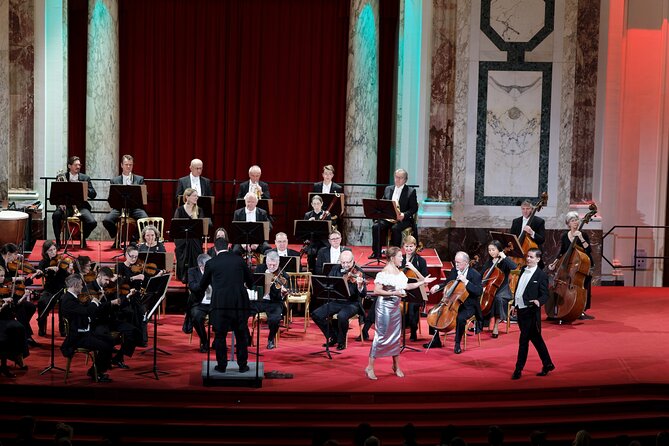
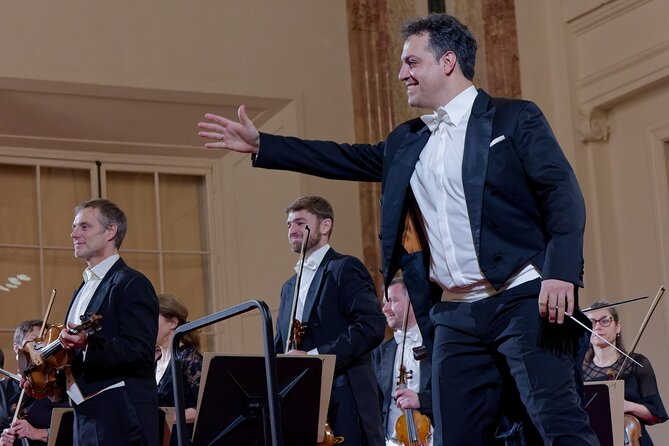
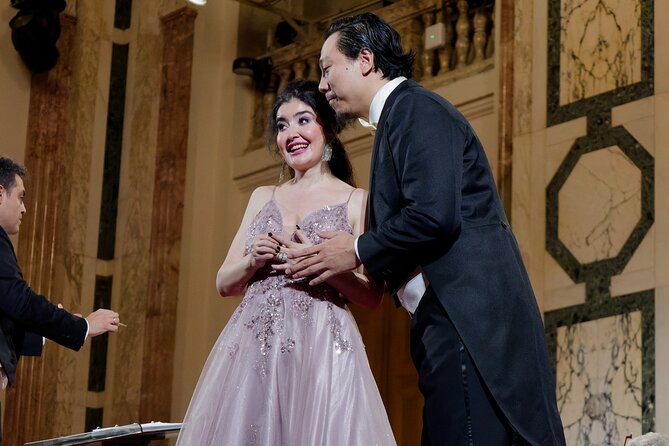
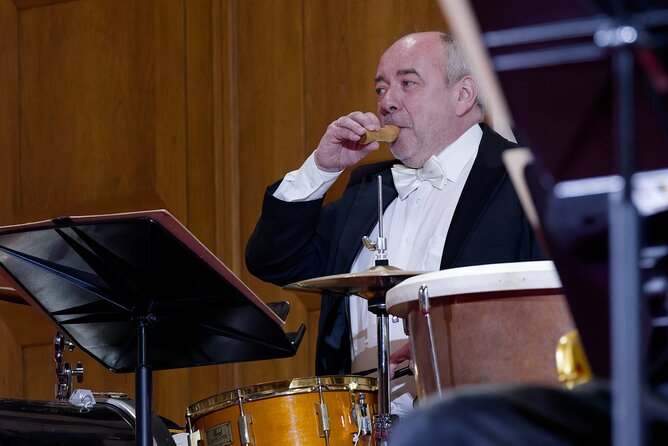
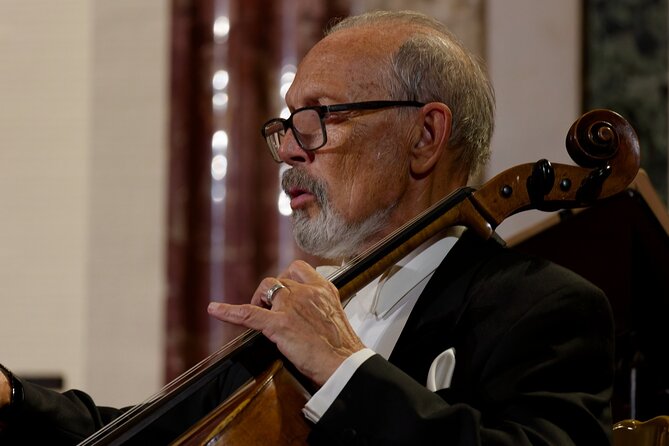
The experience is more than an orchestra performance. The Vienna Hofburg Orchestra (up to 40 musicians) is accompanied by internationally renowned opera singers, and classical ballet from Vienna’s opera houses is included.
In practice, that means the show likely alternates between instrumental focus and stages where vocal lines and movement bring extra energy. You can use that to guide your attention during the night. If a waltz is on, listen for whether the rhythm stays buoyant and whether the strings and winds blend cleanly. If a vocal excerpt is on, watch how the orchestra supports the singer, not how it overwhelms them.
One detail that can shape your expectations is how varied the source material is. You are not only moving through orchestral Strauss culture. You also get Mozart opera material like Figaro, plus other opera and operetta connected works. That variety can be wonderful, but it also means performance quality needs to be consistent, or the whole evening can feel uneven.
Here is what the best moments typically have in common, based on the mixed feedback you should keep in mind: when the singers sound confident and the ensemble feels cohesive, the whole program reads like one show. When the pieces feel disconnected, the event can drift, even if the individual songs are recognizable.
Held over another night in Vienna
Sound Quality and Performance Coherence, the Real Value Test
The price for this experience is $108.84 per person, which places it in the category where you are not just paying for music, you are paying for presentation.
So what does “value” look like here? It looks like clean sound balance, strong vocal projection, and performers that feel like they are sharing one artistic goal. At least one New Year’s Eve performance review described unbalanced sound, sometimes saturated, which hindered listening. That is a big deal. Even if the program is great on paper, bad audio balance can make every phrase harder to enjoy.
Another reported issue was artistic cohesion and momentum. The criticism included approximate voices or instruments and not enough emotion carried through. When that happens, your brain notices the seams. The orchestra may still play correctly, but the show can feel like a set of good moments rather than a single satisfying arc.
On the positive side, at least one audience member highlighted pleasant atmosphere and audience energy. Another described a standout impression from the opera singer interpreting Papagena in The Magic Flute, calling out a beautiful voice that helped carry the lineup.
That tells you how to think about risk before you buy: you are likely to get famous repertoire and a lively palace setting, but you should expect that in a live show, the night depends on how well the orchestra, singers, and hall acoustics line up.
My practical take: if you love Strauss waltzes and Mozart opera excerpts, you will probably have a strong time even if the night is only average. But if your top priority is perfect sound balance and tightly connected stagecraft, this is the part where you could feel disappointed for the money.
Who This Concert Fits, and Who Might Want to Compare Alternatives
This show is a strong fit if:
- You want Mozart and Strauss by name in a single sitting, without needing to study program notes
- You enjoy opera singer highlights and want more than an all instrumental evening
- You like a classic Vienna vibe in a palace hall setting
It might be less ideal if:
- You are very sensitive to sound and balance in a large hall
- You expect every segment to feel emotionally connected, not just performed
- You are choosing based on premium expectations, where average execution would feel like a letdown
Good news from the provided info: most travelers can participate. It is also noted as a private tour/activity, meaning only your group participates. That can improve the feel of the experience, because the event is not a massive free for all.
If you are traveling as a couple, this is a romantic, easy to understand evening. If you are in a group and want a shared cultural anchor, the famous Strauss titles make it easy for everyone to follow.
Should You Book This Hofburg Mozart and Strauss Concert?
If you are deciding, here is the honest checklist I would use.
Book it if you:
- Want a Vienna evening tied to Hofburg Palace and the Heldenplatz area
- Know you will enjoy Strauss favorites like The Blue Danube and Radetzky March
- Like the mix of orchestra plus opera singer and ballet elements
Think twice if you:
- Are very strict about sound quality and performance cohesion, especially at premium prices
- Have low patience for a live program that can feel like separate segments instead of one flowing story
My recommendation: for most first time Vienna visitors who want a clear, music-forward night that feels authentically local, this is a solid bet. Just go with the right expectations. You are buying a famous repertoire show in a palace hall, with a chance for high impact moments, and a small risk that the balance and cohesion may not hit the same level every night.
FAQ
How long is the Vienna Hofburg Orchestra concert?
The concert lasts about 1 hour 30 minutes and includes a 15 minute intermission.
Where do I meet for the concert?
You start at Heldenplatz 21/4, 1010 Wien, Austria. The ticket redemption point is Heldentor, Heldenplatz 21/4, 1010 Wien, Austria.
Where is the concert held inside the Hofburg?
The main concert location is in the Hofburg Palace. The listed location is Festsaal: Heldenplatz 1010 Wien.
What is included in the ticket price?
The ticket includes the live Vienna Hofburg Orchestra concert, and it also includes all fees and taxes.
Is hotel pickup or drop-off included?
No. Hotel pickup and drop-off are not included.
Are food and drinks included?
No. Food and drinks are not included.
Can I cancel for a full refund?
Yes. You can cancel up to 24 hours in advance for a full refund. If you cancel less than 24 hours before the start time, the amount paid will not be refunded.
Just added to the bill for Vienna
Mozart & Classical Concert Evenings, compared.
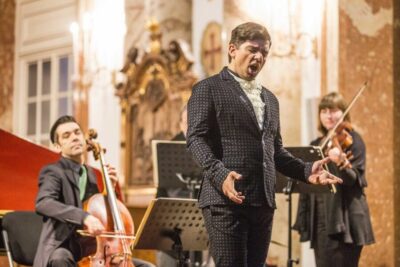
Vivaldi’s Four Seasons Concert in Karlskirche
Read our review →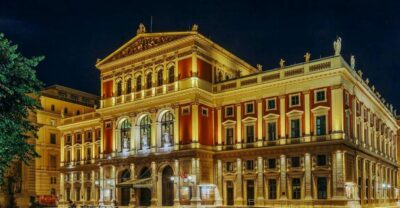
Classical Concert in the World-Famous Musikverein
Read our review →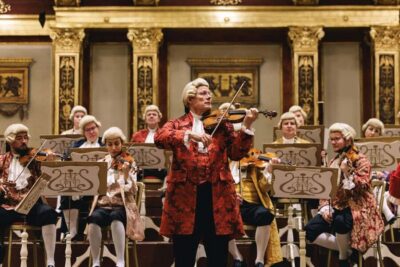
Mozart Concert at the Musikverein – Golden Hall
Read our review →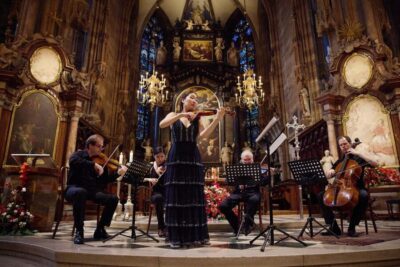
Classical Concert in St. Anne’s Church (Annakirche)
Read our review →
Browse the lists this tour appears in