REVIEW · VIENNA TOURS & ACTIVITIES
Vienna: Imperial Treasury in the Hofburg Palace
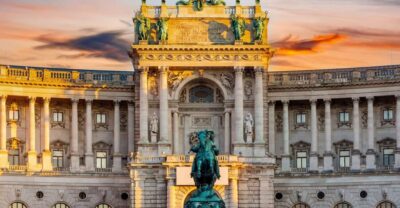
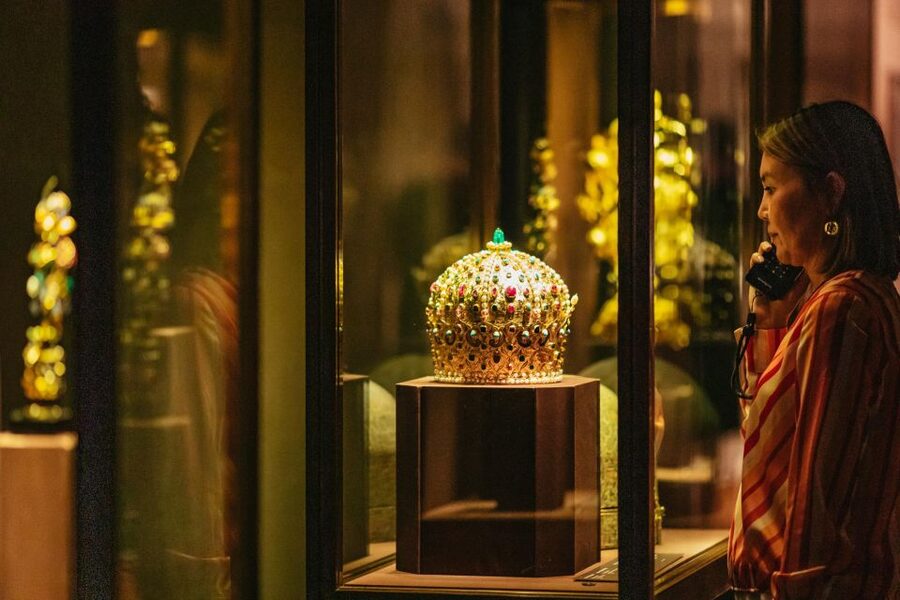
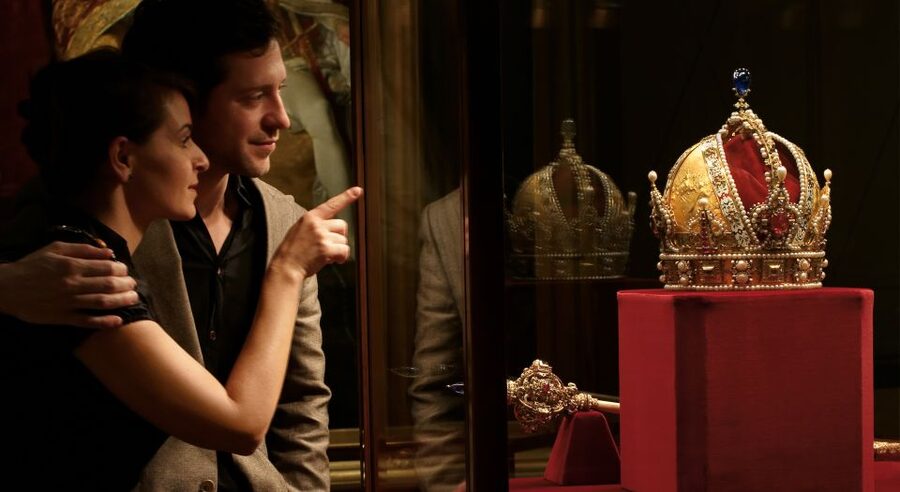
Crowns and relics in a royal vault. Vienna’s Imperial Treasury in the Hofburg Palace lets you get up close to the Austrian Imperial Crown, plus other heavyweight regalia tied to the Habsburgs and the Holy Roman Empire, all housed in the oldest part of the palace.
I particularly love the connection to Empress Elisabeth, since the display includes parts of her original jewelry, alongside famous gemstones and court splendor you can actually track visually through centuries of wealth.
One watch-out: you’ll need a printed voucher, so if you show up with only a phone screenshot, you may still have to sort it out at the ticket counter.
In This Review
- Key things to notice before you go
- Inside the Hofburg Swiss Wing: why the Imperial Treasury feels different
- Your main stops: crowns, relics, and the stories they tell
- The Austrian Imperial Crown and Holy Roman Empire regalia
- Habsburg jewels and gemstones, including the oversized emerald
- Empress Elisabeth’s original jewelry pieces
- Legendary treasures: Holy Lance, Holy Grail, unicorn horn
- Chivalry and order: the treasure of the Golden Fleece
- 15th-century Burgundy and the King of Rome connection
- How long to plan: a 1-day ticket that fits real schedules
- Audio guide versus self-guided reading: what works best
- Price and value: is 18 dollars worth it?
- Who should book this Hofburg treasure chamber?
- Before you arrive: a quick checklist that saves time
- Should you book the Imperial Treasury in the Hofburg Swiss Wing?
Key things to notice before you go
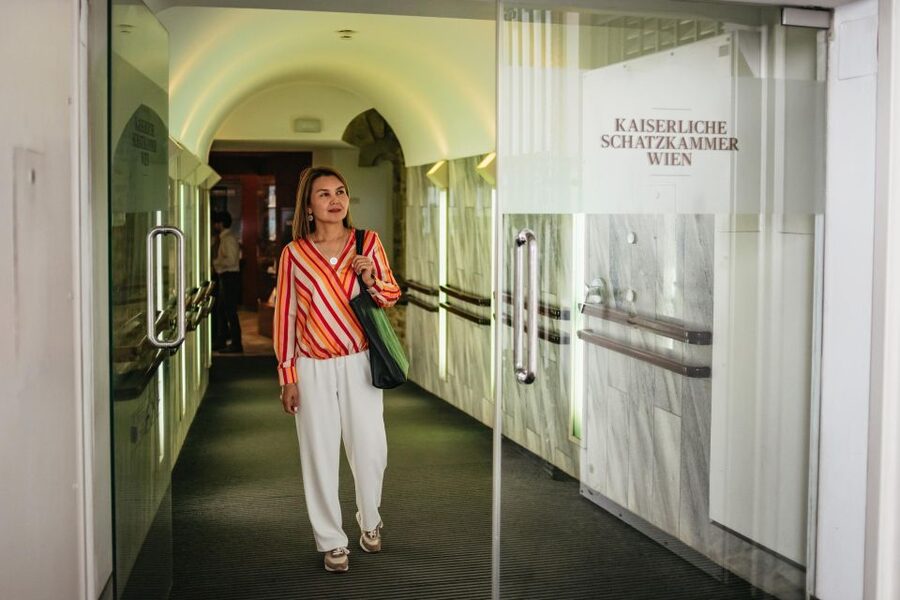
- Swiss Wing, the oldest Hofburg section: This is where the treasure chambers are set up for a focused, palace-in-a-box visit.
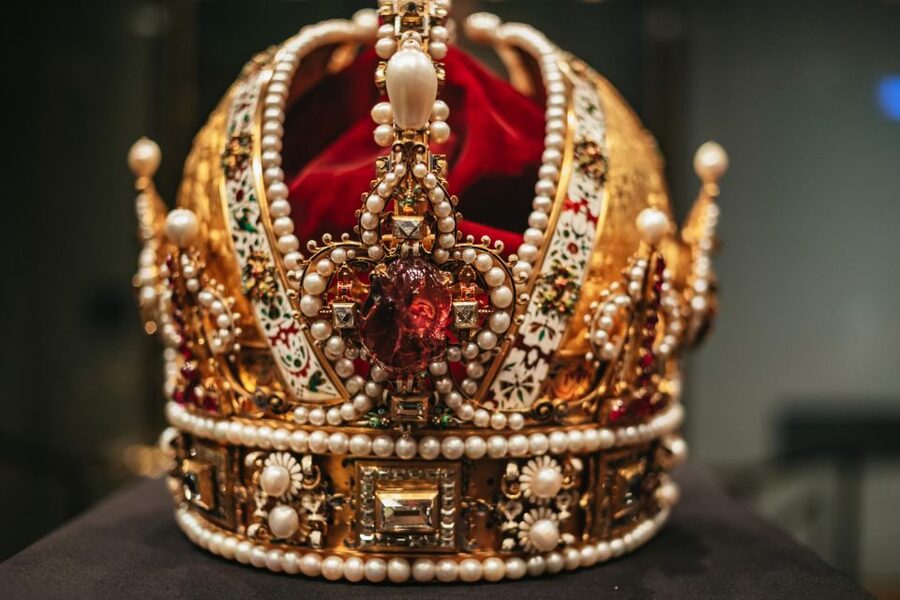
- The Austrian Imperial Crown: One of the showstoppers, and a core symbol of Habsburg power.
- Holy Roman Empire regalia: The Imperial Crown and related crown jewels explain why these objects mattered beyond Austria.
- Legendary relics on display: Look for items like the Holy Lance, the Holy Grail agate bowl, and even the horn of a unicorn.
- Habsburg jewel highlights: You’re meant to spot major gemstone pieces, including one of the largest cut emeralds in the world.
- Small group feel (up to 10): Even without a guided tour, it’s designed so you can take your time instead of being herded.
Inside the Hofburg Swiss Wing: why the Imperial Treasury feels different
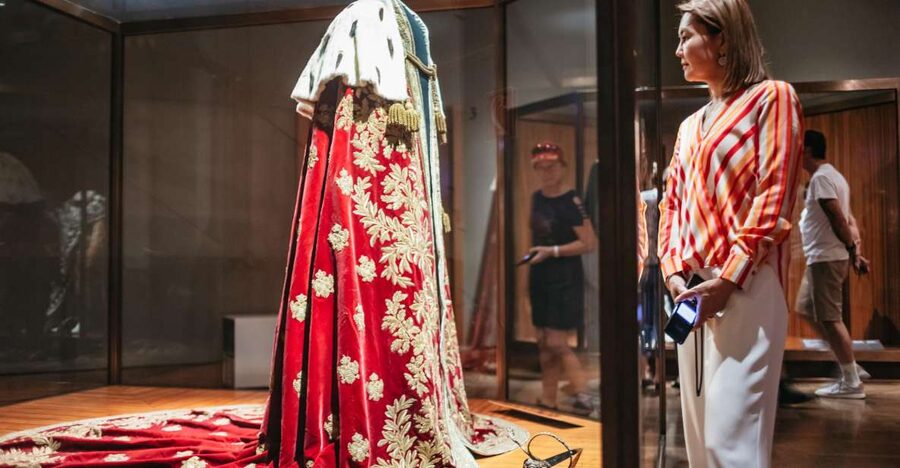
This is not a museum where you wander for hours looking for a highlight. The Imperial Treasury is more like stepping into a royal strongbox, then moving through tightly focused rooms that spell out power, faith, and status through objects.
What makes it such a hit is the mix. You get the big-ticket crown-jewel moment, yes, but you also get religious objects and legendary items placed right alongside court jewelry. That contrast is a big part of why the displays stick in your brain. Vienna is full of grand palaces, but here the drama comes from the collection itself.
And because the ticket is tied to the Swiss Wing in the Hofburg, you’re not trying to connect dots between scattered buildings. You’re in one historical pocket, built to hold treasures. The museum’s layout is set up for short-to-medium visits, so if you only have one day, this is a strong way to use it.
Held over another night in Vienna
- Vienna: Vivaldi’s Four Seasons Concert in Karlskirche
★ 4.7 · 14,951 reviews - Vienna: Spanish Riding School Training
★ 3.9 · 9,281 reviews - Vienna: Schönbrunn Palace & Gardens Skip-the-Line Tour
★ 4.7 · 7,739 reviews - Vienna: Light of Creation Votive Church Immersive Light Show
★ 4.8 · 6,779 reviews
Your main stops: crowns, relics, and the stories they tell
Think of the visit as a guided walk through categories, even if you’re self-paced. You’ll see how the Habsburgs used luxury and symbols to project authority. Some items are straightforward regalia. Others are the kind of objects that blur the line between devotion and legend.
The Austrian Imperial Crown and Holy Roman Empire regalia
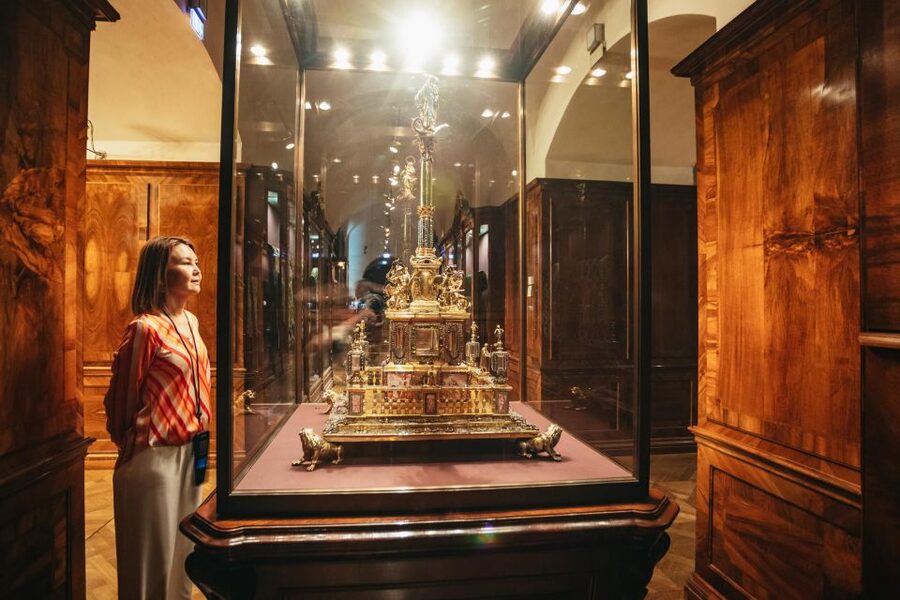
The first big mental check you’ll want to do is to slow down at the crown jewels. The Imperial Treasury spotlights the Austrian Imperial Crown as one of the most beautiful crowns in the world, and it also includes the crown jewels of the Holy Roman Empire with the Imperial Crown.
Why this matters: crowns are not just decorations. They’re political props. In this display, you can see how the same royal family leaned on inherited legitimacy. The Habsburgs weren’t just rich. They were presenting a story of authority that stretched beyond their own borders.
Practical tip: give yourself a full minute or two at crown pieces. If you only glance, you’ll miss the details that make the crown feel so intense, especially the way metals, gems, and craftsmanship all work together as a single statement.
Habsburg jewels and gemstones, including the oversized emerald
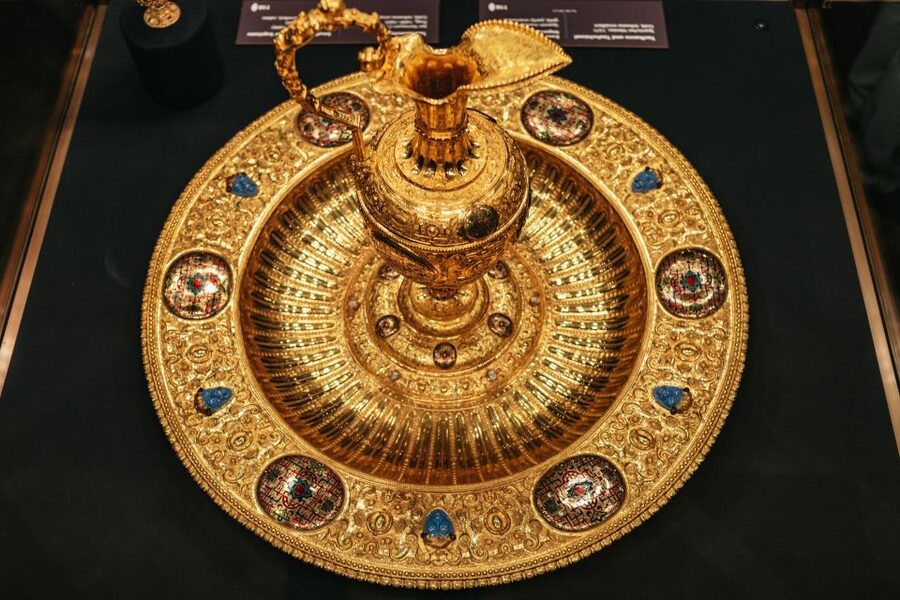
Then come the jewel rooms where your eyes keep trying to do a math problem. The museum highlights very specific gems, including one of the largest emeralds in the world and other major stones made for maximum impact.
Gemstone displays can be hit-or-miss in museums because glass cases sometimes flatten the effect. Here, the collection is presented as a sequence of objects that explain the wealth behind the sparkle. If you care about design, you’ll probably find yourself noticing how each stone and mounting fits into a larger look.
The biggest value of this part is scale. When a museum claims a gem is among the largest in the world, it’s worth seeing how that size translates in person, not just in photos.
After the interval, more from Vienna:


Empress Elisabeth’s original jewelry pieces
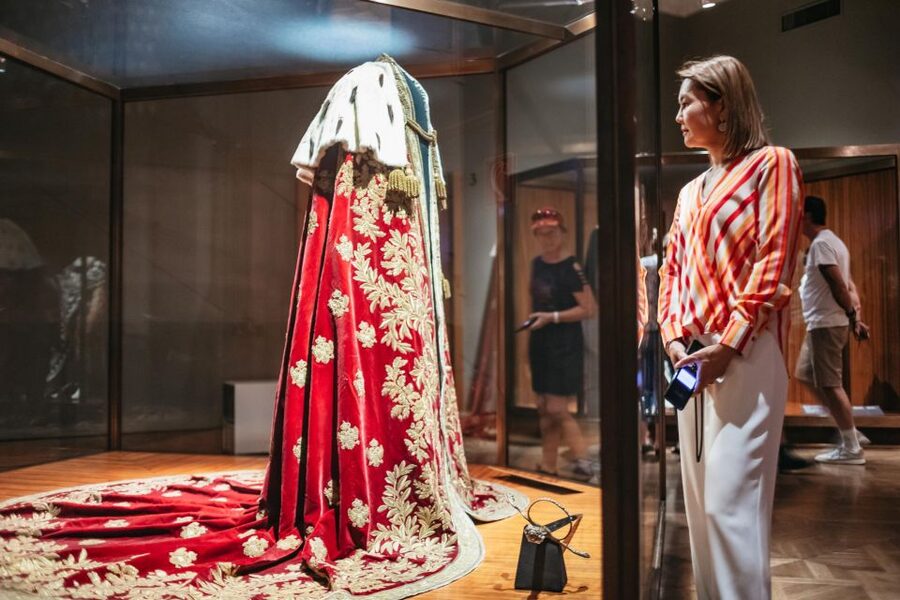
If you like royal stories with a human face, the Empress Elisabeth section is a highlight. The Imperial Treasury includes parts of the original jewelry of Empress Elisabeth.
Why I think this works: it shifts the focus from state power back toward individual identity. Jewelry is personal, and Elisabeth is often linked with a certain elegance and intensity. Seeing original pieces helps the story feel less like a text-book timeline and more like an actual wardrobe you could imagine in use.
Also, this is where the collection turns slightly from icon to portrait. You’re still in the world of crowns and empires, but you’re also watching how taste and identity were expressed through gems.
Legendary treasures: Holy Lance, Holy Grail, unicorn horn
One of the fun surprises is that the Imperial Treasury doesn’t stick only to political objects. You’ll find legendary treasures described in the collection, including:
- Holy Lance from the 8th century
- Holy Grail, presented as the world’s largest agate bowl
- horn of a unicorn
Even if you’re skeptical about legend, these objects are still valuable. They show how courts used extraordinary claims to build authority and wonder. In a museum like this, the legend becomes part of the cultural power system, not a side show.
Practical tip: when you reach the more mythic items, slow down and read the labels carefully. That’s where the museum gives you the context that turns a weird object into something meaningful.
Chivalry and order: the treasure of the Golden Fleece
The Imperial Treasury also includes the treasure of the Order of the Golden Fleece. This is the chivalric layer of the collection, where status isn’t only about birth or empire, but also about membership in elite networks.
Why this feels rewarding: the crown jewels show who rules. The Golden Fleece pieces show who gets access to honor and prestige. Together, they paint a fuller picture of how power worked day to day, not just at coronations.
15th-century Burgundy and the King of Rome connection
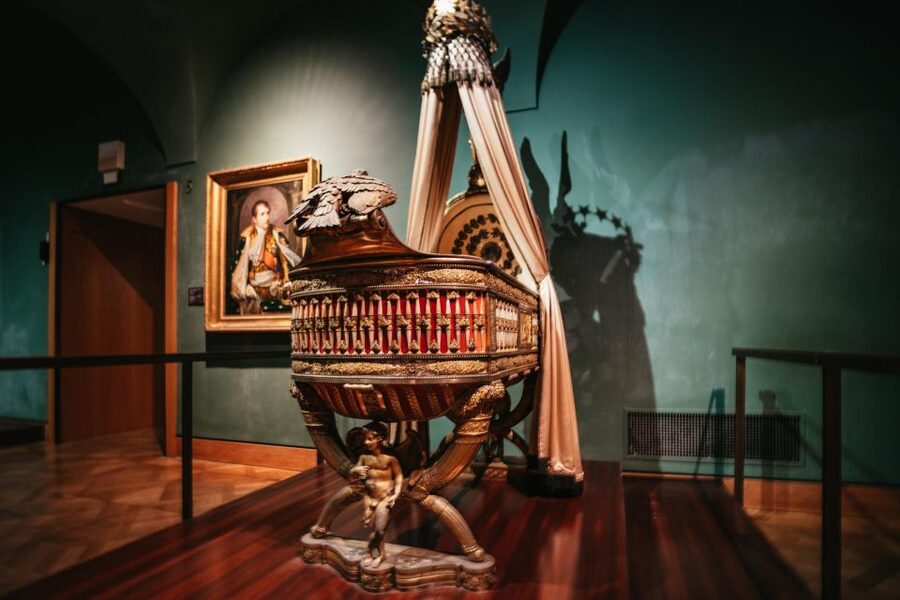
You also get specific themed collections, including a 15th-century Burgundy collection and the cradle of the King of Rome (Napoleon II).
This is a smart inclusion for visitors because it breaks the display out of one narrow mindset. You can see how imperial identity was influenced by broader European aesthetics and political relationships. The Napoleon II connection also gives you a bridge from Habsburg dominance into the turbulence of European power shifts.
If you like objects tied to particular figures, these sections give you something to anchor your attention beyond the biggest gems.
How long to plan: a 1-day ticket that fits real schedules
The ticket is valid for 1 day, and the experience is designed for a manageable visit window. In practice, you can often do this in about an hour, and it stretches toward 1.5 hours if you actually read the descriptions and want time to pause for the major pieces.
Here’s the pacing advice that keeps you happy:
- Start with the crown jewels first, so you get the big moment out of the way.
- Then work your way through gems and legendary relics without rushing.
- Finally, go back to the items that held your attention, especially Elisabeth-related jewelry.
The small group design (limited to 10 participants) helps the experience feel less chaotic, even when the Hofburg complex is busy.
Audio guide versus self-guided reading: what works best
The entrance ticket includes entry, but audio guide is not included. That means your experience depends on your appetite for labels and context.
If you’re the type who enjoys reading every object card, you’ll likely be able to build a strong narrative from the museum descriptions alone. If you want smoother context and interpretive detail without reading everything, you may prefer adding an audio option if you can arrange it.
My practical suggestion: bring the goal you care about most. If you want crown jewel craftsmanship, focus on the metalwork and gemstone placement. If you want storytelling, focus on the figure-based connections like Elisabeth and the Golden Fleece. You’ll leave with a clearer sense of what you came for.
Price and value: is 18 dollars worth it?
At $18 per person, the Imperial Treasury is priced like a serious “one main attraction” stop. The value comes from how concentrated the collection is.
You’re not paying just for one object. You’re paying for:
- major crown jewels tied to Habsburg and imperial identity
- standout gemstones described as among the largest in the world
- religious relics and legendary artifacts like the Holy Lance and Holy Grail bowl
- specific historical anchors like the Golden Fleece and Napoleon II’s cradle
If you’re trying to choose between “several smaller things” and “one concentrated big thing,” this is a strong pick. It also works well if you only have a single day in Vienna and want a cultural stop that’s instantly visual.
Could it be cheaper? Sure, as with any major museum ticket. But for the density of major pieces, it’s good value.
Who should book this Hofburg treasure chamber?
This is ideal if you:
- love royal jewelry and want craftsmanship you can see in real life
- want a palace experience that’s not too long
- are curious about how legends and religion were used in court culture
- appreciate objects tied to specific figures, like Empress Elisabeth and Napoleon II
It might be less ideal if you:
- hate any museum lines and are strict about minimizing time at ticket counters
- prefer museums where you can roam freely for half a day without fixed highlights
- need very detailed guided interpretation for every object, since this ticket is self-directed unless you bring your own guide
Before you arrive: a quick checklist that saves time
Here are the practical things I would not ignore:
- Meeting point: the Swiss Wing in the Vienna Hofburg Palace.
- Bring a printed voucher: the activity requires a printed voucher, and that can add time if you were planning to go straight from your phone.
- Plan for some ticket-counter time: the voucher-to-ticket process can mean you spend a bit more time at the start than you might expect.
- Wheelchair accessible: the experience is listed as wheelchair accessible, which is helpful for planning around the Hofburg complex.
- Small group format: limited to 10 participants, so it’s not an enormous, chaotic crowd setup.
Also, if you’re a book-smart visitor, don’t rush. This collection is set up for “read and look,” not just “look and go.”
Should you book the Imperial Treasury in the Hofburg Swiss Wing?
Book it if you want one concentrated Vienna experience with serious visual payoff. This is the kind of stop that makes the Habsburg era feel real because you’re seeing the symbols of power, faith, and legend in the same rooms.
Skip it only if you know you won’t enjoy crown jewelry, religious relics, and mythic artifacts, or if you absolutely need a skip-the-line style experience with minimal ticket-counter hassle.
If you’re on a tight schedule and you want a high-impact cultural hit, this is a very sensible choice.
Just added to the bill for Vienna


Vienna Tours & Activities, compared.
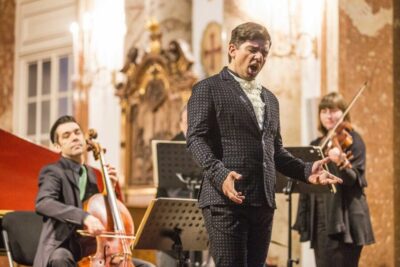
Vivaldi’s Four Seasons Concert in Karlskirche
Read our review →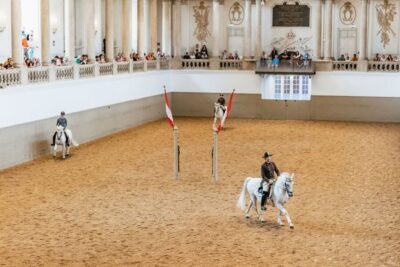
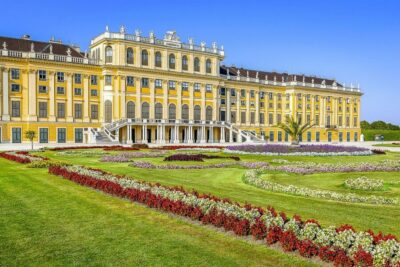
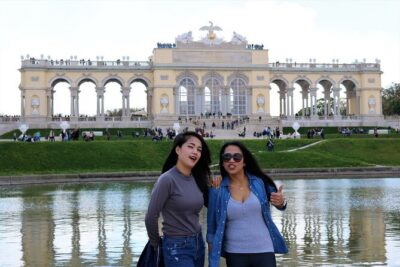
Schönbrunn Palace & Gardens Skip-the-Line Tour
Read our review →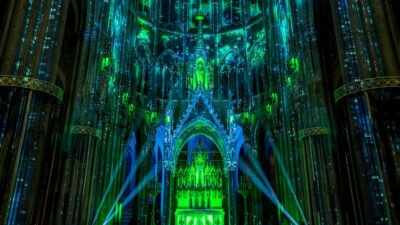
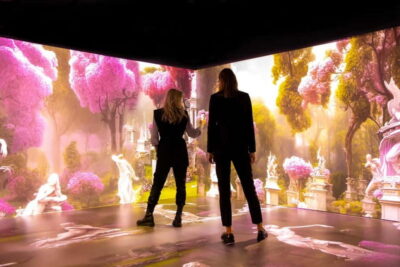
Light of Creation Votive Church Immersive Light Show
Read our review →
Classical Concert in the World-Famous Musikverein
Read our review →