

REVIEW · WORKSHOPS
Vienna: Italian-Austrian Pastry Class – Pasticciotto & Drink
Vienna smells like fresh pastry. In this small-group class hosted by Patrik Montinari, you learn pasticciotto hands-on, starting with a dough you make from scratch. You also get a welcome drink to help the group relax right away.
I especially like that you do more than mix and bake. You build classic Italian-style fillings, then pair them with Austrian favorites like apple-cinnamon and jam flavors, so your pastries feel tied to Vienna. One consideration: the space is on the top floor with no elevator, so plan for stairs.
In This Review
- Key highlights you will actually feel during the class
- Italian-Austrian pasticciotto in Vienna, in plain words
- Welcome drink and cozy start: the class sets you up for success
- Making the shortcrust dough from scratch (the part most people skip)
- Fillings you build: classic Southern Italy first, then Austrian favorites
- Italian-inspired pasticciotto fillings
- Austrian-inspired twists
- Shaping, sealing, baking: how your pasticciotti actually come together
- Cultural context without the textbook vibe
- Rooftop terrace tasting with Italian coffee or tea
- What you take home: printed recipe and new ideas for your kitchen
- Price of $93: does this class feel worth it?
- Tips to enjoy it more, especially if it is your first Vienna cooking class
- Who this Vienna pastry class fits best
- Should you book this Italian-Austrian pasticciotto class?
- FAQ
- How long is the Vienna Italian-Austrian pastry class?
- What is the class price per person?
- What do I make during the class?
- Do you include a welcome drink?
- Is there coffee or tea during the tasting?
- Is the rooftop terrace part of the experience?
- Is the class suitable for vegetarians or vegans?
- What should I bring?
- Are there food allergy options?
- What languages are used for instruction?
Key highlights you will actually feel during the class
- A welcome drink first: cocktail or Italian-style coffee sets the tone.
- Shortcrust pastry from scratch: you learn the dough work, not just assembly.
- Two pastry worlds in one bite: Southern Italian pasticciotto meets Austrian filling flavors.
- Rooftop terrace tasting: you eat your creations with Italian coffee or tea, weather permitting.
- Printed recipe to take home: you get ideas you can repeat at home.
- Small group size (up to 6): enough attention to fix small mistakes while staying relaxed.
Italian-Austrian pasticciotto in Vienna, in plain words
Vienna is good at making desserts feel serious. This class takes that same pride and adds a warmer, more Italian-shaped approach. You are not just learning a recipe, you are learning how a Southern Italian pastry can wear Austrian flavors without losing its identity.
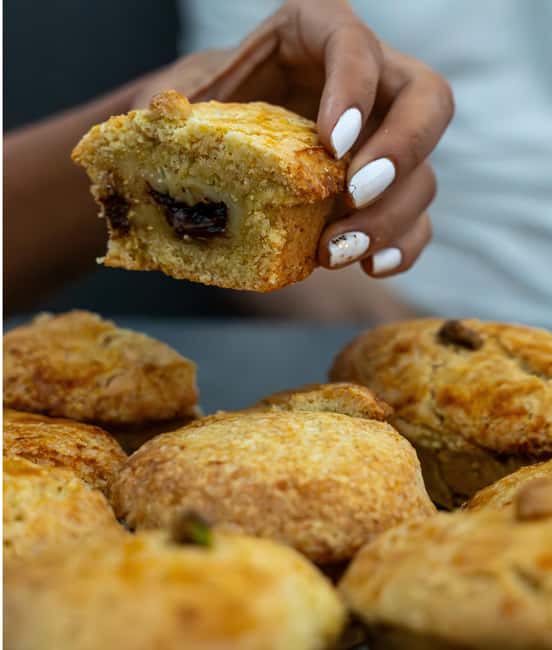
The star is pasticciotto. Think of it as a pastry you can hold in your hands, with a shortcrust shell and a creamy or fruity center. In this experience, the dough comes first, then the fillings, then the shaping and baking. That order matters, because it teaches you how to balance crust and filling, so the pastry stays tender and not soggy.
You will also get the cultural “why” behind the ingredients. You will talk about how Italian and Austrian pastry traditions overlap, and how food travels, adapts, and turns into something local. That history chat is not a lecture for its own sake. It helps you understand why certain pairings make sense on the plate.
More crafts learned first-hand:
- Vienna: Chocolate Workshop in Chocolate Museum w/ Tasting
★ 4.5 · 1,802 reviews - Chocolate workshop in Chocolate Museum Vienna “BO-YO”
★ 4.5 · 352 reviews - Nabiel’s Vienna Cooking Class
★ 5.0 · 234 reviews - Vienna: Viennese Waltz Beginner Workshop for Couples
★ 4.9 · 144 reviews
Welcome drink and cozy start: the class sets you up for success
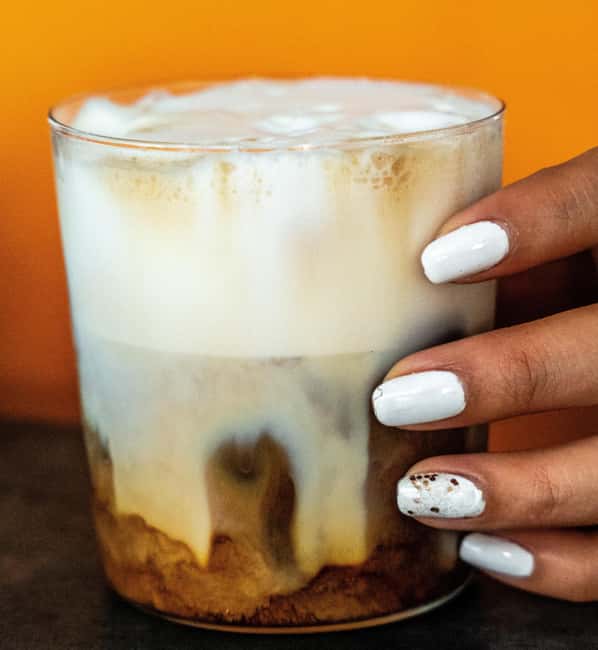
Before you touch flour, you start with a welcome drink. Depending on the time of day and your preference, it is either a seasonal cocktail or an Italian-style coffee. It is a small thing, but it helps more than you might expect.
In a hands-on class, people learn at different speeds. A drink right at the start lowers nerves, gets conversations going, and makes questions feel normal. You can also choose a coffee or cocktail that matches your pace, especially if you plan to do the baking step while feeling alert and comfortable.
This class runs in a warm, welcoming home setting in the heart of Vienna. It is the kind of environment where you can ask, retry a step, and not feel rushed. That matters because the dough stage is where most home bakers either get confident fast or get stuck.
Making the shortcrust dough from scratch (the part most people skip)
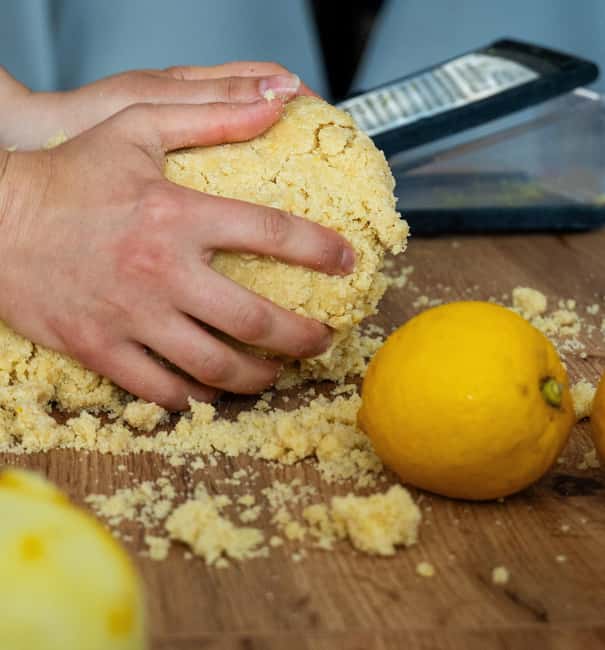
The main skill you take away is shortcrust pastry dough. Instead of buying pre-made dough and calling it a day, you learn the process from scratch with step-by-step guidance. That is where you pick up the “feel” of the dough, not just the recipe.
You will work through basic pastry logic:
- You combine and form the dough in a way that keeps it tender.
- You shape and handle it so it bakes into a crisp shell instead of a tough crust.
- You learn what “ready” looks like, so your dough behaves during assembly.
This is the practical reason the class feels valuable. If you ever tried a pastry recipe at home and wondered why it failed, it is usually the dough handling. Here, you get a live guide, so you can correct small issues early rather than discovering them after baking.
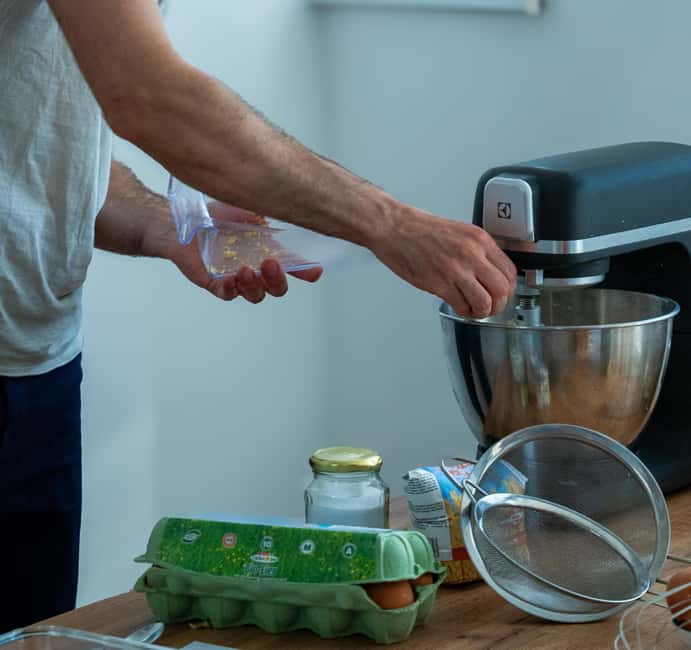
Also, the class gives you all ingredients and tools. That removes a common travel-class frustration. You are not hunting for specialty pastry items on your own right after landing in Vienna.
Fillings you build: classic Southern Italy first, then Austrian favorites
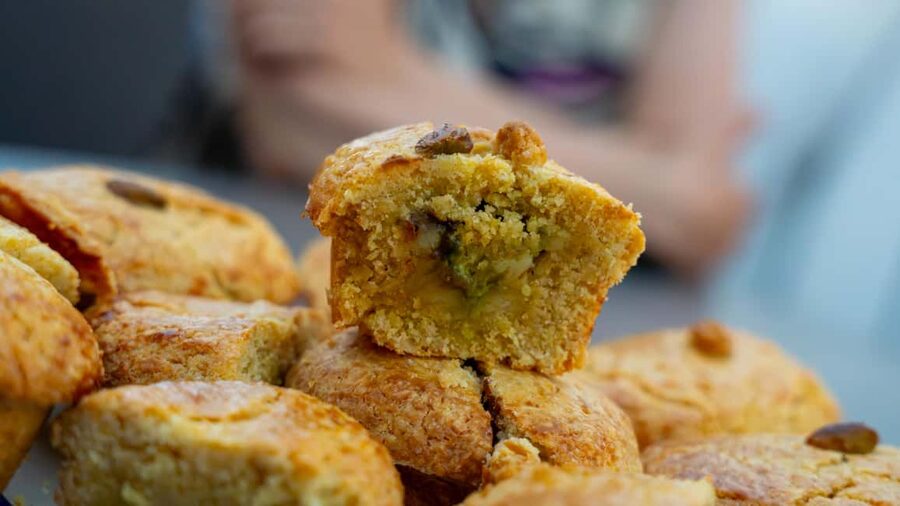
After the dough, you create the fillings. This is where the whole “Italian-Austrian fusion” idea becomes real, because you get to taste the difference in flavors and textures.
Held over another night in Vienna


Italian-inspired pasticciotto fillings
You will make classic Southern Italian style fillings, such as:
- Lemon custard
- Ricotta cream
- Vanilla
These fillings tend to be creamy, fragrant, and comforting. Lemon adds brightness. Ricotta gives richness without feeling heavy. Vanilla brings a warm, pastry-shop smell that works with almost any crust.
The class structure helps you understand how these fillings behave during baking. You learn how to work with creamy centers and not overfill, because too much filling can push through the crust.
Austrian-inspired twists
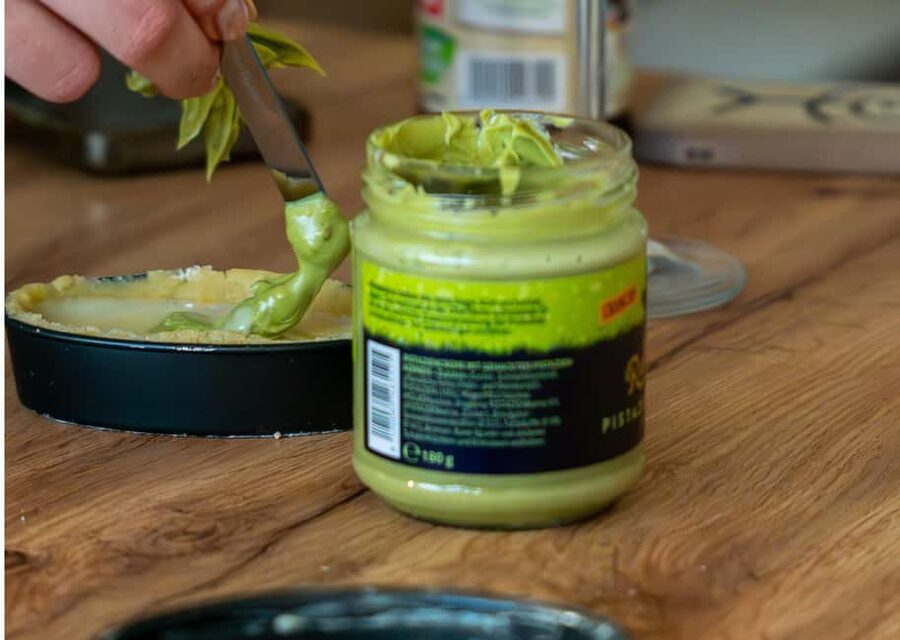
Then comes the Vienna side of the story, using Austrian ingredients and flavor profiles. You might work with:
- Warm apple and cinnamon
- Plum jam
- Rich dark chocolate
- Marillenmarmelade (apricot jam), like you might see in a Sachertorte
This is the part that makes your pasticciotti feel like they belong in Austria. Apple-cinnamon is familiar and cozy. Plum and apricot jams bring fruit sweetness and a jam-like set. Dark chocolate adds a deeper, cocoa note that pairs well with crisp pastry shells.
What I like about this approach is that it turns “fusion” into something you can taste and repeat. You are not stuck choosing one theme. You can make a few variations so you learn how different fillings react in the same pastry base.
Shaping, sealing, baking: how your pasticciotti actually come together
Once fillings are ready, you shape, seal, and bake your own pasticciotti. This part is hands-on, but it is not chaotic. The goal is control, because pasticciotto is all about the crust holding the filling while baking.
You get guided instruction through the key steps:
- portioning the dough
- filling without overdoing it
- sealing so the pastry stays intact
- baking so you get a golden shell
This is also where the small group size helps. With a limit of 6 participants, you are not just watching. You can adjust your technique while the instructor is still there to correct it.
Baking classes often become a test of speed. Here, you can focus on getting it right. That makes the final pastries more satisfying, and it helps you remember what you did so you can recreate it later.
Cultural context without the textbook vibe
One of the better parts of this class is that it does not treat ingredients like random flavors. You get insight into the cultural history of the ingredients, and why they show up in both Italian and Austrian pastry traditions.
The message is simple: pastry becomes a way to express identity and share food across borders. Ingredients like lemon, ricotta, fruit jams, and chocolate are not just “tasty.” They carry local habits and favorite combinations that have traveled over time.
For you, this matters because it turns a recipe into a framework. Instead of memorizing one filling, you understand how to match fruit, cream, and chocolate to a shortcrust shell.
If you like learning through food, this portion of the class makes the experience feel smarter, not longer.
Rooftop terrace tasting with Italian coffee or tea
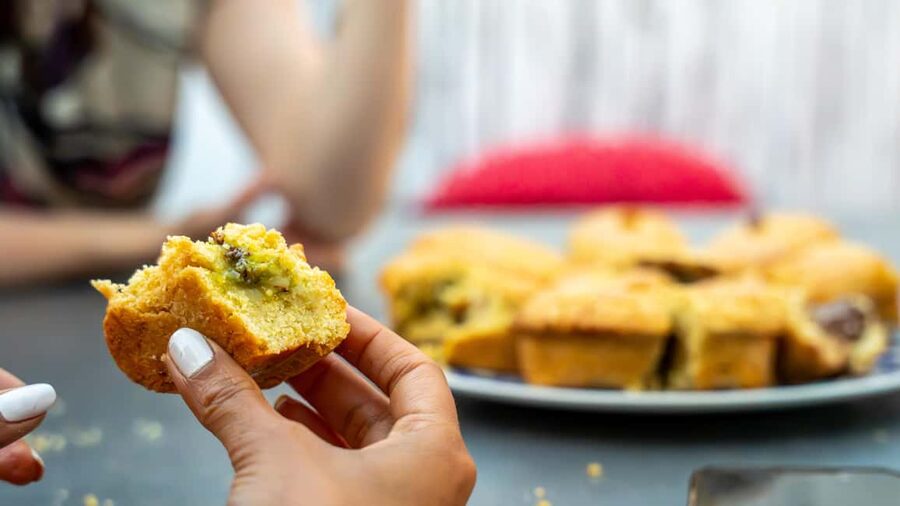
When your pastries come out, you get to enjoy them on a rooftop terrace with Italian coffee or tea. This is one of those moments that makes the whole day feel like a complete loop: work hard, then take in the view while you eat what you made.
The terrace tasting is included, weather permitting. So you get the best of both worlds. If you get good weather, you get a scenic reset. If not, the class still has the tasting part built in, so you are not left hanging.
Sitting outside also changes how you experience the pastry. Freshly baked crust tastes more like itself. Creamy fillings feel lighter. Coffee or tea helps you clean the palate between bites, so you can actually compare the variations you created.
What you take home: printed recipe and new ideas for your kitchen
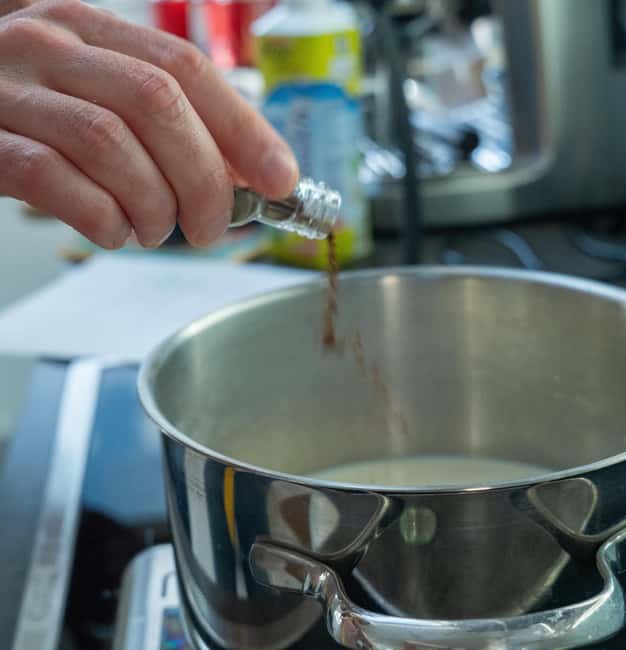
You end the class with a printed recipe. For most cooking experiences, that is a nice souvenir. Here, it is practical because you learned multiple filling directions.
You should use the recipe like a base plan:
- Choose one filling style you loved most (custard, ricotta, jam, or chocolate).
- Use your pasticciotto dough method as the constant.
- Rotate fillings based on what you can find easily at home.
The best part is that the class gives you ideas beyond one exact flavor. Once you learn the dough logic, you can explore. That is the real value you keep after the last crumb.
Price of $93: does this class feel worth it?
For $93 per person and a 150-minute duration, the value comes down to three things you cannot easily replicate on your own during a short trip: guidance, ingredients, and time.
You are paying for:
- expert step-by-step support while you make dough and assemble pastries
- all ingredients and tools
- at least two filling directions in the same experience
- a welcome drink plus coffee or tea during tasting
- rooftop terrace tasting (weather permitting)
- a printed recipe you can reuse
If you are the type who wants to bake but hates guessing when dough texture is off, this format is worth it. It is also good value if you prefer a smaller group, because attention is not diluted.
If you just want to taste pastries, a bakery visit will be cheaper. But if you want the skill and the story, the price starts to make sense quickly. You are essentially buying a hands-on workshop plus a meal-like tasting.
Tips to enjoy it more, especially if it is your first Vienna cooking class
A couple choices make a big difference here.
Wear comfortable clothes you do not mind getting flour on. Pastry work can be messy. Also, consider what you bring on your day. If you have other walking plans after, you might want a light layer that you can wash easily.
You should also come prepared to participate. This is child-friendly, but it is focused on adults, so it works best when everyone is ready to learn and taste.
Allergy handling is important. Vegetarian or vegan options are available, but if you have food allergies, this is not suitable. If you have dietary restrictions that are not allergies, inform the organizer in advance so the right adjustments can be made.
Finally, remember the top floor setup. The space has no elevator. If stairs are a challenge for you, plan accordingly.
Who this Vienna pastry class fits best
This workshop is a strong pick if you want something more personal than a food tour. It is also good if you like mix-and-match learning: you build dough, then you build flavor variations, then you eat your results on a rooftop.
It fits well for:
- couples and small friend groups who want a shared project
- food lovers who want a specific skill, not just sampling
- people who like Italian food but are curious about Austrian pastry habits
- families who enjoy cooking together and can handle a more adult-focused pace
It may be less ideal if:
- you have food allergies (the class is not suitable for that)
- you struggle with stairs, since the venue is on the top floor with no elevator
- you want a totally hands-off experience, because this is real baking work
Language-wise, instruction is in English, and Italian and German are also spoken if needed. That flexibility helps a lot when the group includes mixed backgrounds.
Should you book this Italian-Austrian pasticciotto class?
Yes, you should book if you want a take-home skill and a fun, cozy Vienna afternoon. The combo of making shortcrust dough, building both Italian and Austrian-inspired fillings, and eating your pastries on a rooftop terrace makes it feel like more than a tasting.
Skip it if stairs are a problem for you or if you have food allergies. Also skip it if you only want to sample without getting your hands involved.
If you are deciding last minute, this is my simple test: if you would happily spend 150 minutes learning and baking rather than just buying pastries, you will enjoy this class. And if you love the idea of learning how flavors travel, pasticciotto is a tasty way to understand Vienna’s Italian-Austrian overlap.
FAQ
How long is the Vienna Italian-Austrian pastry class?
It lasts 150 minutes.
What is the class price per person?
The price is $93 per person.
What do I make during the class?
You learn to make shortcrust pastry dough from scratch and create pasticciotti with both Italian and Austrian-inspired fillings.
Do you include a welcome drink?
Yes. You get a welcome drink, either Italian coffee or a seasonal handcrafted cocktail, depending on the time of day and your preference.
Is there coffee or tea during the tasting?
Yes. Italian coffee or tea is included when you taste your pastries.
Is the rooftop terrace part of the experience?
Yes, there is a rooftop terrace tasting (weather permitting).
Is the class suitable for vegetarians or vegans?
Vegetarian or vegan options are available.
What should I bring?
Wear comfortable clothes and bring something that can get dirty.
Are there food allergy options?
Please inform the organizer of any allergies in advance, but the experience is not suitable for people with food allergies.
What languages are used for instruction?
The class is conducted in English, with Italian and German also spoken if needed.
Just added to the bill for Vienna





Workshops, compared.
Chocolate Workshop in Chocolate Museum w/ Tasting
Read our review →
Austrian Apple Strudel Cooking Class including Lunch in Salzburg
Read our review →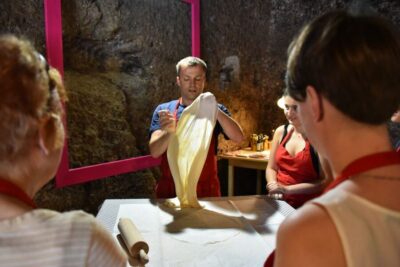
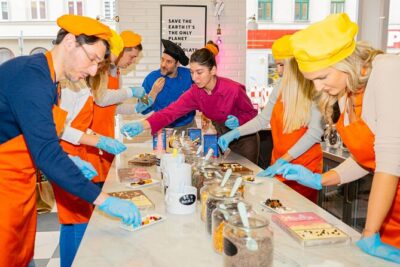
Chocolate workshop in Chocolate Museum Vienna “BO-YO”
Read our review →
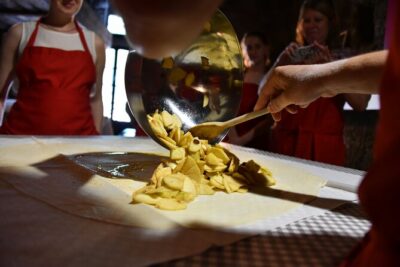
Salzburg Christmas Cookies and Apple Strudel Cooking Lesson
Read our review →
Traditional Kaiserschmarrn Cooking Class & Tasting
Read our review →
Cookies and Apple Strudel Cooking Class Including Lunch
Read our review →Browse the lists this tour appears in