REVIEW · TOURS
Vienna: Time Traveling Virtual Reality Sightseeing Tour
Time travel hits Vienna, no flight required. This 100-minute old-town walk pairs 360-degree VR scenes with a live guide and a story you can hear through included earphones, moving from medieval rituals to wartime shock. It is an easy first-day activity because you walk between major landmarks while the headset snaps you into what life looked like in each period.
I especially like the way the tour uses real places, like the Hofburg area and St. Stephen’s Square, then adds human stories you do not usually get on a normal sightseeing circuit. You also get multilingual audio support, which makes it work well even when your group speaks different languages. One thing to keep in mind is that the VR experience depends on the headset setup and image clarity, and some scenes may feel a bit less sharp than you expect, especially if you are picky about visual detail.
In This Review
- Key highlights to know before you go
- A 100-minute Vienna walkthrough that uses VR for history
- Meeting at Neuer Markt 6, then ending near Albertina
- The route: 3.2 kilometers on flat ground, so you can focus on the story
- Scene by scene: White Sunday 1483 to St. Stephen’s Square in 1945
- White Sunday procession, 1483
- The Ottoman sieges, 1683
- Plague darkness and Augustin’s humor, 16th century
- Hofburg area, Empress Sisi and Franz Joseph II in hunting season
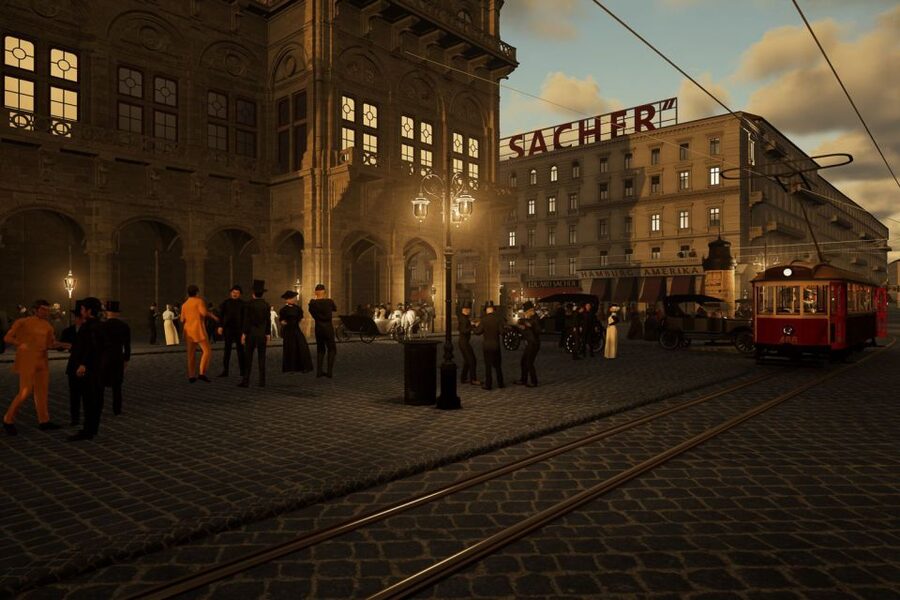
- The Opera and the golden 1920s atmosphere
- St. Stephen’s Square, the cathedral burning, then Soviet entry
- VR glasses and earphones: great concept, with a quality reality check
- Live guide in English or German, plus audio in 7 languages
- Price and value at $45 for 100 minutes of guided VR history
- Who this works best for, and who should skip it
- Weather and timing: when Vienna keeps its plans
- Should you book this Vienna time-travel VR tour?
- FAQ
- Where does the tour start and where does it end?
- How long is the Vienna VR sightseeing tour?
- What is the walking distance and is the route flat?
- What languages are available for the live guide and audio guide?
- What is included in the ticket price?
- Is the tour wheelchair accessible and who is it not suitable for?
- What should I do to find the meeting point?
Key highlights to know before you go
- Six VR scenes across Vienna’s history, from White Sunday in 1483 to the final days of World War II
- A real walking route over mostly flat ground, with stops where the headset gets used
- A live guide in English or German, plus a multilingual audio guide in many other languages
- Stories and small moments, like an Augustin-era contrast of fear with humor and music
- Practical touring format, VR glasses and earphones included, no food needed on the route
- Weather-sensitive timing, with possible last-minute cancellations if conditions are rough
A 100-minute Vienna walkthrough that uses VR for history
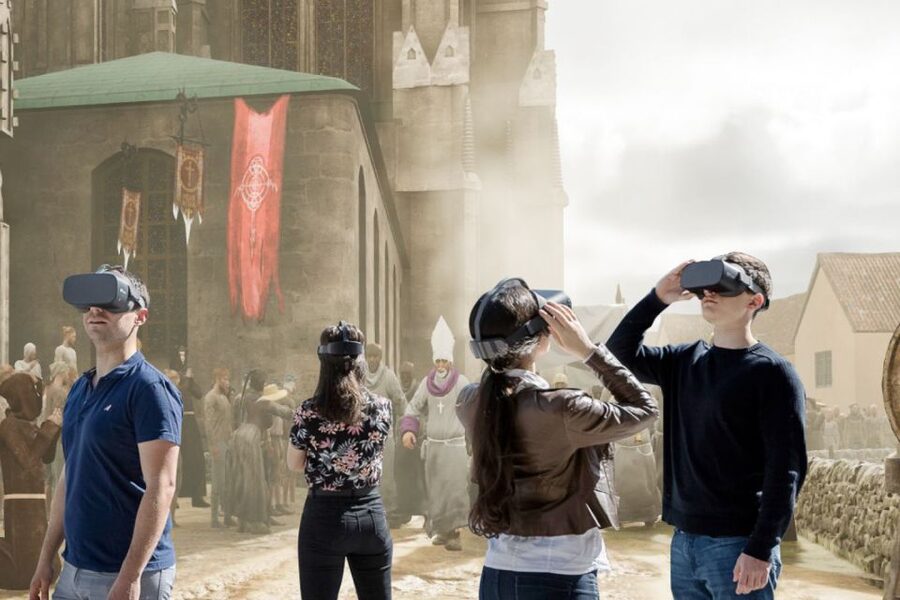
This tour is built around one smart idea: you are not just looking at Vienna’s landmarks, you are standing where the past happened, then watching that past take shape around you.
You spend most of the time walking through the old center, flat and manageable, while the live guide and audio guide provide the context. Then, at key moments, you pause, put on the VR glasses, and switch from present-day city views to a 360-degree scene. It is the kind of format that helps history stick. Instead of only memorizing dates, you start connecting them to street life, public fear, fashion, and politics.
At this price point, the value is not that you get a private VR studio experience. It is that you get a guided, structured way to cover a lot of Vienna’s most famous spaces in a short window, with VR adding the “what it felt like” layer.
Held over another night in Vienna
- Vienna: Vivaldi’s Four Seasons Concert in Karlskirche
★ 4.7 · 14,951 reviews - Vienna: Spanish Riding School Training
★ 3.9 · 9,281 reviews - Vienna: Schönbrunn Palace & Gardens Skip-the-Line Tour
★ 4.7 · 7,739 reviews - Vienna: Light of Creation Votive Church Immersive Light Show
★ 4.8 · 6,779 reviews
Meeting at Neuer Markt 6, then ending near Albertina
You start at Neuer Markt 6 and you finish near Albertina. Plan to arrive about 15 minutes early, and look for the turquoise entrance when you get there. That early buffer matters because you will need a little time to get the VR glasses and earphones sorted before you begin.
This is also a good setup for first-day timing. Starting near a central square and ending near Albertina keeps your next stop easy. You can roll right into a coffee break, museum time, or a longer wander without having to cross town.
One small planning note: the tour is a walking route, so you will feel the pace more than you would on a bus tour. Comfortable shoes are not optional. You will also want to bring something for weather, because rain or storms can shut it down at short notice.
The route: 3.2 kilometers on flat ground, so you can focus on the story
The walking part covers 3.2 kilometers over flat terrain. That is important. Vienna’s center can include uneven bits, but here the route is designed to be steady enough that most people can keep up.
What this means in practice is that the tour works as a “history plus bearings” combo. As you walk, you build a simple mental map of where things are: where the grand sites sit, how wide certain streets feel, and how close the landmarks are to each other. When the headset goes on, you are better able to place what you see because you are already orienting yourself in the real space.
The main tradeoff is that not every minute is VR. A good chunk is walking and listening. If you go in expecting mostly headset time, you might feel a little teased. If you like guided context and prefer learning in between headset moments, this format clicks.
Scene by scene: White Sunday 1483 to St. Stephen’s Square in 1945
The tour is built around six historical scenes. Each one is designed to answer a simple question: what changed in Vienna, and what did that change do to daily life?
After the interval, more from Vienna:

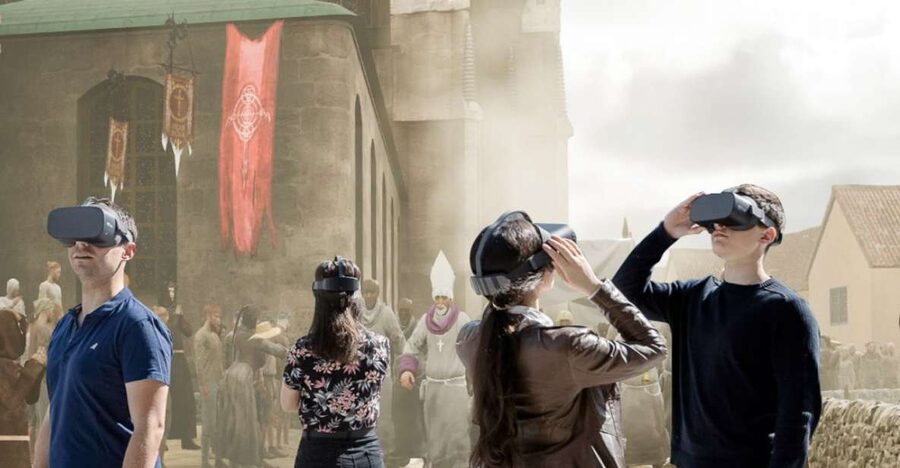
White Sunday procession, 1483
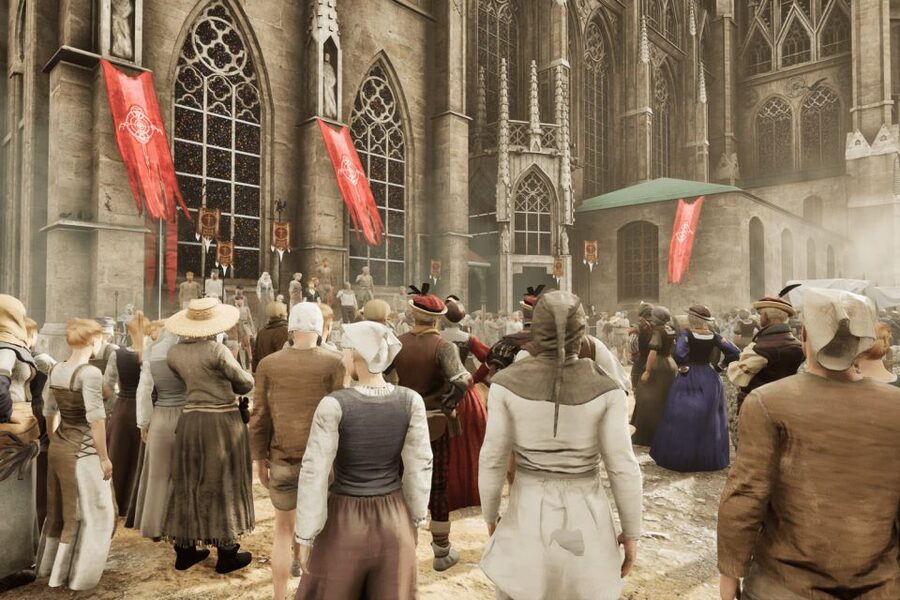
You kick off with a procession linked to White Sunday in 1483. This is one of those public moments when ornaments and pageantry get shown to the public. It helps you see medieval Vienna as something human and communal, not just stone and monuments.
Why it matters: when you learn about a city’s past through a public event, you understand how power and religion moved through streets. Even if you have seen Gothic facades, the tour frames them as part of a living calendar.
The Ottoman sieges, 1683
Next, you experience a siege moment tied to 1683, with the Ottoman Empire carrying out another attack during that second siege period. The “take cover” feeling is the point. You are not meant to view the event from a safe distance like it is a museum diorama.
Why it matters: Vienna’s identity is tied to conflict and survival. Seeing the siege in a 360 view helps you understand why fortifications and political decisions were urgent, not abstract.
Plague darkness and Augustin’s humor, 16th century
Then comes a darker turn: the plague era, when darkness and dread settled into the city and killed a huge portion of Europe. The tour does not stop at fear. It connects the time to Augustin, a singer who showed Vienna could keep going with humor and music even when conditions were brutal.
Why it matters: this is the most “life” moment in the set. It gives you a way to think about resilience that is not only about buildings. People created culture under pressure. That is a powerful lesson for anyone who thinks history is only kings and wars.
Hofburg area, Empress Sisi and Franz Joseph II in hunting season
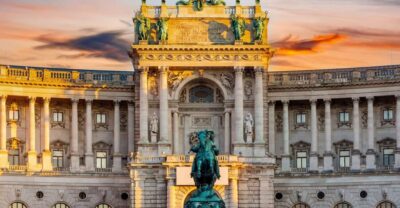
On a sunny day walk, you shift to imperial Vienna around the Hofburg. You see Empress Sisi and Emperor Franz Joseph II on a hunting trip, and there is even a playful cue to wink because you are close to the road.
Practical takeaway: this is the kind of scene where your actual position in the street matters. The tour uses the proximity to make the moment feel present, not distant. It is also a reminder that Vienna’s grand life was not always indoors. It spilled into everyday spaces.
The Opera and the golden 1920s atmosphere
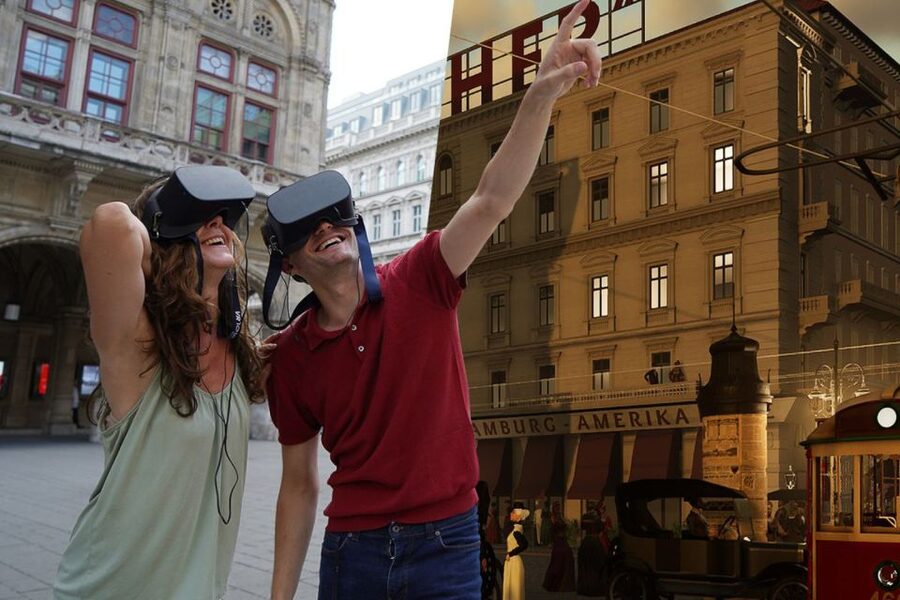
At the Opera, you get Vienna in the golden 20s. The focus is on preparation and performance atmosphere, not only the final curtain. This is a nice contrast after earlier centuries, because it shows a different kind of tension: artistry, fashion, and public expectation.
Why it matters: it rounds out Vienna’s story. You learn that the city’s reputation is not just built on architecture and empire. It is also built on culture, stagecraft, and public rituals.
St. Stephen’s Square, the cathedral burning, then Soviet entry
The final scene is set around St. Stephen’s Square. You witness the cathedral burning during the last month of World War II, then see the Soviet army driving the last German soldiers out.
This is heavy material, and the VR format makes it feel immediate. The value here is not shock for its own sake. It gives you a reason to look at the cathedral and square with more context than postcards allow.
If you have even a mild interest in twentieth-century history, this ending can turn into a memorable bookend for your entire trip. You started with procession and ritual, and you end with the collapse of an era.
VR glasses and earphones: great concept, with a quality reality check
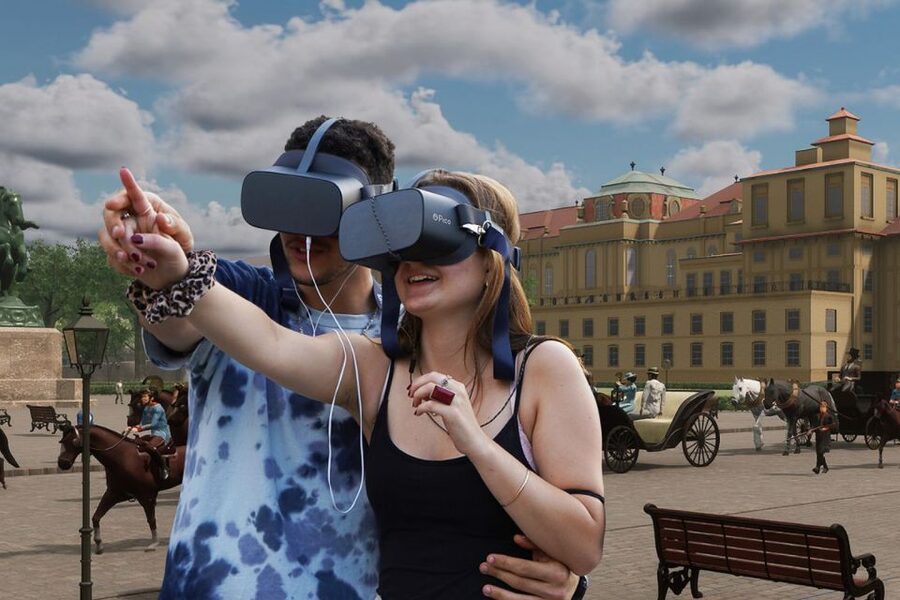
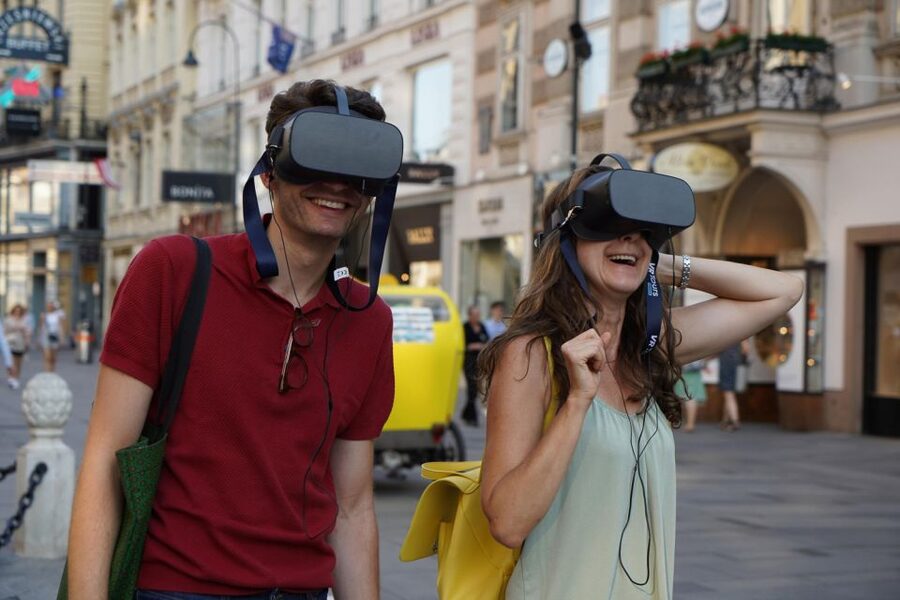
The tour includes VR glasses and earphones for the audio guide, so you start prepared. The headset portion is where the tour earns its name. You get a 360-degree view that makes the past feel like it wraps around you instead of sitting on a screen.
Now for the real-world consideration: some people may find the VR visuals a bit rough or slightly blurry. If you are used to high-end VR systems, you might notice the difference. The experience can still feel surreal, but it may not feel razor sharp.
Another practical point: because the tour is walking plus headset stops, your comfort matters. You will want to keep the headset secure and follow the guide’s setup instructions so you can actually enjoy the scene rather than spend time adjusting.
Live guide in English or German, plus audio in 7 languages
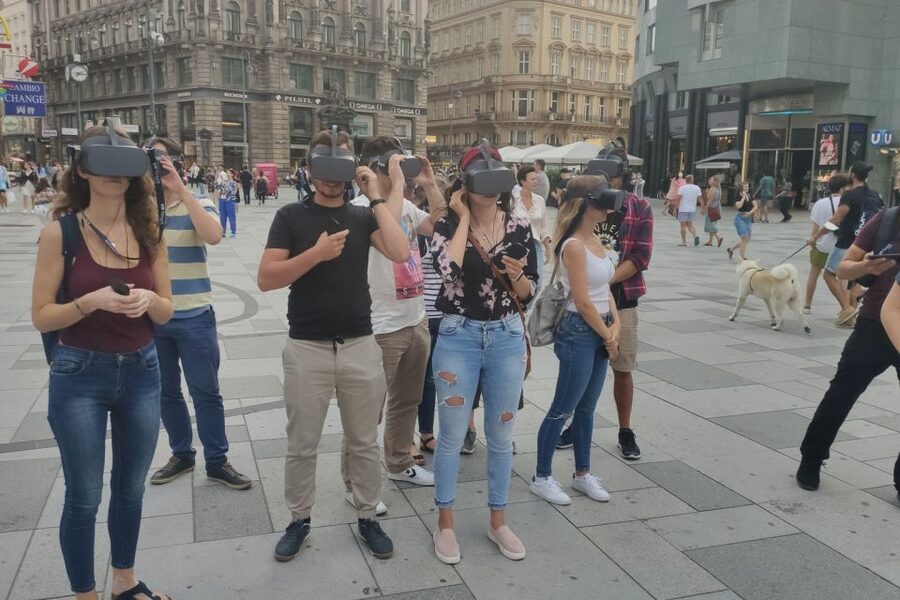
A live tour guide runs in English and German. On top of that, the audio guide is available in English, Spanish, Dutch, French, Italian, and Russian.
This setup is a big reason the tour works for mixed groups. Even if the live guide language is not your first language, you can still follow along. It also means you can do the tour even if you are traveling with friends who speak different languages.
One caution worth your attention: language translation can get tricky if groups mix. If you want the cleanest experience, try to stay aligned with the language option your group is using.
You may also encounter different guide styles. In past sessions, guides such as Julian (fluent in German and English) and Dr. Reiner have been highlighted for making the information clear and helpful. That kind of guidance can make a huge difference for a VR tour, because you want the storytelling to match what you are seeing in the headset.
Price and value at $45 for 100 minutes of guided VR history
At $45 per person for about 100 minutes, the pricing feels reasonable for what you get: a live guide, included VR equipment, and a structured route connecting multiple major sites.
Here is how I judge the value:
- You are paying for the combination of walking guidance plus VR storytelling, not just a ticket to a single museum stop.
- The tour covers key “Vienna must-see” areas in one go, which can save time on a tight itinerary.
- The multilingual audio guide adds flexibility, especially if your group is international.
If you already know you like guided tours with context, this is a solid deal. If you only want visuals and would rather not listen, you might feel you are paying for narration as much as VR.
Also note that food and drinks are not included. Plan a snack or meal separately, especially if you are doing the tour as part of a longer day around the city.
Who this works best for, and who should skip it
This tour is listed as wheelchair accessible, and the route is flat enough for many mobility needs. It is not suitable for children under 8, and it is not suitable for people with epilepsy.
Who it fits well:
- You want a strong first-day orientation and a quick history framework without committing to a full-day museum plan.
- You like stories that connect events to specific places, not only to timelines.
- You enjoy VR as a tool for perspective, even if you accept that image quality may not be cutting-edge.
Who might not love it:
- You want long stretches of headset time. A chunk of the experience is walking and listening.
- You are very sensitive to VR-style experiences and should follow the safety guidance tied to epilepsy not suitability.
- You expect constantly crisp visuals. Some VR scenes may look slightly blurry or less detailed.
Weather and timing: when Vienna keeps its plans
Because the tour walks outdoors and relies on the route, weather matters. It can be canceled due to poor weather such as heavy rain or storms, and the decision may be made at the last minute as conditions change quickly.
If you book close to forecasted storms, keep some flexibility. Bring a compact layer for rain and be ready to pivot your day plan if the tour does not run.
Should you book this Vienna time-travel VR tour?
Book it if you want a compact way to understand Vienna across big turning points, and you like your history served with a guided narrative plus 360 VR scenes at real landmarks. The structure makes it easy to fit into a first visit, and the multilingual audio guide helps if your travel crew is diverse.
Skip it if you mainly want high-detail VR visuals and cannot stand the idea that much of your time is walking and listening rather than being fully inside the headset. Also skip if you fall under the stated epilepsy not suitable guidance.
If you are on the fence, think about your travel style. If you like to get oriented fast, this kind of tour often pays off because it gives you a mental map you can use later when you explore on your own.
FAQ
Where does the tour start and where does it end?
It starts at Neuer Markt 6 and finishes at Albertina.
How long is the Vienna VR sightseeing tour?
The duration is 100 minutes.
What is the walking distance and is the route flat?
The route is 3.2 kilometers over flat terrain.
What languages are available for the live guide and audio guide?
The live tour guide is available in English and German. The audio guide is included in English, Spanish, Dutch, French, Italian, and Russian.
What is included in the ticket price?
You get virtual reality glasses and earphones for the audio guide.
Is the tour wheelchair accessible and who is it not suitable for?
The tour is wheelchair accessible. It is not suitable for children under 8 and not suitable for people with epilepsy.
What should I do to find the meeting point?
Arrive about 15 minutes before the start, and look for the turquoise entrance.
Just added to the bill for Vienna
Tours, compared.
Schönbrunn Palace & Gardens Skip-the-Line Tour
Read our review →
Skip-the-Line Sisi Museum, Hofburg and Gardens Tour
Read our review →
Skip-the-Line Schönbrunn Palace & Gardens Tour
Read our review →
Guided Walking Tour of City Center Highlights
Read our review →