REVIEW · TOURS
Vienna tours for you with locals
Vienna’s Greek Quarter has stories most visitors miss. In a focused 2 hours with local guide Nicole, you’ll walk through a part of the first district where legends, printing, and architecture overlap in surprising ways. I especially like the way the tour connects myths to real streets, and it doesn’t feel like a history lecture.
Two highlights for me: the chance to see the oldest residential tower in Vienna in context, and to spot Art Nouveau details at Fleischmarkt that many tourists walk past. One thing to consider, though: it’s not suitable for wheelchair users, and the walk is only “easy” in the sense of not much walking, not in the sense of step-free access.
In This Review
- Key things you’ll enjoy on this Vienna Greek Quarter walk
- Meeting Nicole near Stubentor, and why it matters
- Vienna’s Greek Quarter, where legends and real streets share the same sidewalk
- Fleischmarkt Art Nouveau, plus the printing-house connections people miss
- The oldest residential tower in Vienna, and why it feels time-stretched
- Griechengasse and Schönlaterngasse, where the Danube’s border past becomes legend
- Lugeck and the story of printing, Habsburg beginnings, and legend logic
- What the 2-hour private format gets you, and what it does not
- Price and value: is $23 per person a fair deal?
- Who should book this tour, and who should skip it
- Should you book Vienna tours for you with locals?
- FAQ
- How long is the tour?
- What is the meeting point?
- Is the tour underground?
- What languages are available?
- Is pickup included?
- Is the walk difficult?
Key things you’ll enjoy on this Vienna Greek Quarter walk
Legends with names, like the saga of Augustin and the basilisk, tied to specific streets
Art Nouveau you won’t expect, especially around Fleischmarkt, with links to early printing
A stop near the Danube’s past, including Griechengasse as a border area by the river history
Mysterious old and new architecture, plus the kind of details you usually only notice with a guide
Printing and Habsburg-era stories, culminating near Lugeck and its monument-to-history mood
Meeting Nicole near Stubentor, and why it matters
I like tours that start cleanly, with no guessing. You’ll meet around the Dr. Karl Lueger monument near the Stubentor subway station, and that’s a good setup because you’re already in the center and ready to walk into the first district. If you choose optional pickup, it’s handled using public transport, with a meetup at your hotel lobby or an agreed public transport station.
The tour also includes headsets, with a silent guide setup so you hear the guide clearly. That sounds small, but it makes a big difference when you’re in streets with traffic and chatter. Because it’s a private tour, you can also ask questions without waiting for a group to catch up.
One more practical note: this is a rain or shine walk. The route is designed as an easy stroll, not an all-day hike, and you should plan for short outdoor stretches even if weather is annoying.
Held over another night in Vienna
- Vienna: Vivaldi’s Four Seasons Concert in Karlskirche
★ 4.7 · 14,951 reviews - Vienna: Spanish Riding School Training
★ 3.9 · 9,281 reviews - Vienna: Schönbrunn Palace & Gardens Skip-the-Line Tour
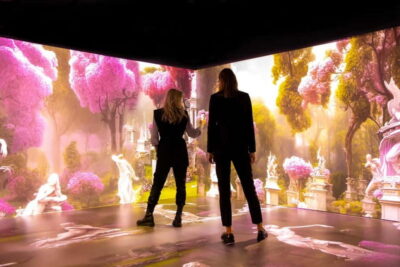
★ 4.7 · 7,739 reviews - Vienna: Light of Creation Votive Church Immersive Light Show
★ 4.8 · 6,779 reviews
Vienna’s Greek Quarter, where legends and real streets share the same sidewalk
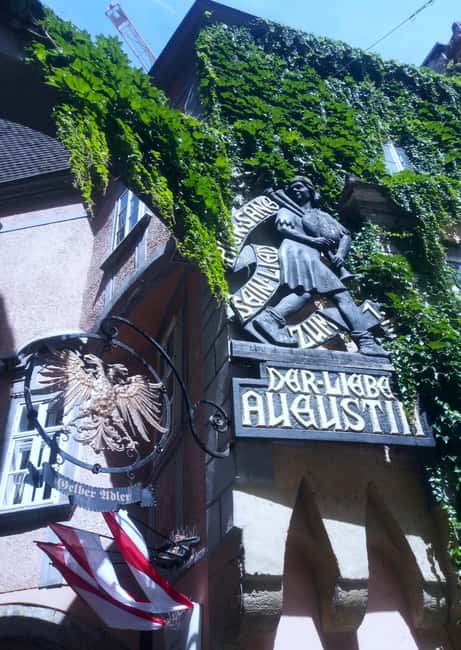
This tour’s heart is the Greek Quarter, described as mostly unknown and very tied to Vienna’s bigger story. You’ll hear how this area is linked to the legend of Augustin and how his hope was meant for people surviving the plague. That theme matters because it turns a normal walk into something more like a guided story map. You’re not just learning names, you’re understanding why these streets collected meaning in the first place.
The area also connects to preparations for Greek independence, which gives the quarter a political and cultural angle you won’t get if you only focus on Vienna’s royal palaces. And then there’s the printing thread, where you’ll learn how books were printed here very early, long before you think of Vienna as a print city.
I also like the way the tour treats “science” and “myth” as neighbors. Middle Ages stories about alchemists and scientists are part of the mix, so when the guide describes a legend, it’s usually paired with what you can actually observe in the street environment. That keeps it from feeling like fantasy for fantasy’s sake.
Fleischmarkt Art Nouveau, plus the printing-house connections people miss
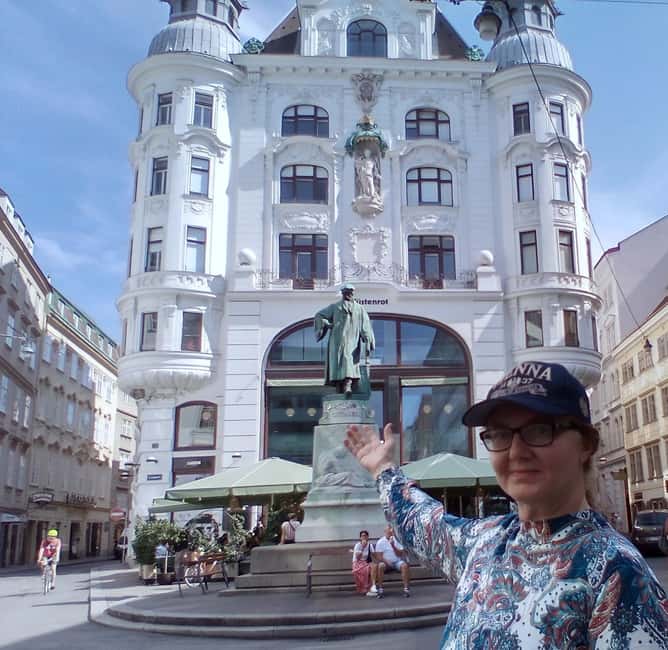
At Fleischmarkt, you’ll admire Art Nouveau buildings that many tourists never notice. The key is not just the style, but the connections you’re given while you look. This tour ties those facades to the first printing houses in Vienna, so the architecture becomes a clue to who lived, worked, and funded cultural life.
Here’s how to enjoy this stop: don’t rush your eyes. Art Nouveau details often reward slow attention, and a guide can point out what to look for so you’re not stuck with generic impressions like pretty building. You’ll also hear why these streets matter, which turns decoration into a kind of historical document.
A heads-up on tone: the tour doesn’t promise dramatic museum interiors. Instead, you get the more street-level reward of seeing how a neighborhood’s design reflects its intellectual and commercial past. If you like Vienna for its details at human scale, this is the right mindset.
The oldest residential tower in Vienna, and why it feels time-stretched
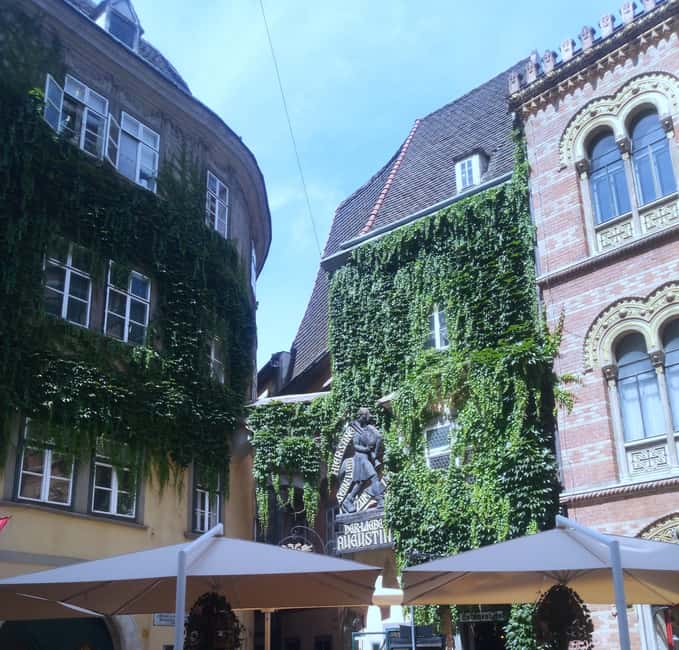
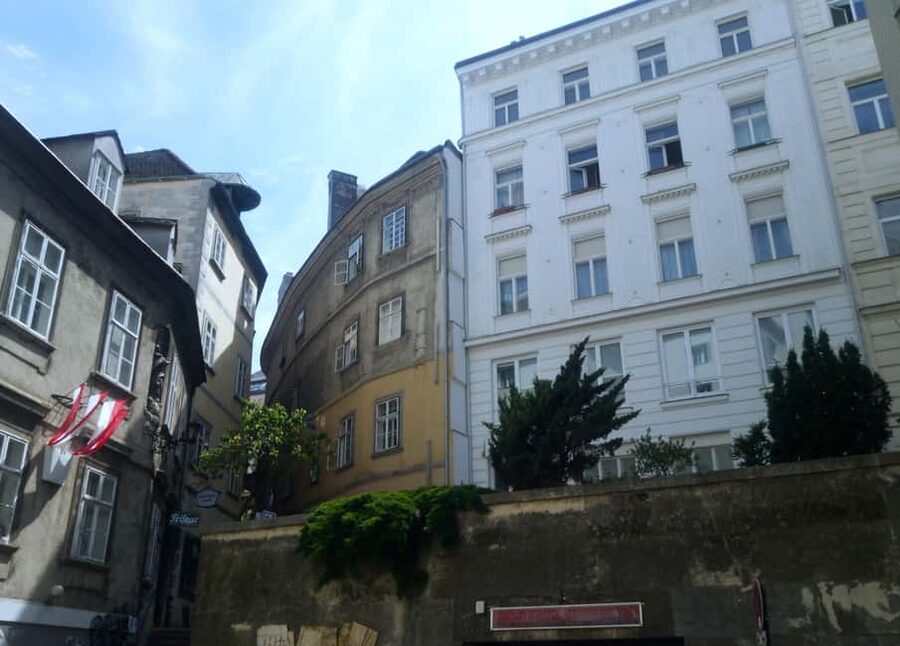
One of the standout themes is the presence of the oldest residential tower in Vienna within this same neighborhood. The guide doesn’t treat it like a one-off “check the box” sight. Instead, you’ll learn how the tower fits into the sense of mystery and layers here.
What I like about this stop is the feeling of architectural continuity. Vienna is often presented as either grand and imperial or modern and fast. This route blends very old and new architecture, so you don’t just see age, you see how new life kept growing around old structures. It makes the neighborhood feel lived-in rather than staged.
You might also hear about the kind of mysterious passages that are hard to uncover on your own. I’m not expecting every alley to open into a secret corridor, but the guide’s points help you notice what would otherwise be easy to ignore. That’s the value of a local-led walk in a place that isn’t built for the typical postcard route.
After the interval, more from Vienna:


Griechengasse and Schönlaterngasse, where the Danube’s border past becomes legend
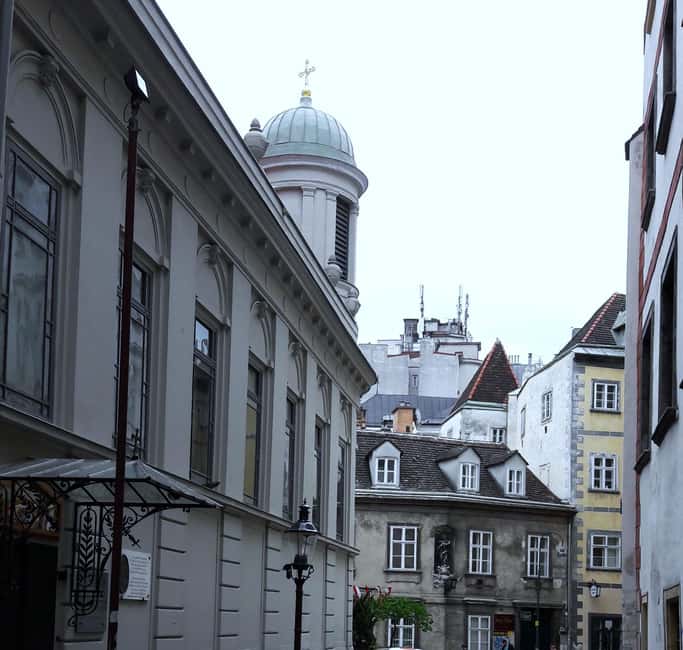
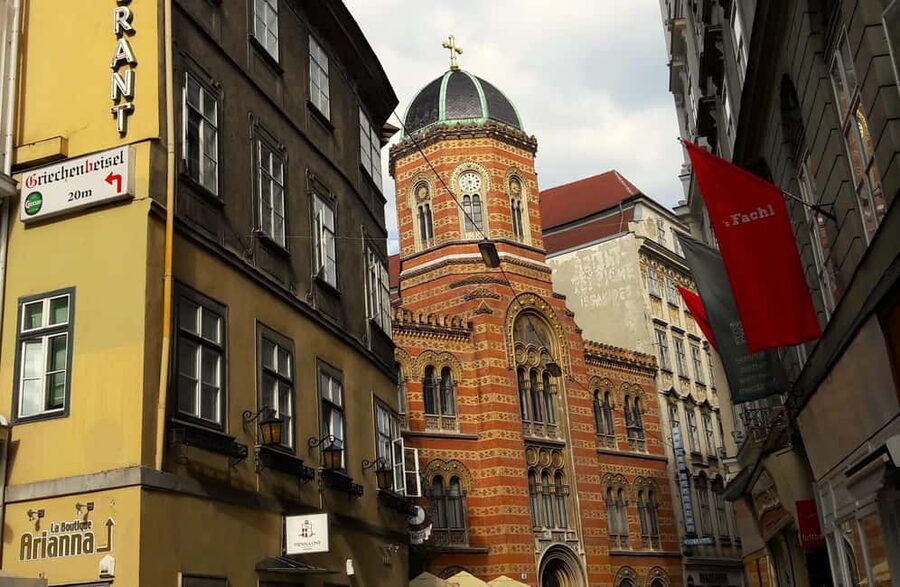
Next, you’ll move into streets where history and storytelling feel linked. Griechengasse is described as amazing for its history as a border area on the Danube. That detail changes how you picture the quarter. Instead of seeing it only as a neighborhood for certain communities, you see it as a moving edge of Vienna, shaped by geography and movement.
Then you’ll hear legends tied to Schönlaterngasse. Even if you don’t remember every name afterward, the point is that the guide uses legends as a way to explain the neighborhood’s identity. In other parts of the city, legends feel like add-ons. Here, they feel like a lens that helps you read the street layout and the building mood.
And yes, the basilisk saga makes an appearance as part of this legend chain. When it comes up, don’t treat it as just a spooky tale. In this kind of tour, legends often reflect the fears, hopes, and imagination of the people who built the neighborhood’s reputation.
Lugeck and the story of printing, Habsburg beginnings, and legend logic
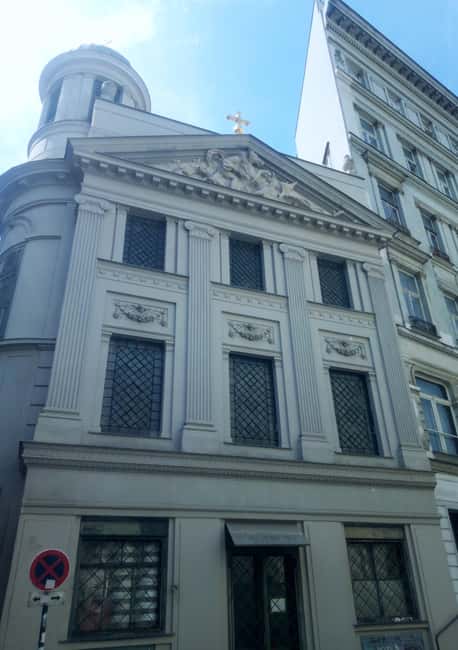
The tour’s ending stretch around Lugeck is where the printing story becomes very concrete. You’ll connect the history of Vienna’s printing press with historical facts from the beginning of the Habsburg monarchy, and then you’ll get the legend layer that rides on top of it.
That combination is smart. Printing is usually taught as culture and technology. Here, it’s also treated as power and identity, linked to how dynasties shaped what could be published, who could learn, and which stories could spread. Legends then become a kind of memory engine, keeping neighborhood meaning alive even when the original context fades.
The tour finishes with drop-off at Lugeck 6 and Parlament Österreich. That’s convenient because you’re still close to central landmarks, and it helps you continue on foot afterward without scrambling across the city. If you want to keep going, this is a nice handoff into the rest of the first district.
What the 2-hour private format gets you, and what it does not
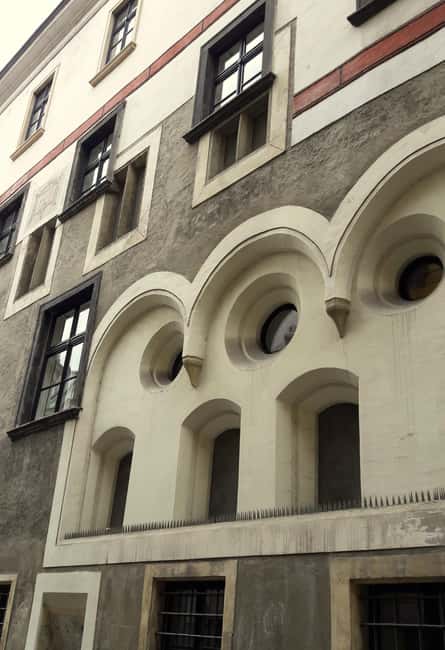
This is a 2-hour walking tour, and the itinerary is designed so you don’t walk much and it stays not strenuous. You’ll be outside most of the time, but the pacing is easy. That makes it a good match for travelers who want a meaningful experience without turning the day into a marathon.
It’s also explicitly not an underground tour. That matters because some Vienna walking tours are built around basements, crypts, or subway-style tunnels. Here, it’s street-level and architecture-forward, with legends and printing history as the main engine.
Because it’s private, you’re not trapped in a rigid script. You can ask questions in English or German, and the guide is positioned as a live guide with you, not a prerecorded audio track. Headsets help you hear clearly even in busier spots.
The one limitation is also part of its charm: it’s focused. If you’re looking for lots of indoor stops, you may feel the tour is too street-based. If you want to understand a neighborhood’s character fast, the short format is actually an advantage.
Price and value: is $23 per person a fair deal?
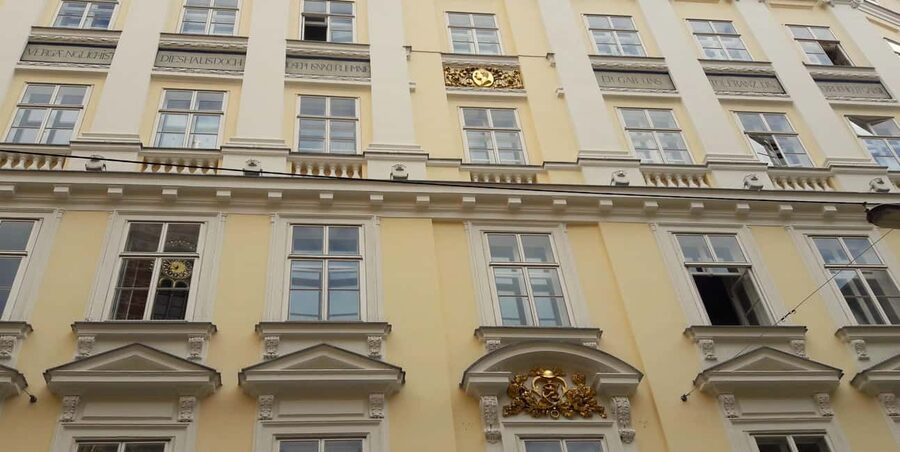
At $23 per person for a 2-hour private local walk, the value comes from what’s included and what you gain.
You get:
Headsets for clear listening
A private tour format available, which usually means more Q and a more personal pace
A guide who can connect legends like Augustin and the basilisk to real streets
Focus on mostly unknown Art Nouveau, not just the famous Vienna photo stops
Even without comparing to other tours, the math makes sense for a short, guide-led experience in central Vienna. The price is not the issue, the question is whether you want a guided story map through the Greek Quarter. If you do, the cost feels reasonable because the guide does the heavy lifting of connecting things you might not spot on your own.
If you want only scenic views or only mainstream landmarks, you might not feel the same value. But if you like architecture details, city legends, and the “why is this here” angle, you’ll likely feel you got your money’s worth.
Who should book this tour, and who should skip it
This is a strong match if you:
Like legends with real street anchors, like Augustin and basilisk stories
Want Art Nouveau in Vienna without only seeing the obvious tourist hits
Enjoy learning how printing and ideas shaped a neighborhood
Prefer a short, easy walk with clear audio through headsets
Skip it if:
You need step-free wheelchair access, because it’s not suitable for wheelchair users
You only want indoor museums and big-ticket interiors, since this is mainly street and architecture
- You’re looking for an underground-style adventure, since it’s explicitly not underground
Should you book Vienna tours for you with locals?
If your Vienna style includes stories, details, and neighborhoods beyond the usual checklist, I’d say yes, book it. This tour’s best feature is how it connects the Greek Quarter’s identity to specific places, from the oldest residential tower in Vienna to Art Nouveau around Fleischmarkt and the printing-related legends near Lugeck.
If you’re nervous about weather or long walks, this one is built for you. It’s rain or shine, paced as an easy stroll, and designed for listening, not exhausting sightseeing.
Just be realistic about access and expectations. It’s not wheelchair-friendly, it is not an underground tour, and it’s a focused 2 hours rather than a full-day deep dive into museums. If those fit your plans, this is a high-payoff way to see a less-touristy side of Vienna with Nicole at the helm.
FAQ
How long is the tour?
The duration is 2 hours.
What is the meeting point?
You meet around the Dr. Karl Lueger monument near the Stubentor subway station.
Is the tour underground?
No. This tour is explicitly not an underground tour.
What languages are available?
The live guide offers German and English.
Is pickup included?
Pickup is optional. If you choose it, the guide uses public transport and meets you in your hotel lobby or at an agreed public transport station. Car or bus pickup is not offered.
Is the walk difficult?
It’s described as an easy tour with minimal walking, but it is not suitable for wheelchair users.
Just added to the bill for Vienna
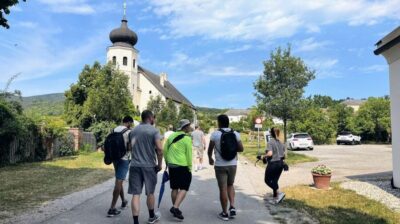
Tours, compared.
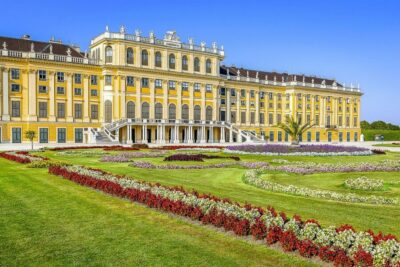
Schönbrunn Palace & Gardens Skip-the-Line Tour
Read our review →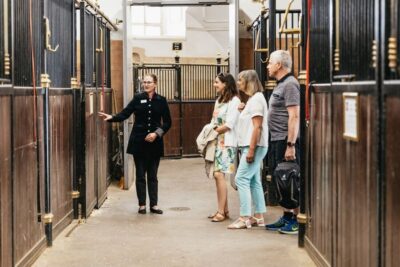
Skip-the-Line Sisi Museum, Hofburg and Gardens Tour
Read our review →
Skip-the-Line Schönbrunn Palace & Gardens Tour
Read our review →
Guided Walking Tour of City Center Highlights
Read our review →