
REVIEW · SELF-GUIDED TOURS
A Self-Guided Tour of Vienna the Home of Classical Music
Vienna has a way of turning streets into sheet music. This self-guided route from the Vienna State Opera to St. Stephen’s Cathedral is a focused way to see key classical-music sites without committing to a full day. I like the short length (about 1 to 1 hour 15 minutes) and the offline-ready VoiceMap audio that keeps the story moving from stop to stop. The main drawback to consider is tech, one recent report was unhappy with the VoiceMap app performance, including audio and battery issues.
You get a neat, Old Town style route built around famous names and places you can actually point to, not just background talk. It’s offered in English, and it ends right where Vienna stays lively, Stephansplatz and St. Stephen’s Cathedral. Still, if you are hoping for an even mix of composers, you should know the tour leans heavily on Mozart, with other composers getting shorter nods.
In This Review
- Key Points You’ll Care About
- Vienna in an Hour: What This Self-Guided Music Walk Feels Like
- Starting at the Vienna State Opera: The Story Sets Its Stage Fast
- Stadtpalais Todesco, Hotel Sacher Wien, and Helmut Zilk Square: A Walk Through Names and Context
- Stadtpalais Todesco: Early talent and the idea of musical beginnings
- Hotel Sacher Wien: The Vivaldi connection you usually do not expect
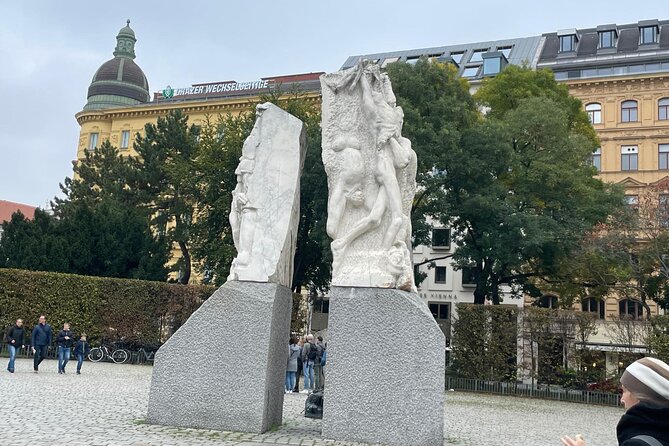
- Helmut Zilk Square and the Monument Against War and Fascism
- Palais Lobkowitz, Neuer Markt, and Donnerbrunnen: Finding the Performance Spaces
- Palais Lobkowitz: Another Vienna music address
- Neuer Markt and Mozart’s concerts
- Donnerbrunnen: A local landmark you will actually remember
- Café Frauenhuber and Mozart’s Death House: Two Stops That Hit Different
- Ambassador Wien: A quiet link between street corners and storytelling
- Café Frauenhuber: Where Mozart and Beethoven once performed
- Mozart’s death house: Important, but you do not enter
- Deutschordenskirche and Blutgassenviertel: Architecture and Neighborhood Mood
- Deutschordenskirche: Church beauty with music narrative ties
- Blutgassenviertel: A neighborhood where the past is in the blocks
- Wien Museum Mozart Apartment and Stephansplatz Finale: When the Walk Becomes a Meaningful Circle
- Helmut Zilk Square again, then the Wien Museum Mozart apartment
- Stephansplatz and St. Stephen’s Cathedral: The last note
- Price, Phone Reality, and Best Fit for Your Vienna Day
- Should You Book This Vienna Classical Music Walk?
- FAQ
- How long is the self-guided Vienna classical music experience?
- Where does the tour start and where does it end?
- Is the tour available in English?
- What do I need to bring?
- Is offline access included?
- Can I cancel for a full refund?
Key Points You’ll Care About
- VoiceMap offline access: audio, maps, and geodata are included so you can keep moving even with spotty service.
- Opera to St. Stephen’s route: a practical walk that strings together major landmarks in about an hour.
- Mozart-centric pacing: the story returns again and again to Mozart sites, with only limited time for others.
- Music meets memorials: stops include cultural landmarks and a monument tied to war and fascism.
- No entering required: some important locations are acknowledged from outside, which keeps your timing steady.
- Private booking by group: the listing is set up as private, so your party stays together.
Vienna in an Hour: What This Self-Guided Music Walk Feels Like
If you want Vienna’s classical-music story but you do not want a long museum day, this route makes sense. You start at the Vienna State Opera and finish at St. Stephen’s Cathedral, using the VoiceMap app for audio and directions. The total time estimate is about 1 to 1 hour 15 minutes, which is long enough to absorb the context, but short enough that you can still plan another activity the same day.
The value here is not just the landmarks, it’s the way the route is organized. You walk through recognizable parts of the Old Town, and the audio is positioned to connect each place to a person, a performance space, or a moment in music life. That structure is handy because Vienna can feel like a maze, especially if you are moving quickly.
One more thing: this is not a live guide experience. Your narration is delivered through the app, so your main job is keeping your phone charged and your headphones ready. And that brings me to the caution that matters. One report described poor app behavior, including frequent breakdowns and fast battery drain. If you rely on your phone for navigation and audio, I suggest treating this like a tech field trip: test the app before you start, keep your battery topped up, and bring earbuds you trust.
More of Austria taken andante:
- Vienna: Tickets for Mozarthaus Vienna with Audio Guide
★ 4.2 · 2,344 reviews - Vienna: New Hofburg Palace Audio-Guided Tour & Entry Ticket
★ 4.1 · 566 reviews - Vienna: Schlumberger Wine Cellar Guided or Self-Guided Tour
★ 4.8 · 285 reviews - Vienna: Scavenger Hunt Self-Guided Tour
★ 4.7 · 83 reviews
Starting at the Vienna State Opera: The Story Sets Its Stage Fast
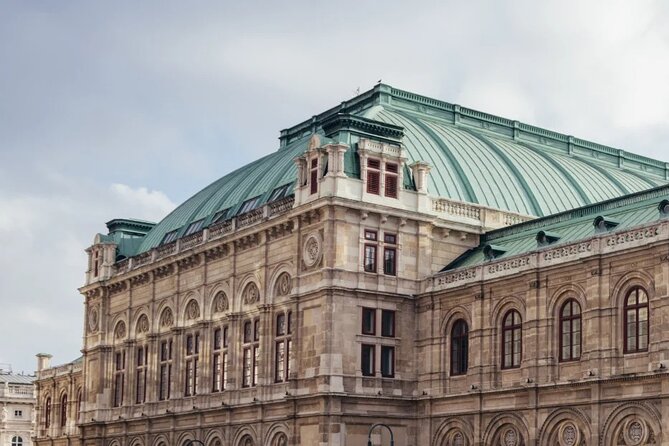
Your journey begins in front of the Vienna State Opera at Opernring 2, 1010 Wien. Even if you do not go inside, the building is a strong starting line. It signals that you are in the part of Vienna where classical music is not a dusty topic, it’s part of the city’s public identity.
In the audio flow, this opening stop is basically the hook. It frames Vienna’s musical heritage and sets expectations for what comes next. Practically, it also gives you a clear landmark to orient yourself. If you are meeting late, or you are arriving from a train station, it is easier to find the Opera than, say, a random side street.
If you want a slight bonus, arrive just early enough to look at the building details for a minute before you press play. It makes the first bit of narration land better. No need to linger, just get your bearings.
Stadtpalais Todesco, Hotel Sacher Wien, and Helmut Zilk Square: A Walk Through Names and Context
From the Opera you move into the compact core of the city, where the audio links you to sites tied to music legends and cultural memory.
Stadtpalais Todesco: Early talent and the idea of musical beginnings
One of the stops is Stadtpalais Todesco, described as a building with musical connections, where the audio talks about early musical prodigies. You might not know what to look for from the street, and that’s fine. The point is not architecture trivia. It’s learning how Vienna’s music story starts with people, training, and early promise before it reaches the big stages.
A possible drawback: if you prefer very specific biographical facts, some stops may feel more story-driven than detail-heavy, because the itinerary text emphasizes tales and atmosphere.
Held over another night in Vienna
Hotel Sacher Wien: The Vivaldi connection you usually do not expect
You pass Hotel Sacher Wien, noted as being built on the site of the hospice where Vivaldi died. This is the kind of stop that makes a self-guided audio tour feel smarter than a list of famous buildings. It links a modern landmark with a human end point, which is a reminder that musical legends were real people living through illness, travel, and the ordinary realities of life.
Helmut Zilk Square and the Monument Against War and Fascism
Next comes Helmut Zilk Square, where you will pass by the Monument Against War and Fascism. This is not the typical “composer selfie” moment. It’s a serious tone shift, and it matters because Vienna’s cultural life did not happen in a vacuum. The audio helps you connect music heritage with the city’s historical adversities.
If you are walking on a busy day, the square can be a natural pause point. You do not need to stop long, but you should take the moment to reset your attention from music names to music meaning.
Palais Lobkowitz, Neuer Markt, and Donnerbrunnen: Finding the Performance Spaces
As you keep walking, the tour nudges you toward places that relate to performing and gathering.
Palais Lobkowitz: Another Vienna music address
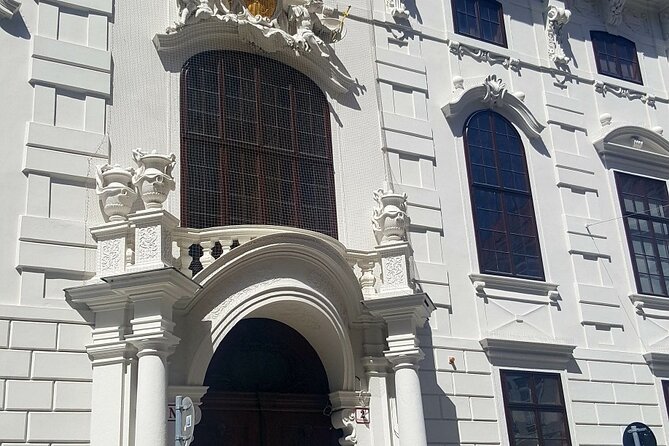
You pass Palais Lobkowitz, another notable building connected to Vienna’s musical heritage. The itinerary keeps it general, but it still helps. Vienna is full of palaces and official buildings, and audio context helps you stop thinking of them as “big fancy houses” and start thinking of them as part of the music economy: patronage, rehearsal, composition, and presentation.
Neuer Markt and Mozart’s concerts
At Neuer Markt, you learn about where Mozart used to organize concerts. This is a strong stop because it places Mozart not only in grand halls, but in public spaces where people actually could show up. The square setting also makes the experience easy to picture as you walk through.
If you like practical imagination, pause for a few seconds when you reach the square and visualize the gathering. It’s the kind of mental exercise that makes audio tours feel memorable.
Donnerbrunnen: A local landmark you will actually remember
You also pass Donnerbrunnen. The itinerary frames it as a local landmark that adds to Vienna’s ambiance. This is one of those stops that helps break up the “name after name” feeling. Instead of only composer facts, you get a sense of place.
In a self-guided tour, these small scene setters are useful. They reduce the chance you will feel like you are just speed-reading plaques.
Café Frauenhuber and Mozart’s Death House: Two Stops That Hit Different
This part of the route is where the tour’s Mozart emphasis becomes very obvious.
Ambassador Wien: A quiet link between street corners and storytelling
You pass Ambassador Wien as you traverse the city streets, with the narration tying intersections of history and music. Even when the stop details are not heavy, this kind of placement helps you stay oriented, because it keeps the audio spaced at a walkable rhythm.
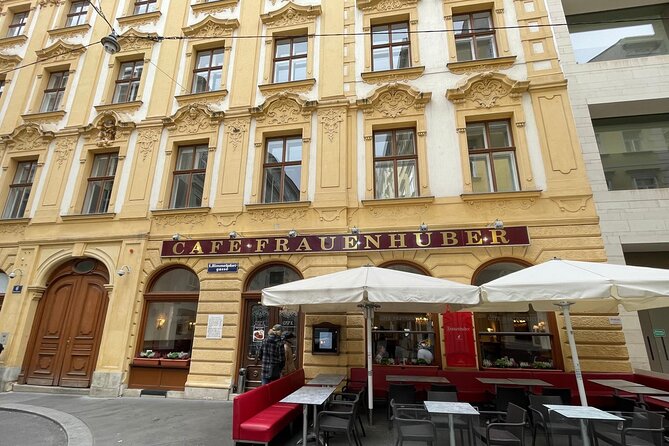
Café Frauenhuber: Where Mozart and Beethoven once performed
One of the most interesting stops is Café Frauenhuber, described as a venue where both Beethoven and Mozart once performed. For a self-guided route, I like this because cafés are where you can imagine music life as more everyday and social. It also gives you a contrast: you go from formal power buildings to a place that sounds more human-scale.
If you are building your own Vienna music day, this stop is a reminder to look for cultural life beyond opera houses.
Mozart’s death house: Important, but you do not enter
You also explore the vicinity of Mozart’s death house, described as essential to Vienna’s musical history, with the note that you do not enter. That matters for timing. You get the significance without losing time hunting for entrances, tickets, or opening hours.
A small consideration: because you are not going inside, you rely on the audio for the emotional and historical details. That makes headphones and volume more important than you might think.
Deutschordenskirche and Blutgassenviertel: Architecture and Neighborhood Mood
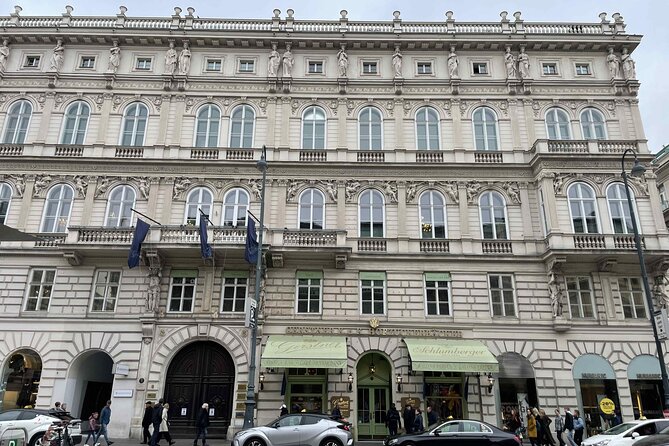
The tour continues with two stops that shift your attention from famous names to the feel of the streets.
Deutschordenskirche: Church beauty with music narrative ties
You pass Deutschordenskirche, and the audio focuses on the church’s architecture as you follow Vienna’s musical narrative. This can be a good breather. Churches in central Vienna tend to look striking even from the sidewalk, and the audio adds meaning so you are not just admiring stone for stone’s sake.
Blutgassenviertel: A neighborhood where the past is in the blocks
You then stroll through Blutgassenviertel, described as a district rich in history where the city’s musical past unfolds as you walk. The itinerary keeps this stop broad, but broad can be good. If you are moving fast through Old Town, a neighborhood stop can help you slow your thinking for a moment.
If you enjoy walking tours, this is where you start to feel the route as a real walk, not a checklist.
Wien Museum Mozart Apartment and Stephansplatz Finale: When the Walk Becomes a Meaningful Circle
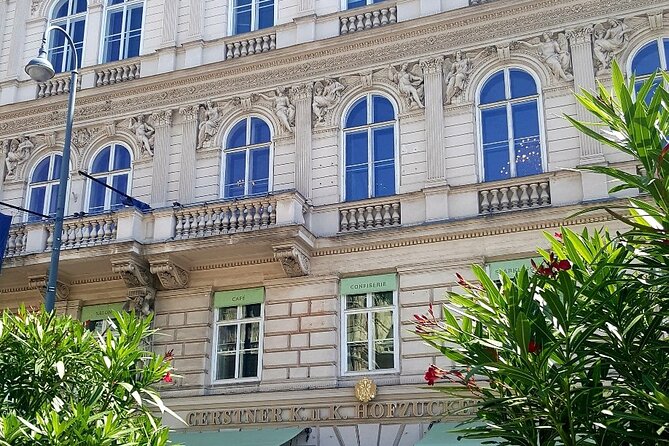
Near the end, the audio pulls together more Mozart anchors and lands you in the city’s most recognizable central scene.
Helmut Zilk Square again, then the Wien Museum Mozart apartment
You walk along Helmut Zilk Square, and then you pass the Wien Museum Mozart apartment, connected to the tune for Figaro. Because you are ending up in the center, this stop can feel like a big gear shift. It brings the music story into the “this is where creation happened” zone, not just “this is where people listened.”
This is also a practical marker. By the time you reach this area, you are close to the finish, so you know you are nearly done.
Stephansplatz and St. Stephen’s Cathedral: The last note
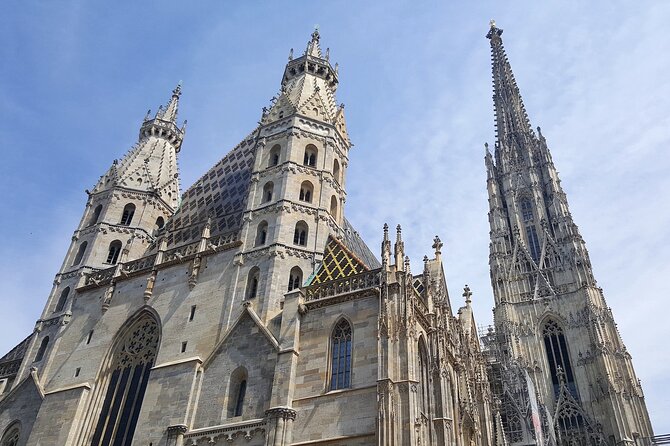
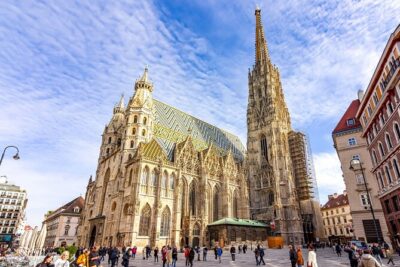
Your route ends at Stephansplatz, and the tour finishes in front of St. Stephen’s Cathedral at Stephansplatz 3, 1010 Wien. Ending here makes sense. It’s a strong visual finish and a natural place to keep exploring on your own after the audio ends.
If you plan your day carefully, you can pair this with dinner nearby or a short walk around the cathedral area. Because the tour ends at a major landmark, you do not have the frustration of “now what” when the app stops talking.
Price, Phone Reality, and Best Fit for Your Vienna Day
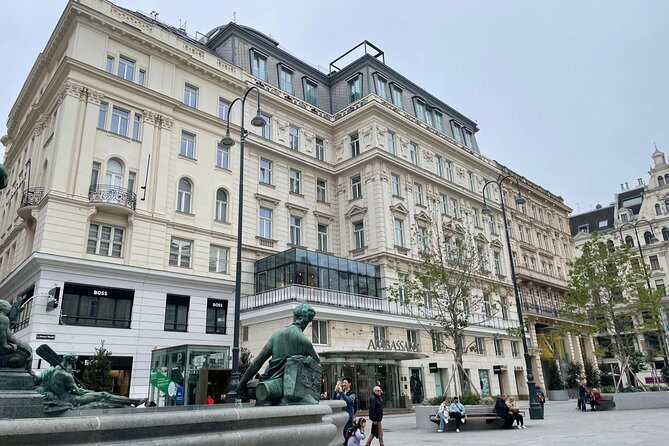
The price is $19.99 per person for English audio, with lifetime access and offline materials included. For that money, you are paying for a curated route, app delivery, and the ability to repeat it later without buying tickets again. In a city like Vienna, where standalone audio guides can cost extra and guided tours can cost a lot more, that lifetime access helps the math.
The biggest value question is whether you want a Mozart-focused walk rather than a wide composer survey. The itinerary includes multiple Mozart-linked points, and the audio emphasis is described as mostly Mozart, with other composers getting shorter attention. If Mozart is your main interest, this is a plus. If you want equal time for many composers, you may feel it is uneven.
Now, the practical reality: you need your own smartphone and headphones. That’s normal for app-based tours, but it matters more here because of reported technical stress. If your phone battery is fragile, charge it fully before you go. Bring a power bank if you have one. And keep your headphones handy so you are not relying on phone speaker sound in a crowded area.
Also, the listing is described as private for your group, which can be a comfort if you do not want to pace alongside strangers while you listen.
Who it suits best:
- First-time visitors who want a fast, meaningful music route
- People who like short walks with clear landmarks
- Anyone specifically chasing Mozart sites and Vienna’s classical touchstones
Who might reconsider:
- Anyone who hates app-based navigation and audio
- Anyone needing strong coverage for many different composers in one outing
- Anyone who has had issues with VoiceMap apps on their device
Should You Book This Vienna Classical Music Walk?
Book it if you want a tight, Mozart-forward walk from the State Opera to St. Stephen’s, and you are comfortable using your phone with headphones for directions and audio. The offline-ready materials and the short duration make it a good “add-on” day plan, not something that eats your whole schedule.
Skip or rethink if you strongly dislike app tech or you have a phone that tends to overheat or drain quickly. One real concern raised about the VoiceMap app performance is enough that you should be prepared, not surprised. If you do book, take five minutes beforehand to confirm your audio works and your offline access is ready, then enjoy the fact that Vienna’s music story becomes visible right on the sidewalk.
FAQ
How long is the self-guided Vienna classical music experience?
It’s listed as about 1 hour to 1 hour 15 minutes.
Where does the tour start and where does it end?
It starts in front of the Vienna State Opera at Opernring 2, 1010 Wien, Austria and ends at St. Stephen’s Cathedral at Stephansplatz 3, 1010 Wien, Austria.
Is the tour available in English?
Yes, the tour is offered in English.
What do I need to bring?
You need your smartphone and headphones. The VoiceMap app is provided for Android and iOS, but your device and headphones are not included.
Is offline access included?
Yes. The package includes offline access to audio, maps, and geodata.
Can I cancel for a full refund?
Yes, you can cancel for free up to 24 hours in advance for a full refund.
Just added to the bill for Vienna
Self-Guided Tours, compared.
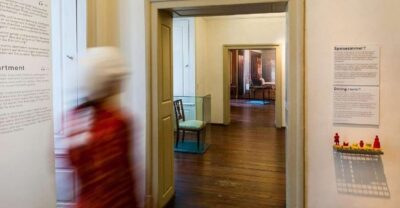
Tickets for Mozarthaus Vienna with Audio Guide
Read our review →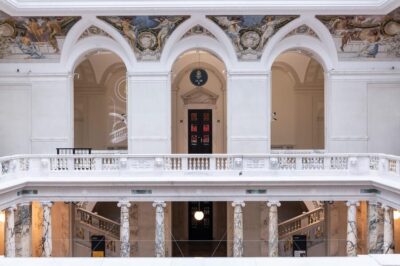
New Hofburg Palace Audio-Guided Tour & Entry Ticket
Read our review →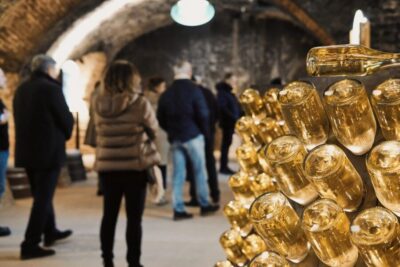
Schlumberger Wine Cellar Guided or Self-Guided Tour
Read our review →
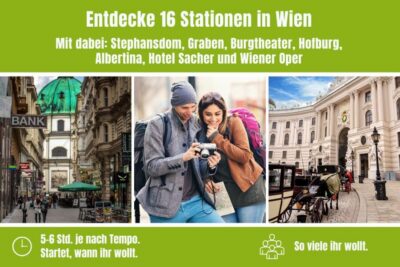
Vienna Walking Tour with Audioguide on Your Smartphone
Read our review →
Browse the lists this tour appears in