
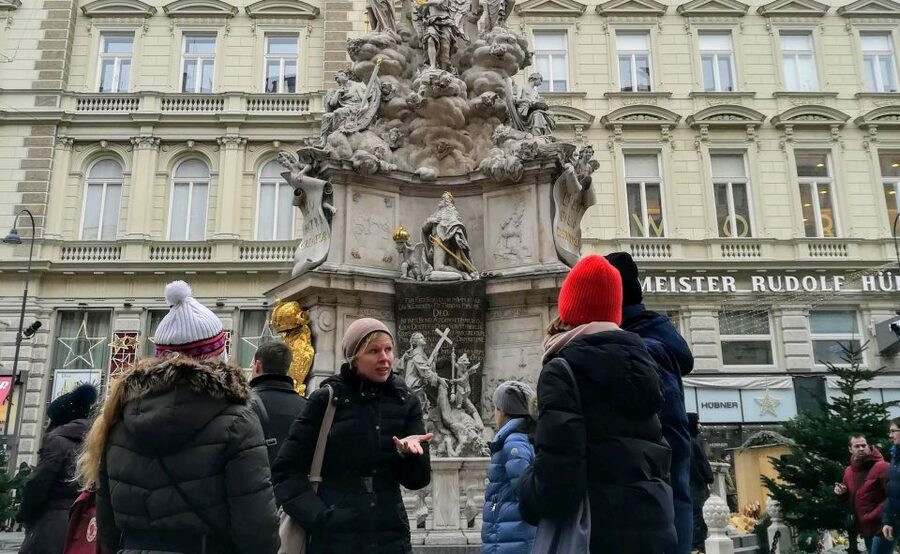
REVIEW · GUIDED WALKS IN VIENNA
An Introduction to Vienna Walking Tour
Art history, on foot, in Berlin’s wake. You’ll walk Vienna with an art focus that’s really about Berlin’s artistic turn after 1989, and you do it the smart way: you stop at real galleries and art spaces, not just famous landmarks. I especially like the way the guides are academic heavyweights, and how the route traces a clear path along the gallery mile from Mitte toward Potsdamer Straße, including stops such as Esther Schipper and Klosterfelde. One drawback to plan around is that the tour is not suitable for people with mobility impairments, so you’ll want to bring comfortable shoes and assume a fair amount of walking.
This is guided in English for about three hours, and the meeting point is the cozy, historic Café Hawelka (Dorotheergasse 6, 1010 Wien). It’s also a tour where you’ll hear about the why behind Berlin’s magnetism, from semi-liberal conditions and affordable rents to the practical reality of open spaces. If you hate rules, note that video recording is not allowed, which matters if you like filming everything.
In This Review
- Key Things I’d Plan for on This Vienna Art Walk
- Starting at Café Hawelka, then into Auguststraße’s Gallery World
- How Berlin After 1989 Became the Artistic Magnet of Europe
- Kunst Werke and Mitte: The Old Engine Still Running
- The Subway Shift: Why Potsdamer Straße Became the New Pull
- Walking the Gallery Mile: Stops Like Esther Schipper and Klosterfelde
- Small Courtyards, Basements, and the Art Spaces Between
- What Your Guide Will Do With All That Information
- How the 3 Hours Will Feel, Pace, and Practical Tips
- Price and Value: Is $176 for 3 Hours Worth It?
- Who This Tour Fits Best in Your Trip
- Should You Book This Vienna Walking Tour?
- FAQ
- How long is the tour?
- Where do we meet for the Vienna walking tour?
- Is the tour offered in English?
- What should I bring?
- Is video recording allowed during the tour?
- Is the tour suitable for people with mobility impairments?
- Which galleries will we visit?
Key Things I’d Plan for on This Vienna Art Walk
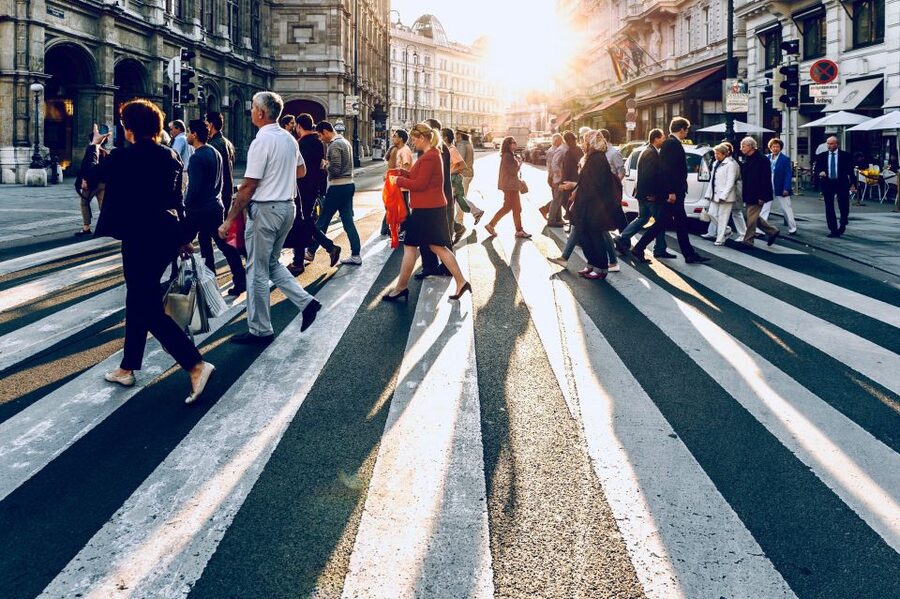
- Expert guides with real credentials, often professors, doctoral students, historians, journalists, art critics, or published authors
- A gallery-mile focus that links the Mitte-to-Potsdamer Straße shift in a way normal sightseeing never does
- Stops chosen around current exhibitions, so the look and feel can change with what’s on view
- A mix of established galleries and small private spaces, sometimes tucked into courtyards or basements
- Time to ask questions, because the tour is designed for dialogue, not monologue
Starting at Café Hawelka, then into Auguststraße’s Gallery World
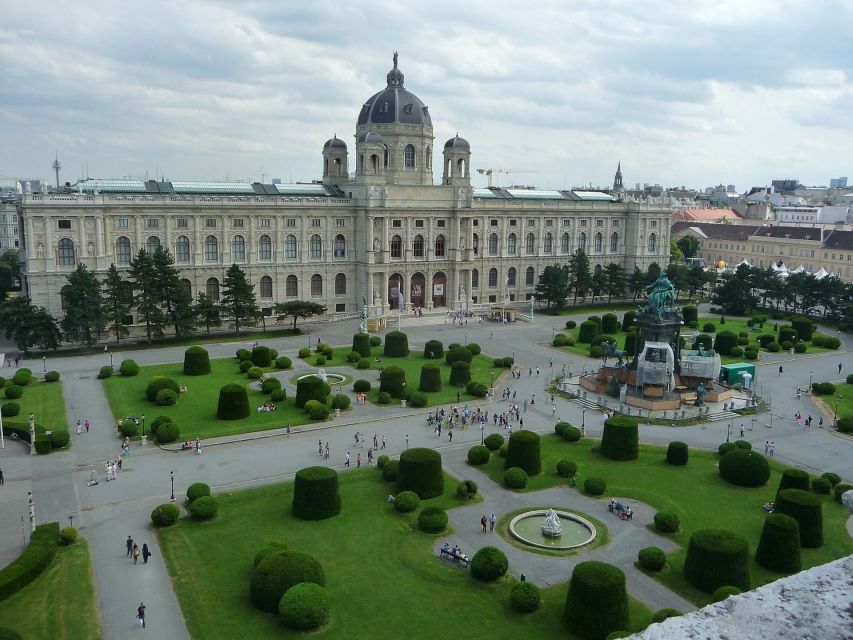
Your tour begins at Café Hawelka, a long-running family cafe tied to Vienna’s creative scene since 1945. It’s a good place to start because it feels like what you’re about to do, casual but serious about art and conversation.
From there, you head to Auguststraße in Mitte, where the art scene has a thick, neighborhood feel. One big reason I like this opening stretch is that it sets your expectations, you’re not walking in a museum bubble. You’re in the kind of place where galleries and art project spaces sit close enough to feel like part of everyday life.
More Guided Walks in Vienna
- Vienna: Guided Walking Tour of City Center Highlights
★ 4.7 · 4,989 reviews - Vienna: Vienna Central Cemetery Guided Walking Tour
★ 4.8 · 3,307 reviews - Vienna: Guided Walking Tour of City Highlights & Hidden Gems
★ 4.9 · 2,180 reviews - Vienna: Viennese Underworld Guided Walking Tour
★ 4.7 · 1,865 reviews
How Berlin After 1989 Became the Artistic Magnet of Europe
The core idea of this walk is simple but surprisingly useful: Berlin’s post-wall artistic magnetism did not happen by accident. In 1989, after the fall of the Berlin Wall, Berlin started acting like a magnet for makers and galleries, and your guide connects the political moment to practical conditions on the ground.
You’ll hear about factors like affordable rents and a climate that was more permissive than many places. The point is not trivia for trivia’s sake, it’s a way to understand what you’re seeing later along Potsdamer Straße. When you know the why, the gallery scene makes more sense and you start spotting patterns, like where galleries group together and how spaces shift over time.
Kunst Werke and Mitte: The Old Engine Still Running
Early on, the route includes contemporary art institutions such as Kunst Werke, founded in the early 1990s. I like that this is not just a name-drop. It helps you anchor the story of the post-1989 scene to an actual institution that grew with the movement.
Mitte also matters because it’s where energy often concentrates first. Even when gallerists start moving outward, the original neighborhood keeps a kind of gravitational pull through community ties, collectors, and the habit of going out for art. On this tour, that context makes your later subway jump feel less random, and more like a chapter change.
Depending on the day’s programming, you’ll also get inside smaller spaces. The tour is set up so you visit intimate galleries that match what’s showing right now, not just what’s famous on paper. That flexibility is a plus for you if you care about the actual experience of art, not just the headline artists and buildings.
The Subway Shift: Why Potsdamer Straße Became the New Pull
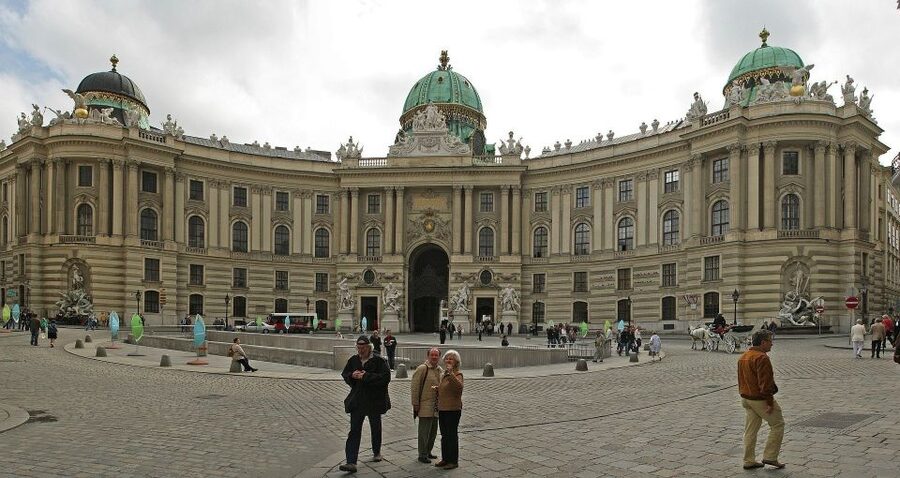
Midway through, you take the subway to Potsdamer Straße. This is where the tour’s framing clicks into place. Over roughly the last five years, this strip has gained momentum as more gallerists moved from Mitte to areas south of the Neue Nationalgalerie.
I like this part because it teaches you how art districts evolve. It’s not always a grand master plan, sometimes it’s practical decisions, like rent, available space, and who’s willing to take a chance in a less polished area. When you walk the “gallery mile” with that lens, the streets feel like evidence, not scenery.
Expect the neighborhood character to play a role. Your guide points out the scattered nature of about 30 galleries and art project spaces around this area. That density in a not-fully-polished stretch is exactly what makes Berlin’s art scene feel alive, and it explains why gallerists keep testing new coordinates.
More of Austria on foot, bell tower to bell tower:
Walking the Gallery Mile: Stops Like Esther Schipper and Klosterfelde
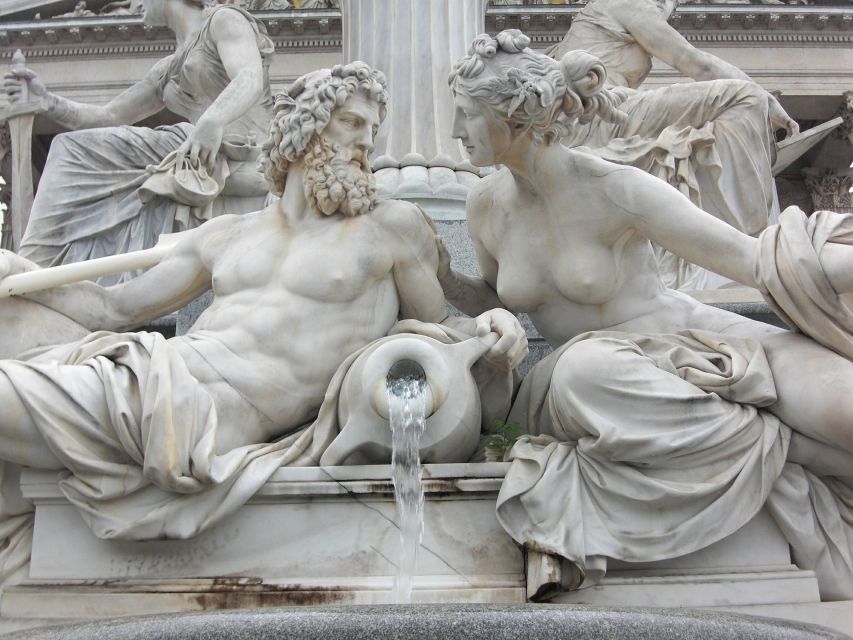
The heart of the walk is your guided route through renowned galleries and spaces along Potsdamer Straße. The list is strong, and you can use it as a rough shopping list for what you might want to look up after the tour.
You’ll pass galleries such as Esther Schipper, Isabella Bortolozzi, Gitti Nourbakhsch, Guido Baudach, Arndt, Plan B, Tanya Leighton, and Klosterfelde. Even if you do not know every name ahead of time, that variety is useful because it shows you how a scene can grow without sounding uniform.
Here’s the key point for you: this is not just about seeing famous doors. A good guide will connect each space back to the bigger story, why that gallery is part of the network, what kind of programming it supports, and how the scene’s momentum shapes what shows up where. That kind of context helps you look at galleries with more than taste, you start seeing strategy, community, and risk.
Small Courtyards, Basements, and the Art Spaces Between
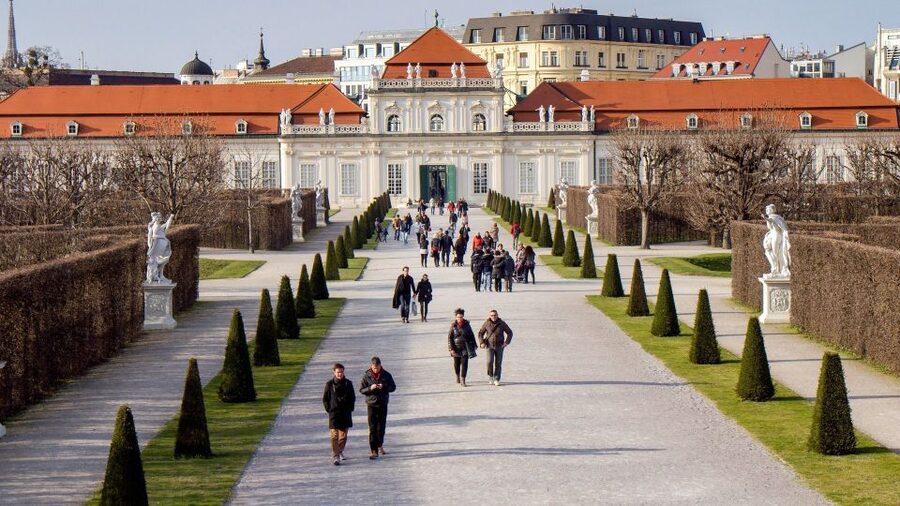
One of the most appealing parts of this tour is the mix. The route can include established venues, but it also makes room for smaller private initiatives hidden in places you might never notice on your own.
That matters because many art scenes do not live only in the visible, front-door galleries. They also live in back courtyards, basements, and other in-between spaces where artists can experiment with fewer hoops. If you’re the kind of person who likes to wander, this structured wandering feels like a win.
Also, the tour’s design includes visiting intimate galleries depending on their current shows. That can change the feel of the experience from one day to the next, which is great if you want the tour to act like a guide to what’s actually happening now.
What Your Guide Will Do With All That Information
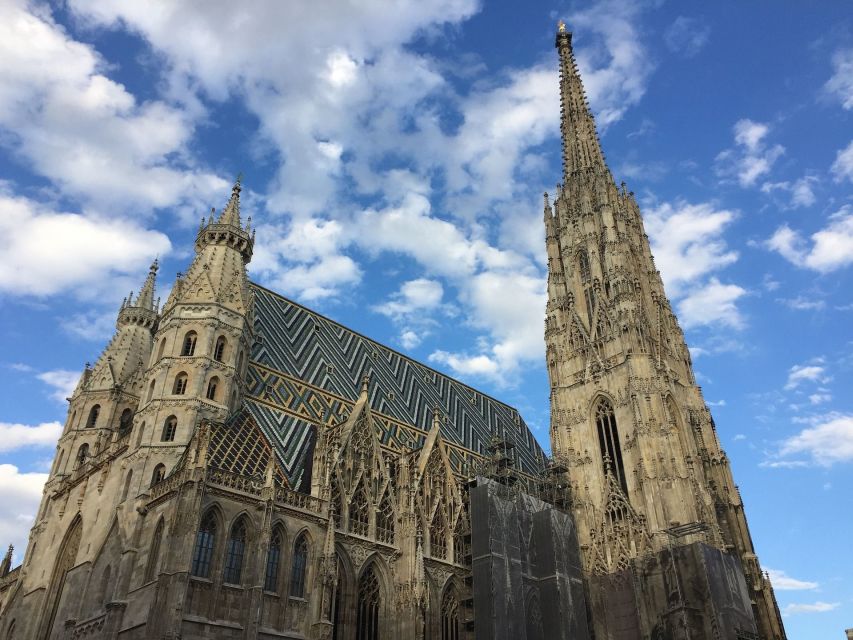
This tour is built around expert guidance. The guides are described as professors, doctoral students, historians, journalists, art critics, or published authors, which means you should expect more than one-liners.
If you like hearing art talked about with context, you’ll probably enjoy the way your guide weaves politics, art, and social history into a single explanation. In past experiences with guides such as Elsa and Katarina, groups reported that the tour stayed engaging and that questions were welcomed. Another theme that comes up is how the guide can connect a lot of themes without turning the walk into a lecture.
You should still come with a mindset for walking and asking. This is a 3-hour experience, so you’ll want to save your biggest questions for when the guide gives you a natural pause. Bring curiosity, and you’ll get more back than if you just try to take mental snapshots.
How the 3 Hours Will Feel, Pace, and Practical Tips
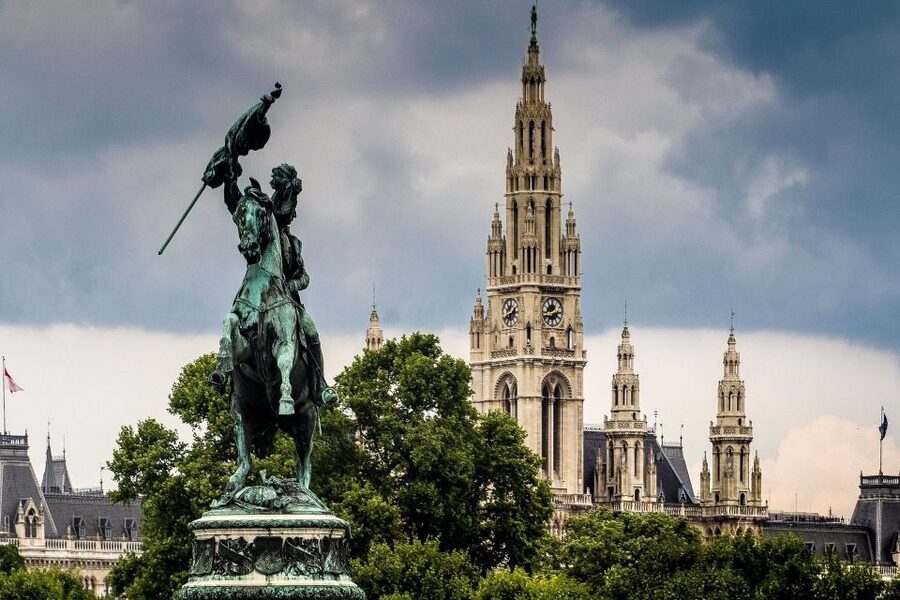
Three hours on foot sounds straightforward, until you realize you’re moving between neighborhoods and also stepping into spaces that take time. The good news is that the structure keeps you from wandering aimlessly.
Wear comfortable shoes. That’s the one requirement, and it’s the one you’ll appreciate most once the walking starts adding up. If you know you tend to get tired easily, plan a slower afternoon after the tour, and keep room for a coffee stop or two.
Also, avoid planning a video-heavy day around it. Video recording is not allowed, so if you like capturing everything on your phone, you’ll want to switch to photos only. (And yes, you’ll still get plenty of visual material without filming.)
Price and Value: Is $176 for 3 Hours Worth It?
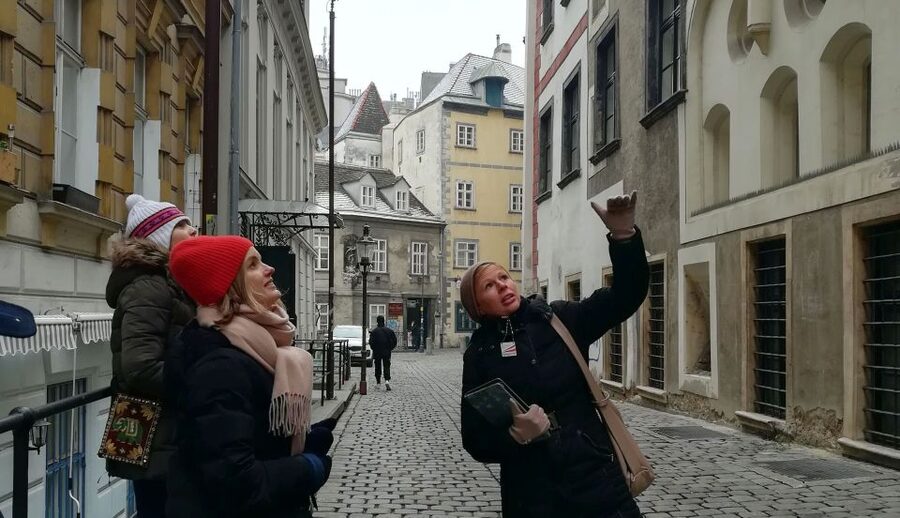
At $176 per person, this is not a budget stroll. So the real question for you is what you’re buying besides walking.
You’re paying for three big value drivers that are spelled out in the experience design:
- an expert guide with strong academic or professional background
- a structured route tied to the gallery mile concept, from Mitte toward Potsdamer Straße
- a mix of notable galleries and smaller art spaces, including venues that can change based on current exhibitions
For $176, you want the tour to do more than show you pretty streets. The strong fit is if you enjoy art discussions grounded in history and real scene context. If you only want general sightseeing, a cheaper tour might satisfy you. But if you want a clearer understanding of why Berlin became what it became after 1989, and how that history is reflected in where galleries set up shop, the price starts to look more reasonable.
A smart way to think about it is this: you’re paying to make art sense to you faster. That can save you time later when you start choosing galleries to visit on your own.
Who This Tour Fits Best in Your Trip
This walking tour is ideal if you fall into one of these categories:
- you want an art-focused orientation and you like history mixed in
- you plan to visit galleries during your stay and want a map of how the scene works
- you enjoy questions and a guide who can connect themes, not just recite facts
It’s less ideal if you dislike walking, need mobility accommodations, or prefer video-based documentation over in-person viewing. It also may not be the best choice if you want a purely light, casual stroll with minimal conversation.
Should You Book This Vienna Walking Tour?
You should book if you want an art-historian guided walk that explains Berlin’s post-1989 pull and shows you a real gallery mile in action. The meeting point at Café Hawelka is inviting, the 3-hour length is manageable, and the route’s mix of well-known names like Esther Schipper, Plan B, and Klosterfelde plus smaller spaces gives you more than one flavor of contemporary art.
Skip it if walking long stretches is tough for you, if you need mobility support, or if you want a low-cost sightseeing hit with minimal structured discussion.
If you’re on the fence, here’s my practical take: this is a great first-choice tour for anyone who wants to understand the art scene, not just look at it. When you leave, you’ll know what to seek out next, and you’ll have a sharper sense of how galleries grow, move, and cluster.
FAQ
How long is the tour?
The tour lasts 3 hours.
Where do we meet for the Vienna walking tour?
Meet at Café Hawelka, Dorotheergasse 6, 1010 Wien.
Is the tour offered in English?
Yes, the tour guide language is English.
What should I bring?
Bring comfortable shoes for walking.
Is video recording allowed during the tour?
No, video recording is not allowed.
Is the tour suitable for people with mobility impairments?
No, it is not suitable for people with mobility impairments.
Which galleries will we visit?
The tour includes renowned galleries such as Esther Schipper, Isabella Bortolozzi, Gitti Nourbakhsch, Guido Baudach, Arndt, Plan B, Tanya Leighton, and Klosterfelde. It also includes intimate galleries depending on their current shows.
Just added to the bill for Vienna

Guided Walks in Vienna, compared.
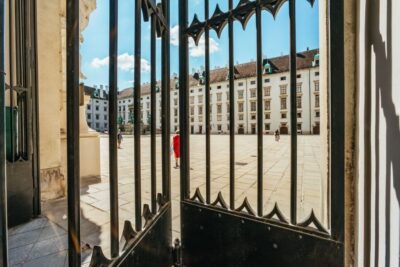
Guided Walking Tour of City Center Highlights
Read our review →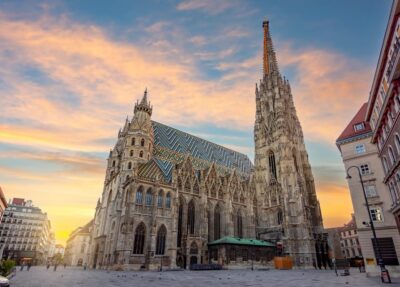
Guided Walking Tour of City Highlights & Hidden Gems
Read our review →
Vienna Historic Center Small Group Walking Tour
Read our review →
Ghosts and Legends Guided Nighttime Walking Tour
Read our review →Browse the lists this tour appears in