
REVIEW · TICKETS
DomQuartier Salzburg Day Ticket
Baroque Salzburg hides in plain sight. This self-paced DomQuartier day ticket threads together the Residenz palace, cathedral spaces, galleries, and St. Peter’s museum across about 15,000 square meters. You’re looking at roughly 2,000 exhibits spanning 1,300 years, all in the historic heart of Salzburg.
I love the smartphone audio guide, because it keeps the story clear without needing a live guide. I also like that the route is built to prevent that lost-in-a-maze feeling, with smart views through arches, terraces, and windows. The main consideration is closures and time, since some limited areas and even the terrace can be shut on certain days or during storm warnings.
In This Review
- Key Things That Make DomQuartier Worth Your Time
- Where DomQuartier Fits Into Salzburg’s Top Sight
- The Prince Archbishop Story You’ll Feel as You Walk
- Salzburg Residenz State Rooms: Stucco Power and Ceiling Frescoes
- Residenz Gallery: European Painting with a Baroque Bias
- Cathedral Arches Terrace: The View That Explains the City
- North Oratory Special Exhibitions and the Cathedral Oddities Factor
- Following the Route Through the Kunstkammer and Cathedral Museum
- St. Peter’s Abbey and Museum St. Peter: Monastery Treasures Close to Home Base
- Carabinieri Hall: The Formal Finish of a Long Story
- Price and Value: Is $14 a Real Bargain?
- Practical Tips That Make Your Visit Smoother
- Who Should Book This DomQuartier Day Ticket?
- Final Call: Should You Book DomQuartier Salzburg?
- FAQ
- What does the DomQuartier Salzburg day ticket include?
- How long is the experience?
- Is a live tour guide included?
- Can I use the audio guide on my smartphone?
- Are there restrictions on photography or cameras?
- Is the cathedral arches terrace always open?
Key Things That Make DomQuartier Worth Your Time
- 15,000 square meters and 2,000 exhibits covering centuries of art and culture
- Salzburg Residenz State Rooms with opulent stucco and major ceiling frescoes
- Cathedral Arches Terrace for a classic Salzburg view from between spiritual and secular power
- North Oratory special exhibitions and the “cathedral oddities” style rooms
- Kunstkammer and Cathedral Museum, plus a visit that includes an impressive organ-loft perspective
- Multiple admissions in one day, so you can pause and continue later
Where DomQuartier Fits Into Salzburg’s Top Sight
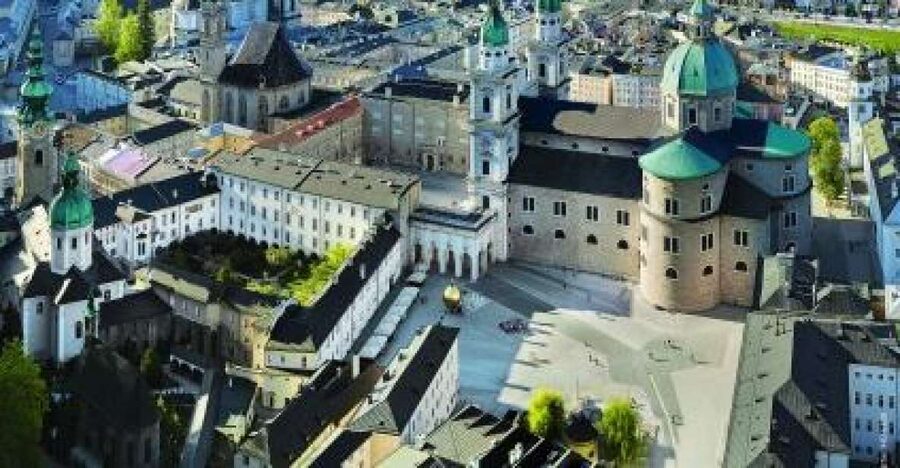
DomQuartier is one of those places where Salzburg’s history stops being a lecture and becomes a walking experience. The cathedral and the Salzburg Residenz sit next to each other as the secular and spiritual centers of the Prince Archbishops. When you buy this ticket, you’re not just touring one museum. You’re moving through an entire complex that was designed to work as one unit again after a long separation period.
It’s also a good deal for a city that often charges extra for separate sites. For one day, you get several connected sections: palace rooms, art galleries, cathedral-area rooms, and a monastic museum at St. Peter’s Abbey.
Held over another night in Salzburg
- The Original Sound of Music Tour in Salzburg
★ 4.5 · 6,129 reviews - Salzburg: Original Sound of Music Tour
★ 4.8 · 5,059 reviews - From Salzburg: Half-Day Tour to Hallstatt
★ 4.6 · 3,596 reviews - Salzburg: Mozart Concert at Mirabell Palace
★ 4.8 · 3,498 reviews
The Prince Archbishop Story You’ll Feel as You Walk
One reason DomQuartier works so well is that it has a clear “why” behind it. The tour concept goes back to Prince Archbishop Guidobald von Thun, a major Baroque builder during his reign from 1654 to 1668. He shaped Salzburg’s look by building the cathedral arches, the Residenz, cathedral squares, and key passageways linking spaces that were later separated.
After the Prince Archbishopric was dissolved in 1803, the cathedral and Residenz unity was lost for about 200 years. DomQuartier’s big idea is restoring that sense of connection. You’ll notice this not just through exhibits, but in how corridors, terraces, and doorways bring you from one “world” to another, almost like scenes changing in a play.
Salzburg Residenz State Rooms: Stucco Power and Ceiling Frescoes
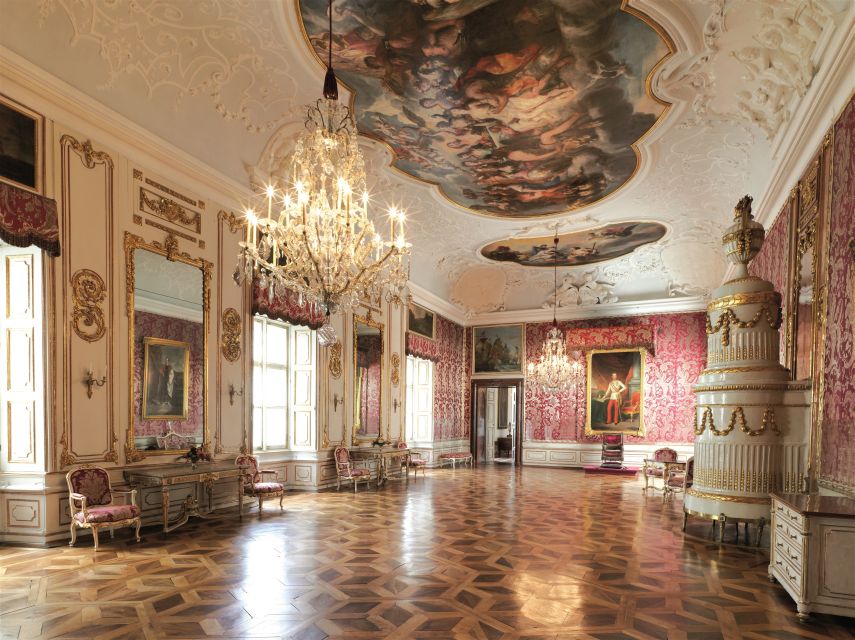
The tour starts in the Salzburg Residenz Palace, the prince archbishops’ living quarters and official seat. This is where you see what Baroque authority looks like when it’s willing to spend money on ceilings, plaster, and staging. The interiors are opulent, with extravagant stucco and ceiling frescoes that are meant to impress, not whisper.
What I like about beginning here is that it gives you the right lens for everything that follows. Once you’ve seen the Residenz level of display, the rest of the complex makes more sense. You’re not randomly walking through rooms. You’re touring a system built to project power, culture, and religion side by side.
Practical note: plan for this section to set your pace. Even if you’re an art-and-architecture casual visitor, the rooms are visually dense, and you’ll want time to stop and look up.
Residenz Gallery: European Painting with a Baroque Bias
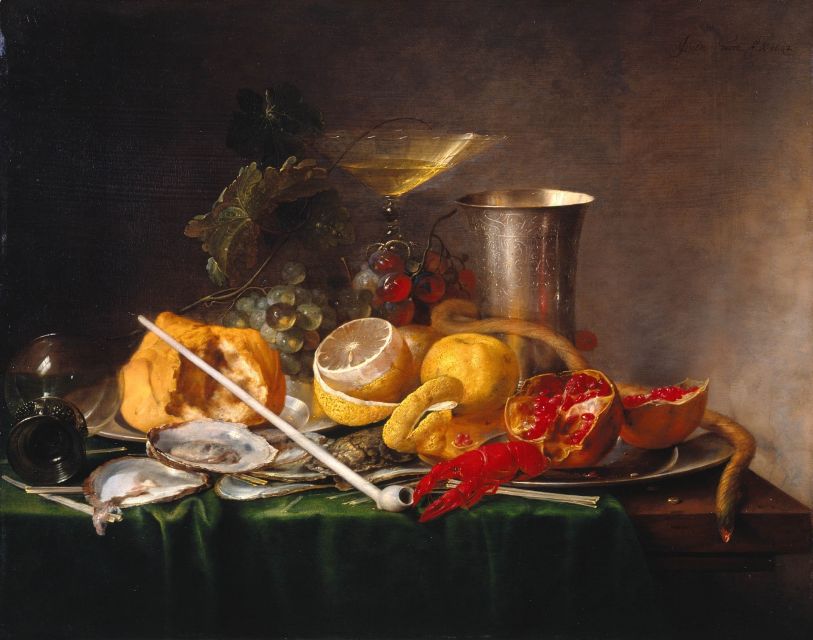
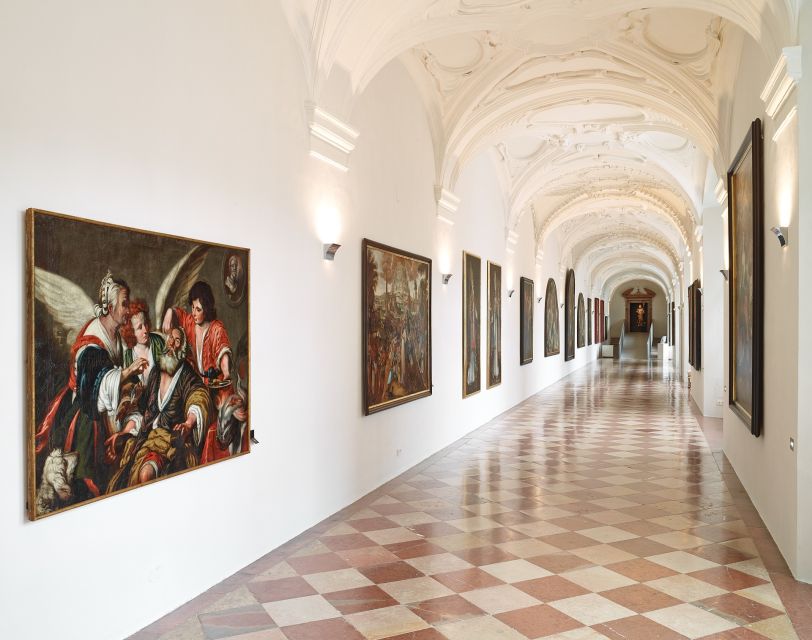
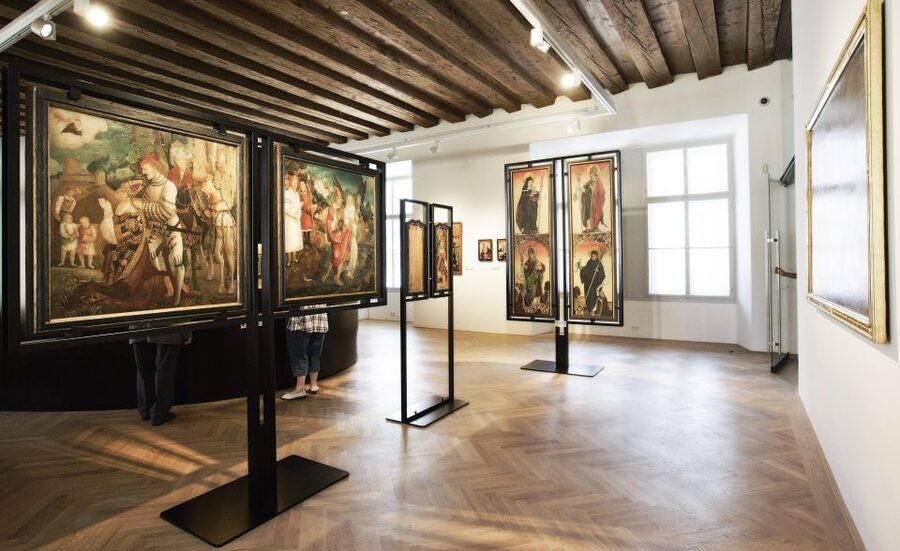
Next comes the Residenz Gallery. Expect European paintings from the 16th to the 19th century, with a clear focus on the Baroque period. If you’re the kind of person who likes to connect art to place, this stop is a natural match. The palace rooms prime your eyes, then the gallery gives you the images, themes, and style that fit that same era of storytelling.
A small drawback: if you prefer modern art or minimalist spaces, you might find the Baroque-heavy selection more about mood and symbolism than about surprises. But that’s also the point. This is Salzburg’s Baroque center of gravity.
After the interval, more from Salzburg:



Cathedral Arches Terrace: The View That Explains the City
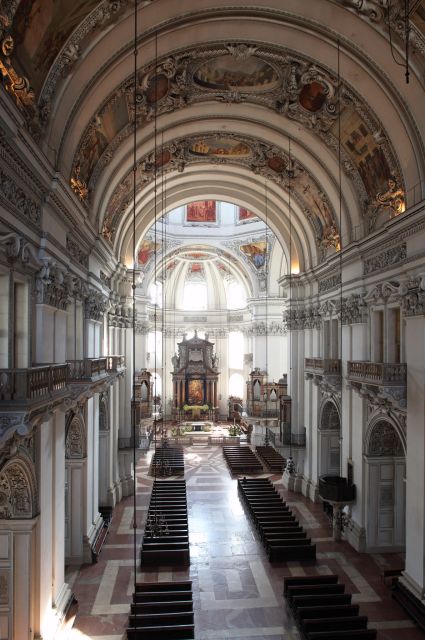
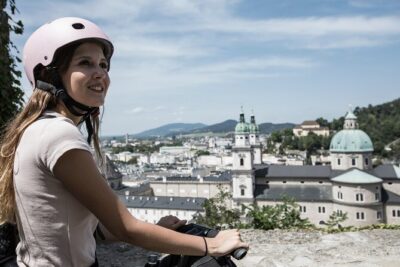
Then you step onto the Cathedral Arches Terrace. This is one of the places where the ticket earns its keep because the view helps you understand Salzburg fast. You’re seeing the city from an angle that feels like it belongs to the cathedral complex, not just a regular sightseeing deck.
The terrace also plays with a clever theme: it combines the secular and spiritual centers in one experience. You’re physically between them, with the cathedral’s architecture framing what you see outside. On a clear day, it’s the kind of moment where your brain clicks and Salzburg’s layout starts making sense.
The catch is that the terrace is not always open. The information says it’s closed in a few exceptional cases, including special events or storm warnings. If you’re aiming for that view, build a bit of flexibility into your schedule.
North Oratory Special Exhibitions and the Cathedral Oddities Factor
After the terrace, you’ll find yourself in the North Oratory, where special exhibitions take place. This area is a good change of pace, because it’s not just about “the main pieces.” It’s about showcasing specific themes and collections in dedicated rooms.
Some of the most positive feedback I saw around DomQuartier pointed to standout exhibition rooms, including things like portrait-focused displays and tapestry exhibitions. Even without knowing what’s on view on your day, you can count on the North Oratory programming being a highlight, especially if you like seeing how curators tell stories.
Also, the tour includes rooms that feel designed for curious minds. One review singled out a cathedral oddities room. That’s a hint of the tone you can expect in certain cathedral-area spaces, where you’re shown details you might otherwise miss just by staring at the outside of Salzburg’s churches.
Following the Route Through the Kunstkammer and Cathedral Museum
Once you’re in the museum stretch, the flow keeps building. You’ll pass through the Cathedral Museum and the Kunstkammer, along with other adapted areas tied to the complex.
A highlight in the experience is that the route includes an organ loft, and it offers an impressive view of the cathedral. That’s one of those moments where DomQuartier stops being only indoor and becomes part of the cathedral story in a literal, spatial way.
In these rooms, the “why” shifts from Baroque theater to craftsmanship and collecting. You’re looking at art treasures and objects meant to impress the eye, but also to show how power collected knowledge and beauty. This is where you can really appreciate the long time span, because the complex is telling you Salzburg has been building and collecting for a very long time.
St. Peter’s Abbey and Museum St. Peter: Monastery Treasures Close to Home Base
Near the cathedral and Residenz, St. Peter’s Abbey is adjacent to the complex, and it’s included in the DomQuartier experience. It’s described as the oldest continuously running monastery in German-speaking countries, and it played a major role in Salzburg’s cultural and intellectual life.
The abbey has an art collection with an estimated 40,000 exhibits. You won’t see them all in one day, of course, but this ticket gives you a taste through the specially designed permanent museum, called Museum St. Peter. The information says the best objects are presented there for the first time since 1982, which tells you this section isn’t an afterthought.
If you care about the “living” side of religious history, this stop is your payoff. You’re not only seeing power and art. You’re seeing how monastic life helped shape culture over centuries, right beside Salzburg’s most famous church buildings.
Carabinieri Hall: The Formal Finish of a Long Story
The tour ends in the magnificent Carabinieri Hall of the Salzburg Residenz. Ending in a big, impressive space matters. After hours of rooms, passages, and exhibits, you want one final location that feels like Salzburg dressing up for the last scene.
It’s a fitting end point because it brings you back to the Residenz identity. You started in the palace. You finish in a palace room with the kind of visual impact that matches the complex’s overall theme.
Price and Value: Is $14 a Real Bargain?
At around $14 per person for a 1-day ticket, DomQuartier is good value for what you get. You’re paying for multiple distinct sections in one historic complex, and the ticket supports a flexible rhythm.
Two things make the price feel fair:
- You get self-paced access across major sites inside the cathedral and Residenz environment, not just one room set.
- The audio guide is included on your own smartphone, which reduces the need for add-ons once you’re there.
Even more, the ticket allows multiple admissions on the same day, and you can interrupt the tour and resume later. That matters because you can adjust your pace. If you need a coffee break (inside the museum shop area), you’re not forced to rush nonstop through every room.
Practical Tips That Make Your Visit Smoother
This is a rule-heavy museum complex, so read these before you arrive.
- No food and drinks inside the areas covered by the rules, and no luggage or large bags. Plan to travel light.
- No pets except assistance dogs.
- No flash photography, and cameras are not allowed. Selfie sticks are also not allowed.
- Umbrellas are not allowed.
For the audio guide, you have two solid options:
- Use the included audio guide online on your smartphone. No special app install is needed. You go to www.domquartier.at/audioguide with an up-to-date web browser and an internet connection.
- If you prefer another method, the information says that from 2025 you can borrow a traditional audio guide for a fee of €2. But if you have a working smartphone, the included online guide is usually easier.
One tip that matches what people liked: give yourself enough time. Many visitors felt the experience takes a couple of hours, and some even wished they had stayed longer. If you only have a quick stop, you might still enjoy it, but DomQuartier is the kind of place where slowing down improves the story.
Also, there can be partial closures on some days due to conversion works or events in state rooms or the cathedral. If you show up hoping to hit every single space, it’s smart to keep an open mind and use your audio guide to follow what’s available that day.
Who Should Book This DomQuartier Day Ticket?
You should book if you like any mix of:
- Baroque interiors and ceiling frescoes
- art galleries that connect to a specific place, not just a random collection
- cathedral-adjacent architecture, especially when you can walk between secular and spiritual spaces
- monastic history, particularly St. Peter’s Abbey and Museum St. Peter
It also suits solo travelers and couples who want flexibility. There’s no live guide included, and the audio guide is doing the work. That’s great if you prefer your own pace and don’t want to constantly match a group schedule.
If you strongly dislike audio guides or you need guided explanation from a person, you might feel less satisfied since this is designed for self-paced exploration.
Final Call: Should You Book DomQuartier Salzburg?
Yes, I’d book it if you want a single-ticket way to understand Salzburg’s power, art, and architecture in one connected walk. The price feels right for the amount of space and the number of sections, and the included smartphone audio guide helps you make sense of what you’re seeing without extra cost.
I’d consider a different plan only if you have very little time, hate museum rules like no cameras, or need a live guide to get value from indoor history. Otherwise, this is one of the most efficient ways to spend a Salzburg day, and it’s the kind of place where the details reward your attention.
FAQ
What does the DomQuartier Salzburg day ticket include?
The ticket includes access to the DomQuartier, free Wi-Fi in the museum, and an online audio guide you can use on your own smartphone. It also includes access to the cathedral arch terrace, though the terrace can be closed in exceptional cases.
How long is the experience?
The ticket is valid for 1 day.
Is a live tour guide included?
No live tour guide is included.
Can I use the audio guide on my smartphone?
Yes. You do not need to install an app. You use your smartphone with a web browser and an internet connection at www.domquartier.at/audioguide.
Are there restrictions on photography or cameras?
Yes. Flash photography is not allowed, and cameras, selfie sticks, and umbrellas are not allowed.
Is the cathedral arches terrace always open?
No. The terrace is closed in a few exceptional cases, such as special events or storm warnings.
Just added to the bill for Salzburg

Tickets, compared.
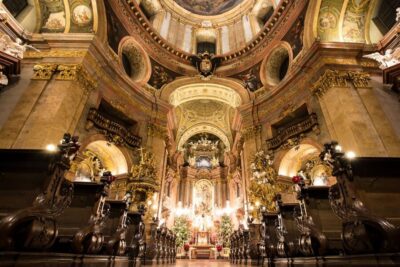
Classic Ensemble Vienna in St. Peter’s Church Ticket
Read our review →
Vienna Kunsthistorisches Museum Day Admission Ticket
Read our review →
Vienna PASS: All incl. Sightseeing Pass for 85+ Attractions
Read our review →
Tickets for Mozarthaus Vienna with Audio Guide
Read our review →
Skip-the-Line Entrance Ticket to the Danube Tower
Read our review →
Browse the lists this tour appears in