
REVIEW · GUIDED WALKS IN VIENNA
Private Introduction to Vienna Walking Tour
Vienna makes sense when you walk it. This private 3-hour introduction is built to connect the city’s big historic moments, from the Habsburg power center at Hofburg to the architecture of Stephansdom and beyond, with a local historian on hand.
I especially like the personal pace this tour allows, plus the way the guide ties sites together so you do not just see landmarks, you understand what they meant. One thing to consider, this is a walking tour with no food or drinks included unless specified, so wear comfortable shoes and plan your meals after.
In This Review
- Quick highlights you will feel in your first 3 hours
- A private historian walking tour, and why that matters
- Michaelerplatz and the Hofburg, where power sets the tone
- Loos House to Kohlmarkt and the Graben, style changes you can spot
- Stephansdom and the Habsburg tripartite burial story
- Old city walls, Ottoman sieges, and the Ringstrasse shift
- Schwarzenbergplatz, the Russian memorial, and why it adds context
- Belvedere Palace detour, Karlsplatz views, and Vienna’s architecture on display
- MuseumsQuartier and Maria Theresien Platz, Vienna’s current cultural pulse
- Guides and pacing, what you should expect from day one
- Price and value, what you are really paying for
- Logistics that actually help: pickup, meeting point, tickets
- Is this the right Vienna intro for you?
- FAQ
- FAQ
- Where does the tour start?
- How long is the private walking tour?
- What is the group size?
- Is pickup included?
- What language is the tour guide?
- Do I need a printed ticket?
- Who will guide me?
- Are food and drinks included?
- What is the price?
- When can I cancel for a full refund?
- How quickly will I receive confirmation?
Quick highlights you will feel in your first 3 hours
- Michaelerplatz to the Hofburg puts you at the heart of Habsburg power early, so the rest of the day clicks.
- Loos House, Kohlmarkt, and the Graben show how Viennese style shifted over time, not just one era at a time.
- The Habsburg tripartite burials connect three different churches into one unforgettable story.
- City walls and the Ottoman sieges add real stakes to the medieval-to-Ringstrasse transformation.
- Schwarzenbergplatz plus a Belvedere detour keeps the mix of monuments and views moving.
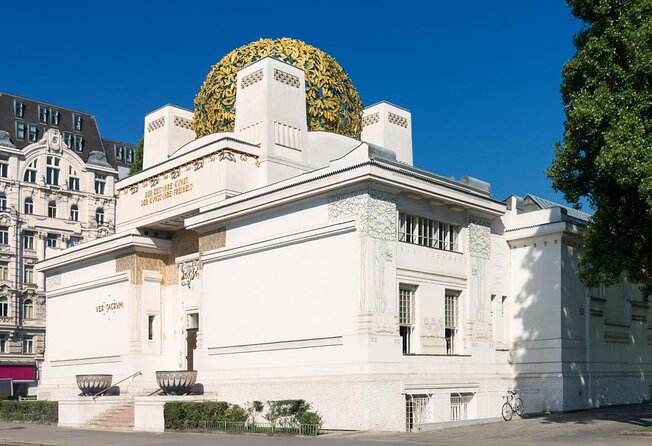
- Secession dome views, Naschmarkt, and MuseumsQuartier finish with Vienna’s modern cultural energy.
A private historian walking tour, and why that matters
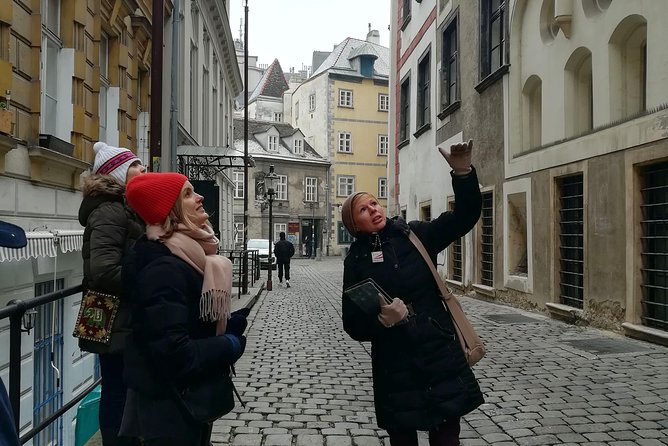
A good Vienna guide does two jobs at once: show you where to look, and explain what you are looking at. This experience is set up as a 3-hour private walk with a historian guide, which means you can ask questions and move at a rhythm that fits your group instead of getting swept along in a crowd.
For me, the value here is not just that you will hit famous stops. It is that you will get an orientation that helps you walk Vienna later on your own. After a tour like this, street names make more sense, major squares feel connected, and you start noticing the little architecture tells you missed before.
More Guided Walks in Vienna
- Vienna: Guided Walking Tour of City Center Highlights
★ 4.7 · 4,989 reviews - Vienna: Vienna Central Cemetery Guided Walking Tour
★ 4.8 · 3,307 reviews - Vienna: Guided Walking Tour of City Highlights & Hidden Gems
★ 4.9 · 2,180 reviews - Vienna: Viennese Underworld Guided Walking Tour
★ 4.7 · 1,865 reviews
Michaelerplatz and the Hofburg, where power sets the tone
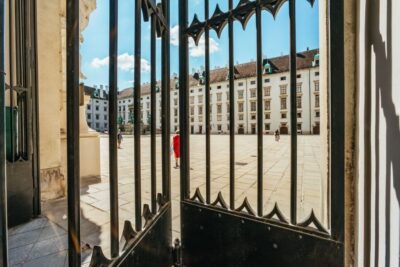
The walk starts at Michaelerplatz, with the Hofburg imperial complex dominating the square. This is not a vague “palace area” intro. The guide uses the setting to talk about the Habsburgs as a system of rule, showing you why this part of Vienna became the seat of power starting in the 13th century.
From here, you begin to understand a key theme of Vienna: layers. You see how today’s streets grew around centuries of court life. And because you start at the Hofburg edge of the old city core, the rest of the route feels logical, not random.
What to watch for: the square and nearby streets are where you first notice contrasts between older imperial imagery and later architectural directions.
Loos House to Kohlmarkt and the Graben, style changes you can spot
After the Hofburg, the route moves clockwise past the Loos House, designed by Adolf Loos (1870 to 1933). The guide highlights its look and significance so you are not just passing by, you are learning how Viennese architecture evolved beyond palaces and baroque churches.
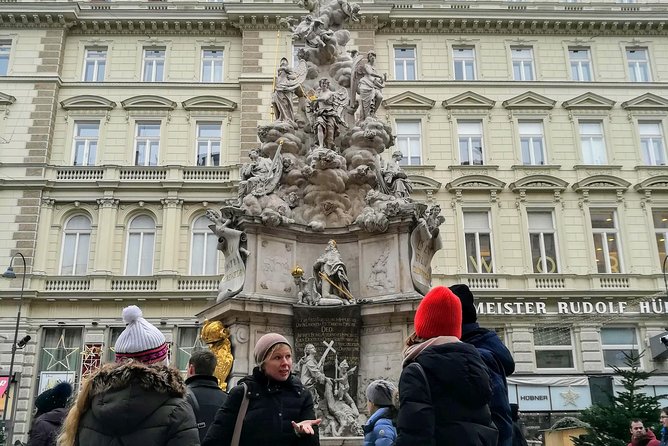
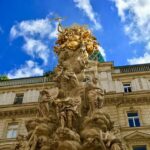
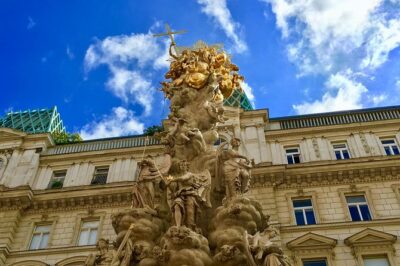
Then you head down Kohlmarkt and into the Graben, which today is one of Vienna’s fashionable shopping streets. The tour treats this as a history corridor, not a storefront stroll. You will also pick up a few major landmarks along the way, including a plague column and a baroque church. The guide connects these to the real rhythm of city life, where health crises, religion, and status shaped what got built.
Possible drawback: if you love museum interiors and long quiet time, this section will feel more “city reading” than “slow looking.” It is still worth it because it sets up the bigger story ahead.
Stephansdom and the Habsburg tripartite burial story
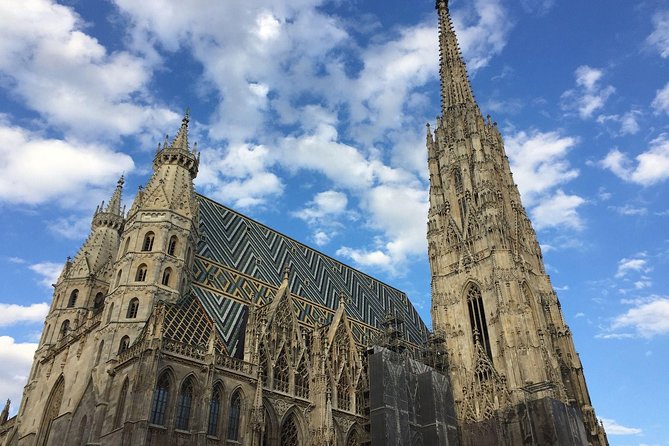
One of the most compelling parts of this introduction is how it uses St. Stephen’s Cathedral (Stephansdom) as a narrative anchor. The tour frames the cathedral as the final resting place for the Habsburg imperial entrails, which is a detail you will not forget once you hear it.
From there, the walk expands the burial story across three sites tied to the Habsburgs’ practice of tripartite burials:
- Capuchin Church, where sarcophagi of Vienna’s rulers are housed nearby
- St. Augustine’s Church, known for silver urns containing the hearts of the Habsburgs
- Stephansdom, linked to the imperial entrails
This is an unusual way to do a walking introduction, and that is exactly why it works. You are not just ticking off churches. You are learning why these places mattered to a ruling family, and how belief, politics, and symbolism overlap in Vienna’s architecture.
What you will gain: the ability to recognize what you are seeing when you later spot church towers or crypts. The tour gives you a mental key.
More of Austria on foot, bell tower to bell tower:
Old city walls, Ottoman sieges, and the Ringstrasse shift
As you move along the edge of the inner city, you will examine remnants of 12th-century city walls. The guide connects them to major historical threats, including Ottoman sieges in 1529 and 1683, which helps the walls feel more real than “old stone.”
Then comes the big urban transformation: the walls were eventually torn down to make way for the grand circular boulevard of Ringstrasse, often described as Vienna’s answer to Paris-style boulevards. This part of the tour is valuable because it shows you how cities change their minds. Defensive walls make sense in one century, wide boulevards do in another.
Small practical note: this stretch is where you start to feel the walking time. Keep water handy and pace yourself, especially if you are going with kids or anyone who prefers shorter legs between breaks.
Schwarzenbergplatz, the Russian memorial, and why it adds context
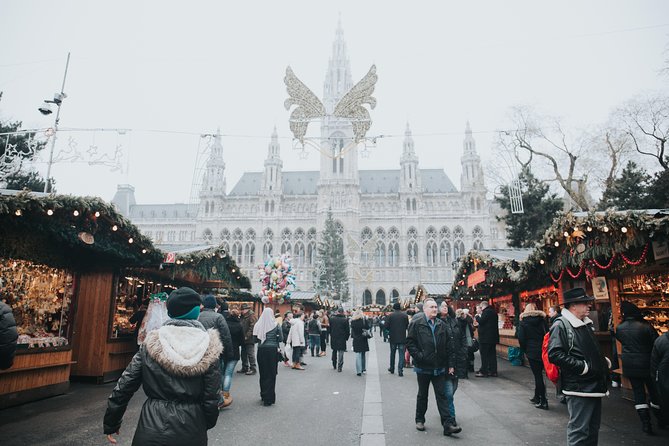
Next is Schwarzenbergplatz, anchored by a massive fountain and a memorial to Russian soldiers who died liberating Vienna from the Nazis. Even if you think you already “know history,” this kind of stop gives you a reminder that Vienna’s story includes the 20th century, not just imperial centuries.
This stop also helps you understand Vienna’s diplomatic geography, since the area is known for embassies. So you walk from Habsburg power symbols to a memorial that points to modern European memory. That change is part of why the tour feels like a true introduction, not a single-theme day.
Belvedere Palace detour, Karlsplatz views, and Vienna’s architecture on display
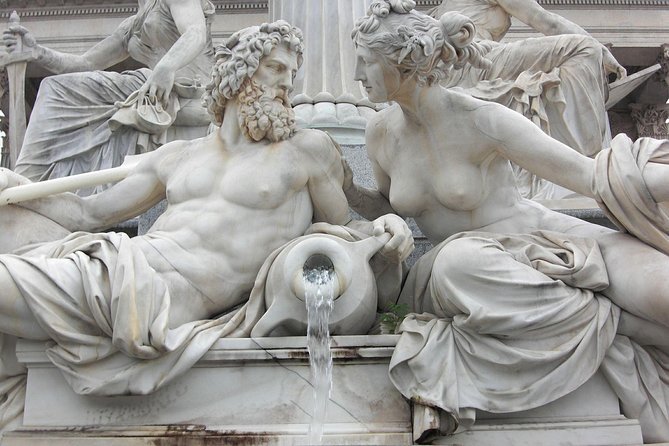
The tour includes a quick detour to Belvedere Palace. You are not being dragged through an all-day palace schedule here. Instead, you get a guided moment that adds cultural weight and helps you place Belvedere within Vienna’s broader architectural identity.
After that, you head back towards Karlsplatz, where the guide points out a stunning view of the gold-domed Secession building. The Secession area is one of those places where Vienna’s “style arguments” across time are visible at street level.
From Karlsplatz, the tour connects toward Naschmarkt, a lively food and market area that gives you a different kind of sensory Vienna. Even if you do not plan to eat on the tour, it is a good moment to reset your senses before the final museum zone.
What to consider: markets can be crowded, so if you prefer quiet sightseeing, keep your expectations flexible. The guide’s job is to help you move through efficiently.
MuseumsQuartier and Maria Theresien Platz, Vienna’s current cultural pulse

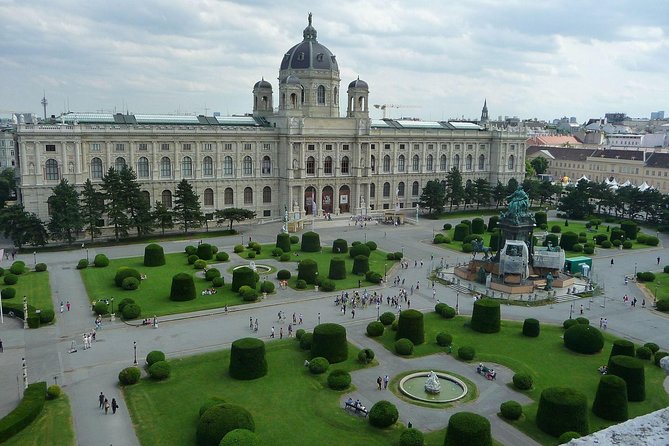
The walk concludes in and around MuseumsQuartier and Maria Theresien Platz, an area known for the largest concentration of museums. The historian guide uses this ending stretch to talk about today’s cultural, political, and economic orientations of Austria and its capital.
This is a smart ending strategy. You start with imperial rule, pass through city defenses and urban redesign, touch 20th-century memory, then finish in a museum district where you can see how Vienna packages and interprets its identity.
If you like planning your next day immediately, this ending is a gift. You will have a clearer sense of what kind of museum visit makes sense, whether you want art, architecture, design, or cultural history.
Guides and pacing, what you should expect from day one
This tour is private, so the biggest quality you will feel is how the guide shapes the walk. The experience is repeatedly praised for being friendly, energetic, and very focused on making the route fit the group. Names you might encounter include Katarina, Selin, Billjana, and Else, and the themes in their guidance include pacing that keeps you moving without feeling rushed and storytelling that makes religious and cultural sites easier to understand.
If you are traveling with a family, this matters. One set of guides is singled out for making the tour work for adults across a wider age range, not just kids. That usually means your tour will have enough story and humor to keep everyone engaged, without turning into a lecture.
My practical advice: ask the guide at the start what you care about most, for example Habsburgs, architecture, religion, or political history. A private guide can often reshape emphasis while staying on the same route.
Price and value, what you are really paying for
The price is $566.25 per group, up to 10 people, for an approximately 3-hour walk. That is a setup that can be fair value if you are traveling as a small group, not just as a solo traveler.
Here is how to think about it:
- If you book as a full group of 10, you are roughly splitting the cost into about the $50s per person range.
- If it is just two people, the per-person cost gets much higher, so you should weigh it against public tours, museum tickets, and your own interest in personalized storytelling.
For many people, the best value comes from skipping guesswork. Vienna is full of competing “must sees,” and it is easy to waste your first morning wandering without context. A private introduction helps you avoid that.
Also, being booked about 70 days in advance suggests it is popular, which usually means you should lock in your preferred time window sooner rather than later.
Logistics that actually help: pickup, meeting point, tickets
You have pickup offered, but only if it is arranged. If not, you meet the guide 15 minutes before at the default meeting point, Cafe Hawelka, Dorotheergasse 6.
The tour also uses a mobile ticket, which tends to make last-minute travel days smoother. Since this is a private group experience, it is only your party out there with your guide.
Practical tip: arrive a bit early. With a meeting point like this, it only takes one late arrival to mess up the group start, and you will want your first stop to go smoothly.
Is this the right Vienna intro for you?
You should book this private introduction if:
- you want a guided overview on your first visit
- you like architecture, church history, and the story behind city landmarks
- you prefer a private rhythm over a busier group tour
- you want a guide who can explain how Vienna’s past links to the modern city
You might rethink it if:
- you want mostly museum time inside buildings for most of your schedule
- you do not like walking for about 3 hours
- you are expecting food included, because it is not included unless specified
FAQ
FAQ
Where does the tour start?
The start point is Dorotheergasse 6, 1010 Wien, Austria. If hotel pickup is not arranged, you meet your guide 15 minutes before the start time at Cafe Hawelka, Dorotheergasse 6.
How long is the private walking tour?
It lasts about 3 hours.
What is the group size?
This is a private tour. Only your group participates, with a maximum group size of up to 10 people.
Is pickup included?
Pickup is offered. It is included if hotel pickup has been arranged.
What language is the tour guide?
The tour is offered in English.
Do I need a printed ticket?
No. A mobile ticket is offered.
Who will guide me?
You will have a private guide who is described as a historian guide.
Are food and drinks included?
Food and drinks are not included unless specified.
What is the price?
The price is $566.25 per group (up to 10 people) for the approximately 3-hour tour.
When can I cancel for a full refund?
You can cancel for a full refund up to 24 hours in advance of the experience start time.
How quickly will I receive confirmation?
Confirmation is received at the time of booking.
If you want, tell me your travel dates and whether you are going solo or with a group. I can help you think through whether the per-group price makes sense for your exact setup.
Just added to the bill for Vienna
Guided Walks in Vienna, compared.
Guided Walking Tour of City Center Highlights
Read our review →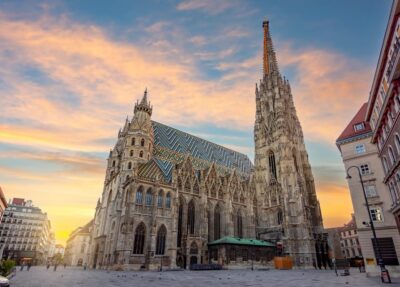
Guided Walking Tour of City Highlights & Hidden Gems
Read our review →
Vienna Historic Center Small Group Walking Tour
Read our review →
Ghosts and Legends Guided Nighttime Walking Tour
Read our review →Browse the lists this tour appears in