
REVIEW · GUIDED WALKS IN VIENNA
Private World War II Walking Tour in Vienna
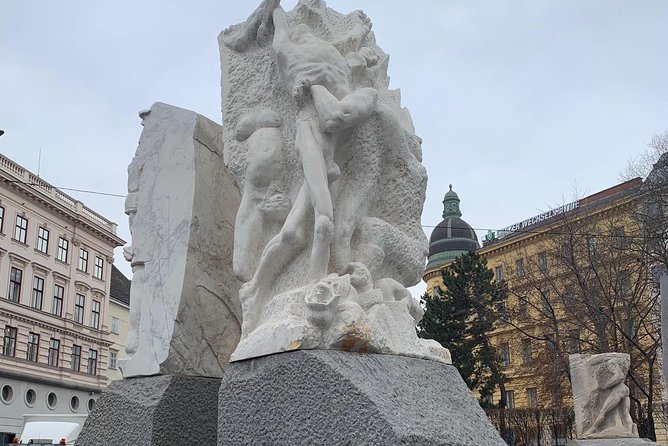
Vienna feels different when you walk it like a witness. This private WWII-focused route uses old-town landmarks to explain how Nazi power took hold in public spaces, then shows what that legacy means today. I especially like the small, private group setup, plus the guide-led storytelling that can flex to your questions and pace. One thing to consider is that the subject matter is heavy, so if you want a lighter sightseeing day, this may not be your best match.
You get a 2 hours 30 minutes inner-city walk that ends at St. Stephen’s Cathedral, with stops including Heldenplatz and Jewish Square. Pickup can work well if you’re staying in the inner city, which saves time and keeps the day calm.
The best part is the guide quality. Multiple guides were praised for excellent English, strong fact-finding, and the ability to answer follow-up questions without rushing you.
In This Review
- Key highlights worth planning for
- How WWII history fits Vienna’s old-town streets
- Price and value for a private group (up to 15 people)
- Getting there: meeting at Helmut-Zilk-Platz and ending at St. Stephen’s
- Stop 1: Heldenplatz and the power of public space
- Stop 2: Jewish Square, why places of memory matter
- Stop 3: Vienna’s inner cathedral stop and the feeling of continuity
- Stop 4: Karl Lueger Monument and how memory gets politicized
- What private means here: pace, Q&A, and guide personalities
- Timing, weather, and how long 2.5 hours really feels
- Who this WWII walking tour suits best
- Should you book this private WWII walking tour in Vienna?
- FAQ
- Where does the tour start and where does it end?
- How long is the Private World War II Walking Tour in Vienna?
- Is this tour private?
- What languages is the tour offered in?
- Is pickup available?
- Are mobile tickets provided?
- Is the tour near public transportation?
- Can I bring a service animal?
Key highlights worth planning for
- Private format for up to 15 so you can actually steer the pace and topic mix
- Heldenplatz and Jewish Square as the backbone for a WWII lens on Vienna’s streets
- State-certified guidance with real room for questions and clarifications
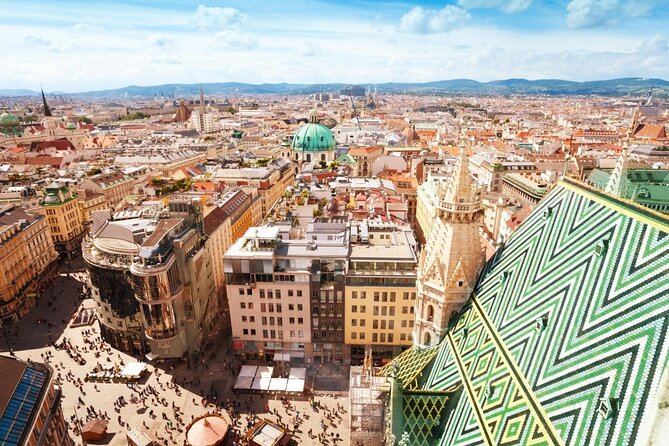
- St. Stephen’s Cathedral finish gives you a visual anchor at the end of the walk
- Flexible pickup if you’re staying in the inner city, otherwise a clear meet point
How WWII history fits Vienna’s old-town streets
This isn’t a generic “Vienna overview” tour. The point here is to use the city as evidence. You’ll walk through the inner city and hear how Vienna before, during, and after WWII connects to the places you’re standing in.
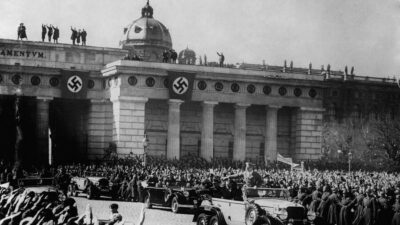
That approach matters because Vienna can look timeless at street level. A guide helps you read what you’re seeing, instead of treating the buildings like postcard scenery. You’ll also get direct context around Adolf Hitler and the rise of the Nazi party, framed in a way meant to help you understand the why, not just the dates.
One of the smartest features is that you’re not stuck with a one-size-fits-all script. This is a private tour, so the itinerary can be adjusted to match what you care about most and how fast you walk.
More Guided Walks in Vienna
- Vienna: Guided Walking Tour of City Center Highlights
★ 4.7 · 4,989 reviews - Vienna: Vienna Central Cemetery Guided Walking Tour
★ 4.8 · 3,307 reviews - Vienna: Guided Walking Tour of City Highlights & Hidden Gems
★ 4.9 · 2,180 reviews - Vienna: Viennese Underworld Guided Walking Tour
★ 4.7 · 1,865 reviews
Price and value for a private group (up to 15 people)
The price is $451.79 per group for up to 15 people, with the tour running about 2 hours 30 minutes.
Here’s the practical way to judge value. If you book as a fuller group, the cost per person drops a lot. At 15 people, you’re effectively looking at about $30 per person. If you’re a smaller group, the price per person rises fast. For two people, it’s roughly $226 per person, which is closer to a premium museum-style experience.
So the sweet spot is simple:
- If you’re traveling with friends or family, this private format can be a very good deal.
- If you’re solo or as a couple, weigh the cost against what you want most, a guided, high-context history walk with Q&A, versus a broader public tour.
Also note it’s usually booked about 48 days in advance, so if this is a priority day for you, it’s worth planning early.
Getting there: meeting at Helmut-Zilk-Platz and ending at St. Stephen’s
The start is Helmut-Zilk-Platz, Albertinapl. 2-3, 1010 Wien. The tour ends at St. Stephen’s Cathedral, Stephansplatz 3, 1010 Wien.
Pickup is offered if your hotel is in the inner city, with the guide happy to meet you directly at your hotel and begin from there. If you’re not in the inner city, you’ll be contacted with the exact meeting location ahead of time.
This setup is convenient because Heldenplatz and the inner core of Vienna are walkable from central transit lines. The tour also runs near public transportation, which gives you an easy recovery option if you need to shorten the day.
The only real “watch out” is energy. It’s a compact walk with serious topics. Wear good shoes, and plan for the fact that stopping for photos and questions can slow the pace a bit, even though the tour is private.
Stop 1: Heldenplatz and the power of public space
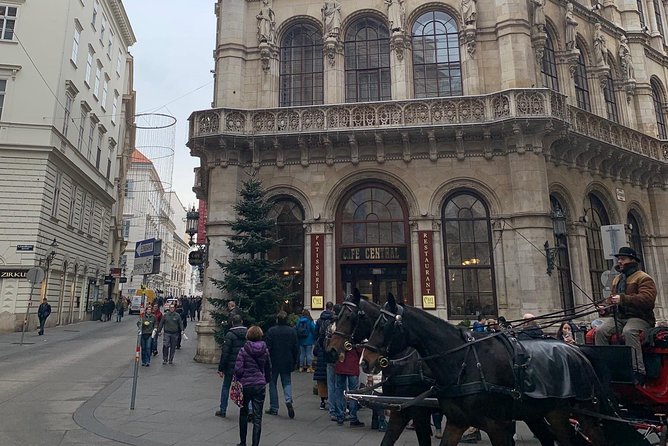
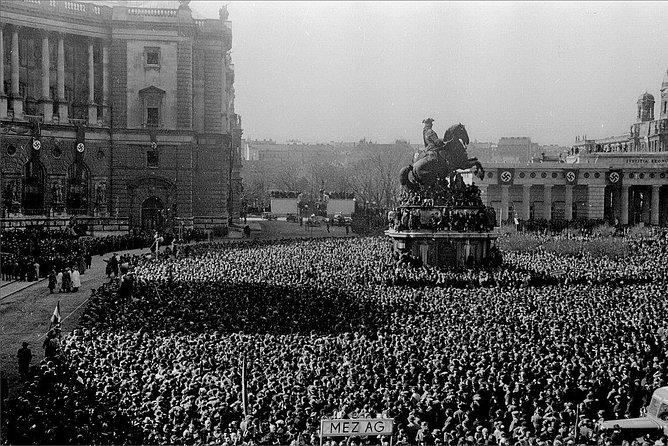
Heldenplatz is the first named stop, and it sets the tone. This is where you start seeing Vienna through the lens of how political messages played out in the open.
As you stand there, the guide’s job is to connect the space to the larger story of WWII in the city. Expect discussion around the rise of the Nazi party, and how public life and public settings were affected. You’ll also get guidance on what to notice during the walk, so you’re not just hearing facts, you’re learning to “read” the streets.
What I like about starting here is that it gives you a big-frame context early. By the time you move to smaller, more specific sites like Jewish Square and memorial-type locations, the story has momentum.
A consideration: if you prefer history that stays strictly personal and local, this kind of starting point may feel broad at first. The benefit is that you’ll have the full map of the narrative in your head by mid-tour.
More of Austria on foot, bell tower to bell tower:
Stop 2: Jewish Square, why places of memory matter
The next stop is Jewish Square, which shifts the focus. This is where the tour’s WWII lens becomes more human and communal.
In your walk, the guide will explain Vienna before, during, and after WWII, with attention to how WWII impacted life in the city. Jewish Square helps ground that story. It’s a place where you can connect the public record with the lived experience, even if you have only a short amount of time in Vienna.
I also appreciate that the tour is guided rather than purely observational. For places tied to persecution and loss, you need context to avoid turning the site into a quick photo stop. The guide helps you understand significance, and why it’s still part of Vienna’s public memory.
One practical note: because this is a focused history segment, you may want to bring a notebook or save a note app. If you like to keep names and themes straight, you’ll be glad you did.
Stop 3: Vienna’s inner cathedral stop and the feeling of continuity
Midway through, you’ll visit a Gothic cathedral in the heart of the inner city. Since the tour ends at St. Stephen’s Cathedral, this is the stop that most likely anchors the cathedral moment for you.
Even without getting lost in architectural specifics, a cathedral stop does something useful in a WWII walking tour. It restores perspective. You’re not only looking at the machinery of ideology and war. You’re also seeing how Vienna’s religious and civic identity continued through time, even as the world around it changed.
A guided cathedral pause also helps you pace yourself. After heavier sites, a brief shift in setting can make the tour easier to absorb. And because this is a private tour, you can ask questions if you’re curious about what the guide thinks is most important to notice.
Downside consideration: if you’re only interested in WWII-era sites tied to rallies, propaganda, or specific political events, you might want to confirm with your guide that you’ll spend enough time on the WWII-linked interpretation of the cathedral area.
Stop 4: Karl Lueger Monument and how memory gets politicized
You’ll also see the Karl Lueger Monument. This kind of stop matters because it shows how public monuments are not neutral. They communicate what a city chooses to remember, and they can connect to wider political currents.
In a WWII-focused tour, this is where the story often becomes about more than the war years themselves. You start seeing how politics, identity, and public messaging build over time, so WWII isn’t presented as an isolated event. The guide will connect it back to Vienna’s WWII narrative and the rise of Nazi ideology where it fits.
I like this stop because it encourages you to think critically. Monuments can look like they’re just “part of the scenery,” but guided interpretation turns them into a conversation starter.
Consideration: if monuments make you uncomfortable, you might still find the stop worthwhile, because the guide’s explanation can help you understand why it’s included and how it ties to the wider story.
What private means here: pace, Q&A, and guide personalities
This tour is explicitly private, meaning only your group participates. That changes the whole experience. Instead of being stuck with a fixed flow, you can ask questions as they come up. It also means the guide can adjust for your group’s pace, whether you’re the slow-and-thoughtful type or you want to keep moving.
The reviews strongly reflect this kind of interaction. Different guides were praised for deep familiarity and the ability to handle lots of questions. Names that came up included Lisa, Nando, Marco, Reinhard, Christopher, and Hernando. The consistent theme is strong communication in English, plus stories told with clarity and empathy, not just dates.
If you end up with someone who has a light sense of humor, that can help in a tour like this. A bit of levity does not erase the topic, but it can keep the tour from feeling like a lecture.
One more practical plus: you might get pickup directly at your inner-city hotel. That can make a huge difference in the morning, especially if you want time to warm up before you start walking.
Timing, weather, and how long 2.5 hours really feels
The tour runs about 2 hours 30 minutes. In practice, the duration can feel different depending on how many questions you ask and how often you stop for specific points of view.
One review highlight was that the tour continued in rain, with someone meeting the guide at a hotel lobby and still having a good experience with umbrellas and jackets. So if bad weather shows up, don’t assume the day is ruined. This kind of focused walking tour is easier to manage when you come prepared.
I’d plan like this:
- Wear comfortable shoes for an inner-city walk.
- Bring a light rain layer even if the forecast looks calm.
- Keep your expectations realistic: this is a history walk, not a photo marathon.
Who this WWII walking tour suits best
This tour fits best if you want context and interpretation while you walk through Vienna’s center. It’s a good match for history-minded travelers, people who like guided storytelling, and groups that want to ask questions without waiting for a big public crowd.
It also works well for mixed interests within the same group. The private setup can help the guide focus more on what matters to you, whether that’s political history, memorial context, or how WWII shaped everyday life across Vienna.
If you’re traveling with kids or teens, the pace might be manageable since most travelers can participate, but you’ll want to be mindful of the topic content. This is a WWII lens, not a light cultural tour.
Should you book this private WWII walking tour in Vienna?
Book it if you:
- Want a private, guided WWII-focused walk instead of a general sightseeing loop
- Like asking questions and getting answers in plain language
- Prefer a route that hits meaningful sites in a single morning block
Skip it or swap to a lighter option if you:
- Want mostly architecture and scenery, with minimal heavy topics
- Don’t enjoy history that requires attention and mental processing as you walk
One final tip before you decide: because this is already planned as a WWII storyline with specific stops, you’ll enjoy it most if you go in with one or two goals, for example, understanding Nazi-era influence in Vienna or learning how the city remembered and responded after WWII. Then your guide can steer the pacing to match what you care about.
FAQ
Where does the tour start and where does it end?
It starts at Helmut-Zilk-Platz, Albertinapl. 2-3, 1010 Wien, and ends at St. Stephen’s Cathedral, Stephansplatz 3, 1010 Wien.
How long is the Private World War II Walking Tour in Vienna?
The duration is about 2 hours 30 minutes.
Is this tour private?
Yes. It’s a private tour/activity, and only your group participates.
What languages is the tour offered in?
The tour is offered in English.
Is pickup available?
Pickup is offered if your hotel is in the inner city. If not, you’ll be contacted prior to the tour with the exact meeting location.
Are mobile tickets provided?
Yes, the tour includes a mobile ticket.
Is the tour near public transportation?
Yes, it’s near public transportation.
Can I bring a service animal?
Service animals are allowed.
Just added to the bill for Vienna

Guided Walks in Vienna, compared.
Guided Walking Tour of City Center Highlights
Read our review →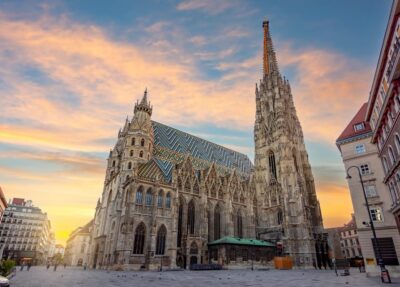
Guided Walking Tour of City Highlights & Hidden Gems
Read our review →
Vienna Historic Center Small Group Walking Tour
Read our review →
Ghosts and Legends Guided Nighttime Walking Tour
Read our review →Browse the lists this tour appears in