
REVIEW · GUIDED WALKS IN VIENNA
Vienna Art Nouveau Walking Tour
Vienna’s Art Nouveau is easier to see when someone points. This Vienna Art Nouveau Walking Tour strings together key Jugendstil sites and metro stations into a smart 2.5-hour route you can actually remember. I especially like how you get clear architectural themes as you move, not random facts, and how the tour includes real context for why these buildings look the way they do. My one caution is that a couple of the big stops can involve extra paid admissions, depending on when you go.
I also love the focus on Otto Wagner’s ideas, because it connects everything from the pavilion at Karlsplatz to the city’s metro-era design logic. If you care about art and architecture, you’ll come away with a framework for seeing Viennese Jugendstil quickly on your next walk. The main tradeoff is that it is a short group experience, so you should be ready for a set plan rather than wandering off at your own pace.
In This Review
- Key Highlights You’ll Actually Notice
- Getting Oriented With Jugendstil in 2.5 Hours
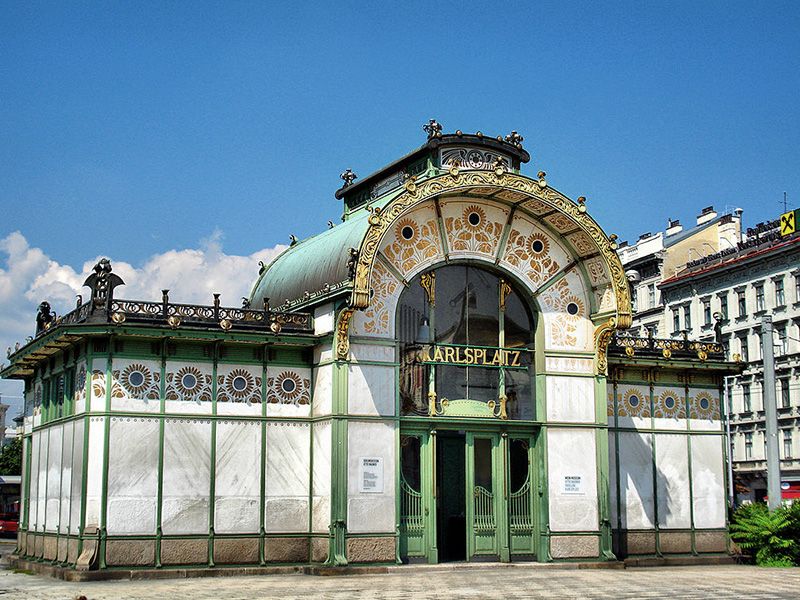
- Otto Wagner Pavilion at Karlsplatz, and the Start of the Story
- Stadtpark Station, Where Design Meets the Little Vienna River
- Secession Building and Kettenbrücke Station: Klimt’s Beethoven Moment
- The Imperial Metro Station, and Wagner’s Grand Translation
- Pace, Group Size, and How Vienna Transit Fits In
- Price, Entrance Fees, and the Real Value Math
- What You’ll Learn, Beyond the Buildings
- Who This Art Nouveau Metro Walk Is Best For
- Should You Book This Vienna Art Nouveau Walking Tour?
- FAQ
- How long is the Vienna Art Nouveau Walking Tour?
- How much does the tour cost?
- What language is the tour offered in?
- What is the group size limit?
- Are there any entrance fees during the tour?
- Where do we meet for the tour?
Key Highlights You’ll Actually Notice
- Expert-led Art Nouveau storytelling that links design choices to symbols and materials
- Otto Wagner Pavillon at Karlsplatz paired with a small museum visit when open
- Stadtpark station, still in use, with the remarkable reworked riverbed idea
- Sezession building (Secession) near Kettenbrücke, plus the chance to see Klimt’s Beethoven Frieze
- An imperial-flavored metro station, showing how Wagner translated Jugendstil into something grand
- Small group size (max 8), which makes questions and adjustments more realistic
Getting Oriented With Jugendstil in 2.5 Hours
This tour is built for the first or second day in Vienna when you want your bearings fast. Instead of only hitting the obvious postcards, you follow a thread: Art Nouveau ideas as they show up in buildings, stations, and city infrastructure. You start with Otto Wagner’s world and keep returning to the same design logic, so it all clicks.
The route also mixes walking with metro use, which matters in Vienna. You cover more ground without turning it into an endurance test. And because the tour is offered in English and capped at 8 people, it tends to feel focused rather than rushed.
If you are the type who likes to understand what you are looking at, you will get a lot out of this. It is ideal for art and history lovers who want a structured way to see Jugendstil without needing to study architecture books before your trip.
More Guided Walks in Vienna
- Vienna: Guided Walking Tour of City Center Highlights
★ 4.7 · 4,989 reviews - Vienna: Vienna Central Cemetery Guided Walking Tour
★ 4.8 · 3,307 reviews - Vienna: Guided Walking Tour of City Highlights & Hidden Gems
★ 4.9 · 2,180 reviews - Vienna: Viennese Underworld Guided Walking Tour
★ 4.7 · 1,865 reviews
Otto Wagner Pavilion at Karlsplatz, and the Start of the Story
You begin at Operngasse 7 (near public transit), then head toward Karlsplatz and the Otto Wagner Pavilion. This is a strong opener because it is not just a pretty building, it is a direct doorway into Wagner’s design thinking. At the pavilion, there is time for a visit to the small Wagner Museum.
One practical note: the pavilion museum is included only when it is open, and there is an admission fee when it operates (from April to October). That means you should plan a little extra budget if your dates fall in that window. The tour itself does not charge you for this pavilion time upfront, but you may pay on site.
What I like about this starting point is that it gives you a baseline. When you later see other Jugendstil elements around Vienna’s rail system, you can mentally compare them back to Wagner’s approach at the pavilion. It makes the walk feel like a guided lesson, not a highlight shuffle.
Stadtpark Station, Where Design Meets the Little Vienna River
Your next major stop is Stadtpark, specifically the station area known for being the best preserved of Vienna’s original metro stations still in use. This part of the tour is a nice reminder that Art Nouveau was not only about palaces or art museums. It also shaped everyday city spaces, including transit.
The standout detail here is the adjoining artificial riverbed made for the little Vienna river. When the city train was built, the waterway needed realignment, and the question became how to integrate the corrected river into the new urban layout. That is the kind of planning story that usually gets lost on casual sightseeing.
Why it matters for you: if you come to Vienna thinking Art Nouveau is mostly ornament, this stop corrects that. You see how design can solve practical problems while still creating a distinctive look. And because the station is still functioning, it also feels less like a static monument and more like living city design.
Secession Building and Kettenbrücke Station: Klimt’s Beethoven Moment
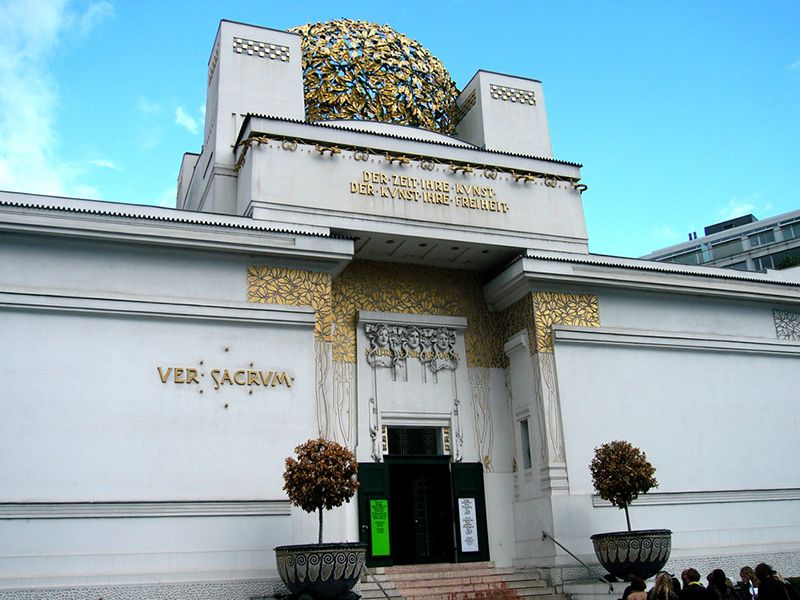
After Stadtpark, you head to the Secession area. The tour ties it together through the Kettenbrücke station experience, then focuses on the Sezession building itself, described as a key icon of Viennese Jugendstil.
This is where many people in an Art Nouveau tour most want to land, and the timing makes sense. The guide explains the philosophy behind Jugendstil and points out symbols and materials favored by its practitioners. Even if you have never studied Jugendstil before, you get a way to read the building instead of just staring at it.
If you tour on Tuesday through Sunday, there is an optional paid admission connected to Secession House to see Gustav Klimt’s famous Beethoven Frieze. Your guide can help you pay. So check your calendar: the tour experience can shift depending on which day you book, because the Beethoven Frieze visit is tied to the days you are on the route.
A practical tip for your visit: dress for the weather and plan to move carefully around entrances. Secession House is a popular stop, and your guided group time is limited, so being ready helps you get the full impact.
More of Austria on foot, bell tower to bell tower:
The Imperial Metro Station, and Wagner’s Grand Translation
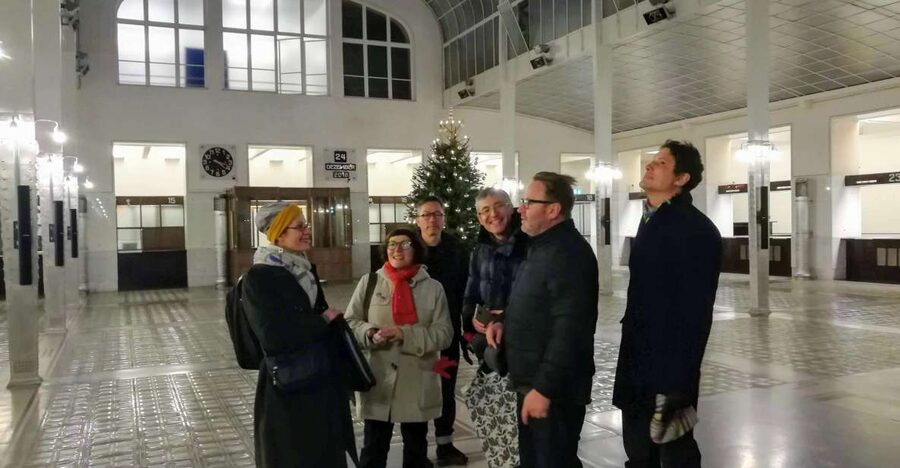
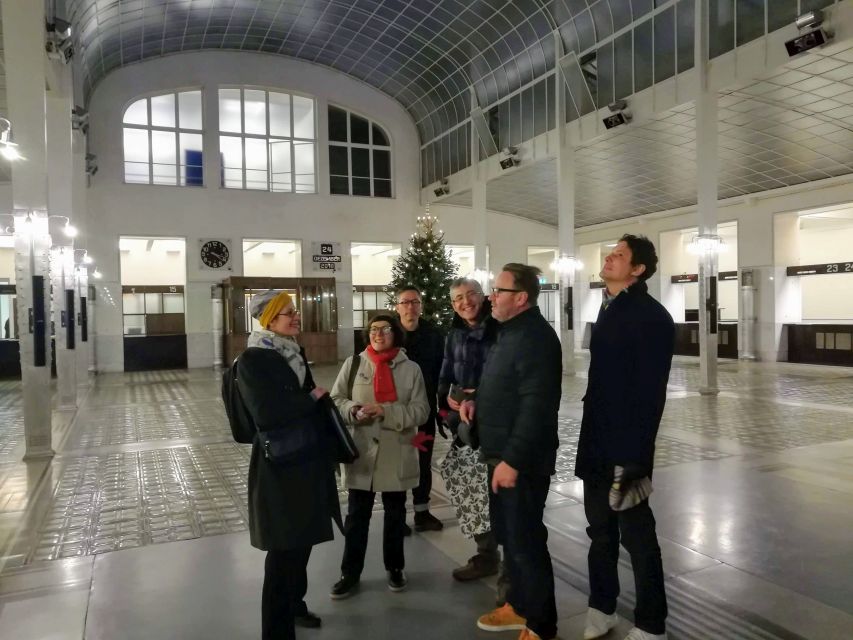
From Kettenbrücke, you take the metro for the last stop, the imperial station built outside Schönbrunn castle for the Emperor’s use. This is one of those details that makes Vienna’s Art Nouveau era feel political as well as artistic. The station also had symbolic weight: it communicated that the emperor supported the metro line, addressing critics by showing royal backing.
Inside the tour frame, this stop functions like a recap. You recognize elements you saw at earlier stations and buildings, then the guide shows you how Wagner translated a generally bourgeois style of Art Nouveau into something with imperial grandiosity. In other words, it is not the same look everywhere. It adapts, depending on who it is for and what it is meant to signal.
Why this is valuable for you: if you want a clearer understanding of Vienna around 1900, this stop helps connect art to power and public messaging. You start seeing architecture as communication. That is one of the big reasons this tour is so well reviewed by people who care about culture, not just photos.
Pace, Group Size, and How Vienna Transit Fits In
This experience runs about 2.5 hours and keeps the group small, maximum 8 people. That is a sweet spot for walking tours in a big city. You get real conversation time with the guide, but the group still moves at a sightseeing pace.
You should also expect a route that mixes walking and metro rides. Even if you already know Vienna has excellent transit, this kind of tour helps you understand how it all connects. One theme that shows up in guide-driven experiences here is practical navigation. You likely leave knowing which lines and stations to use in this area, not just what you saw.
Weather can be a factor, because you are outside part of the time. I like that the guides are flexible in how they manage comfort when conditions are rough, such as shifting transportation choices to keep everyone from getting soaked. You should still bring a warm layer and something rain-ready, even if the day looks mild when you leave your hotel.
Price, Entrance Fees, and the Real Value Math
The headline price is $180.04 per person for a 2-hour 30-minute guided tour. That’s not a bargain-bin cost, but it can be fair value when you consider what you are buying: a structured route through multiple specialist sites, guided context tying Jugendstil design choices to specific places, and access to stations and buildings that are easier to understand with an expert.
That said, you may have extra costs for admissions at certain points:
- Otto Wagner Pavilion museum admission can apply when it is open (April to October). The fees listed are €5 general, €4 for seniors, students, Vienna Card holders, and persons with disabilities.
- Secession House visit for Klimt’s Beethoven Frieze can add admission on Tuesday to Sunday. The fees listed are €9.50 for adults and €6 for students and seniors.
Here’s the decision-friendly way to budget: if your travel dates fall between April and October, and your booking day includes Tuesday to Sunday, you may end up paying for both the Wagner Pavilion museum and the Secession House admission. If those conditions do not apply, your out-of-pocket may be lower.
What You’ll Learn, Beyond the Buildings
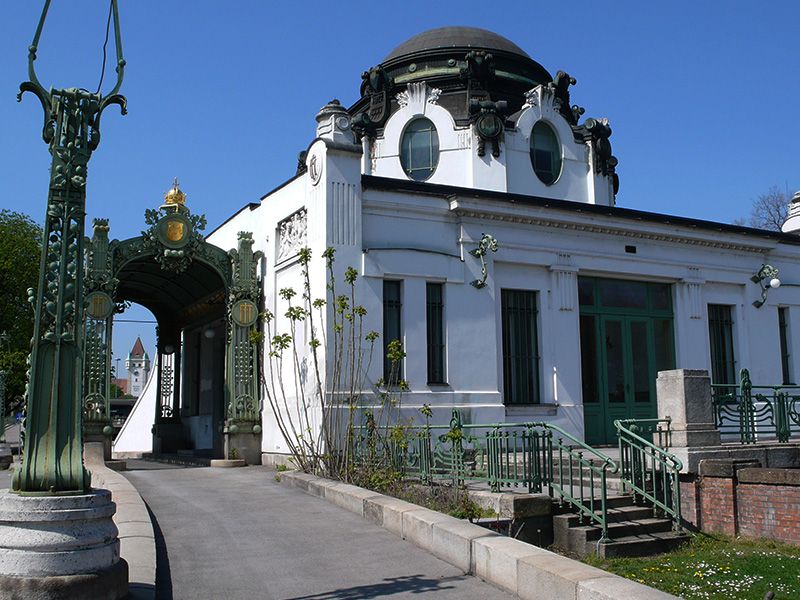
This tour works because it teaches you how to look at Jugendstil. The guide’s explanations focus on recurring elements across the different stops: favored materials, the logic behind symbols, and how style choices shift between everyday city use and high-status imperial messaging.
You also get a kind of time travel. Vienna’s metro stations are not just transit nodes. They are cultural artifacts from the era when the city was modernizing fast. Seeing them as design statements makes the city feel more coherent, especially if you plan to keep exploring after the tour.
And if you like repeating patterns in architecture, this tour gives you that. The final imperial station stop is built for recognition, meaning you can connect what you learned earlier to what you see at the end.
Who This Art Nouveau Metro Walk Is Best For
This is a great match if you:
- love art and architecture and want the “why” behind what you see
- want a compact route that gives real orientation to Vienna’s Jugendstil world
- enjoy guided storytelling and specific design references
- plan to keep sightseeing after the tour and want a framework to compare buildings across the city
You might like it less if you prefer completely free-form touring, or if you dislike paying occasional entrance fees during a guided experience.
Should You Book This Vienna Art Nouveau Walking Tour?
I’d book it if your goal is understanding Vienna’s Art Nouveau style in a short, high-impact window. The value comes from the tight connection between stops: Wagner’s ideas start the story, the stations show the design working in real city infrastructure, and the imperial station provides a strong closing payoff. Add in the small group size and the English guide, and it is a practical way to see a lot without turning it into a checklist.
One last check before you commit: look at your travel dates for the extra admissions. If you want the Beethoven Frieze, plan for the Tuesday to Sunday timing. If you are visiting in April to October, expect possible Pavilion museum fees. If that fits your schedule, this tour is one of the smarter ways to learn Jugendstil fast.
FAQ
How long is the Vienna Art Nouveau Walking Tour?
It runs about 2 hours 30 minutes.
How much does the tour cost?
The price is $180.04 per person.
What language is the tour offered in?
It is offered in English.
What is the group size limit?
A maximum of 8 travelers per booking.
Are there any entrance fees during the tour?
Some visits may have extra admissions. The Otto Wagner Pavilion museum has fees when open (April to October). Secession House for Klimt’s Beethoven Frieze has admission fees if touring Tuesday to Sunday, and your guide will help you pay.
Where do we meet for the tour?
The meeting point is Operngasse 7, 1010 Wien, Austria.
Just added to the bill for Vienna

Guided Walks in Vienna, compared.
Guided Walking Tour of City Center Highlights
Read our review →
Guided Walking Tour of City Highlights & Hidden Gems
Read our review →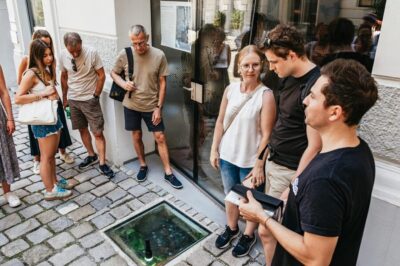
Vienna Historic Center Small Group Walking Tour
Read our review →
Ghosts and Legends Guided Nighttime Walking Tour
Read our review →Browse the lists this tour appears in