REVIEW · GUIDED
Vienna: Guided Tour about Sewage, Viennese Filth & Toilettes
You thought Vienna was all music and palaces. Then this walk turns the dial to toilets, smells, and sewer systems. You’ll follow everyday infrastructure through the city while hearing how new technology changed life, right down to street-level problems.
I especially liked the way the tour mixes serious civic history with genuinely weird questions. Two standouts for me: learning what go in a barrel actually means, and hearing the explanation behind why we do not know exactly where Wolfgang Amadeus Mozart is buried.
One drawback to consider: this is in German, and the humor and facts are delivered as a live walking narrative, not a quiet museum-style chat.
In This Review
- Key reasons this sewage-and-toilets walk is worth your time
- Where the story starts: Schwedenplatz and the city’s everyday problems
- St. Stephen’s Cathedral: grand walls, unglamorous realities
- Hofburg Palace: how inventions turned into daily habits
- Stadtpark: the city teaches you about rivers, noise, and waste
- The phrase questions and the Mozart mystery: Vienna as a puzzle
- Horses around 1900: why transport equals waste
- Finding the best bath and spa in town (and why it mattered)
- Price and value: is $42 for 150 minutes a fair deal?
- What to expect from the walk, in plain terms
- Where you end: Kleine Ungarbrücke and a refreshed way to see Vienna
- Should you book this sewage, filth, and toilets tour?
- FAQ
- How long is the Vienna guided tour?
- Where do I meet for the tour?
- What sights are included on the route?
- What language is the tour in?
- Is the tour wheelchair accessible?
- Will the tour run in different weather?
Key reasons this sewage-and-toilets walk is worth your time
- Go in a barrel gets explained in a way that makes the slang feel connected to real streets
- Mozart burial mystery is treated like a city problem, not just a random fact
- Vienna’s rivers and water troubles show how daily life worked when bad water and terrible smells were real issues
- Electricity and garbage collection get framed as practical inventions that changed habits
- Horses around 1900 help you picture a denser Vienna where transportation shaped everything, including waste
Where the story starts: Schwedenplatz and the city’s everyday problems
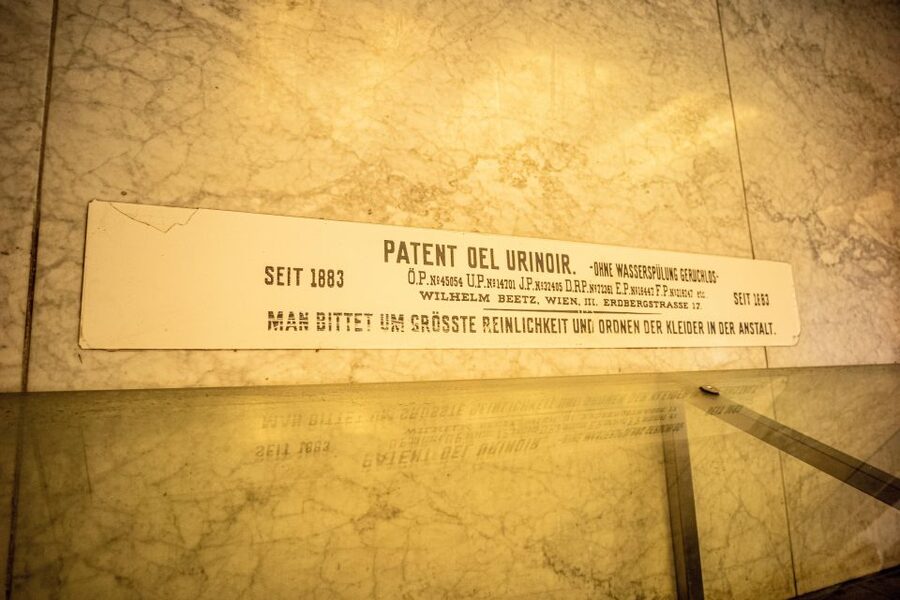
The tour kicks off at Franz-Josefs-Kai 17, near Subway Station Schwedenplatz (Line 4 and Line 1). You meet at the corner of Hafnersteig and Schwedenplatz, next to the ice cream shop Eissalon Schwedenplatz. From the first steps, the tone is clear: Vienna is not just grand buildings, it is systems. Pipes. Street mess. People trying to function.
What makes this start work is the framing. You are shown how a metropolis deals with everyday issues, like where to go when nature calls on a street. Instead of treating sanitation as a side topic, the guide turns it into a lens for understanding the city itself.
And yes, you will get the delightfully strange “go in a barrel” answer, which at first sounds like pure nonsense. But it lands because it connects language, daily behavior, and public life.
Held over another night in Vienna
- Vienna: Vivaldi’s Four Seasons Concert in Karlskirche
★ 4.7 · 14,951 reviews - Vienna: Spanish Riding School Training
★ 3.9 · 9,281 reviews - Vienna: Schönbrunn Palace & Gardens Skip-the-Line Tour
★ 4.7 · 7,739 reviews - Vienna: Light of Creation Votive Church Immersive Light Show
★ 4.8 · 6,779 reviews
St. Stephen’s Cathedral: grand walls, unglamorous realities
Next, you pass through the area around St. Stephen’s Cathedral. Even if you are used to treating the cathedral as a stand-alone sight, the tour keeps pulling the focus back to the city’s daily workings. The point is not to ruin the romance. It is to show how grand spaces sit inside a messy, human machine.
Expect the guide to connect the church neighborhood to the broader question of what it meant to be a citizen. That includes minor annoyances and major problems: litter on the streets, how people handled refuse, and why certain public spaces and plantings struggled early on. You walk away understanding that even “pretty” Vienna was shaped by infrastructure and maintenance.
This stop also helps you learn the tour’s rhythm. You get stories fast, then you keep moving. It never feels like a lecture that forgot you are outside.
Hofburg Palace: how inventions turned into daily habits
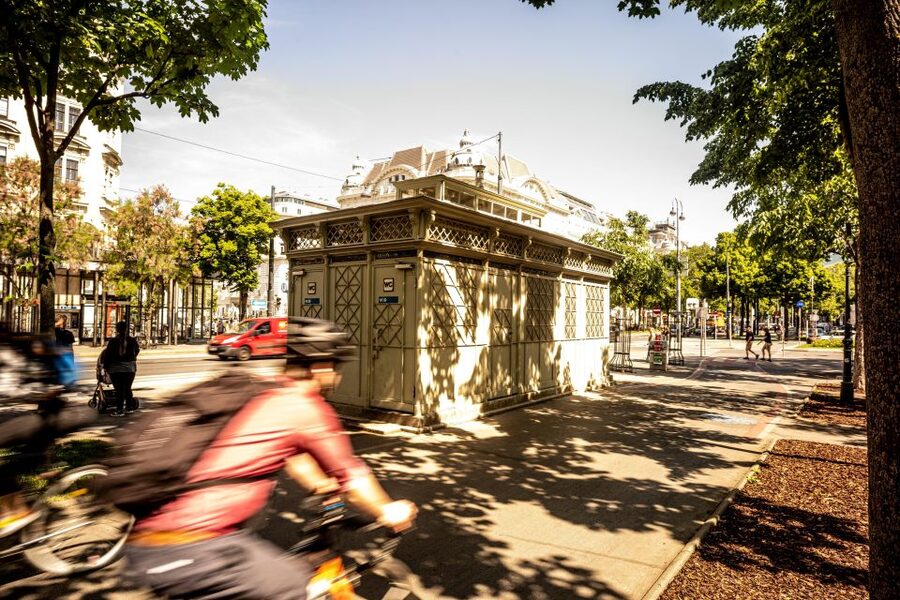
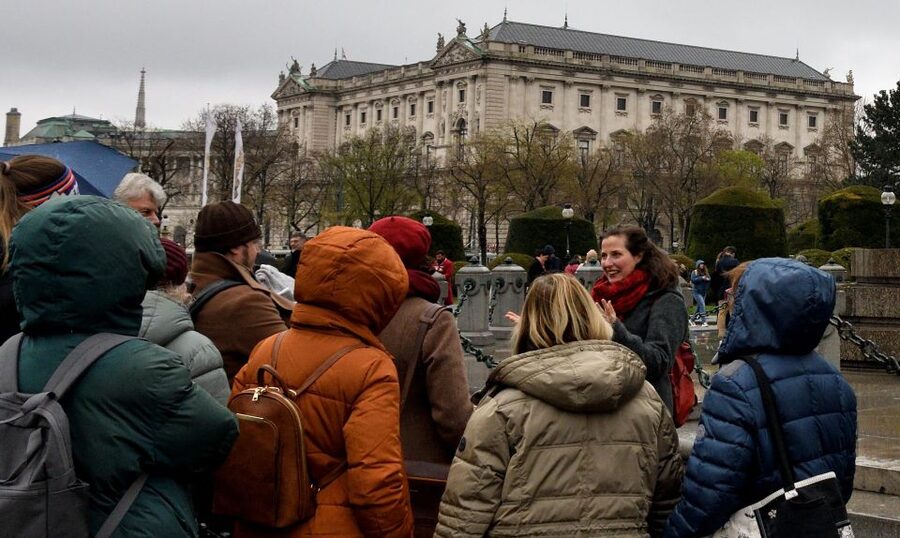
At Hofburg Palace, the conversation shifts toward technology and civic life. The tour’s big idea is that this was a period when a new technology was invented every day. Electricity. Garbage collection systems. Fixes for bad water. Each one sounds like a headline, but the guide ties it to what people actually had to deal with.
This is one of the most valuable parts of the walk. You get a sense that progress is not just about inventions in a lab. It is about routines. It is about who has to call whom when something goes wrong. It is about the tradeoffs between convenience and public health.
So even with Hofburg rising around you, you stay grounded in practical questions. How does a dense city manage waste? What happens when water quality fails? You learn why rivers of Vienna were not loved the way they can be today, and how terrible smells were part of the historical backdrop.
Stadtpark: the city teaches you about rivers, noise, and waste
The walk then reaches Stadtpark, and this is where the tour really leans into the senses. The theme becomes rivers, noise, and density, plus the constant pressure of garbage. You are asked to imagine Vienna at a time when the city felt less controlled and more crowded, physically and socially.
The guide also spends time on environmental and municipal realities. Bad water. Litter. The kind of invisible problems people tried to manage long before the modern comfort you expect today. It is not just grim for the sake of being grim. It explains why sanitation, collection, and water systems mattered so much.
If you like “why does that exist” questions, you will enjoy this section. The tour helps you connect what you see now to what once went wrong, and why improvements had to happen in stages.
After the interval, more from Vienna:

The phrase questions and the Mozart mystery: Vienna as a puzzle
A good walking tour does more than deliver facts. It teaches you how to look at a city like a puzzle with human causes. This tour does that with a couple of memorable highlight questions.
You will hear what the heck go in a barrel means, and you will also deal with the Mozart burial mystery: why we do not know exactly where Wolfgang Amadeus Mozart is buried. The guide treats these like part of a larger pattern. People make decisions in complicated circumstances. Records can be incomplete. Cities change. And daily life does not stop for perfect documentation.
That blend of oddball language and a real historical uncertainty works. It keeps you alert, and it makes Vienna feel alive and unfinished, not like a postcard museum.
Horses around 1900: why transport equals waste
At some point during the walk, the guide brings up horses and how many there were in the city around 1900. This part matters more than it sounds. When you understand the scale of animal-powered transport, it becomes easier to imagine the waste burden and how streets functioned.
This is also where the tour’s “everyday problems” idea clicks. Horses were not just transportation. They were part of the city’s sanitation equation. If you have ever wondered why old streets can look narrow and crowded, or why waste management was such a constant headache, this is the angle that explains it.
You walk away with a clearer mental image of how dense cities ran before modern systems took over.
Finding the best bath and spa in town (and why it mattered)
Another highlight of the tour is the question of the best bath or spa in town, plus who has enjoyed it and who enjoys it now. The guide uses this to connect hygiene, leisure, and social life.
This is an unexpectedly smart stop in the overall flow. It shows that sanitation history is not only about crisis. There is also comfort, public bathing culture, and the idea that hygiene can be an experience, not just a fix.
Even without turning it into a restaurant-style recommendation, it gives you a new way to think about Vienna’s relationship to cleanliness and public life.
Price and value: is $42 for 150 minutes a fair deal?
At $42 per person for about 150 minutes, this is not a “cheap and cheerful” snack. It is a specialized, guided experience with a state-certified guide. You are paying for a guided story that is built around a specific theme you would not likely chase on your own during a normal sightseeing day.
Here is why I think the value is real. You get: a walking route from Schwedenplatz to Stadtpark and beyond, a guide who connects inventions to daily life, and a mix of odd facts and practical city logic. If your Vienna style is about understanding how the city works under the surface, this tour hits your interests fast.
If you prefer quiet landmarks, this might feel too focused on civic issues. But if you enjoy Vienna as a living system, not just a backdrop, the price makes sense.
What to expect from the walk, in plain terms
This is a walking tour through the 1st District and central sights, moving between major landmarks and street-level stories. Plan on about 2 to 2.5 hours. The tour takes place in all weathers, so you need rain protection and comfortable shoes.
Language matters. The tour is in German, and it is live. If you speak basic German, you will still catch a lot of the structure and humor. If you do not, expect some key points to be harder to follow.
There are no listed “stop for a long break” moments, so treat it like a continuous storytelling walk. If you want a refreshment, tell the guide in advance and they will get it for you, so you do not lose your place.
Where you end: Kleine Ungarbrücke and a refreshed way to see Vienna
The tour finishes at Kleine Ungarbrücke 111, 1010 Wien, Austria. By the time you reach the bridge, you will have a different mental map of Vienna. You are not just thinking about the skyline anymore. You are thinking about pipes, waste collection, water quality, and why dense cities produce constant pressure.
That is the best souvenir from this kind of tour. You start noticing details as you walk on your own: how streets carry history, how infrastructure shapes daily life, and why a city’s most glamorous buildings sit above real human needs.
Should you book this sewage, filth, and toilets tour?
I would book it if you want Vienna to feel like a functioning city, not a static gallery. It is especially good for curious walkers who enjoy odd questions with serious context, like the Mozart burial mystery and the phrase go in a barrel. It also fits well if you like learning how inventions changed daily habits, not just hearing that inventions happened.
Skip it if you only want cathedral-photo mode and palace views with minimal talk. The main focus here is everyday problems: bad water, garbage, smells, and the systems that managed them.
If you are on the fence, decide based on language first. Because it runs in German, I would only recommend it confidently if you are comfortable listening and picking up details while walking.
FAQ
How long is the Vienna guided tour?
The tour lasts 150 minutes, roughly 2 to 2.5 hours.
Where do I meet for the tour?
You meet next to Subway Station Schwedenplatz at the corner of Hafnersteig and Schwedenplatz, next to the ice cream shop Eissalon Schwedenplatz.
What sights are included on the route?
The walk includes Schwedenplatz, St. Stephen’s Cathedral, Hofburg Palace, and Stadtpark, and it finishes at Kleine Ungarbrücke 111.
What language is the tour in?
The tour is in German.
Is the tour wheelchair accessible?
Yes, the tour is listed as wheelchair accessible.
Will the tour run in different weather?
The tour takes place in all weathers, so dress appropriately.
Just added to the bill for Vienna
Guided, compared.
Guided Walking Tour of City Center Highlights
Read our review →
Bus & Schönbrunn Palace Skip-the-Line Guided Tour
Read our review →
Tickets for Mozarthaus Vienna with Audio Guide
Read our review →
Day trips from Vienna: Hallstatt & Salzburg Guided Tour
Read our review →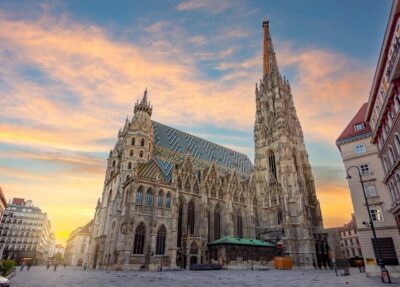
Guided Walking Tour of City Highlights & Hidden Gems
Read our review →