
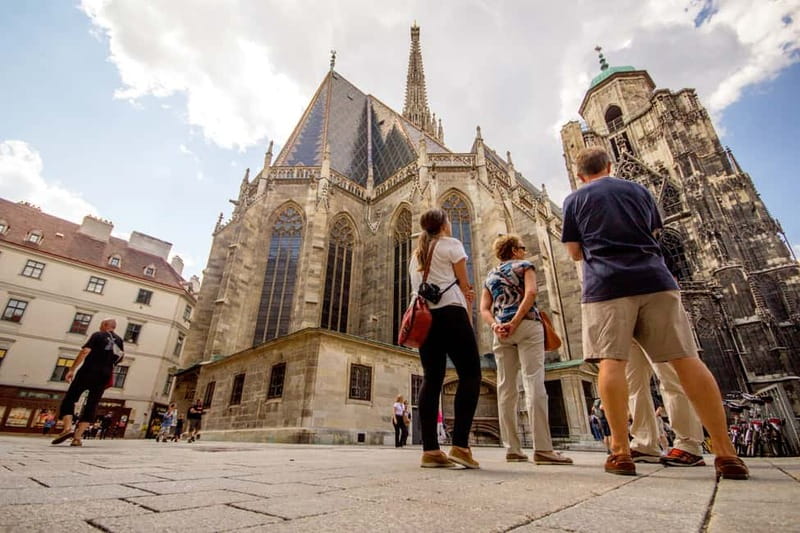
REVIEW · GUIDED WALKS IN VIENNA
Vienna: Hidden Secrets and Local Stories Walking Tour
Vienna hides stories in plain sight. This hidden-secrets walk takes you through Vienna’s center with a local guide who points out the courtyards, symbols, and side streets most people walk past, plus it tackles Mozart’s final residence with the facts behind the myths. I particularly like how the guide makes architecture and street details click in your head, and how the route mixes big landmarks with small lanes like Ballgasse and Blutgasse.
The small group format also helps, especially when the weather turns, since the guide can keep you moving and adjust to shelters along the way. One drawback to plan around: this tour is not suitable for children under 12, and it is not wheelchair-friendly or for people with mobility impairments, plus large bags are not allowed.
In This Review
- Key highlights worth showing up for
- Entering Vienna’s center through courtyards and legends
- Meeting point to first stories: what the opening sets up
- St. Stephen’s Cathedral: beyond the obvious photo stop
- Mozart’s final residence: separating fact from the usual legends
- Ballgasse, Blutgasse, and Domgasse: alley names with story power
- Palais Neupauer-Breuner and Deutsches Haus: reading Vienna’s faces
- The Franciscan Church and Monastery: a quieter pause that hits
- The cow on the board house and traditional food talk
- Old university district, the Jesuit Church, and the old city wall vibe
- Humor, quizzes, and staying engaged on a short walk
- Group size, what you should bring, and what to skip
- Is $34 worth it for a 2-hour Vienna walk?
- Should you book this Hidden Secrets and Local Stories walk?
- FAQ
- How long is the Vienna Hidden Secrets and Local Stories Walking Tour?
- What does the tour cost?
- Where does the tour start and where does it end?
- What is included in the tour?
- What languages is the tour available in?
- Does the tour run in bad weather?
- Is the tour a small-group experience?
- Are large bags allowed during the tour?
- Can I record audio during the tour?
- Who is the tour not suitable for?
Key highlights worth showing up for
- St. Stephen’s Cathedral explained through details and symbols you might otherwise miss
- Mozart’s final residence with the straight story of his last chapter
- Franciscan Church and Monastery for a calmer, more intimate pause in the middle of town
- Alley atmosphere in Blutgasse, Domgasse, and Ballgasse where street names come alive through stories
- Palais Neupauer-Breuner and Deutsches Haus for architecture-focused local context
- Old university district and the old city wall vibe for a Vienna that goes beyond the postcard view
Entering Vienna’s center through courtyards and legends
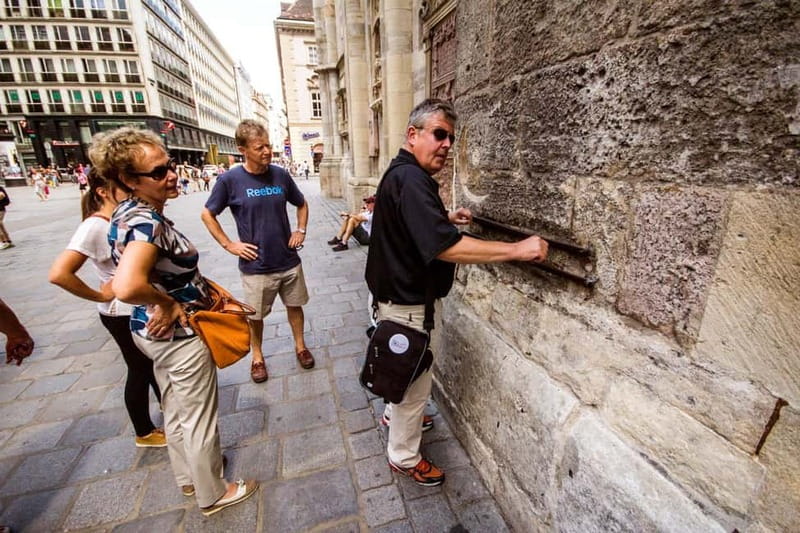
This tour is built for people who want more than a checklist of sights. You start in the historic core and then move through the streets in a way that feels like you are getting shown shortcuts, viewpoints, and “how to read the city” clues. Instead of rushing from monument to monument, the guide threads together meaning: why certain buildings sit where they do, what certain design choices signal, and which local stories have stuck around.
Two things make it especially fun. First, you do get the major anchor points, like St. Stephen’s Cathedral and the church-and-monastery area, but the guide keeps returning to the smaller spaces between them. Second, you get narrative momentum: each stop feeds the next one, so the walk feels like one coherent story of Vienna rather than separate photo stops.
Price-wise, $34 for about two hours lands in a sensible zone for a guided, central-city walk where you would otherwise wander for a long time without the “what am I looking at” layer. If you like history but you do not want a lecture, this format usually clicks fast.
More Guided Walks in Vienna
- Vienna: Guided Walking Tour of City Center Highlights
★ 4.7 · 4,989 reviews - Vienna: Vienna Central Cemetery Guided Walking Tour
★ 4.8 · 3,307 reviews - Vienna: Guided Walking Tour of City Highlights & Hidden Gems
★ 4.9 · 2,180 reviews - Vienna: Viennese Underworld Guided Walking Tour
★ 4.7 · 1,865 reviews
Meeting point to first stories: what the opening sets up
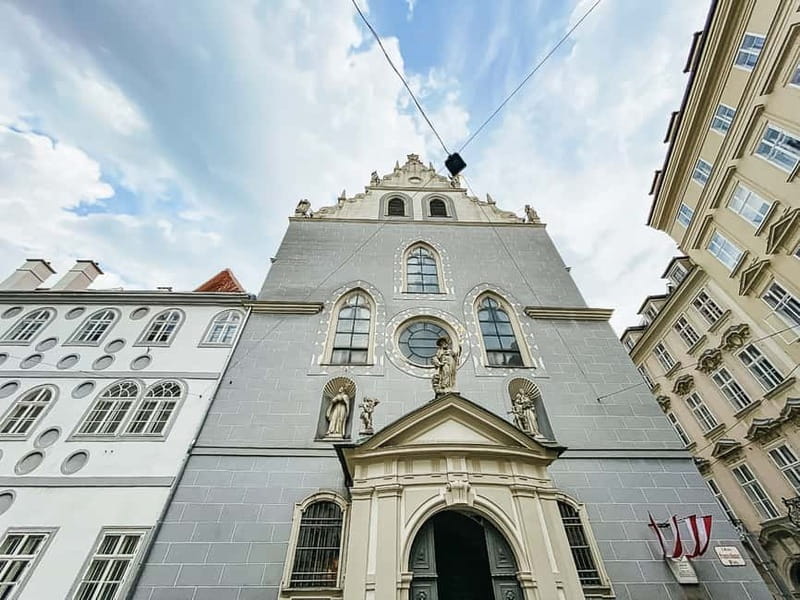
Your meeting point can vary by the option you booked, so plan to check your confirmation details before you head out. Once you meet the guide, you are quickly put on the right mental track for the day. The early part matters because it teaches you how to look at the city: facades, street names, and the kinds of courtyards Vienna hides just off the main flow.
This is also a good note if you have not done the operator’s Part 1. The tour is designed so it still makes sense on its own, even if you are joining fresh. You can show up cold and still follow the storyline without feeling like you missed a prerequisite chapter.
Group size stays small, which helps with questions and keeps the pace from turning into a human conga line. And yes, it runs in all weather, so bring a rain layer if forecasts look questionable.
St. Stephen’s Cathedral: beyond the obvious photo stop
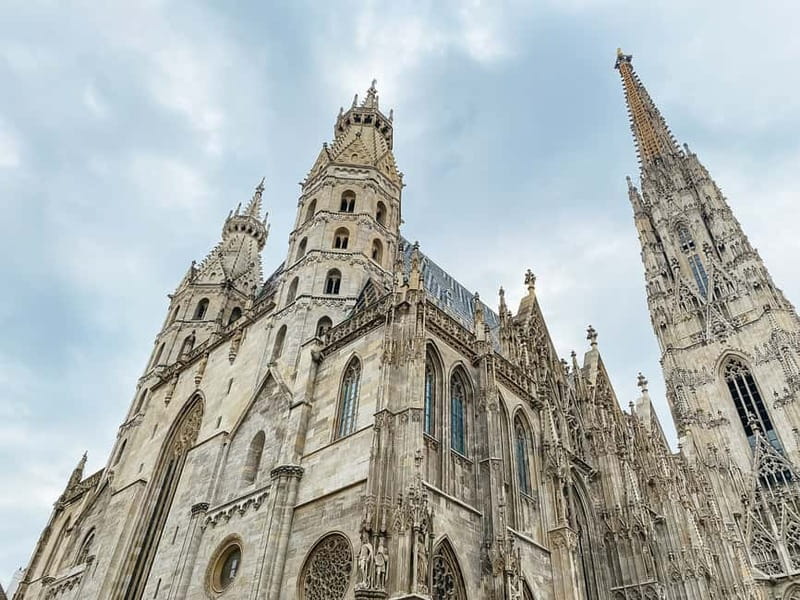
St. Stephen’s Cathedral is the kind of place you think you already “know” from pictures. The value here is what you learn while standing in front of it. The guide connects the cathedral to Vienna’s identity and then steers your attention toward details and symbols that many people skate past because they are focused on the big silhouette.
You also get a sense of how Viennese life and local meaning orbit around central landmarks like this one. Even if you do not memorize dates, you walk away with a clearer idea of how a building becomes a city’s shorthand, and why locals keep returning to it in stories and rituals.
The only real drawback is practical: the cathedral area can be busy, so if you hate crowds, keep your expectations realistic. A small group helps, but you still will be in one of Vienna’s most central zones.
Mozart’s final residence: separating fact from the usual legends
Mozart in Vienna can sound like a theme park if you only hear the simplified version. Here, the guide shares the truth of Mozart’s life as it relates to his final residence, and the framing matters. Instead of treating Mozart as a static statue, you get a sense of his last chapter and how the city shaped what came next.
This is also where you see the “guide corrections” style in action. The tour leans on accurate context, so you come away with fewer half-truths and more grounded explanations about what is known, what gets exaggerated, and why certain stories stick.
If you are a classical-music person, this stop alone can justify your booking. If you are not, you may still enjoy it because the guide uses Mozart as a doorway into broader Vienna themes: identity, reputation, and how cities remember artists.
More of Austria on foot, bell tower to bell tower:


Ballgasse, Blutgasse, and Domgasse: alley names with story power
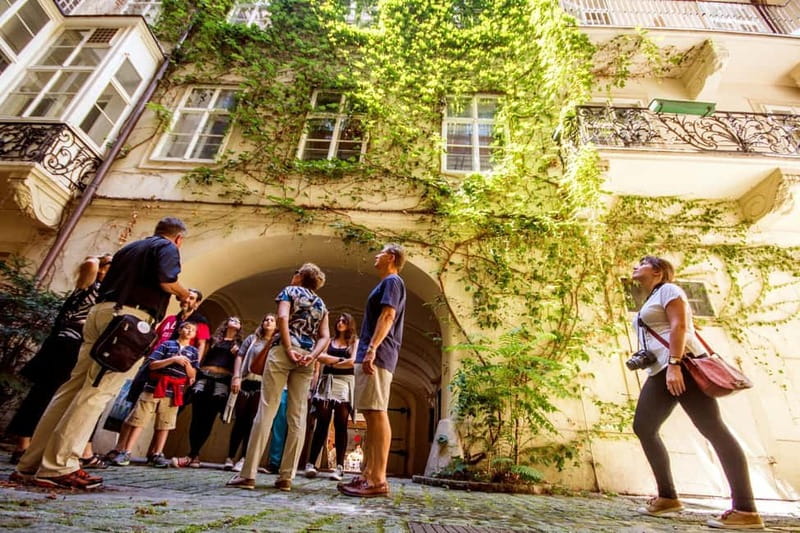
One of the best parts of the tour is moving through streets that do not look like they belong on a “top ten” list. Ballgasse, Blutgasse, and Domgasse give you that close-to-the-ground Vienna feeling: narrow lanes, older corners, and a sense that you are walking inside the city’s own memory.
The guide uses these sections to teach you how courtyards and side streets operate as living parts of the historic center, not just decorative background. You learn to spot the city’s storytelling style, where a facade, an alley, or a small passage hints at something deeper than what you see at first glance.
If you love atmosphere, plan to enjoy the pacing here. It is easy to rush past alleys on your own, so having someone point out what to notice changes the experience. The only consideration is footwear. You are walking through older streets, and you will want shoes that handle uneven pavement and frequent turning.
Palais Neupauer-Breuner and Deutsches Haus: reading Vienna’s faces
Palaces and grand buildings are easy to recognize, but it is harder to understand what you are actually looking at. This tour helps by connecting buildings like Palais Neupauer-Breuner and Deutsches Haus to their place in the city’s story.
You get an architecture-forward perspective without needing a design degree. The guide explains how elements of the building language work and what locals historically cared about. Even when you do not remember every detail, you start to see patterns: how Vienna signals status, how public-facing spaces differ from private ones, and how buildings anchor neighborhood identity.
This stop is especially good if you have already visited one or two major museums and want the real-world street-level version of the same ideas.
The Franciscan Church and Monastery: a quieter pause that hits
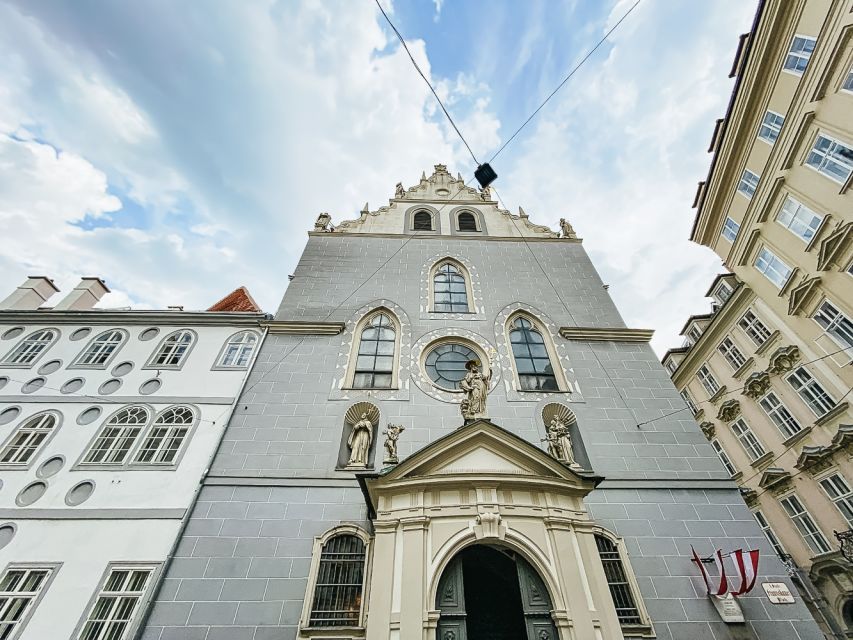
After the busy central energy, the Franciscan Church and Monastery stop gives you a different mood. It is less about spectacle and more about the feeling of arriving somewhere that has mattered for a long time. The guide weaves in context so the church-and-monastery area becomes more than a landmark you pass by.
This portion also balances the tour. One moment you are learning about Vienna’s street legends and grand facades, and the next you are in a calmer zone that helps everything sink in. It is a strong point for people who like spiritual or cultural stops, not just buildings and dates.
Practical tip: even on short tours, it pays to pause. Stand still when the guide asks you to look, because this is where you benefit most from guided attention.
The cow on the board house and traditional food talk
Vienna has a talent for odd, memorable house names, and the tour includes the house known as Where the cow plays on the board. This is the kind of quirky local detail that self-guided walks rarely surface unless you already know what to search for.
The guide uses moments like this to show how Vienna’s everyday culture mixes with symbolism and story. You are not just collecting sights, you are learning how locals keep meaning alive in everyday streets.
You also get talk about traditional Viennese cuisine as part of the city’s storytelling. No tasting is mentioned, so treat this as context and culture rather than a meal on the itinerary. Still, it can add a helpful layer if you plan to eat your way through Vienna after the walk.
Old university district, the Jesuit Church, and the old city wall vibe
Vienna’s historic center is full of institutions, and part of the magic is how they shape the streets around them. The tour moves toward the University of Vienna area and includes the old university district feel, plus the Jesuit Church and the old city wall context.
This is valuable because it changes how you interpret the city layout. Instead of thinking Vienna is only palaces and cathedrals, you start noticing the intellectual and civic backbone that sat alongside them. Even if you never step inside specific buildings, the guided explanation helps you read the area like a map of ideas.
This section also works well for first-time visitors. If you are in Vienna for only a couple days, this kind of “how the city works” context can make your later explorations feel easier.
Humor, quizzes, and staying engaged on a short walk
A big reason this tour earns such strong ratings is how the guide runs it. Names like Herbert, Wolfgang, and Dorothy show up with one consistent theme: the tour is not stiff. Guides use humor, and they often keep participants engaged with questions, including quizzes along the way.
That matters because a two-hour walk can feel like either a fun highlight or an information overload. Here, the tone seems built for balance: facts delivered with personality. If you enjoy interactive touring, you will likely like this approach.
Weather planning matters too. In rain, one guide style described is knowing where to keep going and how to use shelter spots without derailing the route. Since it runs in all weather, I recommend packing rain protection and staying flexible with your energy level.
Group size, what you should bring, and what to skip
This is a small-group tour, and that is part of the point. It feels more like a guided walk with time to ask questions, not a performance where you only get half-listened to.
What you should know before you go:
- Large luggage is not allowed, so travel light.
- Audio recording is not allowed.
- The tour is in all weather, so plan for rain or chilly conditions.
Also, it is not suitable for children under 12, and it is not for wheelchair users or people with mobility impairments. If any of that affects your plans, you may want a different format that allows more flexibility.
For the best experience, bring comfortable shoes and a light layer. You do not need a backpack full of gear. Just have what you need to move comfortably for about two hours.
Is $34 worth it for a 2-hour Vienna walk?
In Vienna, you can spend an entire day just walking and still see plenty. The difference is whether you understand what you are looking at. At $34 for two hours, the value comes from two things you do not easily get on your own:
- A guide who explains why places matter, not only what they are called
- A route that takes you into lesser-known corners, not just the standard parade of postcards
If you like walking, enjoy stories, and want a quick, high-impact orientation to the center, this price makes sense. If you prefer deep museum time or you already know Vienna extremely well, you may feel the tour is more for first impressions and big-city context than for specialized research.
My take: this is a strong “second day in Vienna” option. After your first broad wander, this kind of guided narrative helps you connect dots before you commit to more time in specific areas.
Should you book this Hidden Secrets and Local Stories walk?
Book it if you want Vienna with context: cathedral details, Mozart in a grounded way, and neighborhood stories tied to courtyards and alleys. It is also a great fit if you like guides who keep things lively, including quizzes and humor, and if you appreciate a small-group pace.
Skip it if mobility limits you, you need wheelchair access, you are traveling with kids under 12, or if you absolutely cannot travel without large luggage or personal audio recording.
If you are excited by the idea of learning what to notice while you walk, this tour is a smart use of a couple hours in the center. You will come away with more than photos. You will have a better sense of how Vienna tells its own stories.
FAQ
How long is the Vienna Hidden Secrets and Local Stories Walking Tour?
The tour lasts 2 hours.
What does the tour cost?
The price is $34 per person.
Where does the tour start and where does it end?
The meeting point may vary depending on the option you book. The tour has two drop-off locations, including Dr.-Karl-Lueger-Platz 3, 1010 Wien.
What is included in the tour?
It includes a certified tourist guide and an insider approach from a local Viennese, plus you get a live guide during the walk.
What languages is the tour available in?
The live tour guide offers German and English.
Does the tour run in bad weather?
Yes, the tour takes place in all weather conditions.
Is the tour a small-group experience?
Yes, the tour is conducted in a small group.
Are large bags allowed during the tour?
No, luggage or large bags are not allowed.
Can I record audio during the tour?
Audio recording is not allowed.
Who is the tour not suitable for?
It is not suitable for children under 12, people with mobility impairments, or wheelchair users.
Just added to the bill for Vienna


Guided Walks in Vienna, compared.
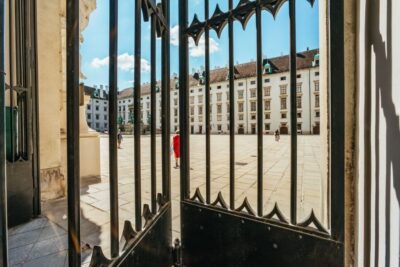
Guided Walking Tour of City Center Highlights
Read our review →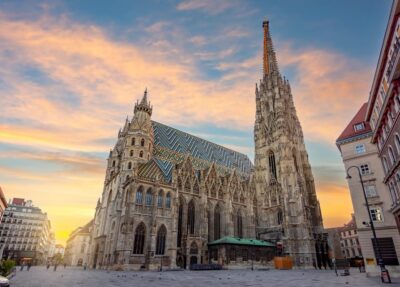
Guided Walking Tour of City Highlights & Hidden Gems
Read our review →
Vienna Historic Center Small Group Walking Tour
Read our review →
Ghosts and Legends Guided Nighttime Walking Tour
Read our review →Browse the lists this tour appears in