
REVIEW · GUIDED WALKS IN VIENNA
Vienna: Old Town Walking Tour with a Local Guide
Vienna on foot beats the bus. This Old Town walking tour is interesting because you’re guided through the big sights and the smaller street-level details that usually get skipped. I especially like how the route ties together Saint Stephen’s Cathedral with Habsburg landmarks like the Imperial Crypta, and how the guide gives practical pointers so you can use the rest of your time in Vienna smarter. One thing to consider: it’s a short, active 2 hours, so some stops are more of a quick look than a full inside visit.
I’m also a fan of the way the tour can be group-friendly or private, which makes it easier to match your comfort level and interests. You’ll start at Albertinaplatz (look for the guide with the green umbrella), then move through central streets on foot with an English-speaking guide, plus French availability. The only real drawback is the weather factor, since it runs rain or shine, so you’ll want shoes that can handle wet sidewalks.
Key Points Worth Knowing
- Meet at Albertinaplatz and spot the guide with a green umbrella for an easy start
- Two language options (English and French), with French sometimes being the only option depending on availability
- 2 hours, on foot, with a mix of photo stops and guided sightseeing so you cover a lot without a long commitment
- Habsburg stops included, including the Imperial Crypta and the Hofburg area
- Ticket help is included, but entry tickets themselves are not
- Private option is customizable, useful if you want your route and pace adjusted
In This Review
- Why This Vienna Old Town Tour Feels More Like City-Reading Than Sightseeing
- Meeting at Albertinaplatz, Then Getting Oriented Fast
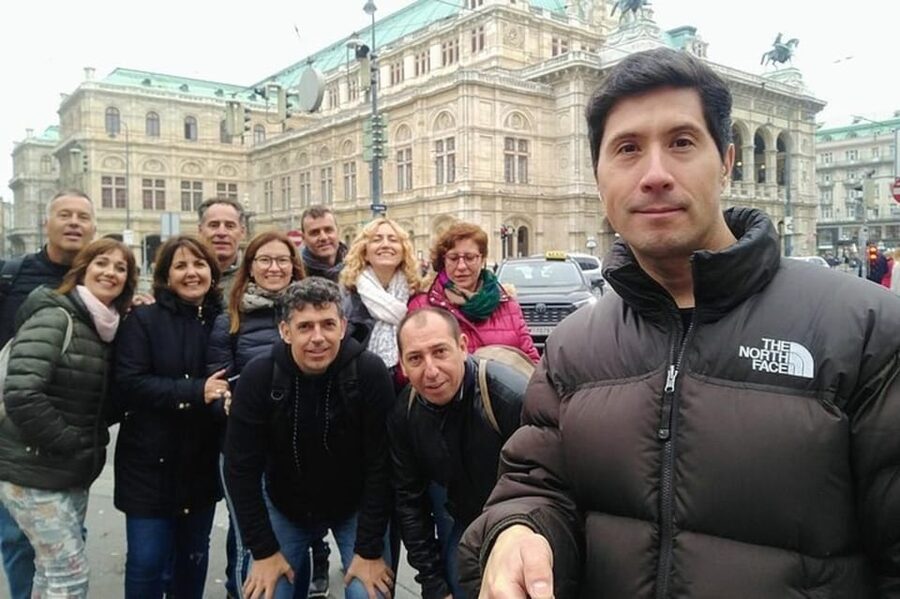
- Wiener Staatsoper and the Vienna Opera Mile, Where the Story Starts
- Neuer Markt: Shops, Squares, and the Everyday Side of the Center
- Imperial Crypta: The Habsburgs Rest, and the City Remembers
- Ballgasse and the Oldest Quarter Feeling
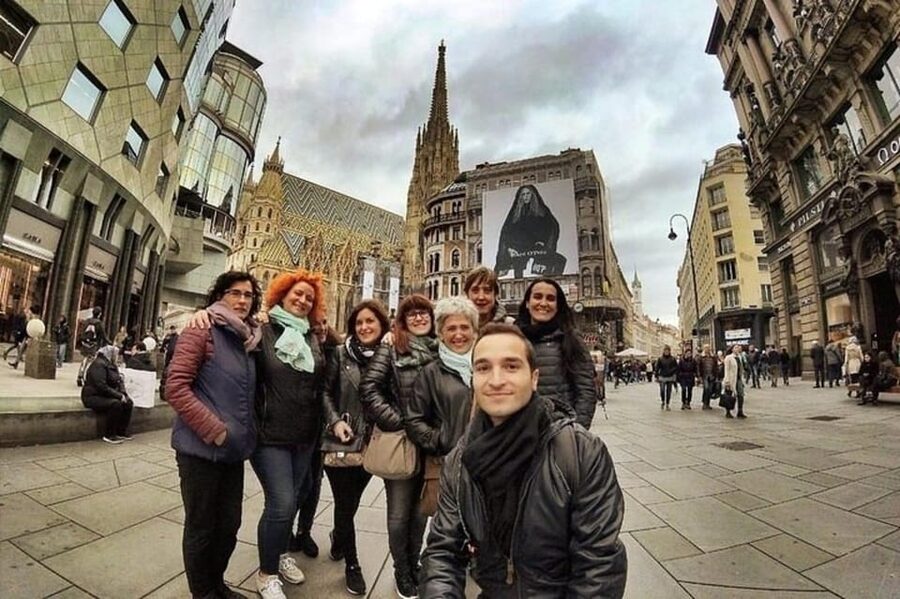
- Stephansplatz and Saint Stephen’s Cathedral, The Main Stage
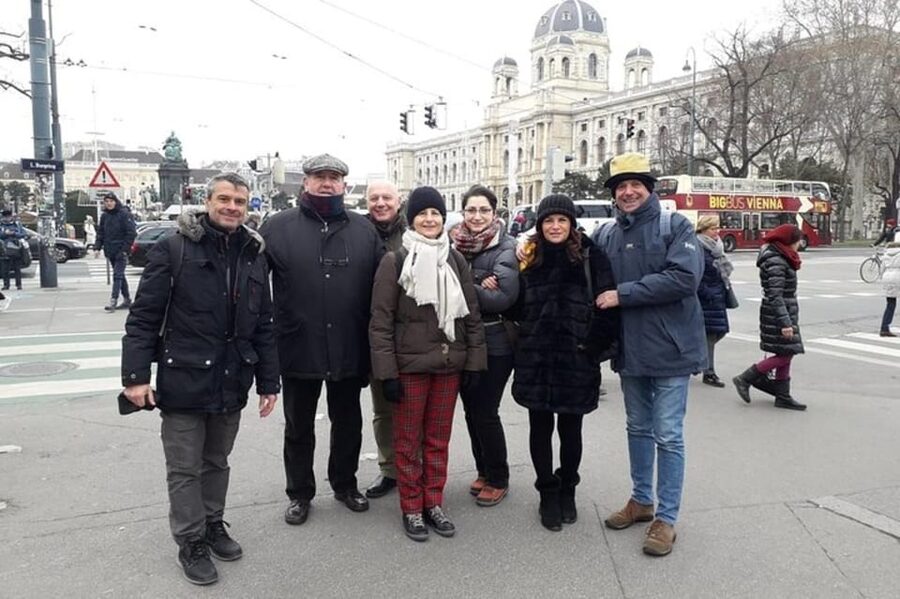
- Hofburg Palace: Imperial Legacy in Plain Sight
- What You Actually Get For $34, and Where It’s a Smart Value
- Group Tour vs Private Option, Choosing the Right Fit
- The Guide Experience, Why It Matters as Much as the Stops
- Practical Tips So You Enjoy Every Minute
- Who Should Book This Vienna Old Town Walking Tour
- Should You Book It?
- FAQ
- How long is the Vienna Old Town Walking Tour?
- Where do I meet the guide?
- Is this tour available in languages other than English?
- What is included in the price?
- Are entry tickets included?
- Is the tour wheelchair accessible?
Why This Vienna Old Town Tour Feels More Like City-Reading Than Sightseeing
Vienna’s Old Town can feel like a greatest-hits album, especially if you only do it by yourself with a map and a time limit. What I like about this tour is that it behaves more like learning how the city “thinks.” You’re not just shown buildings, you’re told what they meant, how they connect, and where to pay attention as you walk.
The big payoff is that you get both ends of Vienna at once. On one side you have headline architecture like Saint Stephen’s Cathedral at Stephansplatz. On the other, you get the Imperial story through Habsburg burial sites and the Hofburg orbit. The guide also picks up the role of your on-the-ground translator, meaning you should leave with clearer ideas about what to do next.
Price-wise, it’s $34 per person for a 2-hour guided walk. That isn’t the cheapest option in town, but it’s a solid “time savings plus context” value. In a place like Vienna, a good guide can help you avoid wasting time guessing where to go, and you also get help with booking tickets for specific visits (entry fees aren’t included, but guidance is).
Meeting at Albertinaplatz, Then Getting Oriented Fast
The tour starts in a very practical place: Albertinaplatz, right in the center. You’re told to look for the guide with the green umbrella, which matters because first impressions count when you’re trying to find your group quickly.
From there, you head into the heart of the Old Town on foot. Expect a steady walking pace and several quick moments where the guide stops you for photos and key points. You also get a clear structure: the tour is built around major landmarks, with room for a couple of lesser-known street-level details along the way.
A small but important consideration, based on how tours like this are paced: with a 2-hour schedule, you will not spend long in every location. Some stops are there to set context and help you recognize what you’re looking at later if you decide to return on your own.
More Guided Walks in Vienna
- Vienna: Guided Walking Tour of City Center Highlights
★ 4.7 · 4,989 reviews - Vienna: Vienna Central Cemetery Guided Walking Tour
★ 4.8 · 3,307 reviews - Vienna: Guided Walking Tour of City Highlights & Hidden Gems
★ 4.9 · 2,180 reviews - Vienna: Viennese Underworld Guided Walking Tour
★ 4.7 · 1,865 reviews
Wiener Staatsoper and the Vienna Opera Mile, Where the Story Starts
One of the first highlights is the Wiener Staatsoper area. The information you’re given points out that it has been a bastion of operatic excellence since 1869. Even if opera isn’t your personal obsession, you’ll likely enjoy how this functions as a “Vienna signals” moment.
Why it’s worth including early: it sets a tone for the whole tour. Vienna’s Old Town isn’t only about churches and palaces. It’s also about performance, ceremony, and power made visible in public buildings. When you understand that, the other stops feel connected instead of random.
Also, if you’re a architecture watcher, you’ll appreciate that the guide frames what to look for rather than just pointing and moving on. This is one of the reasons guide-led walks work better than scrolling photos later.
Neuer Markt: Shops, Squares, and the Everyday Side of the Center
After the opera area, the tour goes through Neuer Markt, described as a zone full of shops, cafes, and bars. This stop gives you contrast. The cathedral and palace landmarks are major monuments, but Neuer Markt helps you see how the Old Town stays used, not frozen in time.
Here’s what you should get out of it: a sense of where people actually flow during the day. That matters because once you know where the center “moves,” you’re more confident wandering on your own after the tour.
Potential drawback: if you’re expecting a quiet, museum-style stop, Neuer Markt is more of a lively street moment. You’ll likely enjoy it more if you’re okay with normal city noise and the fact that you’re in an active urban area.
Imperial Crypta: The Habsburgs Rest, and the City Remembers
Next is the Imperial Crypta, where the Habsburg emperors rest. This is exactly the kind of stop that changes how you read Vienna. The guide’s framing helps you understand the Habsburg presence as more than a textbook topic. It’s physical. It’s placed. It’s part of the city’s layout and identity.
Even if you don’t plan to go inside any additional ticketed sites during your trip, the explanation here gives you better context for what you’ll see around you. In Vienna, the same families and dynasties that shaped the big palaces also shaped the institutions, churches, and public spaces.
One thing to be ready for: crypt-related stops can feel emotionally heavy if you’re sensitive to that theme. If that’s a concern, just know the tour is designed around these kinds of imperial connections, not just pretty views.
More of Austria on foot, bell tower to bell tower:


Ballgasse and the Oldest Quarter Feeling
Ballgasse is a highlight described as the oldest quarter in the city. That label matters, because it suggests you’re walking in a part of Vienna where the street character has had a long time to form.
This stop is also likely one of your best chances to slow down a bit and notice things beyond postcard landmarks. In older quarters, the details are often in the spacing of buildings, the narrowness of streets, and the way the area channels foot traffic. A local guide helps you see those patterns instead of walking through them blindly.
If you love history, you’ll probably appreciate the way the guide connects this quarter to the larger imperial story you’ve already started hearing about. If history is not your main priority, you can still enjoy Ballgasse as a perspective shift: it makes the Old Town feel lived-in and older than your typical walking loop.
Stephansplatz and Saint Stephen’s Cathedral, The Main Stage
Then you hit Stephansplatz and Saint Stephen’s Cathedral. This is one of the top sights in Vienna for a reason. It’s also a good “anchor” stop because the cathedral gives you a visual center that your brain can use to orient the rest of the Old Town.
What I like about this kind of guided visit is that it’s not only about the building. You also get guidance on where to stand and what details to notice. Even a quick guided look can dramatically upgrade your self-guided walking later, because you’ll know what features matter.
This is also the stage where you’ll likely understand why the cathedral is the centerpiece of so many Vienna postcards. But the practical value is bigger than aesthetics. When you know the cathedral’s place in the city and the story behind it, nearby streets feel more purposeful.
Hofburg Palace: Imperial Legacy in Plain Sight
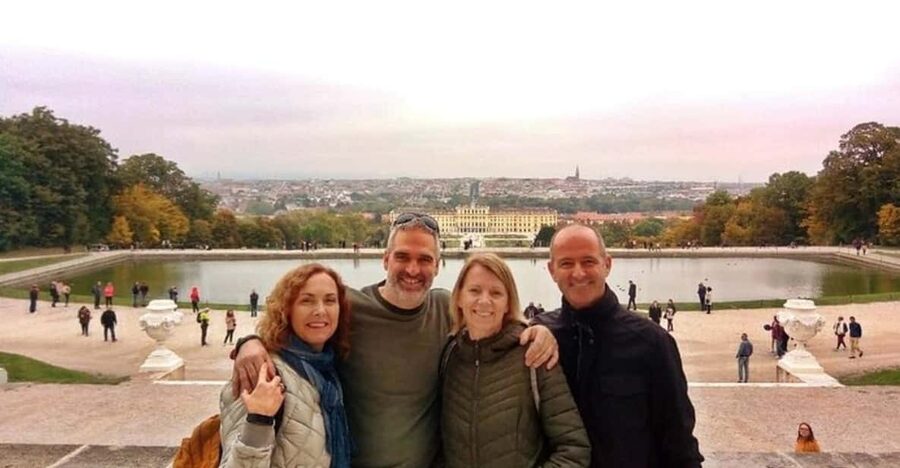
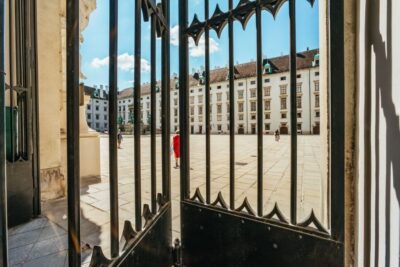
The tour includes Hofburg Palace, with a focus on anecdotes connected to the Habsburg dynasty and their imperial legacy. The Hofburg is the kind of site where it’s easy to think, okay, palace, then move on. A good guide changes that.
Instead of treating it like a single landmark, you start to see Hofburg as a system: power in architecture, power in ceremony, power in how the city supports institutions. This is also why it works well as a later stop. By the time you reach Hofburg, the Imperial Crypta story has already primed you to understand what you’re seeing.
Possible drawback: if you’ve already visited Hofburg before, you might find the tour’s time allocation feels brief. The upside is that you’ll get narrative context that you might not get if you were only scanning exhibits on your own.
What You Actually Get For $34, and Where It’s a Smart Value
At $34 per person for 2 hours, you’re paying for three things: a structured walking route, live interpretation in English (and French availability), and help booking tickets for visits you want to add.
Ticket help is a quietly useful perk. Many first-time visitors miss the difference between “seeing from outside” and “actually getting in.” You won’t get entry tickets included, but you do get assistance booking tickets for desired visits, which can save you stress later.
Also, this tour is rain or shine. That might sound negative, but it actually supports value. If your plans are flexible, you’re less likely to lose the whole experience to a weather change. Just bring the right shoes and layers, because you’ll still be walking.
Compared with doing the Old Town solo, you’re paying a premium for time and clarity. If you’re the type who wants to wander later with confidence, a guided start like this often pays off.
Group Tour vs Private Option, Choosing the Right Fit
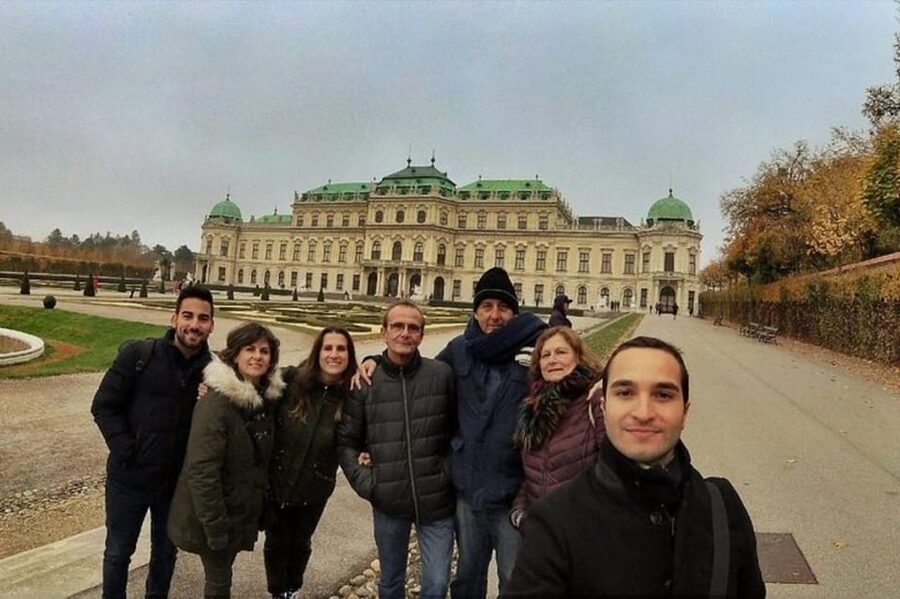
You can join a group tour or upgrade to a private option that can be customized. This is especially helpful if you have specific interests, like a heavier focus on imperial sites or a slower pace for photos.
In group format, the advantage is social energy and cost efficiency. In private format, you get the comfort of adjusting questions and pacing without worrying about holding others up. Based on the overall feedback for the guide’s professionalism and attentiveness, private can be a great choice if you want a more personal Q and A style.
One practical note: languages matter. The tour is offered with English speaking guidance and also in French. One review flagged that French was the only option in that case, so if you strongly prefer English or French, check availability for your exact date.
The Guide Experience, Why It Matters as Much as the Stops
The strongest praise centers on the guide. One review specifically named Martin and highlighted how professional he was, how he communicated clearly, and how he was attentive and responsive. That kind of performance is exactly what makes a 2-hour walking tour feel worth it, instead of like a rushed list of sights.
A guide who actively listens can also make your tour more practical. For example, you end up with recommendations for other things to do in the city, not only facts about what you’re passing. That difference is huge when you’re trying to plan efficiently.
As you walk, pay attention to how the guide uses the stops to explain context. When that clicks, you’ll feel like you’re understanding Vienna, not just checking boxes.
Practical Tips So You Enjoy Every Minute
You’ll be most comfortable if you prepare for walking. The tour is about two hours and includes guided sightseeing with several photo stops. Wear comfortable shoes, and dress for the weather since it runs rain or shine.
Here are the practical things I’d do before you go:
- Plan for a steady walk on city sidewalks.
- Bring a rain layer if there’s any chance of wet weather.
- Use this tour to get your bearings, then plan deeper visits on your own afterward.
Also, since entry tickets are not included, think about what you want to go inside. If you’re interested in spending more time in any landmark, ask the guide for ticket booking help so you can turn the tour’s guidance into actual visits.
Who Should Book This Vienna Old Town Walking Tour
This tour is a good match if you:
- Want a structured way to see major Old Town sights in 2 hours
- Prefer learning from a guide, especially about Habsburg context and key landmarks
- Like getting practical city advice, not only sightseeing facts
- Are open to a mix of quick stops and guided interpretation
It might be less ideal if you:
- Want a long, slow museum-style visit with lots of time inside each building
- Need fully flexible route timing, because it’s designed as a set walking experience
- Are sensitive to the idea of imperial burial themes, since the Imperial Crypta is part of the itinerary
Should You Book It?
If you’re trying to make Vienna feel manageable and meaningful on your first pass through the Old Town, I’d book this tour. The price is fair for a guided 2-hour walk, and the combination of major landmarks plus local explanations plus advice for what to do next is the real value.
Pick it with confidence if you want to walk away knowing what to prioritize, where to spend more time, and what stories matter as you keep exploring Vienna. If you’re expecting a half-day of deep time inside every site, you might feel slightly rushed. For everything else, it’s an efficient, very central way to see the city’s core with guidance you can actually use.
FAQ
How long is the Vienna Old Town Walking Tour?
The tour lasts 2 hours.
Where do I meet the guide?
Meet your guide at Albertinaplatz. Look for the guide with the green umbrella.
Is this tour available in languages other than English?
Yes. The tour is available in English and French.
What is included in the price?
An English-speaking guide, the walking tour, customizable private option, and help booking tickets for desired visits.
Are entry tickets included?
No. Entry tickets are not included.
Is the tour wheelchair accessible?
Yes, the tour is wheelchair accessible.
Just added to the bill for Vienna

Guided Walks in Vienna, compared.
Guided Walking Tour of City Center Highlights
Read our review →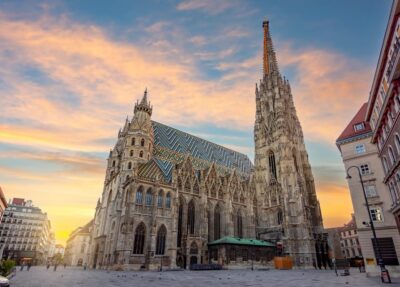
Guided Walking Tour of City Highlights & Hidden Gems
Read our review →
Vienna Historic Center Small Group Walking Tour
Read our review →
Ghosts and Legends Guided Nighttime Walking Tour
Read our review →Browse the lists this tour appears in