
REVIEW · GUIDED WALKS IN VIENNA
Vienna: Private Walking Tour
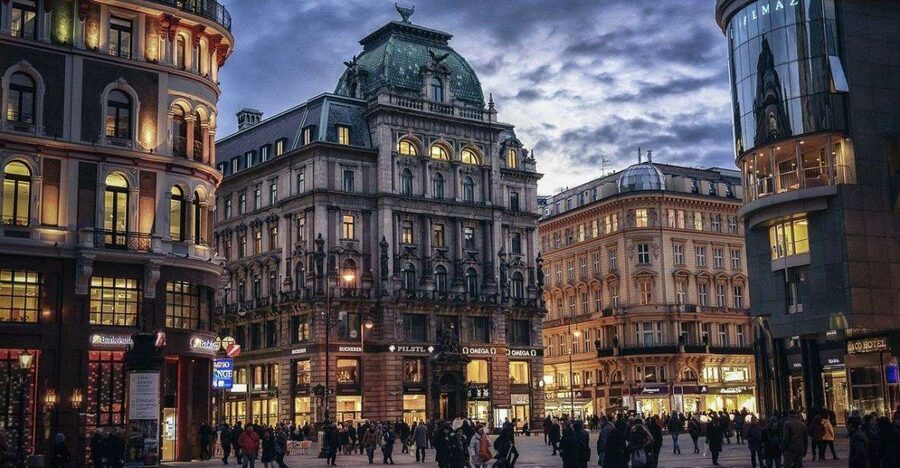
Vienna can feel like a time machine. This private walking tour strings together the city’s big eras, from Roman Vindobona through Habsburg rise, with major stops tied to music and politics. I especially like the focus on Habsburg power and the way it keeps famous landmarks from turning into random postcard stops.
What I love most is the pairing of imperial history with Vienna’s composer legacy. You’ll connect Wolfgang Amadeus Mozart, Josef Haydn, Ludwig van Beethoven, Franz Schubert, Johann Strauss (father and son), Johannes Brahms, and Gustav Mahler to real places like the State Opera House and the Mozart Monument. One possible drawback is that entrance fees are not included, so if you want to go inside multiple sights, plan for extra tickets.
For a 2 hour walk, it’s a lot of story per block. That makes it a great orientation, but you’ll want comfortable shoes, because this route covers many central landmarks in a short time.
In This Review
- Key highlights worth planning around
- Meeting Stephansplatz: getting bearings in 2 hours
- From Roman Vindobona to medieval walls: Vienna before the emperors
- Hofburg and the Habsburg rise: power you can point at
- Graben and Stephansdom: Richard the Lionheart to a Roman-Gothic skyline
- State Opera and Vienna’s music sites: Mozart to Mahler on real streets
- From the Ottoman Siege to World War I: why the stories twist
- Price and private-group value: who this is best for
- Who should book this Vienna walking tour
- Should you book it
- FAQ
- How long is the Vienna Private Walking Tour?
- Where is the meeting point?
- Is this a private group tour?
- What is the group size?
- What languages is the tour guide available in?
- Are entrance fees included in the price?
- Can the tour be customized?
- What sights and themes will we see?
- Is there free cancellation?
- Can I reserve now and pay later?
Key highlights worth planning around
- Roman Vindobona to Habsburg rise, told through the city center’s surviving traces
- Babenberg to Austro-Hungarian grandeur, with the “how we got here” logic kept simple
- State Opera House details including La Traviata, La Clemenza di Tito, and Verdi’s Don Carlo
- Emperor-linked churches and gates, like Michaelerkirche and the Michaelertor gate
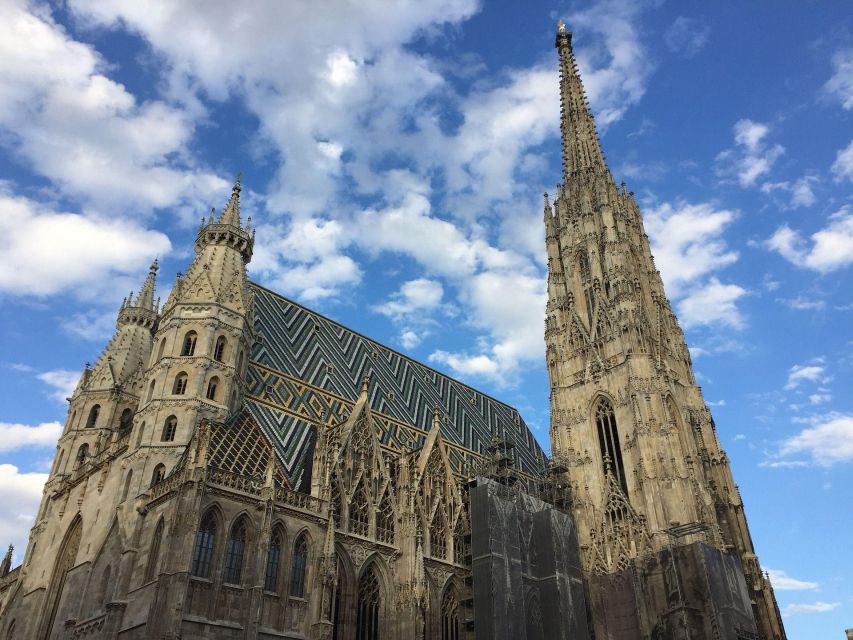
- Stephansplatz and Stephansdom, including why this cathedral towers over the skyline
Meeting Stephansplatz: getting bearings in 2 hours
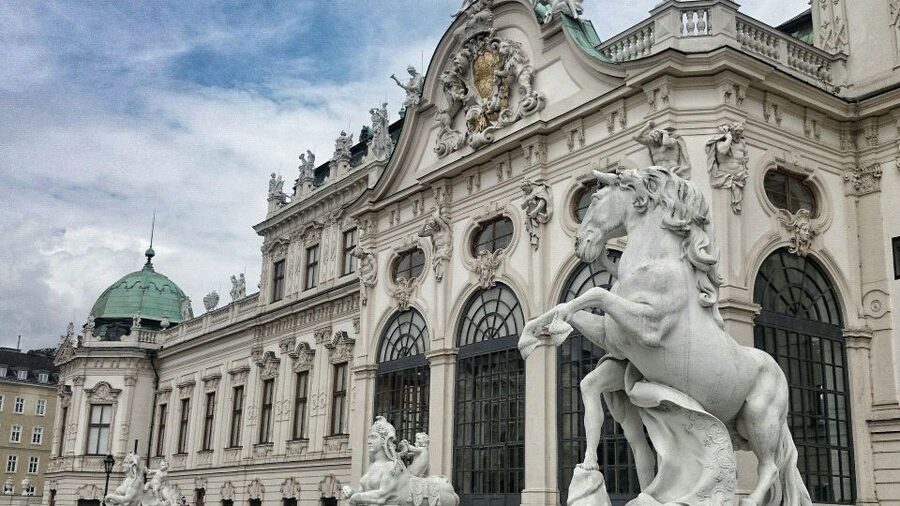
The tour meets at Stephansplatz 8A, right in Vienna’s best-known square. That’s smart. Stephansplatz puts you on the main stage of the city, so your 2 hours start with easy orientation and clear sightlines to major landmarks.
Because the tour is private, the pace is more flexible than a big group bus tour. It also means your guide can respond if your interest tilts more toward emperors, music, or the darker turning points in Europe’s 20th century. The guide is local and with your group only, which helps the conversation stay focused instead of racing to the next stop.
English and German are available, so you can expect the stories to be explained rather than just pointed at. If you’re short on time but want Vienna’s “big picture” in one walk, this format is built for you.
Practical note: this is a walking route with a lot to see from the outside. If you’re hoping for long interior museum time, you’ll likely need a separate ticketed plan.
More Guided Walks in Vienna
- Vienna: Guided Walking Tour of City Center Highlights
★ 4.7 · 4,989 reviews - Vienna: Vienna Central Cemetery Guided Walking Tour
★ 4.8 · 3,307 reviews - Vienna: Guided Walking Tour of City Highlights & Hidden Gems
★ 4.9 · 2,180 reviews - Vienna: Viennese Underworld Guided Walking Tour
★ 4.7 · 1,865 reviews
From Roman Vindobona to medieval walls: Vienna before the emperors
Vienna’s origin story starts with Roman Vindobona. The tour uses that anchor to make the city feel layered, not like a list of dates. You’ll see how the Roman past still shows up in the form of ruins in the center of the squares you walk through, plus hints of older defensive lines.
A great part of this approach is that it teaches you how cities evolve. Roman Vindobona is not just an old label. It’s a starting point for understanding why the center stayed the center, why routes matter, and why later powers kept building where people already lived and moved.
As the walk continues, medieval walls and remnants connected to older structures appear in the mix. Even when you are not going inside anything, you can still read the city through what remains: stones that survived, layouts that stayed useful, and landmarks that later dynasties repurposed or built around.
If you like history that feels physical and visible, this is a strong match. It helps you look at Vienna with a “why is this here?” mindset, instead of just admiring the style.
Hofburg and the Habsburg rise: power you can point at
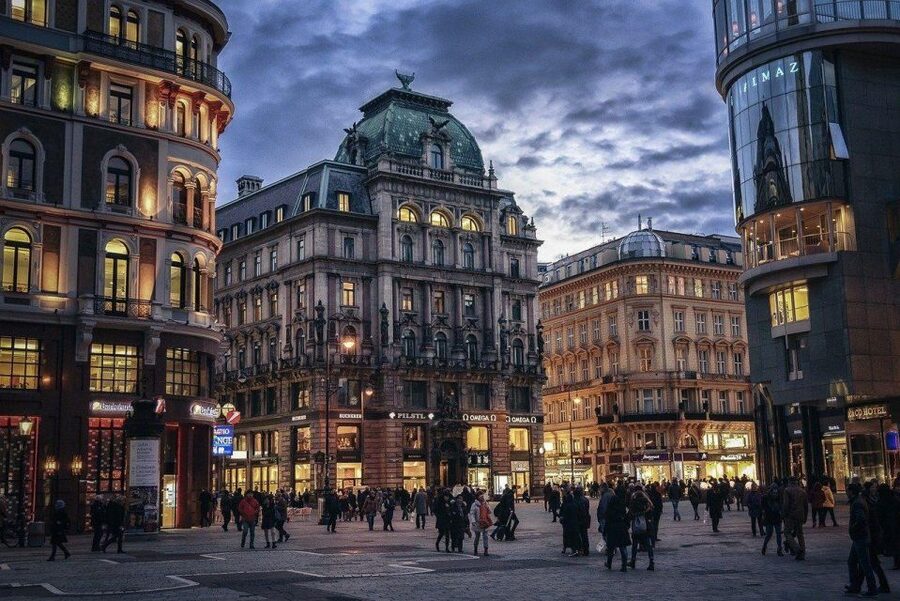
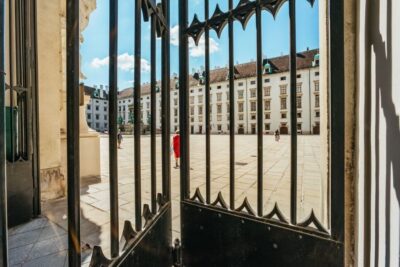
The Habsburgs are the spine of Vienna, and this tour makes that very practical. You’ll see the Hofburg and other surrounding imperial landmarks, with the story connecting Babenberg foundations to the monarchy’s rise and the later Austro-Hungarian grandeur.
The Hofburg matters because it represents more than one building. It reflects centuries of court power, administration, and symbolism. When you understand that, the grand facades stop being mere decoration and start acting like evidence of how the system worked.
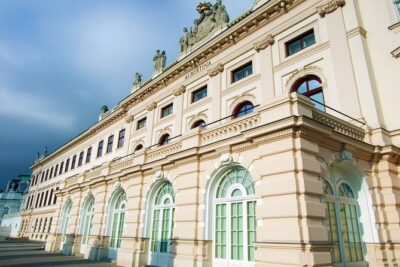
The tour also points you toward the museum-heavy area around major facades, including the Natural History Museum and the Art History Museum. Even if you do not enter, the exterior presence helps you see why Vienna became a center for culture and public life in the 19th and 20th centuries.
Then you get the religious and political connection. You’ll pass the Michaelertor gate and see the Church of St. Michael, or Michaelerkirche, described as the official church of the emperors for years. That’s the kind of detail that changes how you read the city. Vienna isn’t just art and music. It is also statecraft, ritual, and legitimacy.
Graben and Stephansdom: Richard the Lionheart to a Roman-Gothic skyline
The tour walks you through Der Graben, the Graben Street that dates back to the Roman Empire. That alone is a fun fact, but the better part is the link to Richard the Lionheart. You’ll learn that Richard Lionheart used this route to enter the city, which turns a street you might otherwise stroll past into a named historical corridor.
You also hit Peterskirche, St. Peter’s Church. The tour notes it has been since the 4th century, which is a reminder that Vienna’s center has been a long-term religious and civic anchor. These are the places where meaning stacks over time, not just architecture.
The grand finish of this arc is Stephansplatz and Vienna’s cathedral, Stephansdom. The tour describes Stephansdom as a Roman-Gothic masterpiece and one of the tallest churches in the world. Even if you only look from the square, it helps you understand why this place is such a magnetic meeting point for both locals and visitors.
If you want Vienna’s center to “click” quickly, this section does it. You see how the city’s oldest layers sit right beside the symbols of later authority.
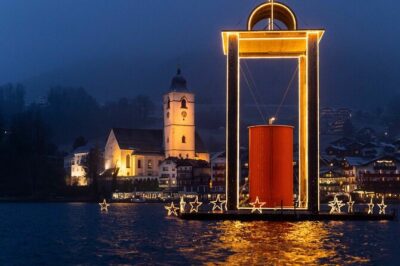
More of Austria on foot, bell tower to bell tower:
State Opera and Vienna’s music sites: Mozart to Mahler on real streets
Vienna’s musical reputation is huge, so you need a way to make it concrete. This tour does that by using landmarks tied to famous composers and the performance world.
You’ll see the State Opera House, with the description that it dates to the 1860s. The tour also names works associated with it, including La Traviata, La Clemenza di Tito, and Verdi’s Don Carlo. On top of that, it highlights famous conductors connected with the opera house, including Gustav Mahler, Herbert von Karajan, and Claudio Abbado.
This is where the tour’s value really shows. Instead of treating composers like trivia cards, it connects them to the institutions that helped make Vienna an international music capital. When you then stand near the Mozart Monument, you get a visual cue that matches the names you hear in concert programs.
The tour’s composer list is extensive: Wolfgang Amadeus Mozart, Josef Haydn, Ludwig van Beethoven, Franz Schubert, Johann Strauss (father and son), Johannes Brahms, and Gustav Mahler, among countless others. The point is not to memorize everything. It’s to understand that Vienna’s musical fame is tied to the city’s political and cultural engine, which the tour keeps referencing through the Habsburg era and beyond.
If you are a music lover, I think you’ll find this portion more useful than a museum-only plan. You learn why the music matters in context, then you can decide what to see inside later.
From the Ottoman Siege to World War I: why the stories twist
Vienna’s history has dramatic pressure points, and this walk includes them without turning into a textbook. You’ll learn about Richard the Lionheart, then move into the era that includes the Ottoman Siege of Vienna. Even with just a walk-by explanation, those references change the mood of the city center. You start thinking about defense, diplomacy, and the stakes behind the grandeur.
Then the tour shifts into the 19th and 20th century cultural boom. The guide links that growth to the city’s evolving identity and court influence, which helps explain why Vienna kept producing major composers and thinkers at a time when much of Europe was changing fast.
Finally, the tour addresses the complexities that led to World War I and how Austria transformed. That part is useful if you want more than pretty buildings. Vienna was not just an artistic stage. It was also a political crossroads where tensions built over time.
For me, the practical benefit is the mental map you leave with. You can look at Vienna’s monuments and understand what problems they were trying to solve, socially and politically, even if the solutions ended in major upheaval.
Price and private-group value: who this is best for
The price is $313 per group, up to 15 people, for a 2 hour private walk. That setup can be good value if you are traveling with friends, a small family, or a mixed-age group that would rather walk and talk than split up.
Here’s how I’d judge value for your trip: ask yourself whether you want a single focused guide to connect many eras into one route. If you’re the type who likes learning “the why” behind what you see, paying for a professional local guide is often worth it, even when you could theoretically read plaques on your own.
Also, this tour can be customized on the spot with your local guide. That matters because Vienna has multiple “versions” of itself: music-first, empire-first, or war-and-politics-first. Customizing lets you put more emphasis where your curiosity actually lives.
One more thing to remember: entrance fees are not included. So if your ideal Vienna day includes a lot of ticketed interiors, budget those separately. If your goal is orientation plus story, this tour fits neatly into a longer itinerary.
Who should book this Vienna walking tour
I think this private walking tour is a great match if you want:
- A fast overview of Vienna’s center, with the big historical timeline explained
- Music landmarks connected to composers and the opera world
- A private guide who can adapt your focus while you walk
It may be less ideal if you want deep museum time inside multiple institutions during the 2 hours, because this experience is structured around seeing key places and hearing the stories.
If you are visiting Vienna for the first time and want a clear framework before you wander on your own, this is the kind of grounding experience that makes the rest of the city easier to enjoy.
Should you book it
Book it if you want Vienna to make sense quickly: Roman roots, Habsburg power, opera culture, and the push toward modern upheaval, all stitched together while you walk through the exact streets that still hold the clues.
Skip it only if your plan is mostly ticketed interiors and long time in museums. This tour shines most when you treat the streets and façades as part of the story.
If you do book, do one small thing that makes it better: tell your guide what you care about most, then let them steer the balance between emperors, architecture, and music as you go.
FAQ
How long is the Vienna Private Walking Tour?
The tour lasts 2 hours.
Where is the meeting point?
You meet at Stephansplatz 8A, 1010 Wien, Austria.
Is this a private group tour?
Yes. It is described as a private group, with your local guide staying with your group only.
What is the group size?
The price is per group up to 15 people.
What languages is the tour guide available in?
The tour is offered in English and German.
Are entrance fees included in the price?
No. Entrance fees are not included.
Can the tour be customized?
Yes, the information says there is possible customizing on the spot with your local guide.
What sights and themes will we see?
You will cover Vienna’s roots from Roman Vindobona through the Habsburg rise, plus stops tied to the State Opera House, the Hofburg, Michaelerkirche, Graben Street, Peterskirche, and Stephansdom. The themes include Austro-Hungarian grandeur, the Ottoman Siege of Vienna, and the complexities leading to World War I.
Is there free cancellation?
Yes. There is free cancellation up to 24 hours in advance for a full refund.
Can I reserve now and pay later?
Yes. The activity offers reserve now & pay later, so you can book your spot and pay nothing today.
Just added to the bill for Vienna
Guided Walks in Vienna, compared.
Guided Walking Tour of City Center Highlights
Read our review →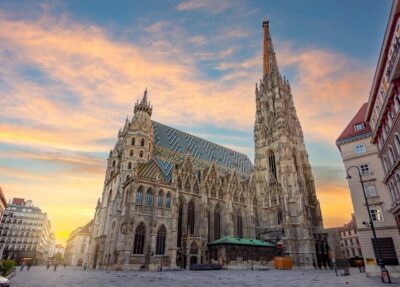
Guided Walking Tour of City Highlights & Hidden Gems
Read our review →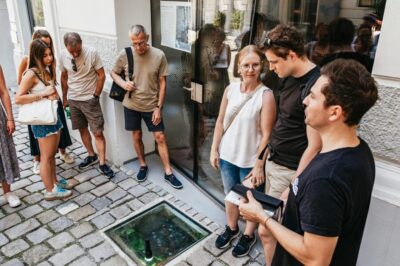
Vienna Historic Center Small Group Walking Tour
Read our review →
Ghosts and Legends Guided Nighttime Walking Tour
Read our review →Browse the lists this tour appears in