
REVIEW · GUIDED WALKS IN VIENNA
Vienna Secrets Walking Tour to Backyards and Mysterious Locations
One foot in the alleyways, one foot in history. This 2-hour walking tour turns Vienna’s backyards into a clear, fun route with local explanations and a few genuinely oddball stops. I like that it is short on time but still gives you context for what you are seeing, plus a guided walk that helps you get your bearings fast. One thing to consider, it is not a sit-down tour, and it is not recommended for kids aged 13 and under.
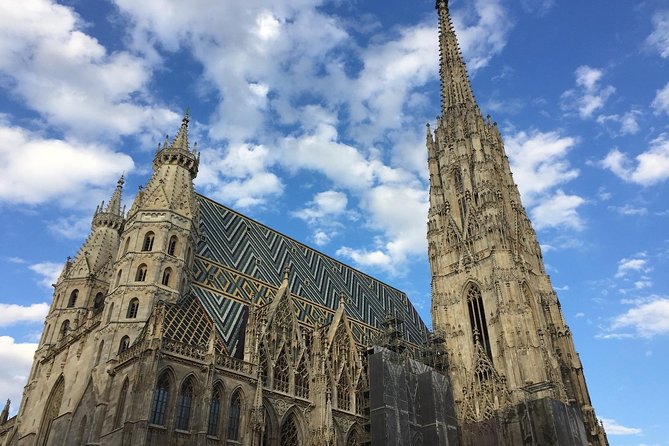
You start at Stephansplatz, right in the heart of the city, then wind through lesser-known streets like Ballgasse and courtyards tied to noble life and Mozart-era stories. The group stays small (max 15), and the tour is in English with a professional, certified guide. If you want only the big postcard sites, this might feel too “sideways,” but if you want Vienna’s quieter layers, it fits.
In This Review
- Key things to know before you go
- Following the city’s odd names: Stephansplatz to Ballgasse
- The Ball alley mystery (and why you should care)
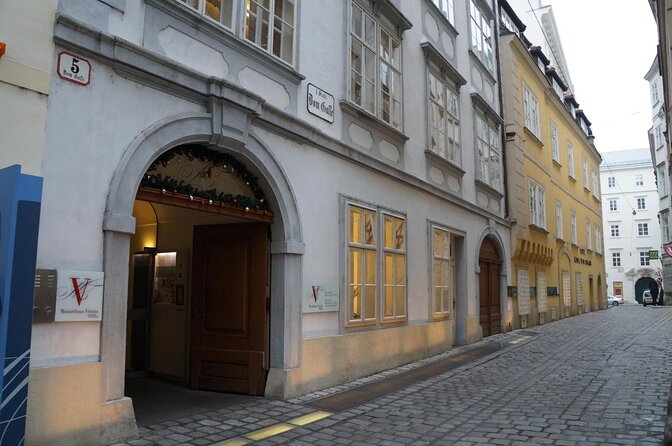
- Mozart’s exclusive residence story, and the millionaire twist
- Courtyards and noble life: how Vienna’s back doors used to work
- Franciscan Church façade viewing, plus that cat café stop
- The palace stop: Neupauer-Breuner Palace perspective
- Who the guides are and how that affects your day
- Price and value: why $36.04 can make sense
- Logistics that matter: start time, route flow, and comfort
- Should you book this Vienna Secrets walking tour?
Key things to know before you go
- A tight 2-hour route built around walking distance from Stephansplatz
- Ballgasse and Ball alley origins, including why the name stuck
- Mozart’s most exclusive residence angle, plus why he was called a millionaire
- Courtyards tied to how nobility lived, not just street-level sightseeing
- Franciscan Church exterior focus paired with other offbeat stops, including a cat café
Following the city’s odd names: Stephansplatz to Ballgasse
Most Vienna walks start at the famous bits and then drift outward. This one does something smarter. You begin at Lindt Chocolate Boutique, Stephansplatz 8A (1010 Wien), which places you near the city center and makes the whole thing easy to follow even if you are jet-lagged. The vibe is not rushed, but it is efficient. In about two hours, you get a route that explains how Vienna thinks, not just what it looks like.
Stephansplatz also gives you an anchor point. If your day includes a lot of church stepping and museum hopping, this tour helps you build a mental map quickly. That matters because Vienna can feel orderly until you hit the maze of side streets. A guided walk through the center’s quieter edges helps you understand the logic of where streets go and why certain areas feel “separate” from the main streets.
More Guided Walks in Vienna
- Vienna: Guided Walking Tour of City Center Highlights
★ 4.7 · 4,989 reviews - Vienna: Vienna Central Cemetery Guided Walking Tour
★ 4.8 · 3,307 reviews - Vienna: Guided Walking Tour of City Highlights & Hidden Gems
★ 4.9 · 2,180 reviews - Vienna: Viennese Underworld Guided Walking Tour
★ 4.7 · 1,865 reviews
The Ball alley mystery (and why you should care)
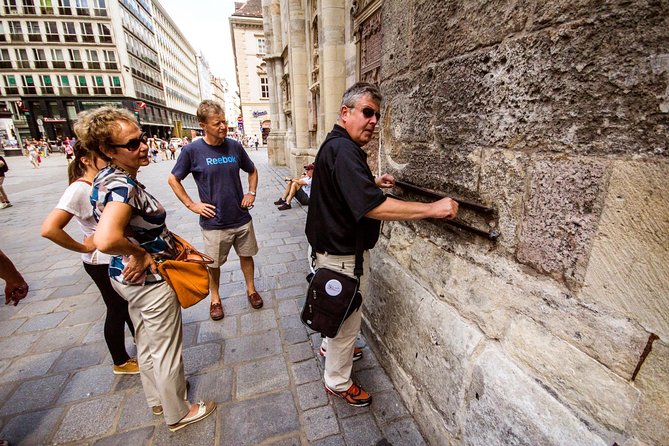
Early on, you get the answer for why an alley is called Ball alley. That might sound like a trivia detour, but it is actually a useful way to learn how Vienna’s street names work. Names often reflect local history, occupations, old landmarks, or old property owners. When you understand the naming pattern, the city becomes easier to read on your own later.
You also pass Ballgasse, where you hear the street name story again with more context. The practical payoff is that you will stop seeing these names as random words on street signs. You start connecting them to buildings, courtyards, and the life that used to happen behind the facades.
One nice bonus here is tone. The tour does not treat history like homework. It uses the alley names as a door. Once the door is open, the guide can point out details you would normally miss, like how passageways and narrow streets can lead you straight into the parts of Vienna that do not show up on quick photos.
Mozart’s exclusive residence story, and the millionaire twist
At some point in the walk, you see Mozart’s most exclusive residence and you learn why the composer was described as a millionaire. That kind of framing is a clever way to reset how people think about Mozart. A lot of visitors arrive with a basic “composer genius” story. This adds money, status, and daily reality.
Why does that matter to your experience? Because it connects the grand cultural image to the social system around him. Vienna was not just a stage for artists. It was a city of households, patrons, and rank. When you understand the social world, you read buildings differently. You start imagining who could afford which doors, which courtyards, and which kinds of views.
If you like Mozart facts but also like context, this stop is likely to be one of the more memorable moments. It also helps the tour feel more than cosmetic sightseeing. You are not just looking at a facade. You are learning how the location fit into a bigger picture.
Courtyards and noble life: how Vienna’s back doors used to work
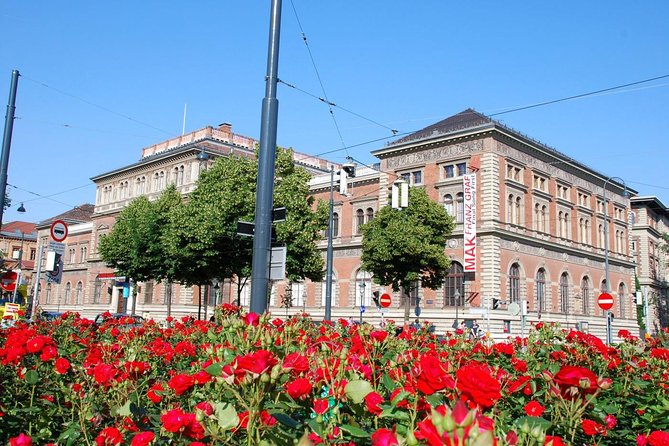
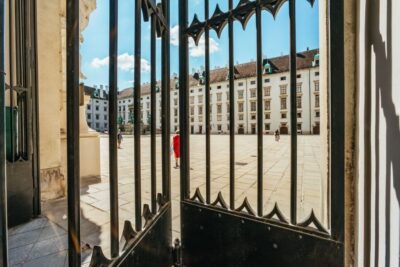
This is one of the biggest reasons to pick this specific walk: you learn how the nobility once lived, and then you stroll through beautiful courtyards. Courtyards are where you see the contrast between Vienna’s public and private faces. From street level, many buildings look formal and closed. In the courtyard, you get a sense of how daily life actually ran.
Courtyards also reward your senses. You can hear the quieter soundscape, see how light moves differently than on the main road, and notice architectural details that you will never pick up from a bus window. For me, the value is that this part gives you a way to slow down without losing time. You are still in motion, but you are looking at scale, not just landmarks.
A small caution: courtyards are not always flat or perfectly accessible, and you should plan on a solid walking pace. The tour asks for moderate physical fitness, so bring comfortable shoes. If your plan includes other stairs and long museum lines that day, consider leaving this walk for a moment when you feel fresh.
More of Austria on foot, bell tower to bell tower:

Franciscan Church façade viewing, plus that cat café stop
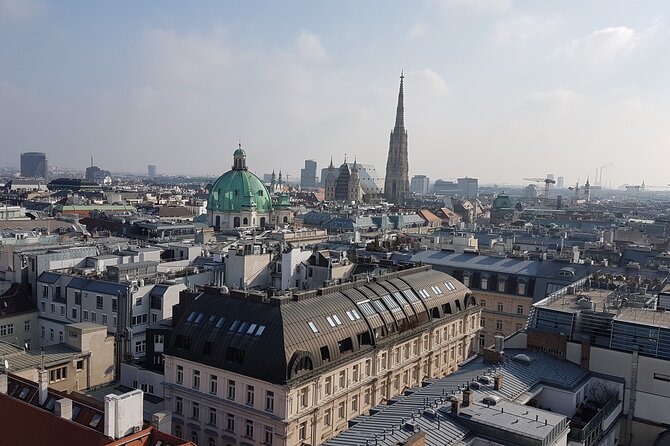
You admire the façade of the Franciscan Church as you pass Ballgasse, and the timing matters. Seeing church exteriors from the side streets gives you a different impression than when you view them head-on from a main plaza. You notice proportions, textures, and the way the building interacts with surrounding streets.
Then, you get a stop connected to a cat café. This is one of those “only Vienna” moments that makes the tour feel alive. It breaks up the historical focus without changing the walking rhythm. If you want a tour that mixes stories from different time periods with present-day city personality, this works well.
Again, the practical win is that the cat café and church moments give you visual variety. You are not staring at one type of stone and one type of doorway for two hours. You also get a feel for how Vienna’s modern quirks sit right beside older architecture.
The palace stop: Neupauer-Breuner Palace perspective
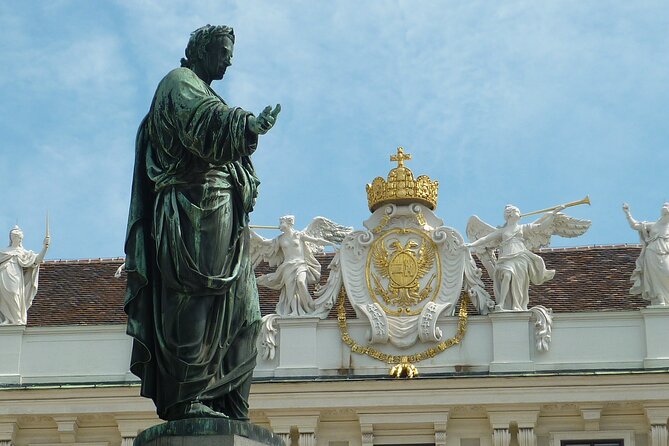
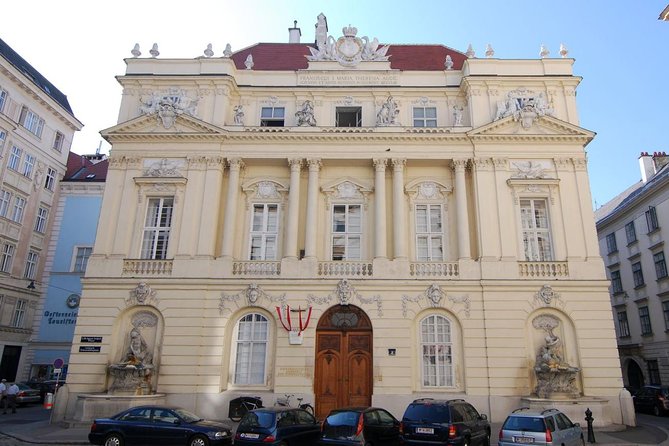
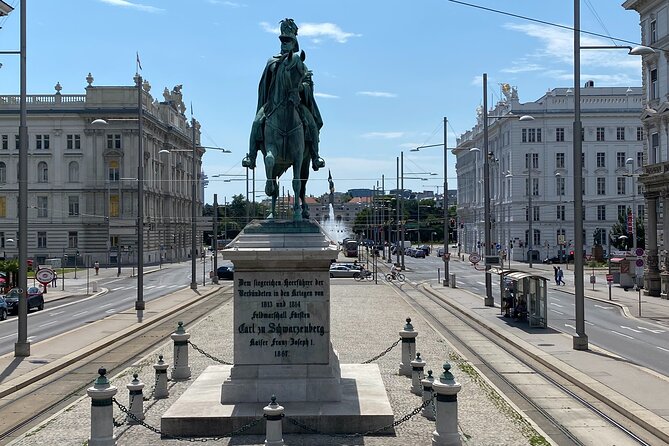
The highlights include Neupauer-Breuner Palace, and this part fits the tour’s overall theme perfectly. Palaces in Vienna are often talked about as grand exteriors, but the real story is usually the space around them: courtyards, passageways, and the layers of “who belonged here.”
If you are the type who enjoys noticing gates, windows, and how buildings face inward, you will likely appreciate this stop. It reinforces the courtyard theme you already learned about, so it does not feel like a random add-on. It feels like a chapter in the same book.
Who the guides are and how that affects your day
This tour is run by Viennatour, Herbert Stojaspal, and you are led by a professional local and certified tourist guide. From what I can tell in the guide style, they focus on details, not just dates. If you have ever finished a guided walk thinking, “I saw things, but I did not really understand them,” this one aims to avoid that.
English delivery is a real selling point here. The tour is offered in English, and the guide communication is clear enough for non-native speakers. That matters if you want to ask quick follow-up questions or if you process information better when it is spoken simply and directly.
Also, the guide approach sounds personable. Names you may hear include Herbert and Dorothea, which suggests they care about giving the tour a human feel instead of reading from a script.
Price and value: why $36.04 can make sense
At $36.04 per person for about two hours, the price can look small compared with day-long tours. But the value comes from what you get per minute. You are not just buying walking time. You are paying for a guide to connect street names, courtyards, and building stories into something you can remember later.
This tour is also a good fit for visitors who are trying to do Vienna efficiently. You get city center context from Stephansplatz, plus offbeat stops that help you avoid the “I saw three churches and forgot the rest” feeling. In a city where many things are spaced out, the fact that everything stays close together helps keep the experience tight and focused.
You should also factor in the small group size, max 15 travelers. Even if you do not care about crowd levels, small groups generally mean less time waiting around. That translates into a smoother pace and more chances to hear explanations clearly.
Logistics that matter: start time, route flow, and comfort
The tour starts at 12:00 pm. Meeting point is Lindt Chocolate Boutique at Stephansplatz 8A. It ends at Dr.-Karl-Lueger-Platz 3, and that end point is near subway station U3.
That is helpful when you are building the rest of your day. You can plan lunch before or after without adding a long transfer. It also helps you keep your energy for other sights, since you do not have to arrange a separate ride at the end.
The tour uses a mobile ticket, so you can keep things simple on your phone. Also, the experience is near public transportation, which makes it easier to adjust if your morning schedule shifts.
One more practical point: it is not recommended for child aged 13 and under. That usually means the stories and walking style are geared toward adults and teens.
Should you book this Vienna Secrets walking tour?
Book it if you want:
- A quick, guided walk that helps you understand Vienna’s layout from Stephansplatz
- Offbeat sights like courtyards, street-name stories (Ball alley, Ballgasse), and the Franciscan Church façade
- A guide-led explanation of Mozart’s connection and the social angle behind “millionaire” framing
- A tour that feels like Vienna at human scale, not a checklist
Skip it (or consider another option) if:
- You only want the biggest, most famous attractions in Vienna
- You dislike walking and would rather sit through your sights
- You are traveling with younger kids who may not fit the tour’s style
If your goal is to see Vienna beyond the main drag, this one is a strong pick. It is short enough to work on busy days, and it gives you details that make the city feel less like a postcard collection and more like a place with secrets in the corners.
Just added to the bill for Vienna

Guided Walks in Vienna, compared.
Guided Walking Tour of City Center Highlights
Read our review →
Guided Walking Tour of City Highlights & Hidden Gems
Read our review →
Vienna Historic Center Small Group Walking Tour
Read our review →
Ghosts and Legends Guided Nighttime Walking Tour
Read our review →Browse the lists this tour appears in