
REVIEW · GUIDED WALKS IN VIENNA
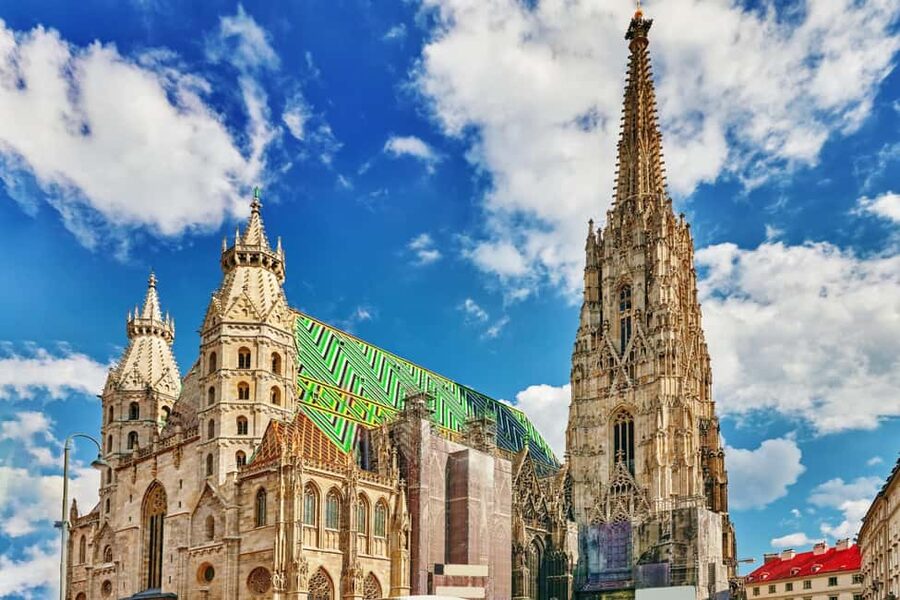
Vienna Walking Tour, Hofburg Palace, St Stephen’s Cathedral
Vienna looks like a dream. This guided walk turns that postcard feeling into real understanding, fast. You get a tight 2-hour loop of major landmarks around the imperial center, with a guide who connects the buildings to stories you can actually picture. I particularly like the small-group setup (up to 25) because you can ask questions without feeling rushed.
Two things I really love: first, you stop at the landmarks that define Vienna’s power and faith, without needing to buy several separate tickets just to see them from the outside. Second, St Peter’s Church and the exterior of St Stephen’s Cathedral are built into the route so you end with something unforgettable, and you can keep exploring after the tour. One drawback to think about: tickets for places like the Hofburg, Vienna State Opera, and the Spanish Riding School are not included, so you’ll still have decision points on what to book next.
In This Review
- Key highlights in a nutshell
- How the 2-hour Vienna walking route keeps you moving (without feeling frantic)
- Herbert-von-Karajan-Platz, then Vienna State Opera from the sidewalk
- Albertina’s exterior and the “art museum without buying in” strategy
- Augustinerkirche: imperial weddings and quiet gravitas
- The Austrian National Library and the visual power of Baroque
- Empress Elisabeth at the Sisi Museum stop, without rushing the story
- Hofburg and Heldenplatz: where you feel the Habsburg center in your legs
- Imperial Treasury: the crown-jewel vibe, told before you decide to enter
- Spanish Riding School: white stallions without the ticket pressure
- Michaelerplatz and St Michael’s Church: Roman to medieval to imperial clues
- Kohlmarkt and the Historic Center of Vienna: shopping street, UNESCO core
- Column of Pest and St Peter’s Church entry: why Baroque gratitude still feels human
- Ending outside St Stephen’s Cathedral: exterior magic plus a clear plan for inside
- What this tour is actually worth for the price
- The guide quality is the real differentiator
- A few things to watch so you do not lose time
- Should you book this Vienna highlights walk?
Key highlights in a nutshell
- Imperial core in one walk: Hofburg, Heldenplatz, and the Imperial Treasury area, focused and practical
- Church stops that actually matter: St Peter’s Church is included for entry, and St Stephen’s is your guided finale
- You see more than you pay for: big sights from the outside, with guidance on what to notice
- Historic layers of Vienna: Roman-to-imperial clues at Michaelerplatz
- Hands-on guidance for next steps: smart tips for how to visit Hofburg, the Opera, and the Riding School
How the 2-hour Vienna walking route keeps you moving (without feeling frantic)
This tour is designed for a smooth, fast orientation. It lasts about 2 hours and packs roughly 15 stops into a manageable pace, with most locations getting a short, focused look. You’ll start at Herbert-von-Karajan-Platz, meet your licensed guide, and then walk through the historic center on foot.
Because there’s no luggage storage, plan like a light packer. Wear comfortable shoes and keep bags minimal. The tour runs in any weather (rain or shine), so you’ll want to dress for walking, not for sitting.
The group size is capped at 1 to 25, and that shows. Guides can slow down for questions and tailor the flow when people ask things that matter to them. You’ll also get commentary in one selected language, so when you book, double-check your language choice carefully.
More Guided Walks in Vienna
- Vienna: Guided Walking Tour of City Center Highlights
★ 4.7 · 4,989 reviews - Vienna: Vienna Central Cemetery Guided Walking Tour
★ 4.8 · 3,307 reviews - Vienna: Guided Walking Tour of City Highlights & Hidden Gems
★ 4.9 · 2,180 reviews - Vienna: Viennese Underworld Guided Walking Tour
★ 4.7 · 1,865 reviews
Herbert-von-Karajan-Platz, then Vienna State Opera from the sidewalk
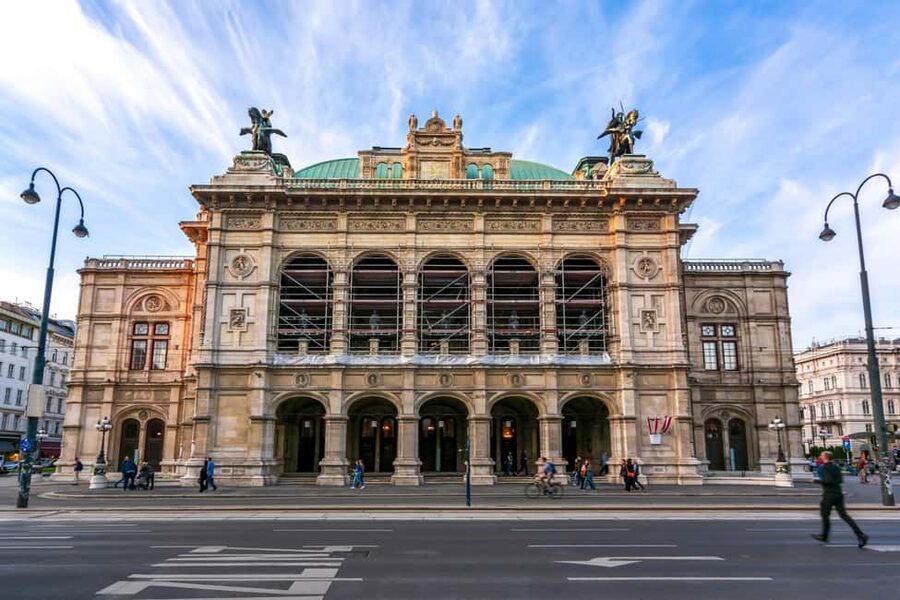
Your first proper “wow” comes almost immediately. Herbert-von-Karajan-Platz is an excellent meeting spot because it’s tied to Vienna’s musical identity, and it sets a tone that fits what comes next.
From there, you get a quick but meaningful look at the Vienna State Opera. You won’t go inside on this walk, but a guide can still make it click. The building becomes more than pretty architecture when you hear how it fits Vienna’s imperial image and legendary performance culture. If you care about classical music at all, this stop is a great warm-up before you decide whether you want an Opera ticket later.
A similar “no ticket needed” style continues with other highlights: exterior views, key details to watch for, and the story behind what you’re seeing.
Albertina’s exterior and the “art museum without buying in” strategy
Next up is Albertina, a former palace turned into one of Vienna’s art destinations. The value here is the training in looking. Even from outside, the guide’s pointing helps you notice the building’s role and evolution, so it’s easier to decide if you want to pay for an interior visit later.
This is a smart format if you’re trying to balance time. Vienna has a lot of indoor attractions, and not all of them are worth rushing. The tour gives you context first, then helps you choose what you’ll actually pursue on your own.
It also keeps the walk efficient. Many stops are around 5 minutes, which is short, but it forces the guide to focus on what you need to remember.
Augustinerkirche: imperial weddings and quiet gravitas

At Augustinerkirche, the mood shifts slightly. This is one of those churches where the architecture feels dignified and still. The guide’s focus is on Vienna’s imperial connections, including the idea of sacred spaces tied to major royal life events.
One practical reason I like this stop: it’s easy to underestimate a church when you only have one hour to spare. Having a guide give you the “what to look for” angle turns a quick exterior-to-interior moment into something you’ll still feel later.
Even if you don’t enter, the story framing makes the building more legible. And if you do plan a future church visit, this helps you learn how Vienna’s religious and political worlds overlap.
More of Austria on foot, bell tower to bell tower:
The Austrian National Library and the visual power of Baroque
Then comes the Austrian National Library, famous for its grand Baroque look. You get a chance to “read” the building like a text, not just a photo. Golden architectural details and the scale of the façade make it clear why libraries in Europe often functioned as cultural centers, not just storage for books.
Again, you’re not paying an extra admission here. But you are paying with time and attention, which is often the better bargain in big cities. When you later see the interior of a major library in another context, your brain will already have a framework.
The tour is also useful for people who want culture that doesn’t require a schedule puzzle. You’re in one area, walking steadily, and the stops stack into a coherent theme.
Empress Elisabeth at the Sisi Museum stop, without rushing the story
The Sisi Museum stop is outside the museum. That might sound like less value, but it works well as a “character introduction.” Empress Elisabeth is one of the most recognizable figures tied to Austria’s royal era, and this stop gives you the basics so you understand why people keep returning to her story.
I like exterior stops here because they reduce decision fatigue. If you’re not sure you want to commit to another ticket, you can take the context now and decide later. If you do want the museum, you’ll know what emotional thread you’re buying into.
Hofburg and Heldenplatz: where you feel the Habsburg center in your legs
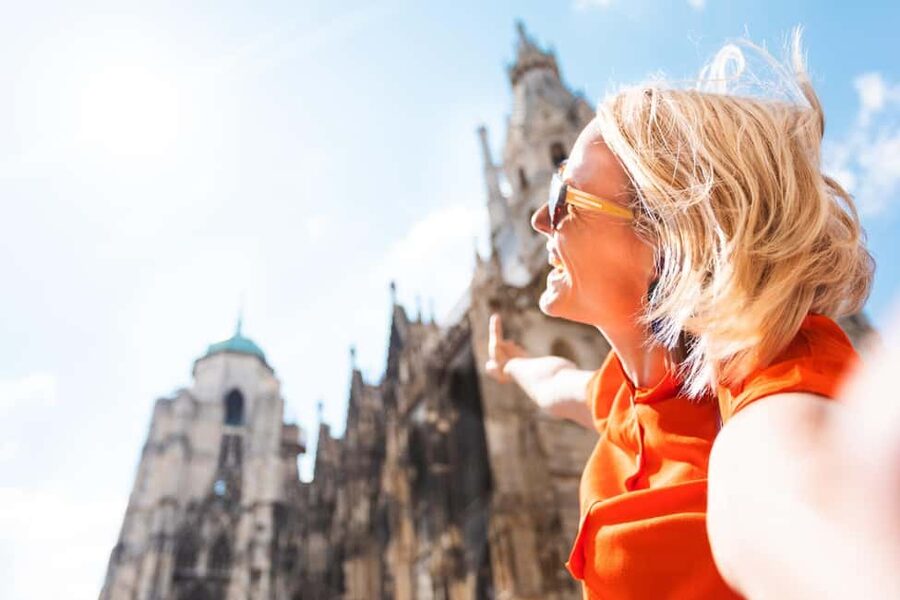
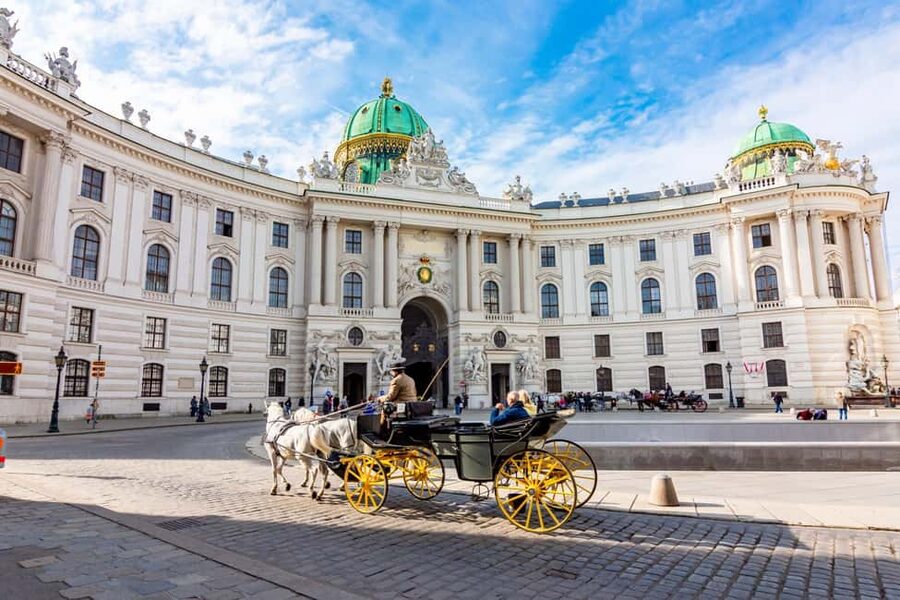
This is the longer highlight, and it deserves it. The tour gives you a 20-minute stop at Hofburg, the former seat of the Habsburgs. From the courtyards and façades, the guide brings the place to life with stories about emperors and empresses, and you get a chance for royal-style photos.
Hofburg is also one of the biggest “next steps” areas in Vienna. Since Hofburg Palace entry is not included, the value of the guided stop becomes obvious: you can look, learn, then decide whether you’ll buy the ticket. If you’ve never been, you’ll leave with a clearer sense of what you care about inside.
Right after Hofburg you reach Heldenplatz (Heroes’ Square). This stop gives you the political symbolism side of the city, framed by dramatic architecture and open space. It’s a good balance point after the Palace area because the square feels like a visual breath before you go back into more detail.
Imperial Treasury: the crown-jewel vibe, told before you decide to enter

The Imperial Treasury stop keeps the same approach. You stand at the entrance area and the guide explains what you can expect inside, even though you’re not going in as part of the tour.
I find this method useful because it changes how you plan your day. If you only ever see treasuries from outside, you might wonder if it’s worth it. Hearing about crown jewels and sacred relics before you pay makes the decision feel simpler and more intentional.
Spanish Riding School: white stallions without the ticket pressure
The Spanish Riding School is another exterior-focused stop. You learn about the Lipizzaner tradition and the long equestrian culture behind those performances. Tickets are not included on the tour, but the guide’s tips help you connect the reputation to the place itself.
This is a great stop if you like traditions that have survived through multiple eras. It also helps you avoid a common mistake: booking a show without knowing what you’re actually going to see and why it matters.
Michaelerplatz and St Michael’s Church: Roman to medieval to imperial clues
At Michaelerplatz, the guide pulls you across time. You’ll hear how the area connects Roman, medieval, and imperial Vienna. Even with a short stop, this kind of historical layering makes Vienna feel less like a sequence of disconnected postcards.
Next is St. Michael’s Church, with Gothic character and imperial links. The guide also mentions its crypt and ties to classical concerts, which helps you understand why locals treat these buildings as living parts of cultural life, not only museum pieces.
One small drawback of short stops is that you can’t linger. If you’re someone who wants to soak up every detail yourself, you’ll still enjoy the narrative, but you may want to schedule extra time for the churches you liked most.
Kohlmarkt and the Historic Center of Vienna: shopping street, UNESCO core
Then you walk Kohlmarkt, a refined street that once served court purveyors. The guide’s framing turns it into more than a retail strip. You start seeing how luxury and imperial power shaped everyday movement in the city.
A bit later you reach the Historic Center of Vienna, a UNESCO World Heritage area. This portion is about walking through architectural layers and looking for hidden courtyards and alleys. The stop is short, but it gives you an instinct for where to slow down after the tour.
This is where the walk becomes practical for your whole trip. You learn the “feel” of the center, which helps when you’re navigating later without a guide.
Column of Pest and St Peter’s Church entry: why Baroque gratitude still feels human
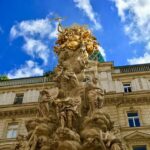
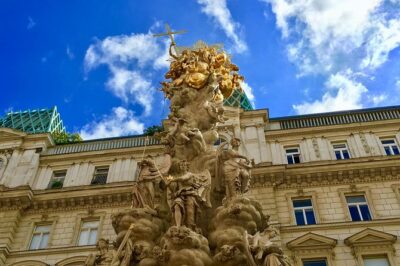
At the Column of Pest, you see a Baroque monument connected to Vienna’s survival during the 1679 plague. This stop matters because it reframes what monuments are. They are not just decoration. They are emotional records of fear, survival, and faith.
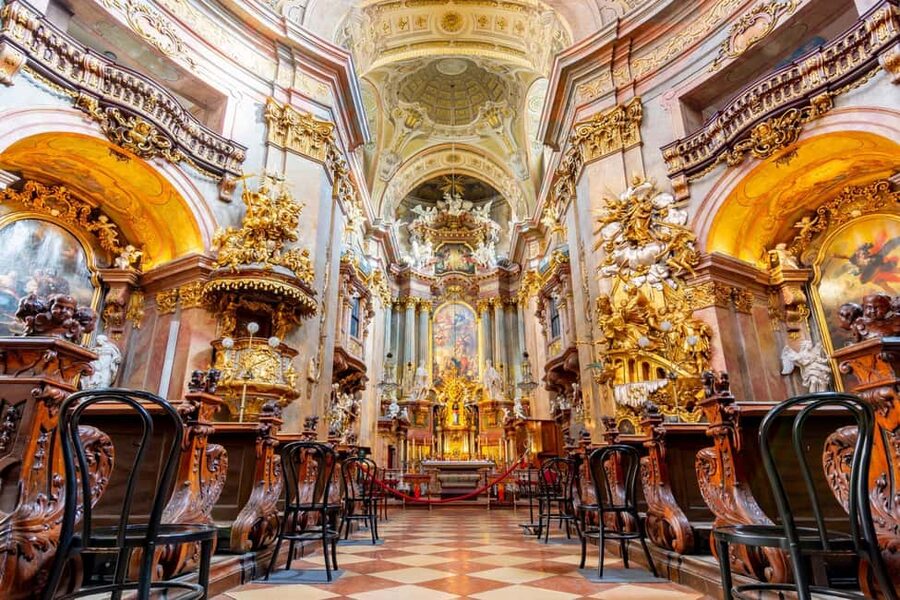
Then you get something you can step into: St Peter’s Church. The tour includes entry, and it’s a strong finale mid-route. You’ll be guided toward the opulent Baroque interior, with frescoes and gilded altars, and you also get a sense of why the church has a peaceful reputation even when you’re in the center of activity.
From a value standpoint, this is one of the best benefits of the tour. Entry to St Peter’s is included, so you get both guidance and a paid experience without having to add another ticket to your day.
Ending outside St Stephen’s Cathedral: exterior magic plus a clear plan for inside
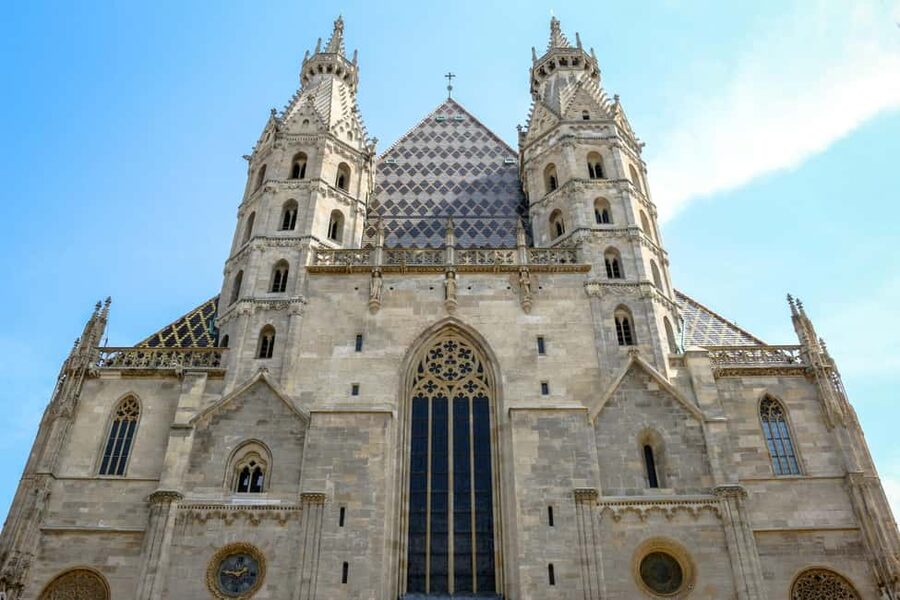
The tour finishes at St. Stephen’s Cathedral. You won’t be doing a full paid entry tour as part of this walk, but you do get free access to most parts of the cathedral, and the guide will tell you what to look for inside.
This is a big deal: you’re not left staring at the outside and hoping it was enough. You get orientation, then you can choose how much time to spend after the tour. St Stephen’s is one of those places where your experience improves dramatically when you know what details matter, like the spires and stonework the guide highlights.
If you want a smooth end to your day, this structure helps. You’re already in the right spot, you know what to focus on, and you can return later for photos or a deeper look when you have energy.
What this tour is actually worth for the price
At $27.79 per person, this walk is a good value when you treat it as a “map with stories,” not as a list of museum entries. A lot of the biggest names you see in the imperial area are included in the sense that you learn what to notice and how they connect, even when you do not enter.
You also get two paid experiences from the outside-in approach: free entry to St Peter’s Church and guided help for the cathedral’s free-access areas. Add the structure of a licensed guide, a tight 2-hour schedule, and stops that are mostly practical for first-timers, and the math usually works out.
It’s also reasonably priced compared to doing multiple separate guided tickets in the same area. If you want the chance to do Hofburg Palace, the Opera, or Spanish Riding School later, this tour can help you avoid buying the wrong thing at the wrong time.
The guide quality is the real differentiator
The strongest theme across guide feedback is how engaging and responsive they are. Names like Volker, Janka, Elmo, Nicole, Martina, Anna, Harald, Jose, and Antonio come up again and again, and the consistent pattern is easy, lively explanations plus time for questions.
One reason that matters: Vienna’s landmarks can feel like they’re repeating the same imperial aesthetic. A strong guide helps you sort what’s different, what mattered, and what you should photograph first. It’s not just dates, it’s meaning.
You’ll also see how guides can tailor the pace. Some tours are effectively intimate when the group is small, which makes the 2-hour format feel even more personal. If you get a guide who answers your questions and keeps the flow comfortable, this walk becomes a great first day activity.
A few things to watch so you do not lose time
Not every experience goes perfectly. There are occasional issues tied to meeting logistics, like difficulty locating the address or not getting a timely response. Language mismatches have also been reported in cases where the booked language did not match what happened at the meeting point.
To protect yourself, do these simple steps:
- Confirm your selected language carefully at booking.
- Arrive around 10 minutes early so you’re not stuck when the group leaves on time.
- Use the meeting point address exactly as given, not a nearby landmark.
This doesn’t mean the tour is unreliable. It just means a city this central rewards punctuality and clarity.
Should you book this Vienna highlights walk?
I think you should book it if you want a fast, guided introduction to Vienna’s imperial core, especially if Hofburg and St Stephen’s Cathedral are on your must-see list. It’s ideal for your first trip, or anytime you feel like you need a clean orientation day.
Skip it if you already know Vienna’s history well and you prefer long museum time over short stops. This walk is built for movement, so if you want a deep interior experience at every stop, you’ll likely want separate tickets and more time on your own.
If your goal is to get your bearings fast, learn what to look for, and leave with a smart plan for the attractions that require tickets, this 2-hour route is a strong choice.
Just added to the bill for Vienna
Guided Walks in Vienna, compared.
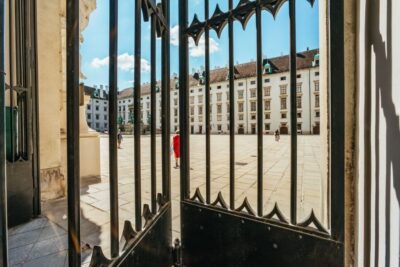
Guided Walking Tour of City Center Highlights
Read our review →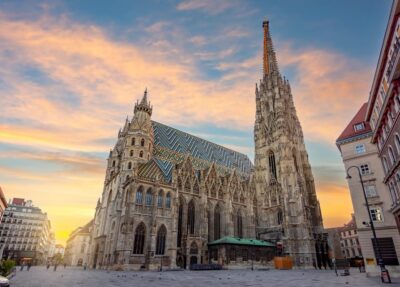
Guided Walking Tour of City Highlights & Hidden Gems
Read our review →
Vienna Historic Center Small Group Walking Tour
Read our review →
Ghosts and Legends Guided Nighttime Walking Tour
Read our review →Browse the lists this tour appears in