
REVIEW · MUSEUMS
Admission Pass to The Roman Quarter and the Museum Carnuntinum
Roman life gets rebuilt in plain sight. The Roman Quarter lets you walk among reconstructed, functioning Roman houses and a Roman bathhouse, and the Carnuntinum Museum brings 2,000 years of finds into focus. If you dislike the vibe of seasonal reenactment-style events, the site can feel a bit more theatrical in summer.
I like that this pass is focused and efficient. You can enjoy the Roman Quarter for about 1 hour 20 minutes, then move to the museum for around 1 hour, all within an overall visit time of about 3 hours, at opening hours from 9:00 AM to 5:00 PM during the season. You’re also getting value for money: the tour price is $16.21 per person, and both parts list admission ticket free.
One more thing to plan around: the site has outdoor areas and separate areas to explore, and there’s mention of a shuttle bus at weekends during the season. If you rely on walking long distances, build in a little extra time or check how the shuttle is running when you go.
In This Review
- Key highlights to clock before you go
- Why Carnuntum’s Roman Quarter works so well
- Inside the Roman City Carnuntum: houses, public life, and rooms you can read
- The Roman Therme and the water-focused Roman mindset
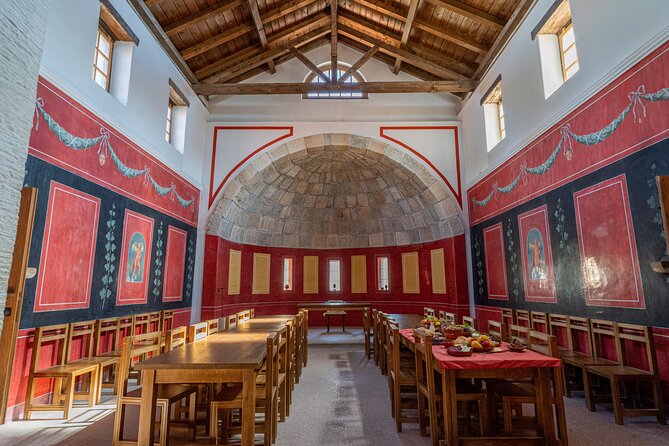
- Villa urbana and the murals that do the storytelling
- The bustling oil merchant’s house: trade made visible
- House of Lucius and the garden feel
- Museum Carnuntinum: Roman artifacts and the Danube Limes story
- A note on the museum vibe
- How to pace your 3 hours at Carnuntum
- Distances and the weekend shuttle bus
- What you’ll likely enjoy most, and what could annoy you
- Food, breaks, and family-friendly stops at the Roman Quarter
- Price and value: what $16.21 gets you here
- Who should book this Roman Quarter and Carnuntinum Museum pass
- Should you book this pass?
- FAQ
- How long does the Roman Quarter and Carnuntinum Museum visit take?
- What does the admission pass include?
- Are guided tours included?
- How much does the pass cost?
- When is it open?
- Is admission free for the Roman Quarter and the museum?
- Is there a way to get between areas if distances are tiring?
- Are service animals allowed?
- Is the site near public transportation?
- Can most travelers participate?
- What is the cancellation policy?
Key highlights to clock before you go
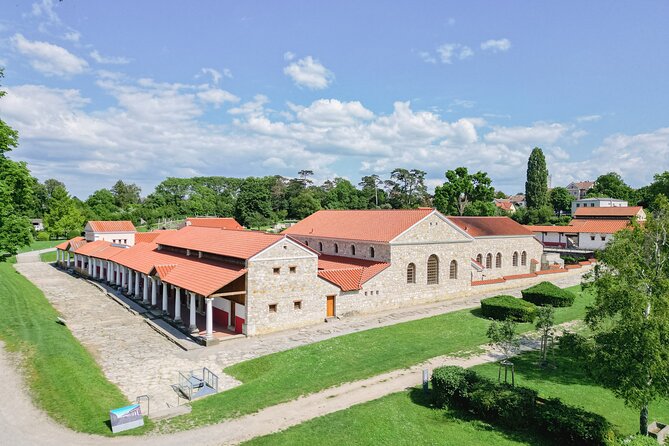
- Four fully functional reconstructed houses that make everyday Roman life feel concrete, not guessed.
- Roman Therme (bathhouse), where the water-focused Roman setting is the star.
- Big outdoor grounds with trees and meadows, plus a restaurant and a children’s playground.
- Carnuntinum Museum finds tied to 2,000 years of Roman history at Carnuntum.
- Weltstadt am Donaulimes exhibition, with the story of Carnuntum and the Danube Limes UNESCO setting.
- Weekend shuttle bus mentioned for moving between areas during the season.
Why Carnuntum’s Roman Quarter works so well
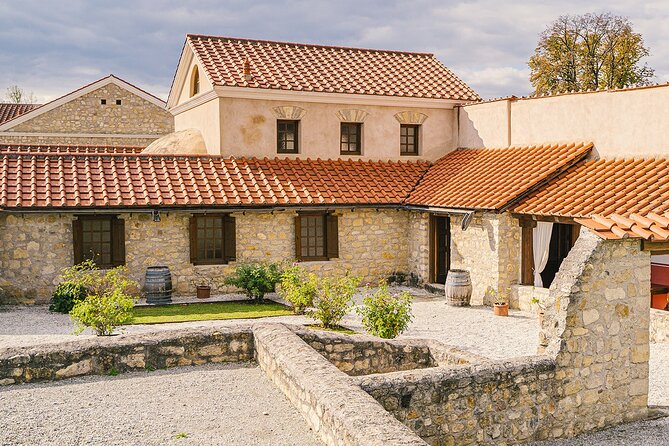
Carnuntum is famous for how close it gets you to the Roman world, without asking you to use much imagination. You go from broad Roman-era ideas to specific spaces: houses, daily routines, and the kind of public and private life you’d expect along the Danube frontier. The setting also carries a nice time-scale feel, starting from the era of emperors and writers like Marcus Aurelius, then landing in a place built to show how people actually lived.
The Roman Quarter is the main event here. The reconstructions are described as fully functional Roman houses, which matters. A lot of museum “re-creations” stop at walls and floor plans. Here, you’re walking through environments designed to help you understand how rooms were used, not just how they looked. It’s a practical way to learn, and it’s why people keep saying you do not have to imagine anything.
I also like the pacing built into the site design. You get enough variety to avoid museum fatigue. You can spend time in the Roman Therme, then switch gears to a villa setting, then wander into a more household-focused space. If you like history best when it’s hands-on, this setup scratches that itch quickly.
More Habsburg-era halls and hangings:
- Vienna: Skip-the-Line Sisi Museum, Hofburg and Gardens Tour
★ 4.8 · 5,918 reviews - Vienna Kunsthistorisches Museum Day Admission Ticket
★ 4.6 · 3,690 reviews - Tickets for the Albertina Exhibitions
★ 4.7 · 2,126 reviews - Vienna: Chocolate Workshop in Chocolate Museum w/ Tasting
★ 4.5 · 1,802 reviews
Inside the Roman City Carnuntum: houses, public life, and rooms you can read
The Roman city of Carnuntum is presented through a showpiece Roman Quarter that’s meant to feel like you stepped into the 4th century. Instead of one highlight object, you get a circuit of experiences. That makes the visit good for different styles of travel: families, casual walkers, and people who like architecture all find something to focus on.
One strong advantage is the variety of house types. The Roman Quarter isn’t just one model home. You have multiple spaces that represent different parts of society and daily life. The way the site is organized encourages you to compare, even if you’re not taking a formal guided tour.
Here are the specific stops that tend to make the biggest impact.
The Roman Therme and the water-focused Roman mindset
The fully functional bathhouse, the Roman Therme, is the one area that feels like a mood shift. Baths were social spaces, not only places to clean. So when you’re standing in a rebuilt bath environment, you’re not just looking at stone, you’re being reminded that Romans built daily routines around public spaces.
Even if you’re not a bathing-history nerd, it helps to see how much the design supports everyday use. The description points to the experience of water splashing in the thermal bath setting. That little sensory angle is what can turn a “stand and read” visit into something more memorable.
If you’re traveling with kids, the bathhouse can be a quick win because it’s visual and active. If you’re traveling in cooler weather, you may appreciate that most of the Roman Quarter is outdoors with seasonal comfort, but you might still want to bring layers for your walk-through time.
Villa urbana and the murals that do the storytelling
Another highlight is the villa urbana, including the fantastic murals mentioned in the descriptions. Murals change the whole learning experience. Text panels help, but murals show you what Romans wanted people to see and feel in private spaces.
This part is especially good if you enjoy art and interiors. You can pause, study colors and figures, and then connect that to how daily life might have looked. It’s also a nice break from the busier, more public-energy zones like the bathhouse.
You should expect to spend a bit more time here than you plan at first. The kind of room details that people find impressive are the ones you keep noticing once you stop rushing.
Held over another night in Vienna


The bustling oil merchant’s house: trade made visible
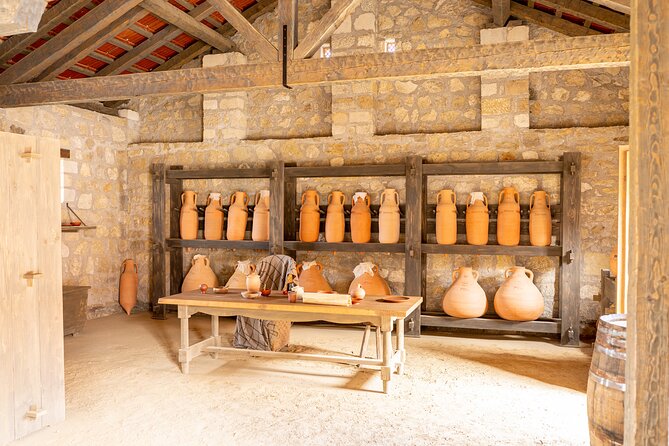
The Roman Quarter includes a house tied to the oil merchant, and that’s a smart inclusion. It shifts you away from only seeing elites and official life. Merchants and trade networks were essential to how cities functioned, especially along frontier zones.
If you’re someone who likes the practical side of history, this is the space that can make Roman life feel less abstract. Instead of asking what people ate once, you’re thinking about how goods moved, stored, and sold.
You might not spend the same amount of time in this house as in the bathhouse, but it can be the most “aha” moment for how a city worked.
House of Lucius and the garden feel
Then there’s the bourgeois House of Lucius, plus its garden. The garden element matters because it adds “life” to the reconstruction. It’s a reminder that Roman households were not only indoors. Even in a frontier city setting, people expected outdoor space as part of routine.
The garden is also a good spot to reset your attention. If the murals and bathhouse feel like information overload, the House of Lucius can slow you down. It’s easy to turn that into a quiet walking break without losing time.
Museum Carnuntinum: Roman artifacts and the Danube Limes story
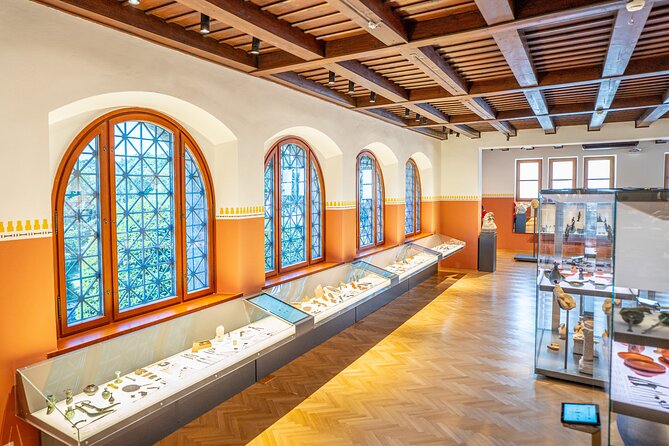
After the Roman Quarter, the Carnuntinum Museum gives your visit a wider lens. The museum is described as a must for every visit because it houses finds from 2,000 years of Roman history in Carnuntum. That phrase matters. When you only see reconstructions, history can feel like theater. When you add original artifacts, it becomes grounded.
The museum’s exhibition Weltstadt am Donaulimes covers the history of Carnuntum and includes stories of inhabitants. It also links Carnuntum to the UNESCO World Heritage Site at the gates of Vienna, which helps you place the site within a bigger regional story.
Even without a guided tour, museums like this usually work best when you let them do one job: help you understand what you just saw outdoors. When you connect Roman house life and bath spaces to museum finds, the whole visit clicks faster.
A note on the museum vibe
One review called the museum theatrical. That lines up with the way many Roman sites use performance-style storytelling or staging. There’s also mention of a summer recreation festival where a role-playing emperor is part of the scene and is supported with public money.
I’m not saying that will happen during your visit, only that the site can lean into events in warmer months. If you prefer a quiet museum atmosphere, you may want to choose dates outside busy event periods.
How to pace your 3 hours at Carnuntum
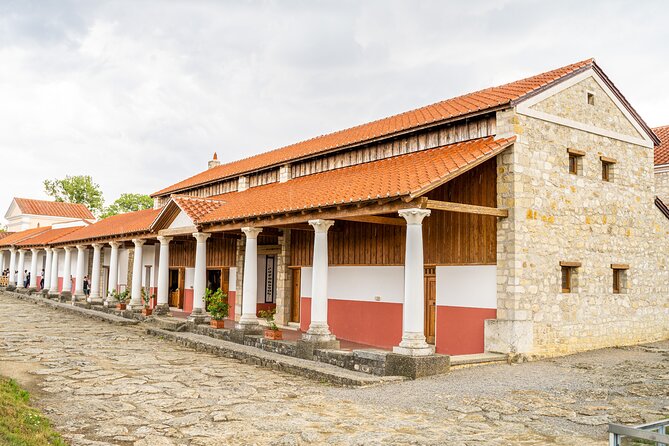
The pass is built around a simple rhythm. You have about 1 hour 20 minutes for the Roman Quarter, and about 1 hour for the museum, with the experience duration listed as about 3 hours total.
That is a helpful pace if you want to keep the day feeling light. It also helps you avoid the common problem at large archaeological sites, where you spend too long in one corner and run out of energy for the rest.
Here’s a practical way to plan the flow.
1) Start where it’s easiest to stay curious, the Roman Quarter.
Give yourself time for the bathhouse first, since it’s the mood-setter.
2) Then move to the houses and interiors.
Work your way from the villa and murals to household spaces. That’s often the easiest order because indoor features ask for shorter pauses.
3) Finish with the museum.
Use the museum to confirm what you noticed outside, and to add context you might have missed while walking.
Distances and the weekend shuttle bus
The site includes multiple areas and a large outdoor footprint. A response mentions that distances between locations are taken seriously, and that a shuttle bus runs at weekends during the season.
So if you’re going on a weekend, build time flexibility. If you’re going on a weekday, plan for more walking and use the outdoor spaces to break up your sightseeing. Either way, wear shoes you’d happily use for a gentle park walk.
What you’ll likely enjoy most, and what could annoy you

From what’s described and what people consistently highlight, the biggest wins are the reconstructions and cleanliness. People call the reconstructions fabulous and the experience something unique in the world, and they also emphasize that it feels fun and inspiring to experience history without guesswork. Clean, tidy facilities also matter more than most people think, especially when you’re spending time outdoors.
You’ll likely enjoy this most if you like:
- Roman daily life over big battles
- Sites where spaces teach you, not just panels
- Travel that includes both outdoors walking and an artifact museum
The one possible drawback worth taking seriously is the summer festival factor. If you dislike reenactment style events or a more staged atmosphere, plan around the season and keep expectations flexible.
Also, if you need quiet the whole time, know that Roman Quarter spaces can feel like an active learning environment rather than a silent ruin.
Food, breaks, and family-friendly stops at the Roman Quarter
The Roman Quarter isn’t only about buildings. It includes the restaurant Forum Culinarium and a large children’s playground. That’s a big deal for families, because you’re not forced to leave the site for breaks.
Forum Culinarium is listed as part of the visitor experience, so you can plan a meal or snack without losing your momentum. If you travel with kids or you get tired in the heat, being able to reset on-site can keep the trip enjoyable.
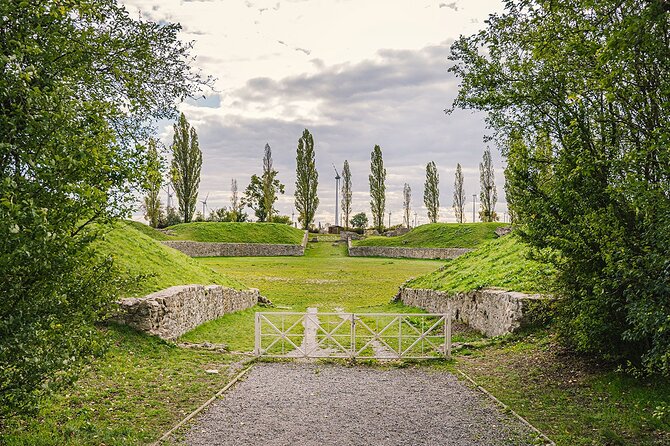
The outdoor area, with trees and meadows, also changes how the day feels. Instead of being stuck inside a single building, you get natural pauses between the indoor-like reconstructions. That makes the visit less intense than many city museums.
Price and value: what $16.21 gets you here
At $16.21 per person, this pass is priced like an admission ticket, not a long guided tour. And the value comes from two things: coverage and time.
First, the pass covers both parts you likely want on a single outing. You get the Roman Quarter for around 1 hour 20 minutes and the museum for around 1 hour. That’s a clean, complete circuit.
Second, both stops list admission ticket free, which signals you’re not paying extra again once you arrive at each section. That’s how you avoid unpleasant surprises.
Could you build your own DIY version by visiting separately? Maybe, but the pass format is convenient for planning. And for many people, the real value is not money saved but energy saved.
Who should book this Roman Quarter and Carnuntinum Museum pass
I’d steer you toward this pass if:
- You want an easy half-day plan, around 3 hours
- You like Roman life as a series of rooms, not just a timeline
- You want both reconstructions and museum artifacts
- You’re traveling with kids and need on-site downtime options
I might suggest skipping or adjusting expectations if:
- You strongly dislike staged reenactment vibes in summer
- You want only museum-style artifacts and minimal outdoor walking
If you’re visiting Lower Austria and you want a Roman stop that feels practical and visual, this is the kind of site you can enjoy even on a tight schedule.
Should you book this pass?
Yes, if you want Roman history that you can see in physical spaces. The Roman Quarter is the headline for a reason: fully functional reconstructed houses, the Roman Therme, and the combination of murals and household scenes make the past feel less distant. Add the Carnuntinum Museum, and you get context that keeps the reconstructions from feeling like pure theater.
If you’re sensitive to seasonal events, consider going outside peak summer festival periods or keep your expectations flexible. Otherwise, this is a smart value pick for a focused Roman experience in about 3 hours.
FAQ
How long does the Roman Quarter and Carnuntinum Museum visit take?
The experience is listed at about 3 hours total, with roughly 1 hour 20 minutes for the Roman City Carnuntum and about 1 hour for Museum Carnuntinum.
What does the admission pass include?
It includes all fees and taxes.
Are guided tours included?
No, guided tours are not included.
How much does the pass cost?
The price is listed as $16.21 per person.
When is it open?
Opening hours are listed as 9:00 AM to 5:00 PM, Monday through Sunday, during the season 04/23/2025 to 11/15/2025.
Is admission free for the Roman Quarter and the museum?
For both stops, admission ticket is listed as free.
Is there a way to get between areas if distances are tiring?
There is mention of a shuttle bus at weekends during this season to help with distances between locations.
Are service animals allowed?
Yes, service animals are allowed.
Is the site near public transportation?
Yes, it is listed as near public transportation.
Can most travelers participate?
Yes, it says most travelers can participate.
What is the cancellation policy?
Free cancellation is available up to 24 hours in advance for a full refund.
Just added to the bill for Vienna





Museums, compared.

Skip-the-Line Sisi Museum, Hofburg and Gardens Tour
Read our review →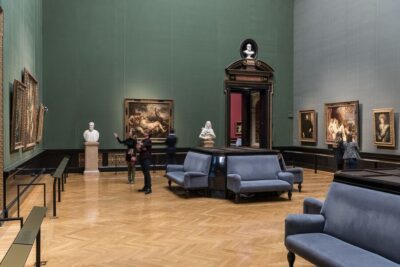
Vienna Kunsthistorisches Museum Day Admission Ticket
Read our review →

Chocolate Workshop in Chocolate Museum w/ Tasting
Read our review →

St. Stephen’s Cathedral & Dom Museum Wien Tickets
Read our review →

Browse the lists this tour appears in