
REVIEW · MUSEUMS
Admission to the Sigmund Freud Museum
Freud’s home feels like a living time capsule. This admission gives you access to Sigmund Freud’s apartment and museum spaces at Berggasse 19, where you can see the mix of original objects and furniture tied to his family life and work. I like how the museum presents not just ideas, but also daily surroundings, including films from the 1930s and special displays that connect the past to today.
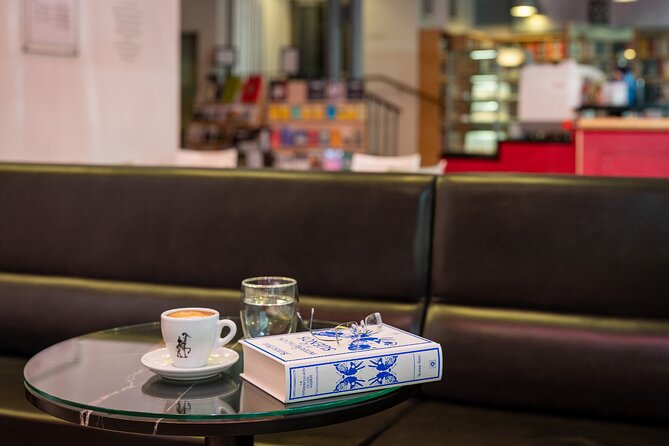
The museum is also a practical stop: you can plan it for about 2 hours, and you can extend the visit with a café and a well-stocked shop on site. One thing to keep in mind, though, is that the experience can feel small and busy at times, so if you want a quiet, gallery-like pace, you may need to work around crowds.
If you’re coming for the “Freud’s couch, Persian carpets, and study” kind of atmosphere, you’ll likely get plenty of that. At the same time, some visitors have noted that presentation can be more modern in certain areas, so don’t assume every corner will look like a perfectly preserved period set. Keep expectations flexible, and focus on what is actually on view room by room.
In This Review
- Key things to know before you go
- Freud’s Vienna address, and what it changes about the visit
- Your 2-hour plan inside the Freud Museum
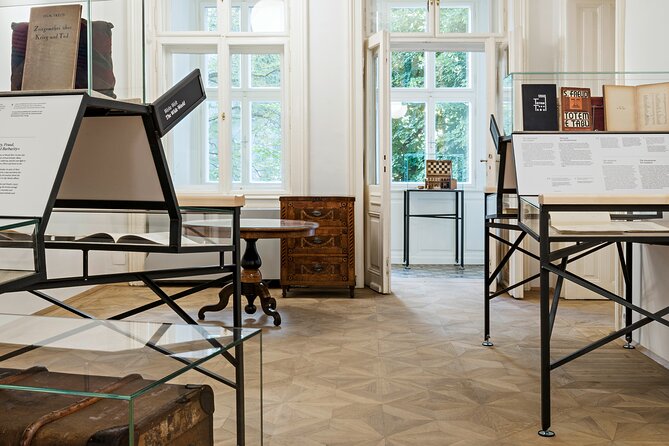
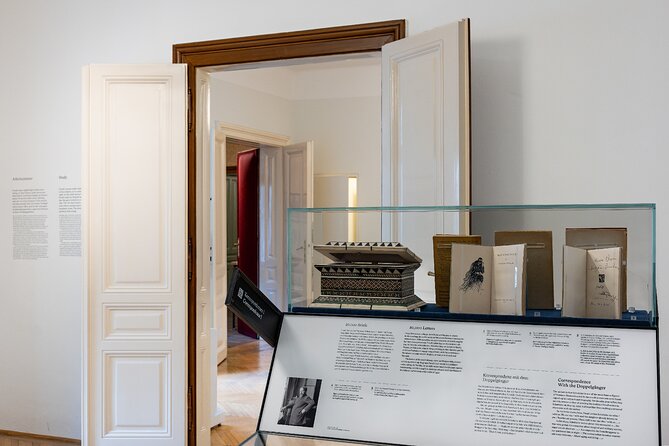
- What you’ll see: originals, furniture, and the film-and-object mix
- Special exhibitions and conceptual art, and why they matter
- Crowds, pacing, and how to keep the experience calm
- Price and value: what $18.02 buys you
- Practical details: finding it, ticketing, and who this suits
- Should you book the Sigmund Freud Museum admission?
- FAQ
- Where is the Sigmund Freud Museum located?
- How long does the admission experience take?
- What is the price per person?
- Is admission included in the ticket?
- Do I get a mobile ticket?
- When will I receive my confirmation?
- Is there free cancellation?
- Are service animals allowed?
- Is the museum near public transportation?
- Is this experience suitable for most travelers?
Key things to know before you go
- Freud’s real address, Berggasse 19: This is the home setting for the museum, not a generic psychoanalysis exhibit
- Original apartment atmosphere: You’re there for the day-to-day feeling of an apartment maintained for nearly 50 years
- Films from the 1930s: Short visual windows into the Freuds’ private lives add texture beyond objects
- A mix of permanent, special, and conceptual displays: Some rooms look backward, others point to the present
- On-site café and shop: Plan an easy wrap-up without hunting for food nearby
- Mobile ticket access: You will have a mobile ticket, so get it ready before you arrive
Freud’s Vienna address, and what it changes about the visit
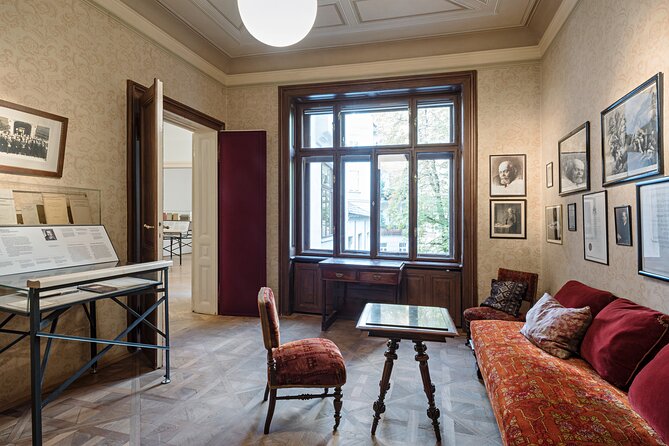
If you care about psychoanalysis or simply like museums with a strong sense of place, this one works because it is tied to the real setting. Freud lived at Berggasse 19 with his family for nearly 50 years, and that long thread shows in the way the museum is built. You are not walking through a distant biography. You’re moving through a residence-like layout, with preserved rooms presented as part of the story.
I love how the museum frames the visit around both work and family life. That sounds simple, but it matters. A lot of idea-driven museums ignore the home side of the people who created the ideas. Here, you get a permanent exhibition that introduces Freud’s work alongside details of the Freud family, including films from the 1930s that help you picture what everyday life could have looked like.
There’s also a practical advantage to this location-based setup. Since the museum is essentially one destination, you can plan it without turning it into a whole day of logistics. About 2 hours is enough to see the main permanent areas, then take time with the café or shop when you want a break.
More Habsburg-era halls and hangings:
- Vienna: Skip-the-Line Sisi Museum, Hofburg and Gardens Tour
★ 4.8 · 5,918 reviews - Vienna Kunsthistorisches Museum Day Admission Ticket
★ 4.6 · 3,690 reviews - Tickets for the Albertina Exhibitions
★ 4.7 · 2,126 reviews - Vienna: Chocolate Workshop in Chocolate Museum w/ Tasting
★ 4.5 · 1,802 reviews
Your 2-hour plan inside the Freud Museum
Think of your visit as a sequence of “rooms with purpose.” Even though this is an admission ticket rather than a multi-stop guided day, the museum gives you a structure through its permanent exhibition and additional rotating content.
Start with the permanent exhibition narrative. This is where the museum introduces Freud’s work and family life, and where the atmosphere of his apartment takes over. Expect a mix of interpretive displays and object-focused rooms. The goal is to help you connect what you learn to where you stand.
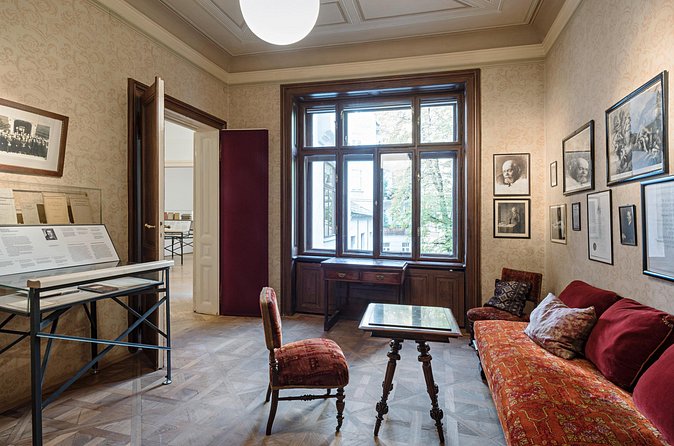
Then spend real time in the preserved apartment feeling areas. The museum leans on original objects and furniture to build that sense that you’re inside Freud’s world. Some visitors describe a “study” feeling that is heavy with antiquities and personal items, and that’s exactly the kind of detail that makes home museums special. You’re not just reading text. You’re looking at a space shaped by collecting, working, and living.
Add the film component when it’s available to you during your visit. The museum includes unique films from the 1930s showing private lives. Even if you only catch part of a film, it gives a shift in tone. It stops the visit from becoming only object-based and turns it into something more human.
Finish with the rotating and present-day references. In addition to the permanent exhibition, there are changing special exhibitions and a conceptual art collection that makes references to the present. This is an important part of the value. It prevents the museum from becoming a closed historical box. It also gives you an exit ramp from “Freud the figure” back to “ideas then, questions now.”
One caution from what you can learn in advance: the museum can feel crowded. If you like slow looking, you’ll want to time your quiet moments rather than assuming you can linger everywhere at once.
What you’ll see: originals, furniture, and the film-and-object mix
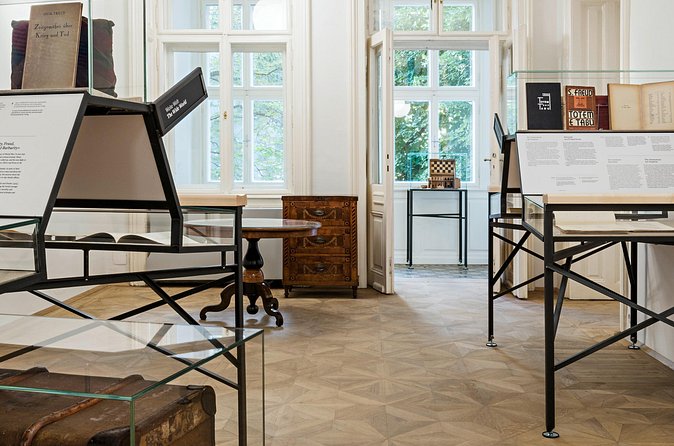
The headline here is the home museum approach. The museum uses original objects and furniture to create atmosphere. That’s the main reason people come. Even if you already know the basic story of psychoanalysis, seeing how an apartment space is arranged and presented can change how the story lands.
You’ll also see how the museum balances biography with theory. The permanent exhibition is built to introduce Freud’s work and family life, not just display scattered artifacts. The idea is to show psychoanalysis as something developed and lived alongside real family routines.
A second thing I like is how the museum uses media. The films from the 1930s give you movement and context. Objects are still, and text is static. Film adds the “time” element that helps your brain build a fuller picture.
Now, a real-world expectation note. Some people come expecting every room to look like a perfectly untouched, period-filled apartment. Other visitors have pointed out that some areas feel more modern in presentation, including cases where furniture presence or the appearance of period replicas was not what they expected. That doesn’t mean the museum is lacking, but it does mean you should treat this as a museum interpretation of a home, not a fully frozen time set.
If you want to reduce the chance of disappointment, your best strategy is simple: don’t only hunt for the most famous items. Watch how the museum tells its story through room flow, then let the surprises come from what you see in front of you.
Special exhibitions and conceptual art, and why they matter
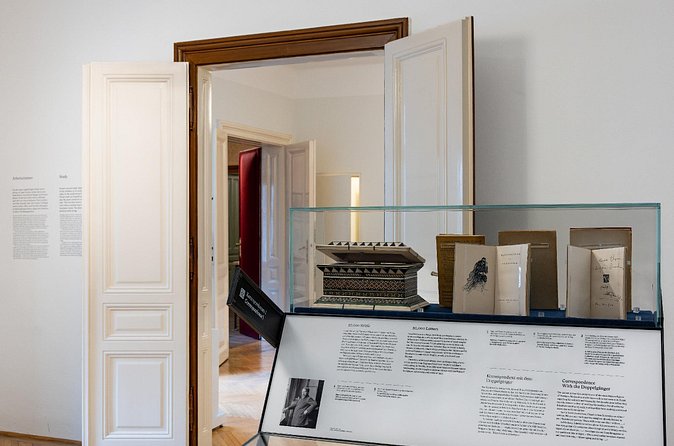
Not every museum built around a historic person automatically connects to the present. Here, you will find changing special exhibitions and a conceptual art collection that references the present. That means your visit can end up feeling less like a history lecture and more like a conversation.
This is a good fit for modern museum-goers. Psychoanalysis is often treated like an old academic subject. When a museum includes present-day references, it invites you to ask questions that are relevant now, not just memorize dates.
It’s also a nice counterbalance if you find that home museums can get repetitive. Objects plus interpretation is satisfying, but it can start to feel like the same mode over and over. The conceptual elements change the rhythm and give you a different way to think about what Freud’s work means in a modern setting.
If you’re the type who likes to understand how museums “frame” their subjects, this portion is a worthwhile use of time. You’ll be able to see how the museum chooses to echo today through what it changes from season to season.
Held over another night in Vienna


Crowds, pacing, and how to keep the experience calm
This is the most common practical concern. People describe the museum as small, and they also mention crowding. On busy days, groups can move quickly. That can cut the contemplative feeling you might be expecting from a home setting.
So here’s what I recommend to make the most of your visit:
- Plan for about 2 hours, but allow a little extra if you want to slow down
- If the first rooms feel loud or crowded, change rooms instead of forcing patience in the same area
- Take a brief pause in the café area when you need quiet, then come back with fresh attention
If you are sensitive to noise, it can help to bring a simple solution like earplugs. That way, you can focus on the objects and the film sections rather than getting distracted by group volume.
Also keep in mind that home museums can be tight. Even when the museum is well-run, the space itself can limit how spread out you feel. If you hate being shoulder-to-shoulder, you’ll want to choose your time carefully.
Price and value: what $18.02 buys you
At $18.02 per person with admission included, this is a straightforward value for a dedicated Freud destination. The ticket price matters most if you treat this as the core activity, not as an add-on you squeeze between other plans.
The museum is roughly 2 hours, so you can compare it to other Vienna museum tickets that often run in the same general ballpark but require a longer day. Here, you can go, see the key rooms, then end with food and souvenirs without needing transportation right away.
You’ll also benefit from the features included in the ticket experience: the apartment setting, original objects and furniture presentations, film from the 1930s, and access to changing special exhibitions plus conceptual art references. Add in the cozy café and the shop on site, and the ticket feels more complete than a quick stop.
One more value signal: this experience is booked on average 25 days in advance. That doesn’t guarantee a sold-out situation, but it does suggest popularity. If you want a stress-free visit, plan ahead so you’re not trying to solve a timing problem in Vienna.
Practical details: finding it, ticketing, and who this suits
This museum is located at Berggasse 19, 1090 Vienna. It is near public transportation, which is a big deal in a city where you want to move efficiently.
You also get a mobile ticket. That means you’ll want to have your phone charged and the ticket ready to show when you arrive.
On-site, you will find a café and a well-stocked shop. That’s not just a nice-to-have. It’s part of how you can shape the experience. If you want a longer, slower museum rhythm, use the café as your reset point. If you want to stay focused, you can treat the shop as a quick last step.
As for who can go: the experience notes that most travelers can participate, and service animals are allowed. So it’s a reasonably broad fit for mixed groups who want something cultural and distinctly Vienna.
Finally, expect that this is a single-site visit. It’s not designed like a multi-neighborhood day. If you want a museum-centered afternoon, this works. If you want a high-energy sightseeing route with many external stops, you may prefer a different style of tour.
Should you book the Sigmund Freud Museum admission?
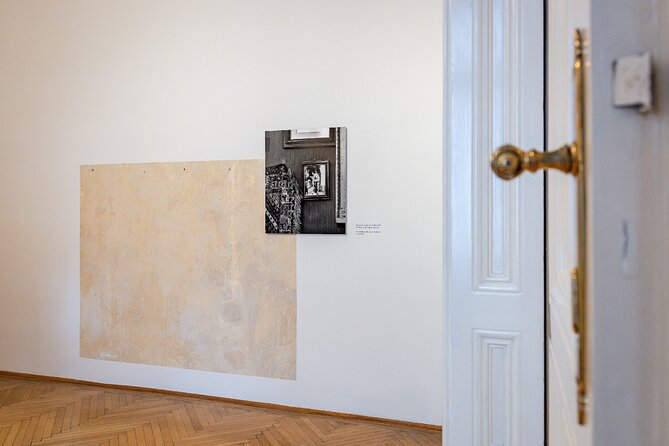
Book it if you want a place-based museum tied to Freud’s actual home address. You care about the atmosphere created by original objects and furniture. You also want your visit to include more than text, with films from the 1930s and additional changing displays that link the past to the present.
Think twice if you need a large, multi-gallery museum experience. This is a smaller stop, and it can get crowded. Also, if your personal expectation is that every room will look like a perfectly preserved, fully furnished period apartment, you might find the presentation varies by area.
If you’re on the fence, here’s the best deciding method: treat this as a focused, 2-hour experience where you look, pause, and absorb the setting. If that sounds like your kind of museum day, you’ll probably feel satisfied with what you see.
FAQ
Where is the Sigmund Freud Museum located?
It’s at Berggasse 19, 1090 Vienna.
How long does the admission experience take?
Plan for about 2 hours.
What is the price per person?
The price is $18.02 per person.
Is admission included in the ticket?
Yes, admission ticket is included.
Do I get a mobile ticket?
Yes, the experience uses a mobile ticket.
When will I receive my confirmation?
Confirmation is received at the time of booking.
Is there free cancellation?
Yes. You can cancel up to 24 hours in advance for a full refund.
Are service animals allowed?
Yes, service animals are allowed.
Is the museum near public transportation?
Yes, it is near public transportation.
Is this experience suitable for most travelers?
Yes, most travelers can participate.
Just added to the bill for Vienna




Museums, compared.

Skip-the-Line Sisi Museum, Hofburg and Gardens Tour
Read our review →
Vienna Kunsthistorisches Museum Day Admission Ticket
Read our review →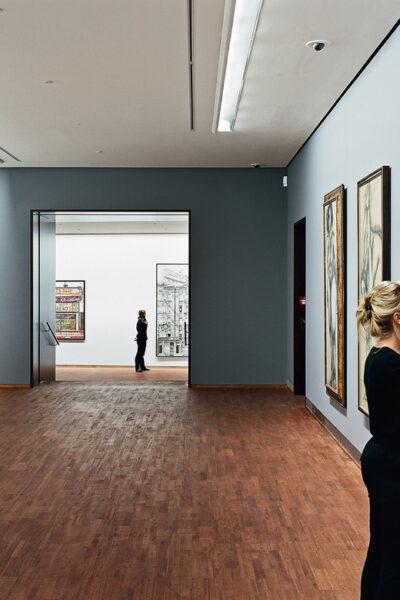

Chocolate Workshop in Chocolate Museum w/ Tasting
Read our review →
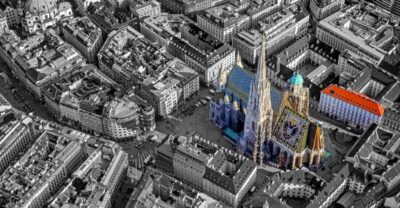
St. Stephen’s Cathedral & Dom Museum Wien Tickets
Read our review →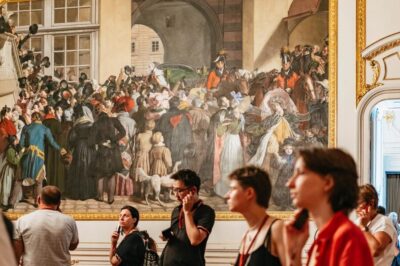
Browse the lists this tour appears in