
REVIEW · MUSEUMS
Belvedere Palace & Museum Tour
Vienna’s Belvedere is a big stage for Baroque art. This tour keeps it interesting by pairing that palace experience with a sharp look at why Berlin became Europe’s art magnet after 1989. I like the Upper Belvedere guided approach, and you’ll also enjoy the walking focus on the gallery mile around Mitte and Potsdamer Straße.
The other standout is the pace and the teaching style. You’re led by an art historian guide, so you get clear context, not just labels, and the stories are interactive in a way that works for first-timers and art fans. The one thing to plan for is the extra cost for entrance tickets, which are not included.
In This Review
- Key Highlights You Should Know
- Upper Belvedere First, Because the Palace Sets the Mood
- Austrian Gallery Belvedere Visit: Getting the Most From the Big Names
- Lower Belvedere Guided Tour: Why the Museum Flow Feels Different
- Berlin After 1989, Explained Through What You See
- The Subway Transfer and the Mitte to Potsdamer Straße Shift
- Finding the “Gallery Mile” in Real Life, Not Just in Theory
- Galleries on the Route: What You Might See Along Potsdamer Straße
- The Art Historian Guide Is the Difference Maker
- Price and Value: What $176 Buys You, and What It Does Not
- How Long Is Enough, and How to Fit It Into Your Day
- Who This Tour Is Best For (and Who Should Consider Alternatives)
- Should You Book It?
- FAQ
- How long is the Belvedere Palace & Museum Tour?
- Is the tour offered in English?
- Are entrance tickets included in the tour price?
- Where do I meet the guide?
- Does the tour include ticket line skipping?
- Can I cancel for a full refund?
Key Highlights You Should Know
- Upper Belvedere, Baroque by design: You get a guided look at one of the palace’s most impressive Baroque spaces.
- Berlin’s post-Wall art story: The guide explains the events behind Berlin’s surge in galleries after 1989.
- The Mitte to Potsdamer Straße walk: You cover the “gallery mile” feel along Potsdamer Straße, with about 30 galleries and art project spaces in the area.
- Galleries named in the route: Expect to pass by places such as Esther Schipper, Plan B, and Klosterfelde, plus others depending on what’s showing.
- Small-group energy: Private or small groups are available, which helps the guide tailor explanations without rushing you.
- Klimt context if you care about details: In standout guide moments, Gustav Klimt’s The Kiss is discussed with symbolism, technique, and historical context.
Upper Belvedere First, Because the Palace Sets the Mood
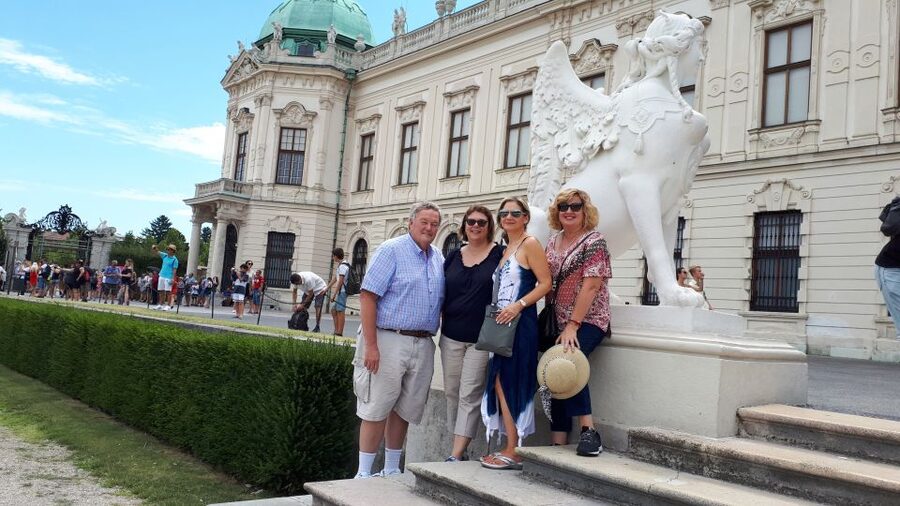
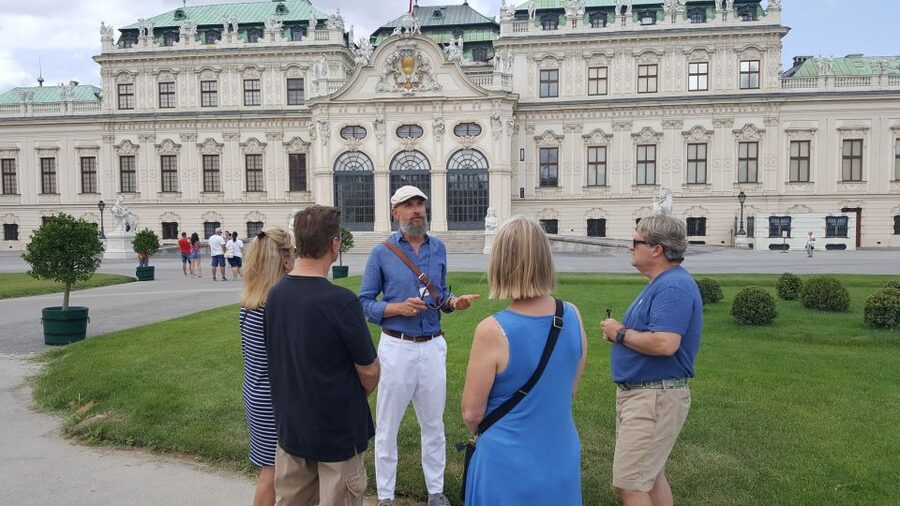
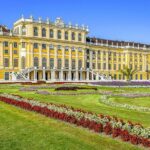
Belvedere Palace works best when you see it as more than a backdrop. Starting with a guided tour in the palace means you get the architecture and the setting in your head before you move into galleries and artworks. It also helps you understand why Baroque spaces were built to steer your eyes, not just decorate rooms.
In practical terms, you are not wandering and guessing. You’re walked through the palace with an art-focused lens, so the experience clicks faster. And since your time is about 150 minutes, this order matters. You’ll spend your “prime attention” on the most visually commanding parts first, then let the art lessons land while you’re still oriented.
More Habsburg-era halls and hangings:
- Vienna: Skip-the-Line Sisi Museum, Hofburg and Gardens Tour
★ 4.8 · 5,918 reviews - Vienna Kunsthistorisches Museum Day Admission Ticket
★ 4.6 · 3,690 reviews - Tickets for the Albertina Exhibitions
★ 4.7 · 2,126 reviews - Vienna: Chocolate Workshop in Chocolate Museum w/ Tasting
★ 4.5 · 1,802 reviews
Austrian Gallery Belvedere Visit: Getting the Most From the Big Names
After the first palace overview, you shift into the Austrian Gallery Belvedere area. This is where you get to connect what you saw in the palace to the artworks on display. The difference is subtle but important. Architecture tells you how to look, and the gallery teaches you what to notice in the art itself.
If Klimt is on your must-see list, you’re in the right place. One guide highlight described in bookings is how Gustav Klimt’s The Kiss was explained in a way that makes it feel less intimidating. Instead of treating it like a famous image you either “get” or don’t, the guide framed symbolism, technique, and the historical moment, so the painting becomes easier to decode in real time.
Lower Belvedere Guided Tour: Why the Museum Flow Feels Different
The Lower Belvedere guided tour is a smart second chapter. It gives you variety, so you don’t end up mentally stuck in one style of viewing. Palace spaces can feel theatrical, but museum viewing needs a different rhythm: you slow down, read visual clues, and connect themes.
This part of the experience is also useful if you’re the type who worries you’ll miss things. With a guide, you’re not relying on luck to catch the key details. The guide can steer your attention toward the kinds of things visitors often skip because they are trying to move fast.
A small downside to note: if you already know Belvedere well and want maximum time in the galleries without structure, a guided flow can feel a bit “managed.” But for most people, that structure is exactly what makes a short, 150-minute window feel satisfying rather than rushed.
Berlin After 1989, Explained Through What You See
Here’s the concept that makes this tour more than a museum visit: the art historian links what happened in Berlin after the fall of the Berlin Wall to the gallery scene you walk through later. You’re taught why Berlin became an artistic magnet, and the explanation is grounded in real-world factors, not just vague cultural hype.
The guide focuses on practical drivers such as affordable rents, a semi-liberal climate, and the presence of open spaces. Those points matter because they explain how scenes form. It’s not only about artists. It’s about room to work, room to experiment, and a city that allows the early messy stages of a new art ecosystem to grow.
You also learn how that magnetism shows up on the ground: galleries and art project spaces end up clustered, and the geography starts telling a story of its own. That’s why the route through Mitte and toward Potsdamer Straße is part of the point.
Held over another night in Vienna
The Subway Transfer and the Mitte to Potsdamer Straße Shift
At some point, the experience moves you from the palace world to a neighborhood walk tied to Berlin’s gallery momentum. You start in Mitte around Auguststraße, where you can find galleries such as Kunst Werke, a contemporary art institution founded in the early 1990s. This opening gives you a sense of how contemporary art institutions take shape when they are rooted in specific streets, not just big museums.
Then you head by subway to Potsdamer Straße. The tone changes here. Over roughly the last five years, this strip gained steam as galleries moved from Mitte south of the Neue Nationalgalerie. Even if you’re not an art-world insider, you’ll feel the logic. Galleries tend to cluster where foot traffic, creative workers, and visibility overlap.
It’s also worth knowing your route is described as scattered around a more unpolished neighborhood. That matters because it affects what you experience. You are not walking past only spotless storefronts. You might notice smaller private initiatives tucked into courtyards and basements, and that’s often where the most interesting things happen.
Finding the “Gallery Mile” in Real Life, Not Just in Theory
The phrase gallery mile can sound like marketing, but here it’s tied to a genuine concentration. The guide’s job is to help you read the area like a map: you see a string of galleries and project spaces, often with different personalities and audiences, and you learn how the city’s conditions support that kind of density.
You cover about 30 galleries and art project spaces in the course of the walk. That number is a big deal for a 150-minute experience. It means you are not expected to stop and study every single room like a dedicated gallery crawl. Instead, you get a guided sense of variety, then the key points stick because the guide explains the pattern behind the mix.
One practical way to enjoy this section is to go in with a flexible mindset. Think of it as orientation to a live art ecosystem. The goal is to understand what kind of scene Berlin built, then use that understanding later if you want to go deeper on your own.
Galleries on the Route: What You Might See Along Potsdamer Straße
You may not see every gallery mentioned every time, because gallery shows change and access can vary. But the tour is built around well-known names, which gives you confidence you are going somewhere established, not just a random stroll.
Galleries referenced for the Potsdamer Straße stretch include Esther Schipper, Isabella Bortolozzi, Gitti Nourbakhsch, Guido Baudach, Arndt, Plan B, Tanya Leighton, and Klosterfelde. That mix tells you something useful: the walk is not only about one style or one audience. It is about the network effect of Berlin contemporary art.
If you love modern art but feel overwhelmed by how many galleries are out there, this kind of curated route is a relief. You’re shown the range, guided by someone who can explain why the scene developed and what you’re likely looking at when you step into each space.
The Art Historian Guide Is the Difference Maker
This tour gets consistently high praise for its guides, and you can feel why when you look at the structure. The palace part and the gallery mile part could both be done as self-guided visits. What you’re paying for is the connective tissue, the ability to explain why things matter.
In bookings, names like Brianna and Peter come up. Brianna was described as exceptional, especially for knowledge spanning Vienna, Belvedere Palace, and the artworks themselves. Peter was highlighted for making art history accessible, including a detailed explanation of Klimt’s The Kiss, with discussion of symbolism, technique, and historical context.
The most valuable skill here is not facts alone. It’s translation. The guide helps you move from, I see a masterpiece, to, I understand what to look for and how it connects to the time and place.
So if you want a “read the room” experience, this is the right format. You’ll leave knowing the stories behind what you saw, not just collecting photos.
Price and Value: What $176 Buys You, and What It Does Not
The price is listed at $176 per person for about 150 minutes. For many people, that sounds high until you break it down. You’re paying for a live art historian guide and a guided, time-efficient path through both a major palace experience and a focused neighborhood art route.
What’s not included is the cost of entrance tickets. Adults are listed at 22.50 EUR, which you’ll need to plan for in addition to the tour price. The good news is you’re also set up to skip the ticket line, which saves time in a place where lines can be a mood killer.
There’s also a practical support piece: your guide can help you purchase tickets at the beginning of the walk, and sometimes a separate email invoice is sent so the guide can prepay for the group. That matters because it reduces waiting, letting you stay in motion and keep the pacing smooth.
If you already know you can spend hours wandering museums on your own, you might feel a guided tour is less necessary. But if you only have a short window, or you want context fast, the value here is the guided structure.
How Long Is Enough, and How to Fit It Into Your Day
The experience lasts 150 minutes. That’s a real-world sweet spot for busy schedules. You get the guided palace overview and a visit through key museum areas, then you still have time for the art scene walk and explanation.
Because it is not a full half-day museum immersion, you should plan to treat it like a guided highlight plus context. If you want to linger in one room for a long time, decide in advance which artwork or section you care most about. That way you don’t feel frustrated when the tour keeps moving.
It helps that the pace is set by an art historian guide. You won’t be guessing what to prioritize, and you’ll still get enough variety to feel you saw more than one “type” of art day.
Who This Tour Is Best For (and Who Should Consider Alternatives)
You’ll like this tour most if you match at least one of these boxes:
- You want palace art and contemporary art context tied together.
- You prefer guided interpretation over solo wandering.
- You enjoy stories about how art ecosystems form, not just individual masterpieces.
- You are okay with a fast-moving route and want to cover a lot efficiently.
It may be less ideal if you want total freedom to spend extended time in any one Belvedere gallery without interruptions. It’s also not the best choice if you are only interested in architecture or only interested in one specific artwork. Here, the value comes from how the guide connects themes across stops.
One more practical note: the meeting point matters. You meet at the Palace’s ticket office entrance, not the palace entrance itself. It’s on the right-hand side as you come into the garden from Prinz Eugen Street. Getting this right avoids that awkward start-of-tour scramble.
Should You Book It?
I think this is a strong booking if you want a structured, art-forward experience in a short time window. The guides are repeatedly praised for making art history approachable and for interactive storytelling, and that is exactly what turns a palace visit into something you remember with clarity.
Book it if you care about understanding art beyond surface impressions. The tour’s Berlin post-1989 story, along with the gallery mile focus and the named galleries, adds a layer that most museum-only visits do not.
Skip it or consider a different option if you already plan to spend hours at Belvedere and you only want museum time. With only 150 minutes, you won’t get the full slow-browse experience. But if you want a guided “best of plus why,” this tour is built for you.
FAQ
How long is the Belvedere Palace & Museum Tour?
It lasts about 150 minutes.
Is the tour offered in English?
Yes. The live guide is English-speaking.
Are entrance tickets included in the tour price?
No. Entrance tickets are not included. Adults are listed at 22.50 EUR.
Where do I meet the guide?
Go to the Palace’s ticket office entrance. It is not the main palace entrance. It is the entrance you see on the right-hand side as soon as you come into the garden from Prinz Eugen Street.
Does the tour include ticket line skipping?
Yes. It includes skip-the-ticket line.
Can I cancel for a full refund?
Yes. Free cancellation is available up to 24 hours in advance for a full refund.
Just added to the bill for Vienna


Museums, compared.

Skip-the-Line Sisi Museum, Hofburg and Gardens Tour
Read our review →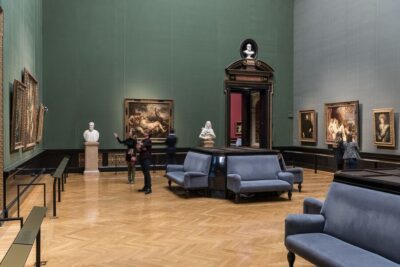
Vienna Kunsthistorisches Museum Day Admission Ticket
Read our review →

Chocolate Workshop in Chocolate Museum w/ Tasting
Read our review →
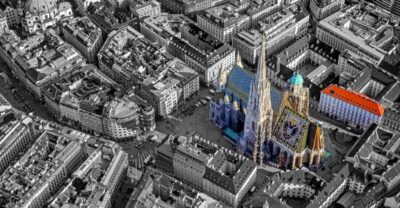
St. Stephen’s Cathedral & Dom Museum Wien Tickets
Read our review →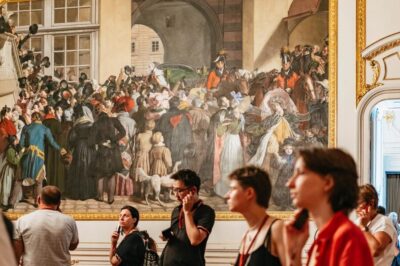
Browse the lists this tour appears in