
REVIEW · MUSEUMS
Exploring contemporary art: Private tour of museums with Tickets
Vienna’s contemporary art trail moves fast and smart. This private tour strings together key modern and contemporary stops, starting at Belvedere 21 and finishing at mumok, with a mobile ticket to make entry smoother. I like that you get context, not just facts, and you can see how Austrian art connects to the wider art world.
Two highlights for me: first, the chance to focus on post-war Austrian art at Belvedere 21 without wandering aimlessly. Second, the Secession House visit, where Art Nouveau architecture and an artist-run exhibition space make the whole idea of independence feel real. One consideration: the route packs a lot into about 3.5 hours, so you should be ready for steady walking, and mumok admission is not included in the tour price.
In This Review
- Key things you’ll notice on this Vienna contemporary art tour
- A 3.5-hour route through Vienna’s contemporary art powerhouses
- Belvedere 21: post-war Austrian art with an international frame
- Schweizergarten stop: sculptures and politics in plain sight
- Secession House: Art Nouveau meets an artist-run exhibition mindset
- Kunsthalle Wien Karlsplatz and the Academy: small spaces with student energy
- MuseumsQuartier and the walk to mumok
- Price and tickets: is $336.26 per person worth it?
- Who this tour suits best, and who should rethink it
- After the tour: how to keep the mumok momentum going
- Should you book this private contemporary art tour?
- FAQ
- How long is the private contemporary art tour?
- Is this tour private?
- Where does the tour start?
- Where does the tour end?
- What museums are included with admission tickets?
- Are any stops free?
- Is admission to mumok included?
- Is there a mobile ticket?
- What if a museum is temporarily closed?
- Can I cancel for a full refund?
Key things you’ll notice on this Vienna contemporary art tour
- Private group format means you move at a pace that fits your questions and interests.
- Tickets are included where it counts (Belvedere 21 and the Secession), while several stops are free.
- Public art shows up, too, with the Schweizergarten sculptures and monuments tied to public space and politics.
- Secession is more than a pretty building, it is Austria’s only artist-run exhibition hall.
- You end at mumok so you can extend the visit on your own after the guided portion.
A 3.5-hour route through Vienna’s contemporary art powerhouses
This is a private tour in Vienna that runs about 3 hours 30 minutes. You start at Belvedere 21 and end at mumok in the MuseumsQuartier area, so the day naturally shifts from one focused museum stop to a whole contemporary art zone. You also get a mobile ticket, which helps if you want to reduce time spent sorting out admissions on the spot.
In practice, the value of a timed route is simple: contemporary art can be intimidating when you do it alone. A good guide helps you notice what matters, and it saves you from spending an hour trying to figure out what you are looking at. The tour is built for people with at least moderate physical fitness, because you will be moving through several locations.
One small but real planning detail: the itinerary may change if a museum is temporarily closed. When that happens, you should expect alternative venues instead of a full cancellation of the theme.
More Habsburg-era halls and hangings:
- Vienna: Skip-the-Line Sisi Museum, Hofburg and Gardens Tour
★ 4.8 · 5,918 reviews - Vienna Kunsthistorisches Museum Day Admission Ticket
★ 4.6 · 3,690 reviews - Tickets for the Albertina Exhibitions
★ 4.7 · 2,126 reviews - Vienna: Chocolate Workshop in Chocolate Museum w/ Tasting
★ 4.5 · 1,802 reviews
Belvedere 21: post-war Austrian art with an international frame
Belvedere 21 is your first stop, with about 45 minutes and admission included. The museum focuses on contemporary art in Austria from the twentieth and twenty-first centuries, and it explicitly places that work in an international context. That framing matters, because it helps you understand Austrian art as part of larger currents rather than something sealed off behind Austrian borders.
I like the way this start gives you a baseline. You are not yet jumping into every style you have ever heard of, you are getting a sense of how post-war Austrian artists developed their distinctive practices and how they fit into the wider art world.
At a human level, 45 minutes is enough to pick up themes and key works, then move on. If you prefer long, unhurried museum time, you might feel slightly rushed here, but that is also what keeps the tour from turning into a blur.
Schweizergarten stop: sculptures and politics in plain sight
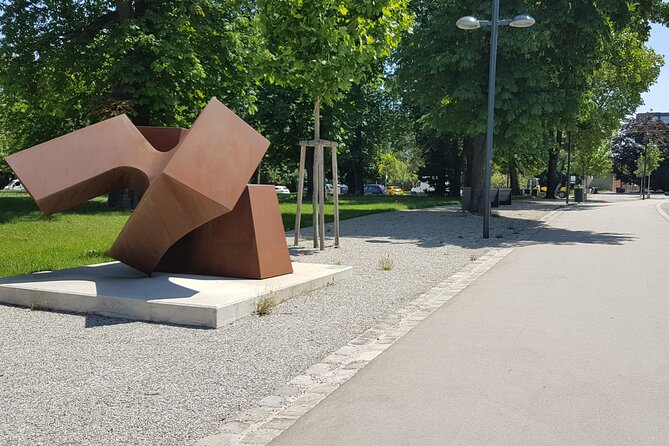
Right after the museum, you step outside for about 15 minutes in the Schweizergarten. This landscaped park has sculptures and monuments placed by the city over the years, and the tour explains how political considerations shape public space. It is a quick stop, but it pays off because it shifts your brain from gallery walls to the public “display” of power and values.
Even with a short time window, you can look for patterns. Pay attention to placement, scale, and what feels emphasized. The tour’s emphasis on politics in public art helps you see that sculpture is not just decoration. It is messaging, and it is part of how a city tells its story.
This is also a good moment to regroup. You get a breather between indoor stops, and you can reset before walking toward the more architecture-focused Secession House.
Secession House: Art Nouveau meets an artist-run exhibition mindset
The Secession House is next, with around 30 minutes and admission included. This is Austria’s only artist-run exhibition hall, and it also happens to be a masterpiece of Art Nouveau architecture. When both things show up together, the visit becomes more than a quick photo stop.
I love how this location teaches the idea of independence in a very tangible way. An artist-run space has different priorities than corporate or purely academic settings, so the whole feel of the exhibitions can be different. In other words, the building supports the mission.
Practical tip: when you walk into spaces like this, start by looking at the architecture for clues, then switch to the art. The tour style helps you connect the two instead of treating the building as separate from the exhibitions.
The only drawback here is time. Thirty minutes is solid for understanding the big picture, but it is not enough to thoroughly analyze everything on the walls. Plan to keep an eye on what you want to see more carefully for later.
Held over another night in Vienna
Kunsthalle Wien Karlsplatz and the Academy: small spaces with student energy
You have two additional free stops in central Vienna, and they work as a contrast to the major museum names.
First is Kunsthalle Wien Karlsplatz, about 20 minutes. It is a small exhibition space used for non-commercial exhibitions on relevant topics. I find places like this refreshing because they often feel less tied to big commercial expectations. If you enjoy ideas and current debates more than the biggest-name objects, this stop can feel like a breath of fresh air.
Next is the Akademie der bildenden Kunste (Academy of Fine Arts Vienna). You spend about 20 minutes walking around the building and visiting a gallery where students exhibit their work. The academy is a state art academy and one of the oldest art academies in Europe, so you are seeing art education and emerging artists in a very direct way.
This pair of stops is a clever strategy: you get both non-commercial exhibition energy and a chance to see student work in a real institutional setting. If you are hoping for lengthy looks at individual student pieces, you will not get that here. But for a tour designed to cover several key stops, the pacing makes sense.
MuseumsQuartier and the walk to mumok
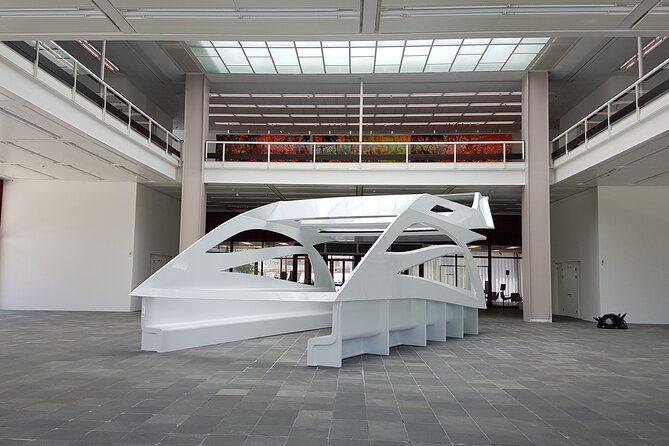
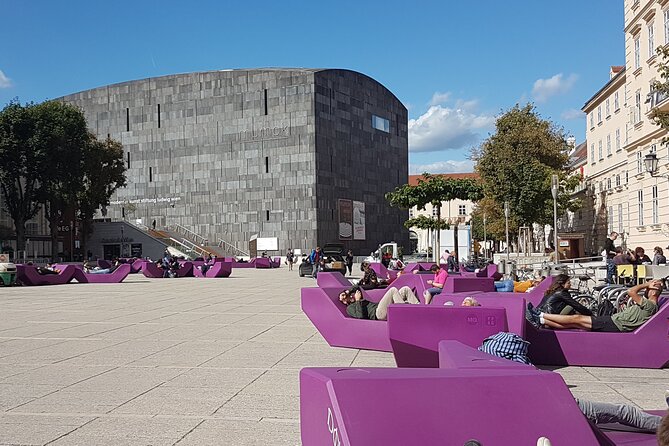
You reach the MuseumsQuartier area for about 20 minutes, and this part is free. MuseumsQuartier is one of the world’s largest centers for contemporary art and culture, with many spaces both large and small. You learn about the life of the area and then explore your way through one of its major cultural hubs.
What I like about ending this phase at MuseumsQuartier is that it prepares you for the final destination. Instead of finishing at a single standalone museum, you land in a complex where you can keep going after the guided portion ends. The MuseumsQuartier zone is designed for repeat visits, so even a short stop gives you your bearings.
Then comes the final stop: mumok, the Museum of Modern Art by the Ludwig Foundation. The tour gives you about 1 hour there, and admission is not included. The museum is described as the largest museum of post-modern art in central Europe, spread across several floors, with exhibitions representing the international and Austrian avant-garde across different facets.
One thing to plan for: because mumok ticket admission is not included, budget time to get your entry sorted. I recommend deciding what matters most to you before you arrive, because one hour can disappear fast in a museum with multiple levels and thematic shows. Since the tour ends there, you can also extend on your own if you find a theme that grabs you.
Price and tickets: is $336.26 per person worth it?
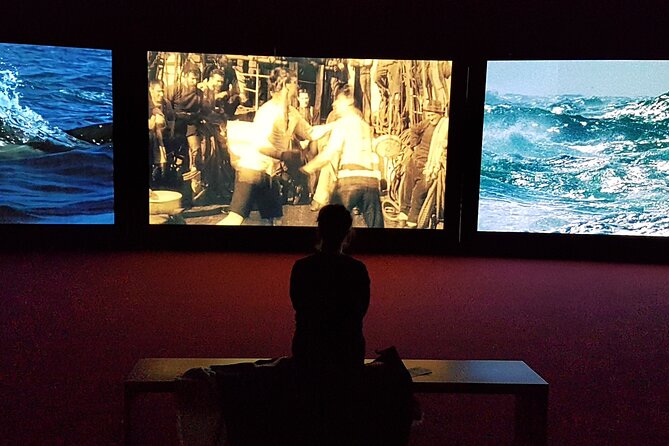
At $336.26 per person, this tour sits in the mid-to-upper range for Vienna. The key to judging value is what you actually get for that money, and how the tour reduces friction.
You do get admission included for Belvedere 21 (45 minutes) and the Secession (30 minutes). Several other stops are free, including Schweizergarten, Kunsthalle Wien Karlsplatz, the Academy gallery, and the MuseumsQuartier area. The only major paid museum stop at the end is mumok, and that one is explicitly not included.
So where does the value land? You are paying for a private, guided route that connects museums and public art into a coherent story about contemporary art in Austria. That guidance is not just background noise. It is how you avoid the common problem of seeing modern work and thinking, I like it, but I do not know why. With a guide, you spend your limited time looking at the right details and understanding what questions to ask.
Also, the tour notes group discounts and provides a mobile ticket, both of which can reduce small hassles. Discounts matter most if you are traveling with family or friends and can combine into a single booking.
The main trade-off is straightforward: you still need to factor in mumok admission separately, and the total time is tight enough that you may want to come back for a slower second pass.
Who this tour suits best, and who should rethink it
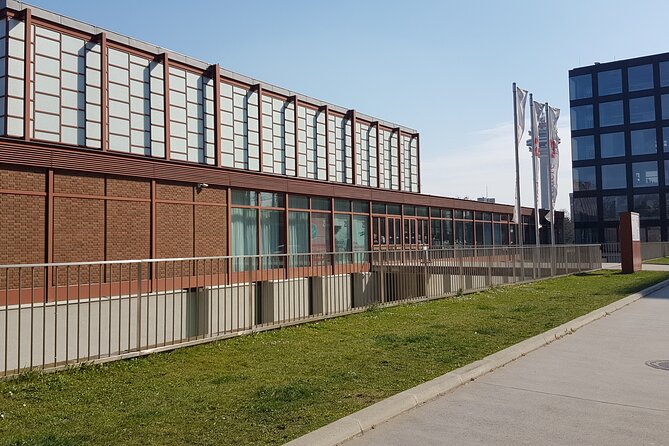
This tour is a strong match if you want contemporary art that feels grounded in place. If you enjoy understanding how Austrian artists fit into international movements, you will likely appreciate the way Belvedere 21 sets the tone and the way the Secession adds an artist-run angle.
You should also like a route that mixes museum galleries with outdoor public art. The Schweizergarten stop is short, but it changes your perspective. It is a reminder that contemporary ideas show up outside as well.
I think this works best for people who like guided pacing and conversation. In a private format, you can ask for clarification when modern art gets tricky, and your guide can steer you to the parts that will make the whole experience click.
You might want to skip this if your dream Vienna day is long solitary museum wandering, or if you want zero logistics. With several stops packed into 3.5 hours, you are not going to have hours alone in one gallery, even though the tour ends at mumok so you can extend.
After the tour: how to keep the mumok momentum going
The tour ends at mumok, and you can stay as long as you like after the guided portion. That is a smart setup because mumok is where you can slow down and follow the threads you reacted to earlier.
When I plan a finish like this, I focus on one approach: choose a single theme or one floor and commit to it. If you jump randomly across levels, the museum can feel like a collection of fragments. With a guided start, you already have a sense of what to look for, so you can use the extra time to either revisit the strongest pieces or chase a theme the guide highlighted.
If you are the type who likes to compare, you can also mentally connect what you saw at Belvedere 21 and the Secession House to what you find at mumok. That comparison often makes modern work feel less like a puzzle and more like a conversation.
Should you book this private contemporary art tour?
I would book this if you want a clear, efficient contemporary art route with meaningful context and a private guide who can explain what you are seeing without turning it into a lecture. The tour includes key admissions at the start, adds free stops that broaden the art conversation into public space and institutions, and then lands you in mumok where you can extend at your own pace.
The one reason to pause is timing. If you want a slow art day with no pressure, a museum-only afternoon might feel better. Also, remember that mumok admission is not included, so treat that as part of the true total cost.
If you are curious, short on time, and you like the idea of learning how Vienna’s contemporary scene holds together, this is a solid use of a half day.
FAQ
How long is the private contemporary art tour?
The tour lasts about 3 hours 30 minutes.
Is this tour private?
Yes. It is a private tour/activity, and only your group participates.
Where does the tour start?
The start is Belvedere 21 at Arsenalstraße 1/21er Haus, 1030 Wien, Austria.
Where does the tour end?
The tour ends at mumok (Museum moderner Kunst Stiftung Ludwig Wien) at Museumsplatz 1, 1070 Wien, Austria.
What museums are included with admission tickets?
Admission tickets are included for Belvedere 21 and the Secession.
Are any stops free?
Yes. Schweizergarten is free, Kunsthalle Wien Karlsplatz is free, Akademie der bildenden Kunste is free, and the Museumsquartier stop is free.
Is admission to mumok included?
No. The tour lists mumok admission as not included.
Is there a mobile ticket?
Yes. The tour includes a mobile ticket.
What if a museum is temporarily closed?
The itinerary may change due to temporary closures, and alternative venues may be offered.
Can I cancel for a full refund?
Yes. Free cancellation is available up to 24 hours in advance for a full refund. If you cancel less than 24 hours before the start time, the amount paid will not be refunded.
Just added to the bill for Vienna
Museums, compared.
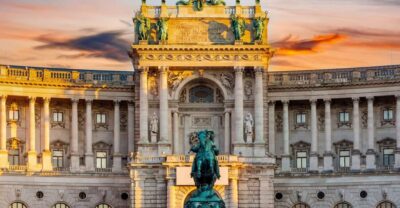
Skip-the-Line Sisi Museum, Hofburg and Gardens Tour
Read our review →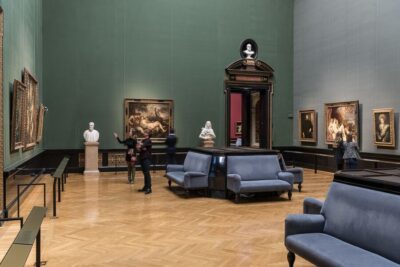
Vienna Kunsthistorisches Museum Day Admission Ticket
Read our review →

Chocolate Workshop in Chocolate Museum w/ Tasting
Read our review →
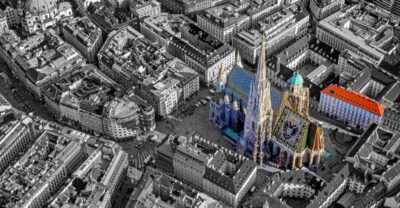
St. Stephen’s Cathedral & Dom Museum Wien Tickets
Read our review →
Browse the lists this tour appears in