
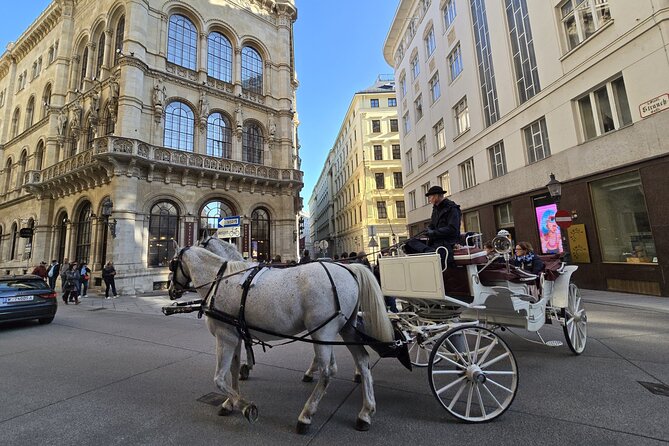
REVIEW · GUIDED WALKS IN VIENNA
Highlights of Vienna in a Historical & Cultural 3h Walking Tour
Vienna can feel like one big museum. This 3-hour walk gives you the story behind the buildings, from Mozart’s Vienna to Habsburg power, plus a real coffee-house stop that keeps you human between stops. I especially love how the guide ties major sights like St. Stephen’s Cathedral and the Hofburg to specific people and events, not just dates. I also like the pacing for a first visit, because you get a lot of landmarks without feeling stuck in a long line. One drawback to plan for, the route packs in many photo moments, so if you move slowly or want lots of extra detours, you may feel a bit rushed near the end.
You’ll start at Mozarthaus (Mozart apartment) near Domgasse and finish in front of Vienna State Opera. Expect a medium group (up to 18), guided in English, and built for your questions, not for silence. The price is $66.37 per person for about 3 hours, and it feels fair mainly because you’re not paying separate entrance fees for most stop points, plus you get a coffee-house break and a Vienna info package.
In This Review
- Key highlights to look for on this tour
- Why this route works so well for a first Vienna visit
- Start at Mozarthaus, and understand Mozart’s Vienna before you move on
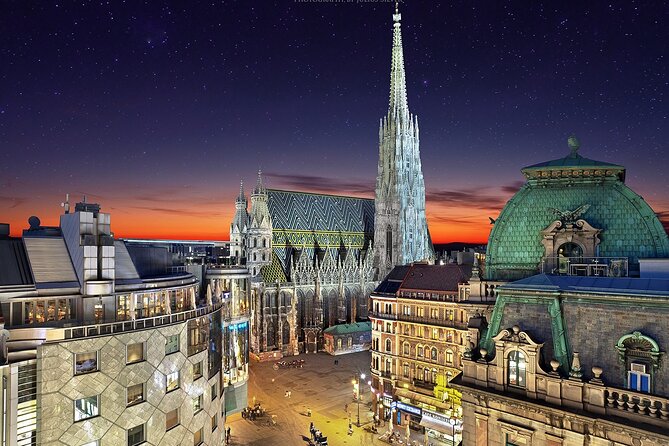
- St. Stephen’s Cathedral: the city’s medieval anchor
- Historic center highlights: plague column, Saint Peter’s, and a pastry-style city lesson
- Julius Meinl Am Graben: how Viennese coffee became a 300-year tradition
- Freyung Passage and Cafe Central corner: a quick taste of classic café Vienna
- Parliament and Rathaus: civic architecture from Greek style to Gothic city hall
- Burgtheater and the museum cluster around the Hofburg
- The Hofburg: Winter Palace and Habsburg residence, from the 13th century onward
- Spanish Riding School stables: see the horses tied to tradition
- Hotel Sacher and Viennese sweets: why Sachertorte matters
- Vienna State Opera: finish in front of one of the city’s showpieces
- Coffee-house break: the most practical part of the whole day
- Group size and pacing, what to expect day-of
- Is it worth $66.37? Value check for real-world travelers
- Who this tour suits best
- Should you book this Vienna walking tour?
- FAQ
- How long is the Vienna highlights historical and cultural walking tour?
- What is the price per person?
- Where does the tour start and where does it end?
- Is the tour offered in English?
- How big is the group?
- What is included in the tour price?
- Are museum entrance fees included?
- Is the tour suitable for people with moderate physical fitness?
- What happens if the weather is bad or you need to cancel?
Key highlights to look for on this tour
- Mozart to Habsburgs in one flow: you walk from composer roots to court power without repeating yourself
- Major landmarks, short stop times: cathedral, Parliament, city hall, opera, and the Hofburg area
- Coffee culture moments: learn how Viennese coffee became a 300-year tradition
- Spanish Riding School stable view: see the horses in the setting where the tradition lives
- Small-group feel: up to 18 people, and the guide is set up for questions
Why this route works so well for a first Vienna visit
If it’s your first time in Vienna, you want two things fast: orientation and context. This tour delivers both. You cover the core historic center, then slide into the Hofburg and opera-side sights, so you come away with a mental map of how the city “holds together.”
I like that the guide doesn’t treat famous places like stickers on a wall. You get why they mattered, who used them, and how they connected across time. That turns your next days in Vienna from wandering into choosing. You’ll be more likely to pick the right museum, the right café, and the right time to see something.
This is also a good value match for people who want guidance but don’t want to build their day around paid admissions. Most stop points are effectively free to view on the street or in a timed visit. If you later want ticketed museum time, you can decide that on your own.
More Guided Walks in Vienna
- Vienna: Guided Walking Tour of City Center Highlights
★ 4.7 · 4,989 reviews - Vienna: Vienna Central Cemetery Guided Walking Tour
★ 4.8 · 3,307 reviews - Vienna: Guided Walking Tour of City Highlights & Hidden Gems
★ 4.9 · 2,180 reviews - Vienna: Viennese Underworld Guided Walking Tour
★ 4.7 · 1,865 reviews
Start at Mozarthaus, and understand Mozart’s Vienna before you move on
The tour begins at Mozarthaus in the Domgasse area (Mozart’s apartment). Even if you know only a few famous works, this first stop helps you understand that Vienna wasn’t just where Mozart performed. It was where his life and career kept evolving.
Practical tip: show up a few minutes early. This start point is in a dense historic area, and you’ll want an easy, calm first minute before the guide gets the group moving.
What I find useful here is the way the guide uses Mozart as your thread. You’re not only seeing a name and a facade. You’re learning the rhythm of his time in Vienna, which makes later stops like St. Stephen’s and the imperial sites feel connected rather than random.
St. Stephen’s Cathedral: the city’s medieval anchor
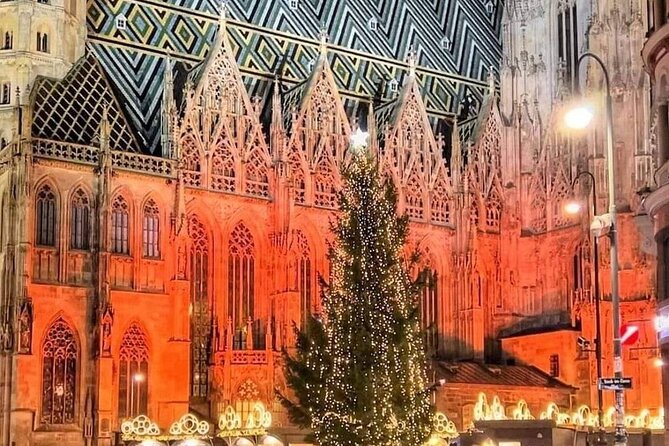
Next up is St. Stephen’s Cathedral, one of Vienna’s most recognizable symbols. You get a quick look at the medieval architecture and the long arc of the building’s story.
This is one of those stops that works even if you’re not a cathedral person. The guide’s framing helps you see the cathedral as part of Vienna’s identity, not just an old church. If you later decide to spend more time inside, you’ll know what to focus on.
Consideration: because this tour is only about 3 hours, you’ll have limited time at each site. If you want a slow, detailed cathedral visit, treat this stop as a tasting menu, not the whole meal.
Historic center highlights: plague column, Saint Peter’s, and a pastry-style city lesson
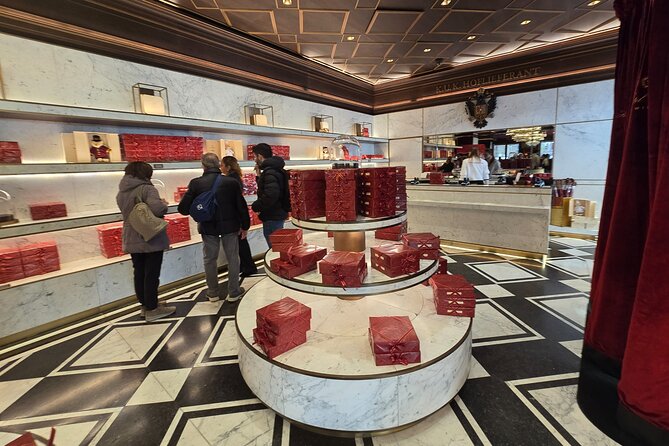
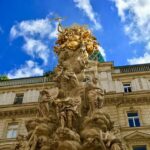
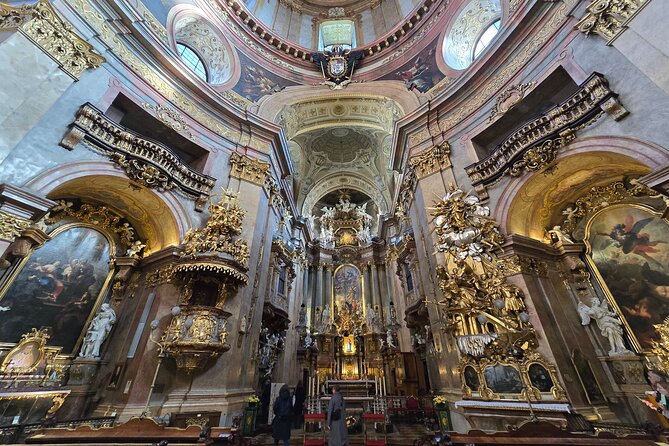
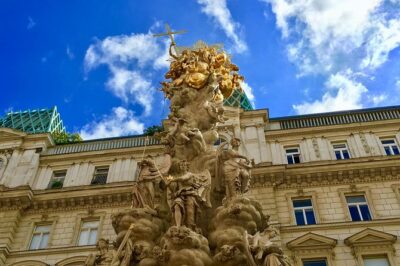
In the historic center, you’ll hit a cluster of familiar and less obvious locations. You’ll stop at Saint Peter’s church and the Plague column, and you’ll also hear about the Demel cake shop, a place tied to Vienna’s food culture.
This is where the tour starts to feel very “Vienna,” not just “Vienna landmarks.” The Plague column reminds you that the city’s story includes fear, survival, and civic memory, not only emperors and music. And the mention of a classic cake shop keeps the day grounded in everyday tradition.
If you’re a foodie, this section helps you plan. You’ll likely start noticing which streets and squares are known for coffee and sweets. That makes it easier to pick where to eat without falling into the most touristy traps.
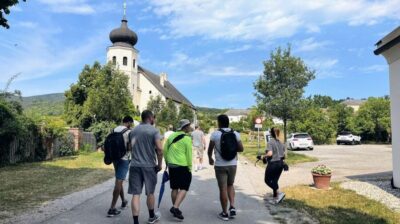
More of Austria on foot, bell tower to bell tower:
Julius Meinl Am Graben: how Viennese coffee became a 300-year tradition
Then comes Julius Meinl Am Graben, a stop built around one simple idea: Vienna’s coffee culture didn’t happen overnight. The guide explains how it grew into a tradition with roots over 300 years.
I like this stop because it’s not just about coffee as a drink. It’s coffee as a social system. Once you understand that, Viennese cafés stop being background scenery and start feeling like key parts of the city’s daily life.
Practical tip: if you’re caffeine-sensitive, you’ll still get plenty of time later for your coffee-house break. You might want to sip lightly here or just treat it as a learning moment.
Freyung Passage and Cafe Central corner: a quick taste of classic café Vienna
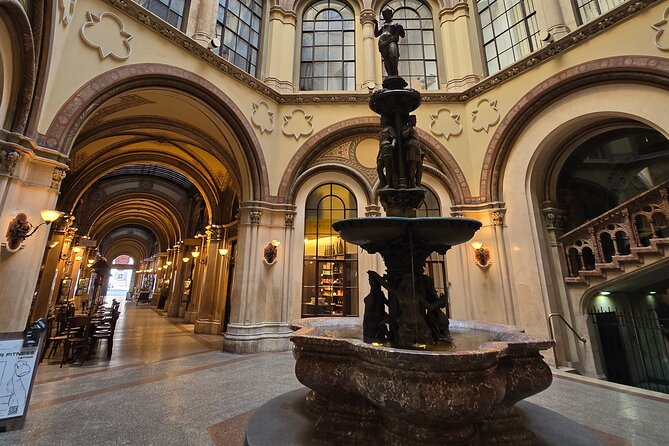
At Freyung Passage, you’ll explore the charm of a beautiful historic passageway. The guide also points out the famous Cafe Central, tied to one corner of this area.
This stop is short, but it gives you something valuable: a sense of where the best café history is “built into the streets.” Once you know that, you can pick your next café stop with more purpose.
If you care about atmosphere, keep your camera ready, because passageways like this often surprise you with their scale and details when you’re walking in person.
Parliament and Rathaus: civic architecture from Greek style to Gothic city hall
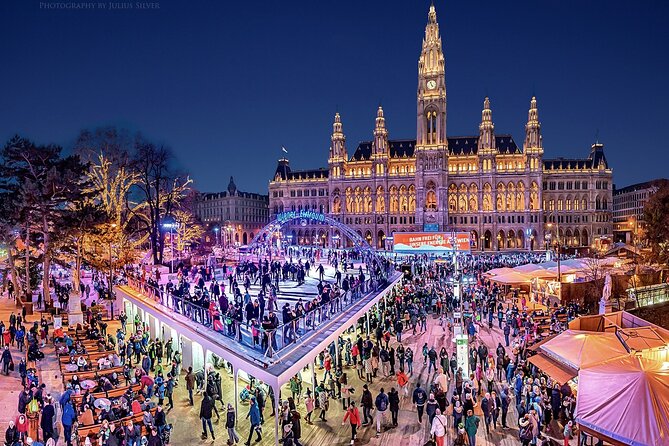
You’ll admire the Austrian Parliament building, described as Greek style, and see the Pallas Athene Fountain in front of it. Then you’ll shift to Rathaus, Vienna’s city hall, with its Gothic architecture.
This pairing is smart because it shows two sides of civic identity. Parliament connects to state power and public life. Rathaus connects to the municipal story, the day-to-day governance that shaped how the city worked for residents.
If you like architecture, this section is a win, because the guide helps you read the buildings rather than just see them. And if you don’t, you still get the why, which is what makes later visits feel smoother.
Cold-weather note: one of the real-world issues with winter walking tours is timing. If the weather is harsh, the tour can feel a bit tighter. Wear layers and accept that brisk walking is part of the deal.
Burgtheater and the museum cluster around the Hofburg
Next, you’ll see Burgtheater, a Renaissance style royal theater associated with Maria Theresa’s reign. It’s another stop that helps you connect arts, power, and public culture.
From there, you’ll move to Kunsthistorisches Museum Vienna area. You won’t spend a long time inside, but the guide explains the museum lineup connected to the winter palace area, including the point that there are 18 museums in and around the winter palace. That kind of overview is gold when you’re deciding what to buy tickets for later.
I love stops like this because they reduce decision fatigue. After the tour, you’re not staring at a website wondering which museum is worth your afternoon. You’ll remember the guide’s map of the cluster.
The Hofburg: Winter Palace and Habsburg residence, from the 13th century onward
The Hofburg is one of the key reasons to do this tour, because it’s not just a building. It’s the center of Habsburg residence and imperial identity stretching back to the 13th century, as framed by the guide.
You’ll focus on the Winter Palace and the residence of the Habsburgs, and you’ll learn about major emperors and empresses. Even with limited time at this stop, the story helps you understand why the Hofburg keeps showing up in Vienna like a gravitational center.
Practical tip: if you’re tempted to add lots of Hofburg ticket time right away, pause for a minute. Your legs will thank you if you schedule any deeper palace or museum exploration for later when you’re not still in tour mode.
Spanish Riding School stables: see the horses tied to tradition
One of the most memorable segments is the Spanish Riding School stop. The tour visits the stables and you see the horses tied to the centuries-old tradition that began in the 15th century.
This is the kind of stop that breaks up the “stone and stories” feeling. You get something alive and visual. Also, it’s a great chance to learn how tradition is maintained, not just performed for tourists.
Consideration: stables and horse areas can mean lots of walking and indoor temperature swings. If you’re visiting in colder months, bring gloves or something warm for your hands.
Hotel Sacher and Viennese sweets: why Sachertorte matters
You’ll then stop at Hotel Sacher. The guide gives context on how the historic hotel was built and shares the story behind Austria’s most popular chocolate cake, the Sachertorte.
Even if you think you already know Sachertorte, this kind of stop helps you understand why the cake became a cultural reference point. Food in Vienna often functions like a landmark. It signals identity, craftsmanship, and tradition.
Practical tip: if you want cake after this, plan it for later. This tour’s schedule moves fast, and you’ll enjoy it more when you’re not rushing between photos and streets.
Vienna State Opera: finish in front of one of the city’s showpieces
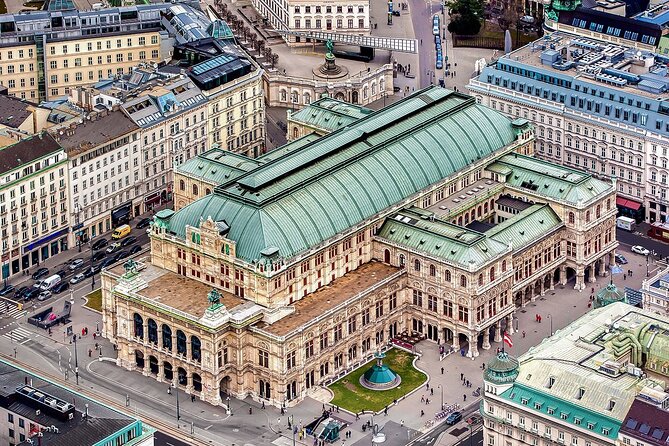
Finally, the tour ends at Vienna State Opera, right by Opernring 2. You’ll admire the beauty of the building, and the guide tells the story about why an emperor was disappointed when he saw it and what happened to a critic afterward.
This ending works because opera is where Vienna often wants to land emotionally: drama, art, and power in one place. Finishing here also sets you up for evening plans, because the area is easy to navigate after the tour.
If you want a smooth day after, consider pairing this with an early dinner nearby rather than trying to cross the city while your feet are still warm.
Coffee-house break: the most practical part of the whole day
The tour includes an extra 30-minute break in a traditional Viennese coffee house, plus a printed Vienna information package and a city map. That break matters more than it sounds. It keeps your brain clear, so the history actually sticks.
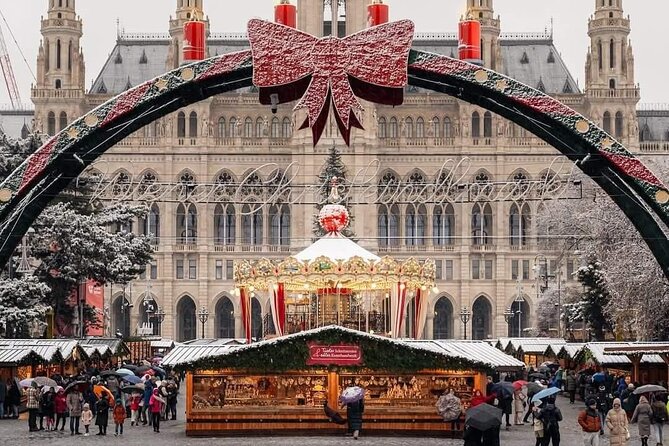
In winter timing, you might also catch a more festive vibe around Rathaus, since some groups have had time for a warm drink and a snack around the Christmas market area during this break. Either way, the point is the same: you get a moment to sit, breathe, and reset before the final stretch.
My advice: use this break to do two small things.
- Read through the guide’s recommended museums and cafés while the walk notes are fresh.
- Decide where you’ll go next, then you’ll feel way less scattered the rest of your trip.
Group size and pacing, what to expect day-of
This is a small group format, from 4 up to 18 people. That size is a sweet spot for a walking tour: you can ask questions without feeling swallowed by a crowd.
The length is about 3 hours, and the stops are mostly short. That means you’re not going to linger at every site. It’s designed to give you a guided route and context, not a full museum day.
One thing to consider: on a cold day, the pace can feel a little tight. If you’re traveling with kids, or if your pace is slower, plan to be flexible and bring a positive attitude. One review notes that the guide adjusted with extra time during slower moments, which is exactly what you hope for in a good tour.
Is it worth $66.37? Value check for real-world travelers
For $66.37 per person, you’re paying for three big assets:
1) A guided story thread connecting Mozart, civic Vienna, and the Habsburg center
2) A route that covers many major sights in a short time window
3) Included extras that reduce planning effort, like the coffee-house break, printed info package, and a city map
You’re also not being forced into expensive museum ticket time during the walk. Entrance fees to museums are not included, so if you later want to go inside, you can choose the level of spending that fits your priorities.
To me, the best value shows up when you do this early in your trip. It gives you a framework for the rest of your stay, so you don’t waste time picking randomly.
Who this tour suits best
This works especially well for:
- First-timers who want an efficient orientation and story context
- People who enjoy architecture and want help reading it
- Travelers who like coffee and cake culture, not just opera and palaces
- Families too, since the tour is structured in short, clear segments
It might be less ideal if you:
- Want long indoor time at cathedrals or palaces during the tour itself
- Need lots of photo time at every stop and hate feeling rushed
- Have mobility limits that make frequent walking tough, since the route is designed for moderate physical fitness
Should you book this Vienna walking tour?
If you’re on the fence, I’d say book it if you want a guided “connect-the-dots” day. This route does a rare thing well, it ties Mozart, civic buildings, imperial power, and Vienna’s food culture into a single walking rhythm. You finish at Vienna State Opera, so the day ends in a perfect landmark moment rather than a random street corner.
Skip it or consider a longer option if you already know Vienna deeply and want a museum-focused itinerary, because this tour keeps stop times short. But for most people who want to get their bearings fast and then explore on their own, this is a smart start.
If you book, do it early in your trip, and wear comfortable shoes. Then let the guide’s stories steer your next choices, especially where to eat, what to see inside, and which cafés fit your mood.
FAQ
How long is the Vienna highlights historical and cultural walking tour?
The tour lasts about 3 hours.
What is the price per person?
The price is $66.37 per person.
Where does the tour start and where does it end?
It starts at Mozarthaus (Mozart apartment), Domgasse 5, 1010 Wien, and ends in front of Vienna State Opera at Opernring 2, 1010 Wien.
Is the tour offered in English?
Yes, the tour is offered in English.
How big is the group?
The group size is up to 18 people, with a small group format (4 to 18) so you can ask questions.
What is included in the tour price?
Included are a knowledgeable and friendly tour guide for the duration, history and practical suggestions, a printed Vienna information package, a Vienna city map, and an extra 30-minute break in a traditional Viennese coffee house.
Are museum entrance fees included?
No, entrance fees to museums are not included.
Is the tour suitable for people with moderate physical fitness?
The tour is designed for travelers with a moderate physical fitness level.
What happens if the weather is bad or you need to cancel?
This experience requires good weather. If it’s canceled due to poor weather, you’ll be offered a different date or a full refund. You can cancel for a full refund up to 24 hours in advance of the experience start time.
The Habsburg Map
- Vienna: Time Travel and Magic Vienna History Tour
★ 4.6 · 3,879 reviews - Time Travel-Magic Vienna History Tour Ticket
★ 4.5 · 1,099 reviews - Skip-the-Line Schonbrunn Palace Guided Tour and Vienna Historical City Tour
★ 3.5 · 940 reviews - Vienna Mozart Concert in Historical Costumes at the Musikverein
★ 4.5 · 888 reviews
Just added to the bill for Vienna
Guided Walks in Vienna, compared.
Guided Walking Tour of City Center Highlights
Read our review →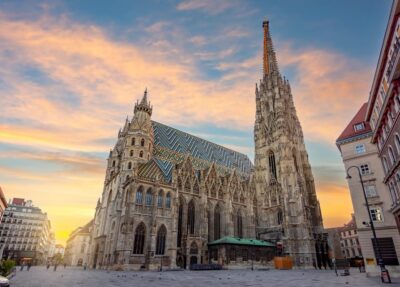
Guided Walking Tour of City Highlights & Hidden Gems
Read our review →
Vienna Historic Center Small Group Walking Tour
Read our review →
Ghosts and Legends Guided Nighttime Walking Tour
Read our review →Browse the lists this tour appears in