
REVIEW · MUSEUMS
Kunsthistorisches Museum Vienna and Imperial Treasury of Vienna
Old masters and Habsburg bling in one stop. With a paper ticket, you can pair two top Vienna sights, the Kunsthistorisches Museum and the Imperial Treasury, so your day connects art and imperial power without juggling separate admissions.
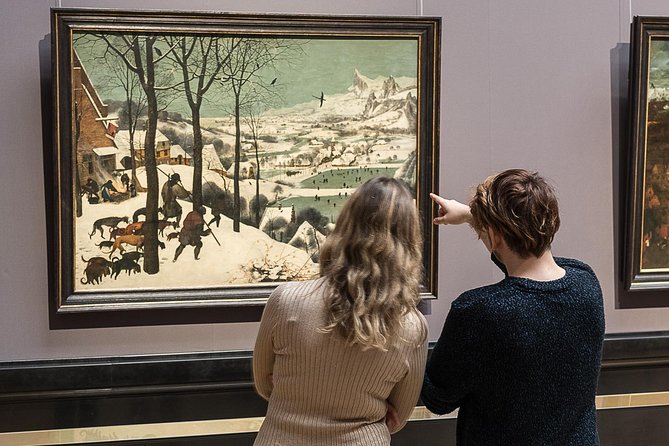
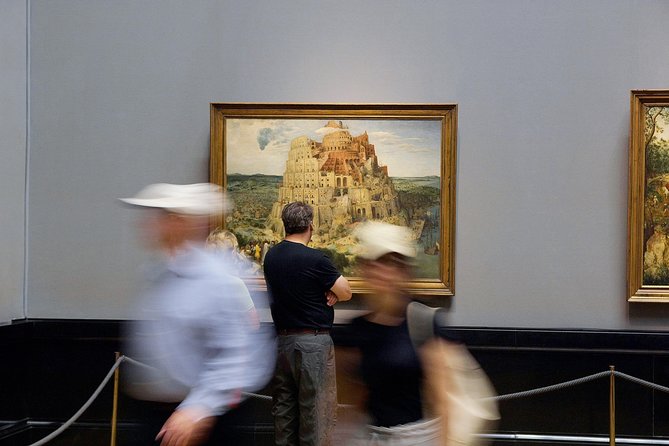
I like this ticket for the art lineup alone, with major painters such as Rubens, Rembrandt, Raphael, Velázquez, Titian, Dürer, plus a standout group focused on Pieter Bruegel the Elder. I also like what you get next door in the Imperial Treasury, where the House of Habsburg display puts real crowns, coronation-style regalia, and the largest cut emerald in the world on full view.
One possible drawback: voucher and queue confusion can slow you down. Some ticket holders report ending up in the wrong line and having to exchange a voucher for entry tickets, so build in extra time and follow the labels carefully at the entrances.
In This Review
- Key Things to Know Before You Go
- How This Ticket Works Between Two Big Vienna Sights
- Kunsthistorisches Museum Vienna: Old Masters in a Crown-Weight Building
- Where to Focus Inside: Rubens, Rembrandt, Raphael, Bruegel, and More
- Imperial Treasury of Vienna: Crowns, Regalia, and the Largest Cut Emerald
- Time, Queues, and Ticket Exchange Tips That Save Your Day
- A Smart Way to Plan Your Visit Order and Pace
- Price and Value: Is $38.62 Fair for Two Major Venues?
- Who This Ticket Suits Best
- Should You Book This Two-Museum Ticket?
- FAQ
- What does this ticket include?
- Where can I use the ticket?
- What are the opening hours?
- Do I receive a paper ticket?
- Do children get free admission?
- How much does it cost?
- Will I need to exchange a voucher for tickets?
- Is there free cancellation?
Key Things to Know Before You Go
- One ticket, two venues: entry at both the Kunsthistorisches Museum Vienna and the Imperial Treasury of Vienna
- Old masters plus imperial showpieces: paintings in the museum, regalia and crowns in the Treasury
- Kunstkammer Vienna and Neue Burg access: built into your Kunsthistorisches Museum visit
- Focus on the right queues: watch for the voucher desk, not the standard ticket line
- Allow real time: the museum and Treasury are both “hours,” not “minutes,” experiences
How This Ticket Works Between Two Big Vienna Sights
This is a simple idea with slightly tricky execution. You buy a combined admission that covers both the Kunsthistorisches Museum Vienna and the Imperial Treasury of Vienna, and the listing notes that entrance fees are included. You should also expect a paper ticket, with confirmation sent at booking time.
Here is the key practical point: at the buildings, you may not go straight from the gate to the galleries. Multiple people describe a system that involves a voucher exchange. In plain terms, plan to walk up, read the signage, and look specifically for a voucher labeled ticket hut or desk. If you join the regular ticket line by mistake, you can lose time.
So think of this as “two admissions, one day plan.” You are not getting a guided commentary that strings rooms together, and you are not getting a guaranteed fast-track promise. You are getting a combined entry right, but you still need to manage the on-site flow.
More Habsburg-era halls and hangings:
- Vienna: Skip-the-Line Sisi Museum, Hofburg and Gardens Tour
★ 4.8 · 5,918 reviews - Vienna Kunsthistorisches Museum Day Admission Ticket
★ 4.6 · 3,690 reviews - Tickets for the Albertina Exhibitions
★ 4.7 · 2,126 reviews - Vienna: Chocolate Workshop in Chocolate Museum w/ Tasting
★ 4.5 · 1,802 reviews
Kunsthistorisches Museum Vienna: Old Masters in a Crown-Weight Building
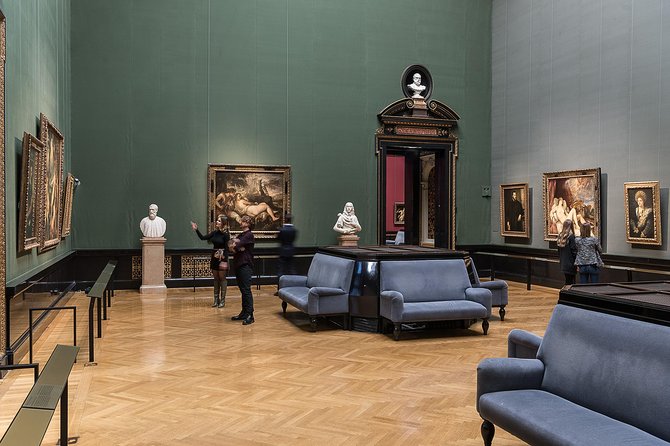
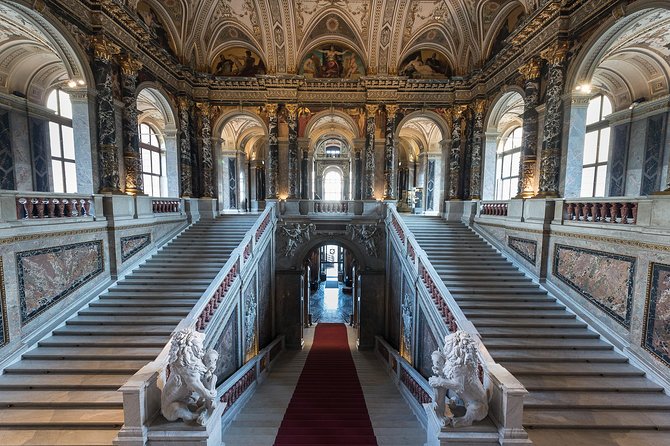
The Kunsthistorisches Museum is one of those places where the rooms feel like part of the collection. Even if you only care about a handful of artists, you will still get that sense of scale and grandeur as you move through the building.
What makes this stop especially worthwhile with this ticket is that you are not only buying access to a painting museum. You are also getting access to Kunstkammer Vienna and Neue Burg within the Kunsthistorisches Museum complex. That matters because it broadens the visit beyond framed canvases into objects and spaces that show how the Habsburg world collected and displayed power, taste, and science.
In other words, if your brain likes connections, this museum can scratch a few itches at once:
- Paintings by heavyweight names
- Object galleries that explain how collections were built
- A building layout that makes you slow down naturally
A possible catch: the museum is huge. One common practical warning is that the art museum alone can take about four hours or more, depending on how closely you look and how often you pause. If your schedule is tight, you will feel it.
Where to Focus Inside: Rubens, Rembrandt, Raphael, Bruegel, and More
Your money is buying access to a serious concentration of European painting. The ticket highlights include works by Rubens, Rembrandt, Raphael, Velázquez, Titian, and Dürer. It also calls out the world’s most important collection of paintings by Pieter Bruegel the Elder.
So how do you handle “so much art” without spending your day in overwhelm? I suggest picking two anchors and then letting the galleries between them pull you in.
A good approach in the Kunsthistorisches Museum is:
- Start with the artist headline you came for (Bruegel for paintings, if that is your main goal)
- Then add one or two other schools you can recognize quickly, like Dutch or Italian masters
- Use breaks on purpose, because the museum has places to sit and recharge
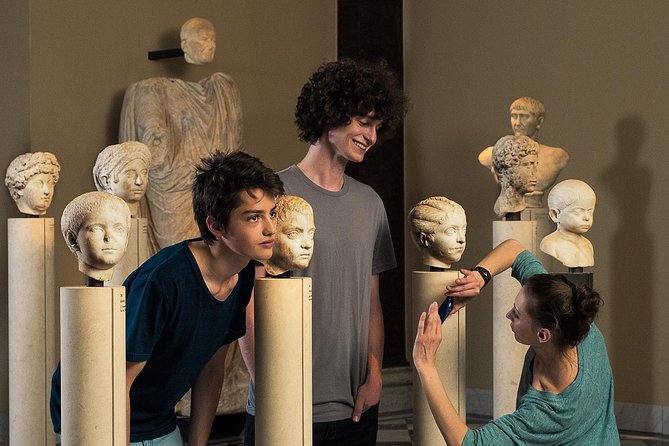
Some visitors also mention the museum includes areas tied to Egyptian and Roman antiquity. Even if you are there for paintings, those zones can be a pleasant palate cleanser. You do not need to treat it like a checklist. If you leave feeling like you saw just a few big things clearly, that is a win.
And yes, come ready for comfort. People repeatedly recommend comfortable shoes. The galleries are clean and well run, but walking time adds up fast when you are moving between rooms.
Imperial Treasury of Vienna: Crowns, Regalia, and the Largest Cut Emerald
Then you shift from painterly drama to imperial hardware.
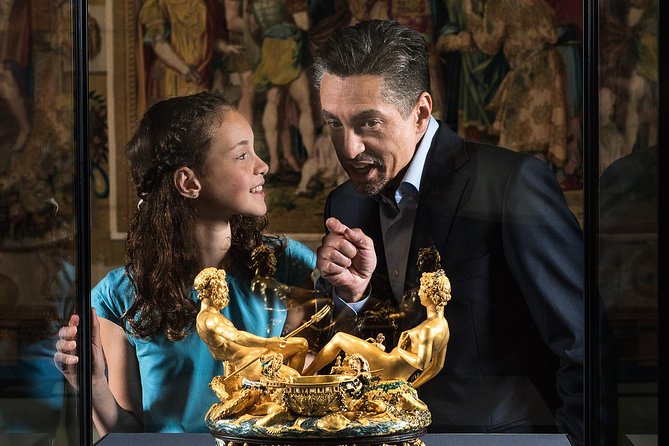
The Imperial Treasury of Vienna focuses on the House of Habsburg and the kinds of objects that turned rule into symbolism. Your ticket includes access to spectacular display categories: the Austrian imperial crown, the German imperial crown, and insignia of the Holy Roman Empire. It also highlights sparking jewels, including the largest cut emerald in the world.
If you like history as something you can actually see, this is where the story becomes physical. You are looking at regalia meant for coronations and authority, not just portraits of authority.
People often point to a display centered on crowns and coronation-style regalia as the highlight. Another detail worth noting is that the Treasury also shows ceremonial clothing and ceremonial robes. That gives you a more human view of how power looked and how it was performed.
Practical expectation: the Treasury is intense in a different way than a painting museum. Instead of spending hours chasing brushstrokes, you spend time reading labels, looking at craftsmanship, and going back to view key pieces again because they are hard to process on the first pass.
Held over another night in Vienna
Time, Queues, and Ticket Exchange Tips That Save Your Day
This is the part that can make or break the experience.
The recurring lesson is that a voucher is not the same as an entry ticket in the moment you arrive. People describe looking for the voucher desk, standing in a shorter line there, then getting the actual tickets that allow entry. If you join the wrong queue, you can end up re-queuing for a second exchange.
My advice:
- Arrive early enough that a 30 to 60 minute wobble does not wreck your plans.
- Walk in, then pause at the signage to confirm which line is for vouchers.
- Keep any booking confirmation handy, including the details you received at booking time.
There is also a cautionary note from one unhappy experience: in one case, printed tickets and a downloaded version on a phone did not scan properly, and museum staff required a new ticket purchase to enter. That is not described as a standard problem, but it is enough to justify one safety move: bring your confirmation, and be ready to exchange or re-ticket if the on-site desk asks you to.
Comfort also matters. One reviewer said you should carry water, and that aligns with reality. You will likely do a lot of standing in both places.
A Smart Way to Plan Your Visit Order and Pace
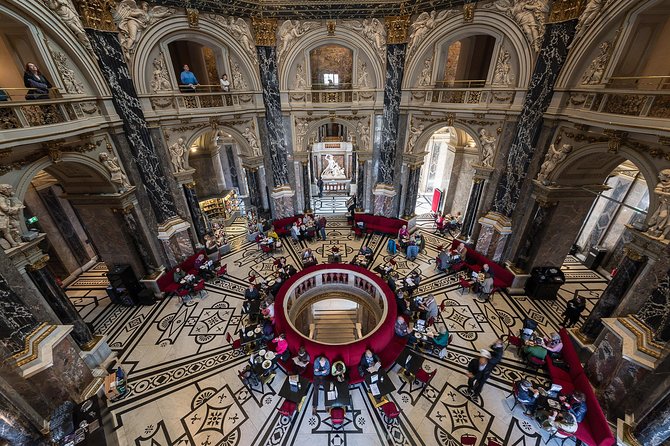
I like a strategy that balances two different kinds of attention.
For many people, a good flow is:
- Start at the Kunsthistorisches Museum if you want a slower, gallery-style introduction to the Habsburg world.
- Then move to the Imperial Treasury for a more concentrated hit of regalia and objects.
But if your energy is limited, do the opposite. The Treasury can feel more direct, so it can serve as a satisfying anchor if you know you will not have endless patience for a large museum.
The bigger planning reality is time. The ticket’s listed duration looks short, but the venues themselves are not. If you try to cram both into a rushed half-day, you will either miss parts or feel stressed.
A balanced plan:
- Plan for several hours total, not just quick entry.
- Schedule breaks so you can sit and reset, especially in the Kunsthistorisches Museum where you may want to compare works and take your time.
- Decide ahead of time what “done” means for you. For example, you might leave after seeing the main Bruegel focus, a few major named artists, and the Treasury’s crown and coronation regalia areas.
Price and Value: Is $38.62 Fair for Two Major Venues?
At about $38.62 per person, this ticket is asking you to bundle two of Vienna’s biggest draws. The value depends on what you would otherwise do.
If you are already planning to see both the Kunsthistorisches Museum and the Imperial Treasury, the bundled approach is the whole point. You are paying for access to two entry experiences in the same day window, with entrance fees included.
Where value becomes less clear is if you might skip one venue. The Kunsthistorisches Museum alone can take most of a day for art lovers. The Treasury adds a second set of highlights that you will probably want time for too. In that scenario, paying for both makes sense if you truly want the full Habsburg spectrum, paintings and imperial regalia.
Also note the age rule. Adult pricing applies to all travelers, and children under 19 are free of charge. If you are traveling with younger family members, that can make the ticket feel even more affordable.
Who This Ticket Suits Best
This is a strong fit for:
- Art history fans who want major-name artists in one place
- People interested in the Habsburg dynasty and imperial symbolism
- Visitors who like variety, with painting plus collections like Kunstkammer and objects in the Treasury
It might be less ideal if:
- You hate queue uncertainty and need a strictly timed, no-lines visit
- You only want one quick attraction and do not have hours to spare
If your group includes mixed interests, that is actually a plus. The museum can satisfy art lovers, while the Treasury can satisfy anyone who loves crowns, regalia, and ceremonial fashion.
Should You Book This Two-Museum Ticket?
Yes, I think you should book it if you plan to see both venues and you can give yourself enough time.
The big reason: this ticket is built for connection. You see world-class paintings and then shift into the material culture of empire, with crowns, insignia, jewels, and ceremonial display. That combo is hard to replicate efficiently with separate tickets.
If you book it, book smart:
- Aim to arrive early.
- Look for the voucher desk label before you line up.
- Wear comfortable shoes and plan for a long day of indoor walking.
FAQ
What does this ticket include?
It includes entrance fees to Kunsthistorisches Museum Vienna and the Imperial Treasury Vienna. You get access to both sides of the experience, art in the museum and Habsburg treasures in the Treasury.
Where can I use the ticket?
You can use it at Kunsthistorisches Museum Vienna (opening hours vary by season) and at the Imperial Treasury Vienna, which is open daily except Tuesdays.
What are the opening hours?
For Kunsthistorisches Museum, hours vary by month, including June to August daily 10:00 AM to 6:00 PM and Thursdays until 9:00 PM, and September to May Tuesday to Sunday 10:00 AM to 6:00 PM with Thursdays until 9:00 PM. The Imperial Treasury Vienna is open daily except Tuesdays, 9:00 AM to 5:30 PM.
Do I receive a paper ticket?
Yes. The ticket is described as a paper ticket, and confirmation is received at the time of booking.
Do children get free admission?
Yes. Children under 19 years are free of charge.
How much does it cost?
Adult pricing applies to all travelers. The price shown is $38.62 per person.
Will I need to exchange a voucher for tickets?
Some visitors describe that you may need to exchange a voucher at a ticket hut labeled voucher, and that joining the wrong queue can cause extra waiting. The key is to follow the voucher instructions on arrival.
Is there free cancellation?
Yes. You can cancel up to 24 hours in advance for a full refund, with the cut-off based on local time.
Just added to the bill for Vienna

Museums, compared.
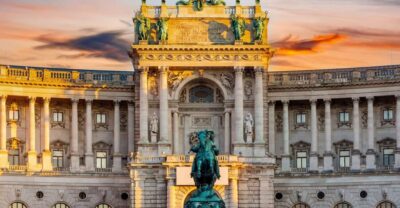
Skip-the-Line Sisi Museum, Hofburg and Gardens Tour
Read our review →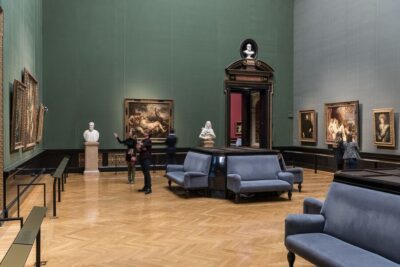
Vienna Kunsthistorisches Museum Day Admission Ticket
Read our review →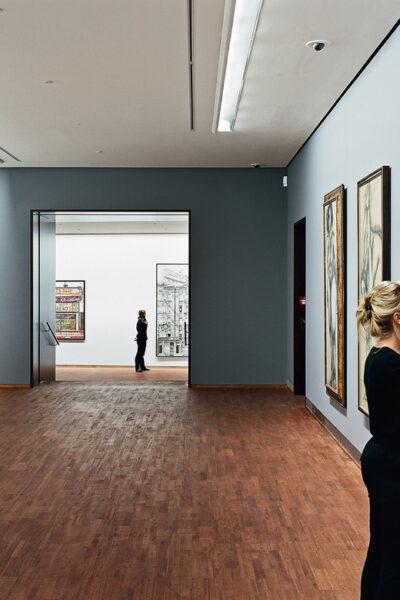

Chocolate Workshop in Chocolate Museum w/ Tasting
Read our review →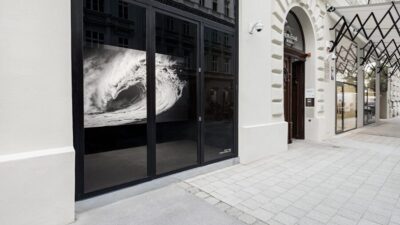
St. Stephen’s Cathedral & Dom Museum Wien Tickets
Read our review →
Browse the lists this tour appears in